Traditionally, one fact about university attendance in America seemed generally accepted: College lasts four years. Though that timeline has been a little flexible for sports, once a player moved on to the pros, the college athlete days were over.
In June, the National Collegiate Athletic Association (NCAA) adopted a rule allowing athletes to play five seasons within five years. An athlete’s eligibility clock historically starts when the athlete enrolls full time in college or at the start of the regular school year after turning 19, whichever comes first.
The new rule was meant to rein in unusual conditions. Redshirt seasons plus 2020 coronavirus pandemic extensions allowed some athletes to remain eligible for six or even seven years. But . . . the NCAA applied the new rule to athletes who graduated from high school in 2023. The Class of 2022 missed out. Many members of that class used their fourth and final season last school year.
The result? Legal challenges. Class of ’22 athletes argue that the NCAA’s decision denies them that fifth year of education—and the opportunity to earn money through name, image, and likeness (NIL) deals.
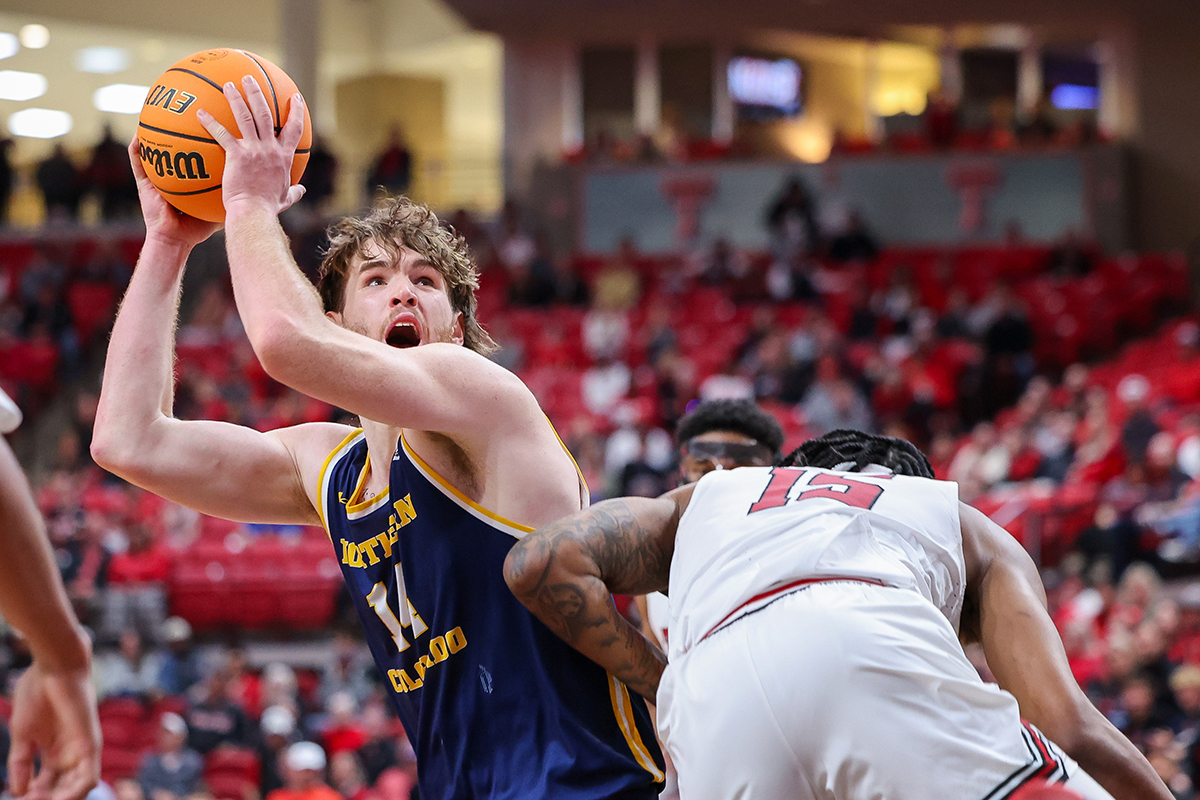
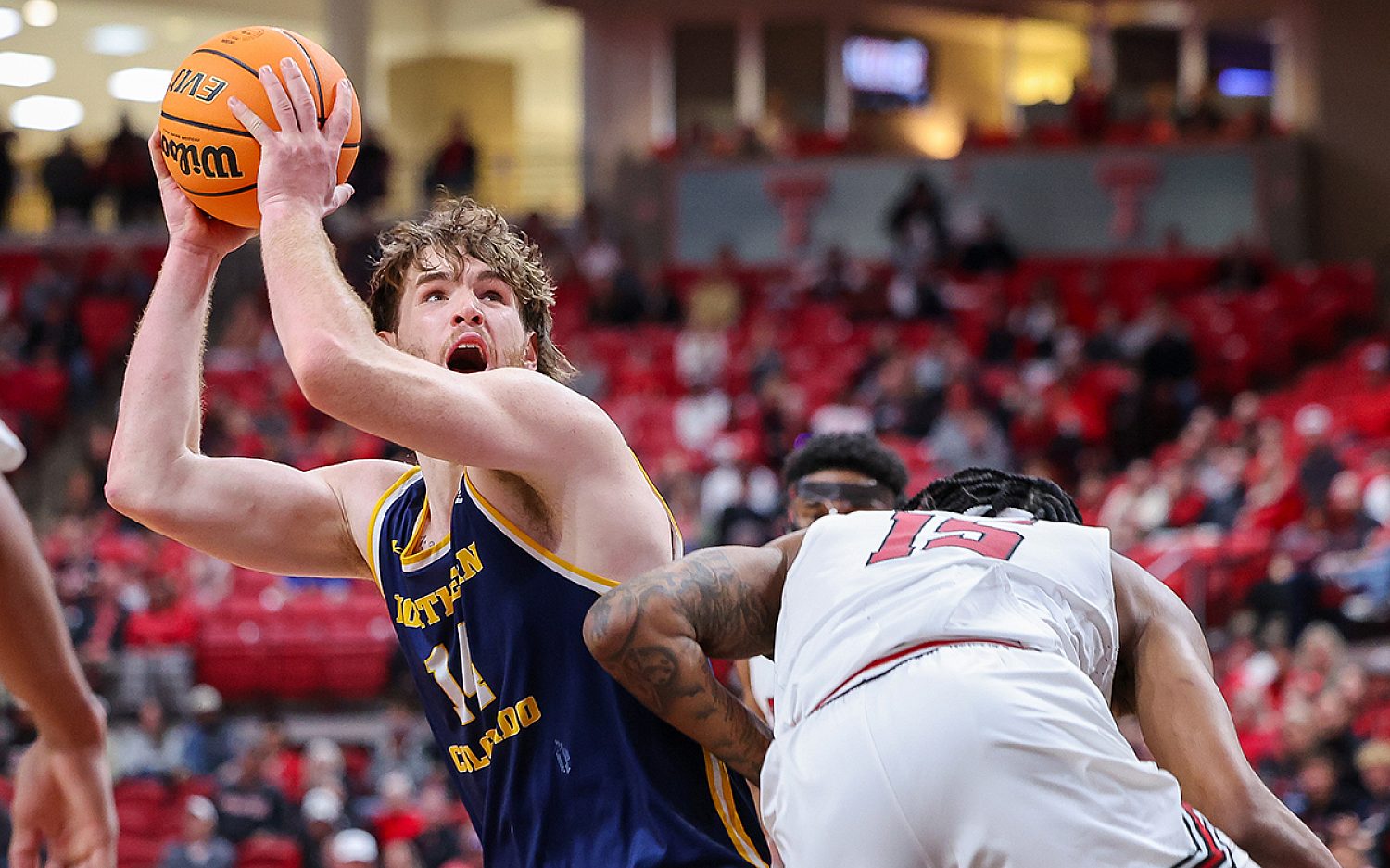
Basketball player Brock Wisne filed a federal class-action lawsuit. It asserts that the NCAA violated antitrust law by excluding his class. A federal judge in Denver, Colorado, ruled in favor of Wisne. The decision lets affected athletes return to their former colleges. Players could not return and then transfer to a different school.
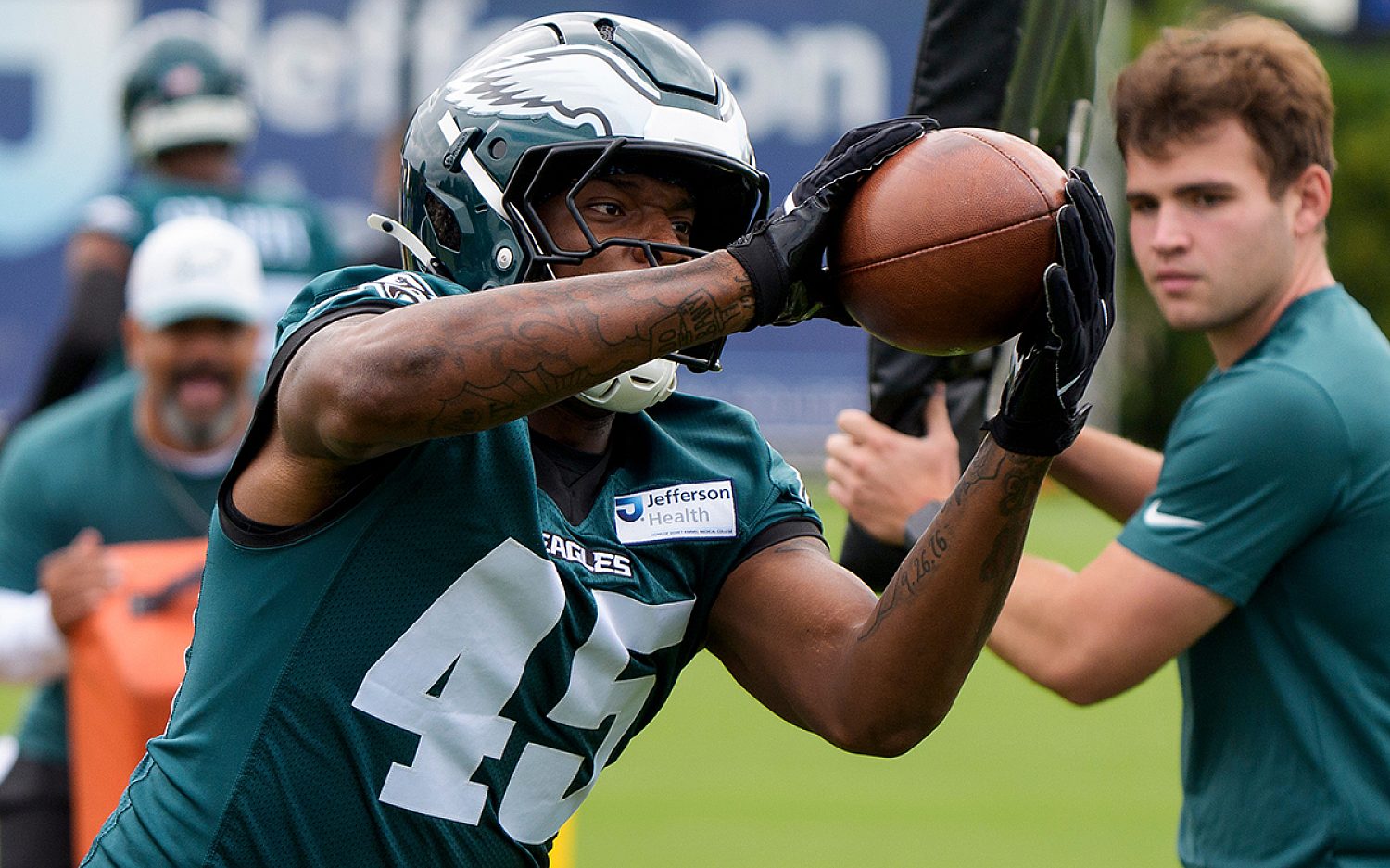
An appeals court temporarily halted the Denver judge’s order. But other athletes filed cases in state courts. One involved tight end Dae’Quan Wright. He left University of Mississippi, signed with the pro Philadelphia Eagles and Cleveland Browns, and then reached a deal to play at Louisiana State University. A Louisiana judge allowed players to return and ordered the transfer portal reopened for one week to accommodate changing schools. Southeastern Conference rules generally bar in-conference moves like Wright’s except during the window when the football transfer portal is open to all.
According to Ehrlich’s College Sports Litigation Tracker, at least 26 cases have been filed in state and county courts across the nation. In at least 10 of those, judges’ rulings favored the players. In one case, an appeals court overturned the initial decision, leading to a favorable outcome for the NCAA.
The legal wrangling could take months to resolve. That leaves schools, conferences, and players to navigate various court orders. Meanwhile, the larger question remains unsettled: Where does college eligibility end when the rules change after athletes have already moved on?
Why? Scripture teaches that life has seasons. (Ecclesiastes 3:1) Growth often requires leaving one season behind and faithfully stepping into the next.