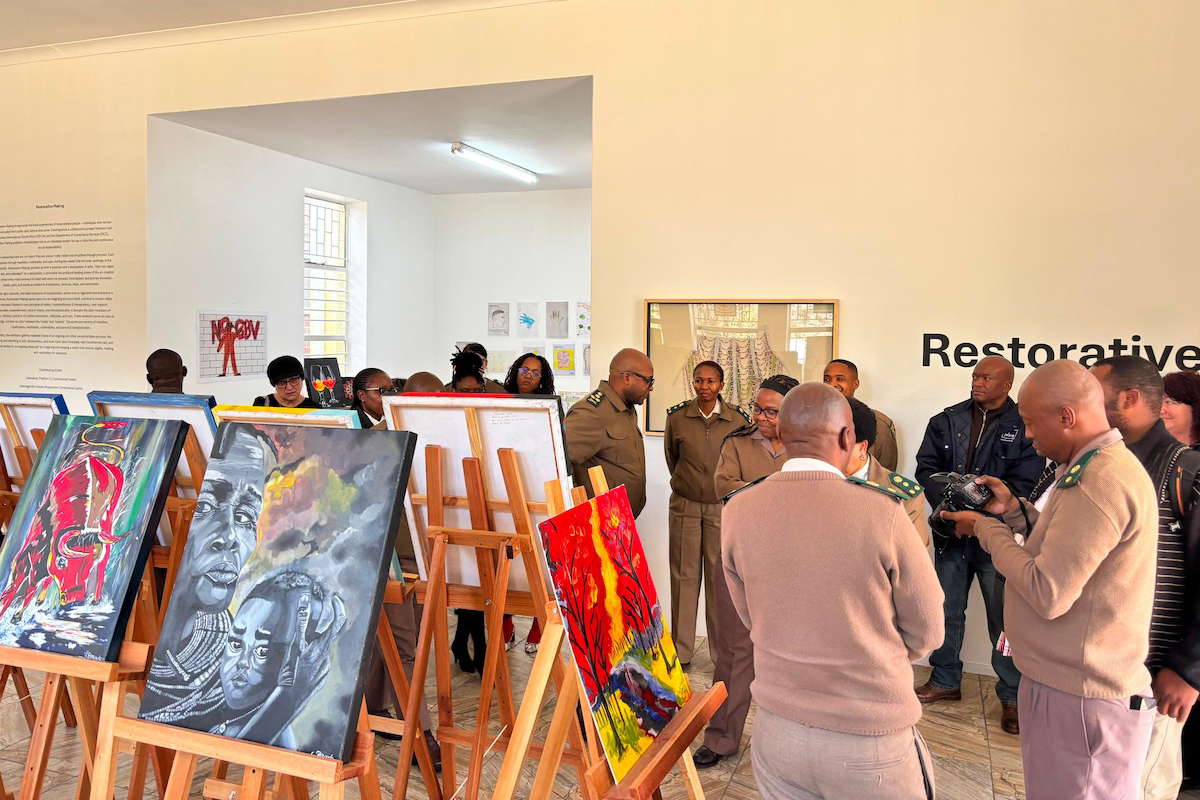

Imagine a prison. What do you picture? Steel bars? Cold concrete? An art gallery?
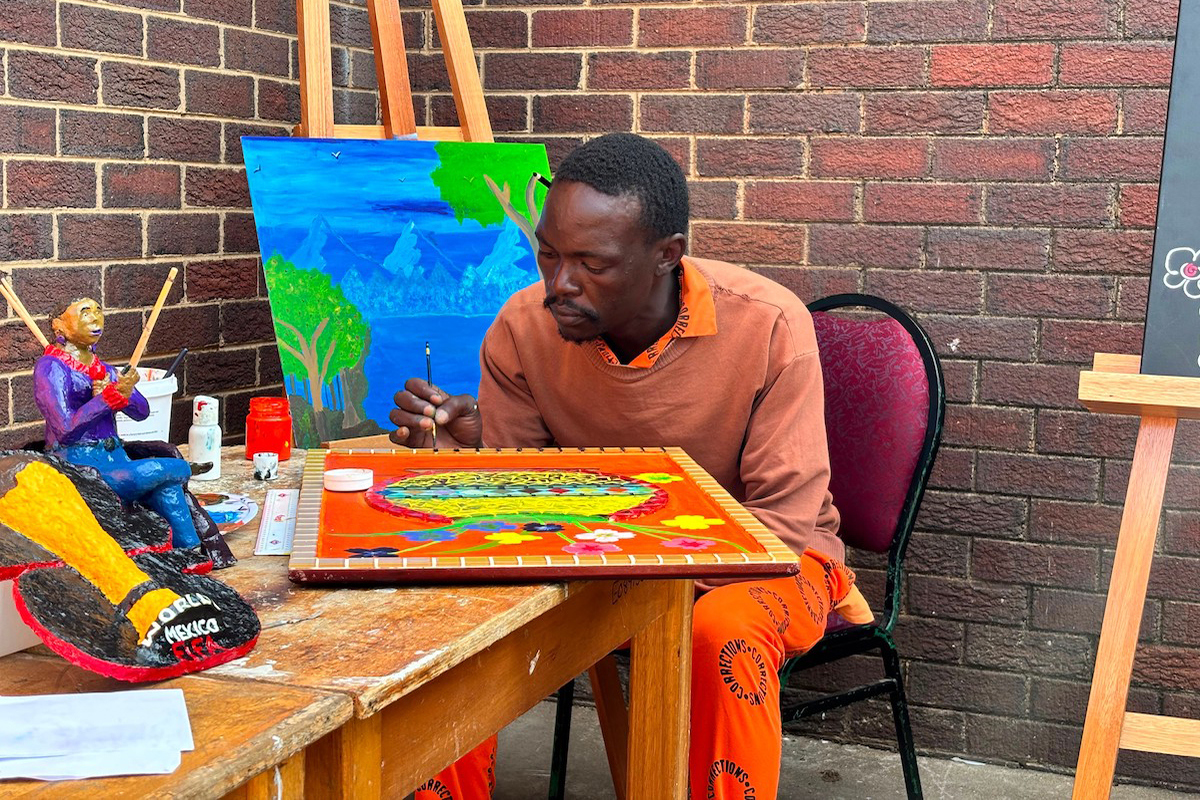
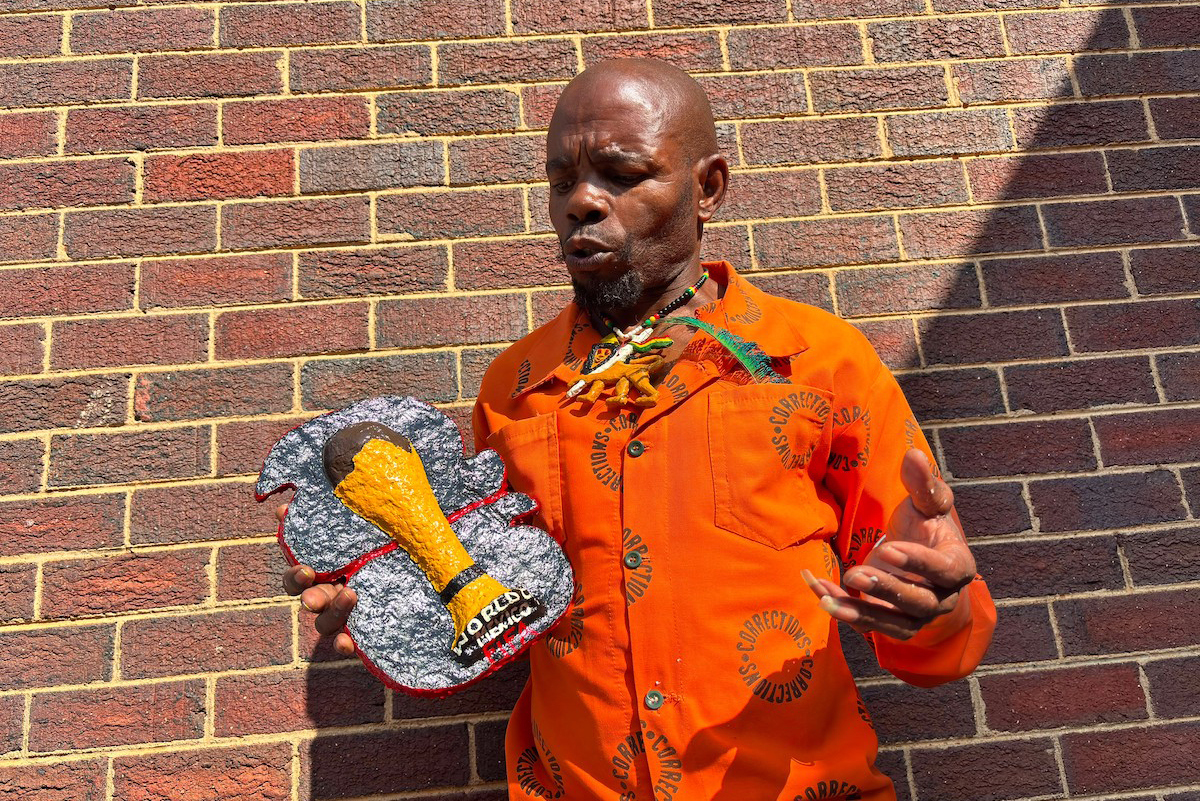
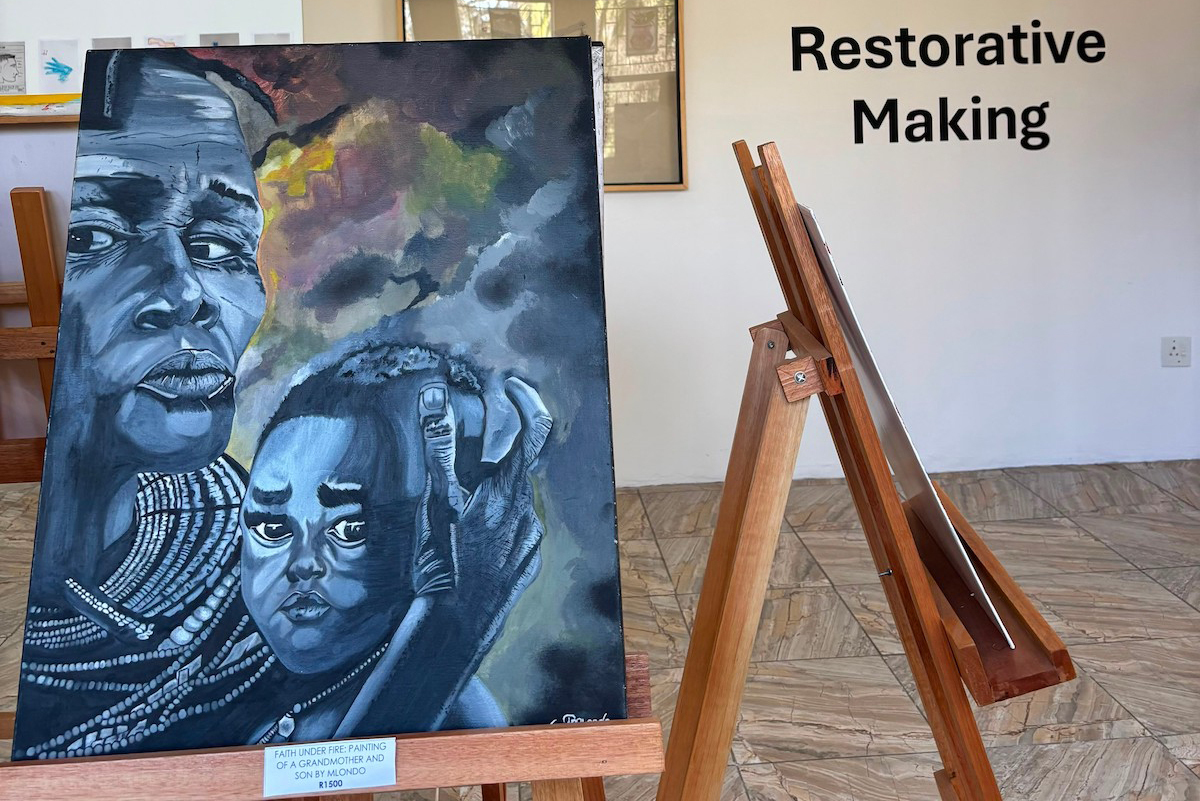
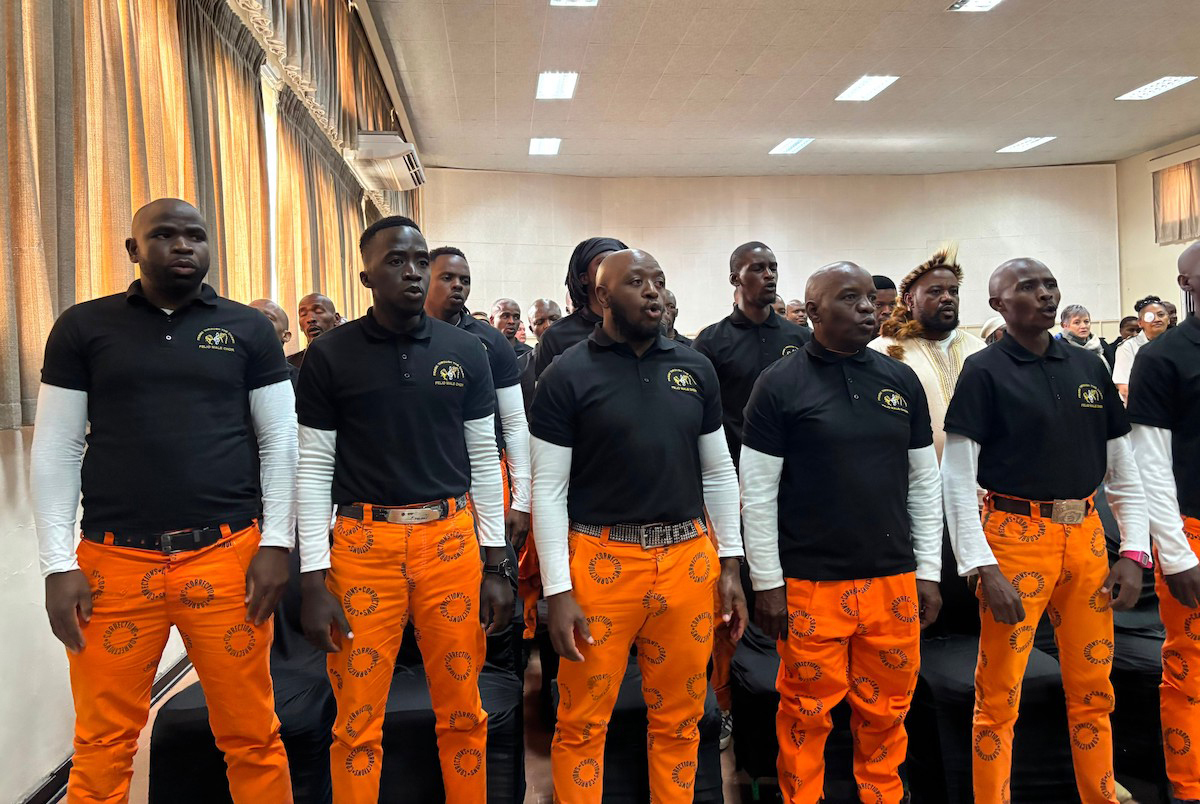
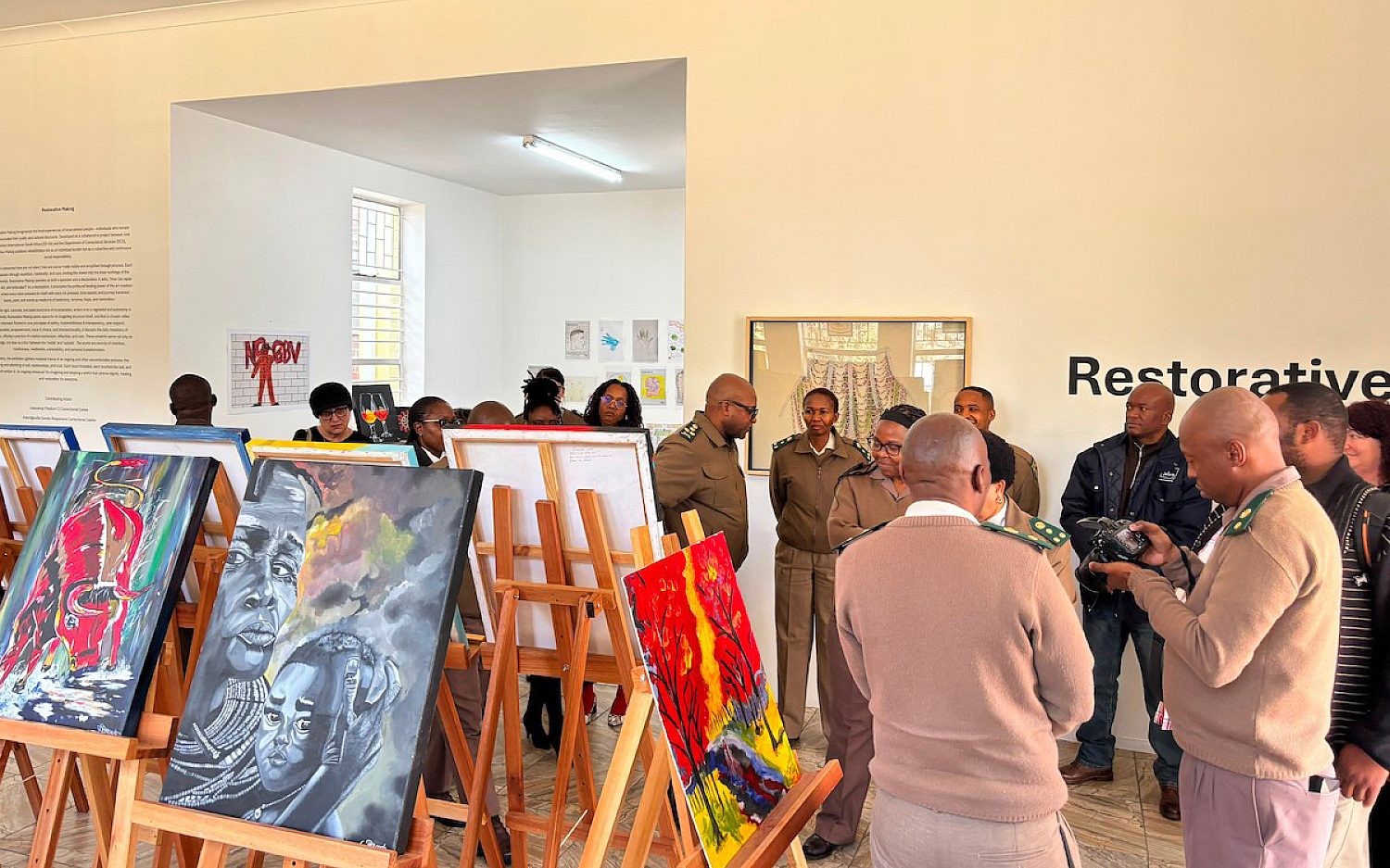
At some correctional facilities in South Africa, original art greets visitors when they step through the door. Inmates create these artworks as part of a rehabilitation program.
South Africa struggles with one of the world’s highest crime rates. Its prisons grow overcrowded. Much of that overcrowding comes from repeat offenders—people who are convicted of crimes again after release. This tendency of released prisoners to commit crimes again is called recidivism.
Tougher laws and stronger enforcement might put criminals behind bars. But what will prevent them from turning back to crime after they’ve served their time? Some officials think art can help. South Africa’s Department of Correctional Services has opened nine prison arts-and-crafts galleries since 2023.
Leeuwkop Correctional Center sits near Johannesburg, the largest city in South Africa. It displays artwork by 34 inmates.
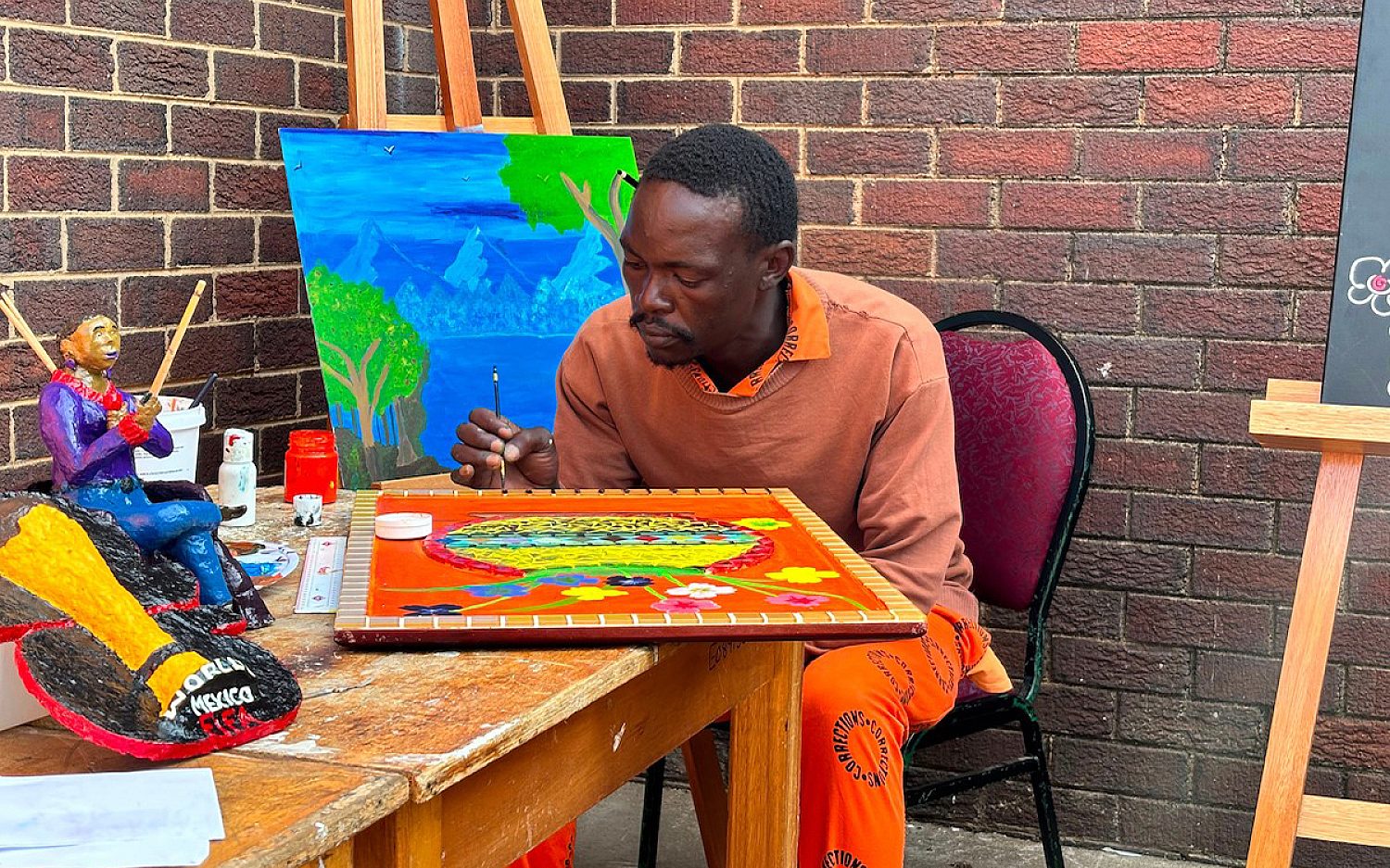
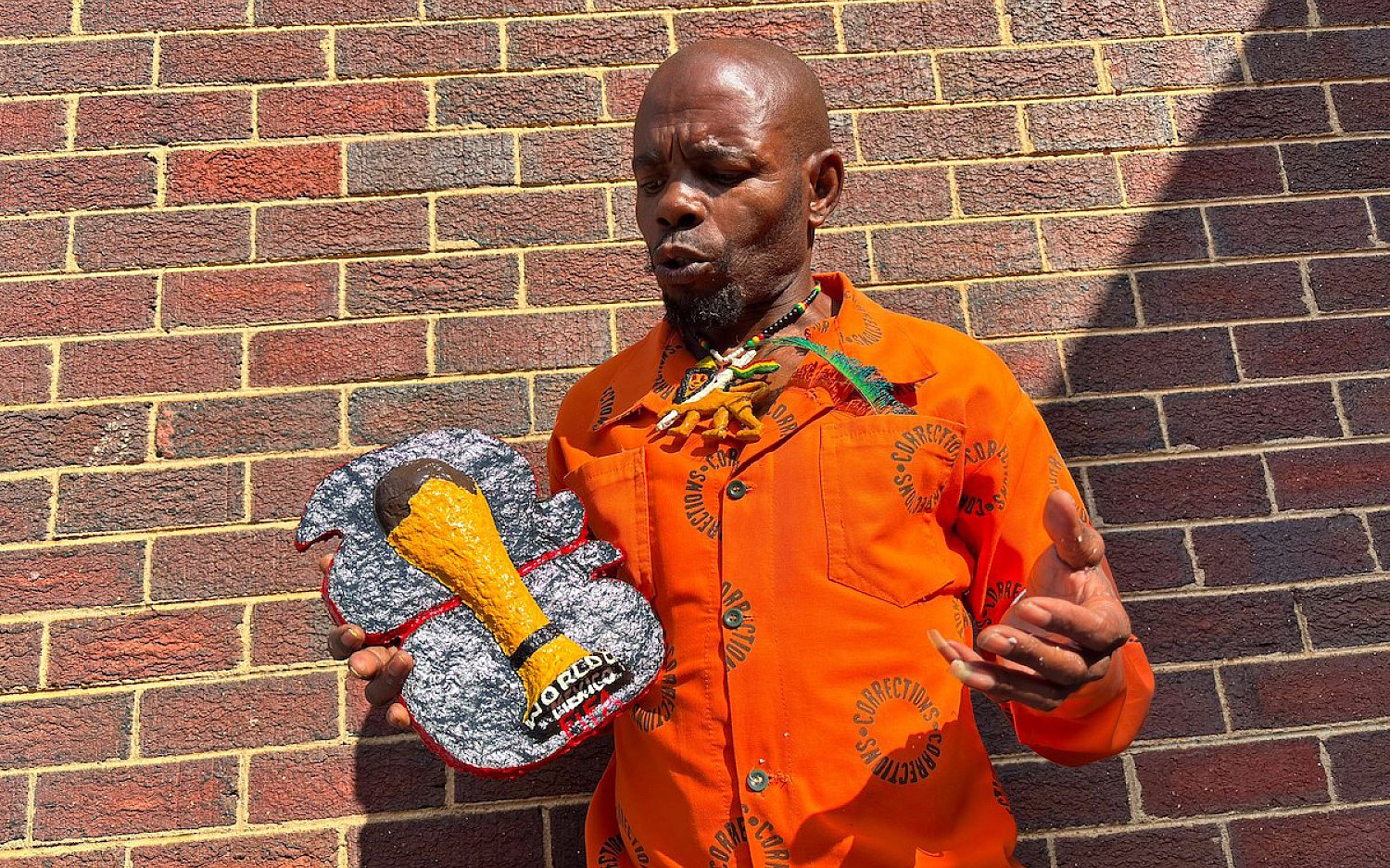
“I get a peaceful and healed mindset when I do my art,” says 51-year-old inmate Freddy Mongkoai. “It encourages me to be strong and present. I can focus, so it gives me peace of mind.”
Mongkoai serves 12 years for taking part in a murderous act of “vigilante justice.” He joined the art program in October. He experiments with painting and papier-mâché sculpture. He dreams of opening an art gallery someday.
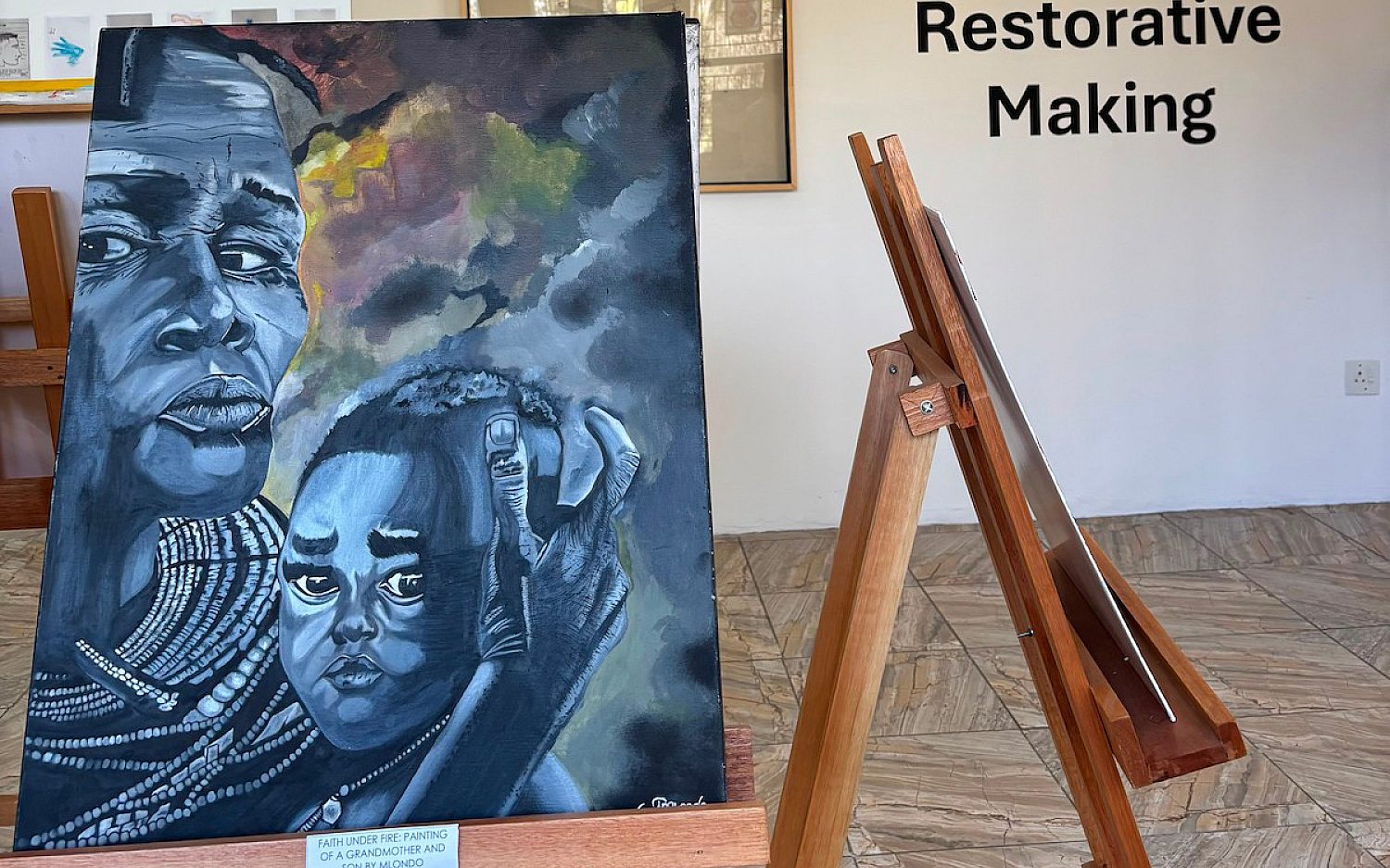
One of his paintings shows a woman carrying firewood on her head and a baby on her back. The image comes from a traditional folktale.
“The elders would tell us that there is a woman carrying firewood on her head and a baby on her back, while being followed by a dog, on the Moon,” says Mongkoai. “That is my favorite because it reminds me of my childhood.”
The prisons sell these artworks to the public. Some of the proceeds help buy art supplies. Some of the money returns to the artists as stipends.
People disagree about the purpose of prisons. Some believe prisons exist chiefly to punish crime and keep criminals off the streets. If that’s the case, it’s hard to justify art programs for prisoners. Others believe prisons shouldn’t simply punish but also rehabilitate. They think correctional facilities should help inmates reenter society in a healthy way—prepared to engage well with others and able to consider that they need not commit more crimes. In such a view, art programs could help prisoners process trauma and connect emotionally with themselves and others.
But if you know the Bible, you know the source of crime goes even deeper. Ultimately, punishment and rehabilitation only help temporarily manage a bigger problem—the problem of sin. Christ alone brings true healing.
I will remove the heart of stone from your flesh and give you a heart of flesh. — Ezekiel 36:26
Why? People disagree about how best to deal with crime and criminals, but only Christ has the power to defeat sin for good.
Recommended Reading: For more about rehabilitation for prisoners, read 27 Summers by Ronald Olivier.