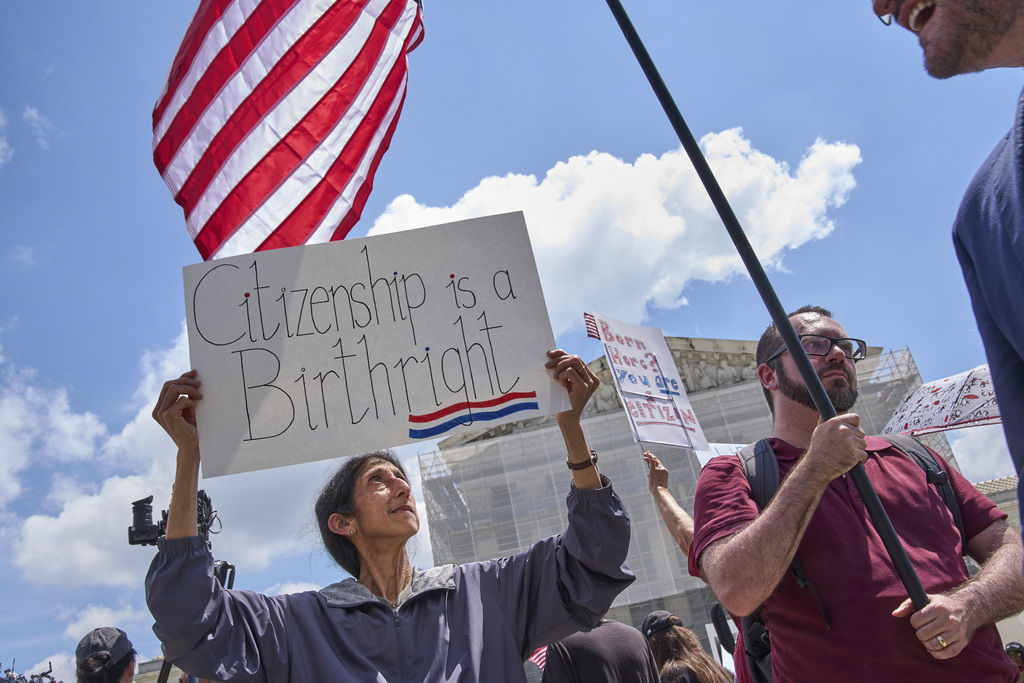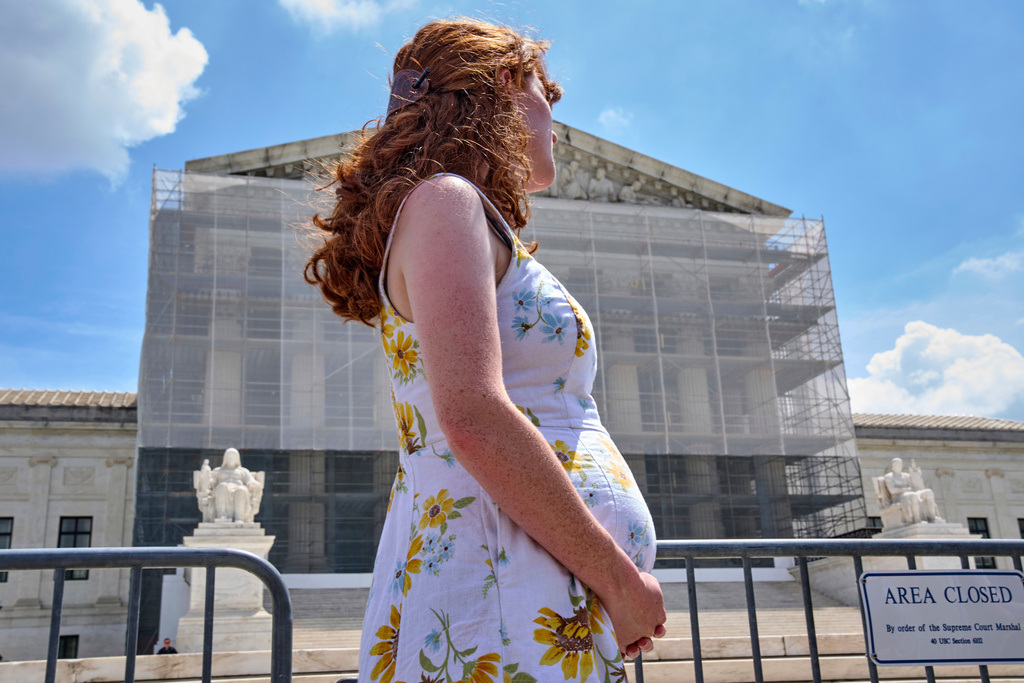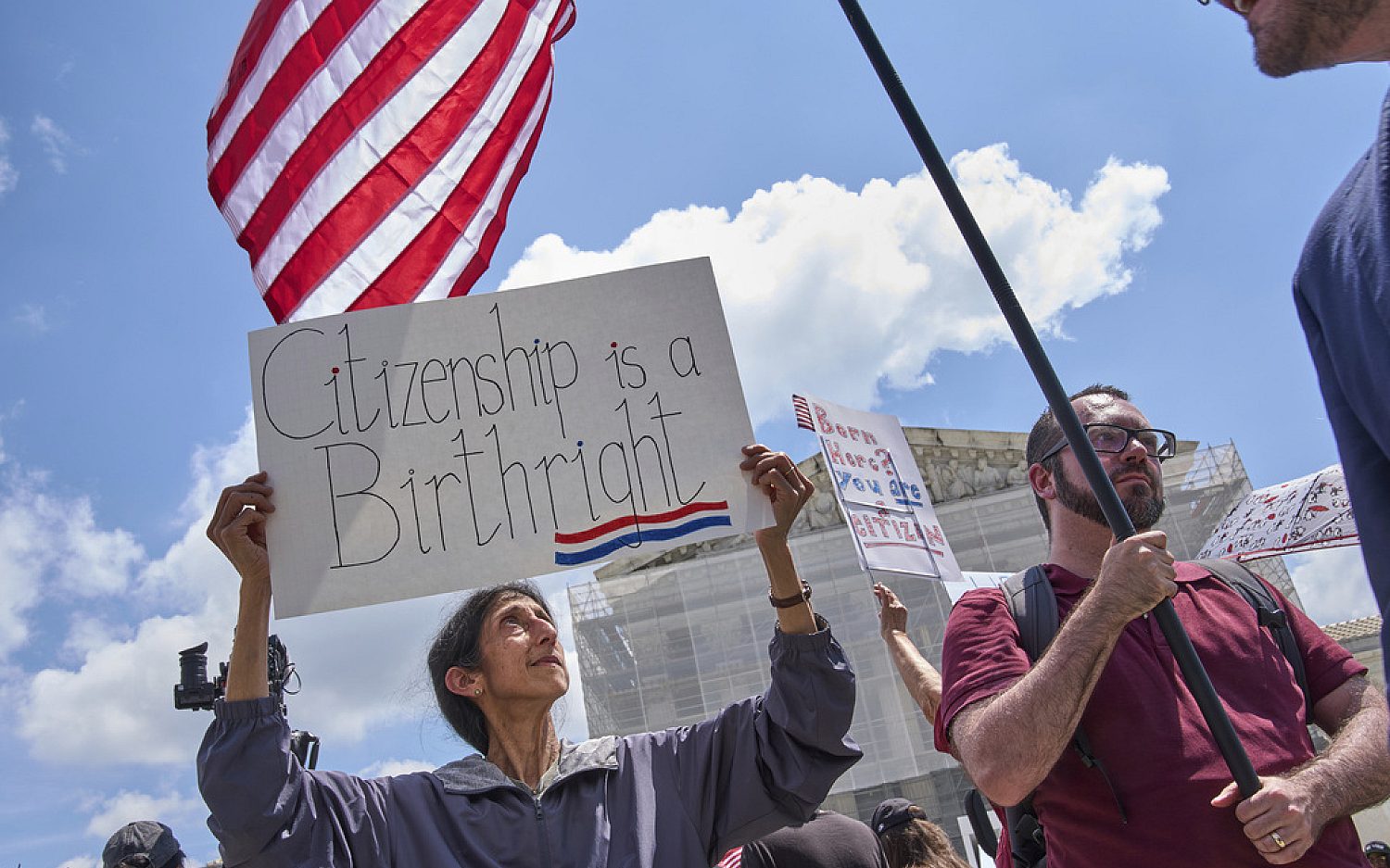
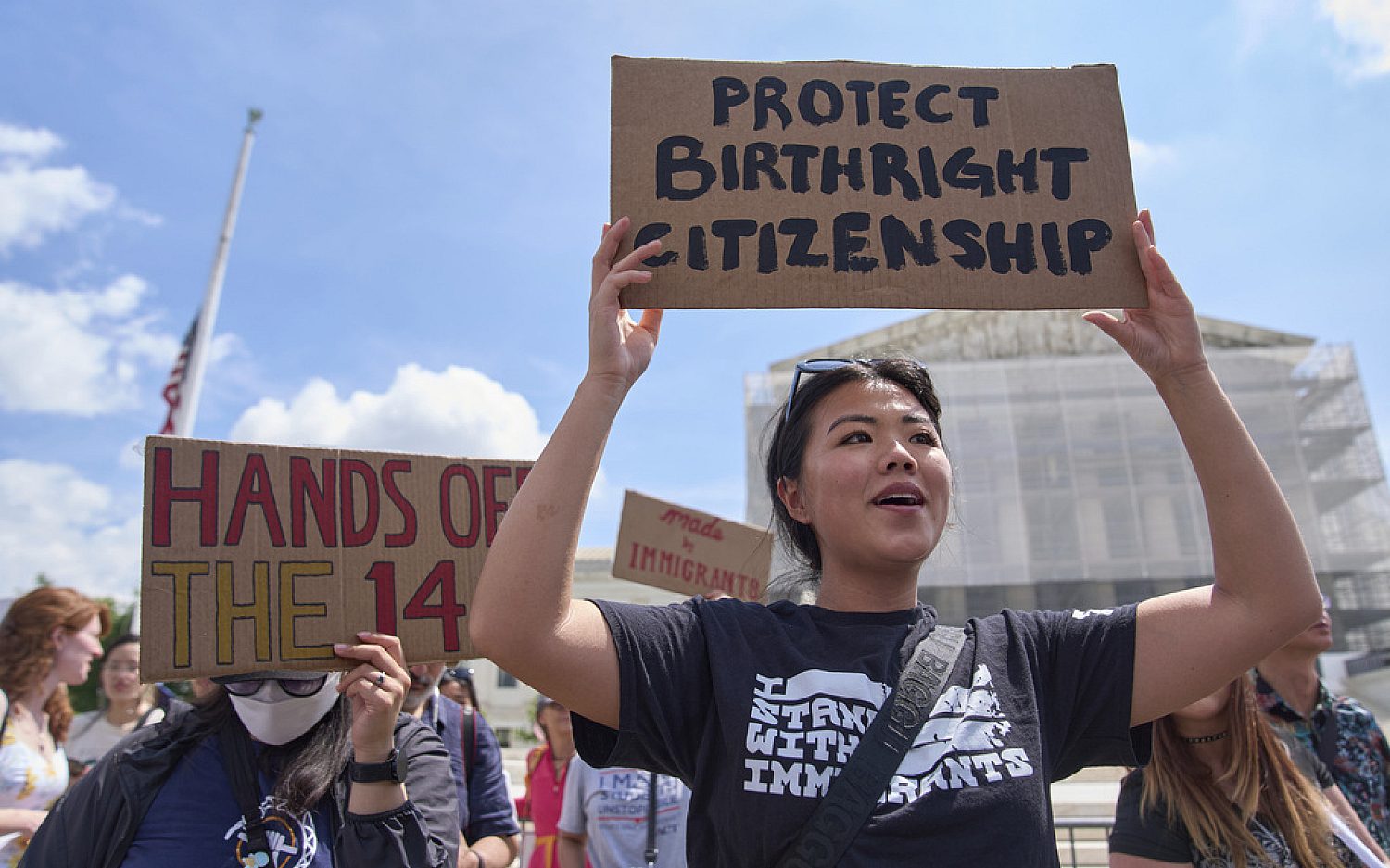

On July 23, an appeals court in San Francisco, California, ruled that President Trump’s executive order on birthright citizenship is unconstitutional.
Birthright citizenship is the idea that children born on U.S. soil are automatically citizens of the United States. Is that truly what the Constitution guarantees, though?
On January 20, President Trump declared that birthright citizenship doesn’t apply to children born to immigrants who entered the United States illegally. It also doesn’t apply to children of tourists, temporary residents, or university students, he said. And he issued an executive order declaring as much.
According to the order, children must have at least one parent who is a lawful United States resident to be considered a citizen at birth. The goal is to protect the “meaning and value of American citizenship” from being abused. The order applies only to babies born after February 19, 2025.
But the order, if it stands, still affects many people. The Center for Immigration Studies reports that babies born to illegal immigrant families made up around 7% of all U.S. births in 2023.
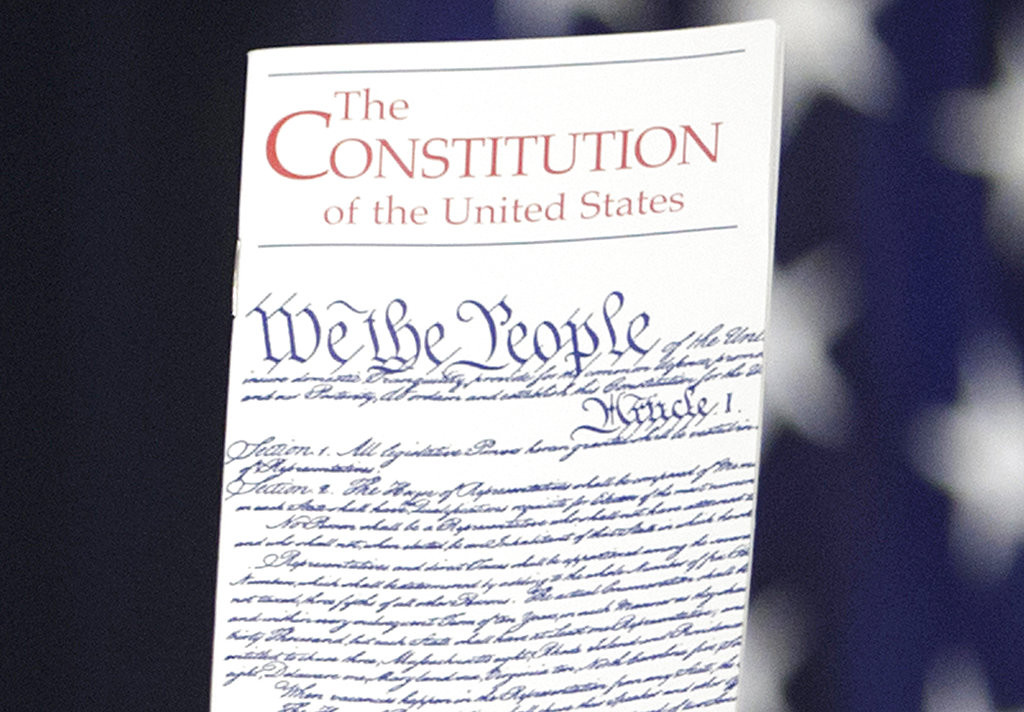
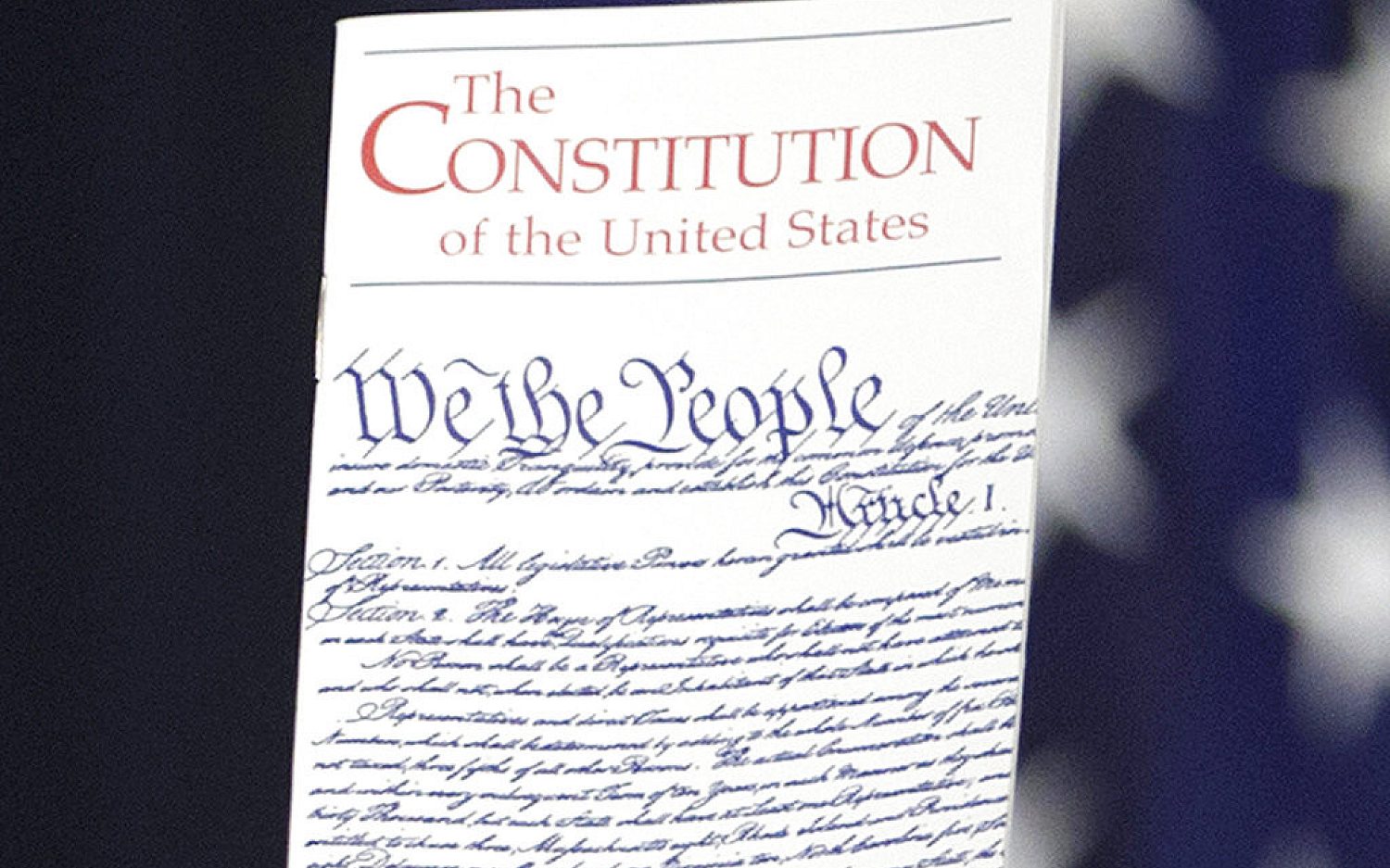
Hans von Spakovsky is a senior legal fellow at the Heritage Foundation. He says that it all comes down to a phrase in the 14th Amendment of the Constitution. The amendment was adopted after the Civil War. It says that anyone born in the United States and “subject to the jurisdiction thereof” is automatically a citizen.
Mr. von Spakovsky says a person “subject to the jurisdiction thereof” is someone who is required to follow all American laws. In his opinion, illegal immigrants don’t fit that standard. “You can’t be called for jury duty . . . you can’t be drafted into the Army,” he says.
The Trump administration argues children of illegal immigrants are only partially bound to the nation’s laws. As a result, the 14th Amendment doesn’t guarantee their automatic citizenship.
In 1898, the Supreme Court said in United States v. Wong Kim Ark that children of immigrant parents could not be denied citizenship. Wong Kim Ark was born in San Francisco, California. His parents were Chinese citizens living in the United States. At age 21, Wong took a trip to China. Afterward, he was told he couldn’t reenter the United States. He sued, claiming the 14th Amendment guaranteed him citizenship. The court ruled 6-2 in Wong’s favor.
Because of this case, many legal experts say that being born on U.S. soil makes someone a citizen. But the ruling may not provide an answer for every case. Wong’s parents had entered the United States legally. But they were denied citizenship because of another policy, the Chinese Exclusion Act of 1882.
Since it was announced, several courts throughout the country have blocked the new executive order. The Trump administration keeps appealing those rulings. The Supreme Court decided that lower court judges can’t pass nationwide blocks to the executive order. But the high court didn’t clarify yet whether the executive order is legal.
Von Spakovsky believes that will come soon. “I have no doubt this is going to get to the U.S. Supreme Court,” he says. “And that court will finally lay this issue to rest.”
Why? American citizenship is a privilege that might not extend to everyone. But we should remember that our true citizenship is in heaven and boldly tell others about that far better invitation. (Philippians 3:20)
Recommended Reading: For more about immigration, read Lost in the Empire City by Avi.