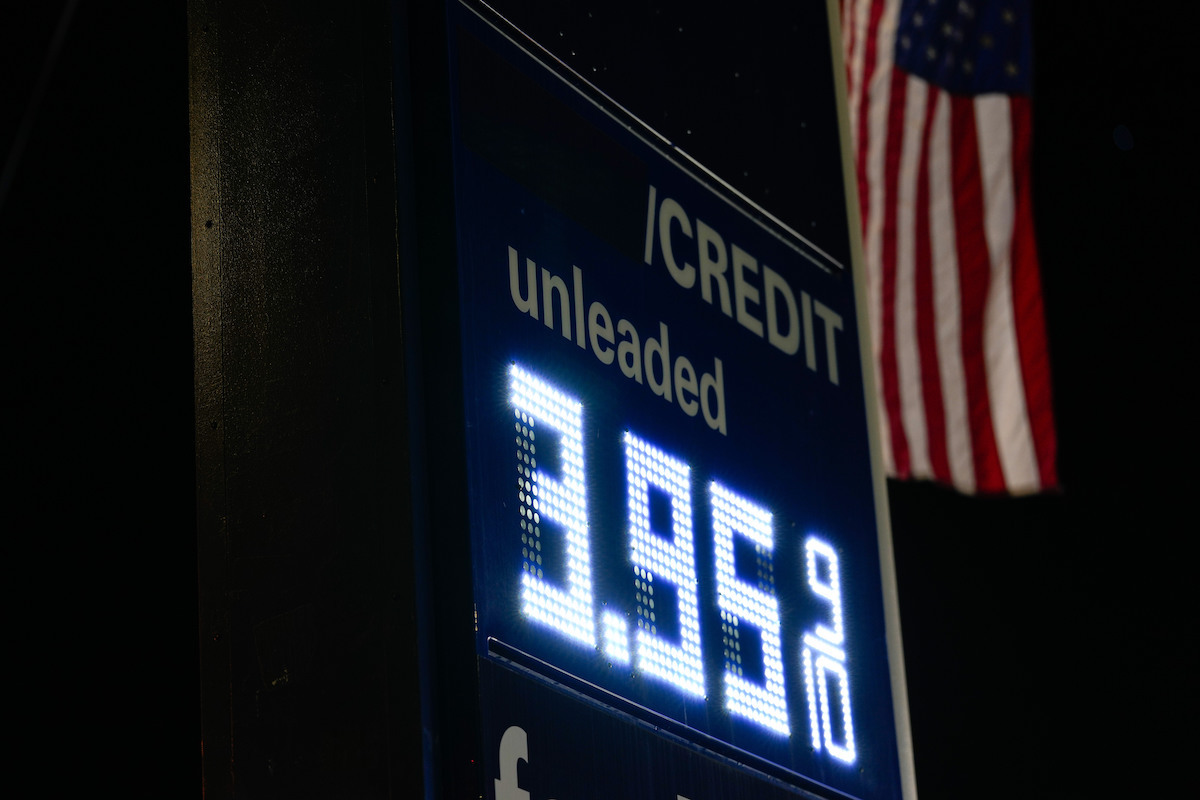
In a divisive time, Americans are united around at least one thing. The prices at the gas pump have them groaning.
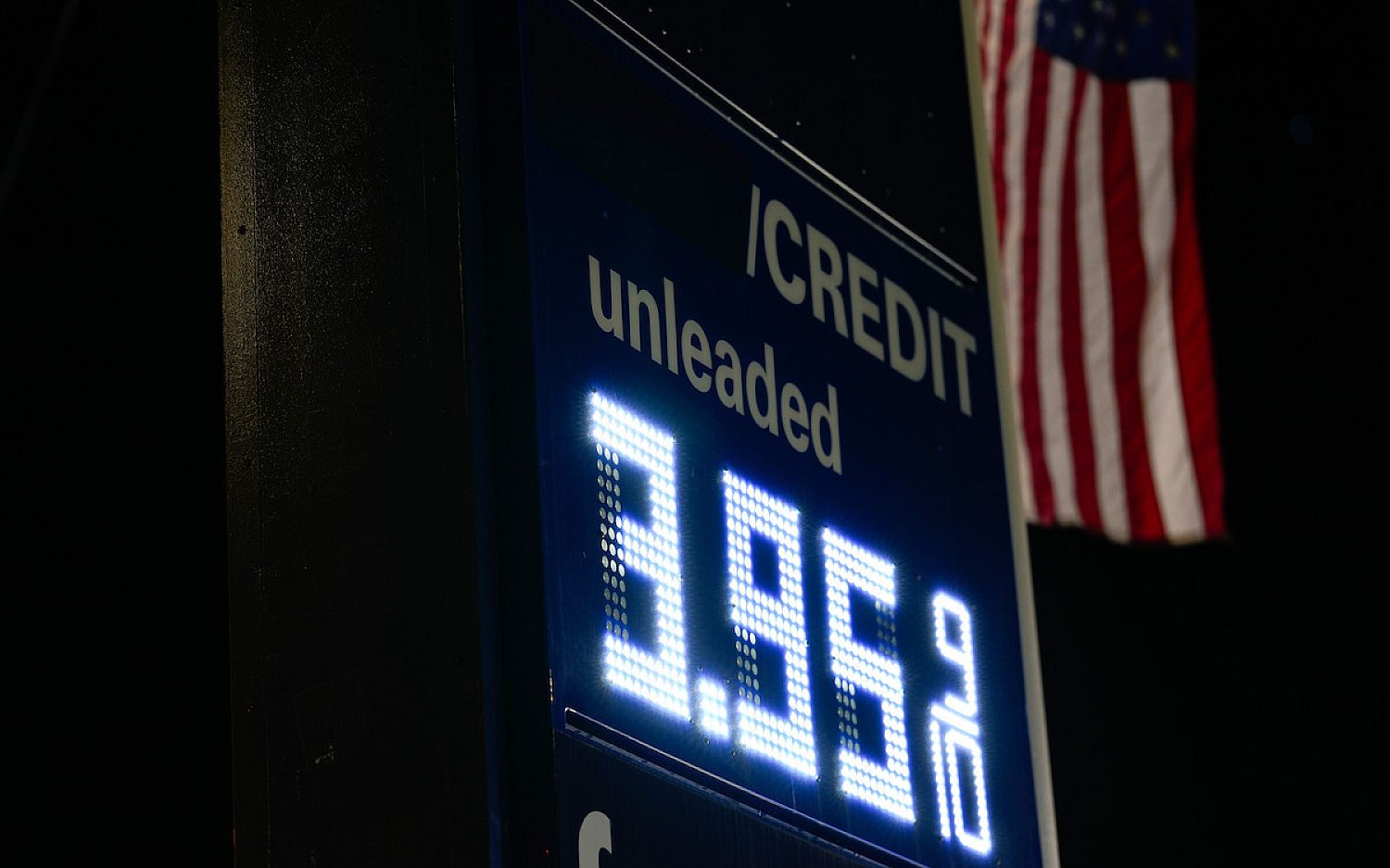
Gas prices have climbed since the start of the war in Iran. On Thursday—the time of this writing—the national average U.S. gas price was $3.59 per gallon. About a month ago—before the war—it was $2.90. People feel the pinch in multiple ways.
Higher fuel prices affect more than just drivers. Families might choose to travel to fewer places. Some people, like 70-year-old Kathryn Price Engelhard of Pennsylvania, choose to cut back on oil for heating their homes. Diesel fuel prices have spiked as well. That makes shipping more expensive. You might see those higher costs reflected in the tags on goods in stores.
The high prices have some American consumers questioning their politics. Some blame President Donald Trump. They feel that the president has broken his promises of a better economy. Others blame corporations.
“Everyone who is selling fuel for these elevated prices is price gouging,” says 65-year-old Kevin Kertesz of North Carolina. “And there’s nothing we can do about it because we all have to have gasoline to keep driving.”
President Trump predicts less expensive times ahead. “We’re putting an end to all of this threat once and for all,” he says of Iran. “And the result will be lower oil prices, oil and gas prices for American families.”
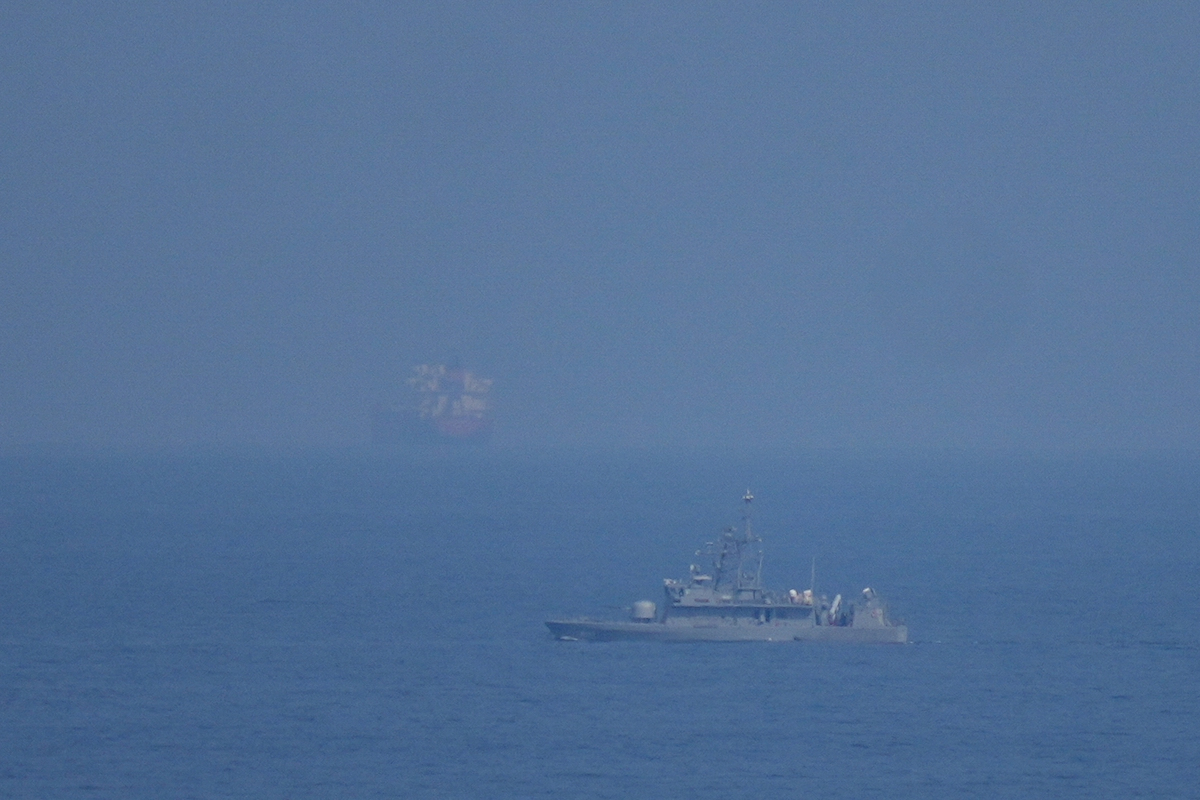
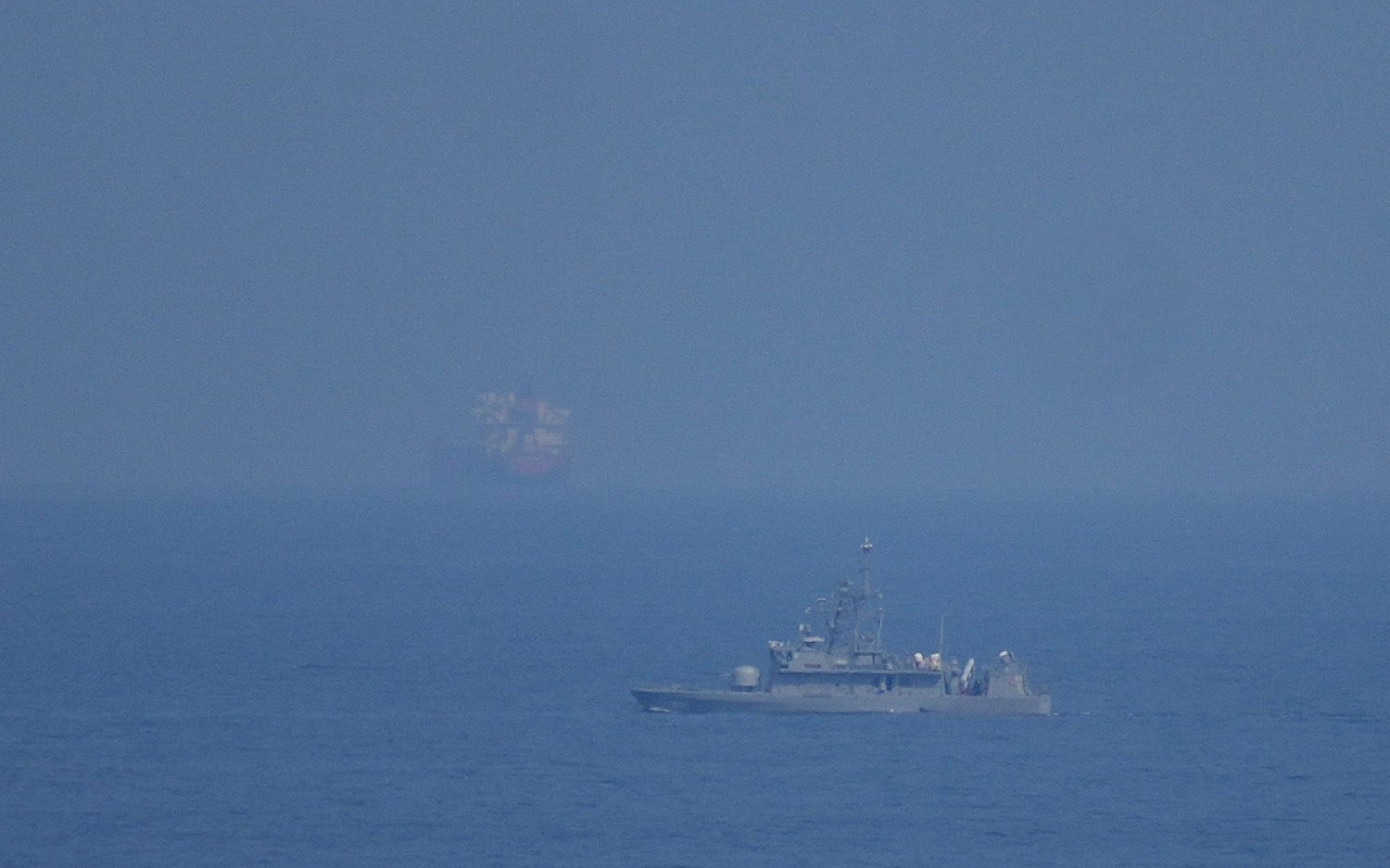
A fifth of the world’s crude oil and liquid gas supply travels through the Strait of Hormuz. This waterway sits off the coast of Iran. Ships use it to carry fuel from the Persian Gulf. The war has effectively closed this passageway. President Trump urges oil exporters to continue using the Strait of Hormuz. But Iran’s military claims to have attacked several ships attempting to do so. Iranian officials warn that any unauthorized ship in the Strait could become a target of Iran’s navy.
The global situation has some countries tapping into strategic oil reserves. Many countries hold some quantity of crude oil for use in emergency situations, and government leaders determine when and how much to use. The International Energy Agency is based in Paris, France. It agreed to release 400 million barrels of oil. Those barrels come from the stockpiles of agency’s member nations, including the United States, the United Kingdom, France, and 29 others. The increased oil supply could help drive prices down—for the moment. If the war stretches on, that buffer could disappear.
In times of economic turmoil, many people look for someone to blame. They level accusations against politicians, corporations, foreign countries, and people who voted differently than they did. But tough times bring another opportunity. Instead of pointing fingers, we can offer a helping hand. Could your family help pick up groceries for a neighbor struggling to afford fuel? Could you carpool to church or school? Look for the ways God gives you to serve others and honor Him.
The Son of Man came not to be served but to serve, and to give His life as a ransom for many. — Matthew 20:28