

On Monday, citizens of Canada’s Alberta province voted against moves toward independence.
The referendum was not a direct vote on independence. But its approval would have set Alberta on a path toward a future vote on separation from Canada. More than 1.9 million Albertans voted, with 75% supporting unity and 25% supporting independence.
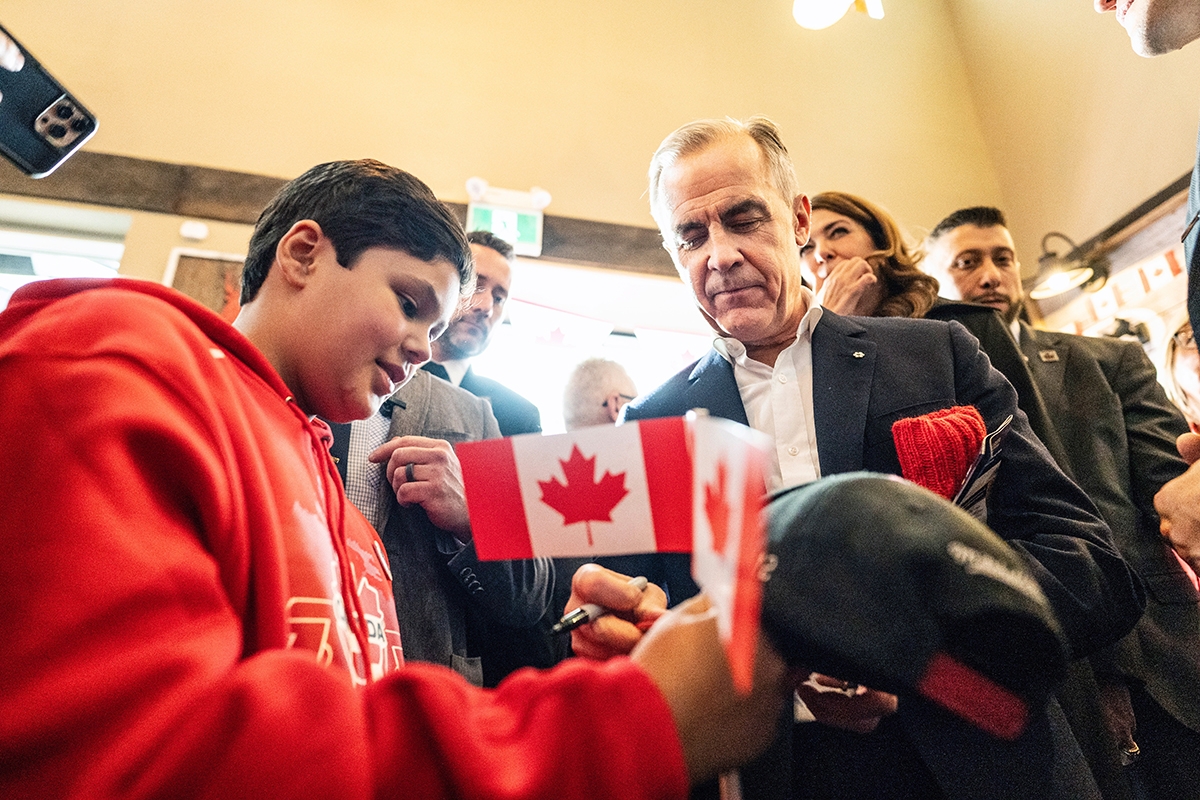
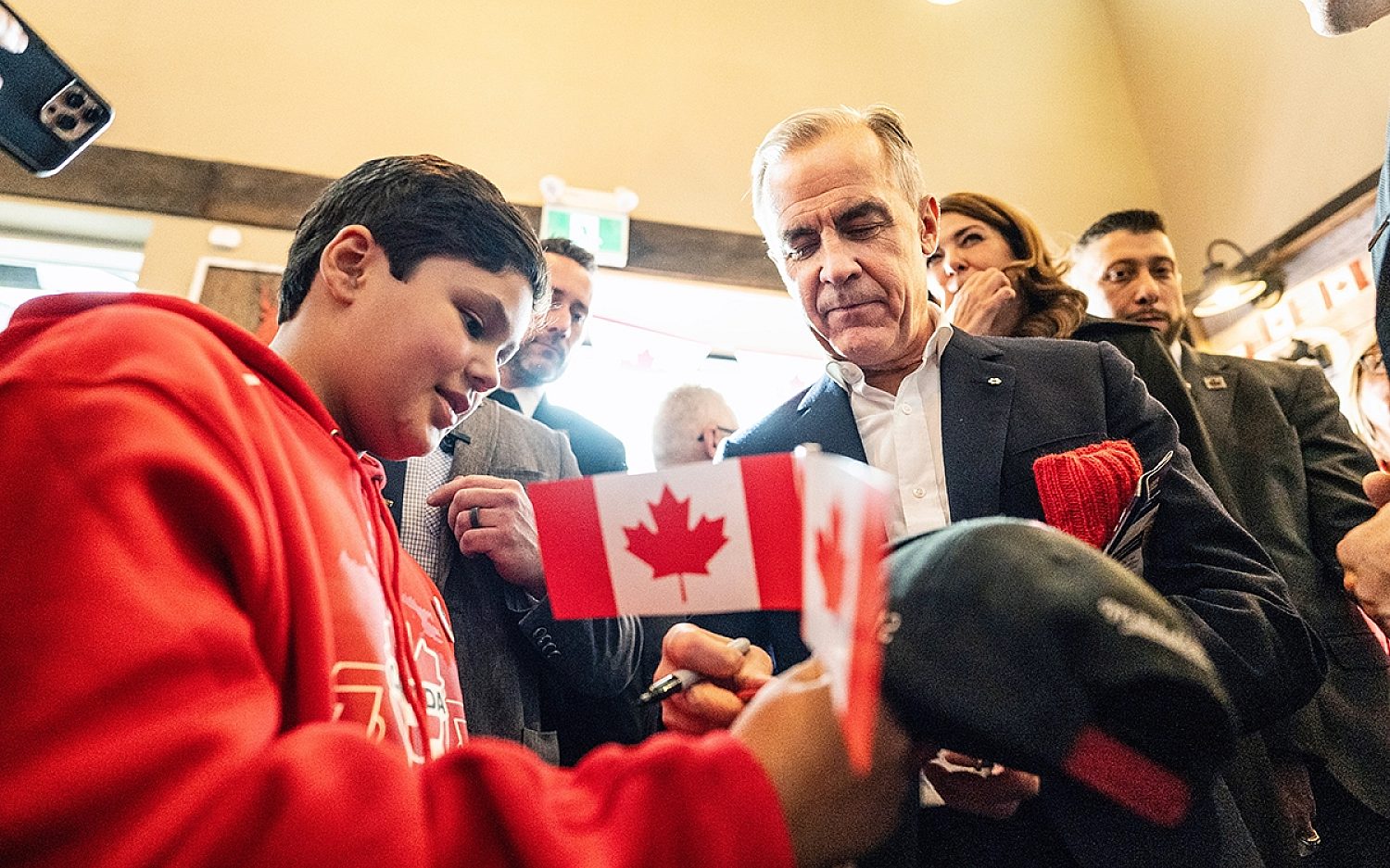
Prime Minister Mark Carney sees the results as a win. He pushes for national unity as U.S. President Donald Trump’s tariffs weaken Canada’s economy. President Trump has even joked about making Canada the 51st U.S. state.
“It’s a great result for Canada that Albertans have chosen unity,” Carney says.
He also claims that only a few Albertans want actual independence. Many just want to express their frustrations with Ottawa, home of the Canadian government.
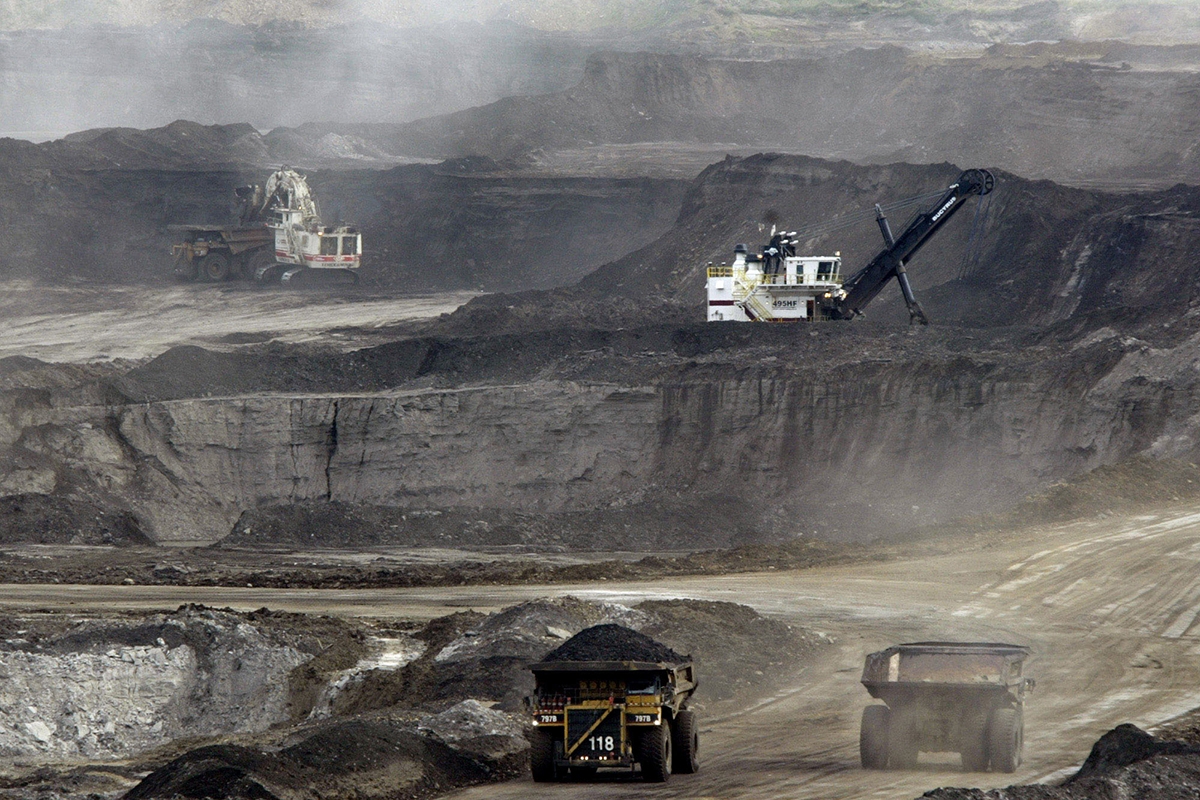
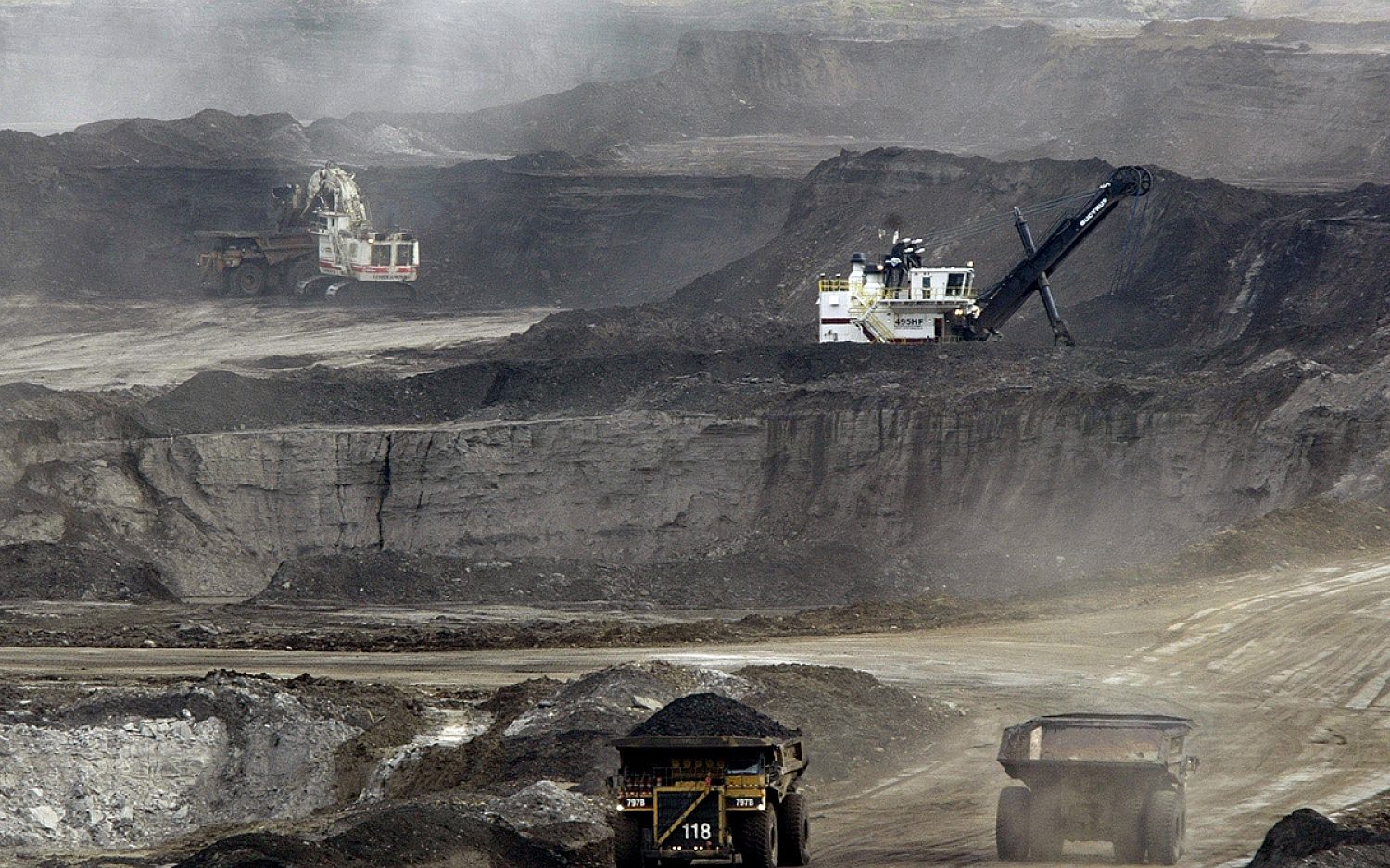
Alberta has the world’s fourth-largest proven oil reserves. It is also one of the most conservative Canadian provinces. Some consider it “cowboy country,” often comparing it to the American West.
Many Albertans say that they feel the government treats them unfairly. Alberta, a wealthy province, pays large amounts in federal taxes. Some Albertans argue that their province contributes much more to the country than it gets in return. They say Canadian policies treat natural resource revenue differently than other types of revenue, which ends up penalizing the oil-rich province.
Voter Dustin Degenhardt says that the government treats Alberta like a colony rather than a province. “[Officials] want to take and take and take from us, and not return anything,” he complains.
The Canada government’s website states that “All Canadians are subject to the same federal income tax system . . . regardless of where they live.” However, in July, Carney agreed that, for the sake of justice, it would be reasonable to review the formula that determines how provinces get funding for public services.
Though the referendum didn’t pass, leaders that support separation say the movement won’t disappear. They say the vote at least sends a message to Ottawa that Albertans are not happy.
Canada’s provinces each play a role in the country’s culture and economy. In a similar way, members of the church all uniquely contribute to God’s mission. God tells us that our unity makes the church stronger.
For as in one body we have many members, and the members do not all have the same function, so we, though many, are one body in Christ, and individually members one of another. — Romans 12:4-5