In May, historian Jennifer Cromack discovered a missing piece of church history.
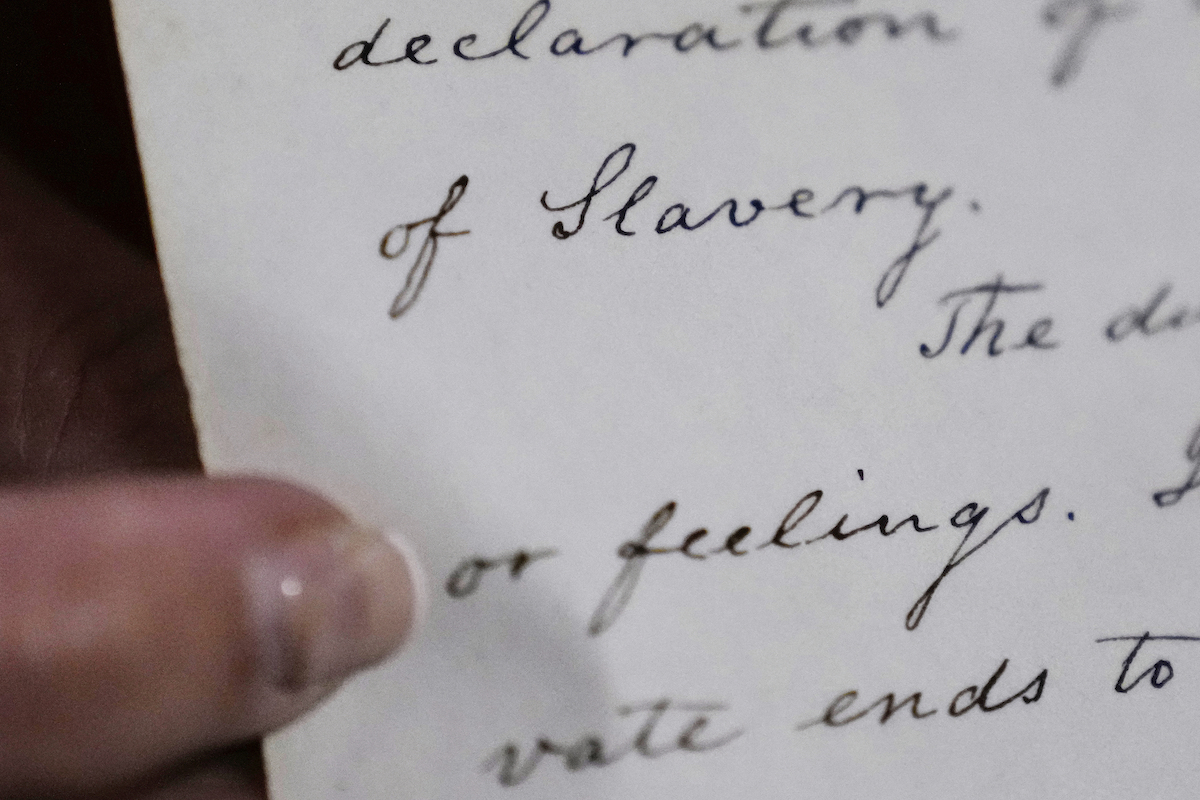
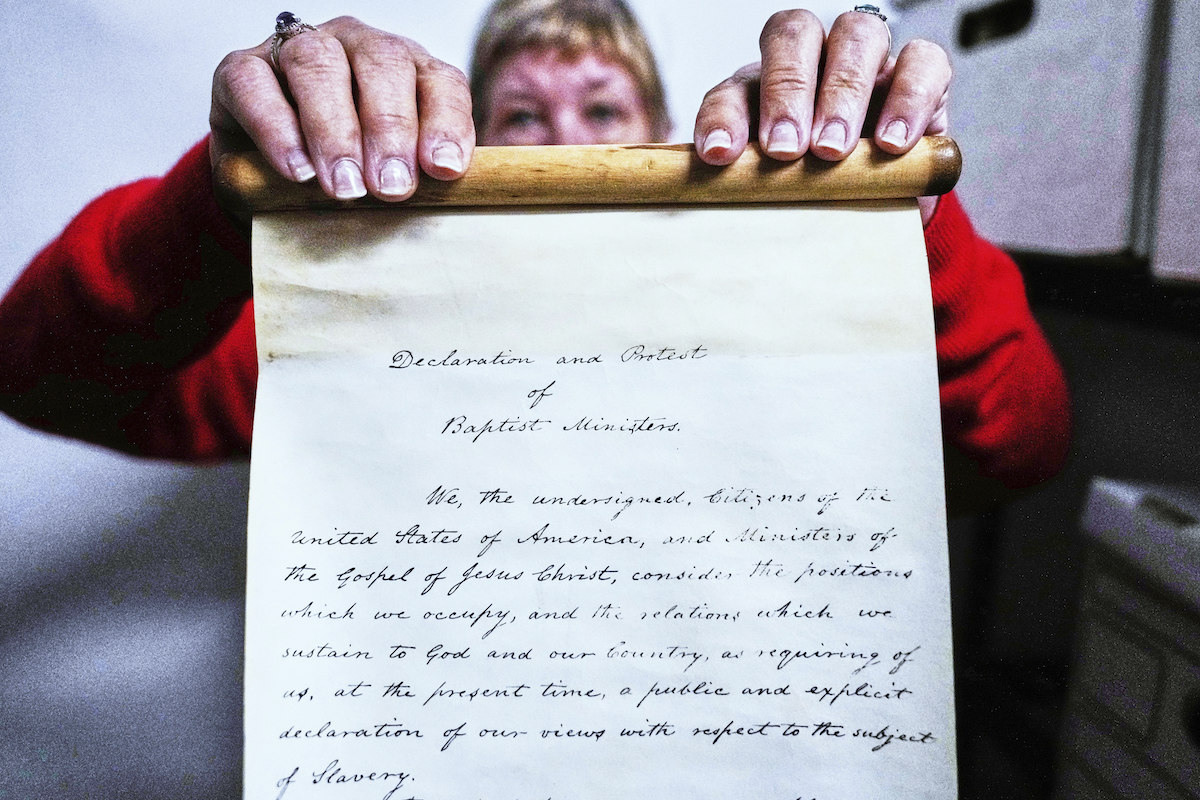
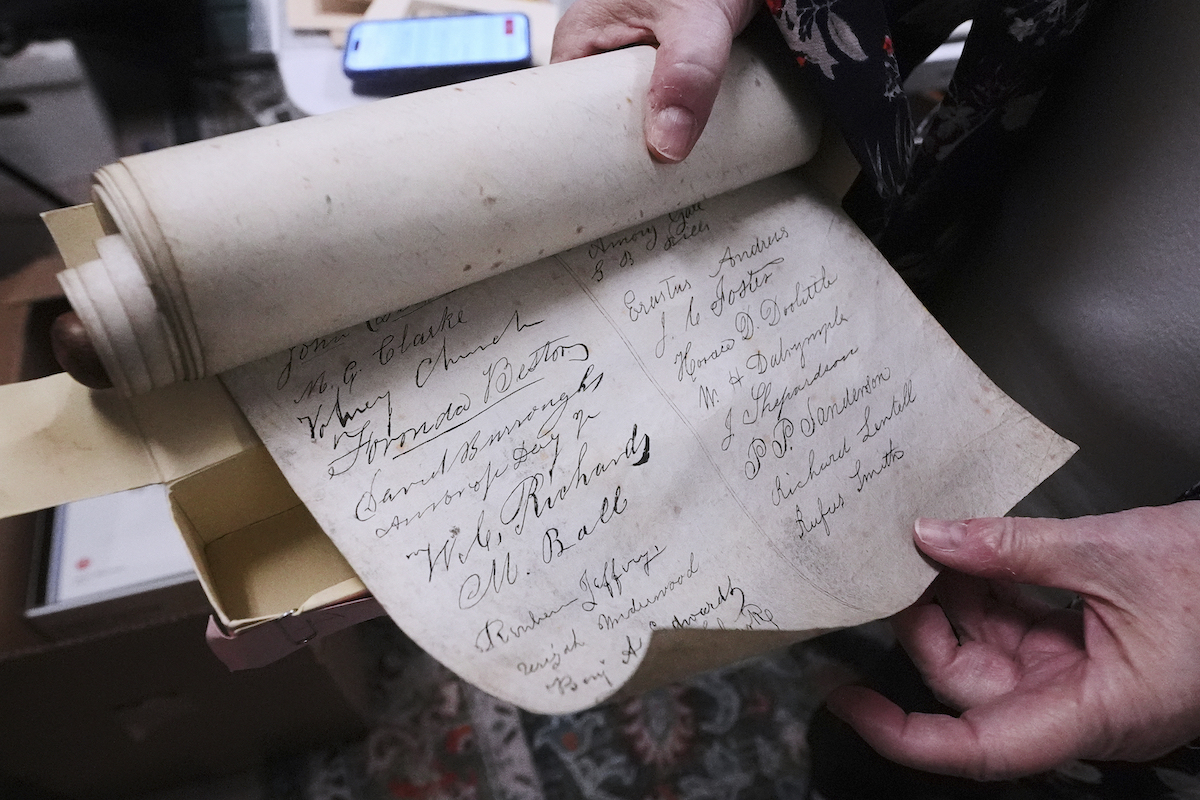
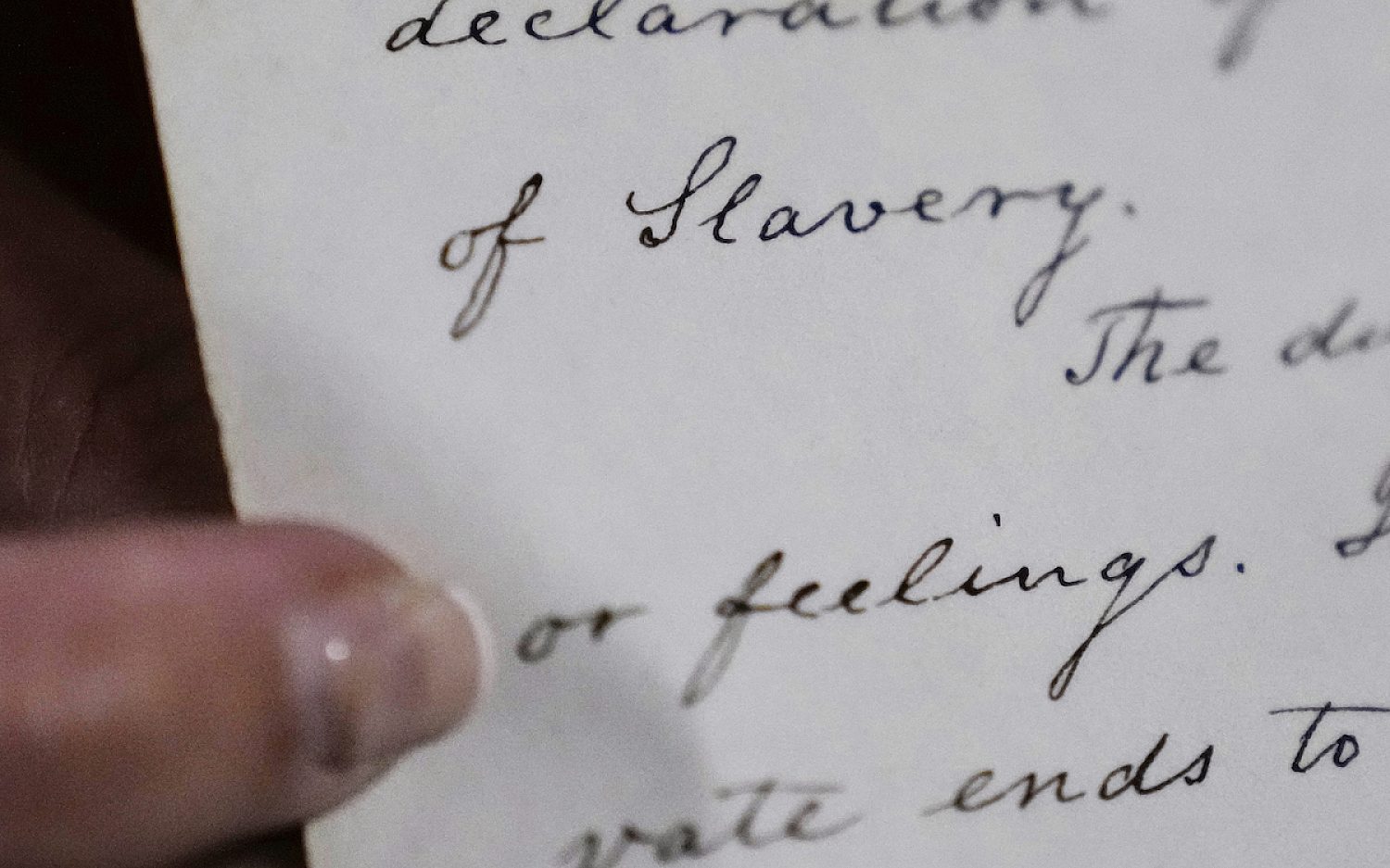
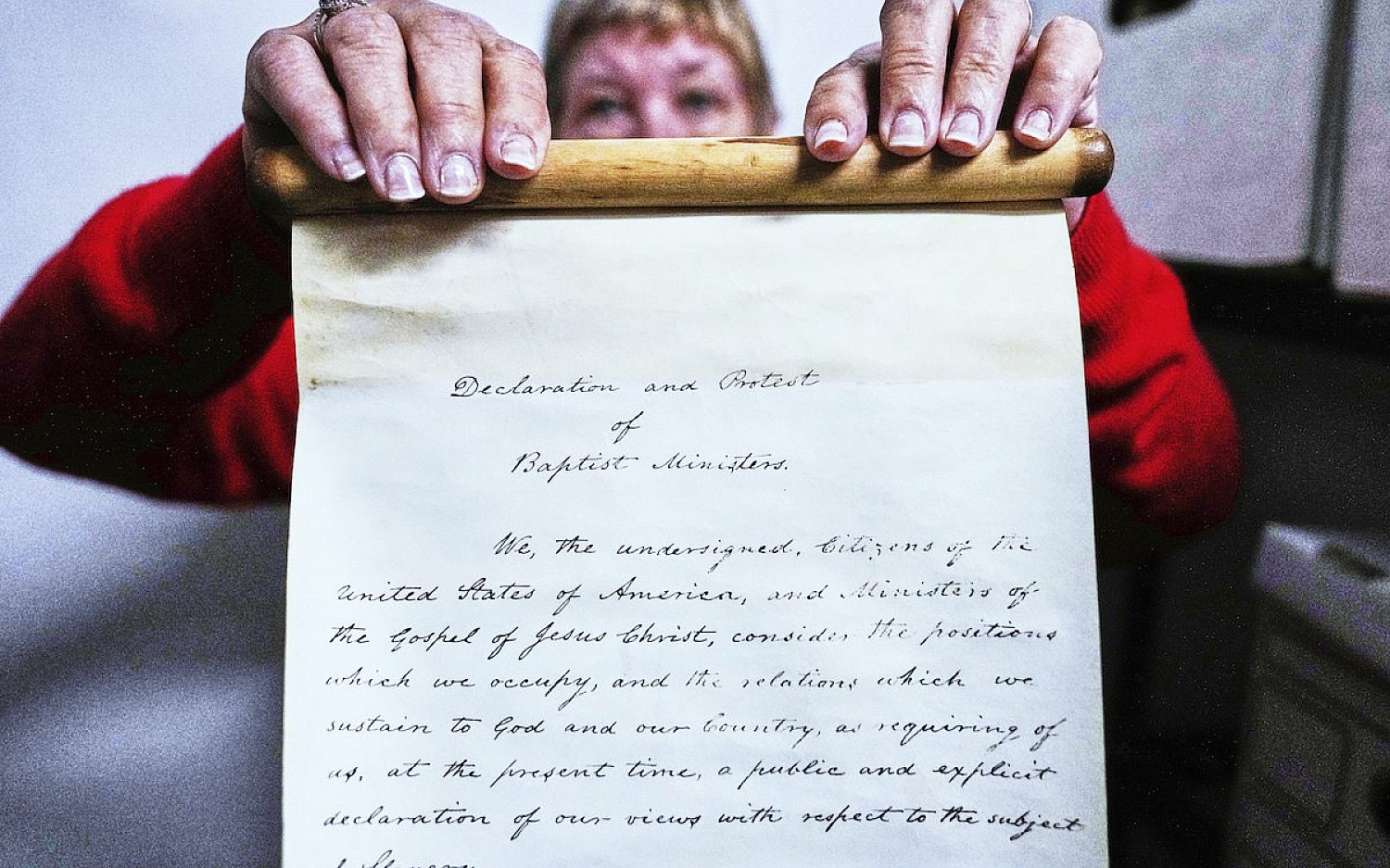
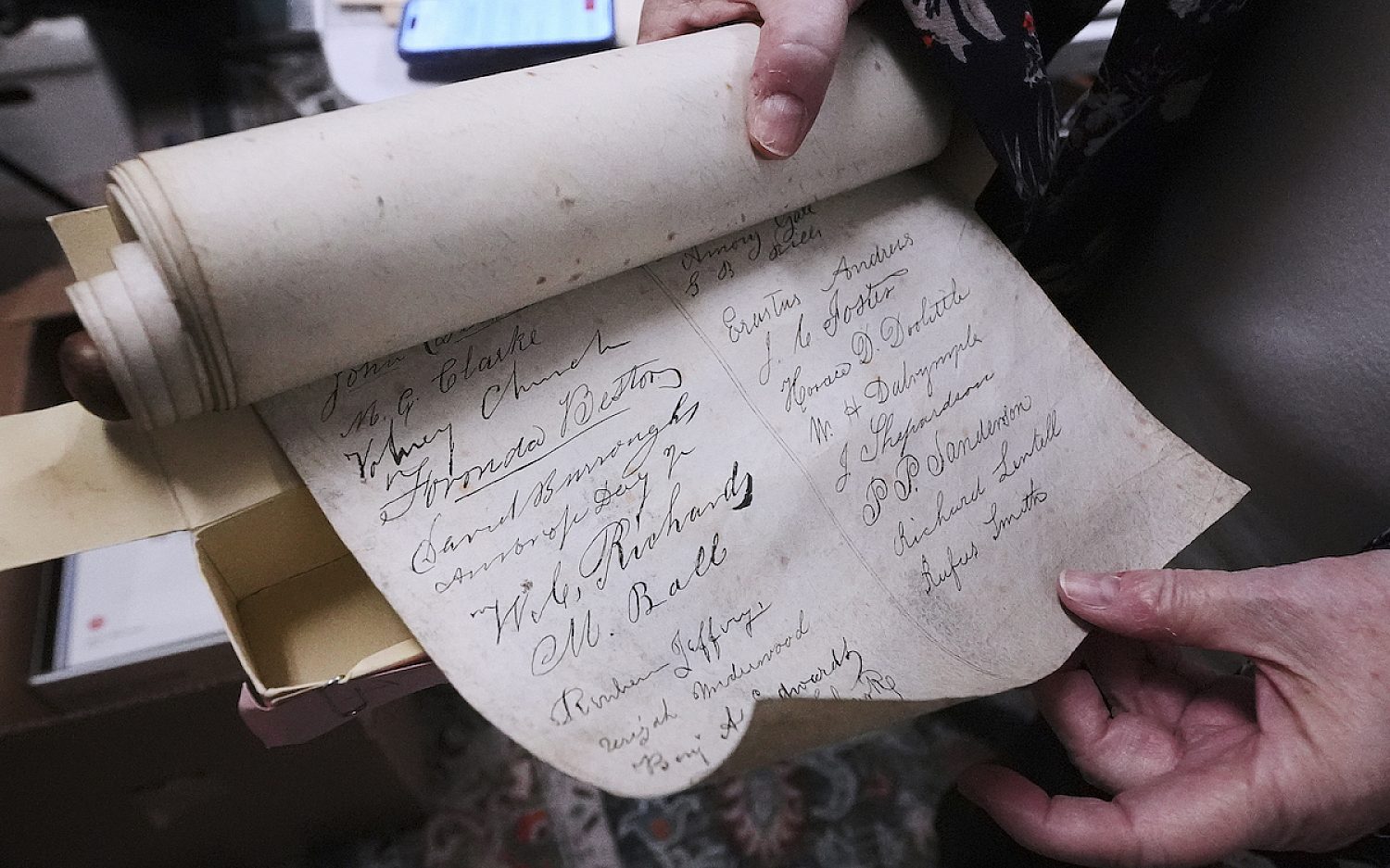
Cromack volunteers at the American Baptist archive in Massachusetts. She uncovered a centuries-old box of journals. Inside, she found a five-foot-long, handwritten scroll. Its title: “A Resolution and Protest Against Slavery.”
In all, 116 New England ministers had signed the document in 1847. They spoke against slavery 14 years before the Civil War.
American Baptist officials knew about this document, but they feared it was lost. They had searched archives at Harvard and Brown University without success of finding it.
“I was just amazed and excited,” says Cromack. “We made a find that really says something to the people of the state and the people in the country.”
Today, most Americans agree slavery is wicked. But in the 1800s, many Americans disputed the issue—even Christians.
Why would a Christian support slavery? Many believed the lies of their culture. The world said some people mattered less because of their race or ethnicity. Some preachers skewed the scriptures. They used the Bible to claim black people were meant to be enslaved. They forgot Jesus’ commands to “love your neighbor as yourself” and to “do to others as you would have them do to you.” Many also did not believe that God would provide for them financially without exploiting the labor of others.
These historical errors remind us to stay watchful today. It’s easy to buy into falsehoods without even realizing it. To fight wrong thinking, we need to know the Bible. And we need to interpret it faithfully.
In the 1840s, the slavery debate hit Baptist churches hard. The American Baptist Foreign Mission Society banned slave owners from becoming missionaries. Slavery-supporting Baptists split off. They created the Southern Baptist Convention. In the north, the anti-slavery Baptists would become American Baptist Churches USA.
But even up north, it took courage to speak against slavery. The rediscovered scroll shows many Christians did so anyway.
“Under these circumstances we can no longer be silent,” says the document. “We owe something to the oppressed as well as to the oppressor, and justice demands the fulfillment of that obligation.”
These Baptists didn’t just speak out for the sake of the enslaved. They knew slavery’s supporters also needed to hear the truth. By speaking up for truth, they showed love to both the oppressed and the oppressor. (See Galatians 6:1.)
The Southern Baptist Convention and American Baptist Churches USA still exist today. In 1995, Southern Baptist leaders officially apologized for their church’s previous support of slavery. They resolved to “unwaveringly denounce racism, in all its forms, as deplorable sin.”
In 1847, New England’s ministers stood up for the truth—even though they knew it wouldn’t make everyone happy.
Rather, speaking the truth in love, we are to grow up in every way into Him who is the head, into Christ. — Ephesians 4:15
Note for discussion: Does God call churches to repent of sins committed by Christians in the past? Believers disagree on this issue. Some point to scriptures such as Nehemiah 1 to support the idea of repenting for historical sins. You could discuss this issue with your parents or pastors.