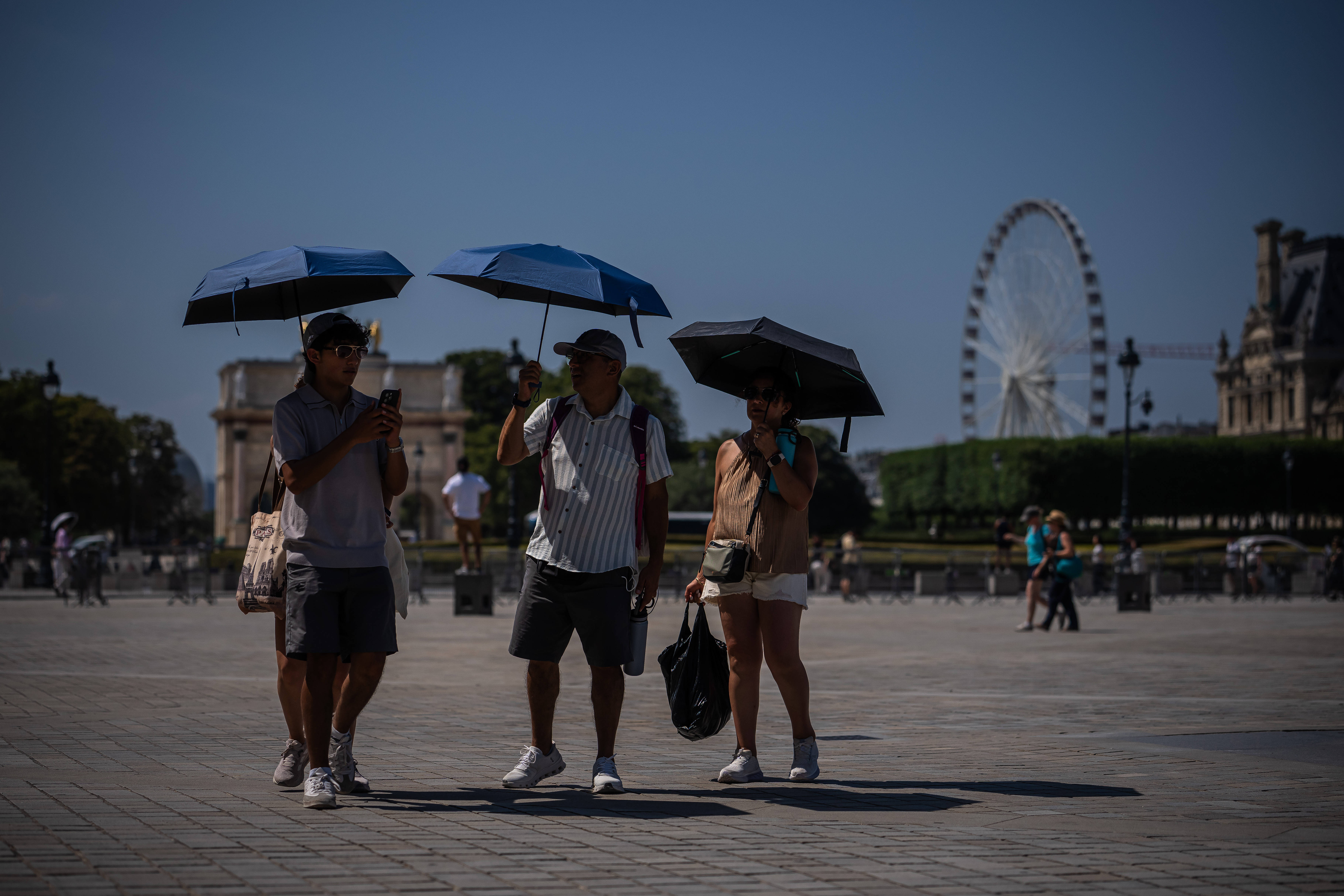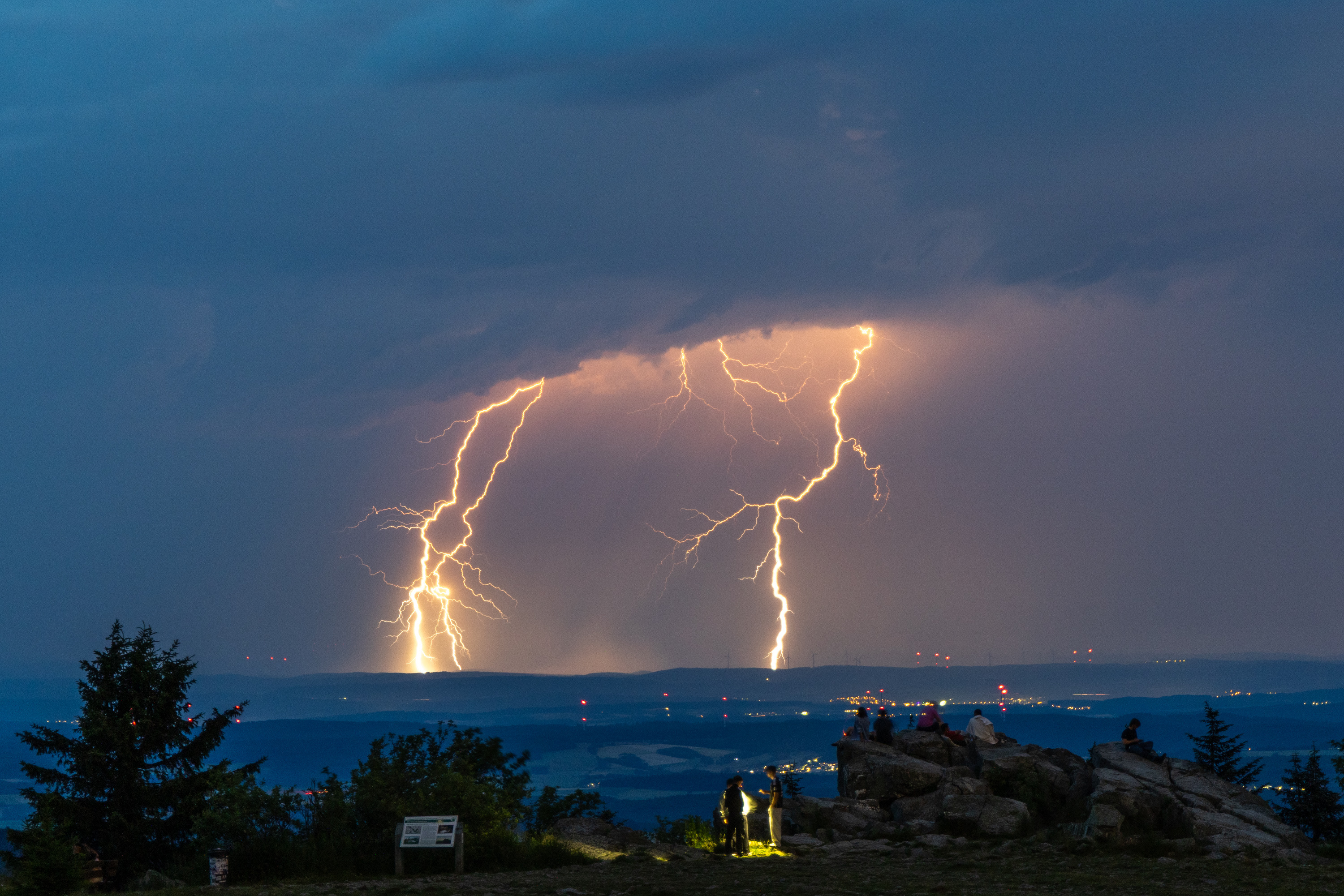
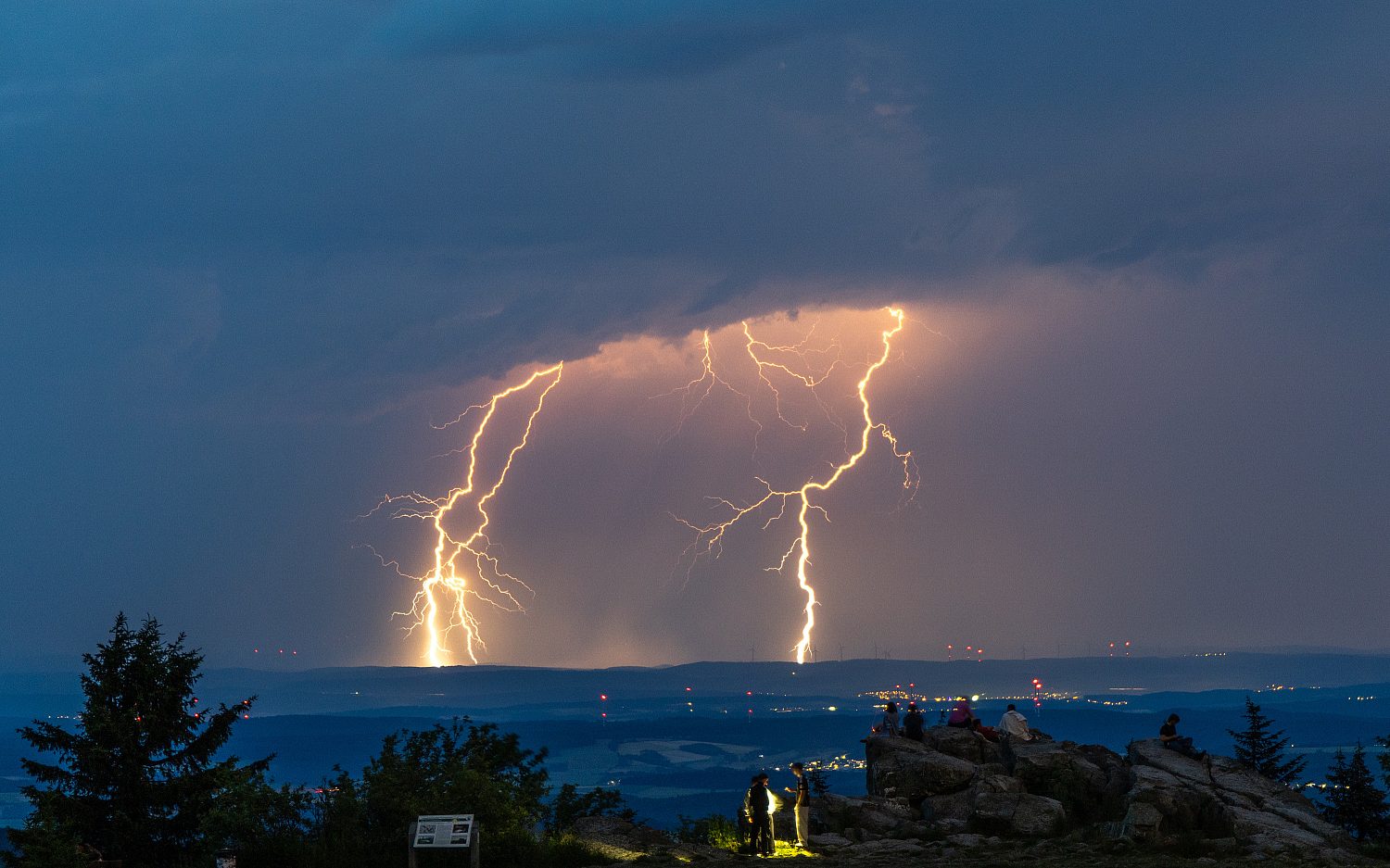

Lightning struck the Eiffel Tower in France on Saturday. Parisians welcomed the thunderstorms. They cooled the city that has been scorched for days during Europe’s most intense heat dome on record.
Heat domes are high-pressure weather systems. They stay in the same spot for a few days, trapping heat and humidity underneath.
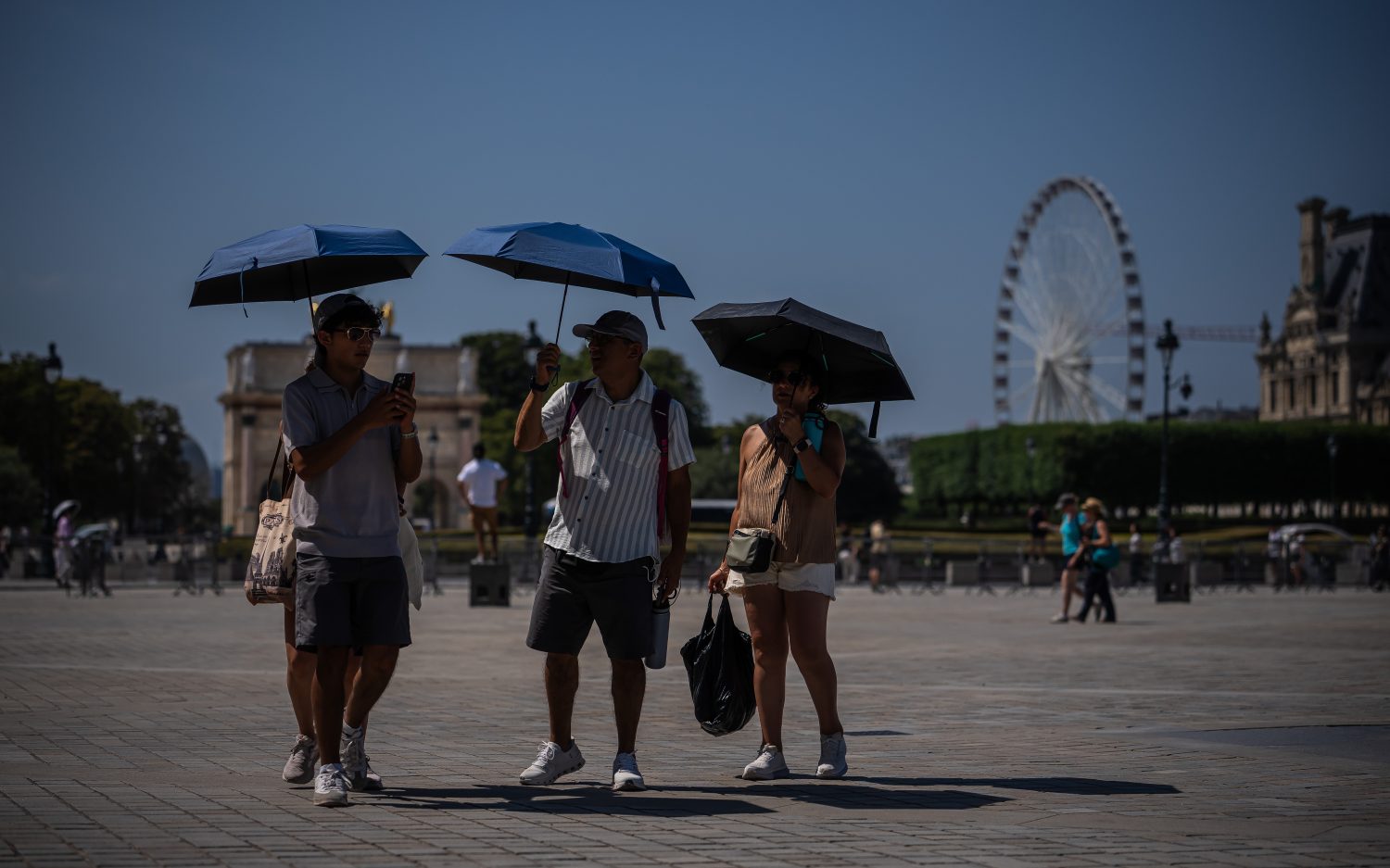
Temperatures across Europe reached record-breaking levels in the last 10 days. Thermometers are reading between 97°F to 110°F.
Historically, Europe has not experienced severe heat waves. Little infrastructure exists to keep cities cool. Few buildings have air conditioning. In cities, many people use public transit such as buses or subways rather than air conditioned cars. It can be difficult to find ways to take a break from the heat.
“Heat stress is often called the ‘silent killer’—and European homes, workplaces, and schools were not built for these temperatures,” says Tedros Adhanom Ghebreyesus, the director-general of the World Health Organization.
Sadly, France reports the number of deaths during the heat wave has increased. The country’s public health agency estimates that 1,000 more people than the average died last week.
In Paris, those living in attic apartments experience miserable conditions. About three-quarters of roofs in Paris are made from zinc. It makes for beautiful roof top views. But it also traps heat.
“People find the rooftops of Paris charming,” says Maider Olivier, who works with a French housing foundation. But he explains that “not only are they extremely exposed to heat, but it’s also impossible to create cross-ventilation to get rid of the heat at night.”
Amelie Kenney moved into an attic apartment because the rent was inexpensive.
“It’s been the worst week that we’ve had in this apartment,” the 23-year-old says about the heat wave. “It’s just baking in the whole afternoon and it’s impossible to just get a respite.”
Cities in Germany are also facing heat crises. In the city of Dormagen, dangerous heat conditions inside a nursing home prompted the evacuation of its residents.
In two spots near Berlin, Germany, the concrete of freeways burst due to heat.
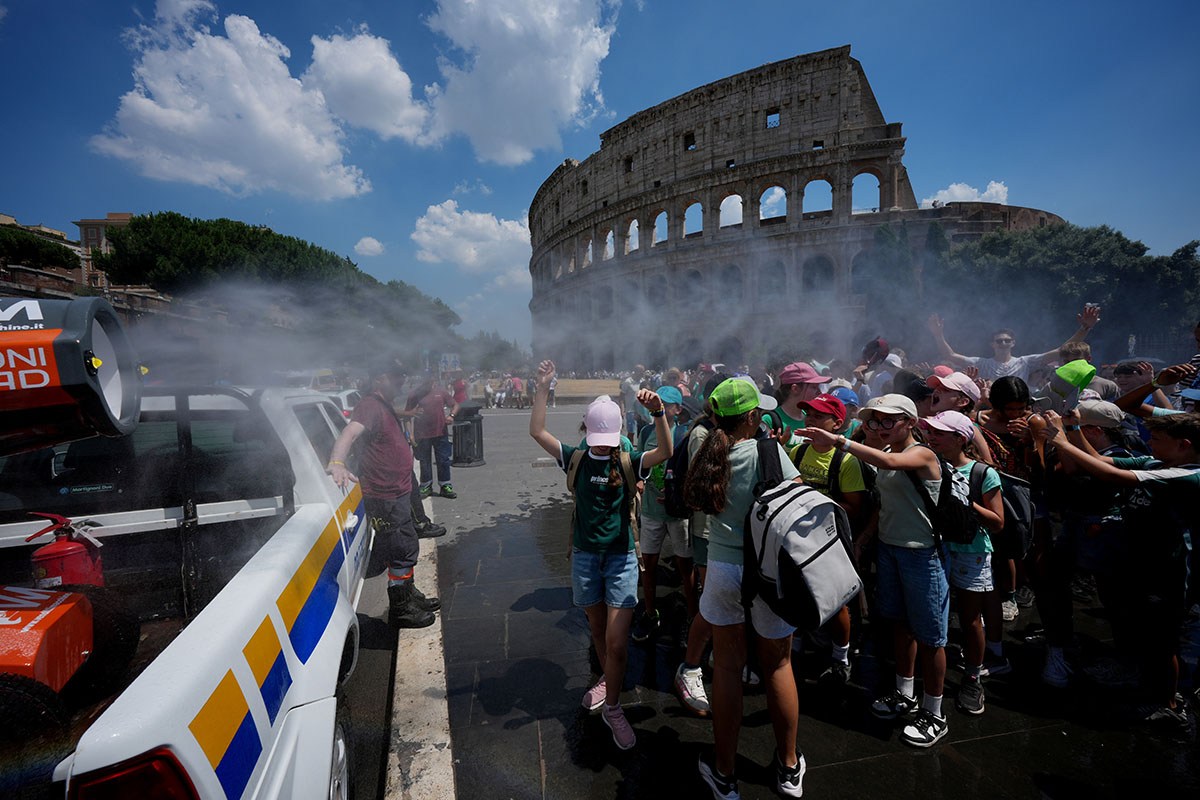
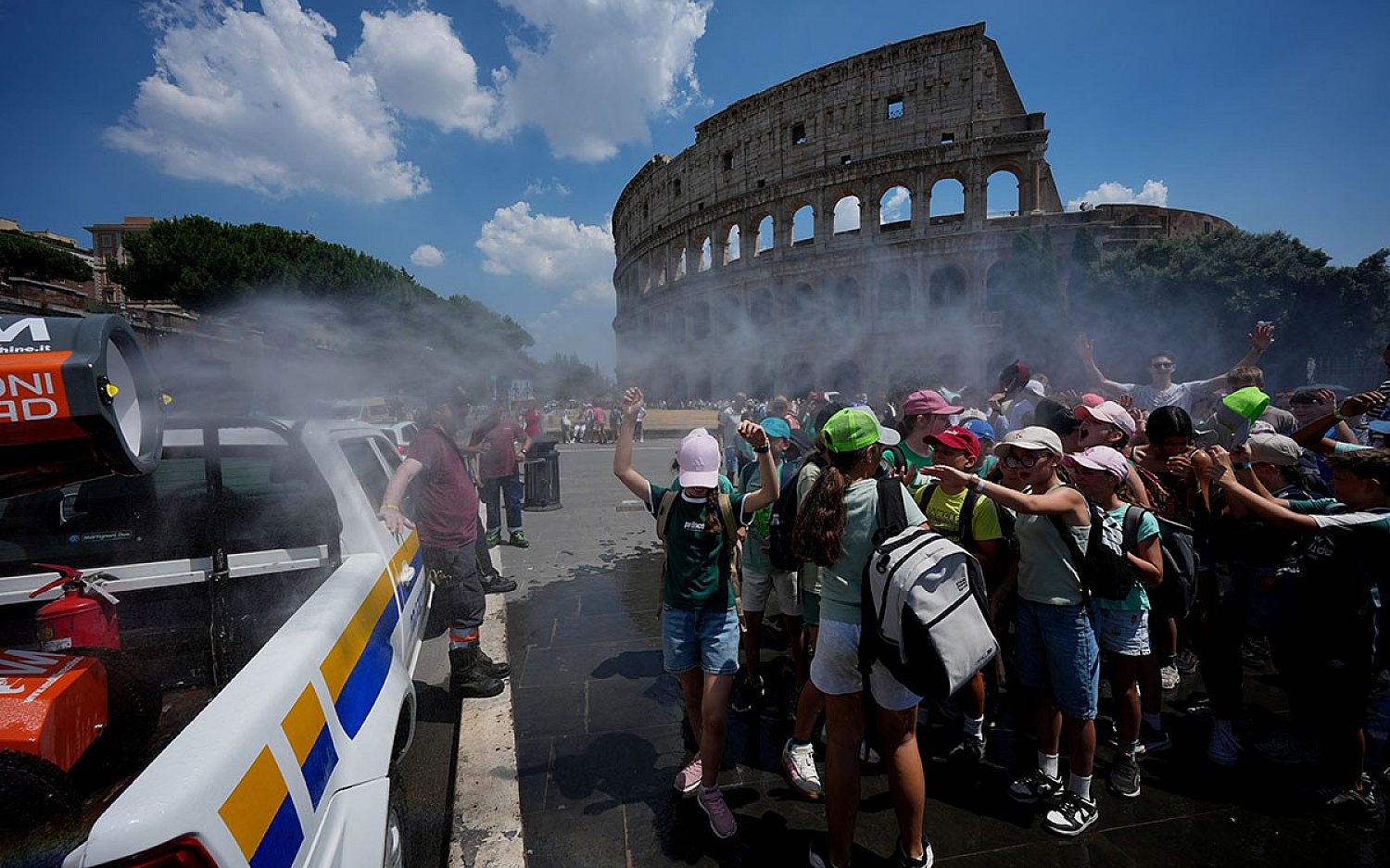
Berlin police found a creative way to keep people cool. They set up two water cannons in the center of the city. Usually used to discourage unruly protesters, they now spray water over a grateful crowd.
Over the weekend, thunderstorms roiled in much of Europe. They brought a welcome drop in temperature. But in some places, lightning caused new problems. Lightning strikes started two wildfires in Germany, causing 650 people to evacuate their homes.
In Sweden, lightning hit an amusement park and injured several people.
Pray for those around the world who are experiencing dangerous weather conditions.