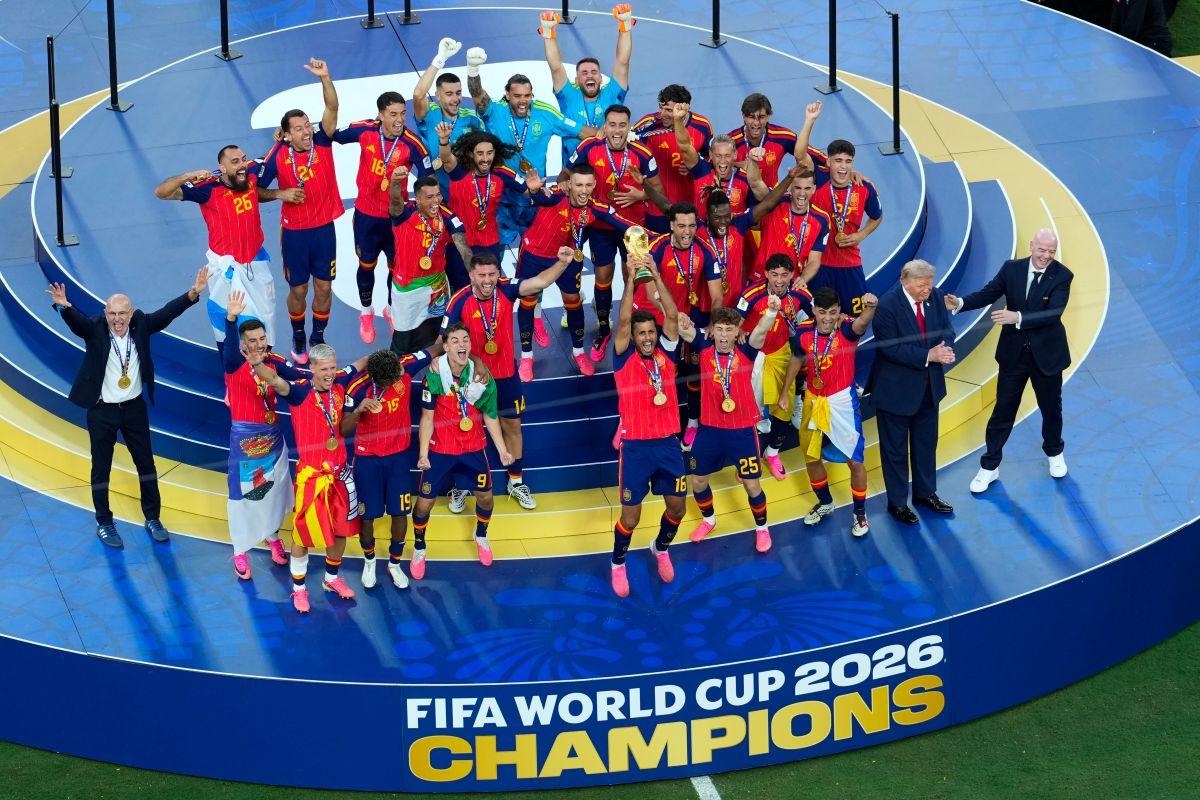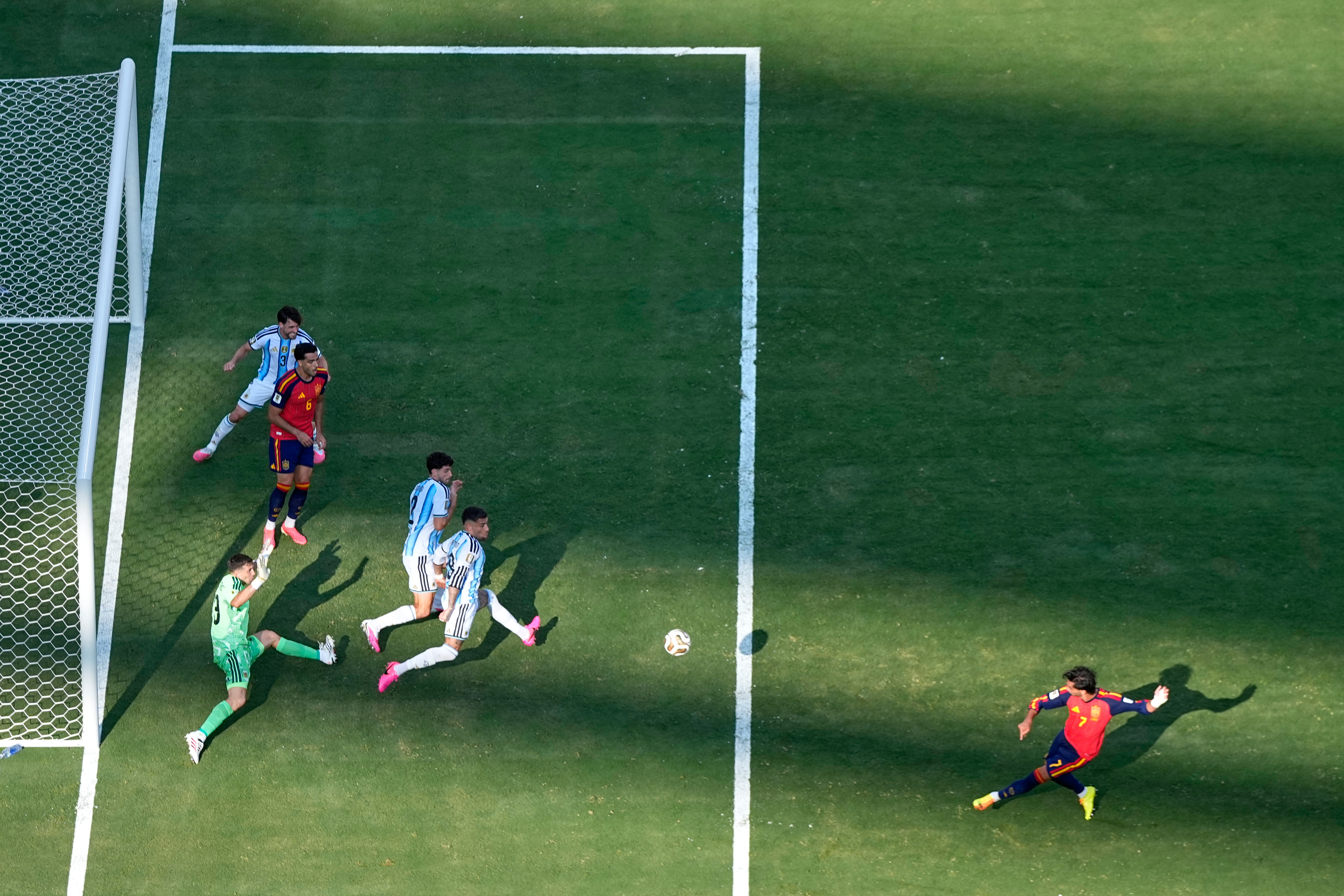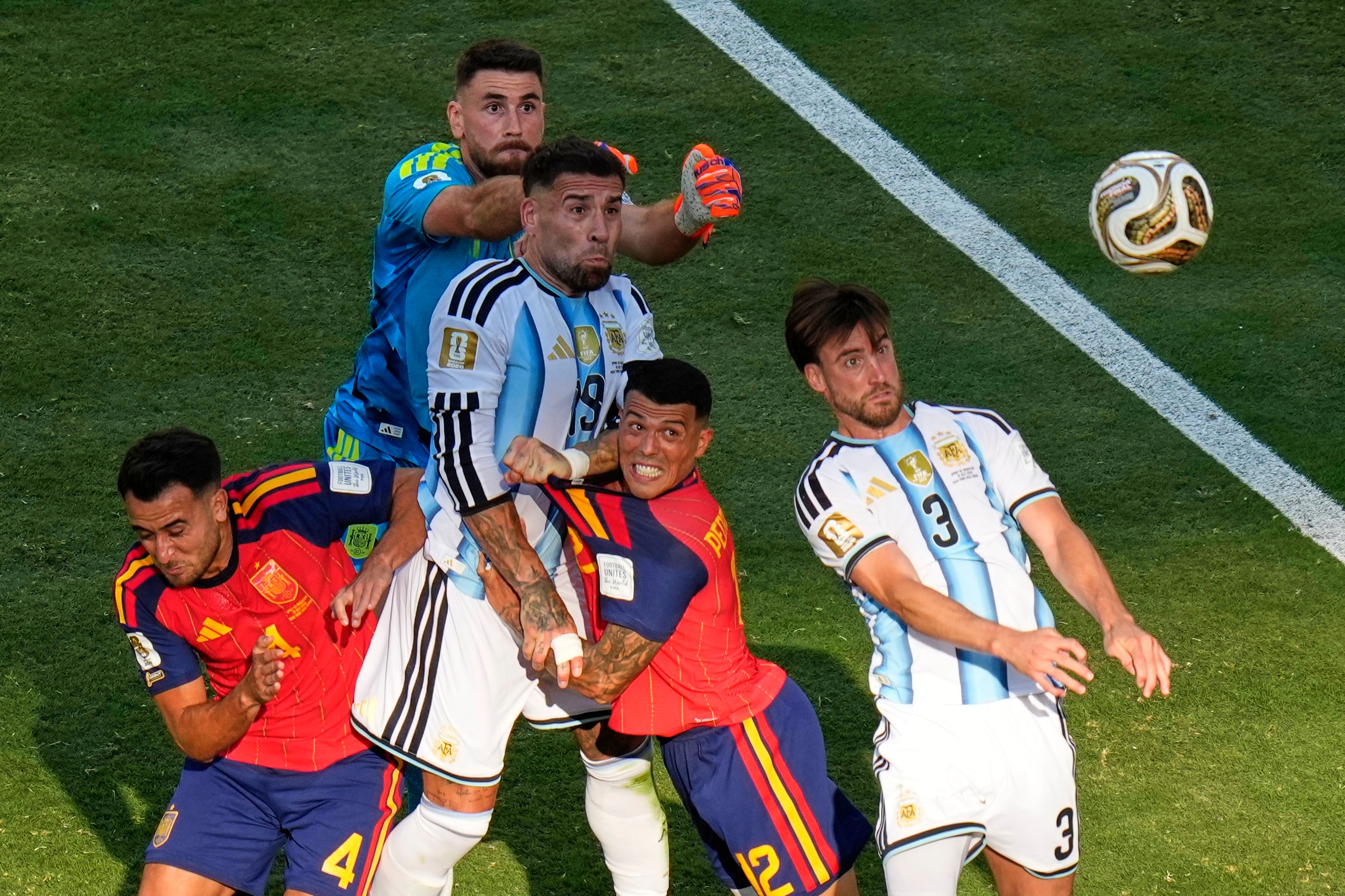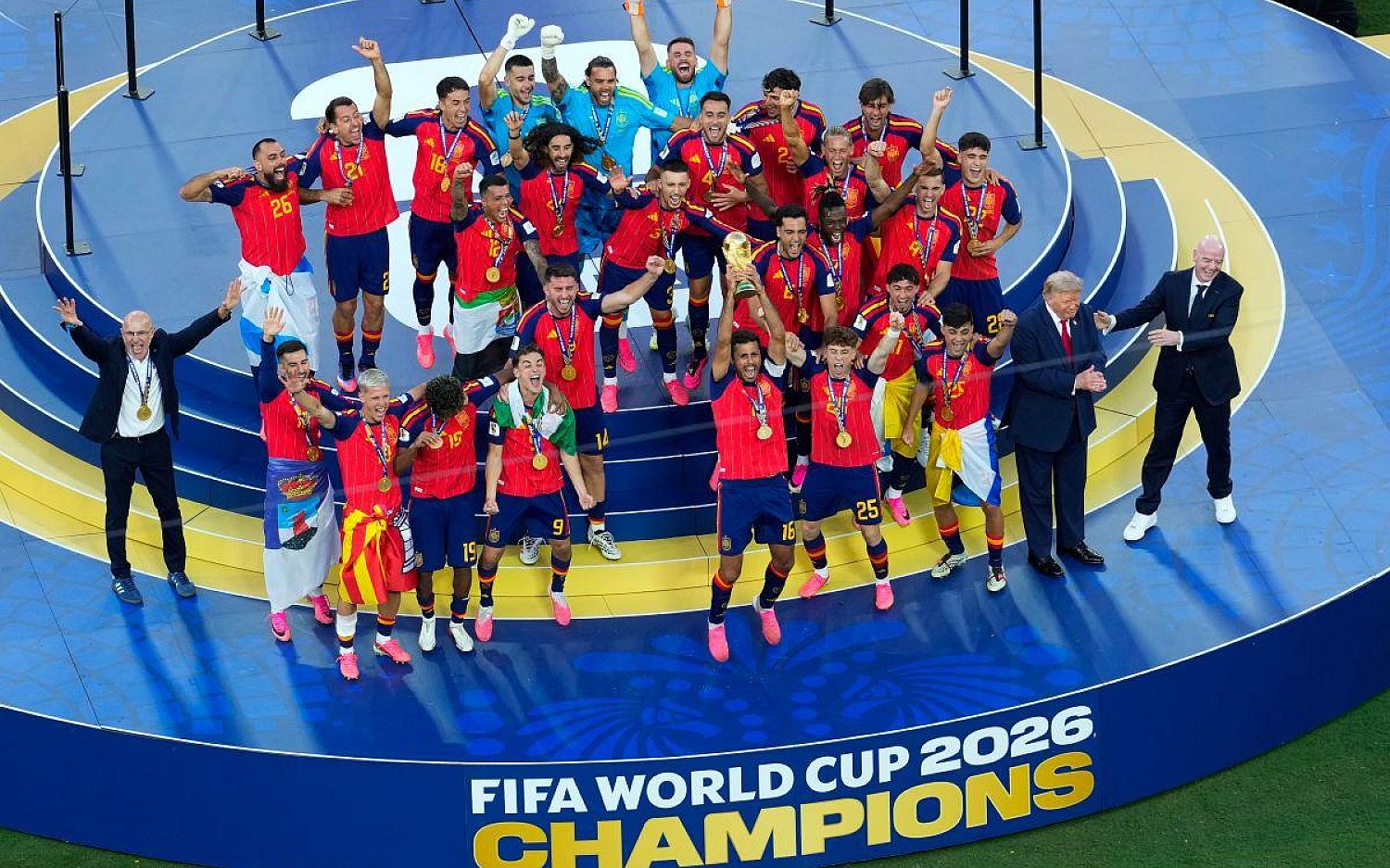
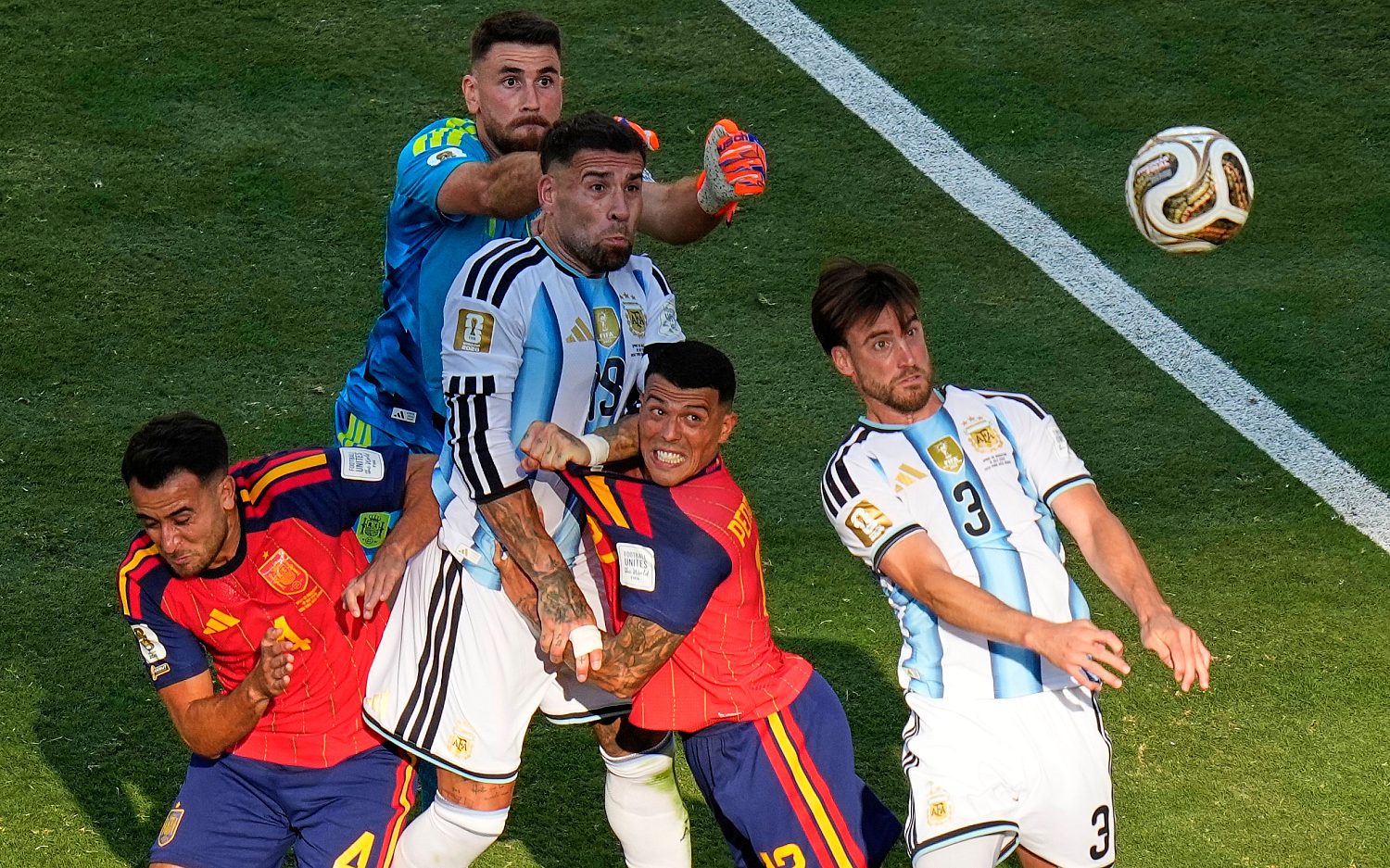
Spain defeated Argentina on Sunday in the final match of the World Cup, making the Spanish national soccer team World Cup champion for the second time. It is the first nation to hold the men’s and women’s titles simultaneously, after Spain also won the women’s World Cup in 2023.
Argentina has three World Cup trophies, including a win at the last World Cup in 2022. The national team also has Lionel Messi—whom many consider the greatest soccer player of all time. He holds numerous records and awards.
“When you have Messi on the other side, well, you are nervous,” says 26-year-old Ferran Torres from Spain, who scored the match’s winning goal.
But Spain’s strategy was simple. Keep control of the ball, and don’t give Argentina any chances to score.
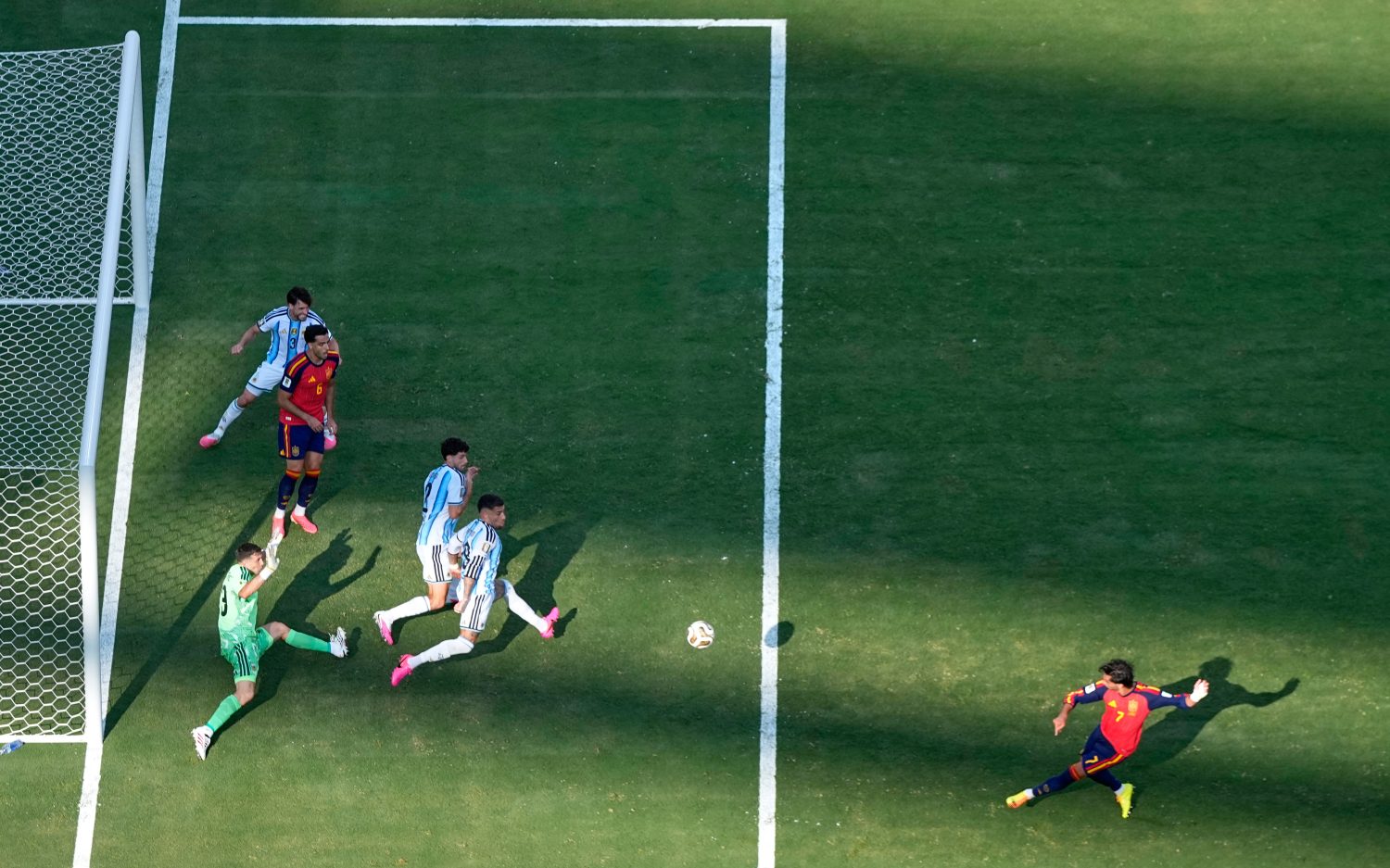
After 90 minutes without goals, Torres finally scored the only goal of the game just after overtime began. Coaches had substituted him for another player in the second half. It was his first World Cup goal.
“I think at the end of the day, it was a goal scored by 47 million people,” Torres says, referring to the population of Spain. “I feel very happy.”
The match took place at the MetLife Stadium in New Jersey. U.S. President Donald Trump attended along with heads of state from Spain, Mexico, and Canada.
Sixteen cities across North America hosted World Cup games. Some wonder about the overall consequences for the cities. They spend millions of dollars hosting matches. But FIFA, the international football association, gains most from ticket sales.
However, World Cup matches attract many tourists, who then patronize local businesses. And some scholars argue that hosting international sporting events promotes “civic pride”—helping residents feel positive connections to their hometowns.
Brazil will host the women’s World Cup next summer. Spain, Portugal, and Morocco will co-host the next men’s World Cup in 2030.