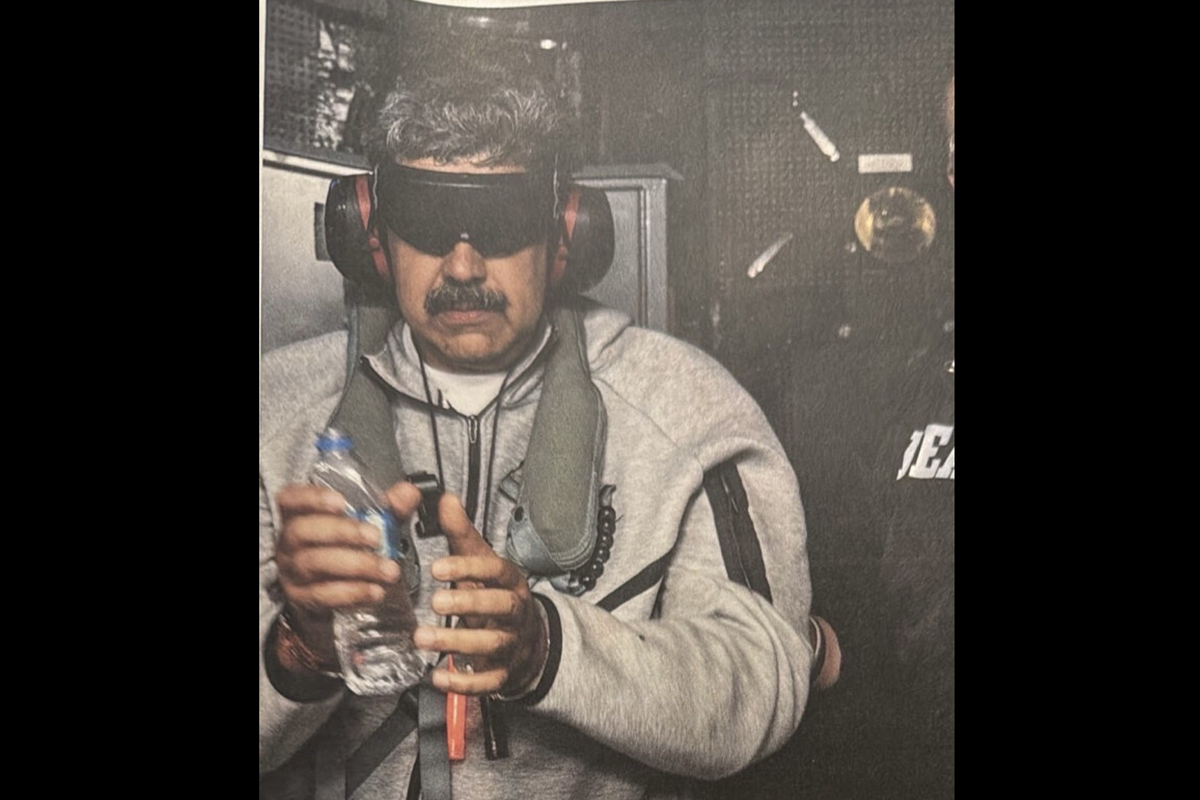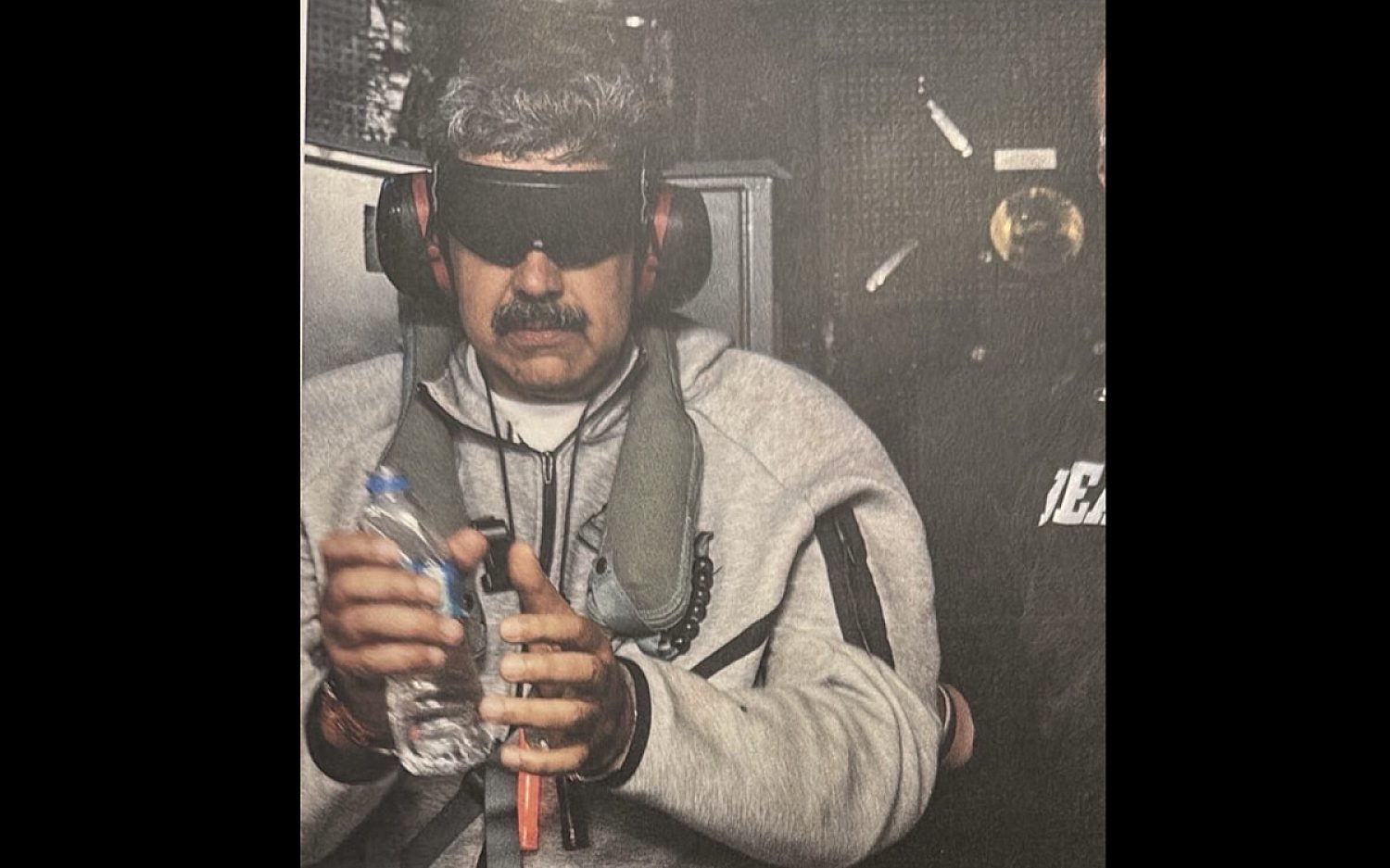

On Saturday, the U.S. military captured Venezuela’s leader, Nicolás Maduro, and his wife, Cilia Flores.
U.S. forces entered Venezuela with more than 150 aircraft, according to U.S. General Dan Caine. They captured Maduro and his wife at their house on a military compound. U.S. forces took the couple by helicopter to a warship. Later in the day, the two were flown to New York.
As part of the operation, U.S. troops launched airstrikes on several sites within Venezuela. According to The New York Times, at least 80 people died in Venezuela. President Donald Trump reported in a press conference that no U.S. military members were killed.
Nicolás Maduro took the position of president of Venezuela in 2013. Many people consider him a dictator. There are allegations that he won elections dishonestly, made corrupt partnerships with drug-traffickers, and kidnapped people who voiced opposition.
The U.S. government charged Maduro and his wife with collaborating with drug traffickers to ship thousands of tons of cocaine to the United States. If a judge decides that they are guilty, they could face life in prison.
Venezuela’s High Court ordered the Venezuelan Vice President, Delcy Rodríguez, to take over the role of president in Maduro’s absence.
The day of the attack, Rodríguez called the U.S. attack “an atrocity that violates international law.”
But the next day, she commented on social media that she hoped to build “respectful relations” with President Trump.
U.S. Secretary of State Marco Rubio announced that the United States would not take over government operations in Venezuela. It would, however, continue to block oil exports from Venezuela until the government had met certain conditions. Oil reserves are the greatest source of wealth in Venezuela.
Some lawmakers question whether President Trump had the legal power to attack Venezuela and capture Maduro without approval from Congress.
In Venezuela, many people took to the streets to protest Maduro’s capture. Others were grateful he was gone, but were hesitant to express it, fearing government punishment.
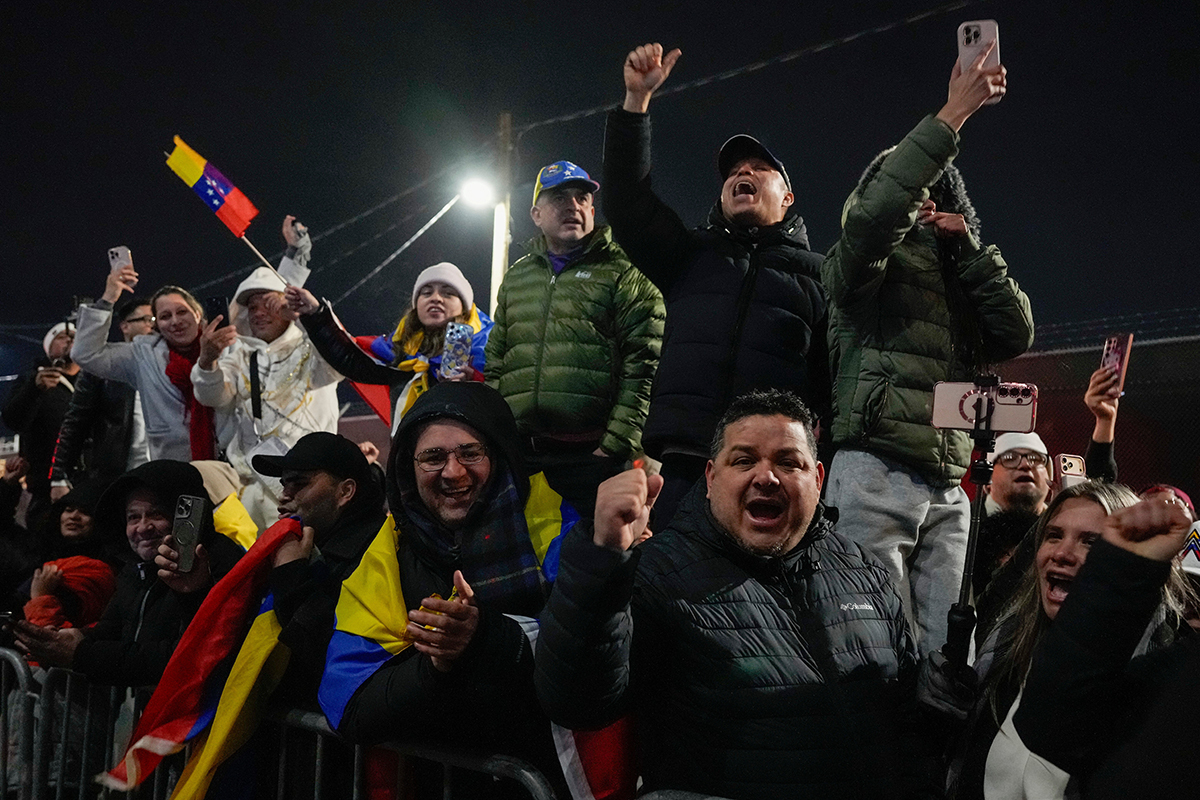
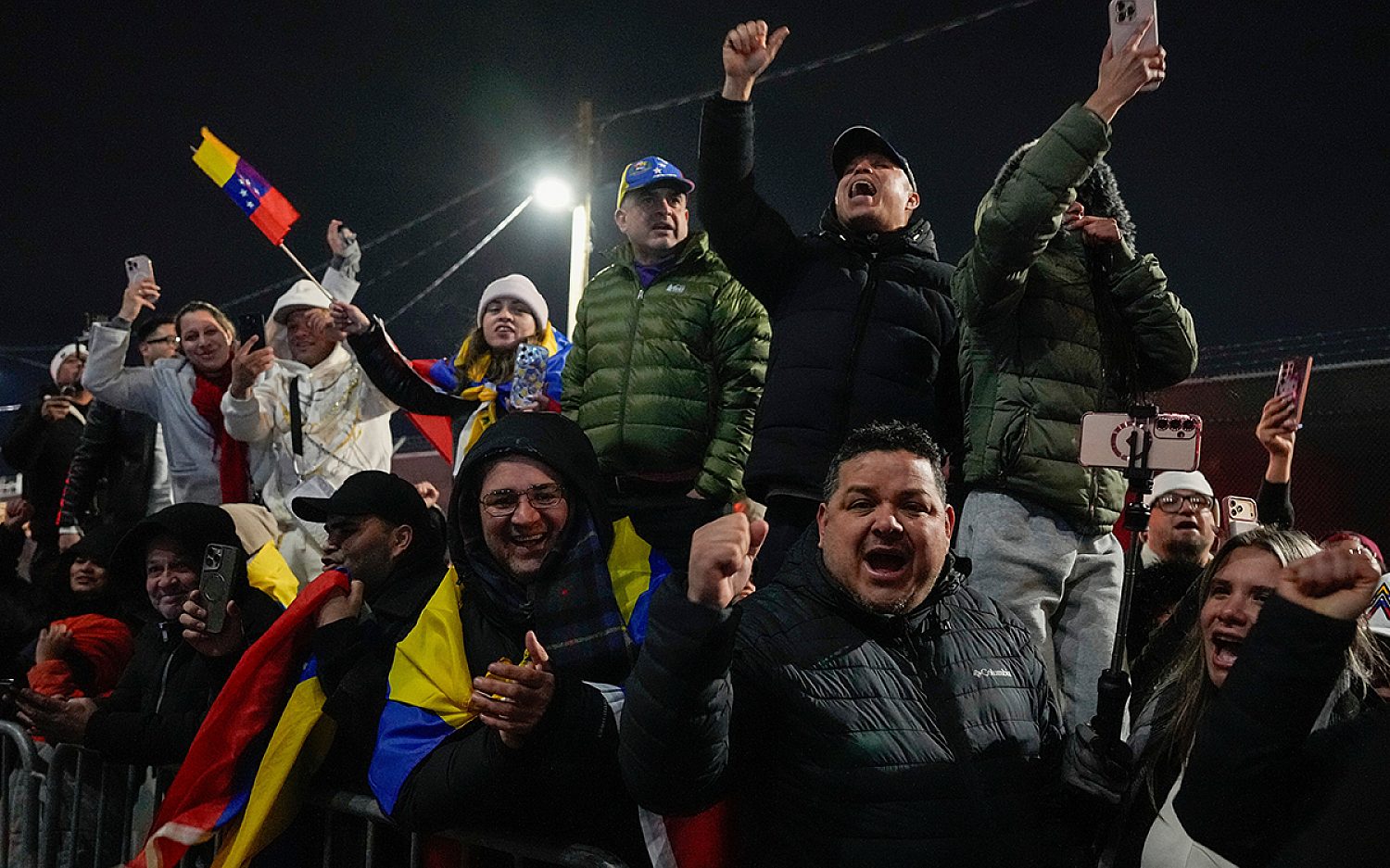
In other countries, Venezuelan expatriates celebrated openly. The largest Venezuelan community in the United States is in Doral, Florida. When they heard the news about the dictator’s capture, Venezuelans in Doral had a huge party, flying Venezuelan flags and chanting, “Liberty! Liberty! Liberty!”