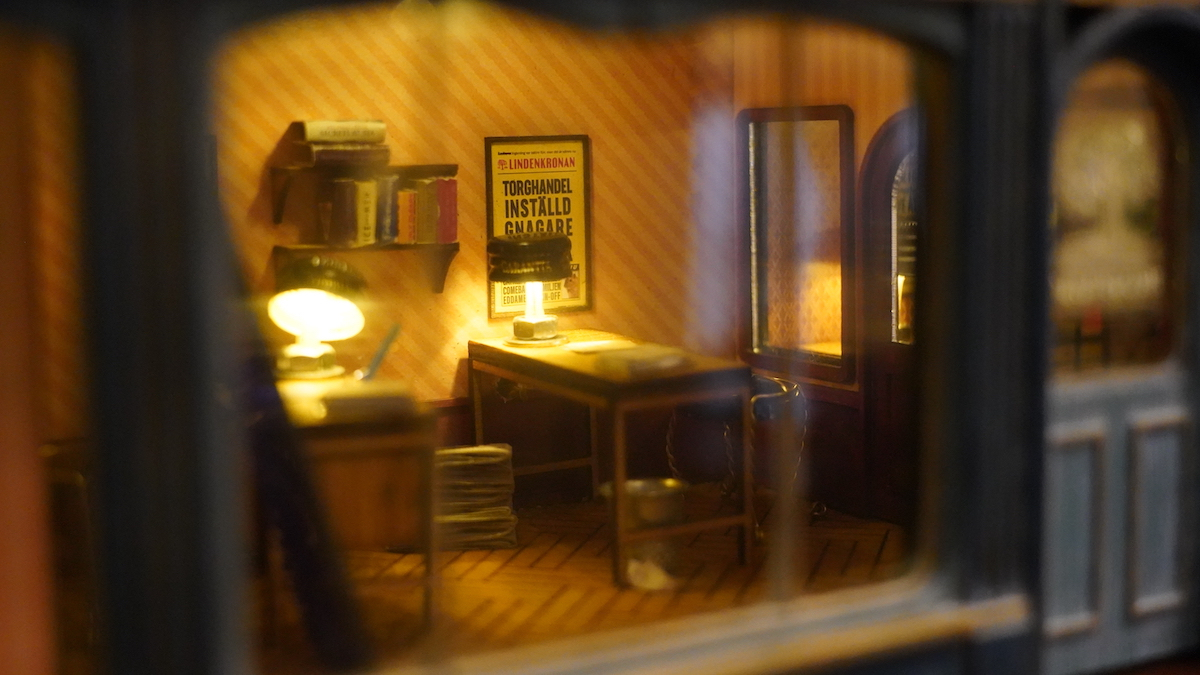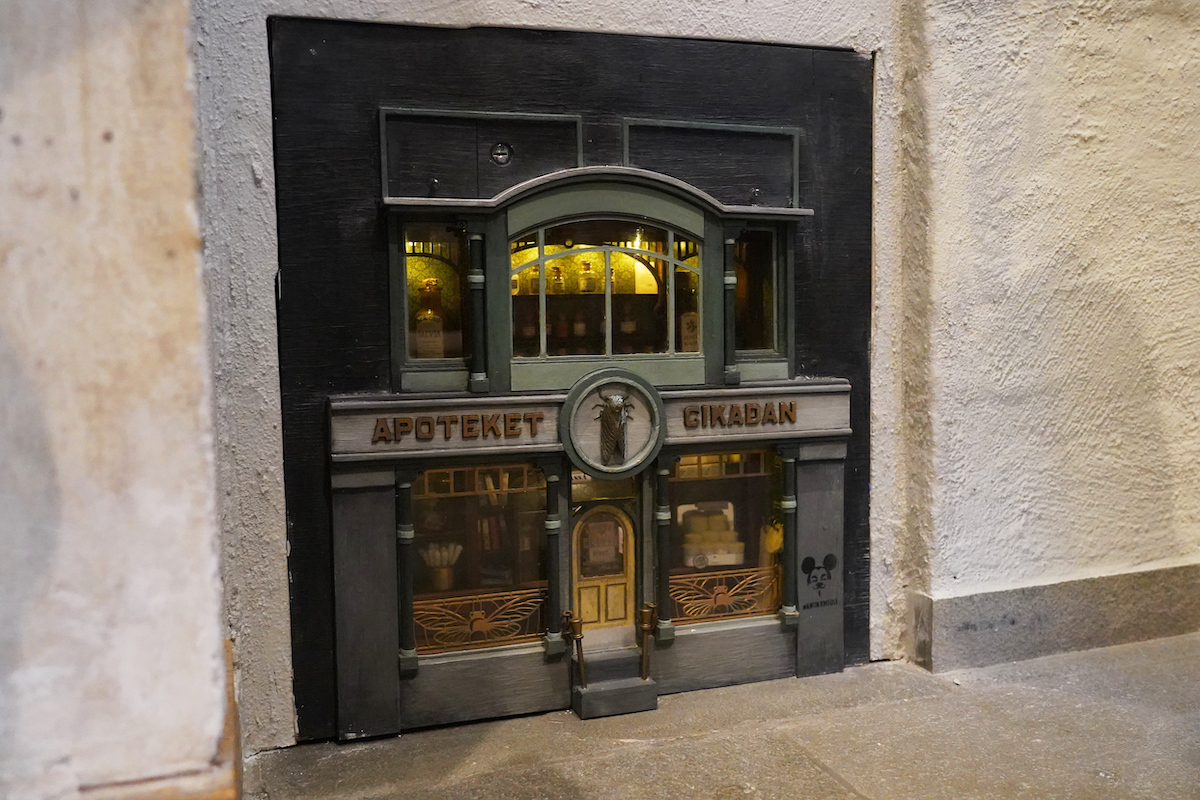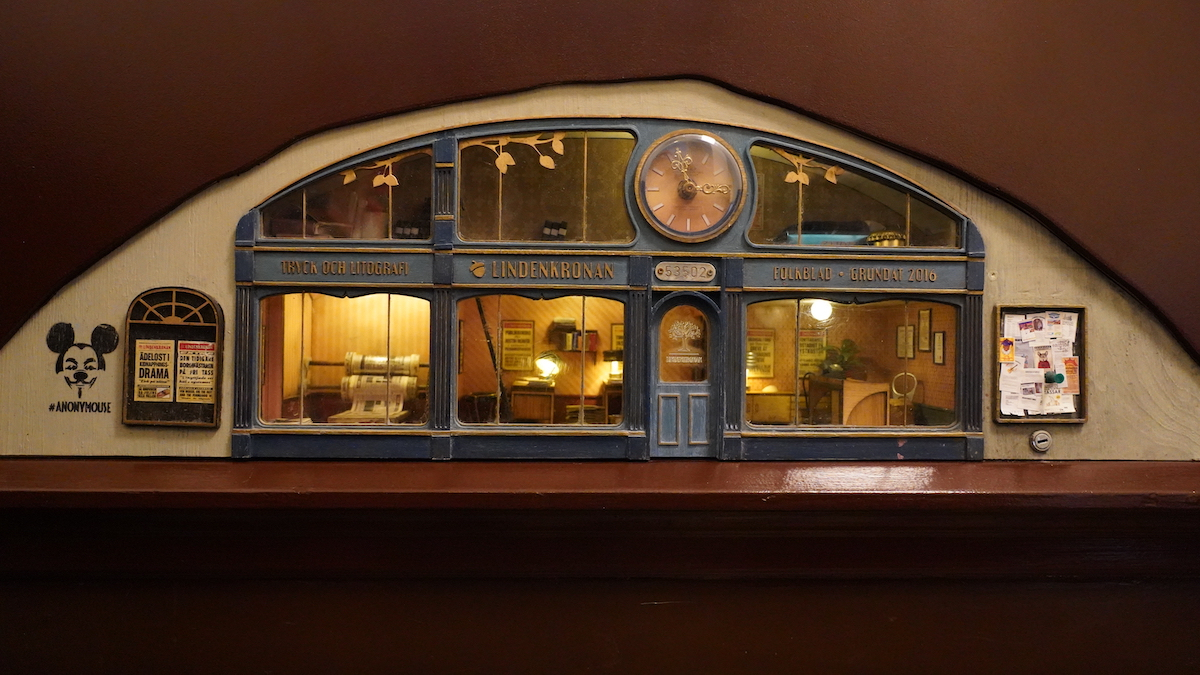
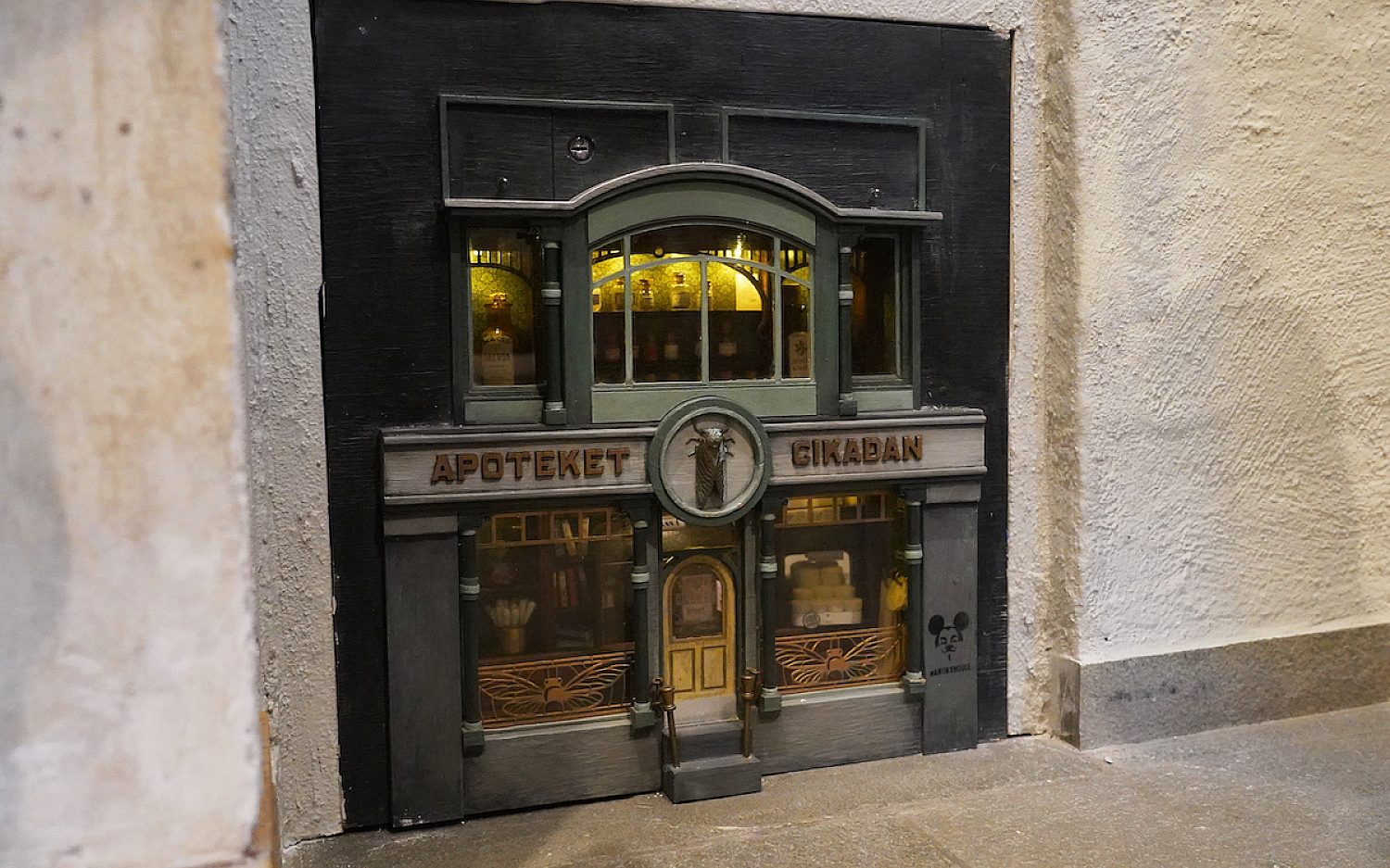

Residents of Malmö, Sweden, awoke to a surprise. It looked as if mice had opened two tiny businesses on a busy street called Bergsgatan.
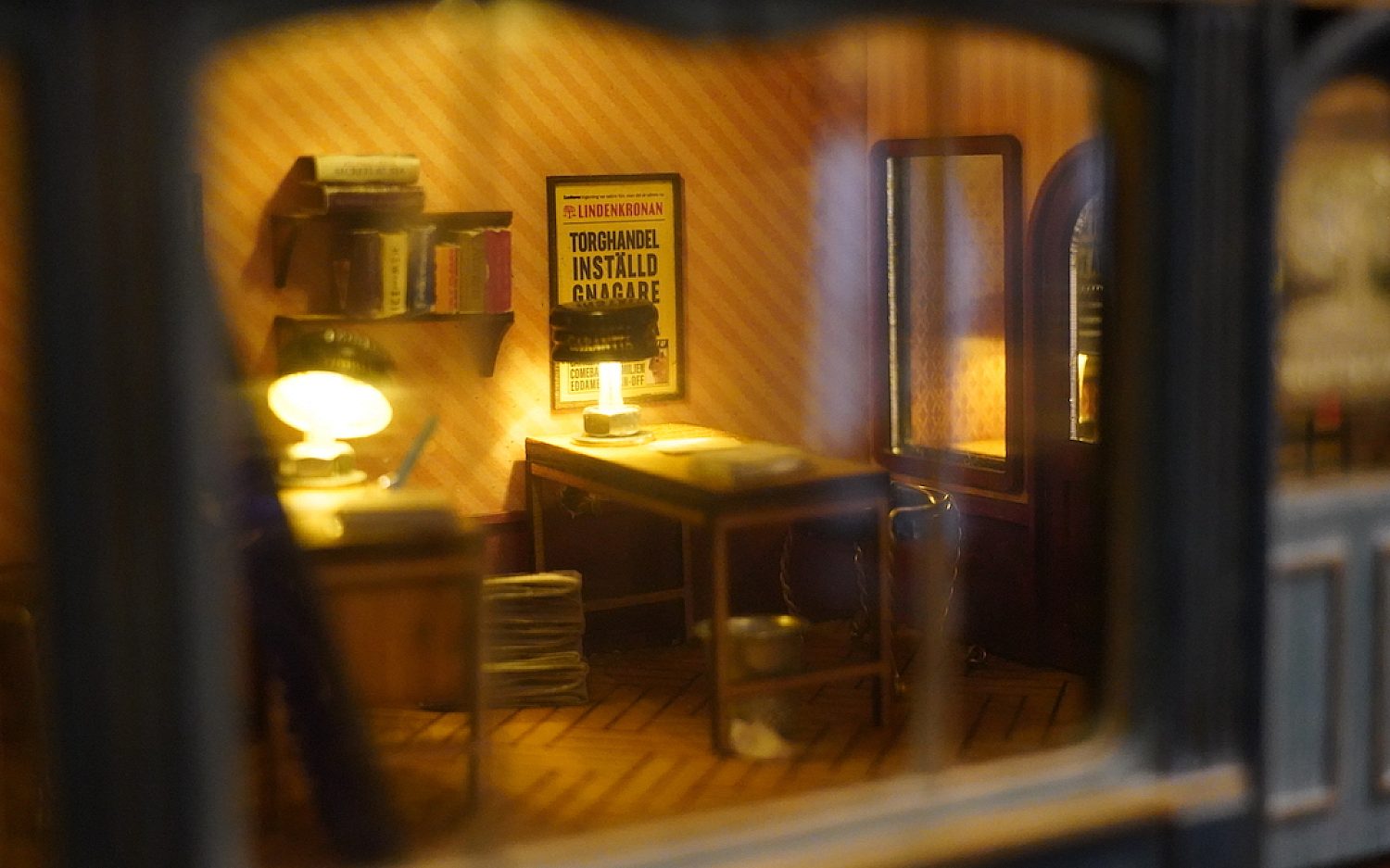
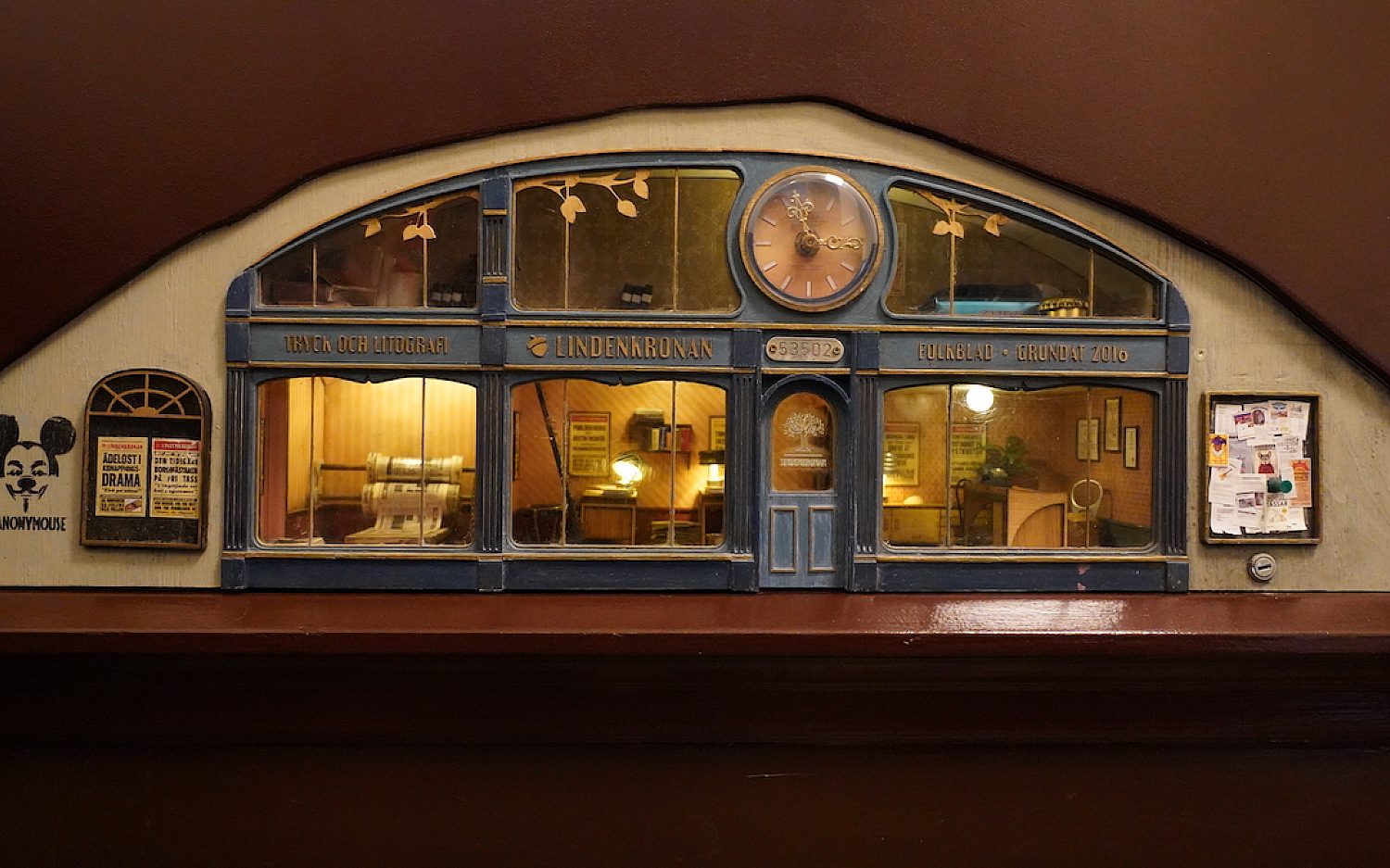
The bite-sized buildings appeared overnight. One, a tiny restaurant named “Il Topolino” (Italian for “The Little Mouse”). The other, a little deli with nuts displayed like pastries in the windows. The models had complex details—tiny posters on walls and glowing, thimble-sized desk lamps.
But where did these mysterious miniatures come from? Nobody knew. The artist left a tag on her (or his?) work: “Anonymouse.”
More models popped up in the United Kingdom and Canada. The phenomenon spread. The little buildings even appeared on popular talk shows.
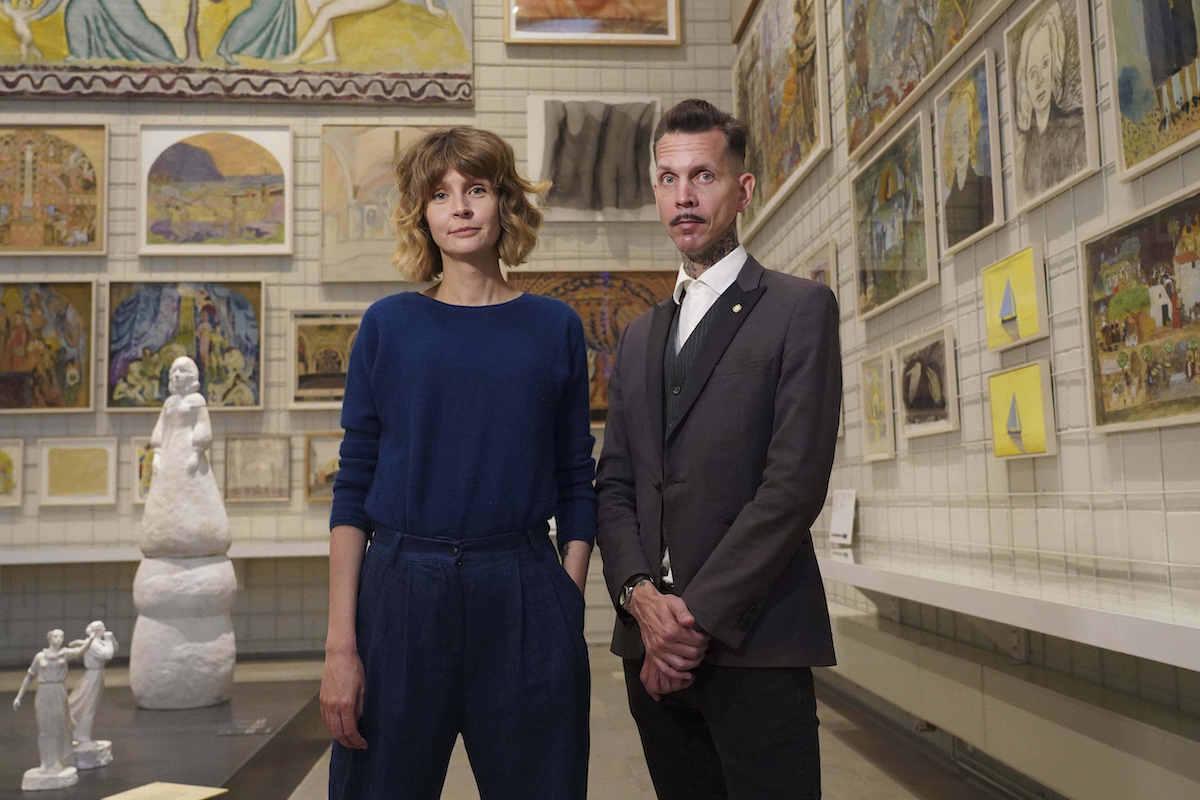
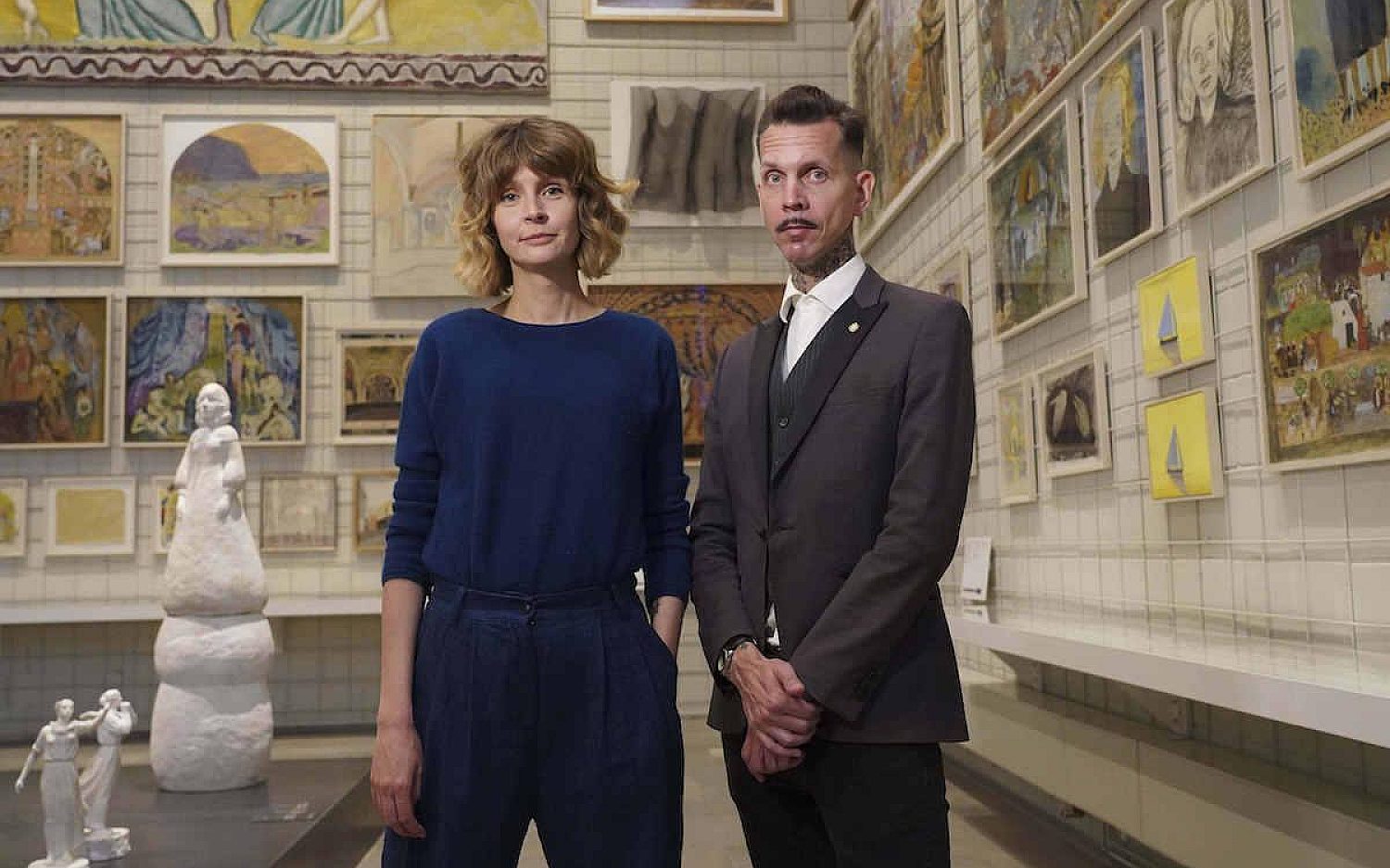
At last, the artists revealed themselves. Elin Westerholm and Lupus Nensén both work in show business in Sweden. They build props and sets for TV and film (and occasionally, extremely detailed rodent infrastructure).
They cooked up their creative plan during a trip to Paris, France, in 2016. French art and architecture inspired them. The duo spent six months building the first miniature storefront. They installed it on the street on a cold, dark night.
Then they watched. Passersby marveled at the intricate creation.
“It’s amazing to see a 70-year-old come over with crutches, and people help [him or her] down and have a look,” says Nensén. “It really does bring out the child in everyone.”
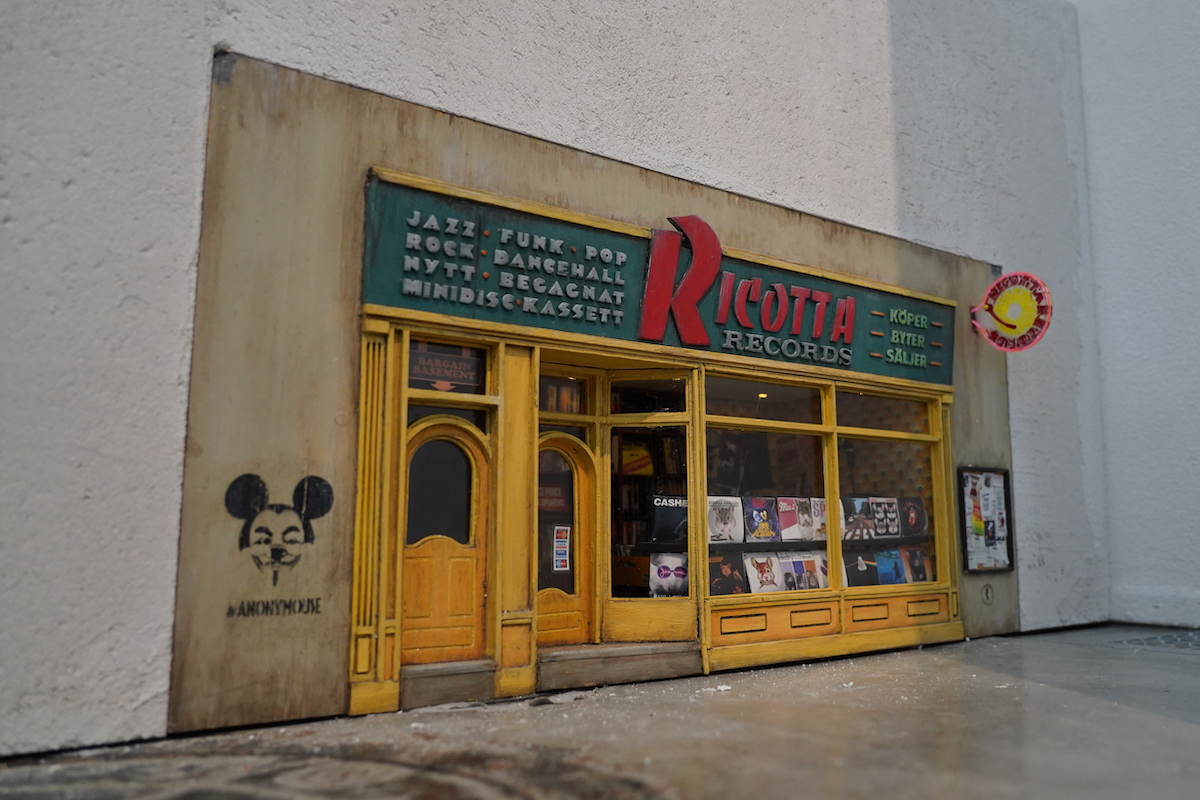
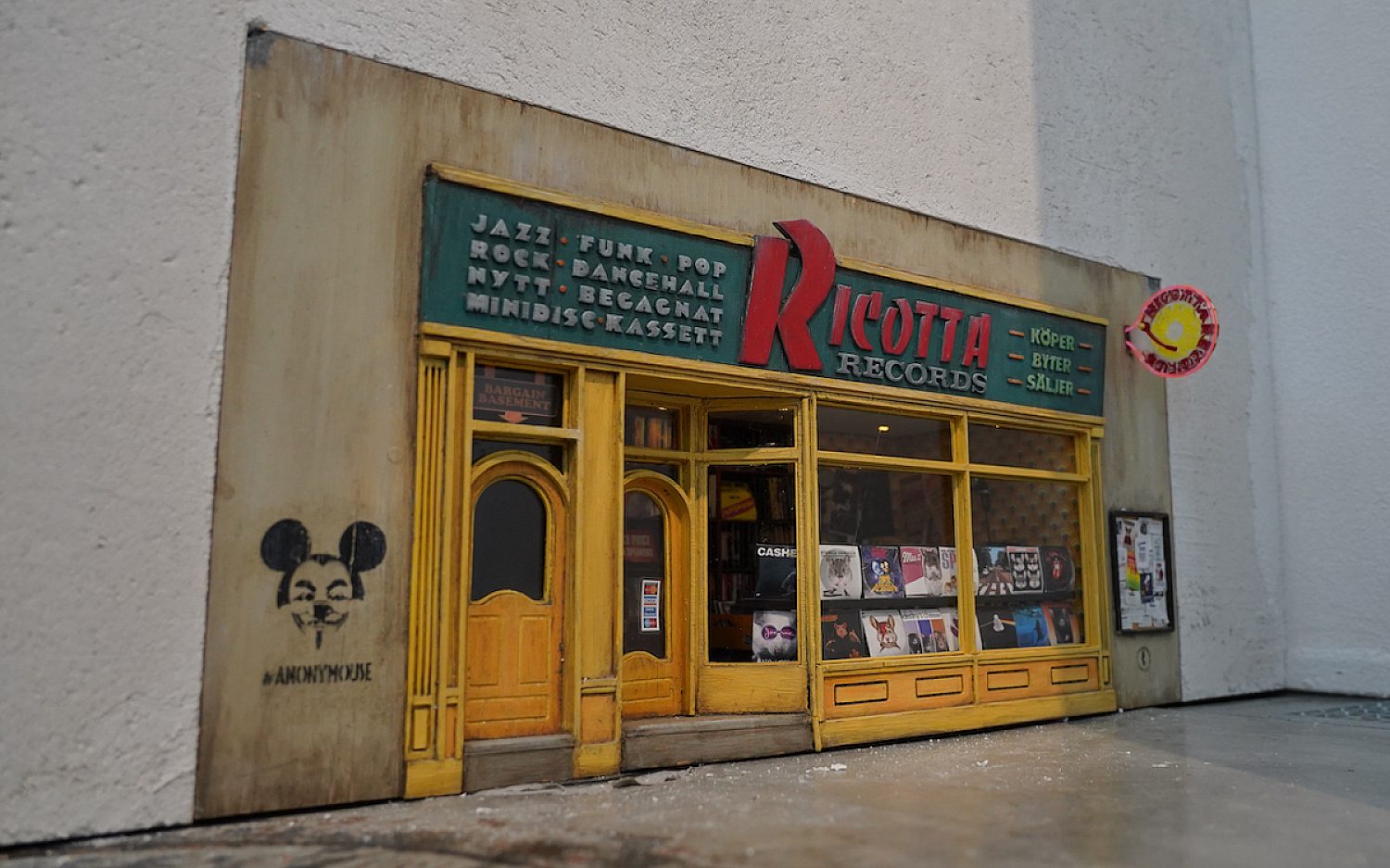
In the Swedish city of Lund, the two installed a mouse-sized record store. They called it “Ricotta Records.”
“We spent a lot of time coming up with mice and cheese puns over the years,” says Nensén.
Over the summer, six of the wee works went on display in Lund’s Skissernas Museum. Was this an ordinary art exhibit? Of course not! The museum’s curators got in on the sense of fun.
“They are hidden. They are not in common areas where you would expect an artwork,” says curator Emil Nilsson. “There’s one in the basement, one on a balcony, and so on.”
To spot these mouse-sized worlds, visitors had to slow down and look closely. They had to keep looking to spot all the comical, complex details—like mouse-sized records in the record store.
Westerholm and Nensén spent nine years adorning city streets with childlike wonder. But this display marked the end of their Anonymouse project.
God put amazing detail into even the smallest parts of creation. His design goes deeper than our eyes can see—and the more we look, the more we discover! Art can remind us to slow down, seek the tiny details, and admire the creative mind that made them.
Why? God places big value on small things, and art can help us do that too.
Recommended Reading: For more about the world of small things, read The Borrowers by Mary Norton.