
In 1977, George Lucas changed pop culture when he released Star Wars. In September, he launched his newest creation. Not a new movie—a new museum.
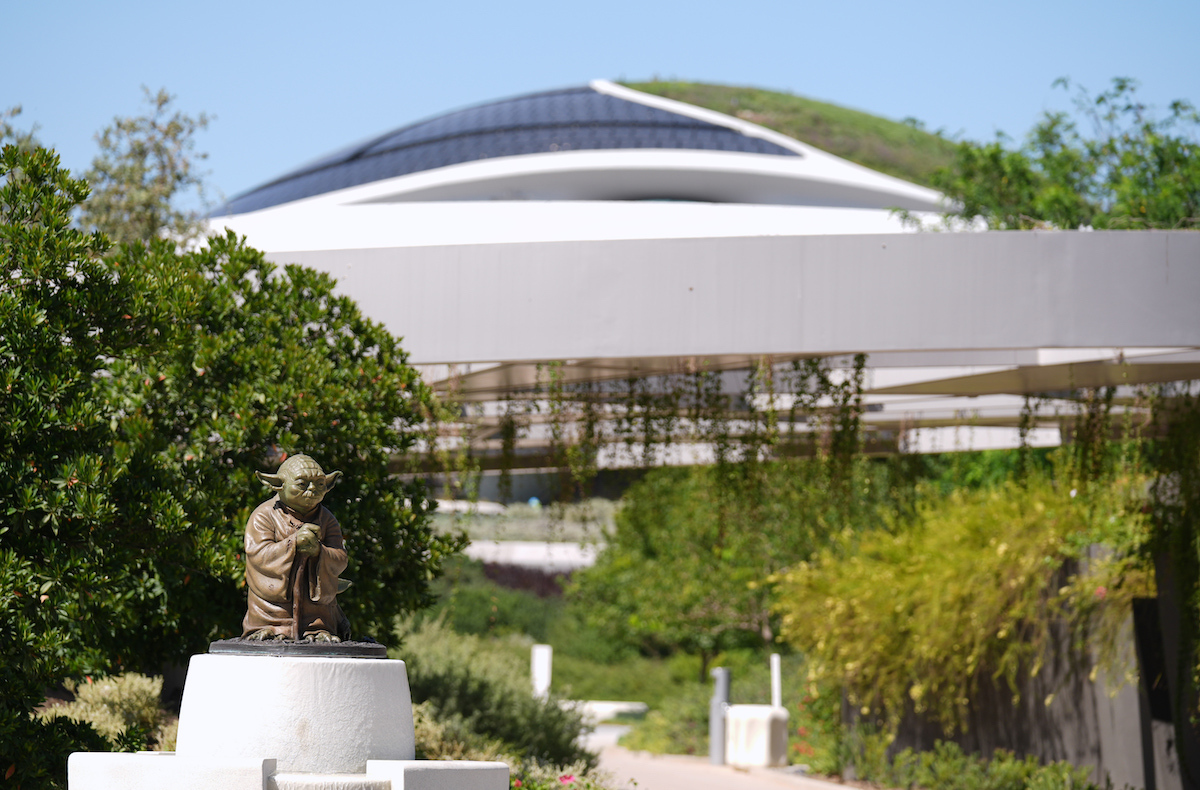
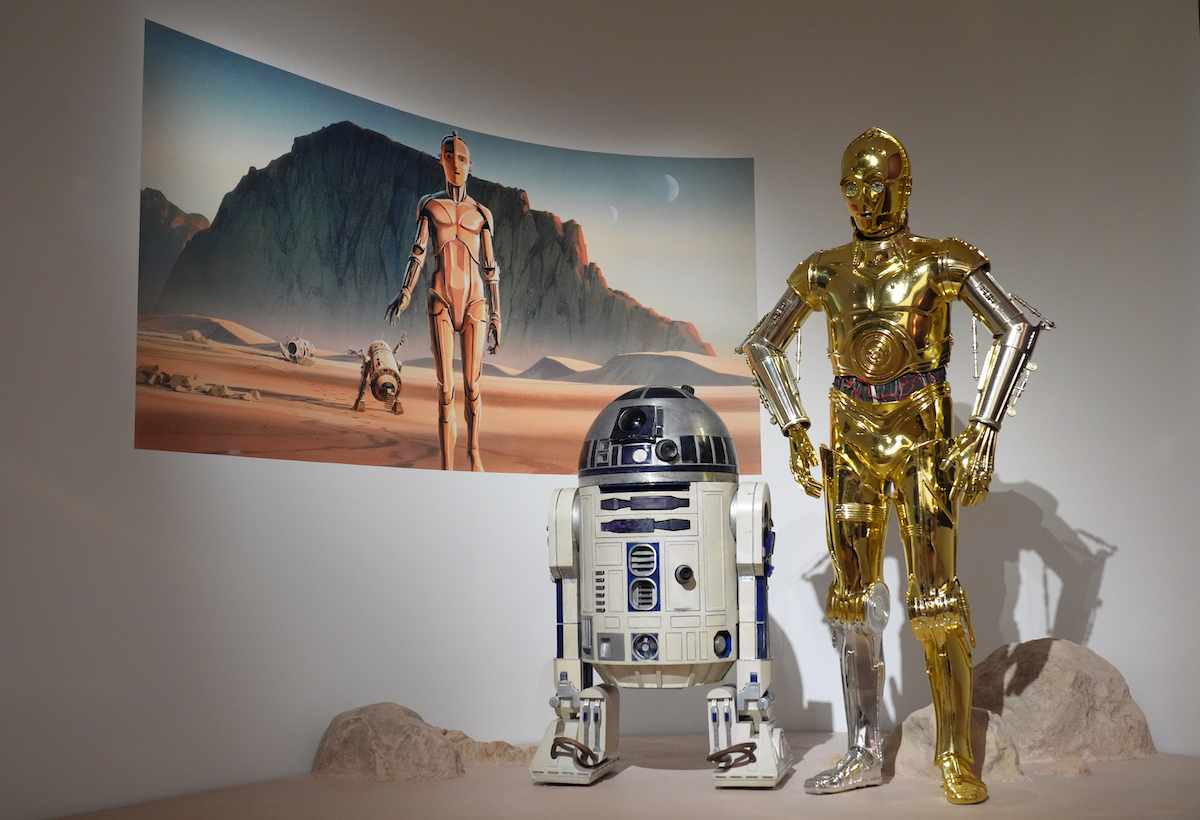
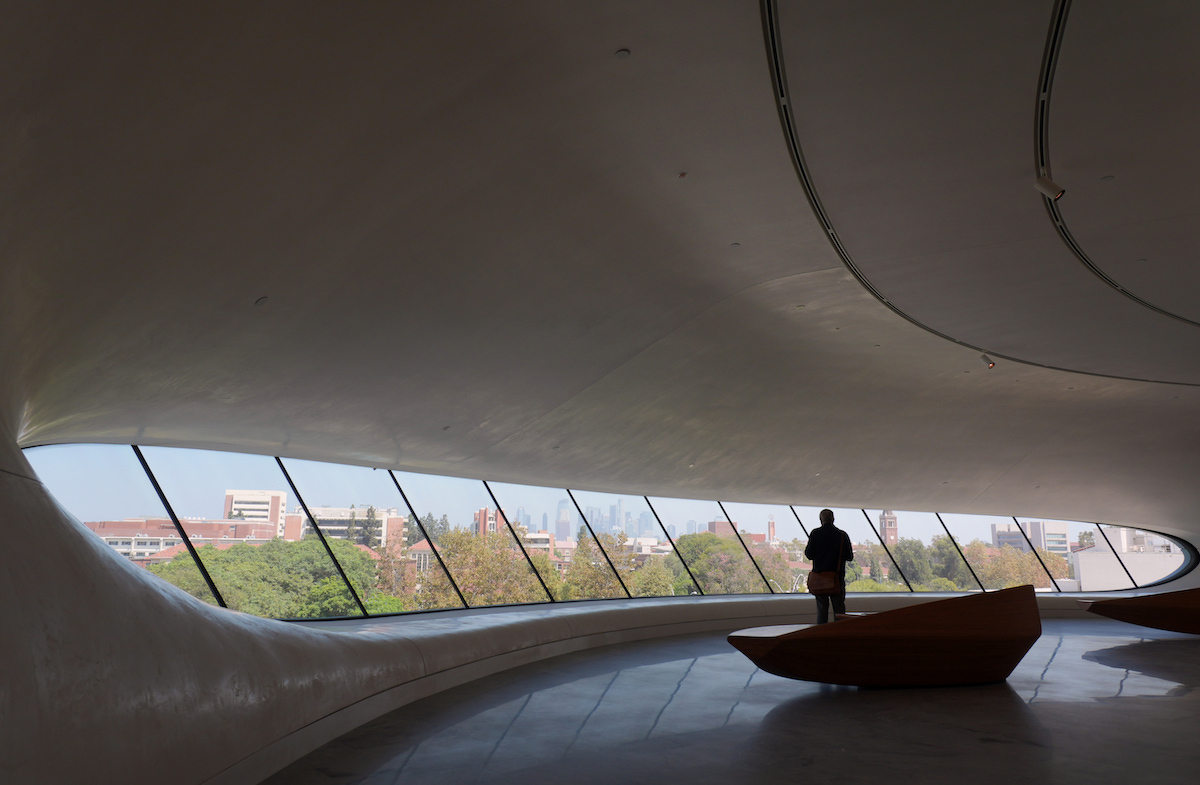
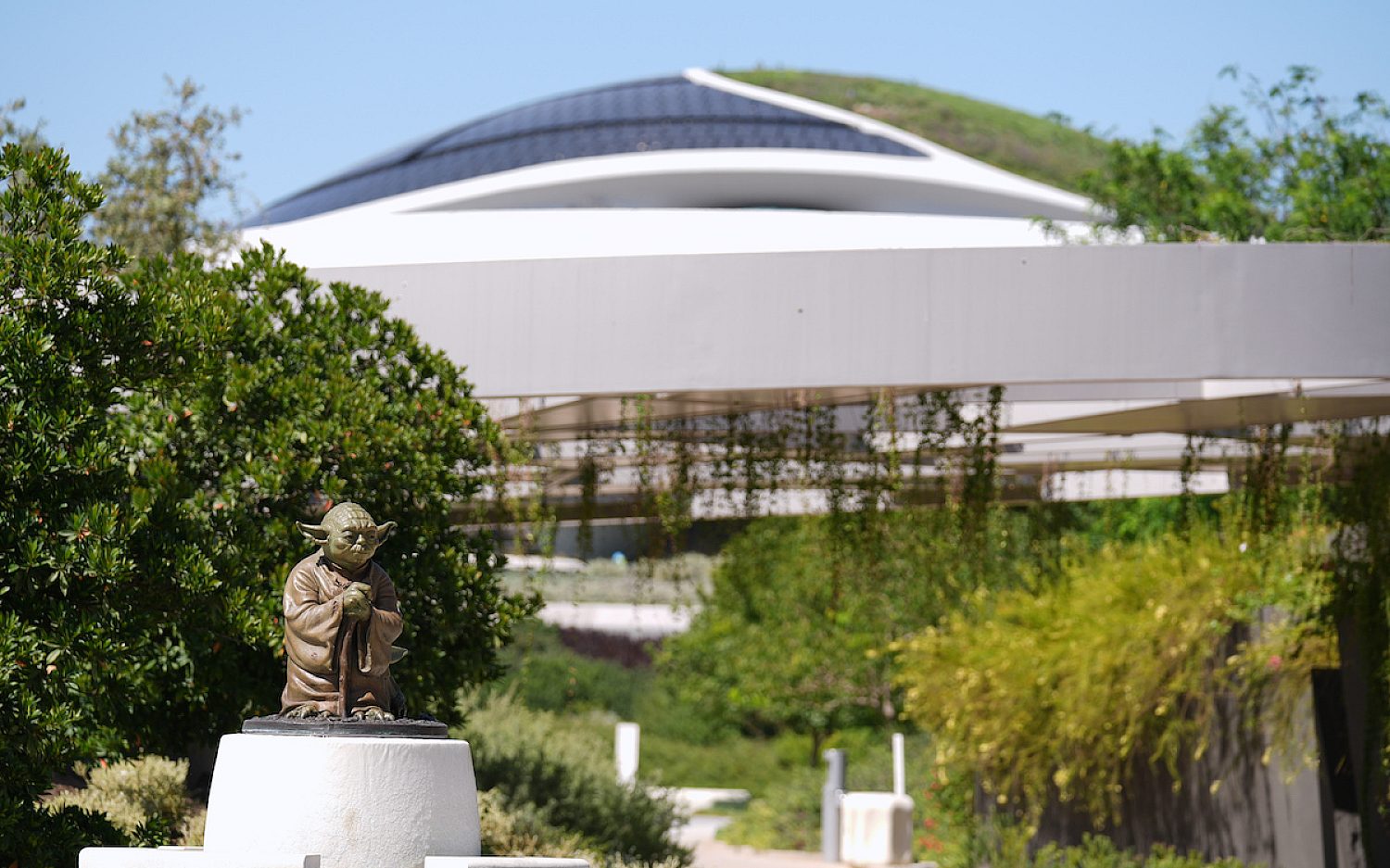
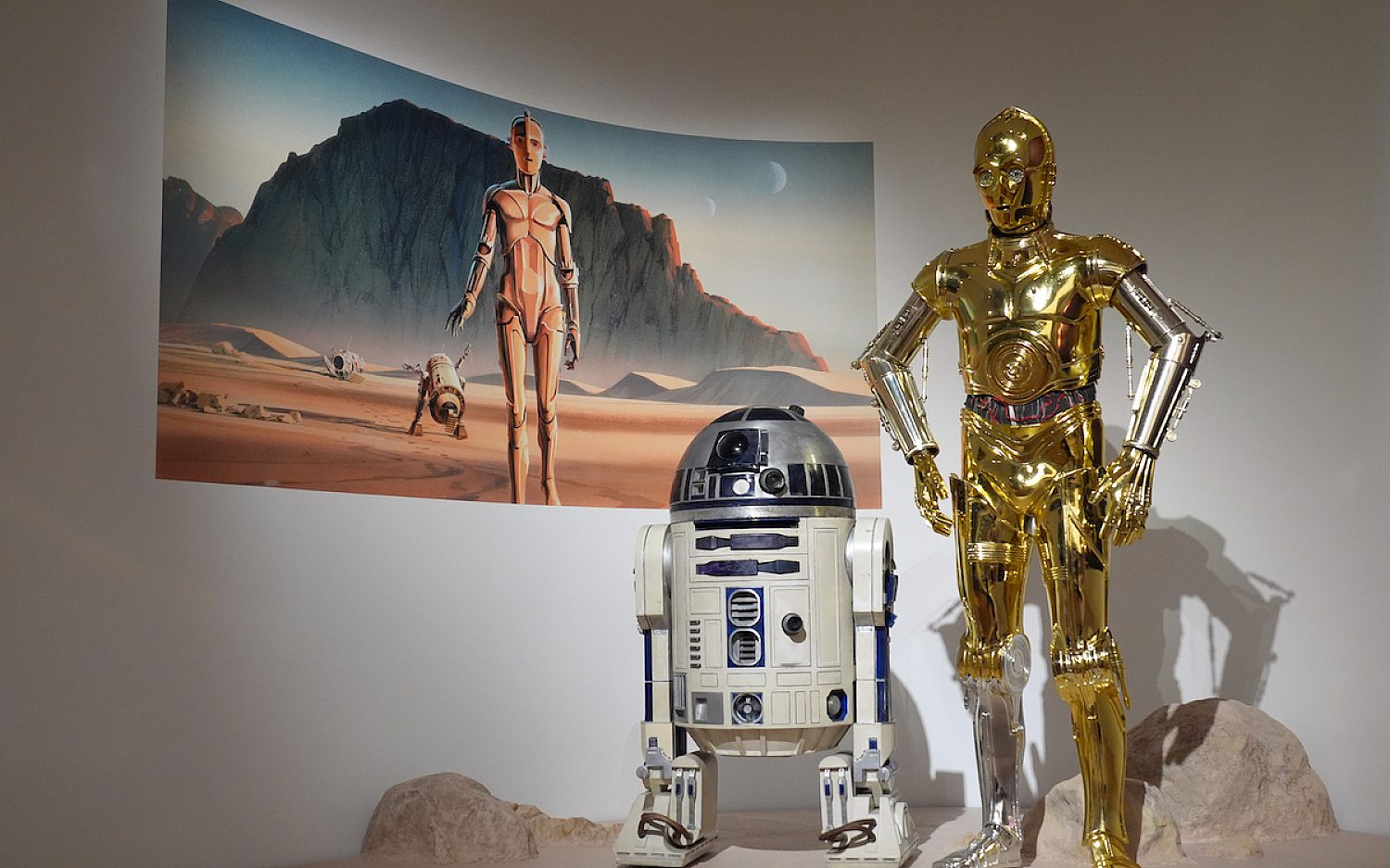
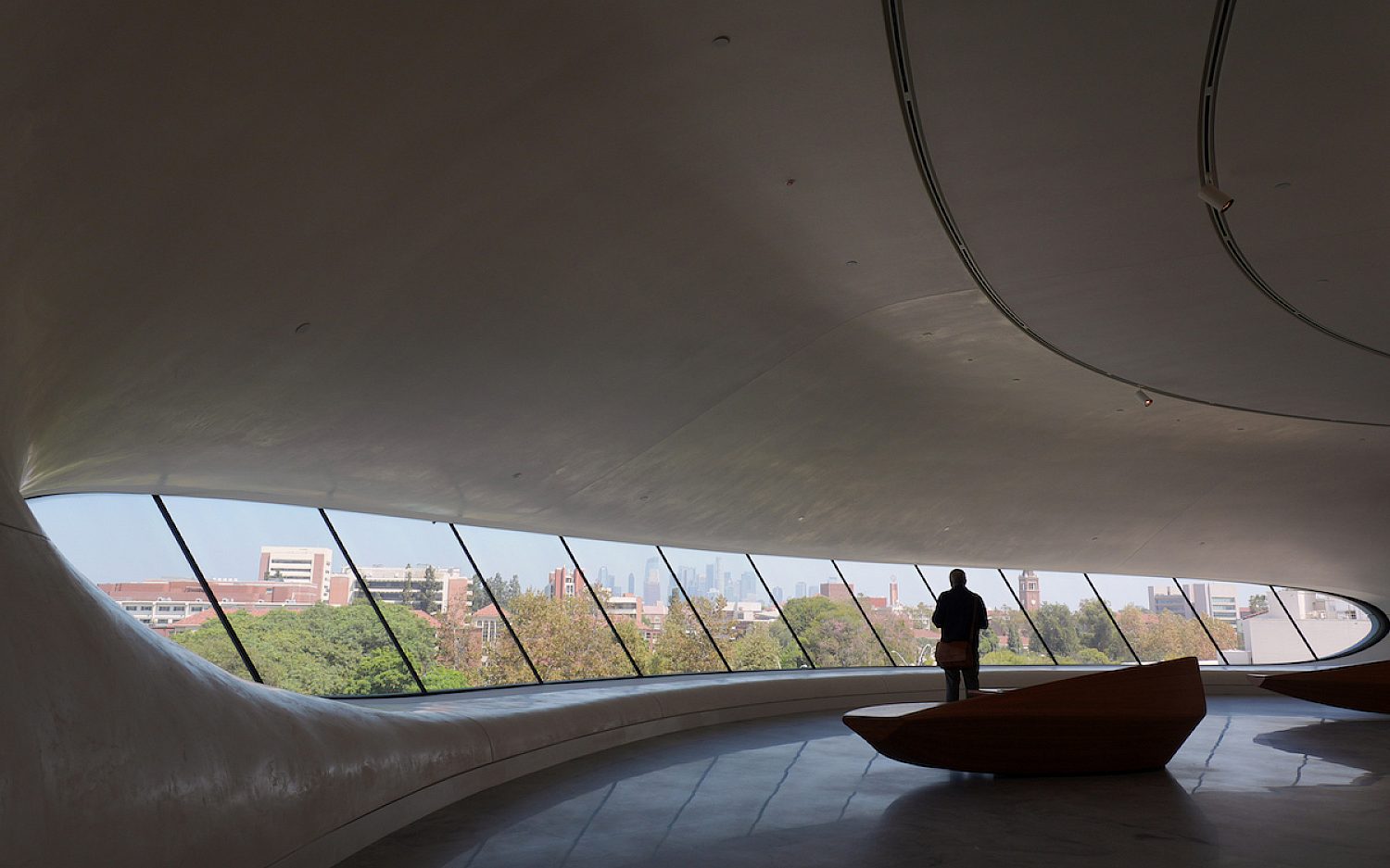
The Lucas Museum of Narrative Art opened in Los Angeles, California. The swooping building—designed by architect Ma Yansong—looks almost like a Star Wars spaceship. You can indeed find some Star Wars memorabilia here. A full-size Naboo N-1 Starfighter hangs in the lobby. More props appear in the Star Wars in Motion exhibit.
But Star Wars stuff takes up only about 7% of the museum’s 100,000 square feet. The rest features work by popular painters, comic artists, paperback book cover creators, and other visual storytellers.
It took 17 years to complete the museum. Lucas originally planned to build it in San Francisco, but local groups rejected his plans. He next tried to build in Chicago but faced rejection again. “At this point, building the Death Star seems like it would be easier than the Lucas Museum of Narrative Arts,” quipped writer Dustin Axe for Salon in 2016.
At last, the museum found a home in Los Angeles, near the University of Southern California—Lucas’ alma mater.
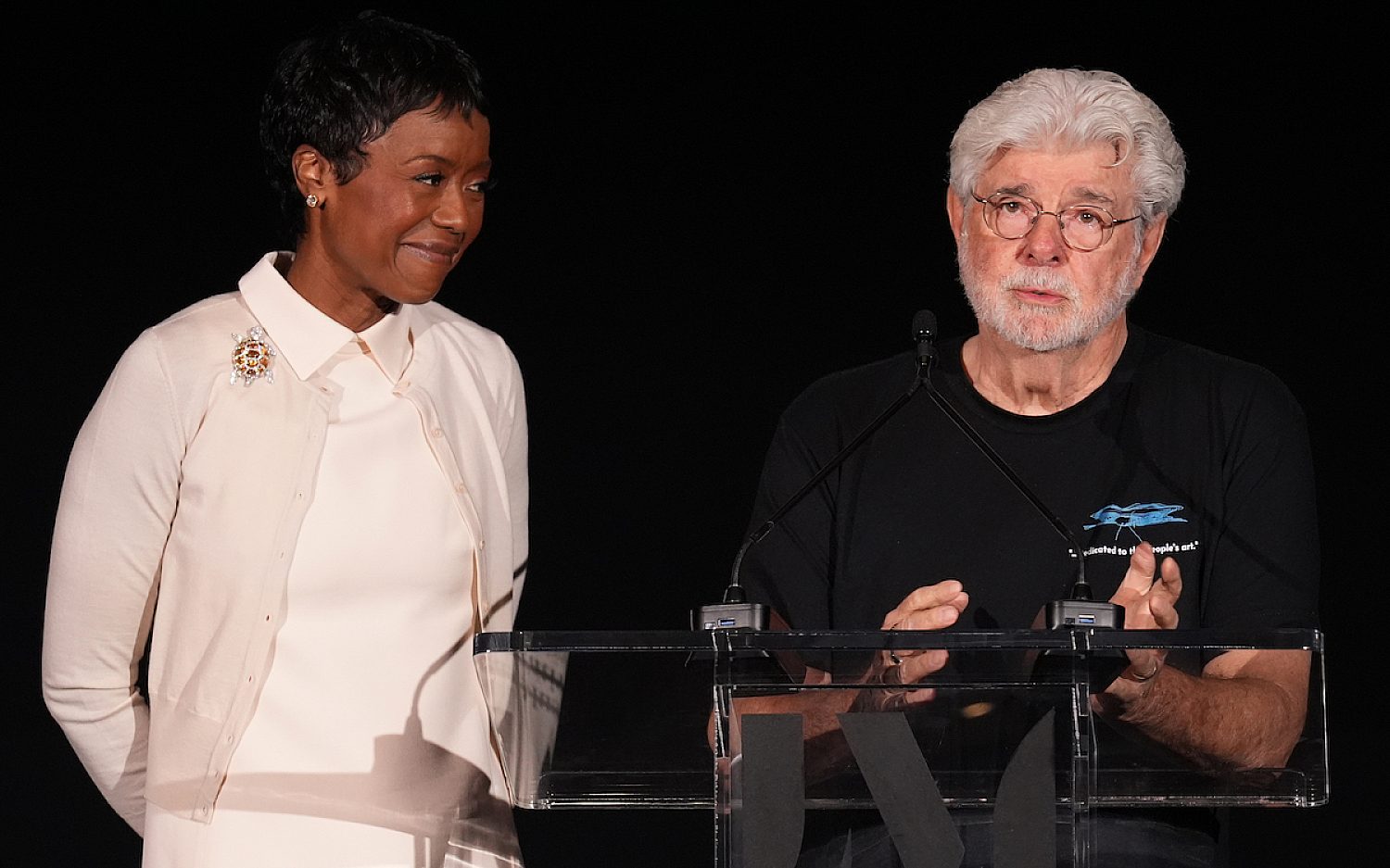
“I’m used to doing the impossible,” says Lucas. “This one almost broke me.”
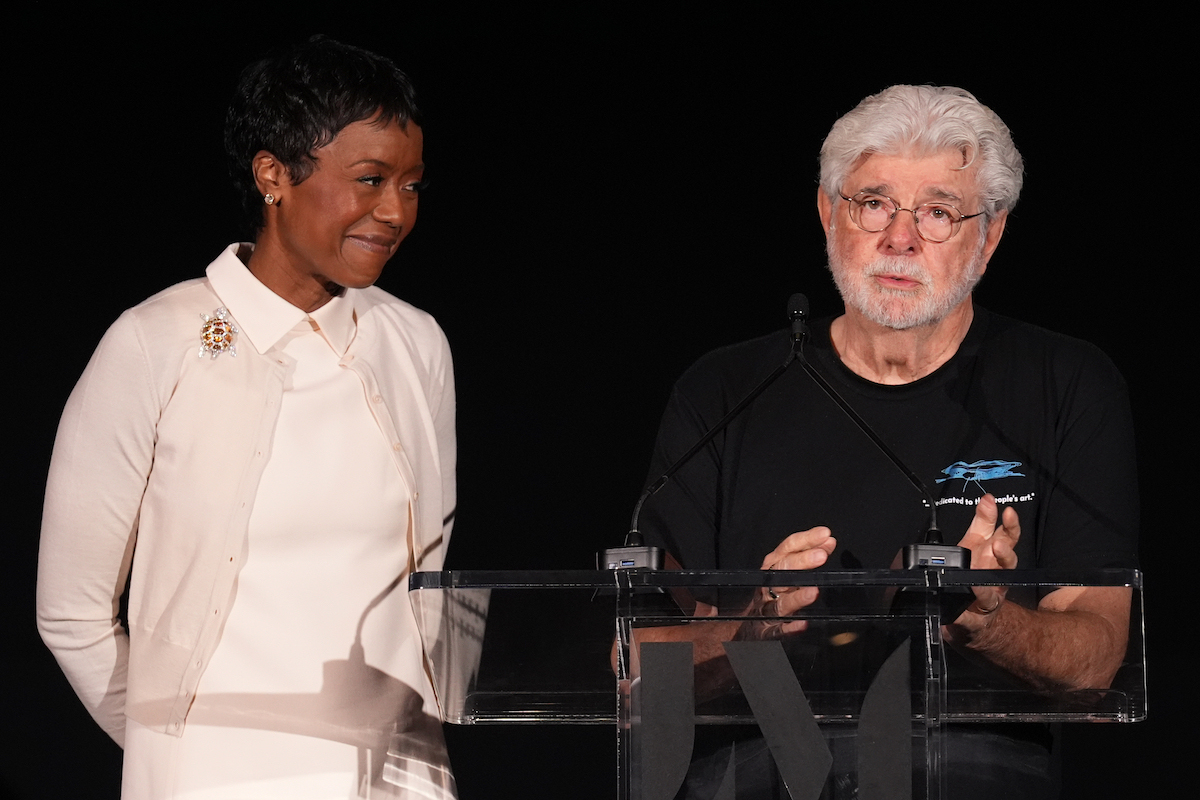
Lucas co-founded the museum with his wife, Mellody Hobson. Some of its art comes from their personal collections. In college, Lucas collected the art of comic strip creators. After Star Wars, he purchased paintings by Norman Rockwell.
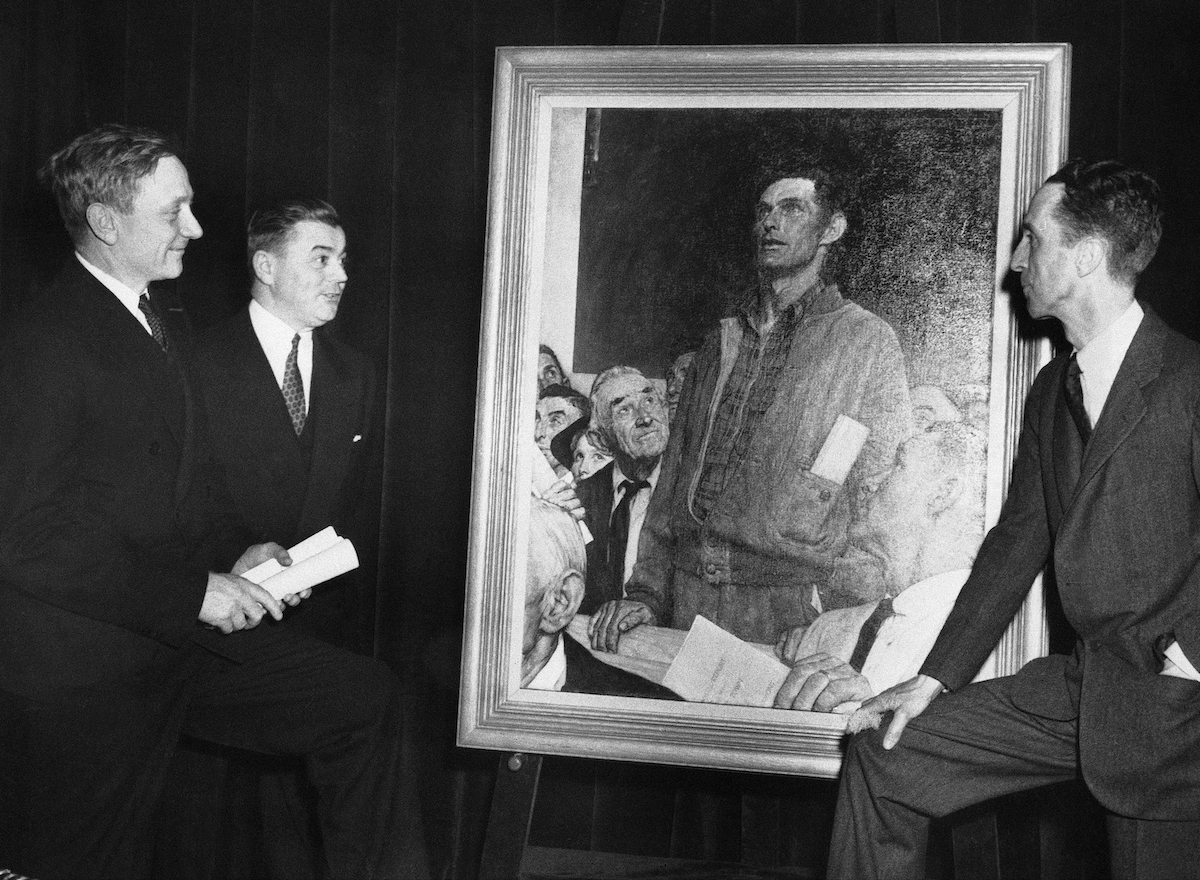
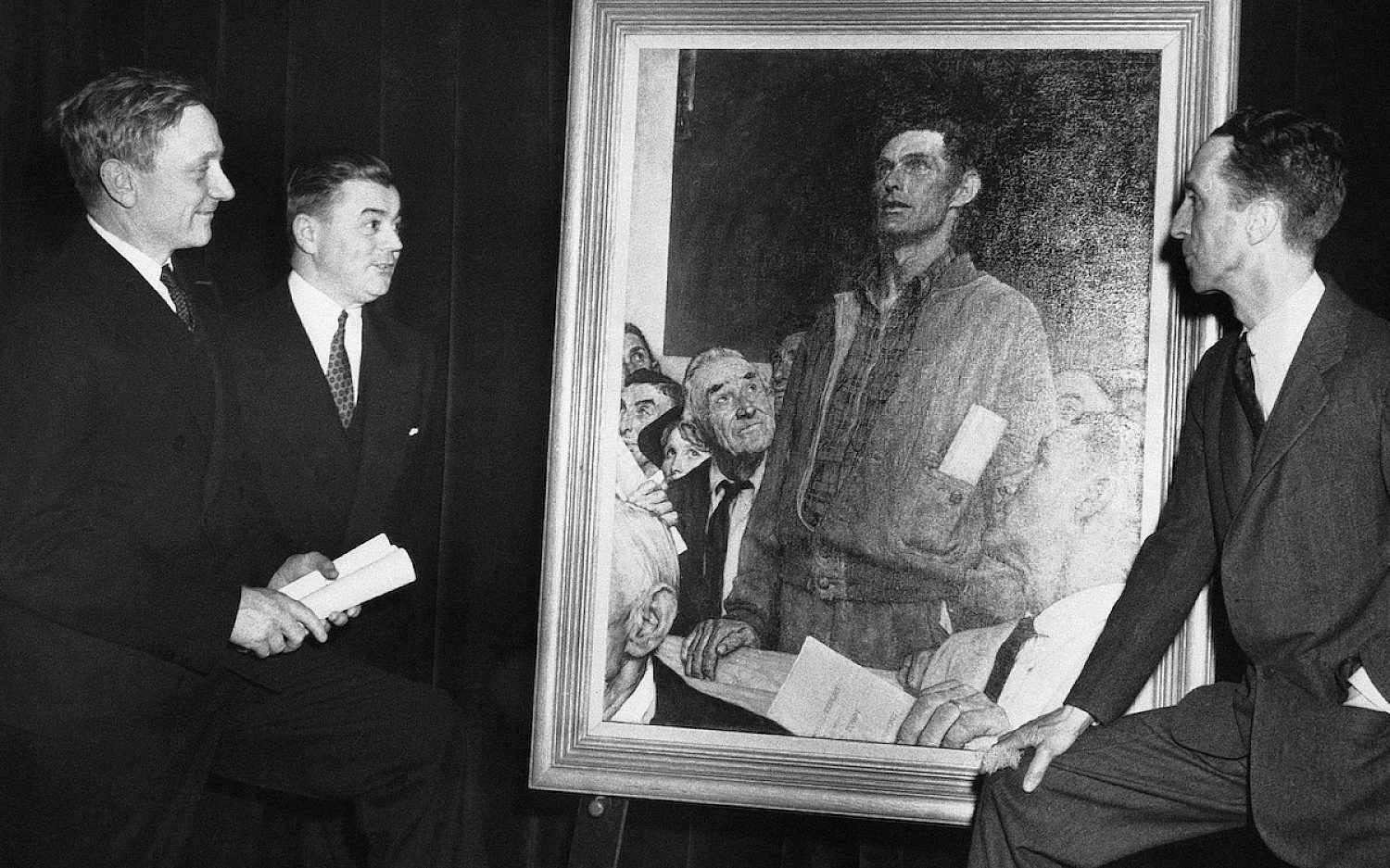
Most people know Rockwell for his weekly covers for The Saturday Evening Post—paintings of Boy Scouts, Thanksgiving dinners, and other scenes depicting elements of small-town America. Many art critics shunned his work. The Lucas Museum dedicates an entire gallery to it.
“He’s one of the greatest storytellers of our lifetime, really,” says museum CEO Tracey Bates. “I mean the level of nuance and depth in a Rockwell, I get lost in them constantly.”
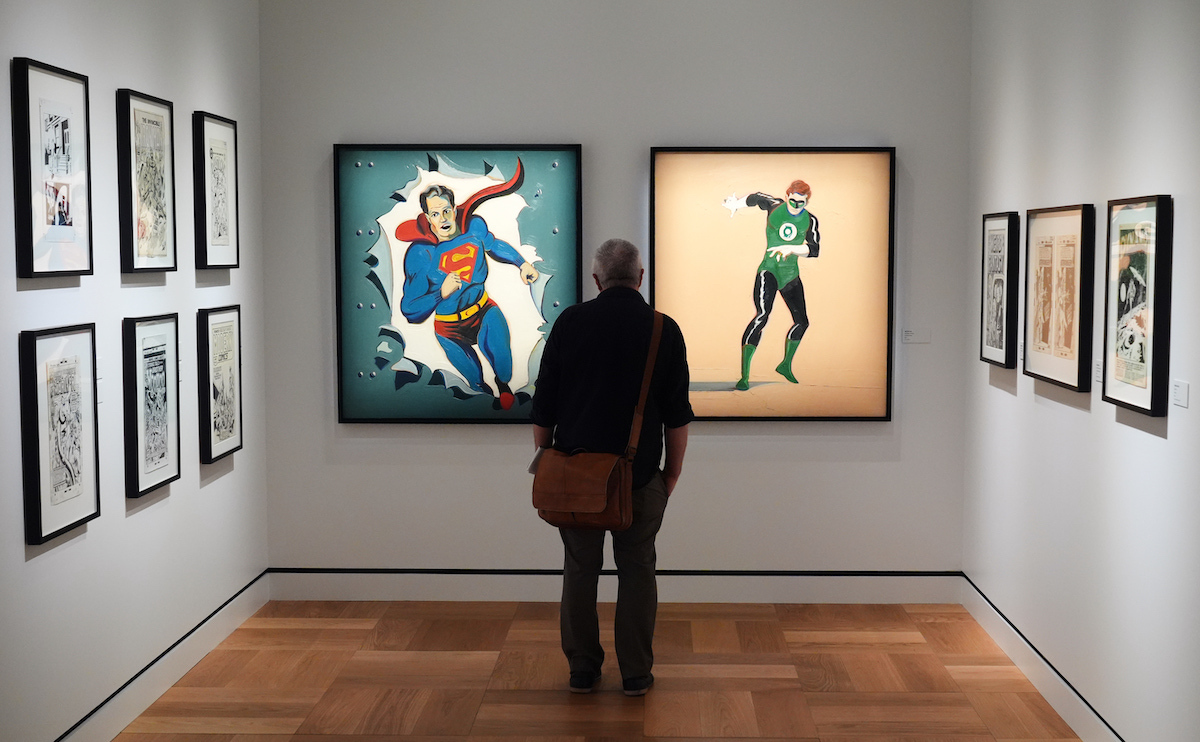
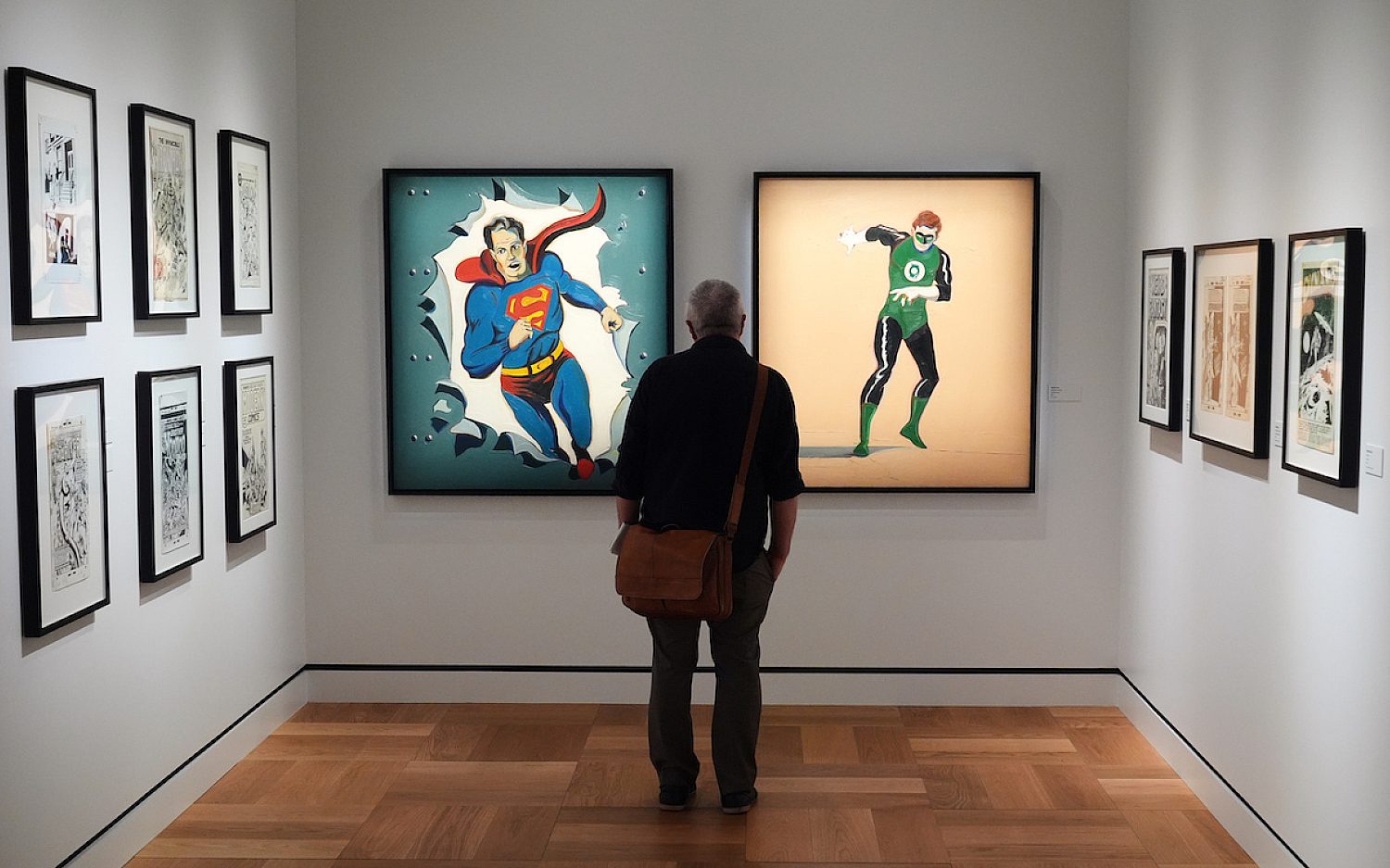
The museum also features art by Charles M. Schulz, creator of Peanuts, and work by Jack Kirby, the artist behind Fantastic Four and Captain America.
Such pop-culture creations often don’t receive the same respect as “fine art.” But at the Lucas Museum, these works hang alongside pieces by esteemed artists like Frida Kahlo and Andy Warhol. That’s the museum’s mission: to elevate the popular art that critics overlook. Lucas calls the project a “temple to the people’s art.”
Does the “people’s art” have the same value as a Rembrandt or a van Gogh? Critics and connoisseurs will continue to wrestle with that question. But one thing is sure—these popular artists changed the world. The Lucas Museum honors their legacy.
Why? Museums don’t just preserve art and history—they help visitors appreciate those things in a new light.