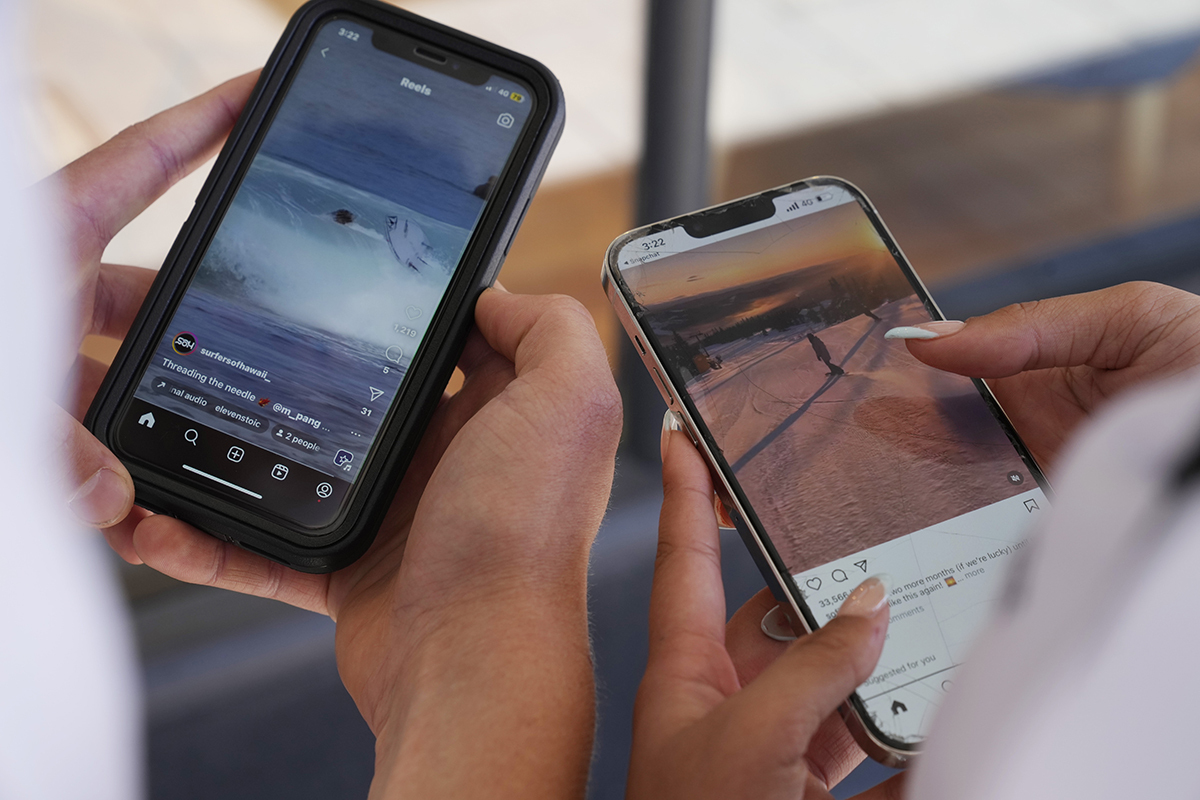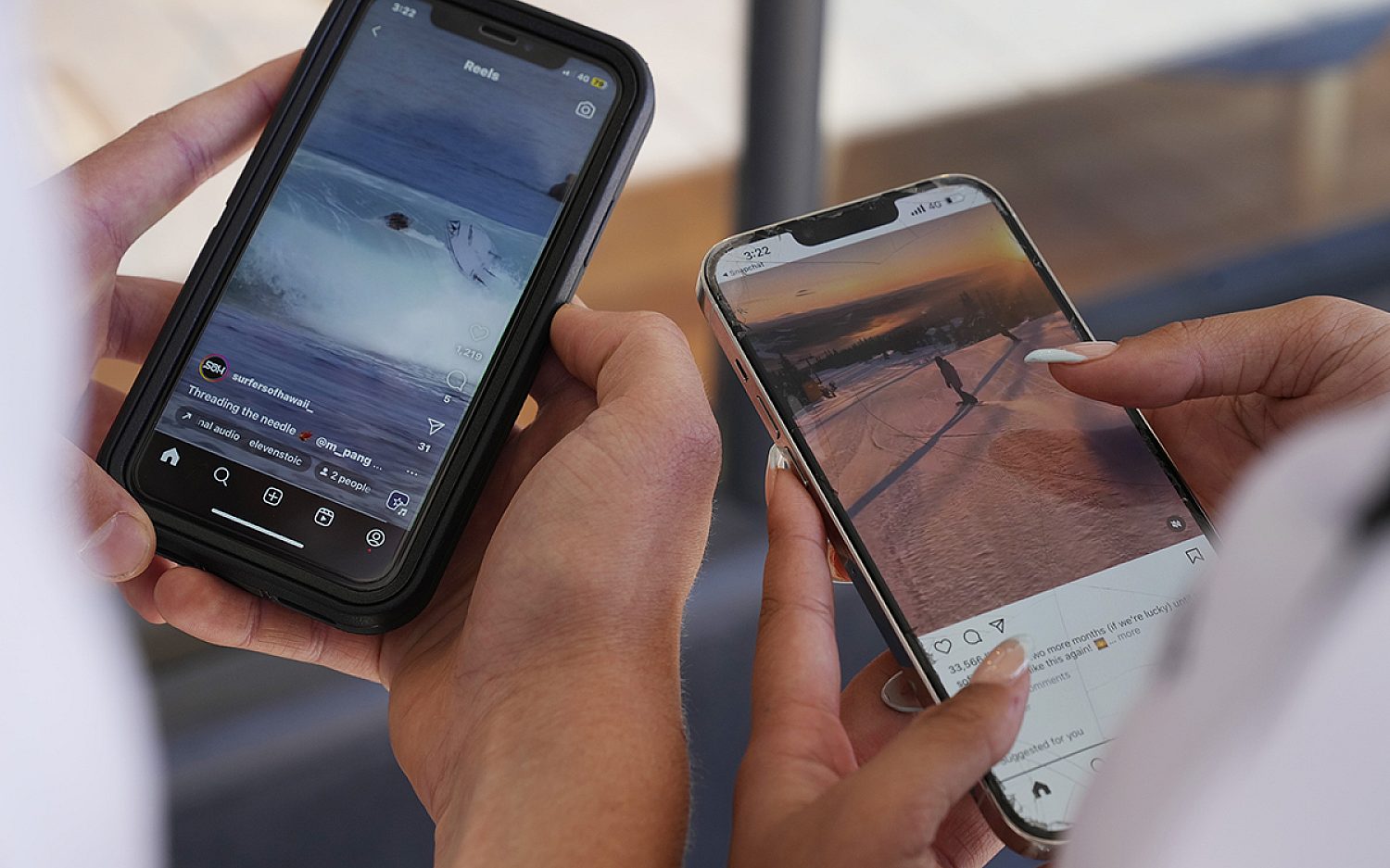

Far too many people who access the internet find themselves falling down a “rabbit hole” or even worse, “doom scrolling.” If you or someone you know checks in on social media, you probably know what happens. One video becomes another, and then another. Before long, an hour has passed. Maybe more. Is this what the Apostle Paul meant for us when he encouraged us to “walk, not as unwise but as wise, making the best use of the time”? (Ephesians 5:15-16)
On social media, the algorithm controls what comes next in the user’s view. So what is this almighty algorithm?
Social media platforms track users’ activities and habits. The platforms collect vast amounts of data. Then they use that data to recommend content and advertisements. Platforms collect personal information like ethnicity, age, interests, and even location. A post does not have to make someone happy to succeed. Anger, confusion, and outrage can keep someone watching too—and for those who want you stuck to a screen, figuring out what makes you angry can be very valuable. Without even realizing it, the algorithm is choosing for you what you’re going to read or watch next. If you’re not keenly aware of its tactics, you may give up your own agency to determine what you let into your brain—without even realizing it.
That’s part of the reason that Australia wants to give users more control—and algorithms less.
The Australian government proposed new legislation for social media called “My Feed, My Way.” If passed, it will require social media platforms to let users turn off personalized algorithms. Users could choose to see only content from accounts they intentionally follow. Platforms that fail to offer the choice could face fines of up to $79 million.
“The government has handed Australians a switch. Whether anyone flips it is another matter,” Lisa Harrison, a professor at Flinders University says.
Researchers are concerned about the effects of persistent, personalized algorithms. They found that 70% of teenage users saw violent content on social media in 2024. Teens also face posts that promote hate and poor self-image. Young people in the age of social media report higher levels of anxiety than the same demographics did a decade or more ago.
Users risk a type of addiction too. Endless scrolling, push notifications, autoplay, and personalization are all features meant to keep people on apps longer, and they work. The average teen in America spends almost five hours every day on social media sites. Not interacting in person with family and friends. Not making traditions. Not playing sports or making art or helping with household chores. Scrolling, clicking, watching content snippets, and following ads.
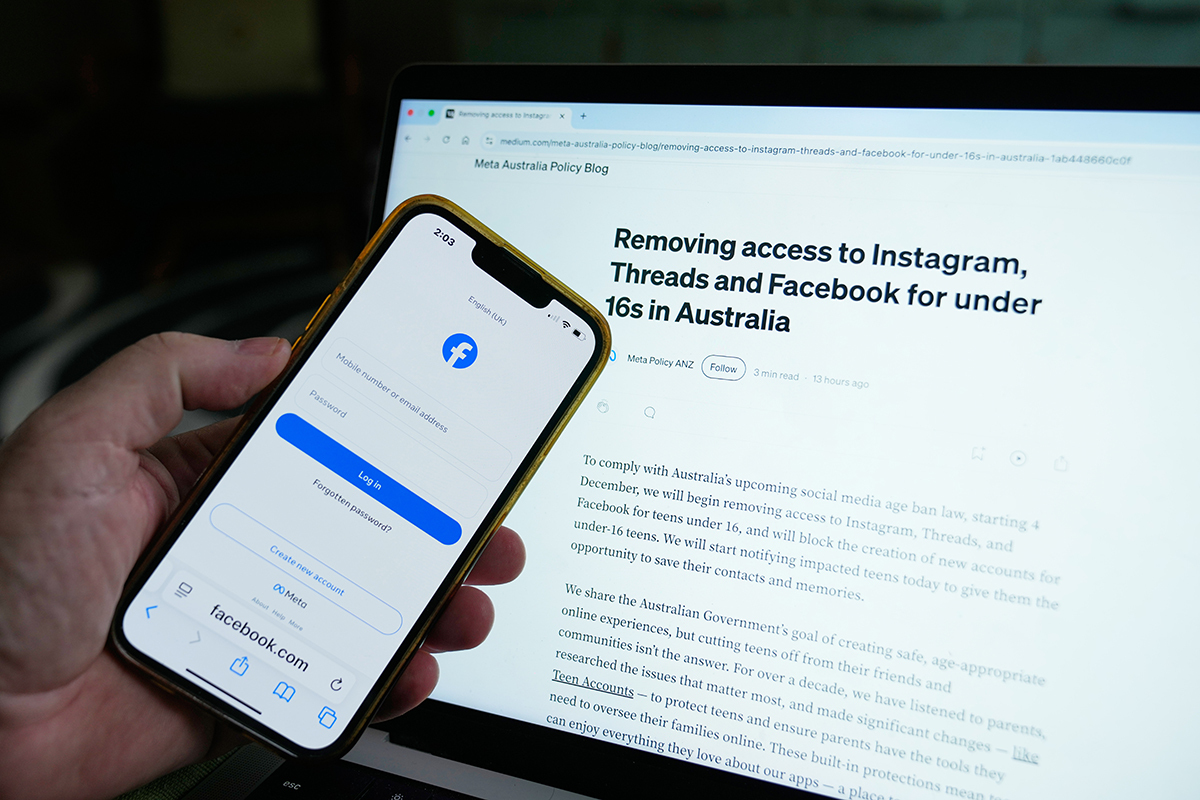
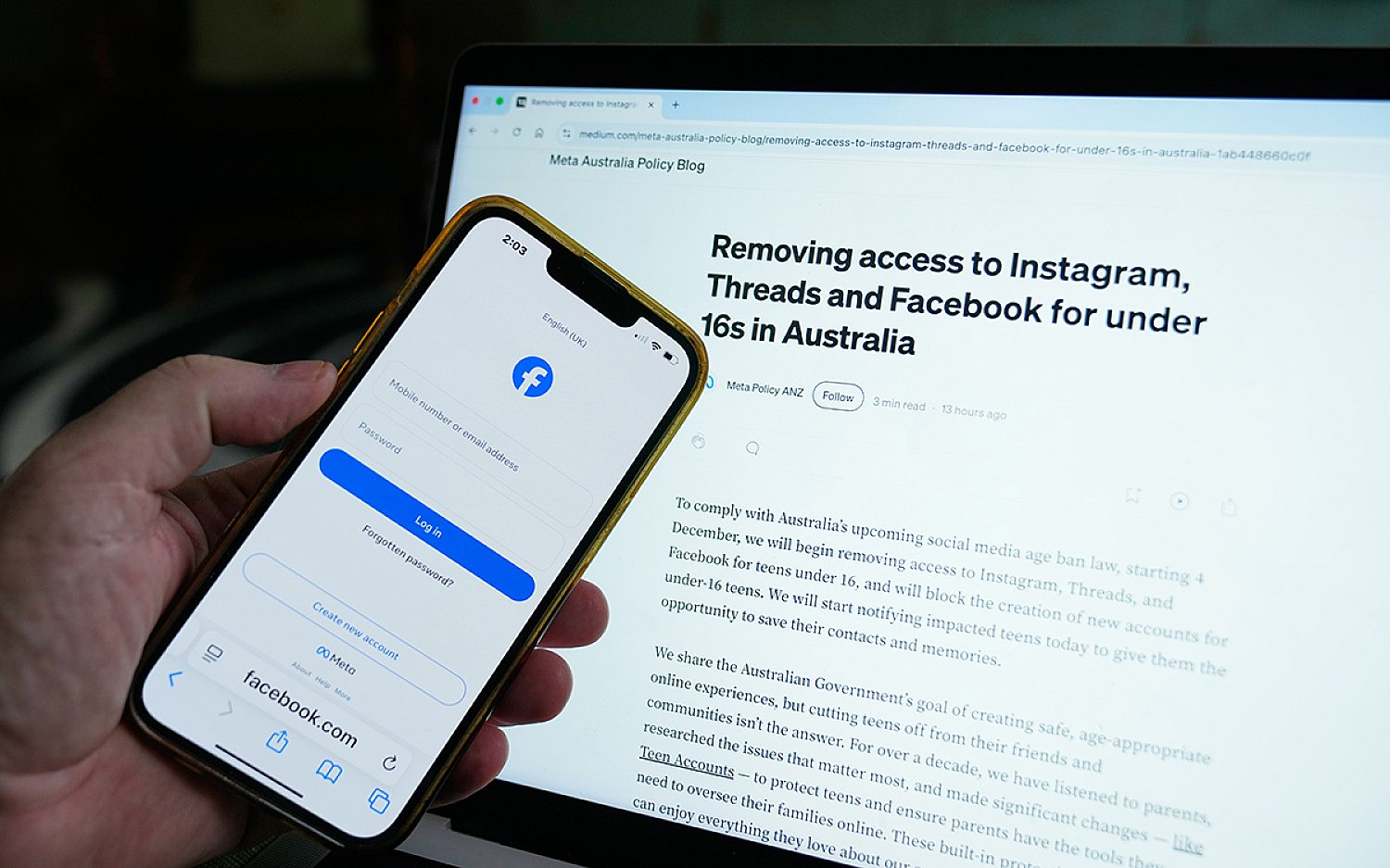
Australia already took steps to limit young people’s social media use. In December 2025, the country banned users under 16 from several major social media platforms.
Some U.S. states are also setting regulations. Beginning in 2027, California and New York will have laws limiting algorithm-driven feeds for teenagers. Other states have passed laws restricting social media and artificial intelligence for folks under specific ages.
Australia’s new proposal focuses more on choice than restriction. For users, the option isn’t really about limiting screentime. It’s about deciding what content they will allow to fill their minds.
Philippians 4:8 offers a way to think about the choice. Paul tells Christians to focus on what is true, honorable, just, pure, and lovely. He tells them to set their minds on excellence and things worthy of praise. The Bible also instructs us repeatedly about the good use of “the work of your hands.” All humans are embodied souls. We are made for worship and reason, work and relationship—and life more abundant.
Why? Social media algorithms shape what we see, but by making thoughtful choices, we can focus on what is true and use our minds and bodies for good.