Virtual reality might fizzle out of popularity. But the demand for artificial intelligence (AI) is very real. In fact, AI might be the fastest-growing development in the history of the technology industry.
Here’s the evidence: A company that makes hardware and software for AI this year became the most valuable publicly traded company of all time.
On July 9, Nvidia soared over $4 trillion in market value. It’s worth $900 billion more than iPhone maker Apple.
Tech companies like Microsoft, Amazon, Alphabet, and Meta are spending billions to improve their products and services with AI. Nvidia makes computer chips used in AI systems, so Nvidia will almost certainly continue to profit from these investments by other huge tech companies.
Artificial intelligence has been around since the 1950s. It’s a form of technology that enables computers to solve tasks and make decisions.
AI made headlines recently because of a development called generative AI. This type of technology scans a database (provided by humans) and produces something similar but still new. Say you ask ChatGPT to create a image of a cat in the style of a Rembrandt painting. The computer scans thousands of images of cats, paintings, and Rembrandts. It then generates a unique image built on what its programming has “learned” from information in the database.
There are countless examples of how AI has been put to good use. Here are a few:
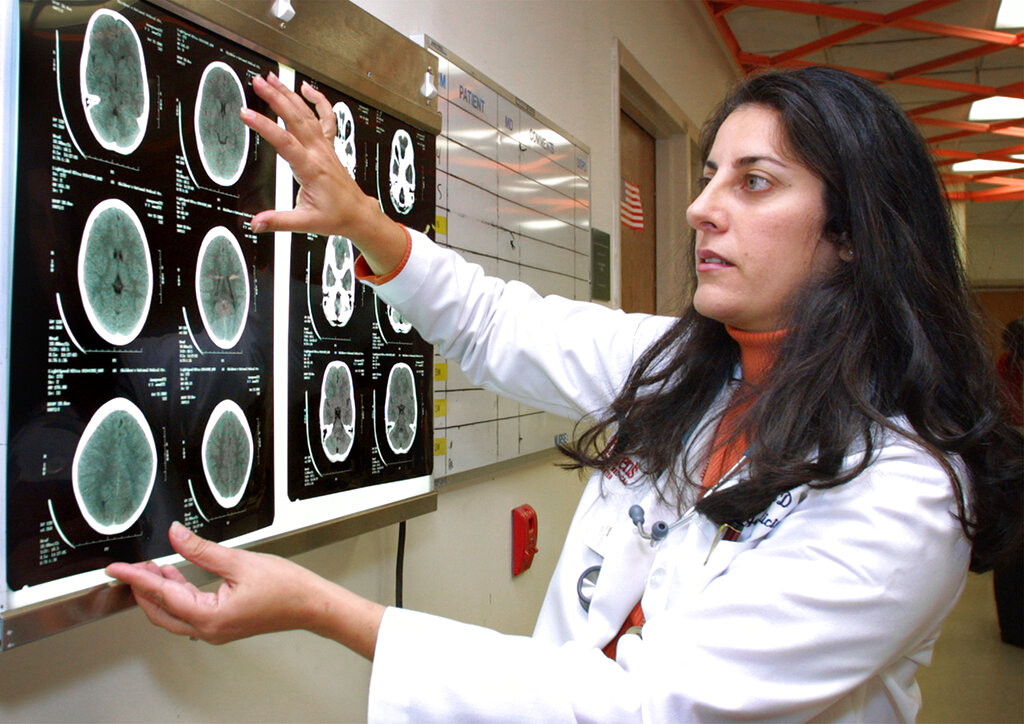
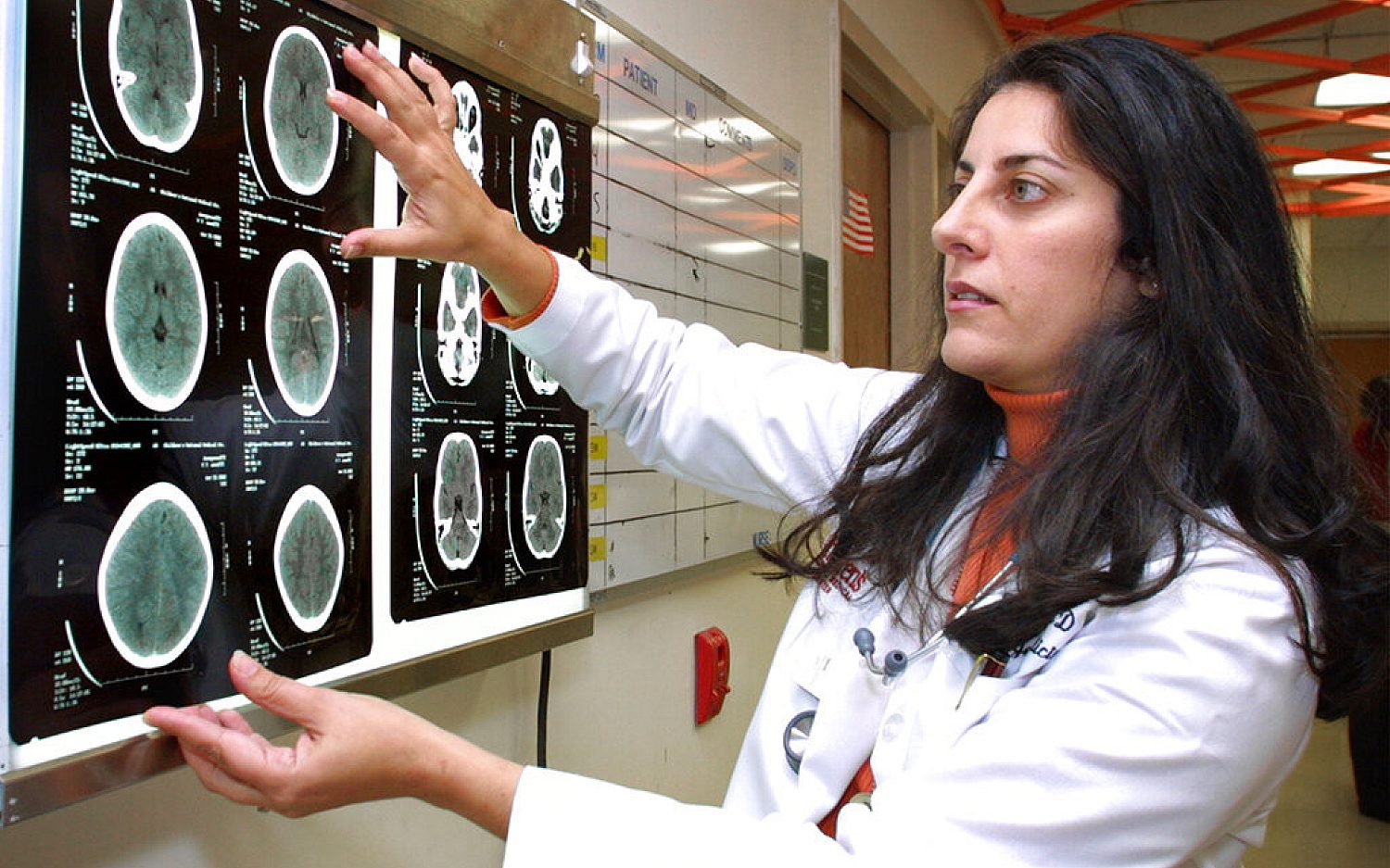
- Healthcare: AI can help doctors take notes and assess scans like X-rays and EKGs. Doctors can also ask chatbots questions about diagnosing patients. As chatbots can scan vast amounts of medical data, quickly, that service is especially useful if a patient has a rare disease.
- Finance: Banks use AI tools to monitor payments and stop criminal activity.
- Transportation: AI-powered cars sound alerts to warn drivers before an accident happens. Some models automatically brake and even parallel park when prompted.
- Personal assistants: AI-powered secretaries like Siri and Alexa can send messages, play music, define words, check facts, adjust utility use, and set reminders.
AI is particularly helpful when it supports humans. This can mean cutting down on busywork or keeping people safe. But AI can be dangerous when it replaces the need for human creativity.
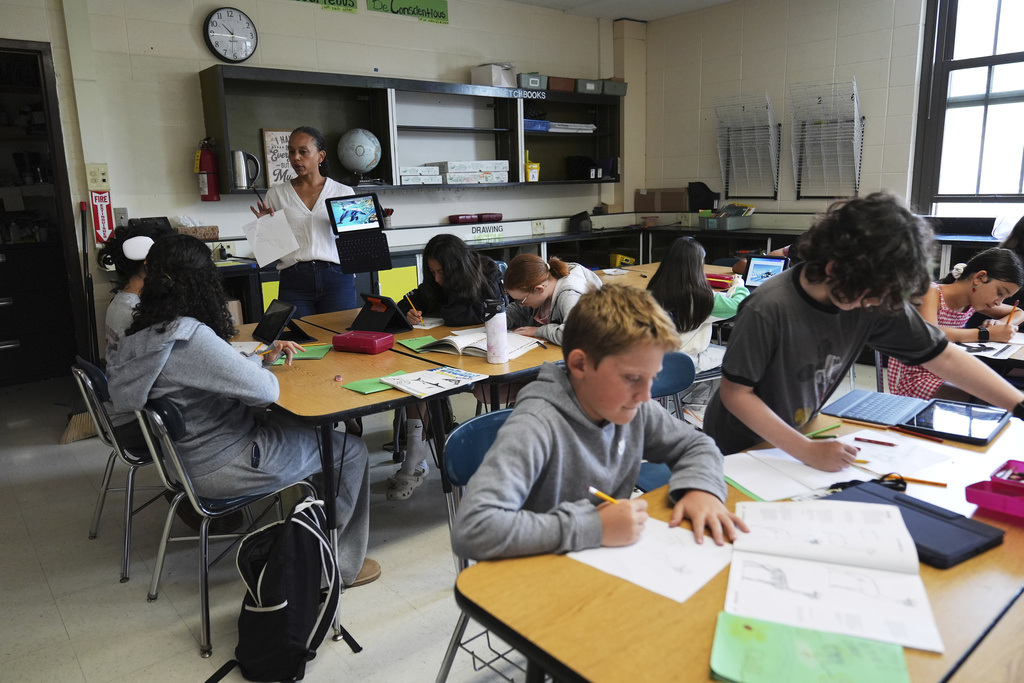
Take education, for instance. An AI note-taking tool can translate speech into text for students that can’t hear well. But students could also use AI software to write papers for them. One of those uses of AI helps students learn better. The other replaces learning and the development of critical thought which will help a person in maturity.
Brad East is a professor at Abilene Christian University. You won’t find a screen in his classroom.
He believes students need to learn skills like discernment and problem-solving. “ChatGPT cannot give you those any more than a robot that picks you up and runs a mile can develop your mile-running muscles for you,” East says. “You have to do the running.”
Why? The Lord designed us to enjoy His world and move His creation forward, not just exist in it. We shouldn’t fear AI, but we should think critically about AI tools that keep us from living fully.