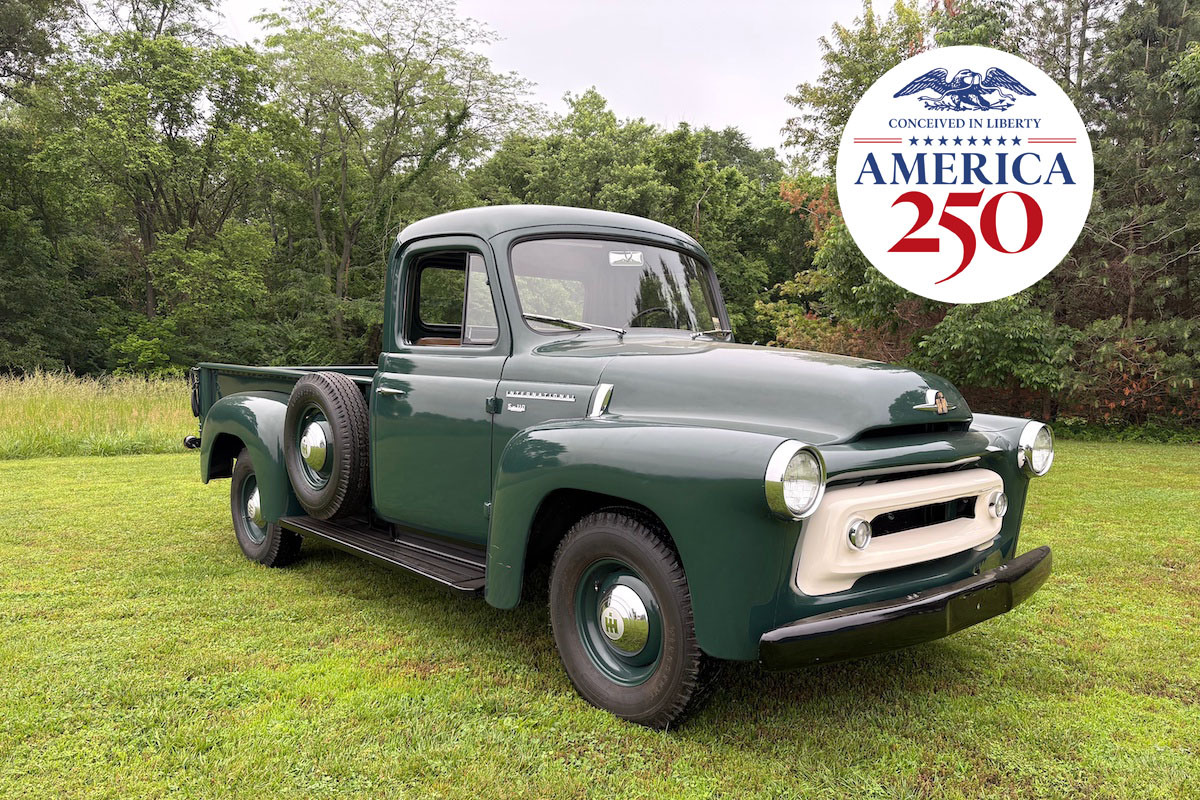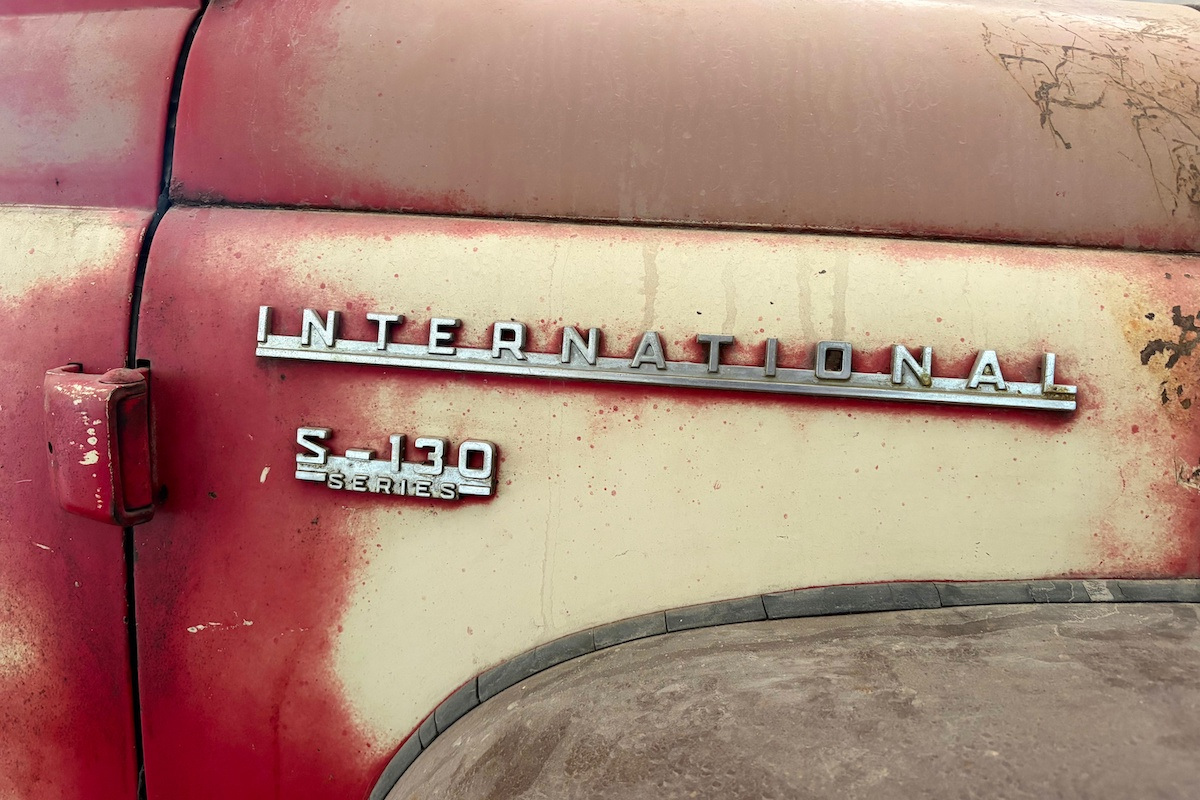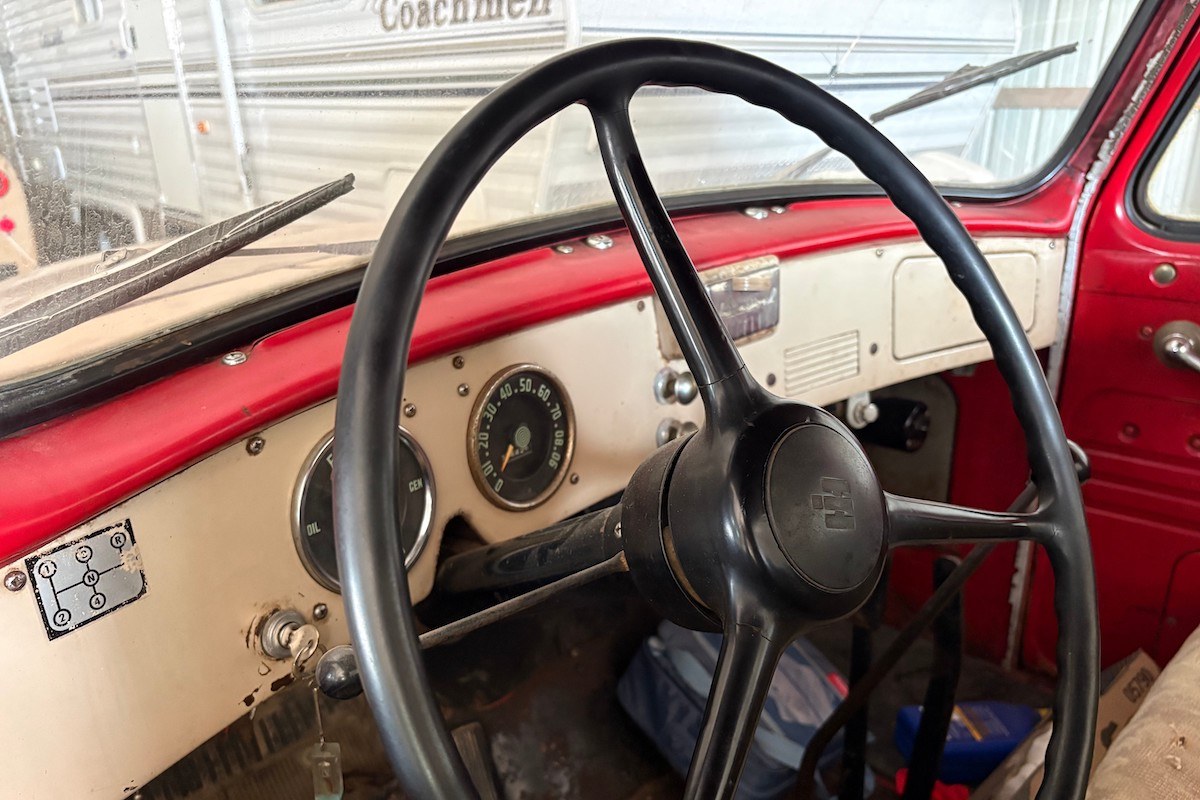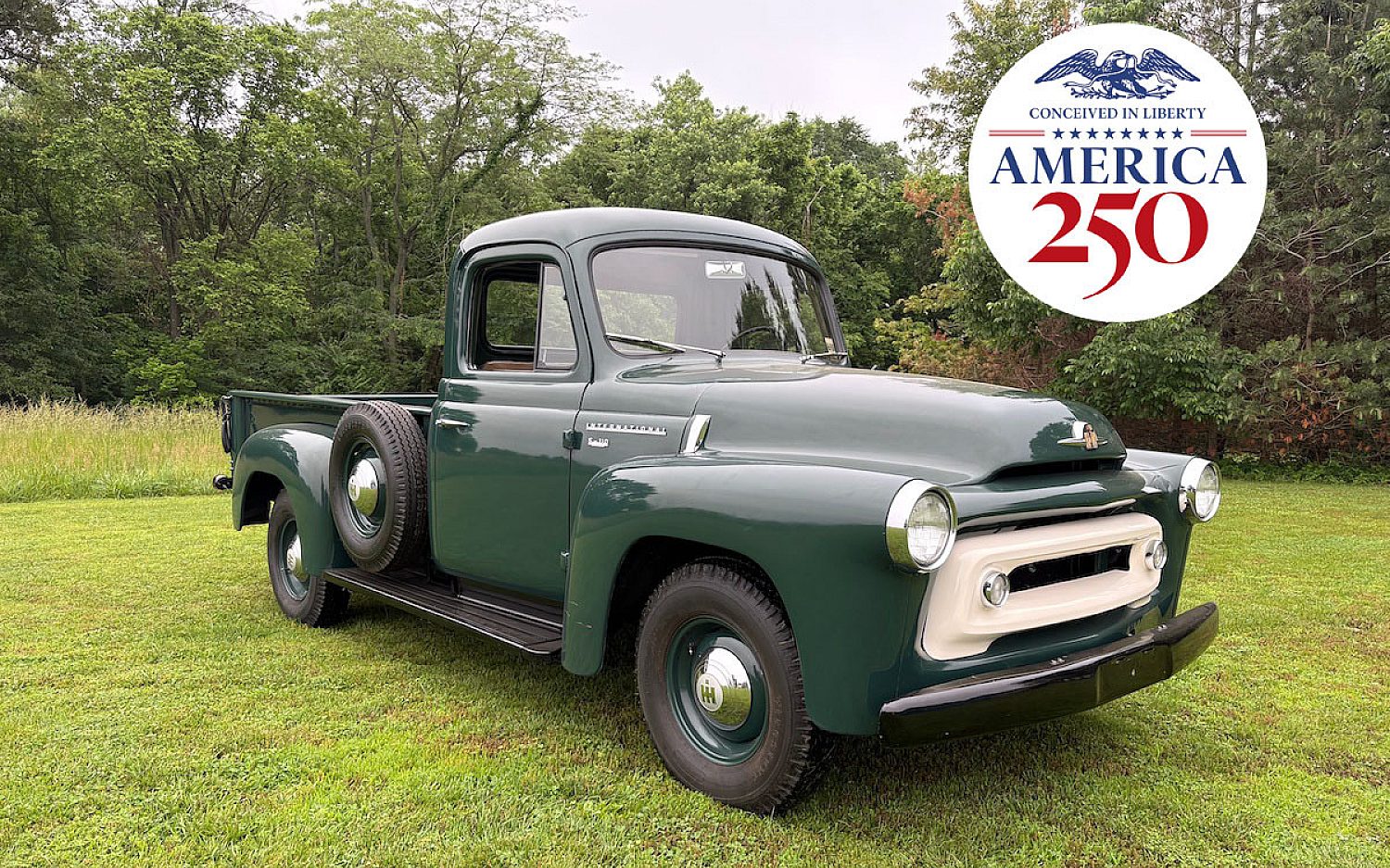
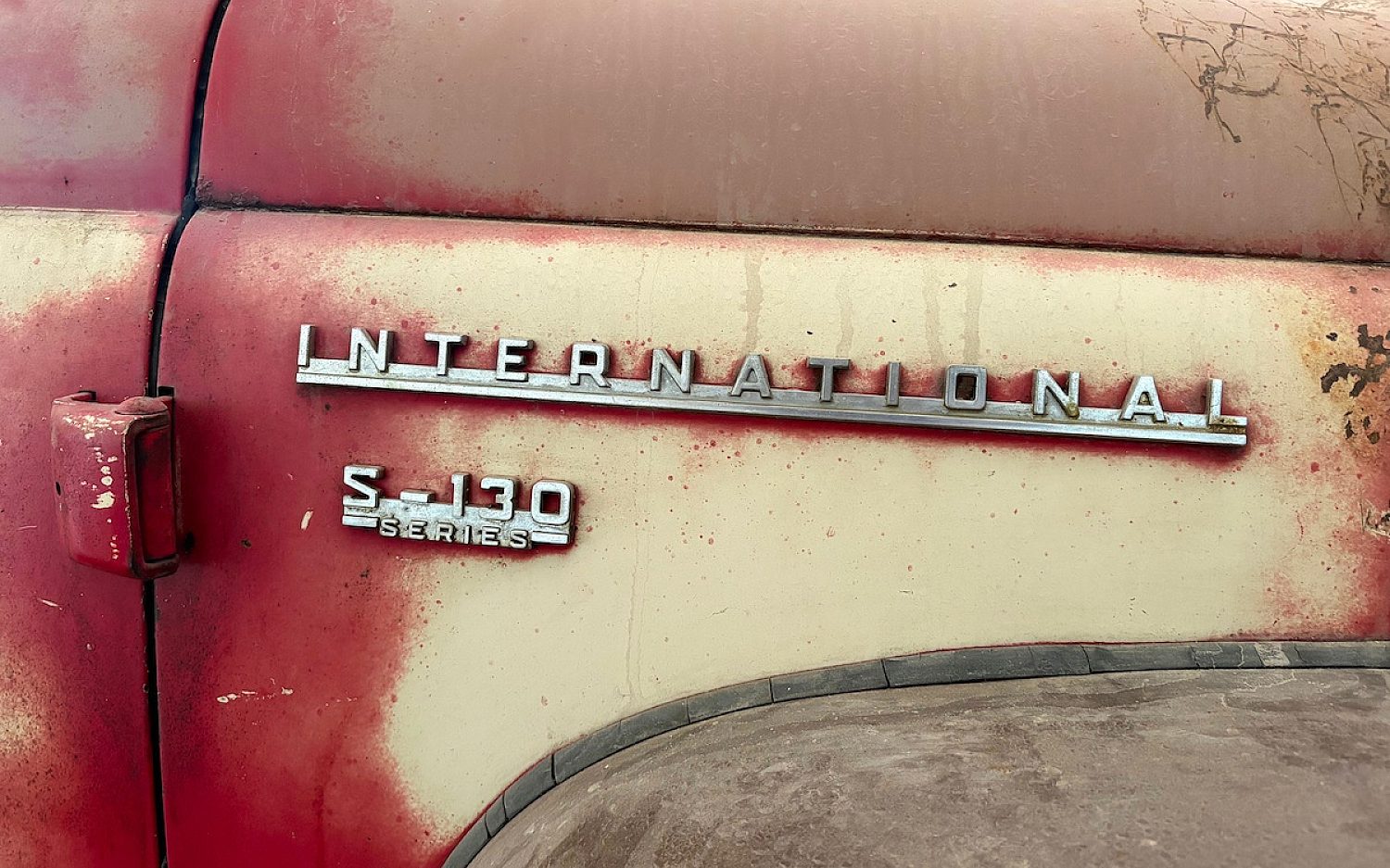
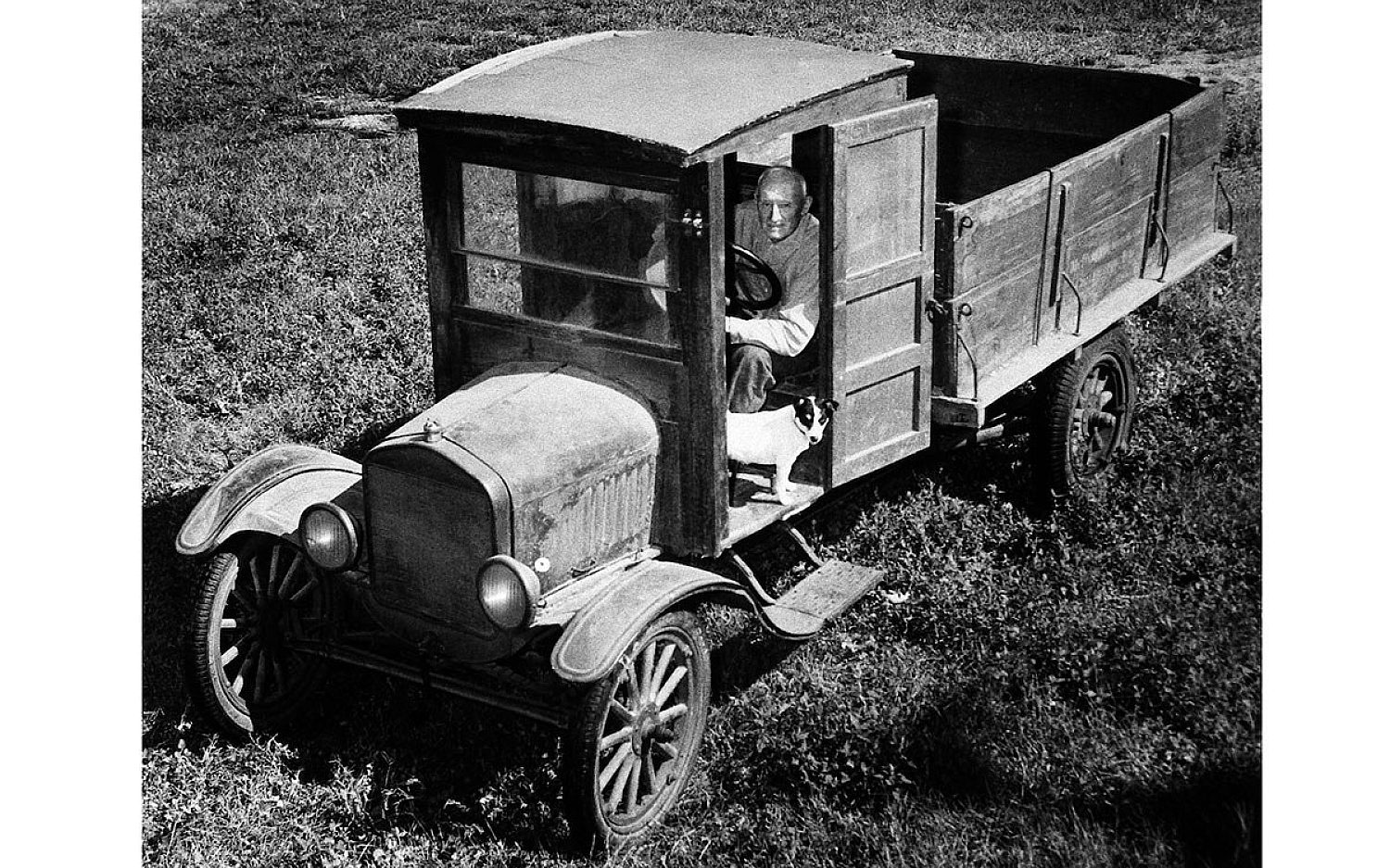
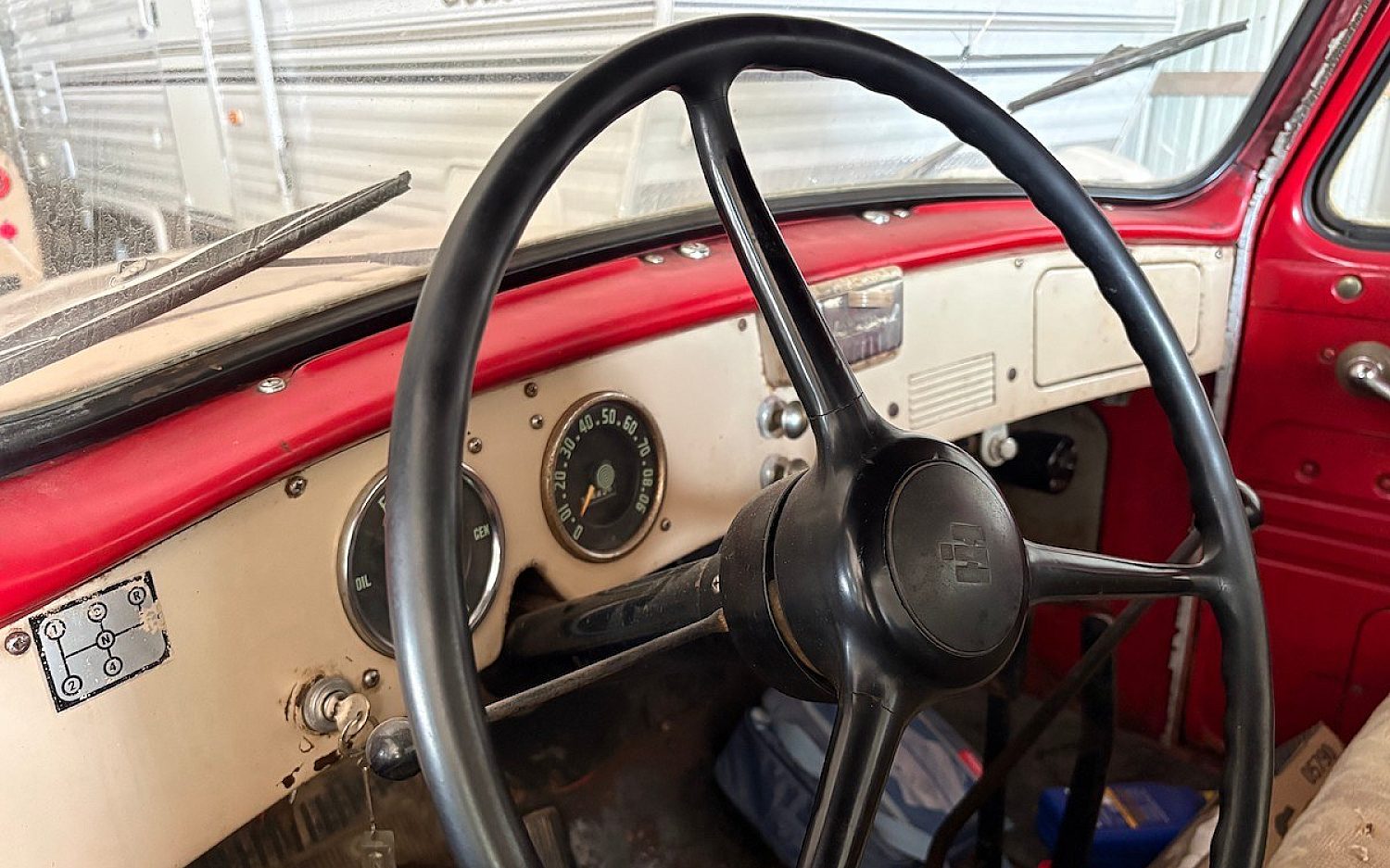
Holly Meyer’s father learned to drive a pickup truck as a boy. His family bought a 1956 International Harvester S-130. Used for farm work, its value came from its usefulness.
“It was just a truck,” he says.
But today, pickup trucks are more than tools. They’ve turned into four-wheeled icons of American culture.
From Horses to Horsepower
The earliest trucks took over the heavy hauling done by horses. People still call trucks “workhorses” and refer to “horsepower.”
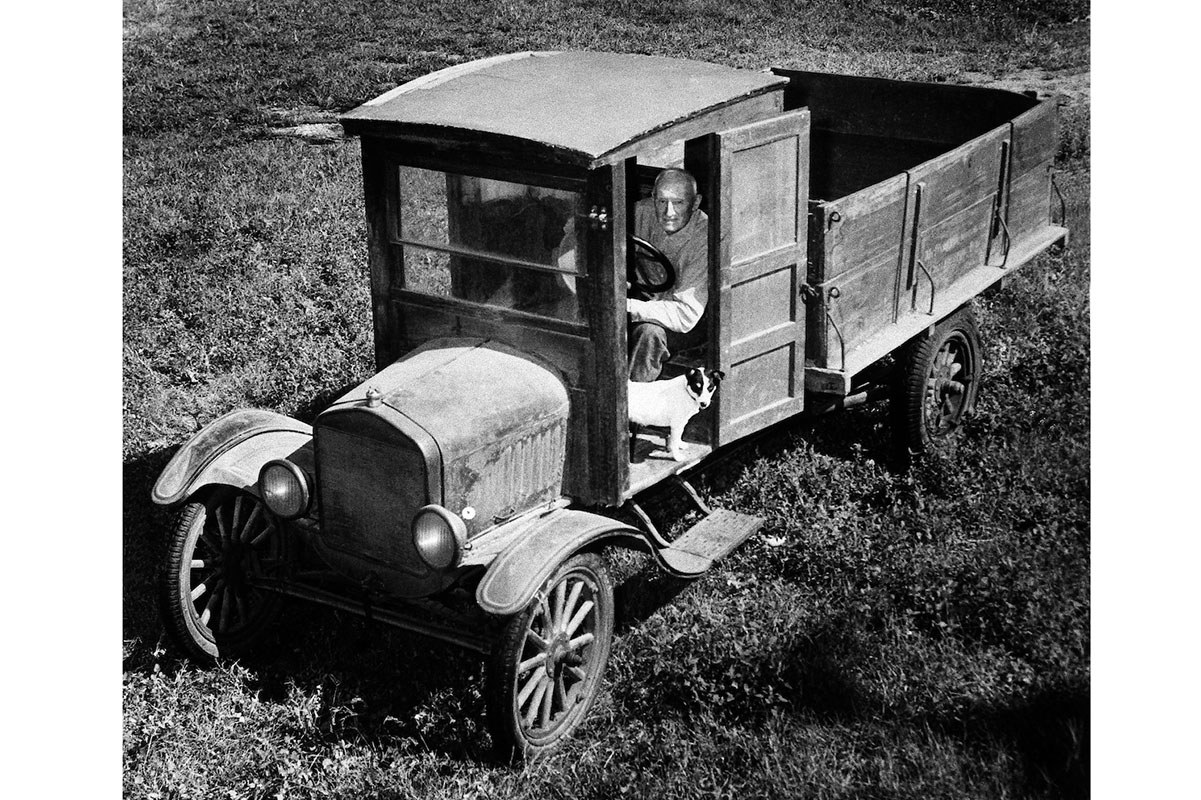
The first American pickups required some DIY. In 1917, motor mogul Henry Ford introduced the Ford Model TT. This reinforced version of the Model T could travel at 15 miles per hour. It could carry an entire ton of weight. But it came as a chassis—just the basic bones, such as an engine, wheels, and a steering wheel.
Ford noticed a trend. Farmers installed cargo boxes on their trucks. They built wooden beds for hauling. Business-savvy Ford saw an opportunity. He coined the term “pickup” and released the Ford Model T Roadster with the option for a “pickup body.”
The pickup truck as we know it was born.
From Ranch to Radio
Pickup trucks took over American farms. That association gave them a perception of durability. They came to symbolize America’s rugged cowboy self-image. Trucks appeared in literature, such as John Steinbeck’s 1939 novel The Grapes of Wrath. They rode into the lyrics of country songs around the same time, where they remain into the present day.
The first diesel-powered pickups gained popularity in the 1970s. Truck enthusiasts argued like sports fans over their preferred brands. Ford or Chevrolet? Or how about Ram?
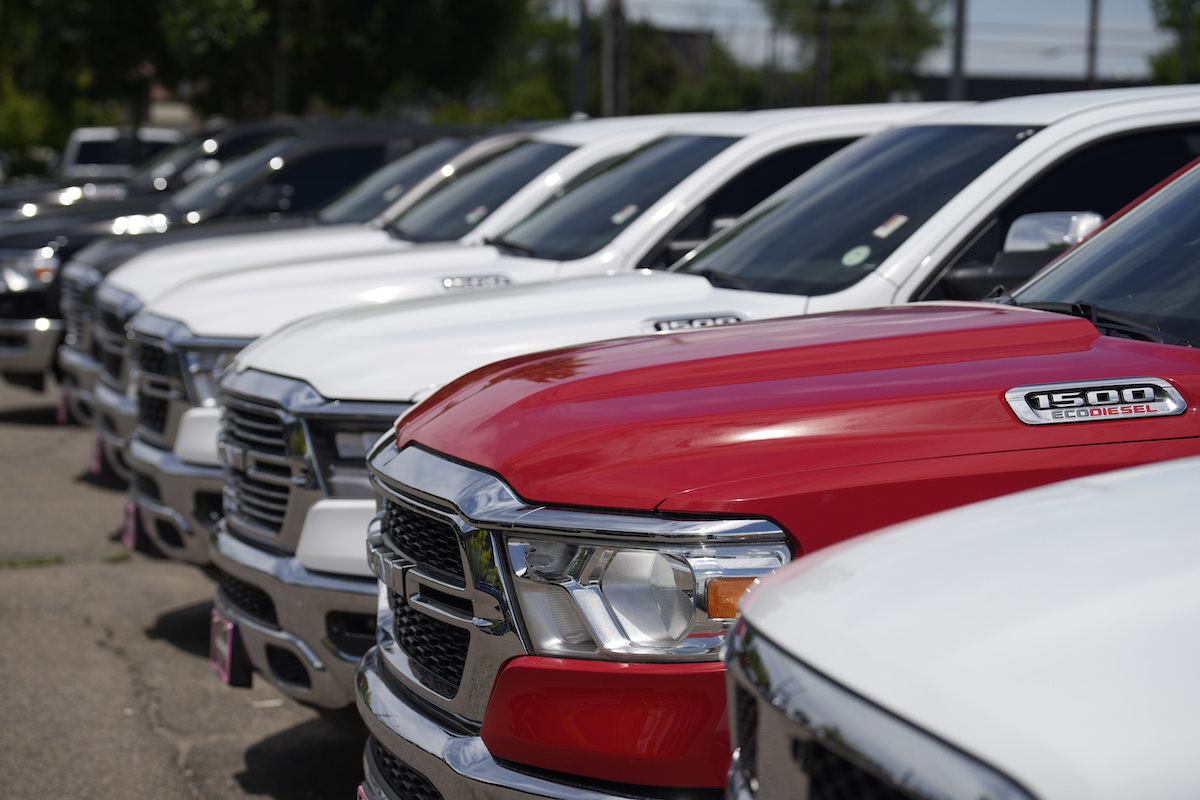
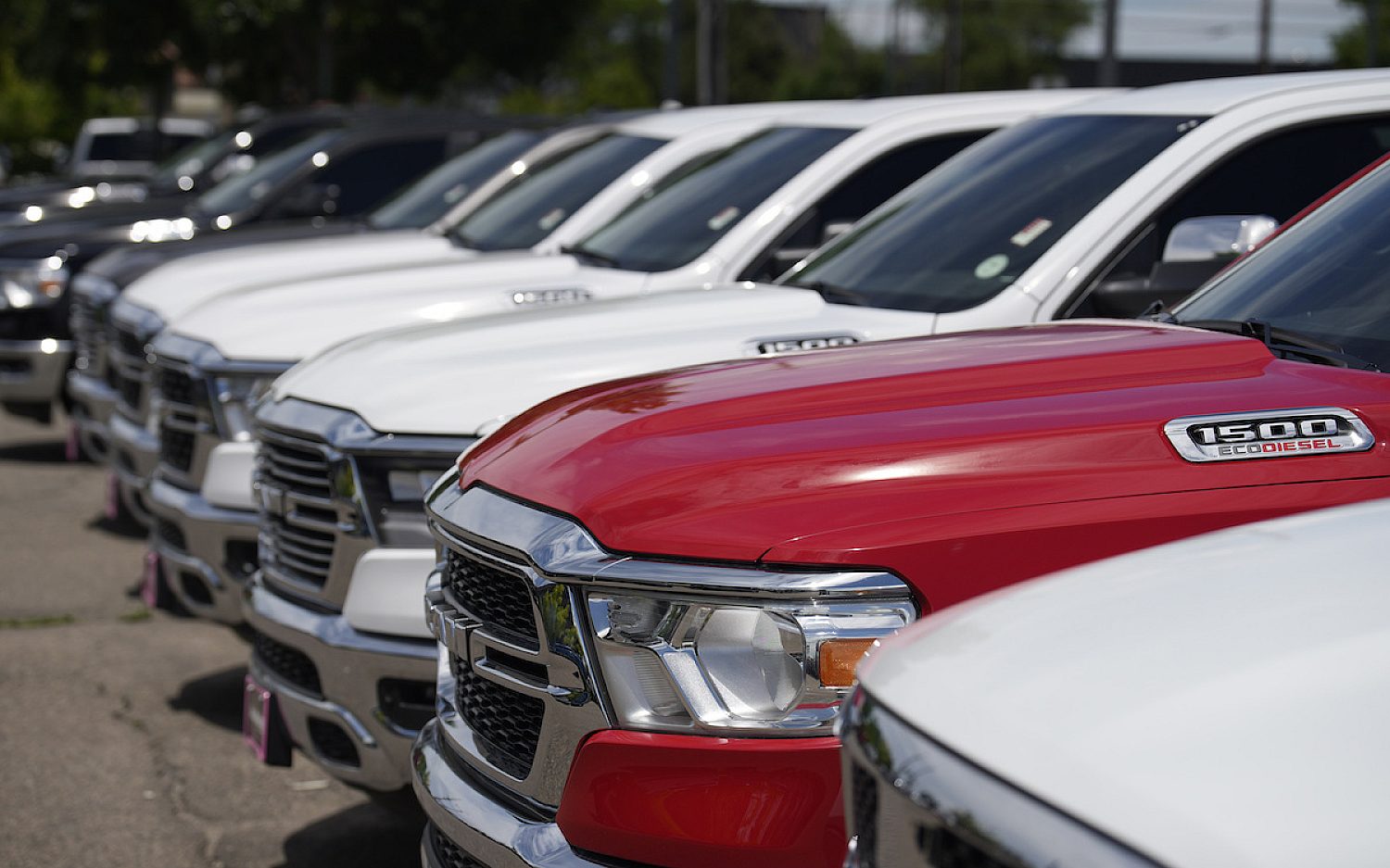
As pickups grew in culture, the trucks themselves grew too. Today’s “muscle trucks” tower over older counterparts.
But not every part of the truck has grown.
From Labor to Luxury
While truck cabs grew, beds shrank. Modern pickups carry more passengers but haul less cargo.
That design trend reflects driver behavior. According to research firm Strategic Vision, most pickup owners rarely use their trucks for hauling or towing. They drive them for everyday errands.
Yet companies and consumers still use buzzwords like “rugged” and “powerful” to describe their pickups. The cowboy image remains, but the reality behind it? Not so much.
Still, for some, pickup trucks carry more than cargo. They hold generations of memory. Holly Meyer’s father and brother work to restore their old pickup. They hunt down replacement parts. As they work, they share stories—late-night hunting trips with neighbors, farm chores with siblings.
That’s a value you can’t express in horsepower.
Why? Outward symbols can say something about a people and a culture, but true value goes deeper than the surface.