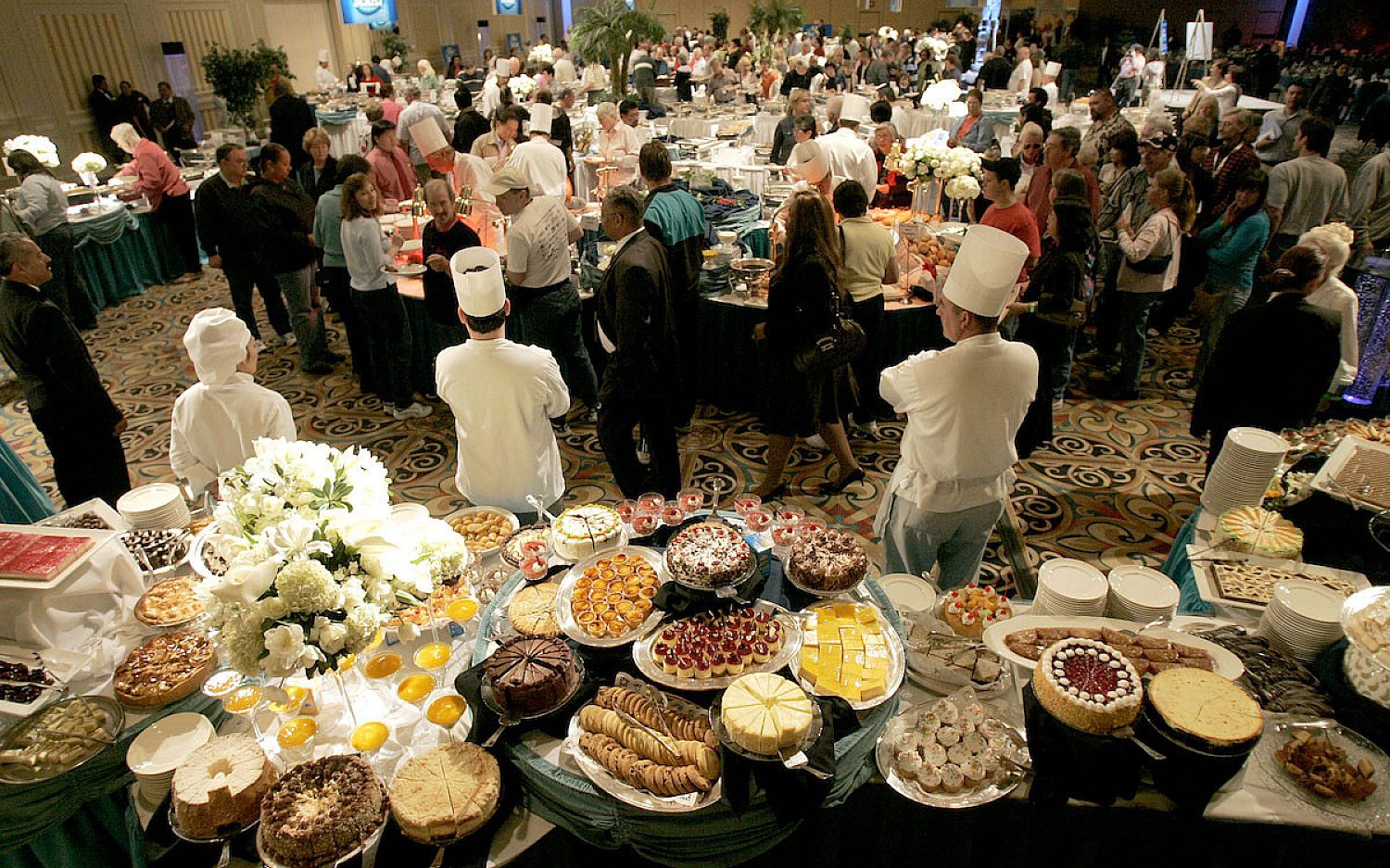

Have Americans finally had all they can eat?
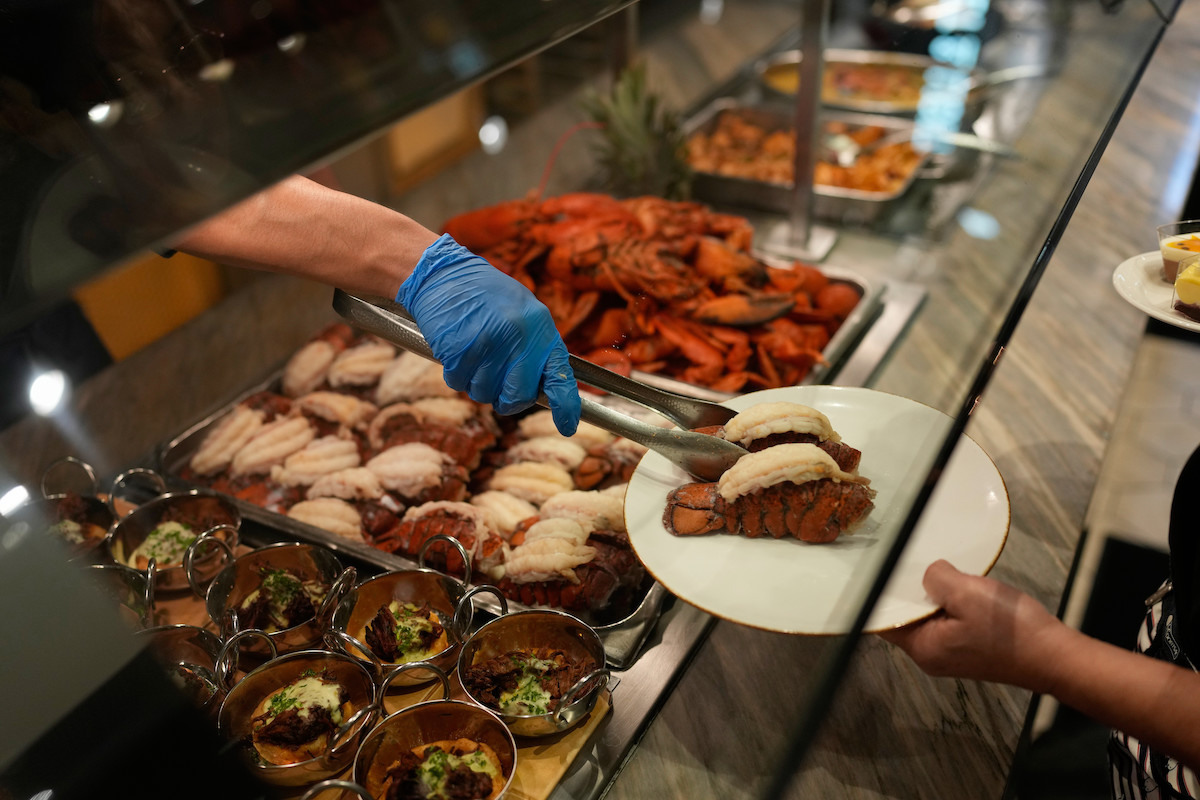
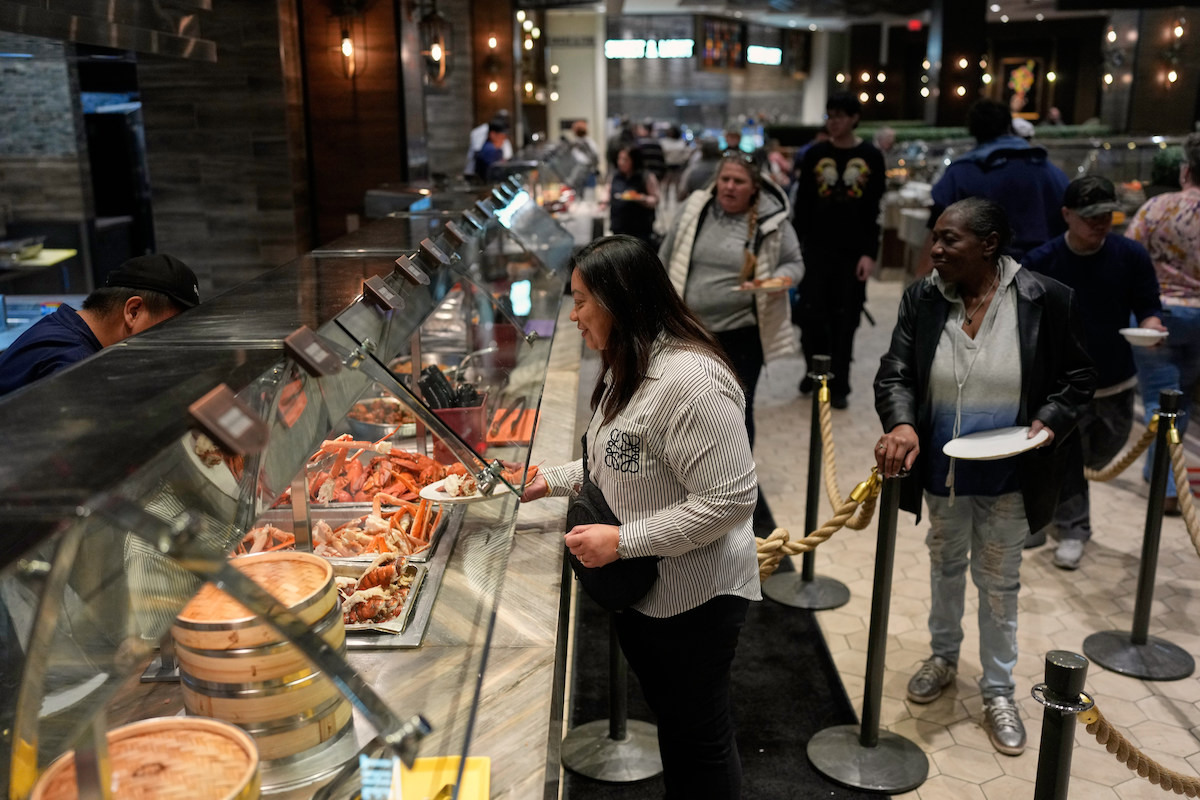
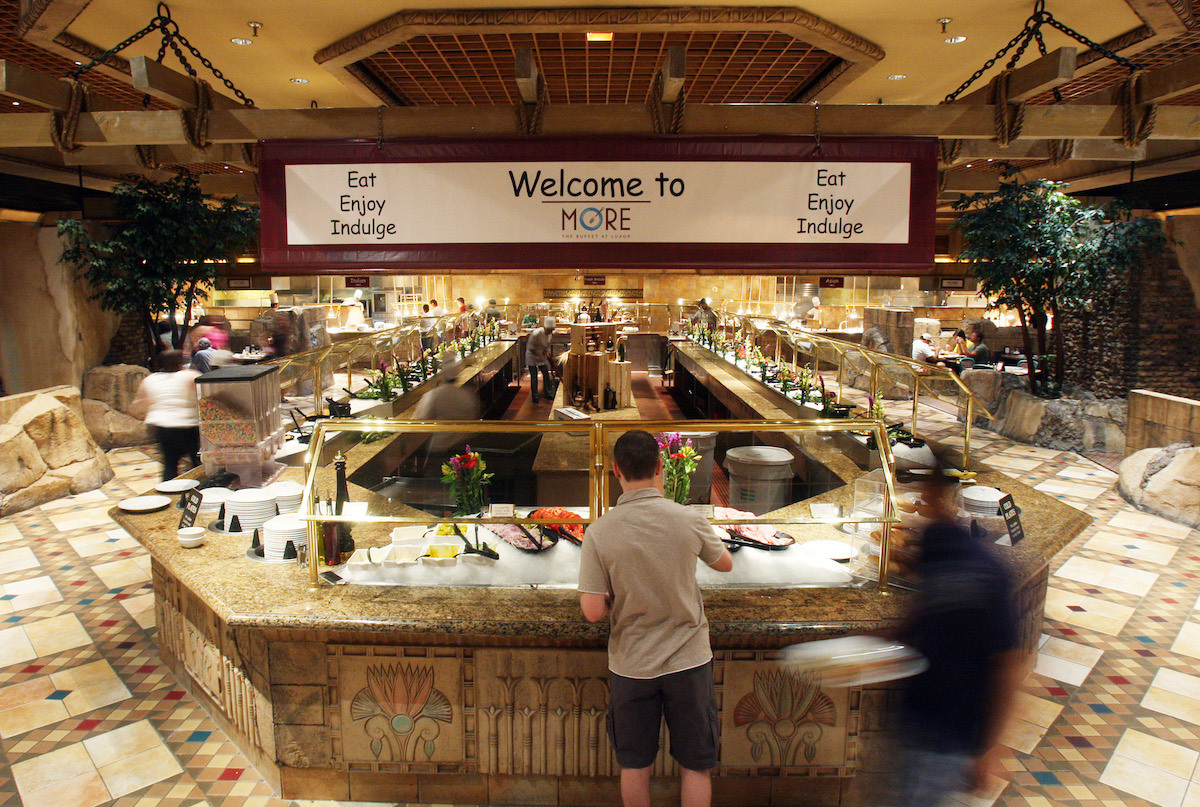
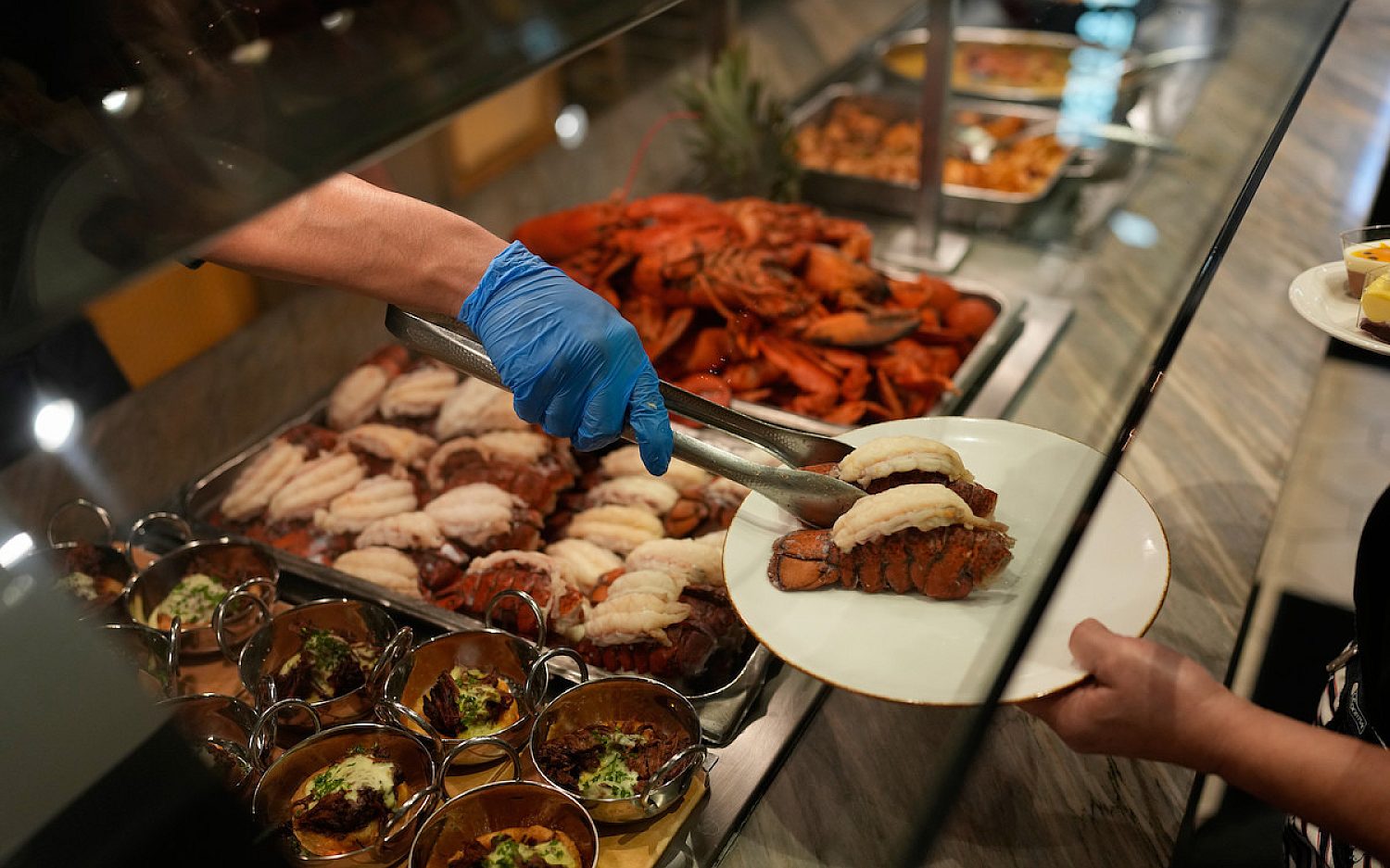
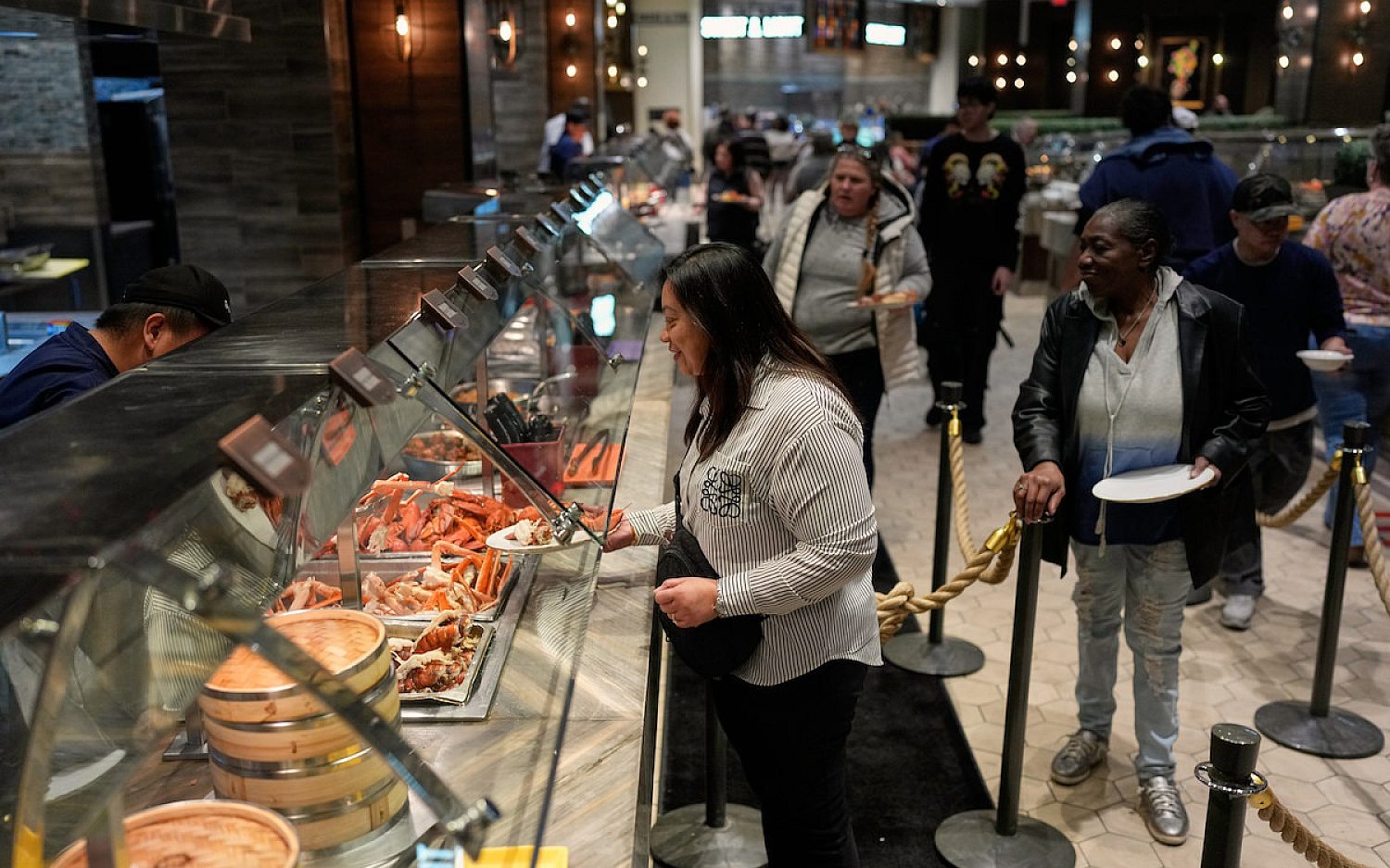
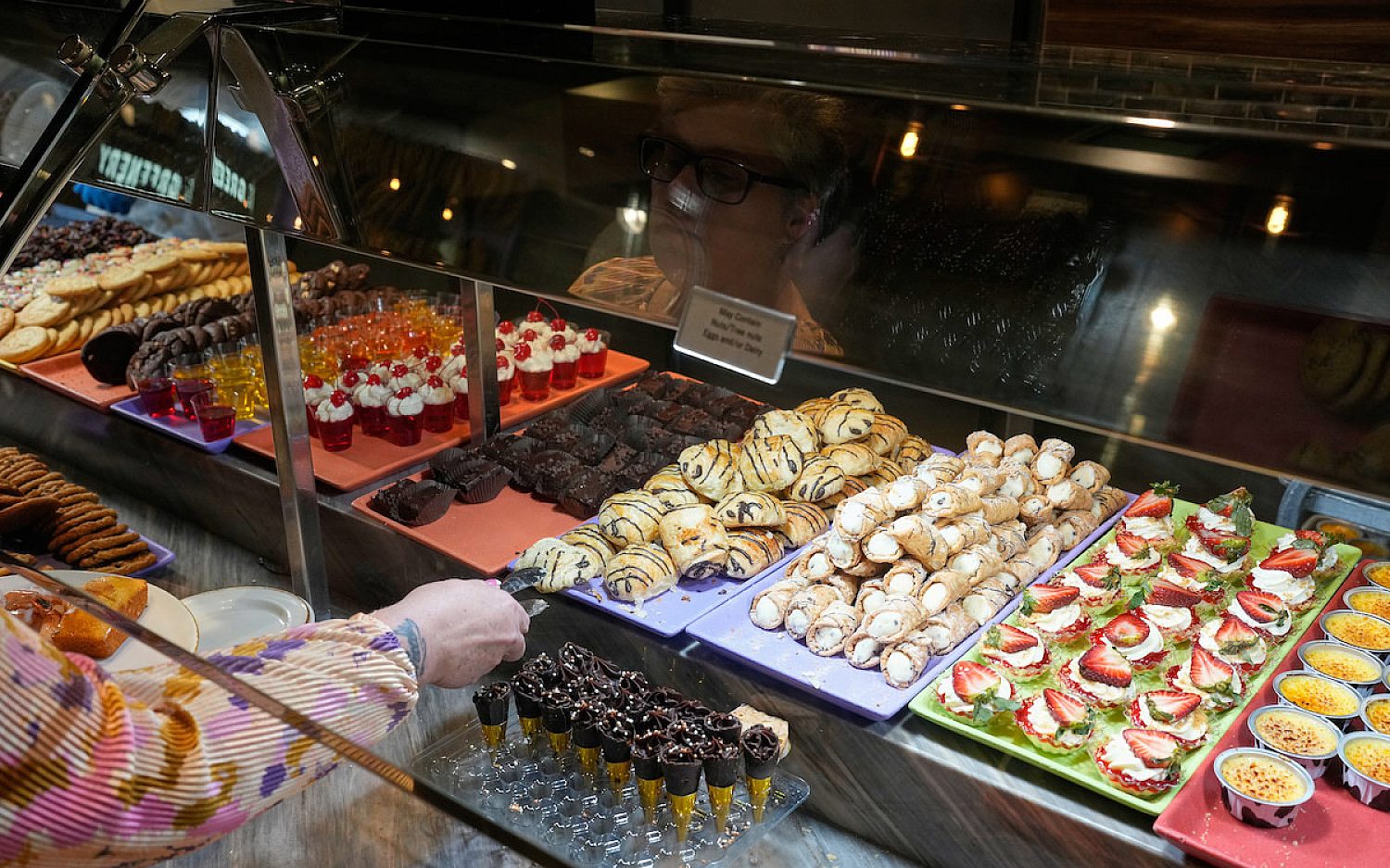
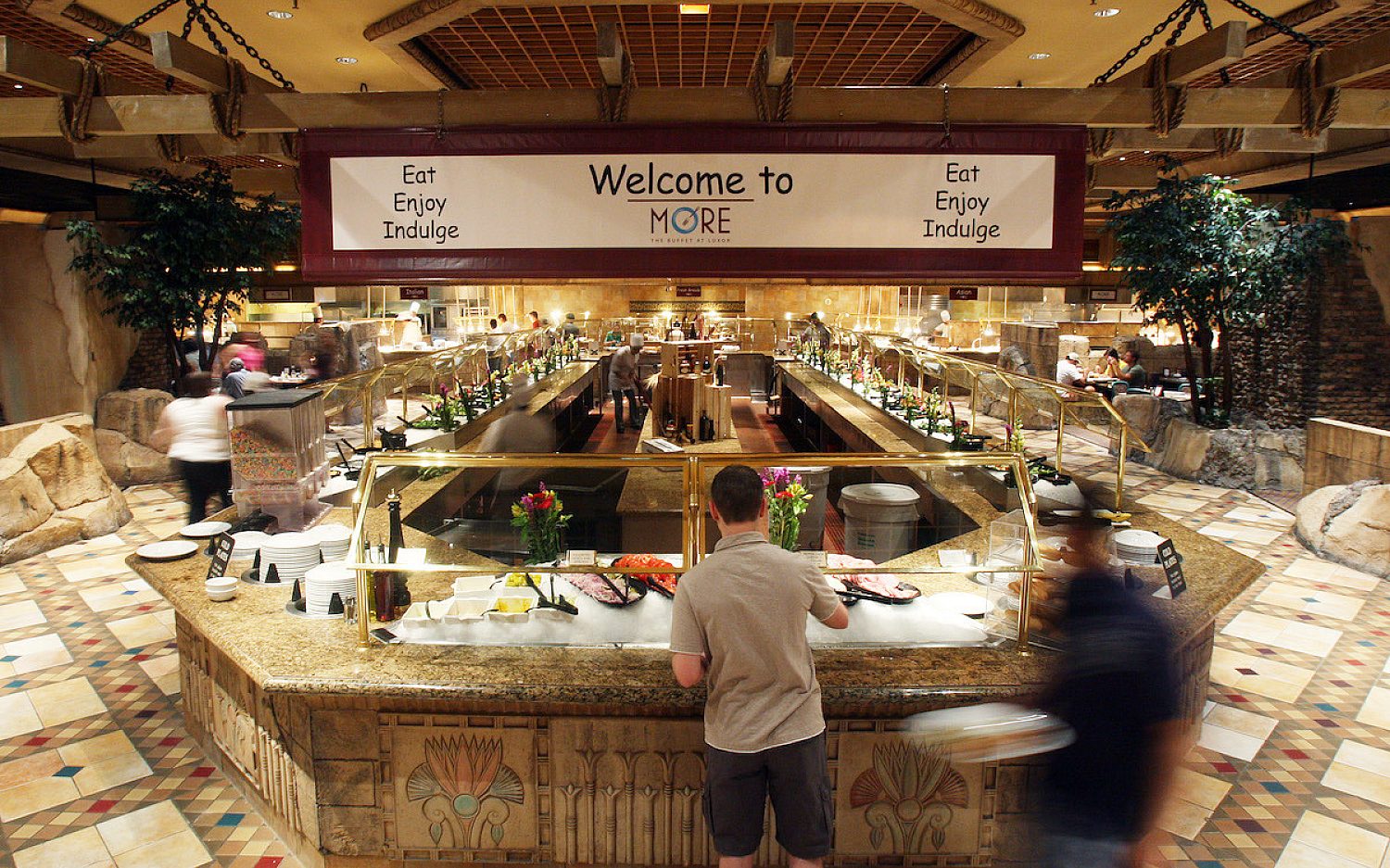
All-you-can-eat buffets first popped up in the United States after World War II. At least three different establishments claim the invention. But everyone agrees it started in Las Vegas, Nevada. Some historians attribute the origin of the American buffet to gangsters who purchased hotels and casinos. Diners could fill a plate, eat it up, and come back for more.
Like many American traditions, buffets have roots in other cultures. The word “buffet” comes from France and refers to a type of serving table or bench. The concept owes much to the Swedish tradition of the “smorgasbord.” This buffet-style meal came to the United States as part of the 1939 World’s Fair in New York City.
The buffet quickly spread beyond Las Vegas. Chain restaurants took the concept across the United States. And of course, the all-you-can-eat buffet found a whole new life in the world of American Chinese cuisine. (More crab rangoon? Yes, please.)
Buffets even played a role in U.S. history. During the Cold War, the United States and the Soviet Union competed in many arenas. In the “space race,” they sprinted to reach space and the Moon. In the arms race, they rushed to build weapons. In the farms race, the United States and Russia strove to grow food.
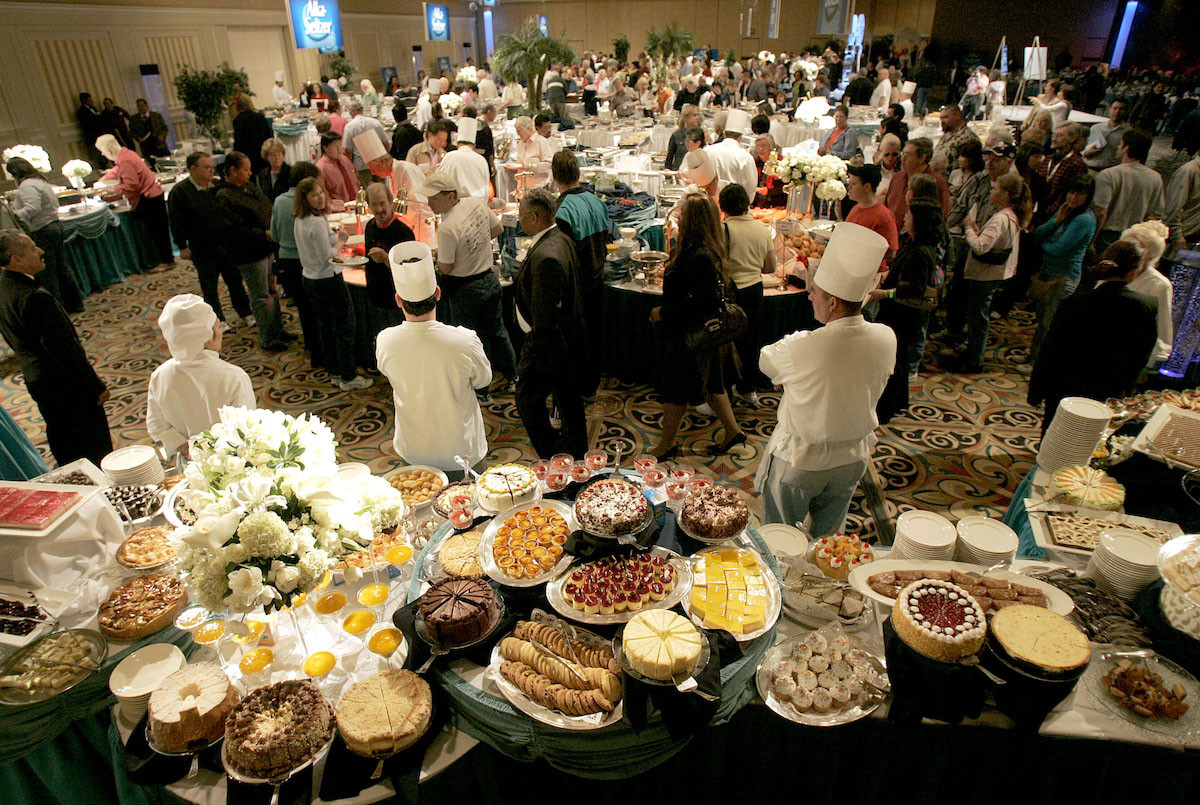
The United States squarely won that contest. Genetic science, new chemicals, and motorized equipment multiplied U.S. farm production. In communist nations, people struggled to find food. But Americans had plenty. And what symbolizes that bounty better than a buffet where diners can fill a whole plate, and then another—and another, and another?
When Soviets looked across the globe at American abundance, it made them wonder—is this whole Communism idea really working?
But that “abundance” can easily lead to gluttony. As awareness of health and food waste grows, the popularity of buffets dwindles. Some buffets now advertise as “all you care to eat.” Casual dining restaurants like Olive Garden and Chili’s now draw more customers than buffet-based Ponderosa or Golden Corral.
The coronavirus pandemic of the early 2020s may have put the nail in the all-you-can-eat coffin. Americans gained a new awareness for how easily germs and viruses could potentially spread. Suddenly those piles of shared food didn’t look so appetizing—sneeze guard or no.
The all-you-can-eat buffet may vanish from American culture. But God’s word speaks of another type of abundance—a healthy abundance. That abundance belongs to a kingdom that will never end. Jesus is the Bread of Life. In Him, we never have to hunger again. (John 6:35)
Why? Earthly kingdoms make shows of earthly abundance, but true abundance comes from God alone.