
Who doesn’t enjoy a trip to the zoo? If you have a favorite animal, that creature’s enclosure may hold your attention a little longer than others. For nine-year-old Alan Mootnick, upon hearing a group of endangered primates hooting and calling at a zoo, interest became pure fascination.
On that day, he imagined what caring for his own zoo might be like. His parents advised him that he could do just that—if he could earn the money to finance it. Young Alan set to work doing odd jobs for neighbors. Some paid as little as 10¢ per week.
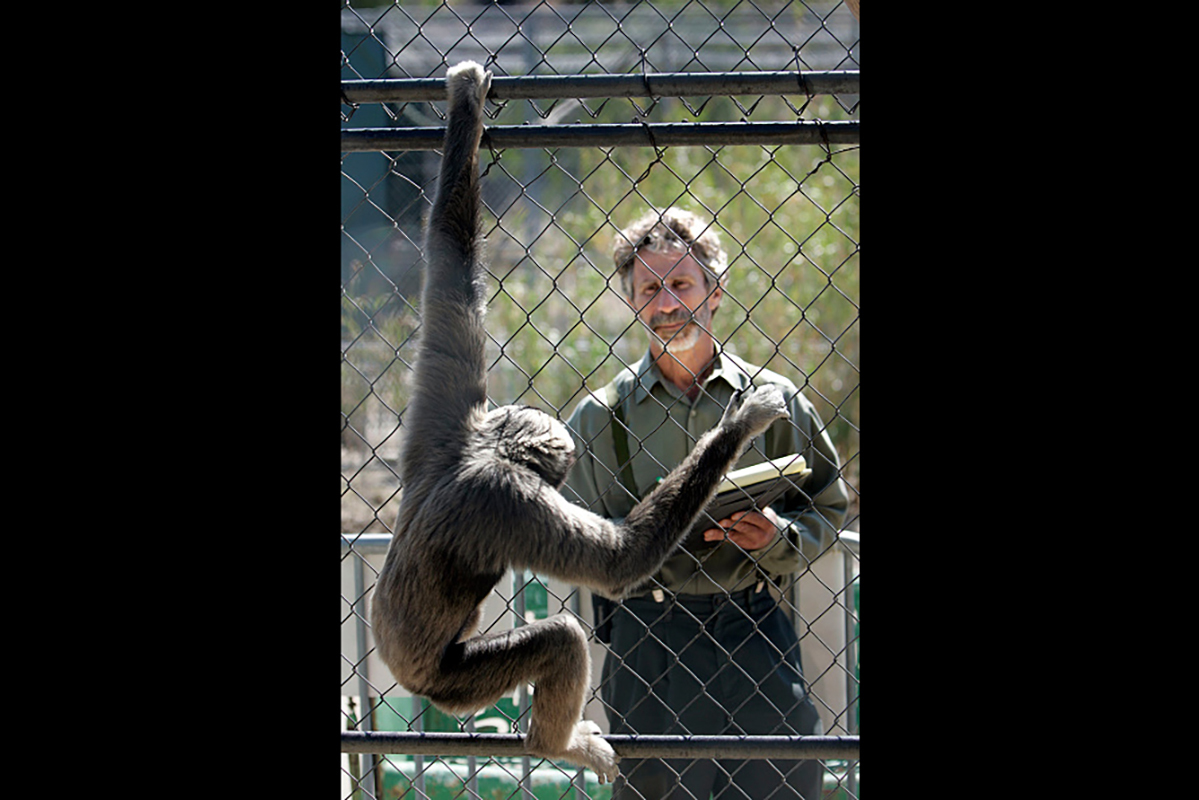
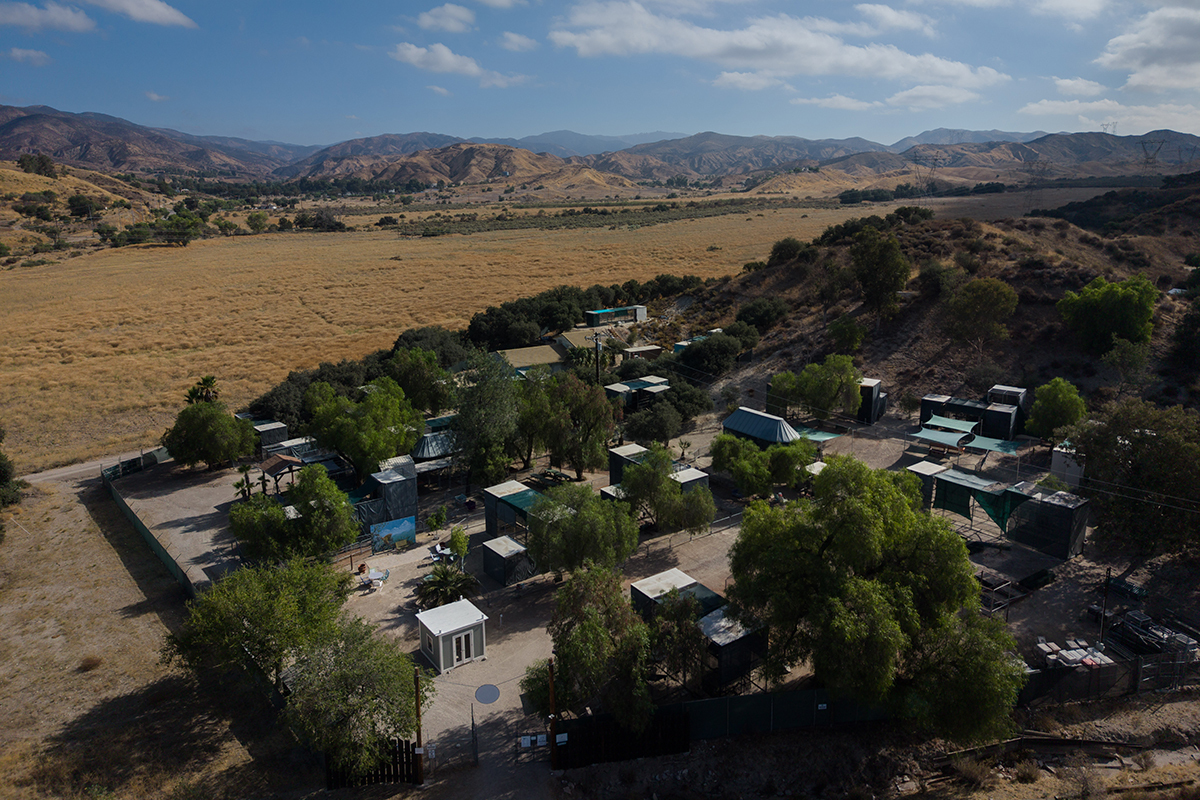
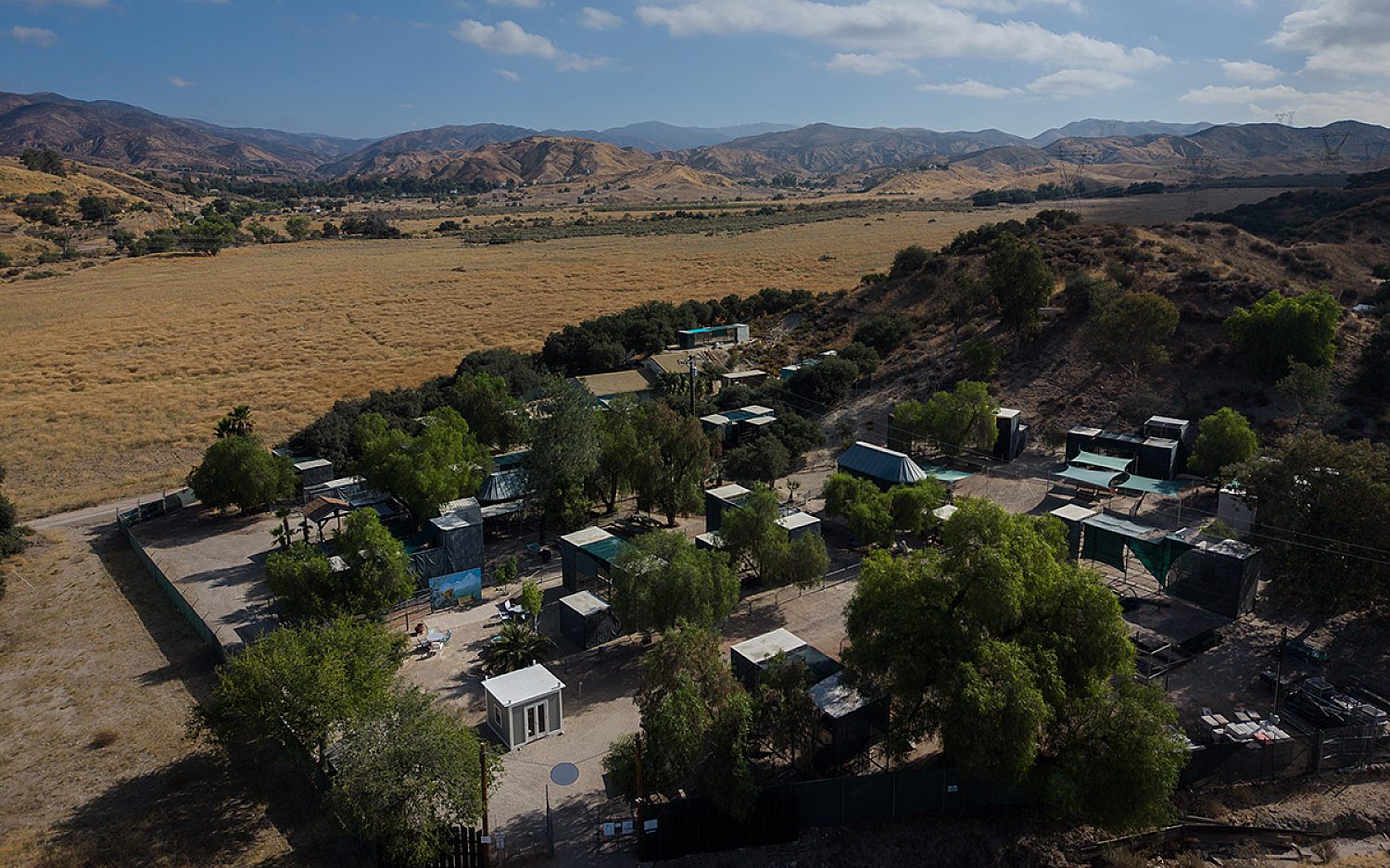
Before long, Alan became caregiver to some small animals—rabbits, pigeons. But gibbons held his interest more than any other creature. In 1976, when in his mid-20s, he opened a center for the care of the long-armed primates—not in a jungle, but in the hot, dry hills of the Santa Clarita Valley, north of Los Angeles, California.
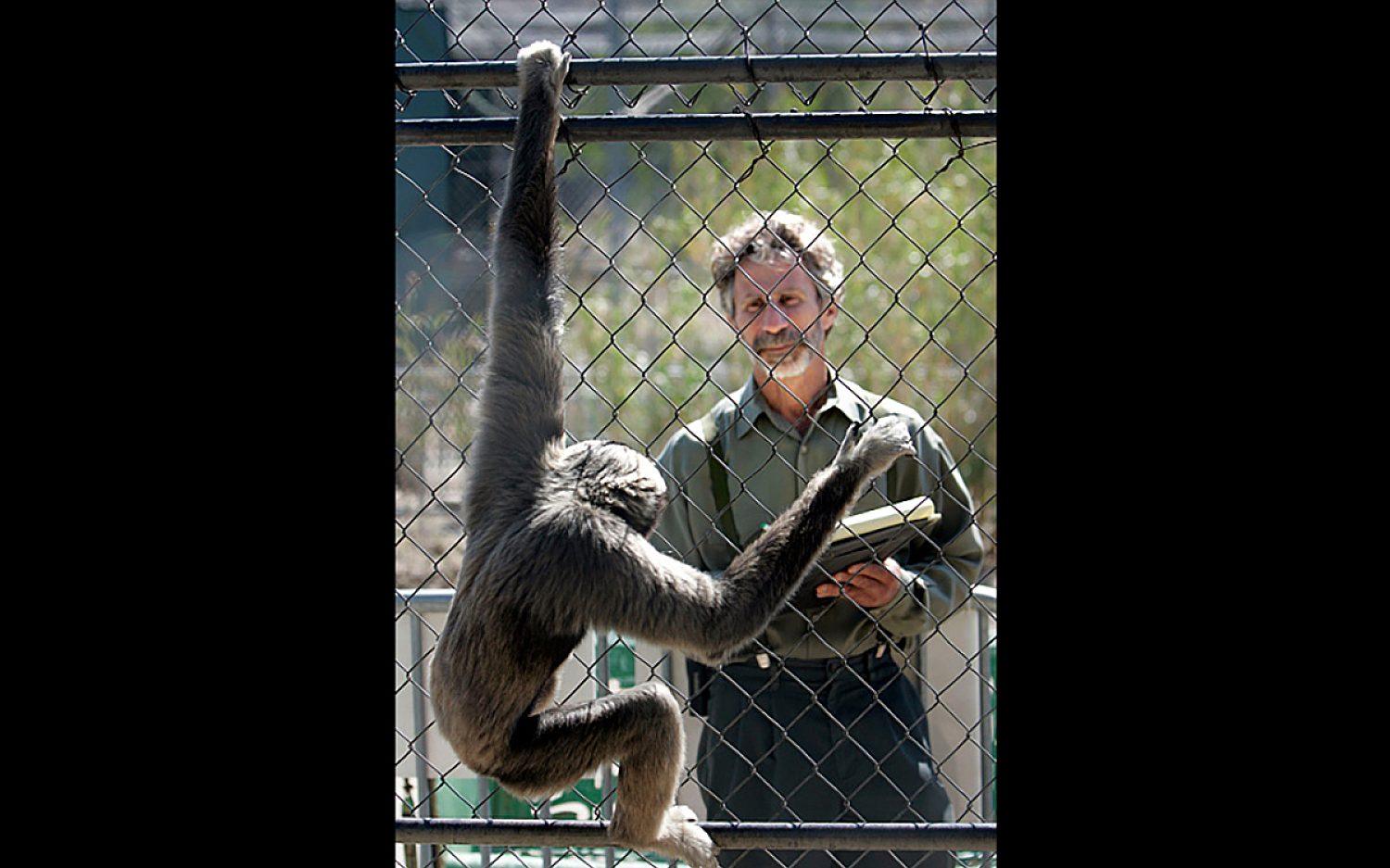
Running the sanctuary and providing superior care to an endangered species like the gibbon required great preparation. But Mootnick’s path to readiness wasn’t traditional. He didn’t attend university for formal primate training. Driven by his passion for the animals, he learned everything he could on his own. Though self-educated, he became a respected primatologist and an authority on gibbons.
He never forgot his parents’ advice, however. He acquired his self-taught education and maintained the center while running a home painting and remodeling business to pay the bills.
The gibbons center wasn’t just Mootnick’s personal backyard hobby. He published papers in scientific journals and hosted researchers from around the world. Other scientists recognized his vast knowledge and sought his input about gibbon care and identification.
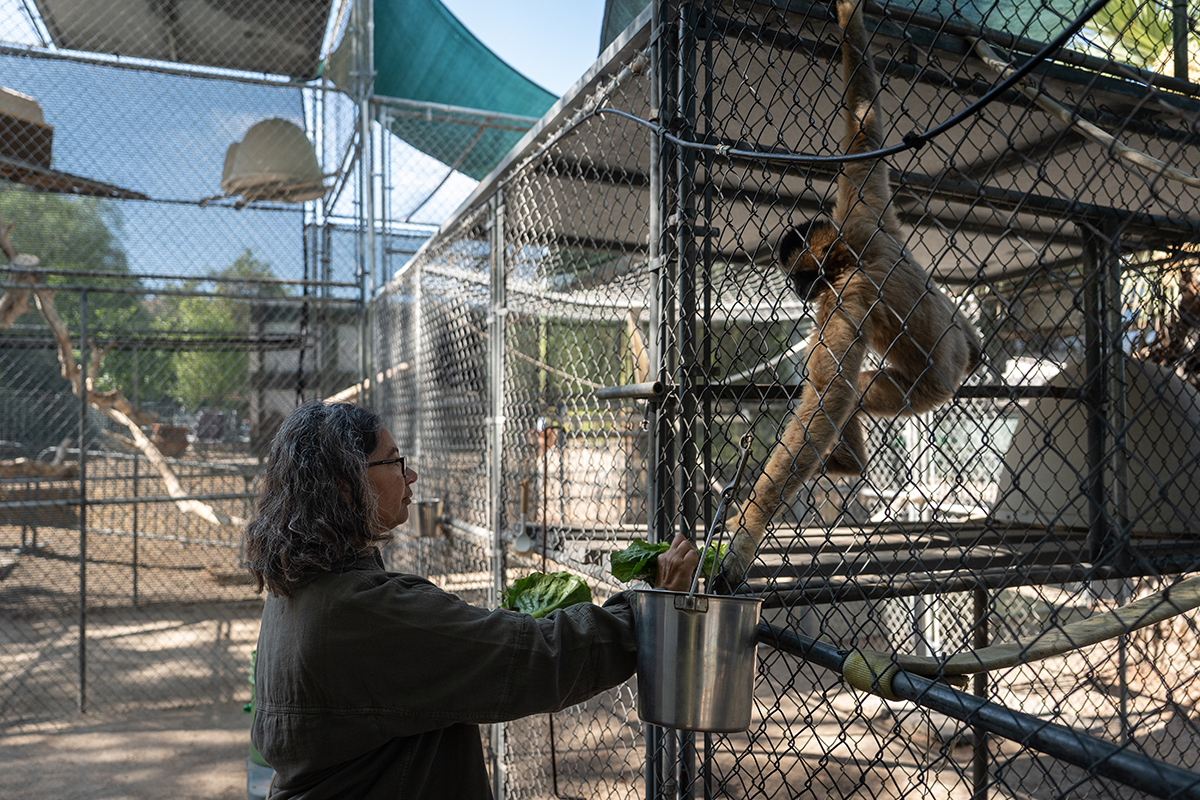
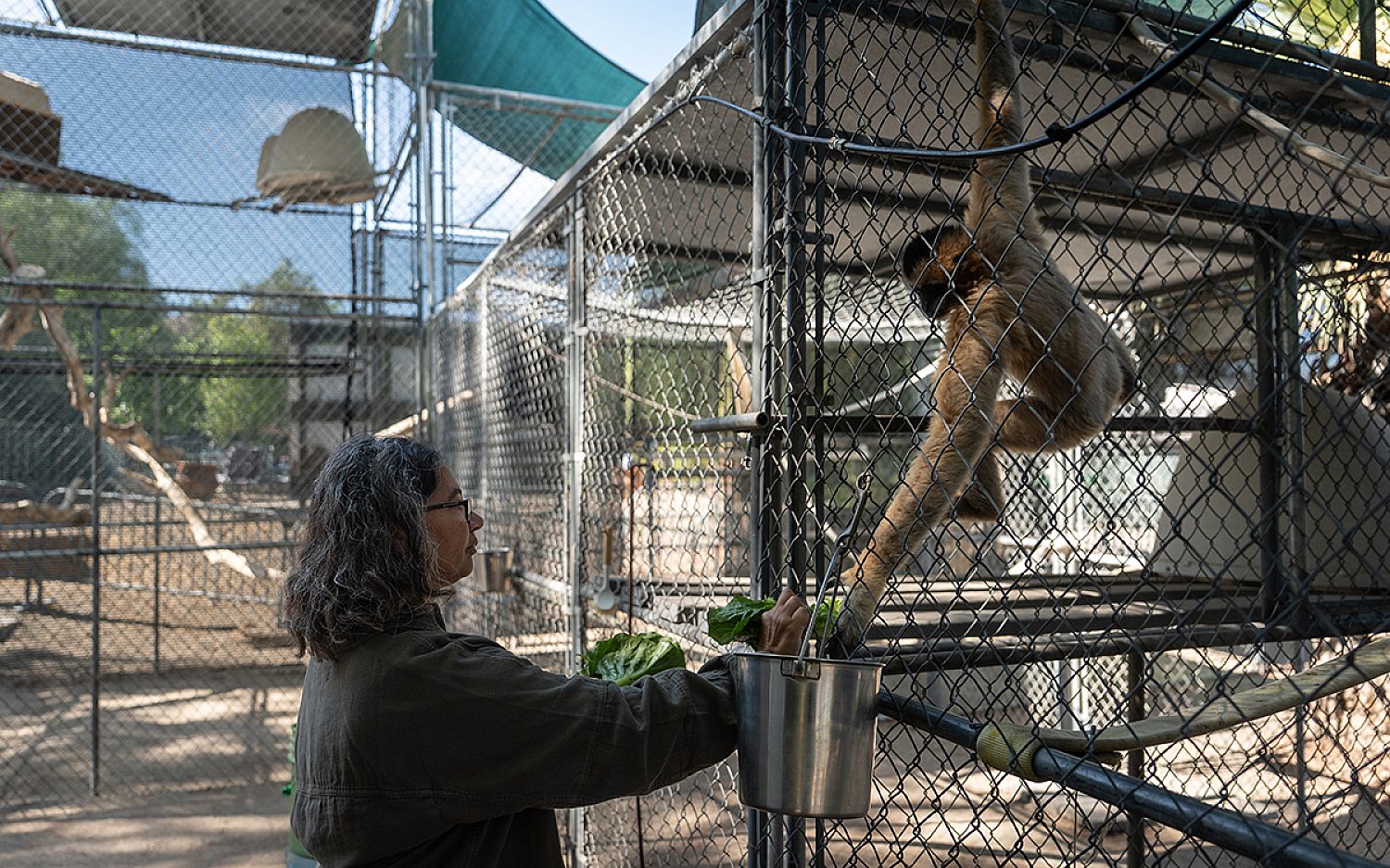
“Sometimes they would just send him a picture of a rescued gibbon asking what species, or they will play him a vocalization,” the center’s current director, Gabi Skollar, says. She moved from Hungary to the United States in 2005 to learn from Mootnick and work at the center.
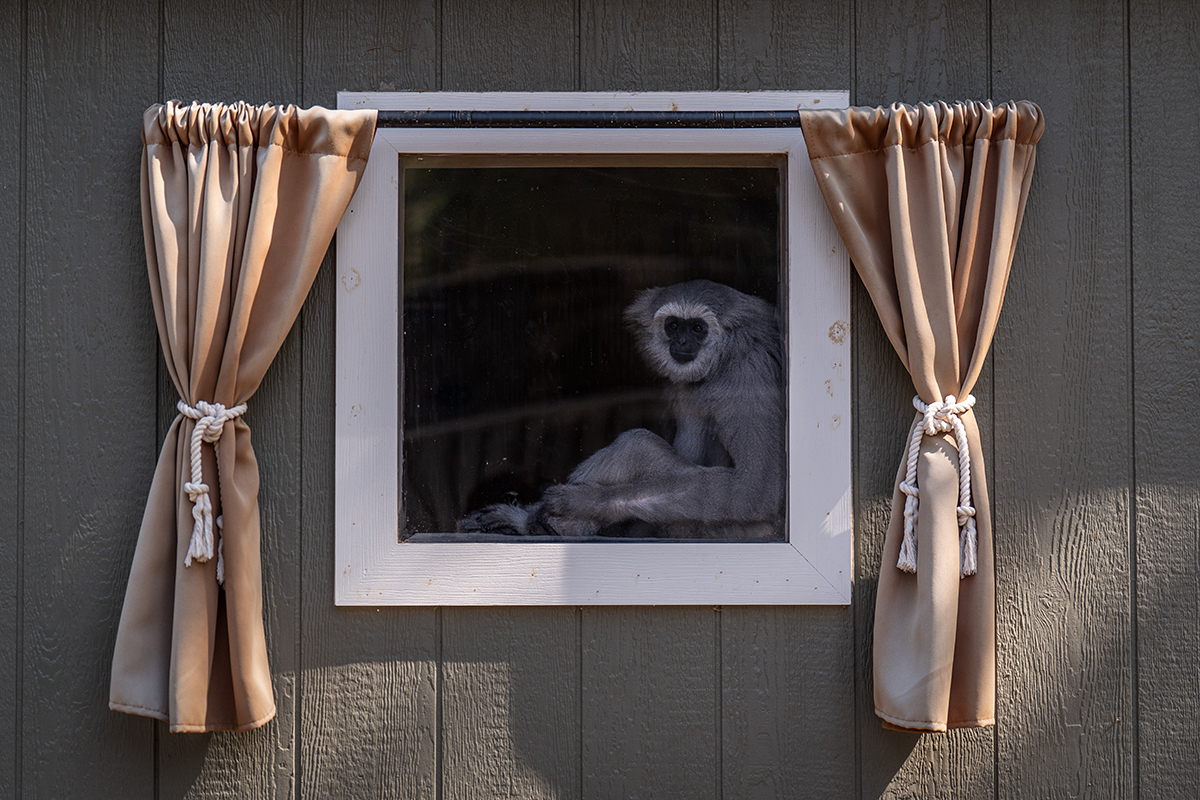
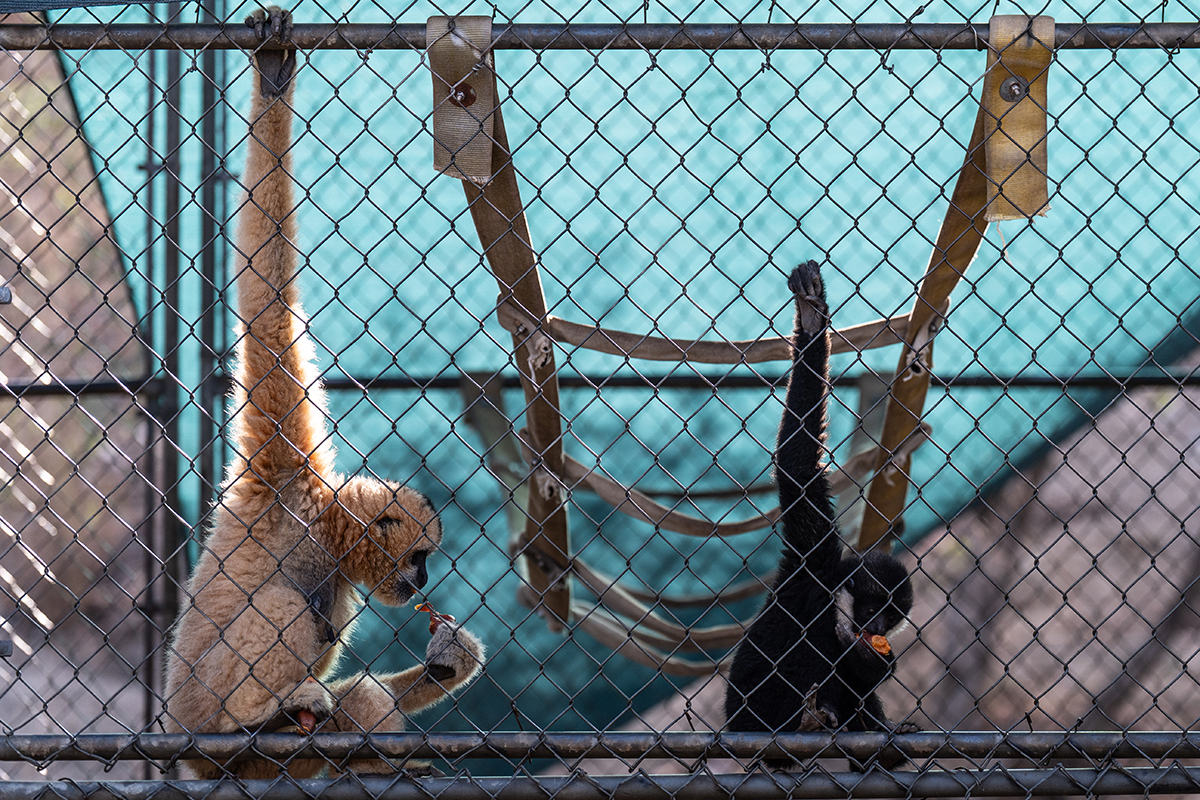
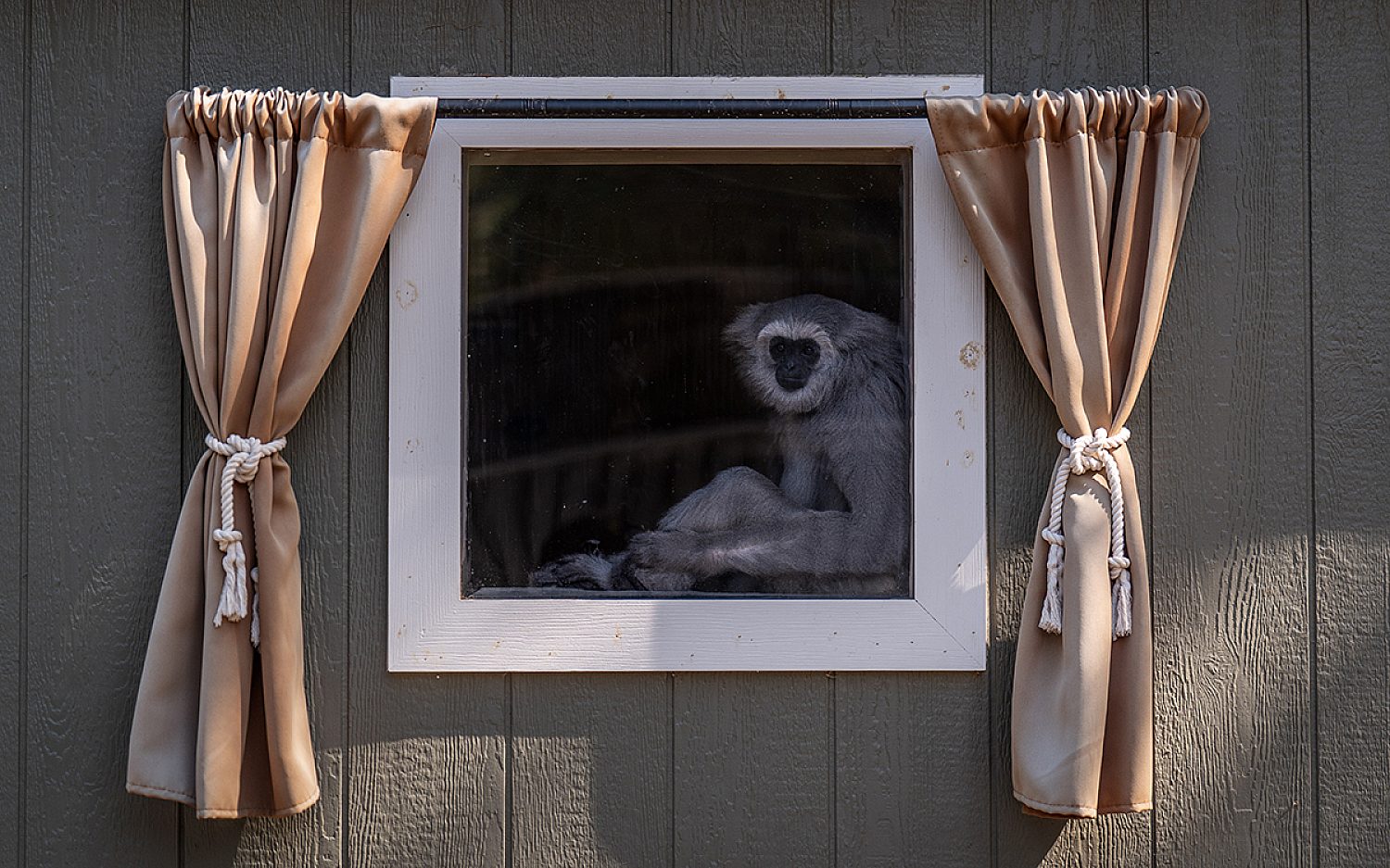
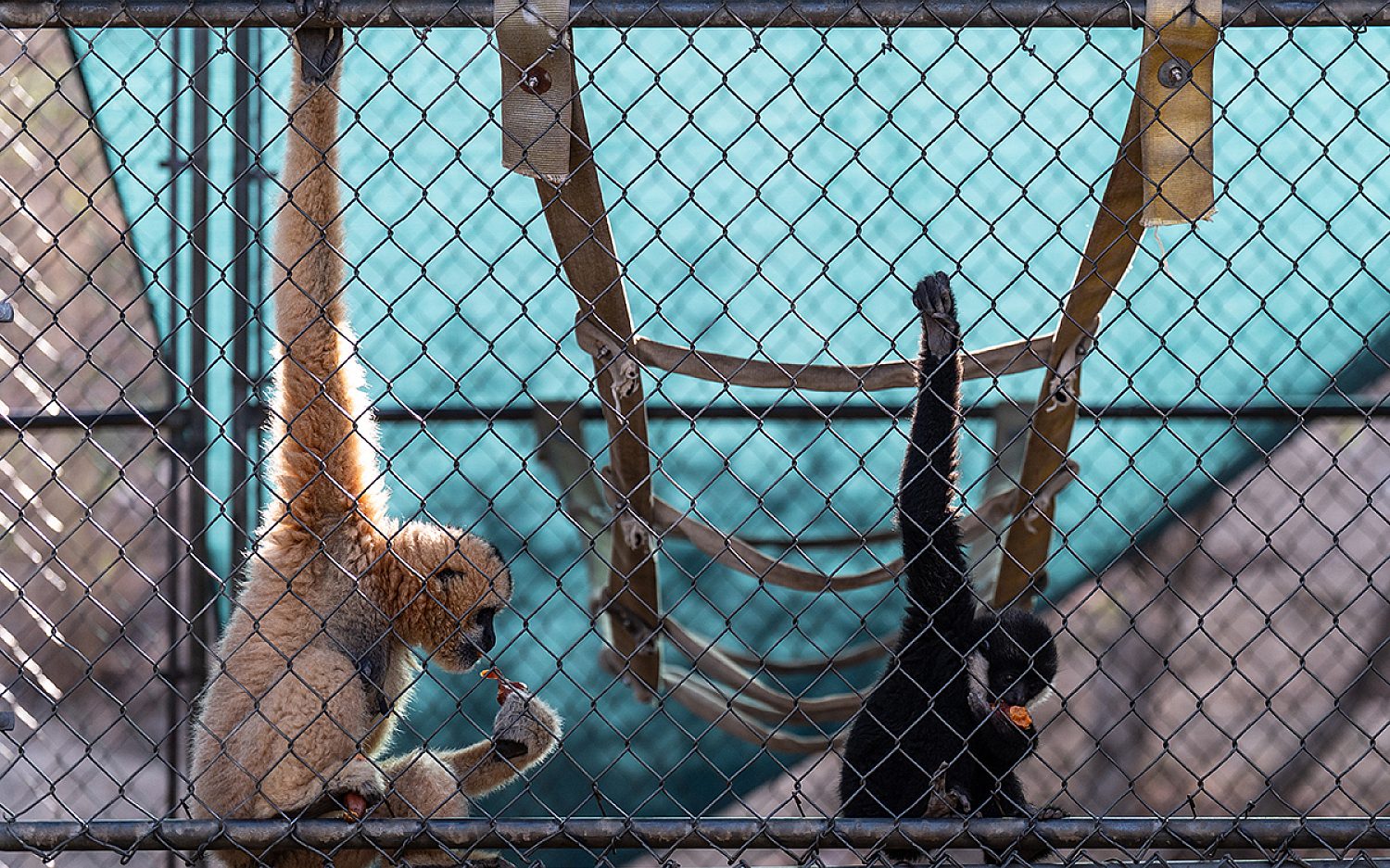
Since its beginning, the Gibbon Conservation Center has transformed. Initially, it housed a small assortment of animals. Now it’s a globally recognized sanctuary dedicated solely to the well-being of gibbons, providing care for about 40 of the beasts across five species. They are among the rarest and most critically endangered primates on Earth.
Alan Mootnick passed away 15 years ago: November 4, 2011. He died of complications following heart surgery. But the Gibbons Conservation Center remains 50 years after it began—a testimony to what can be done when passion, commitment, and purpose are applied to life goals, despite obstacles to overcome.
Why? A commitment to a vocational vision—when pursued with wisdom—can lead to long-lasting results and tender care for God’s creation.