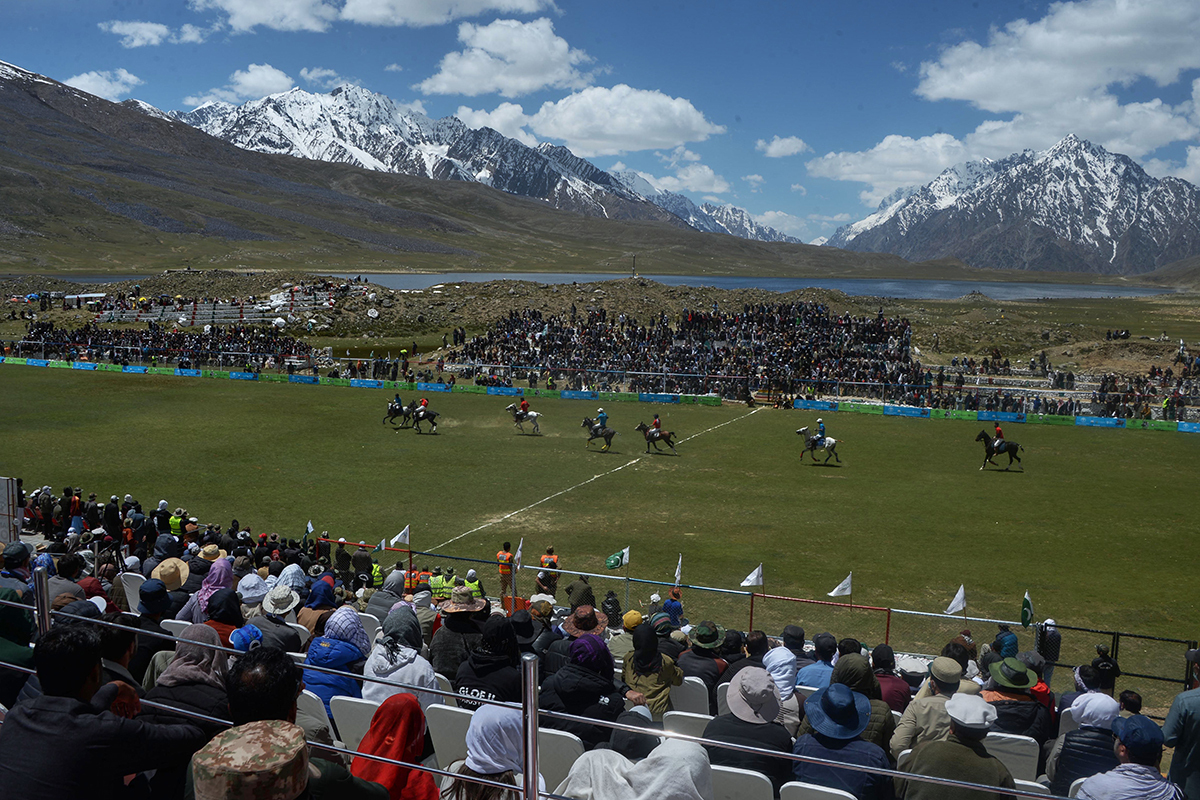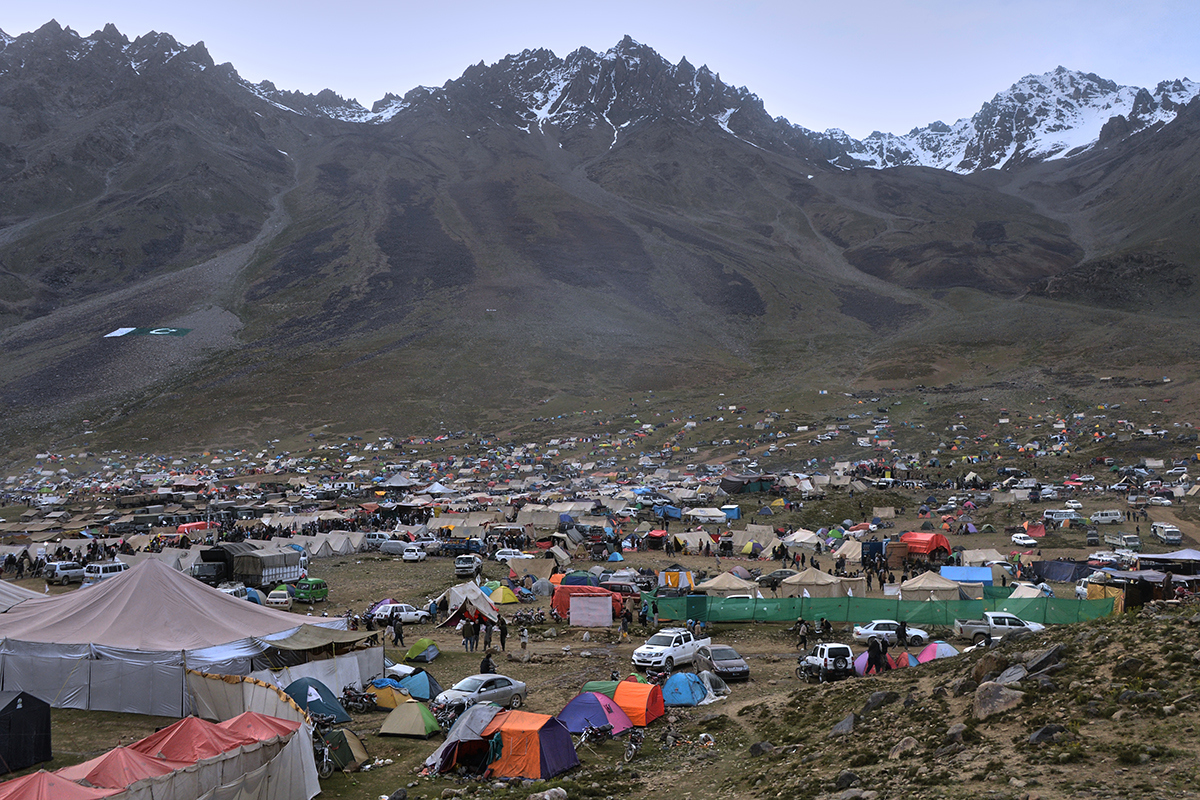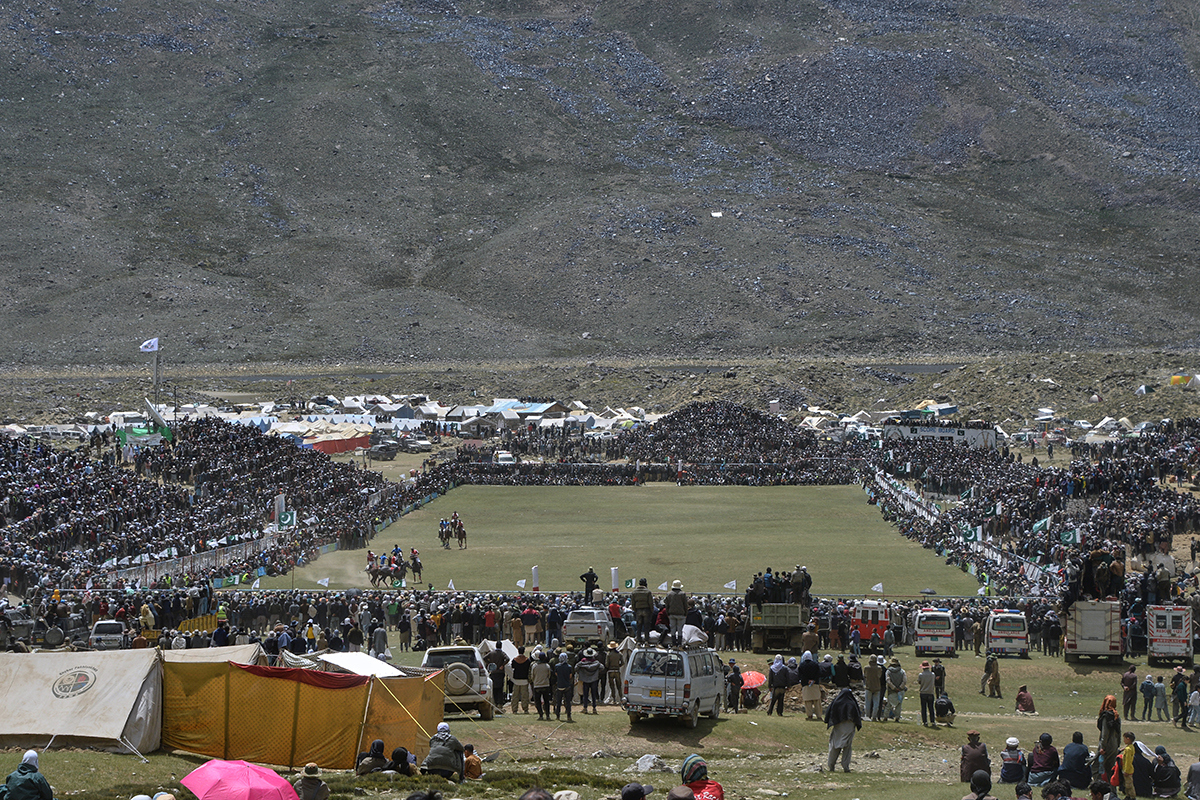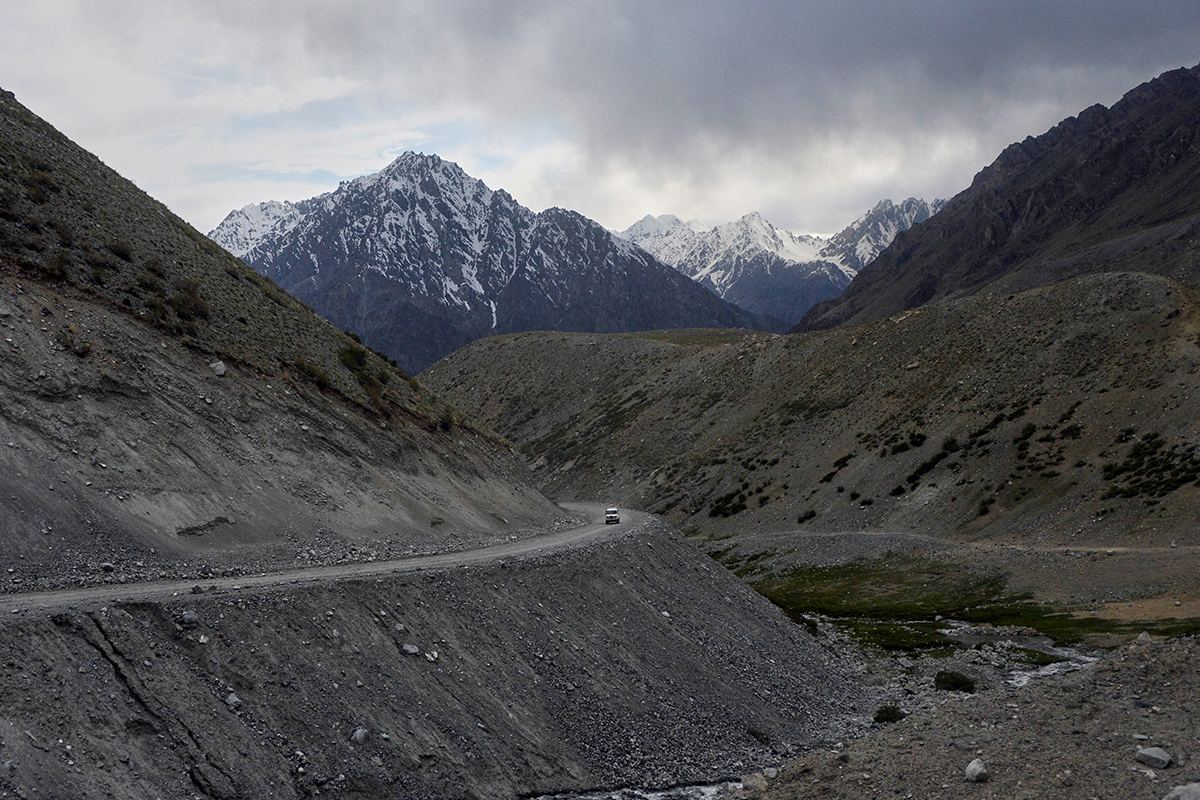
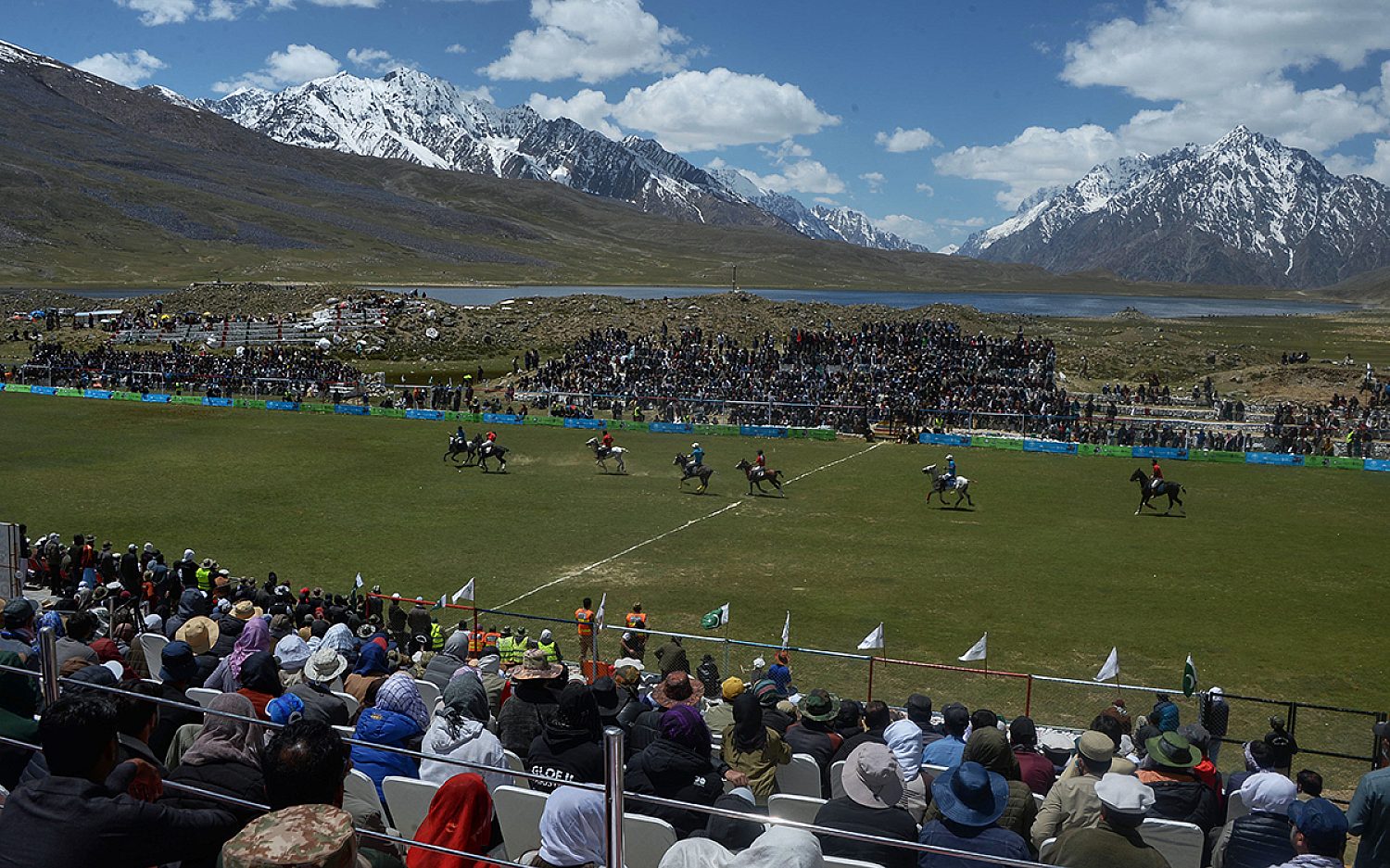
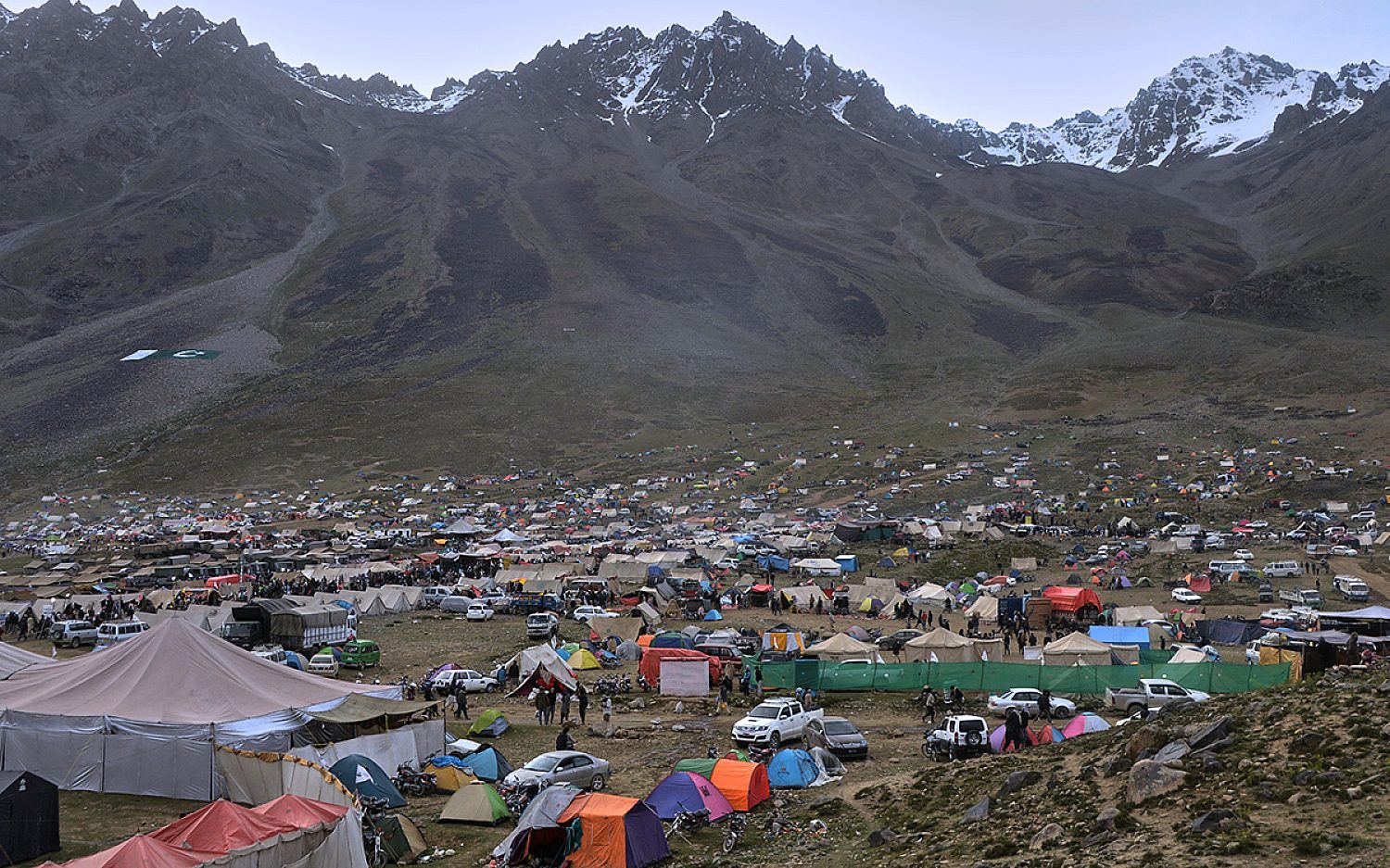
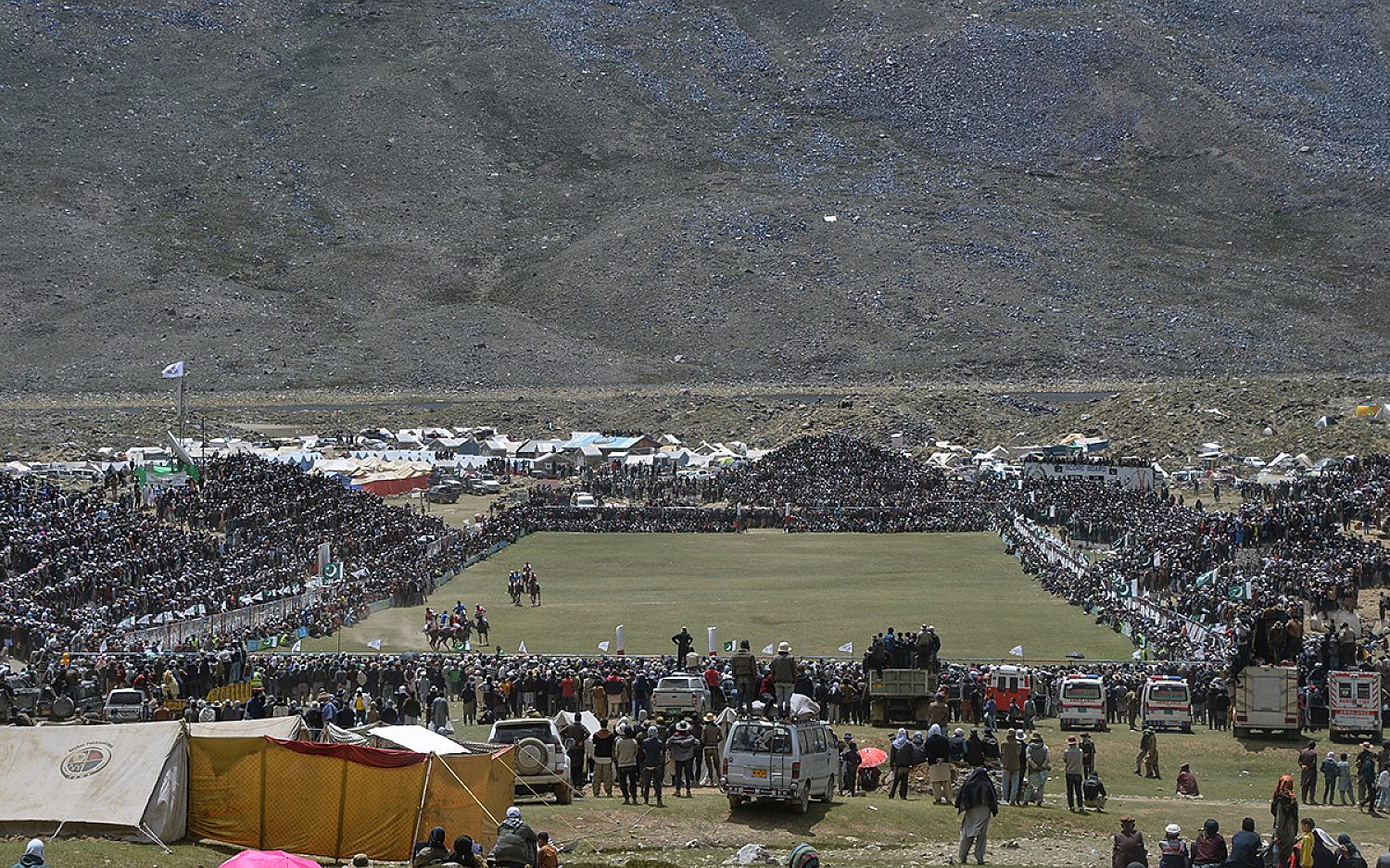
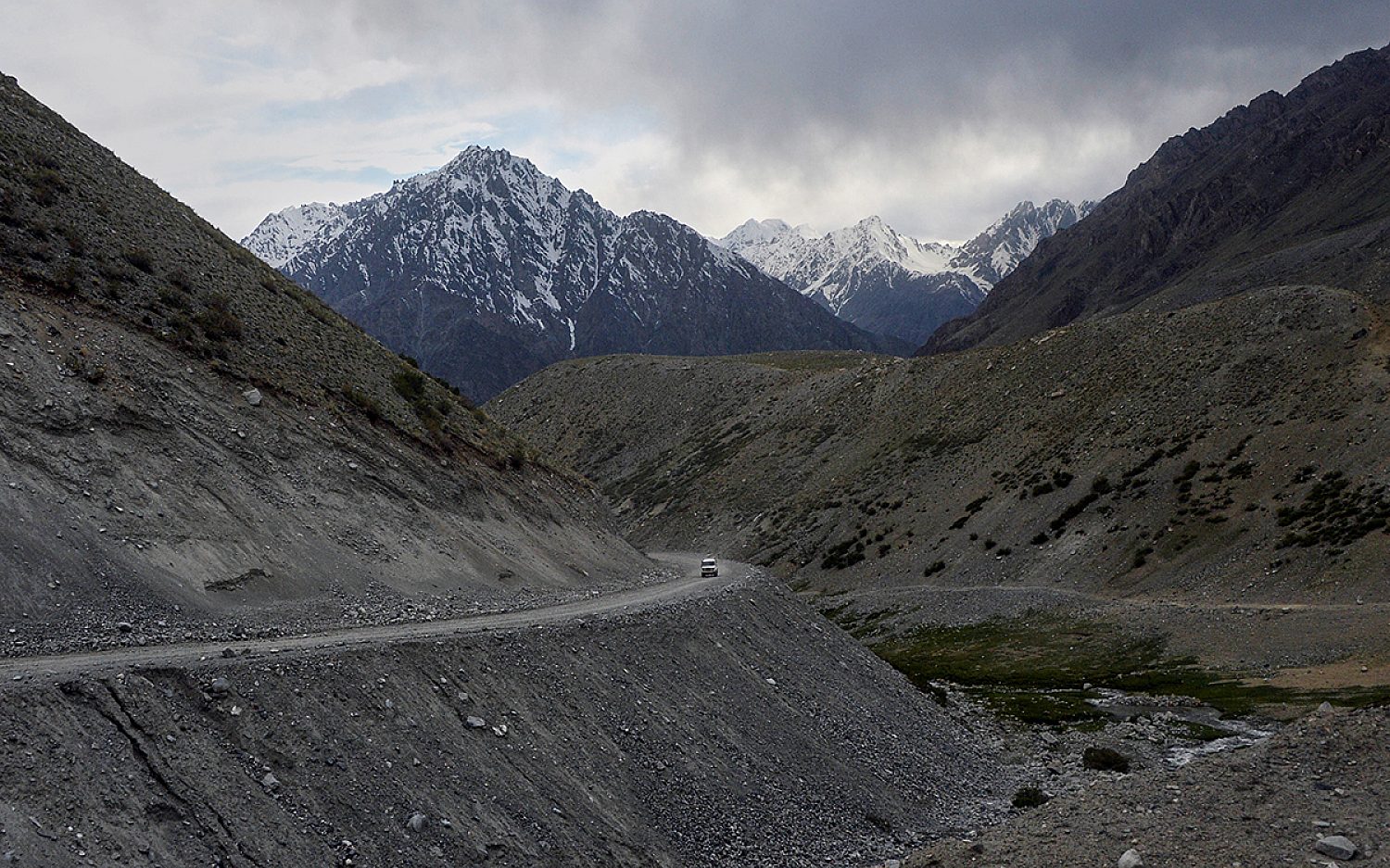

Horses thunder across the world’s highest polo ground. The Shandur Polo Field makes use of a plateau nearly 12,000 feet above sea level in the mountains of northern Pakistan’s Shandur Pass.
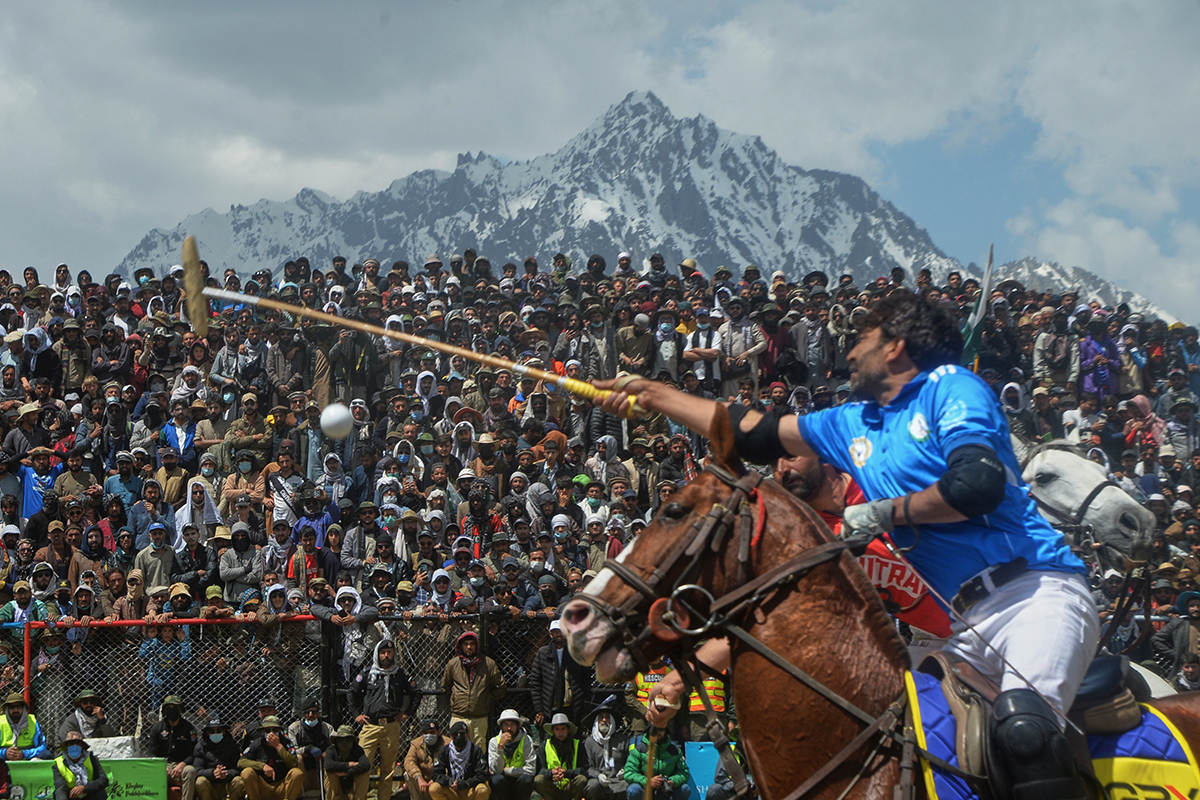
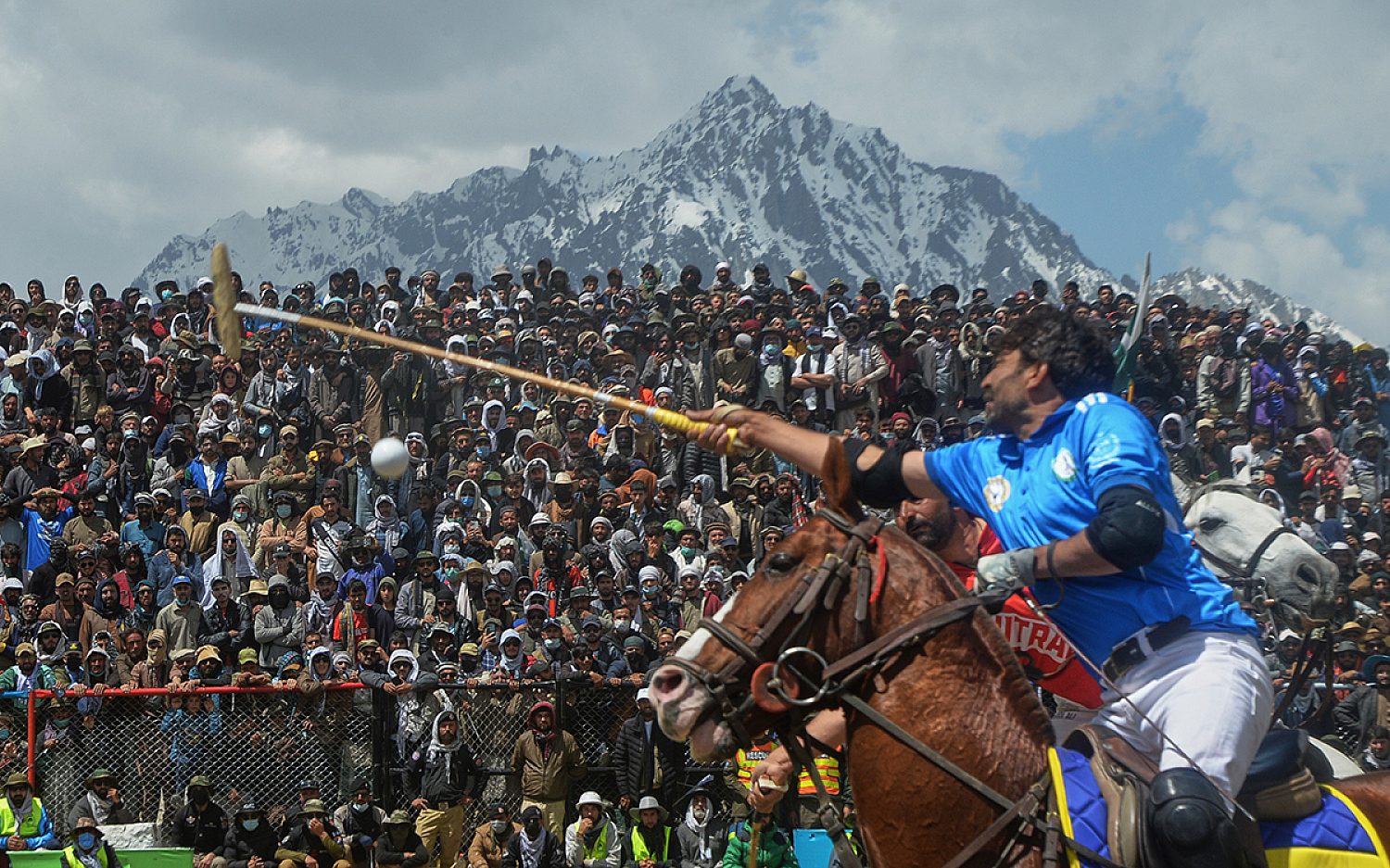
Riders swing wooden mallets, striking a small white ball as thousands of fans cheer. Against snowcapped peaks and clear blue skies, Shandur each year becomes a meeting place of sport, tradition, and culture as the annual polo festival returns to the “roof of the world.”
On the sidelines, spectators from near and far watch freestyle mountain polo. This is the centuries-old tradition still played in Pakistan’s northern regions of Gilgit-Baltistan and Chitral.
Historians believe polo originated more than 2,000 years ago. It spread across Central Asia into what is now northern Pakistan. The sport became popular among rulers of the Mughal Empire, where it was played for both recreation and military training.
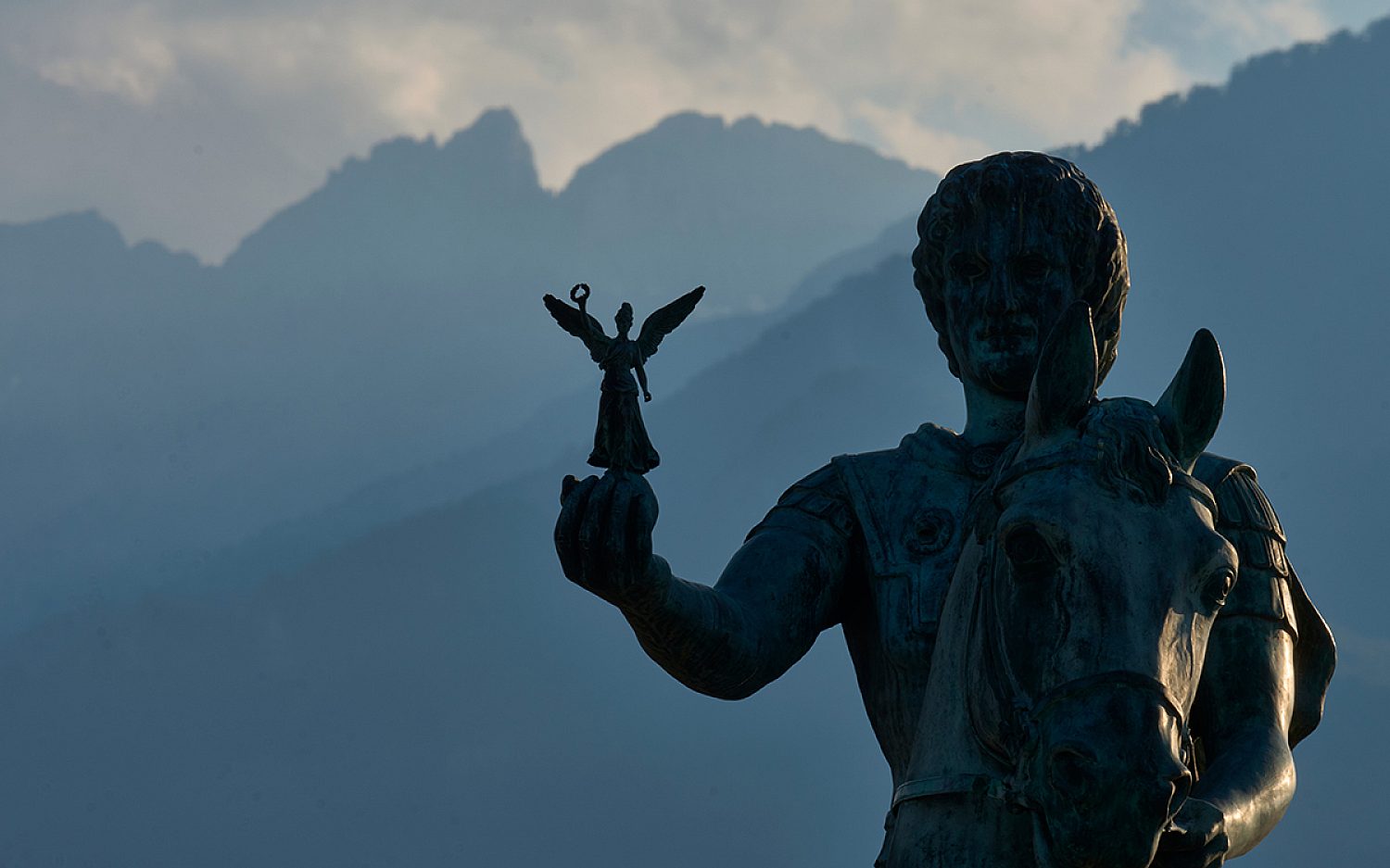
Often called the “game of kings,” polo earned its nickname because it found favor with kings, princes, and nobles. The British adopted the game during their colonization of India and Pakistan—then known together as British India—in the 1800s. With British input, the rules of today’s game took shape, and polo began to spread throughout the Western world.
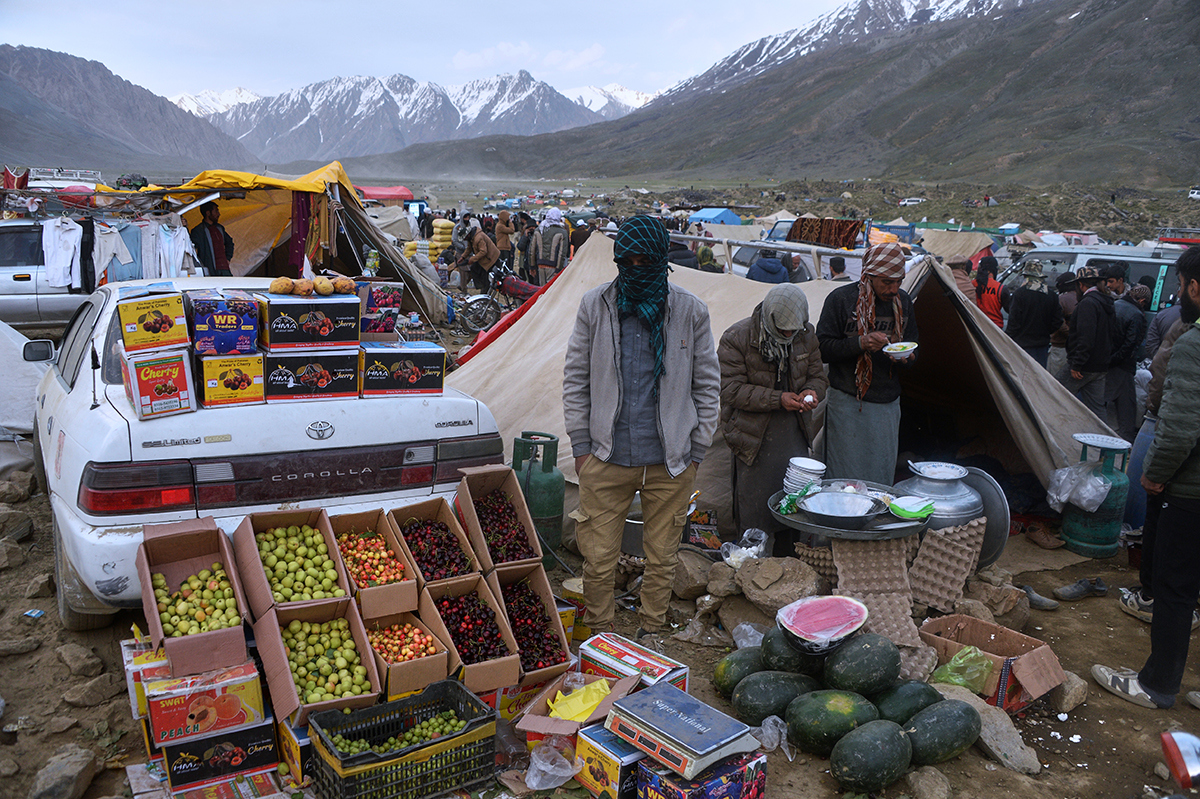
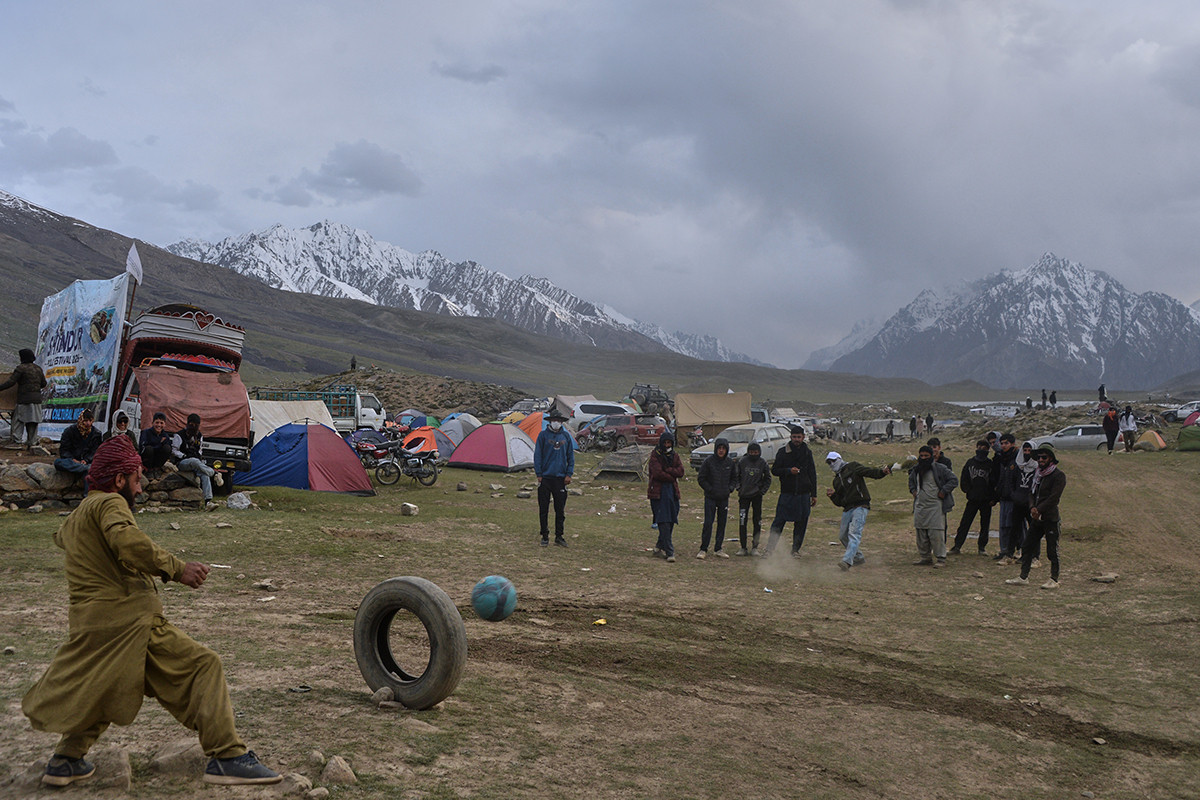
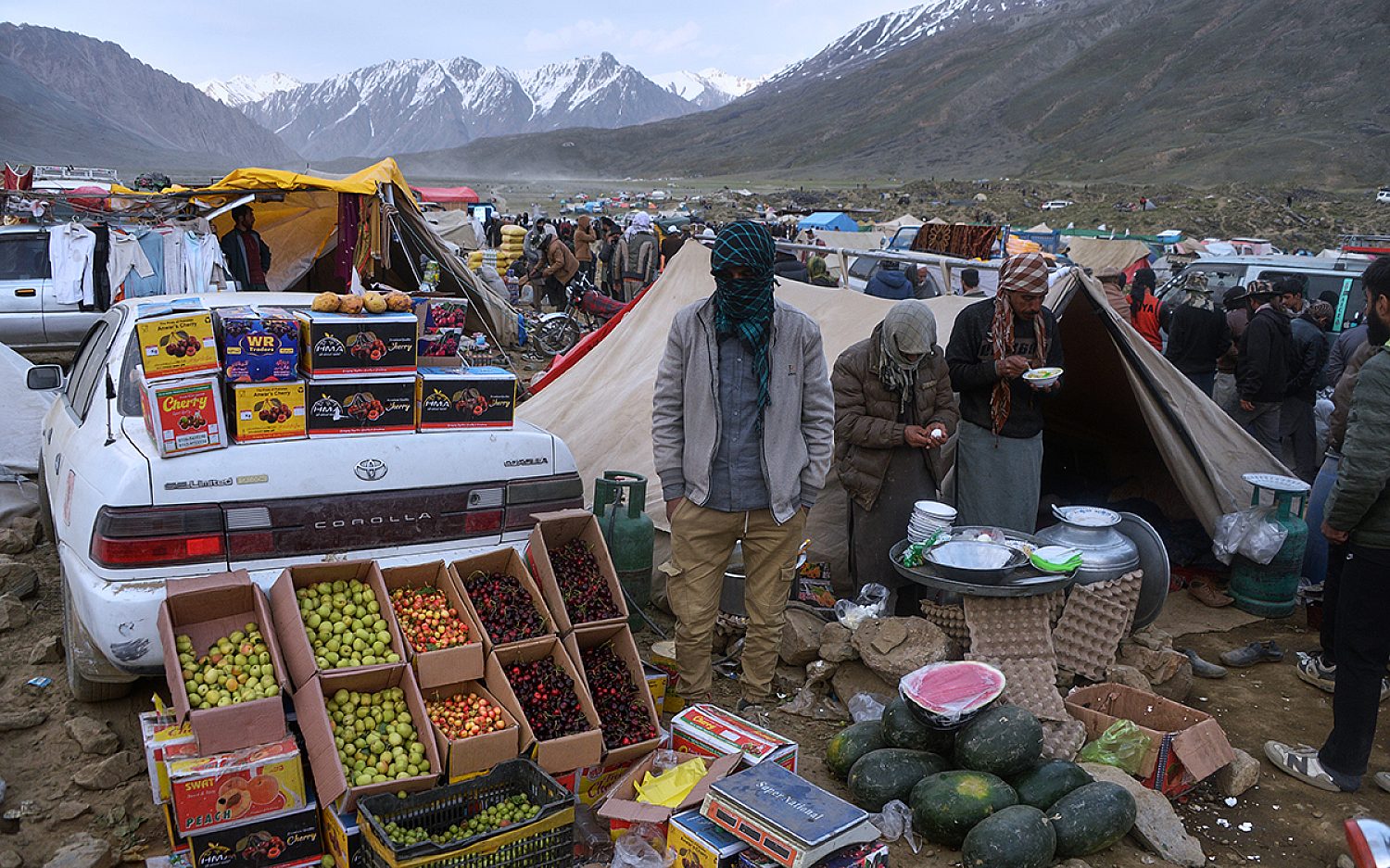
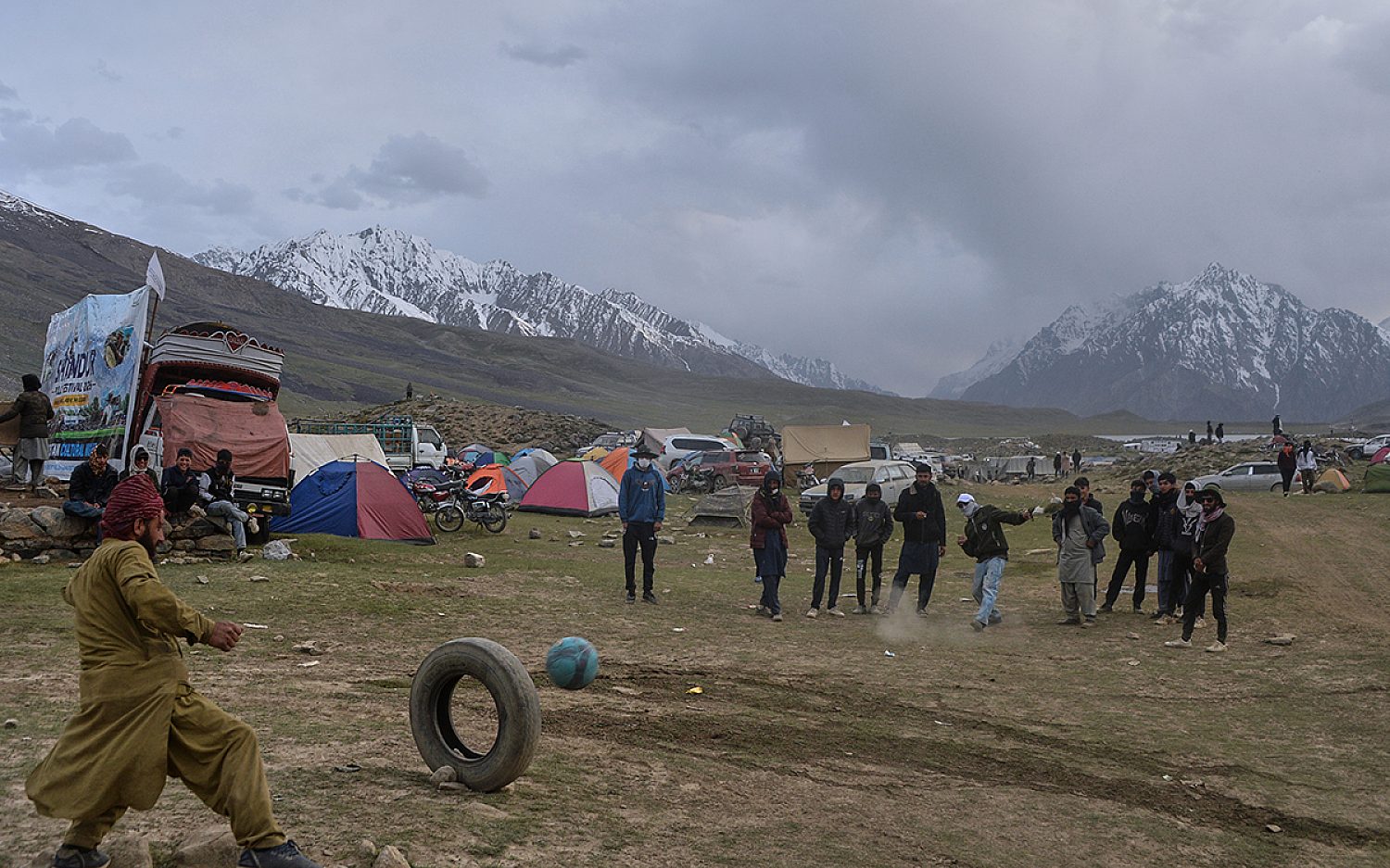
As the match begins in Shandur, families, tourists, and residents sit shoulder to shoulder in makeshift stands constructed beneath the rugged mountainside. Children wave flags. Elders wrapped in warm shawls watch. And groups of friends chant as the fast-paced game turns the remote plateau into a vibrant celebration of history and community.
The Gilgit-Baltistan and Chitral teams represent neighboring regions—and one of Pakistan’s longest-running sports rivalries. The two have faced off for generations. After more than a decade, Gilgit-Baltistan reclaimed the Shandur Polo Festival trophy in June. The 6-5 defeat over Chitral ended a thrilling championship match that lasted nearly an hour.
At Shandur, polo reflects a different spirit than the elite image often tied to the sport in Western cultures. The freestyle version played here is one of the oldest forms of polo still in existence. There are no referees or strict time limits. This creates a fast-paced, gritty tournament. It emphasizes skill, endurance, gumption, and tradition.
Pakistan’s military as well as regional governments support the three-day festival. High ranking officials attended the closing ceremony. Their presence emphasizes Pakistan’s commitment to preserving and showcasing the region’s cultural heritage. It also communicates the mountain nation’s desire to gain visibility around the world and to increase tourism inside its borders.
Why? Polo’s long history invites us to learn about other cultures rather than assume and to gain a greater appreciation for the way God weaves diversity into His world.