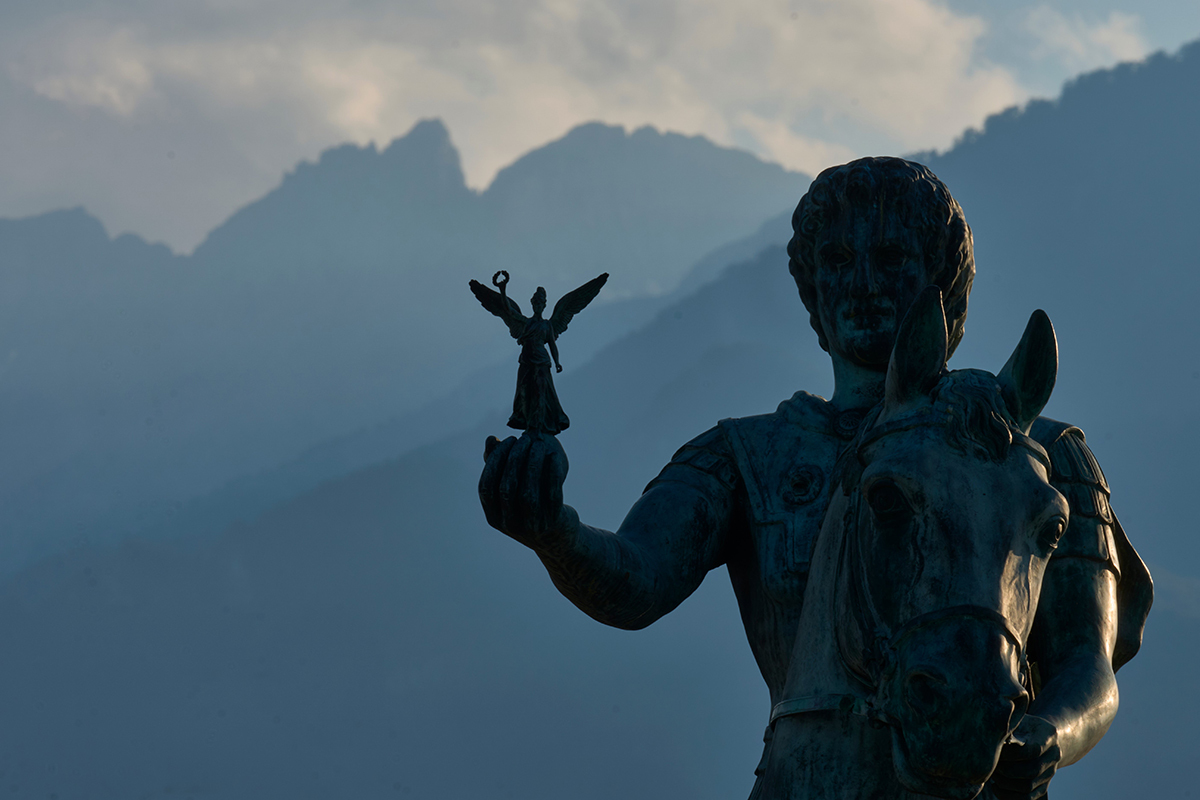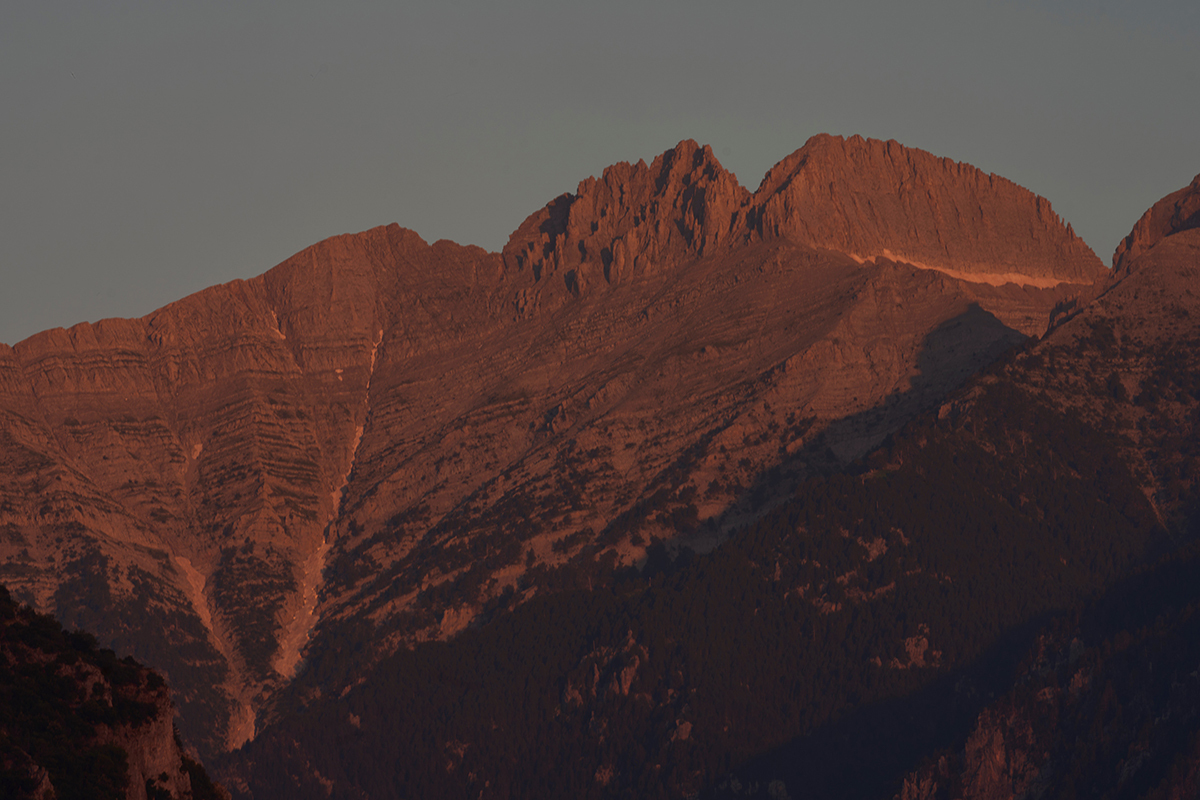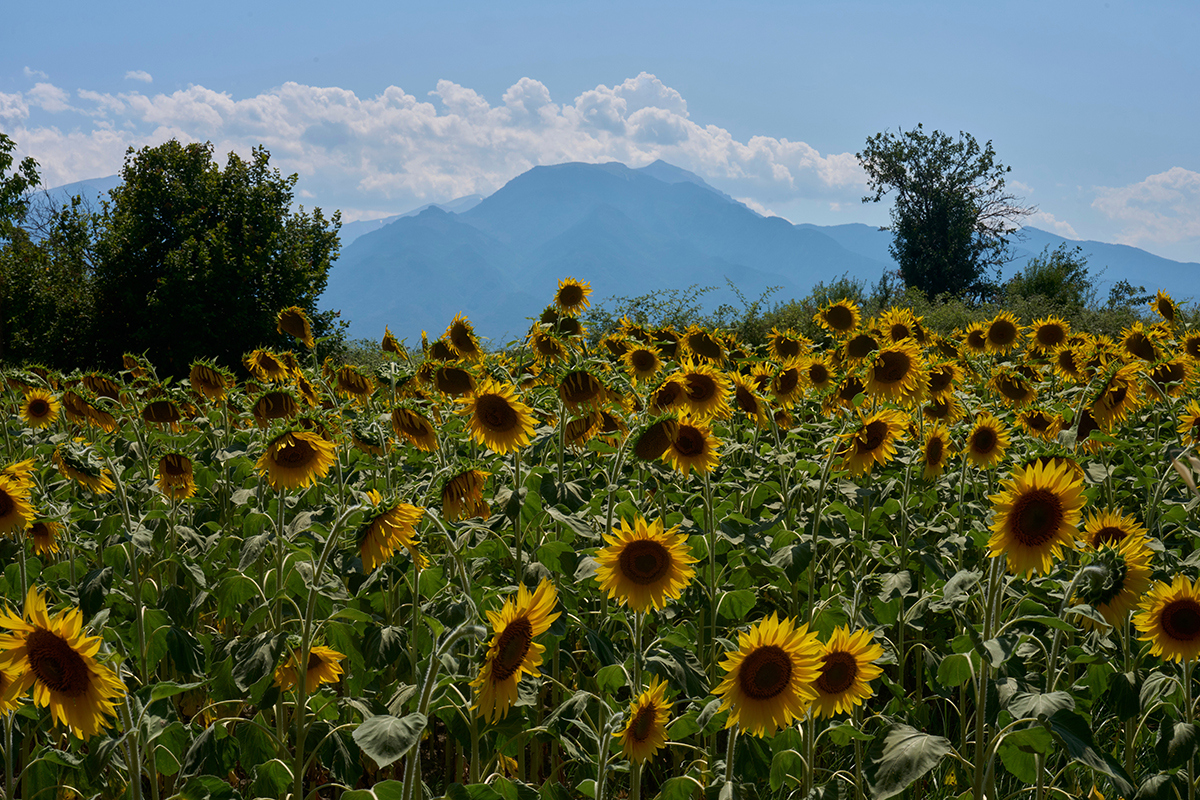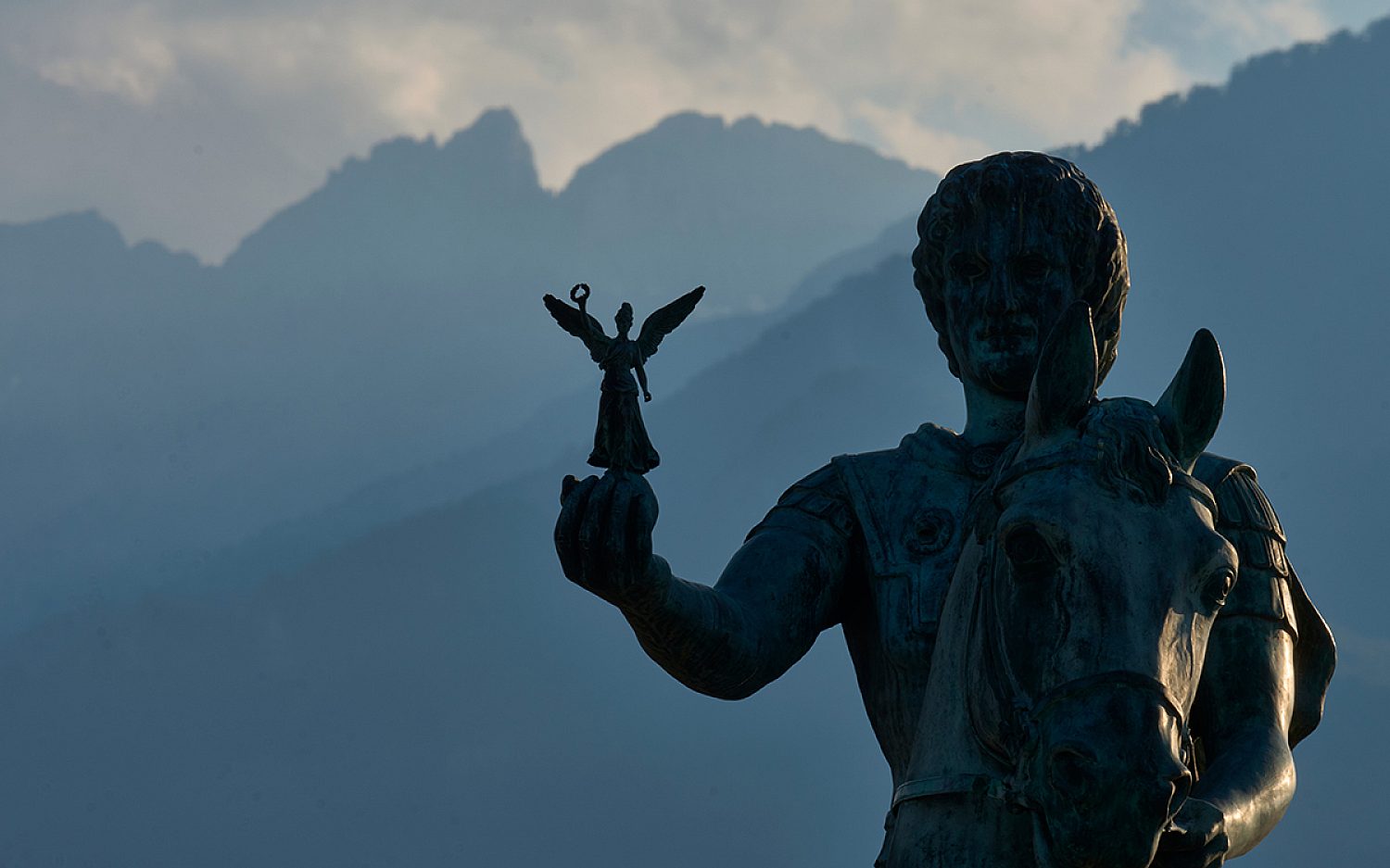
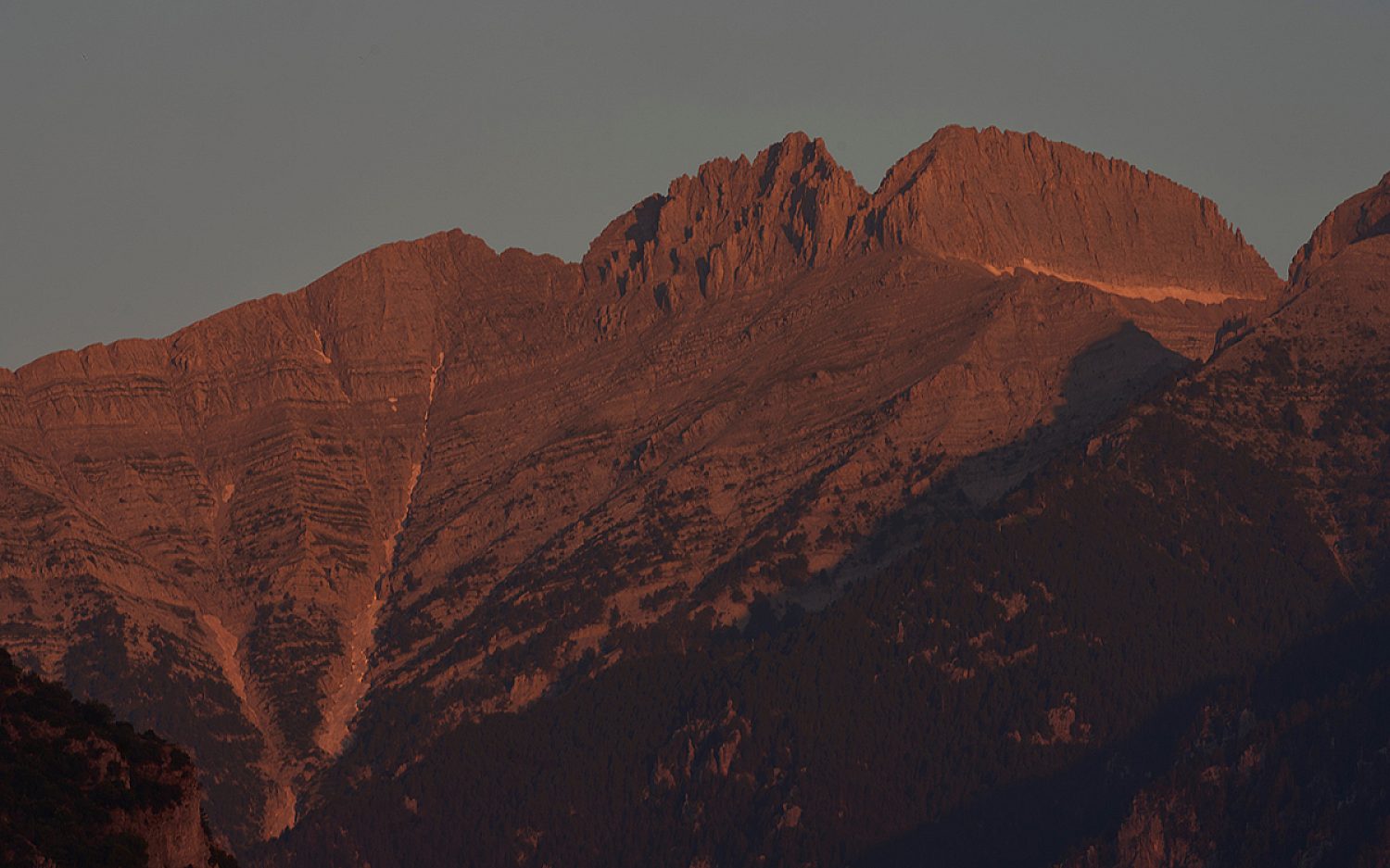
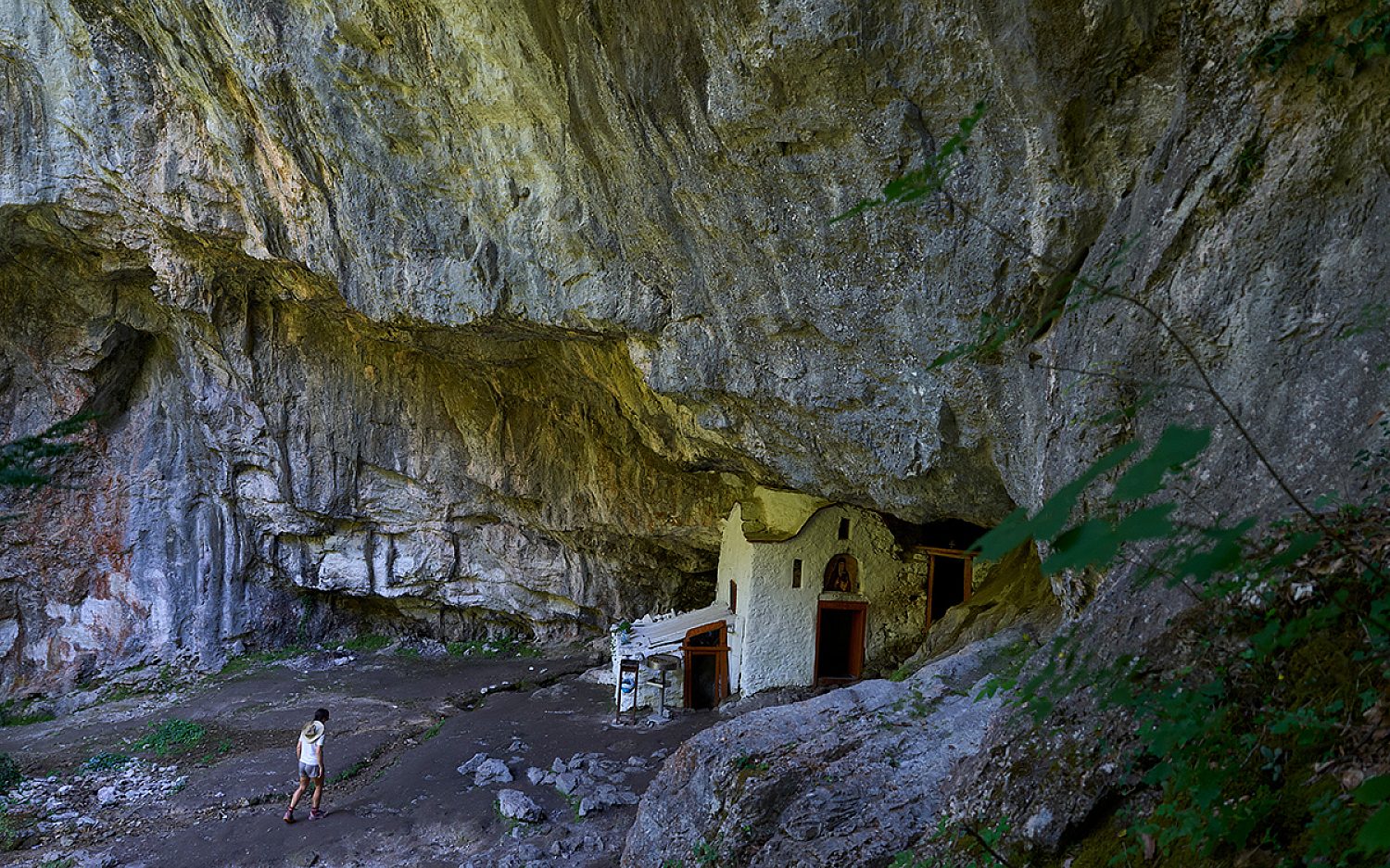
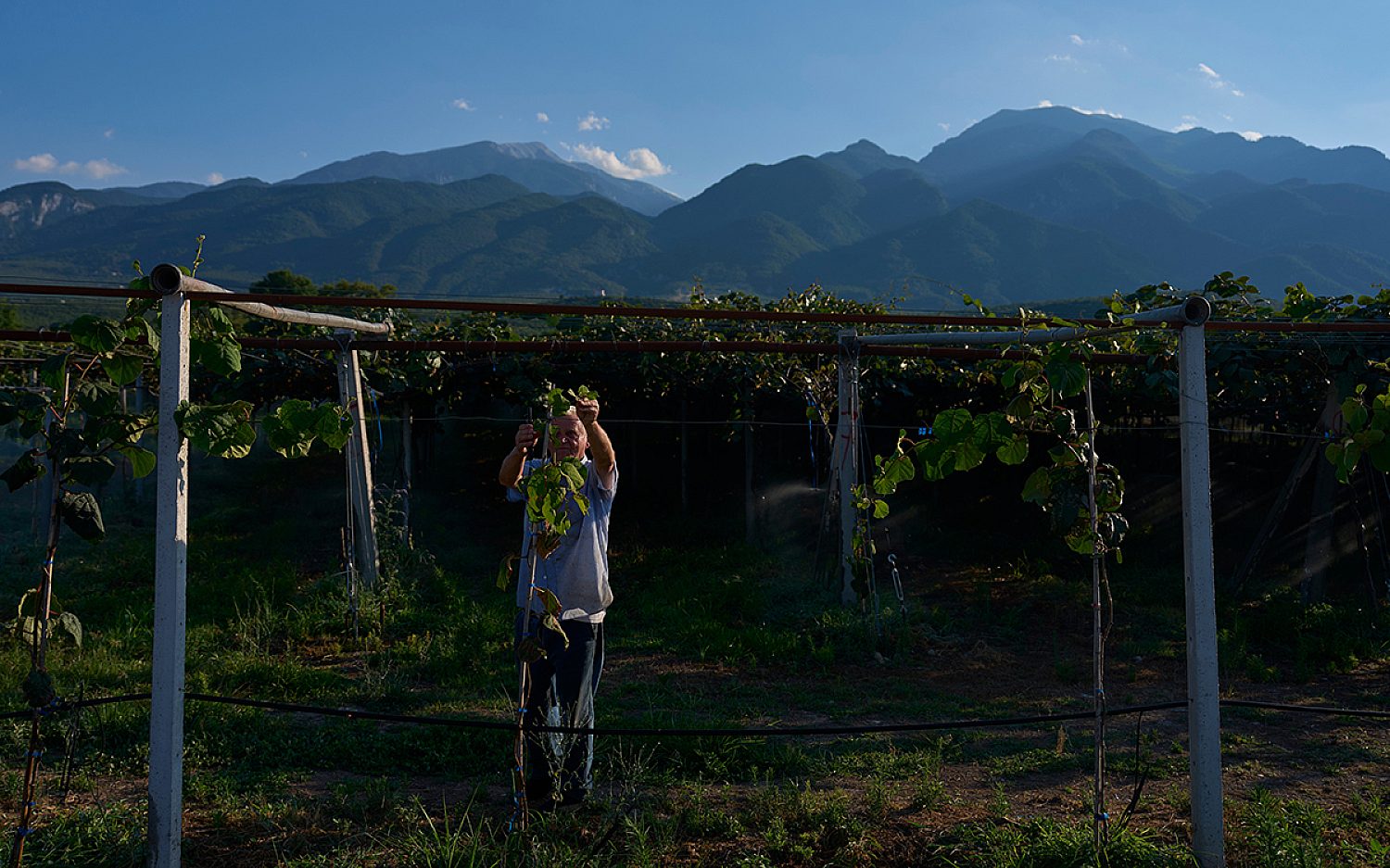
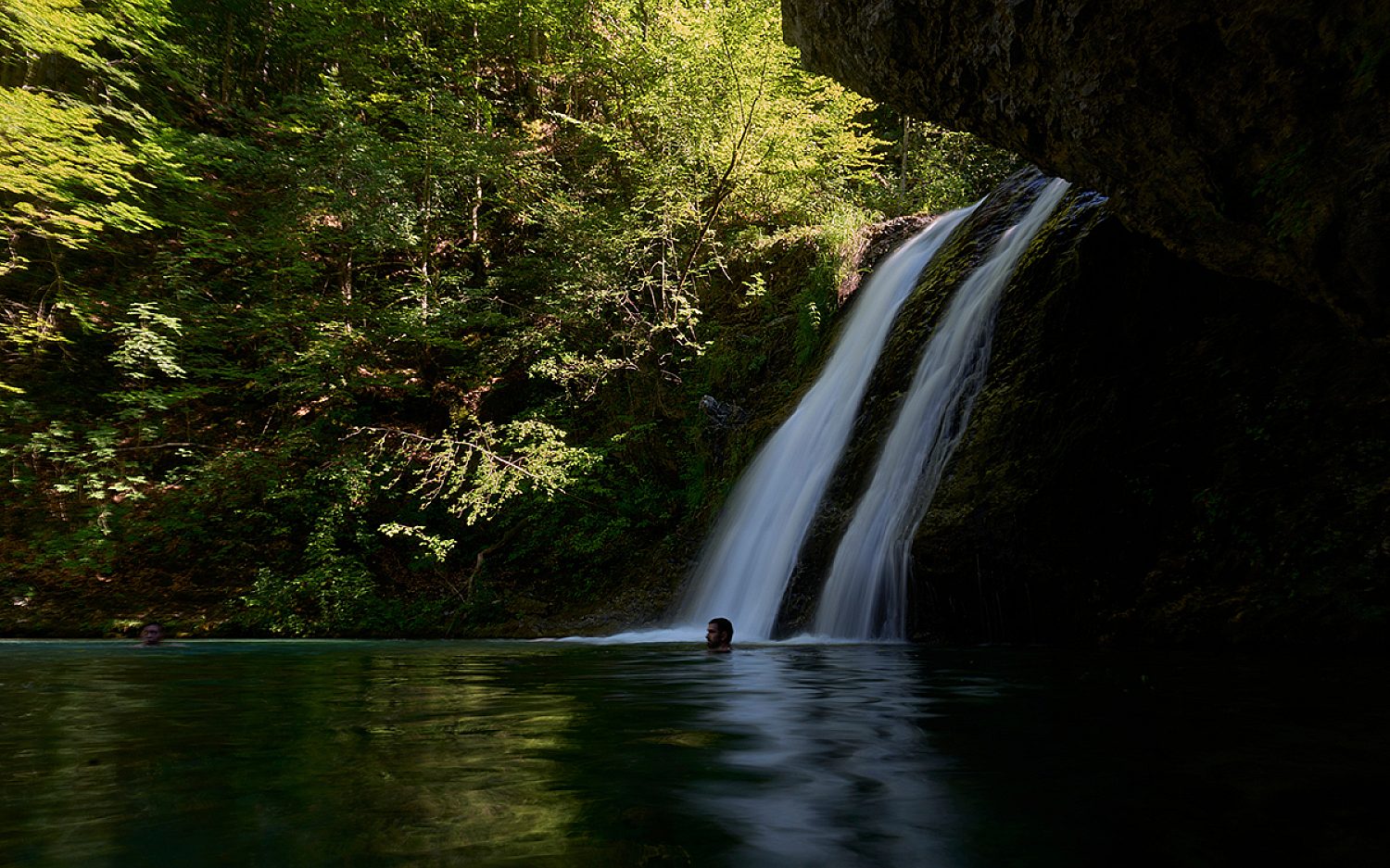
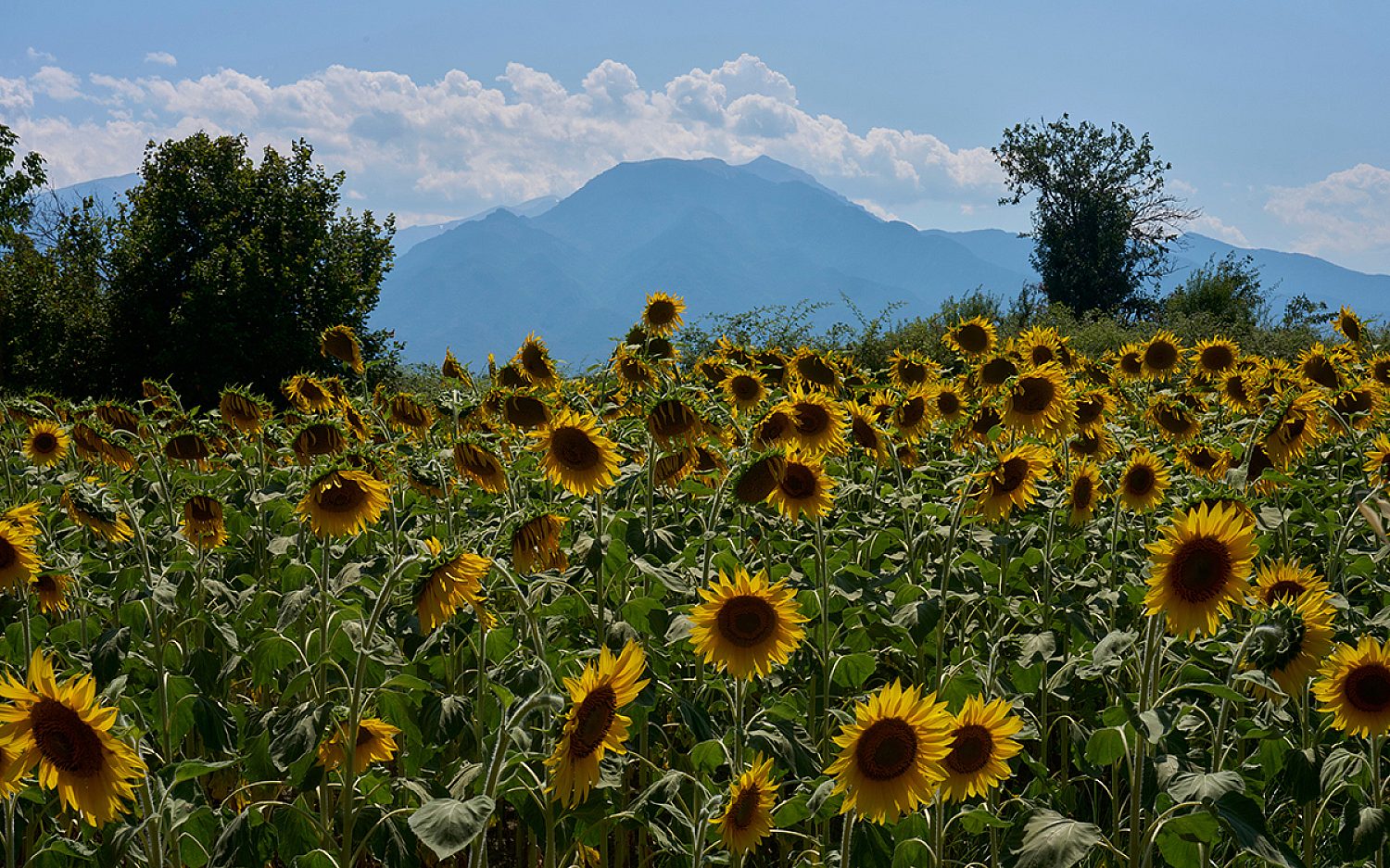

Mount Olympus has captured people’s attention for millennia. The ancient Greeks saw the craggy, often mist-shrouded peaks and conjured tales of the mountain as the home of 12 mythological gods. Modern-day Greeks just got their tallest mountain inducted onto UNESCO’s World Heritage List as a mixed cultural and natural site.
“It is the place we see every day, but at the same time, it is also a place which carries with it myth, history, biodiversity, extraordinary beauty, and a very great cultural weight,” says Evangelos Geroliolios. He’s mayor of Dion-Olympus, a municipality at the mountain’s base.
The mountain seems to prompt worship. The ancient Greeks believed the throne of Zeus, king of the gods, stood on or above the highest of its peaks.
On a lower peak, excavations revealed an open-air sanctuary. The oldest finds there date to the Hellenistic period, from 323 B.C. to 30 B.C.
Ancient Greeks responded to the grandeur of Mount Olympus by placing their mythological gods atop it. They were right that it is connected to a deity. But they gave their worship to false gods rather than the real Creator. This might remind you of Acts 17. Paul preaches to Greeks in Athens, noting that they are very religious, and reveals the true God.
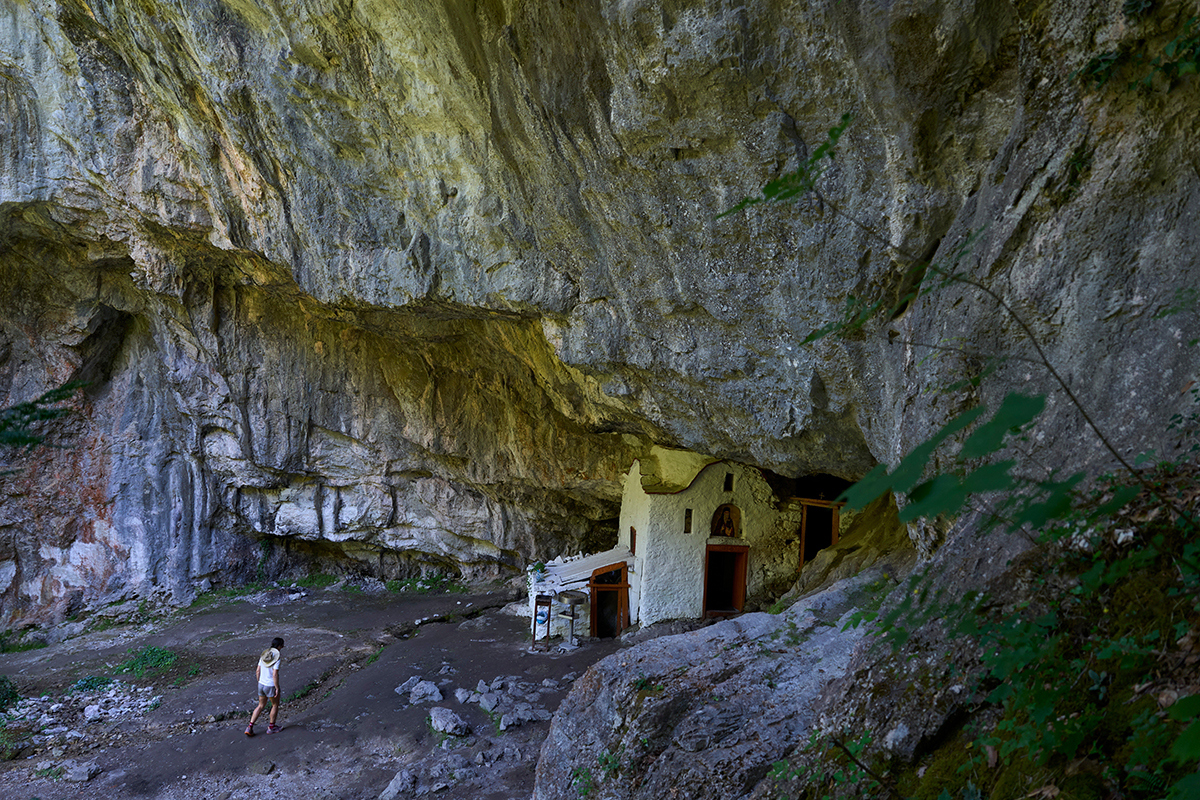
Greek Christians also worshiped at the mountain. Α chapel at 9,196 feet is believed to be the highest altitude chapel in the Christian Orthodox world. The Enipeas Gorge holds the remains of a monastery founded in 1542. Also nearby is the Holy Cave of St. Dionysios. The cave cradles a small chapel.
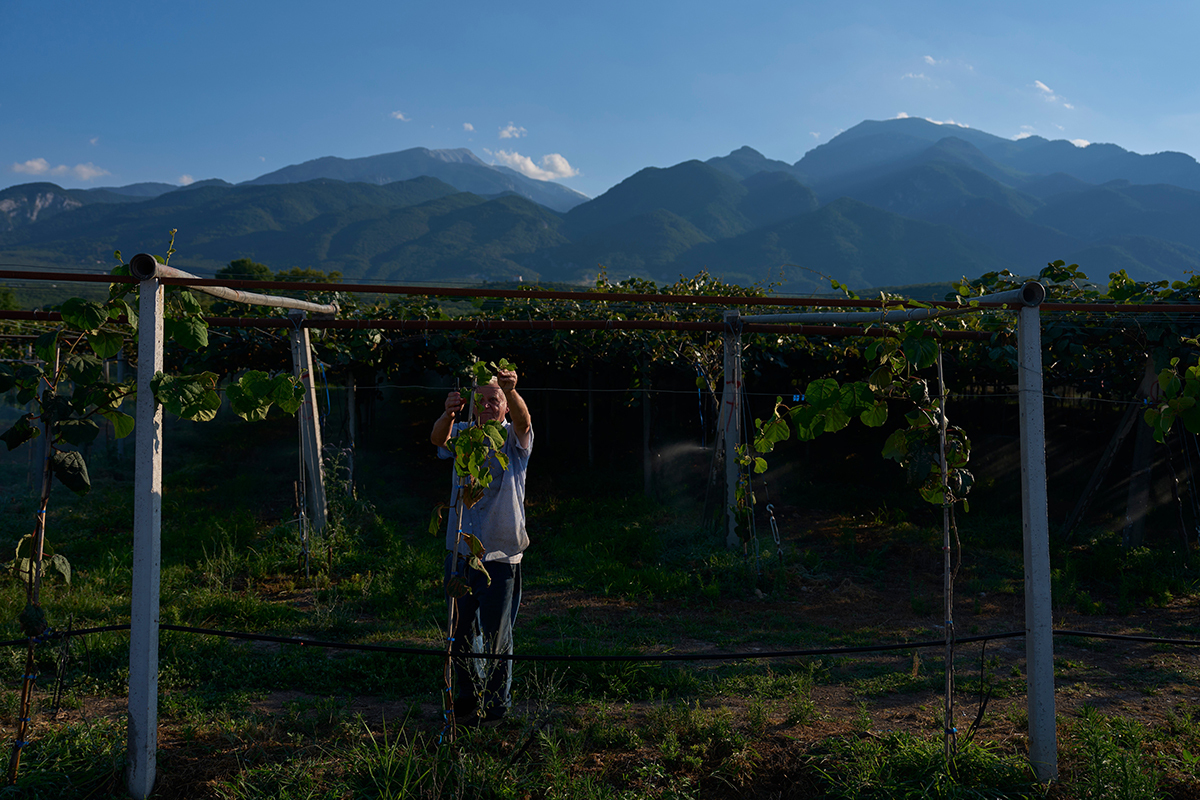
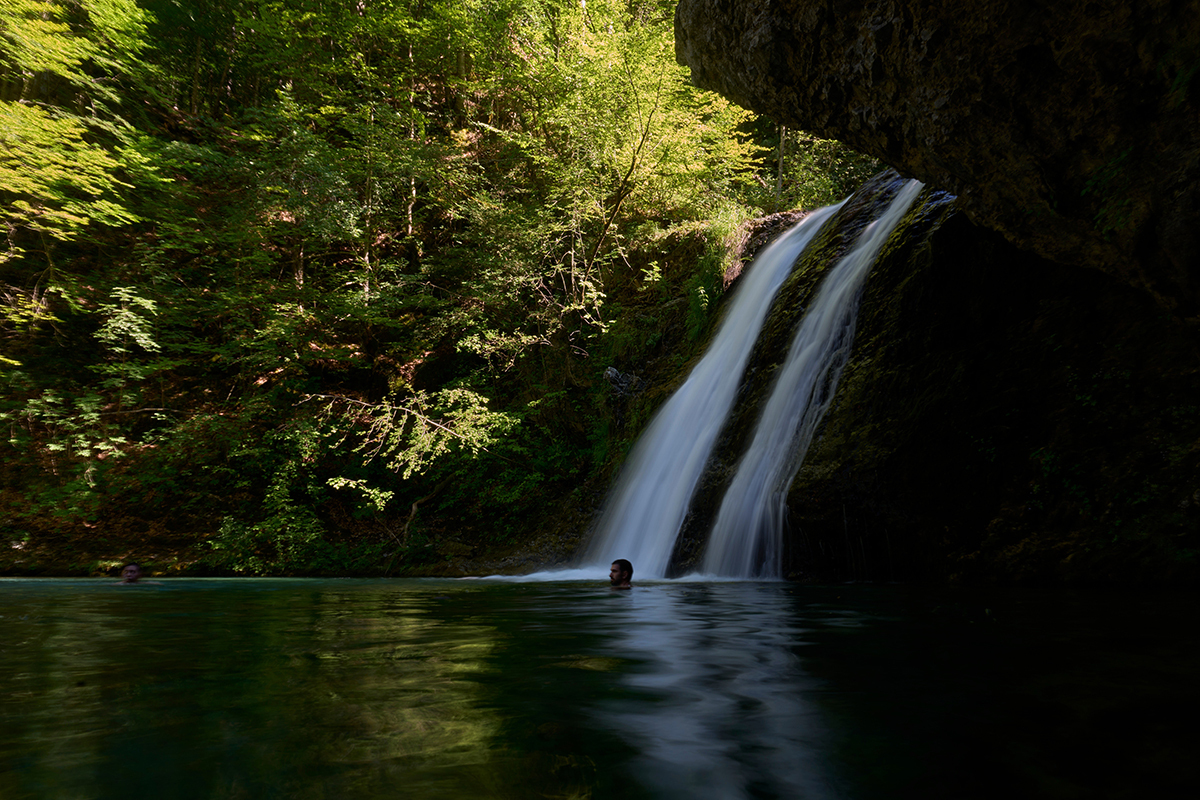
The mountain rises to 9,573 feet from a base nearly at sea level. Its slopes host diverse flora and fauna. Hikers and mountaineers visit from across the world. The blend of culture, myth, natural beauty, and biodiversity prompted locals to nominate their mountain as a World Heritage site.
Greece began the process in 2014, inscribing the mountain on its Tentative List. Countries add to this list the sites they will formally nominate to the World Heritage List over the next five to 10 years.
Of Olympus, Geroliolios says, “It is a place that many people from all over the world visit to see, to live, to experience. We want to protect it.”
Several other sites also made it onto the list in July. They include the ancient Japanese capitals of Asuka and Fujiwara and South Sudan’s Boma-Badingilo Migratory Landscape. A site in France includes five Normandy beaches where more than 150,000 Allied troops landed on D-Day, a turning point in World War II.
Why? God’s creation often prompts people to look for the divine. But His word and His Spirit reveal Him with specificity.
Recommended Reading: For more about Greek legends, read Mythology by Edith Hamilton.