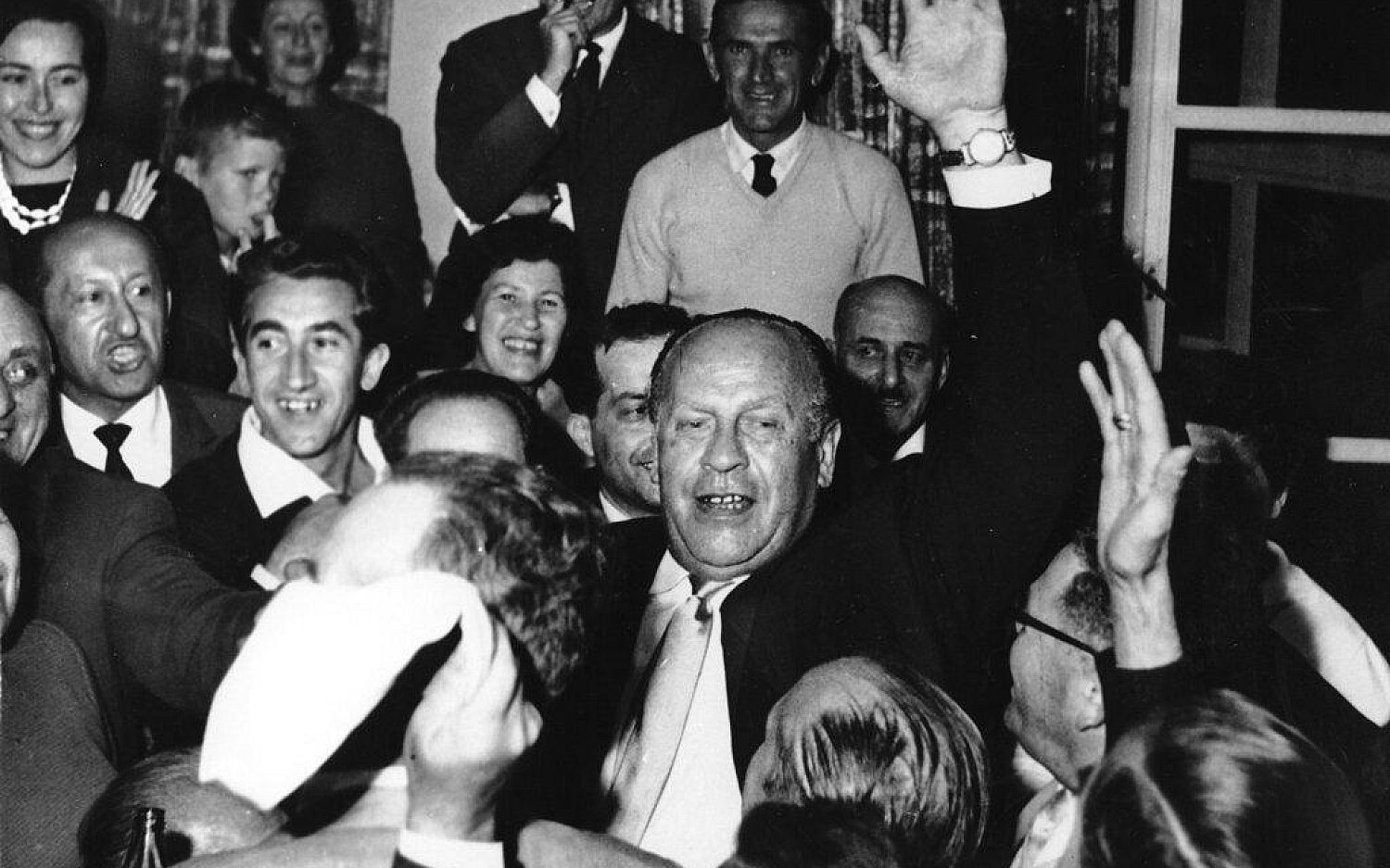

Of the awards Oskar Schindler received during his lifetime, the most meaningful may have been a ring. Gold for the band came from Jewish World War II prisoners’ teeth. Now the factory where Schindler helped rescue many is finding new life.
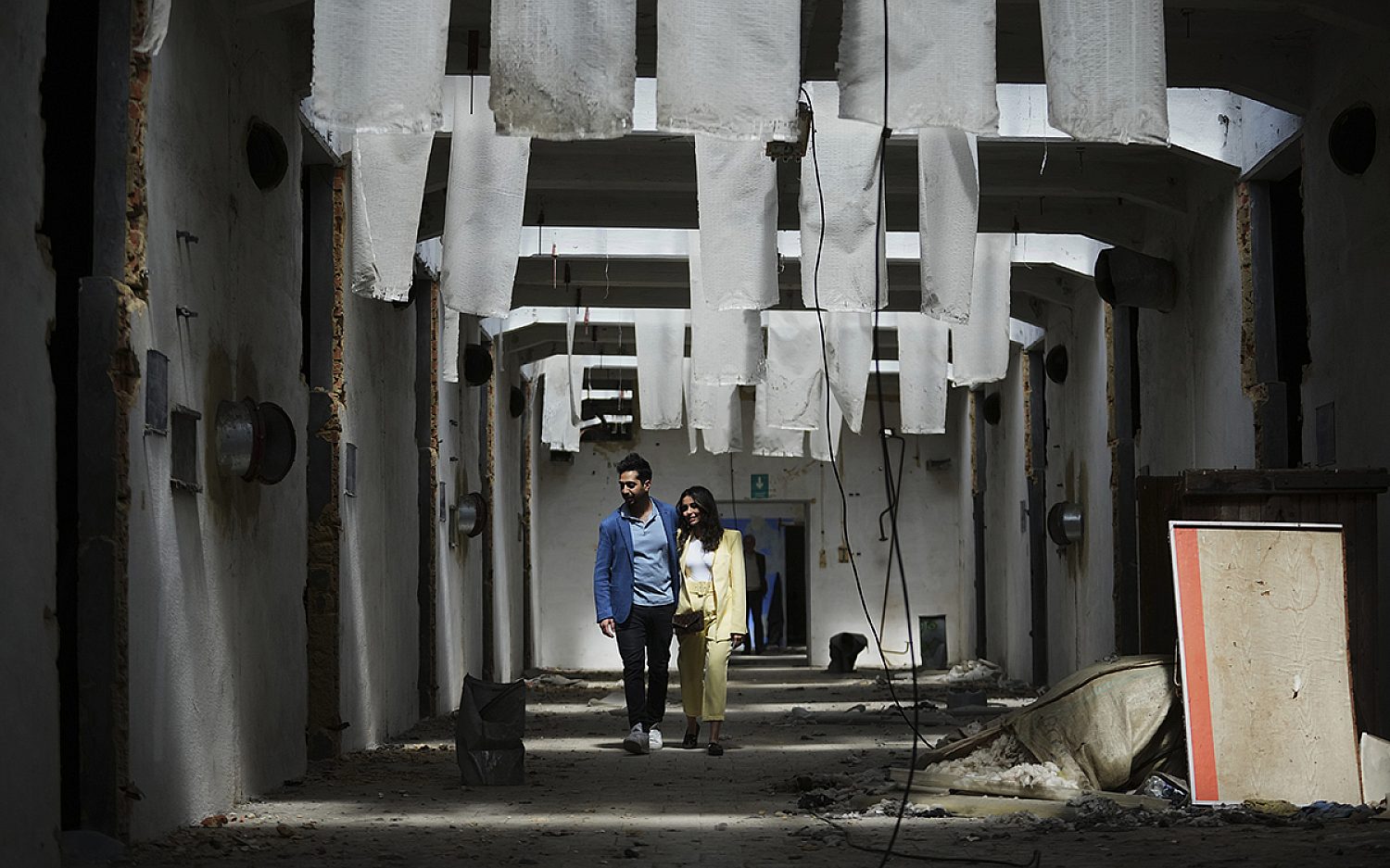
The Löw-Beer wool factory opened in 1854 in Brněnec in the former Czechoslovakia. Nazis seized the building from the Löw-Beers, who were Jewish, in 1938.
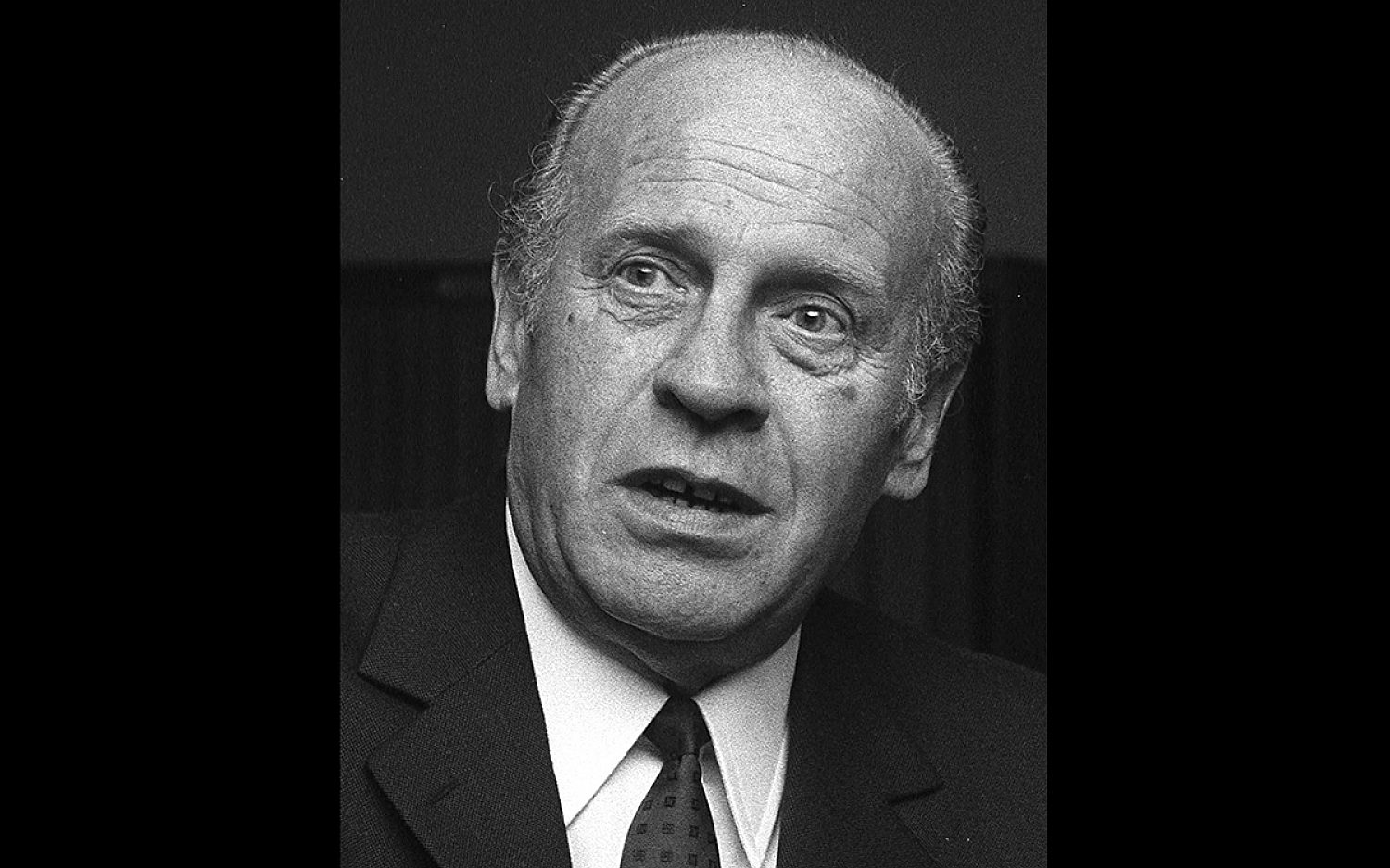
An unlikely hero, Schindler was a member of the Nazi party. He was among those who claimed the Löw-Beers factory. It fell under his operation. After war broke out in 1939, he moved to Poland. He shrewdly took over an enamel and ammunition plant from its oppressed Jewish owner there but treated his Jewish workers well.
Eventually, Schindler grew to despise Nazi cruelty toward Jews. He used his Brněnec plant’s status as a vital war business to push for retaining Jewish workers. He claimed he simply couldn’t fill Nazi war orders without Jewish laborers. Jewish children, housewives, even handicapped persons became Schindler’s “essential” workers.
In 1944, near the end of the war, the Nazis were emptying concentration camps before the Allied forces arrived. Inmates of one camp near Schindler’s Polish factory were headed for destruction.
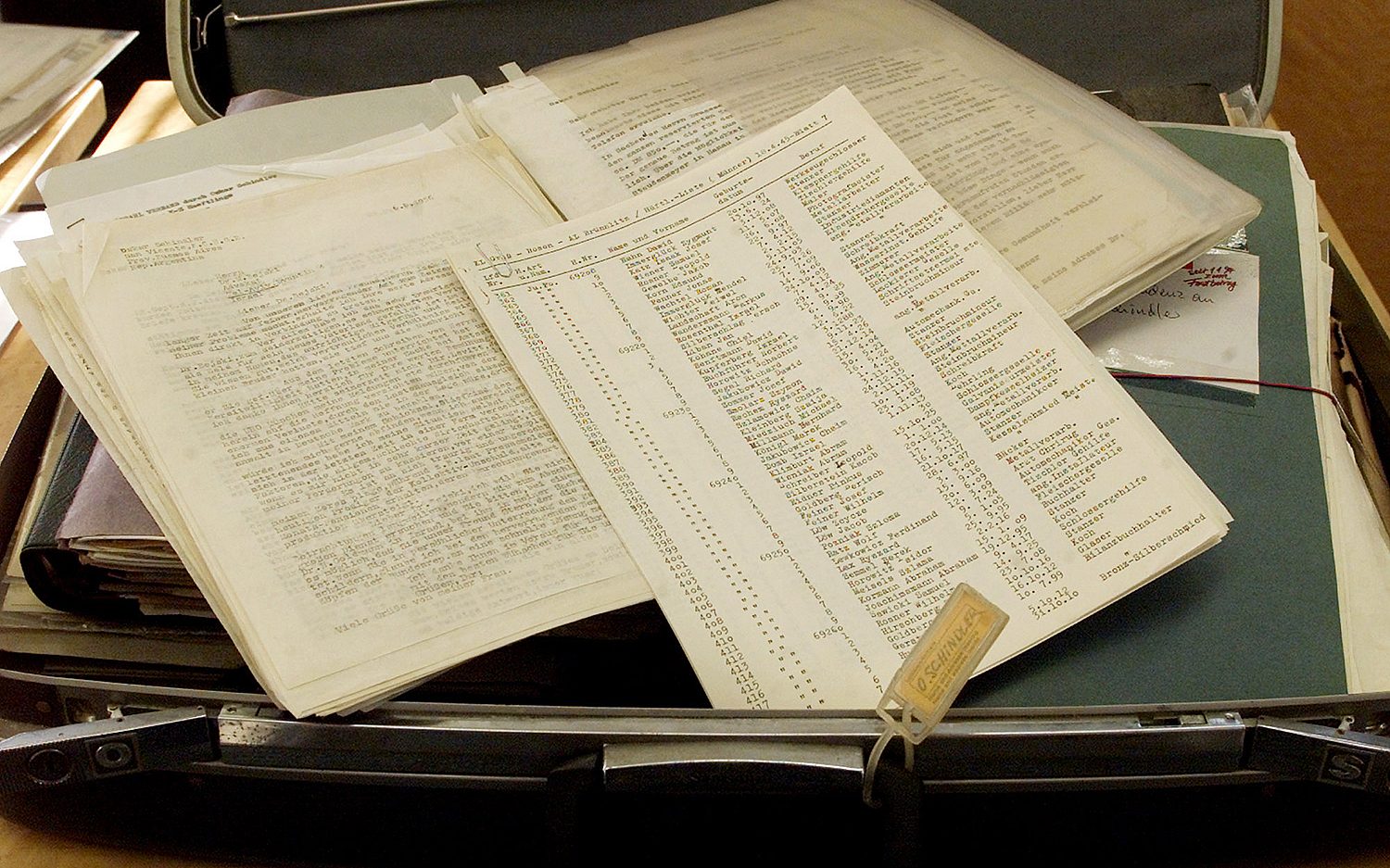
Schindler transferred many Jewish workers to the Brněnec plant. One building there would become their haven, their “ark.” Schindler helped protect hundreds of Jewish persons from certain death.
Once, Schindler arranged 300 Jews’ release from the Auschwitz death camp. He authorized an assistant to pay guards for their release with his own money.
Yad Vashem World Holocaust Remembrance Center calls that the only known case “that such a large group of people were allowed to leave alive while the gas chambers were still in operation.”
Schindler’s wife, Emilie, led another effort to save more than 100 starving, dehydrated, and emaciated Jewish prisoners from train cars. The Schindlers gradually nourished the rescued back to health.
In 1993, Yad Vashem recognized the Schindlers as Righteous Among the Nations, the honor awarded to those who rescued Jews from the Holocaust.
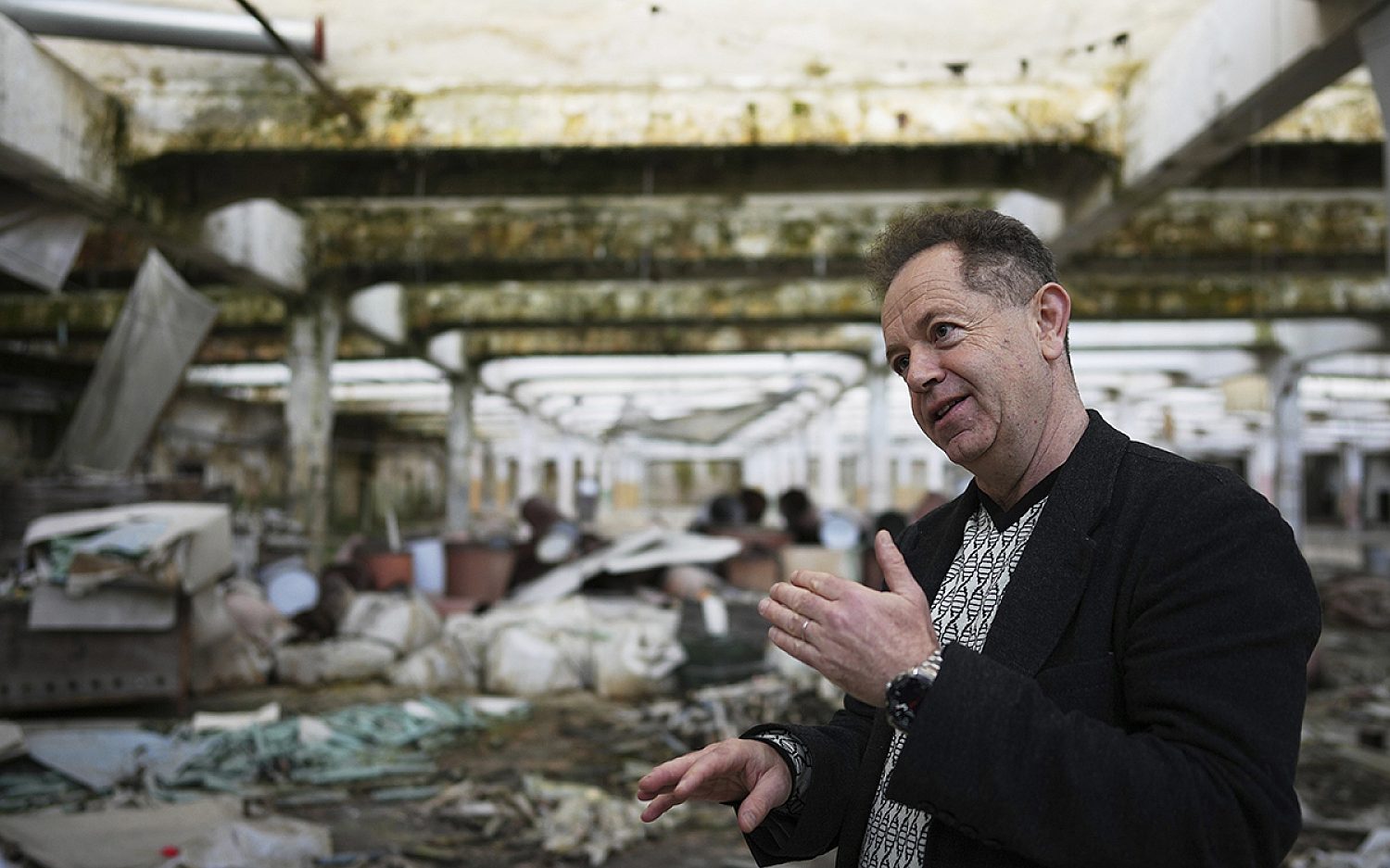
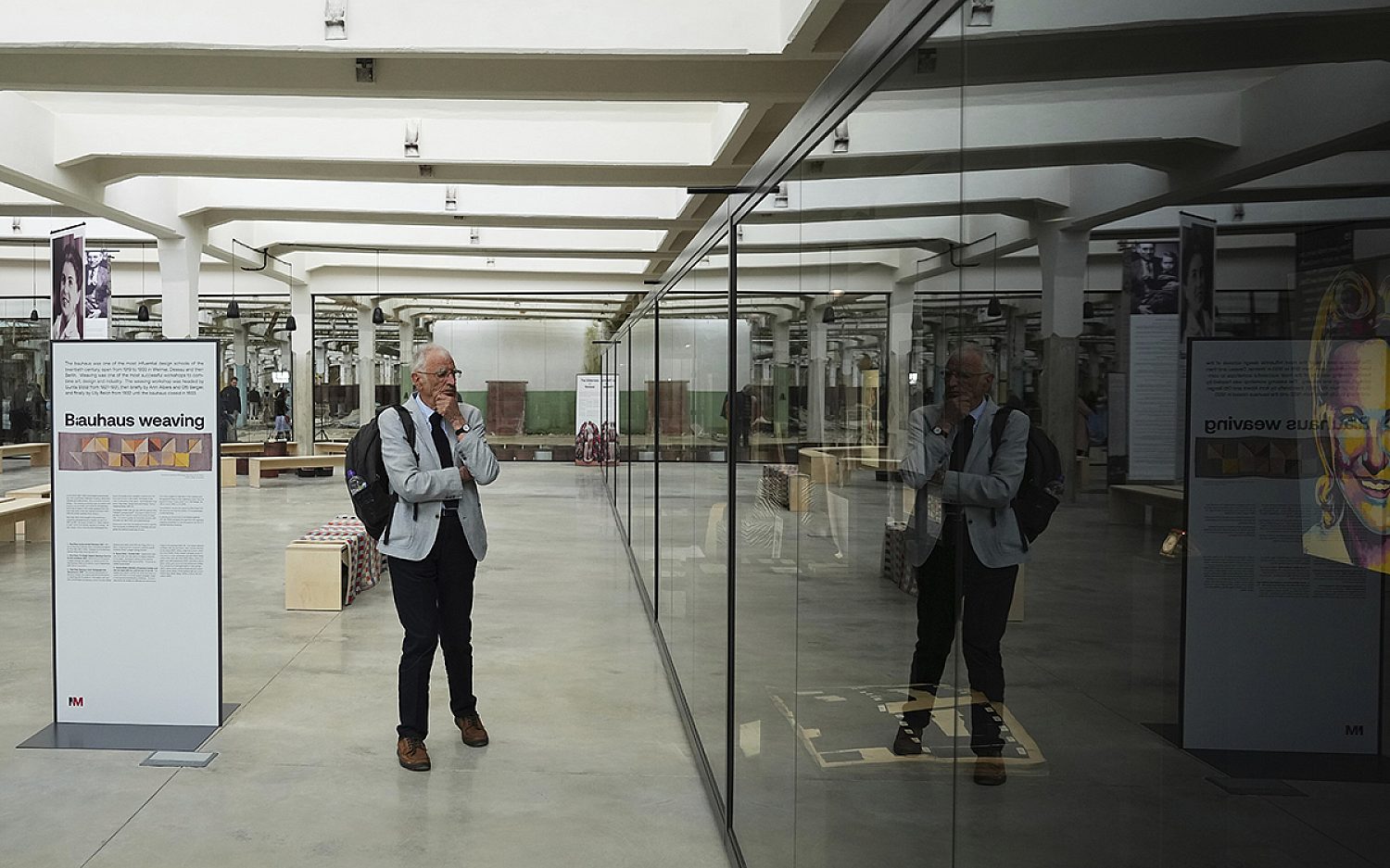
Daniel Löw-Beer’s grandfather was the last Jewish owner of Brněnec mill. In 2019, Löw-Beer set up a foundation to purchase the warehouse. The Arks Foundation helped create a Museum of Survivors from Schindler’s “ark.”
“Putting a little bit of history back to a place and hopefully bringing out as well the history of Oskar Schindler and the village is what we’re doing,” he says.
Not everyone admires Schindler. A 2014 article by Barbara Medici said some Brněnec residents didn’t appreciate the “idealized” Schindler many people know.
The Arks museum website recognizes Schindler’s faults. It says the Brněnec factory was “stolen by the Nazis and by Oskar Schindler.” It calls the site “a unique concentration camp where 1,200 Jews on Schindler’s List were saved.”
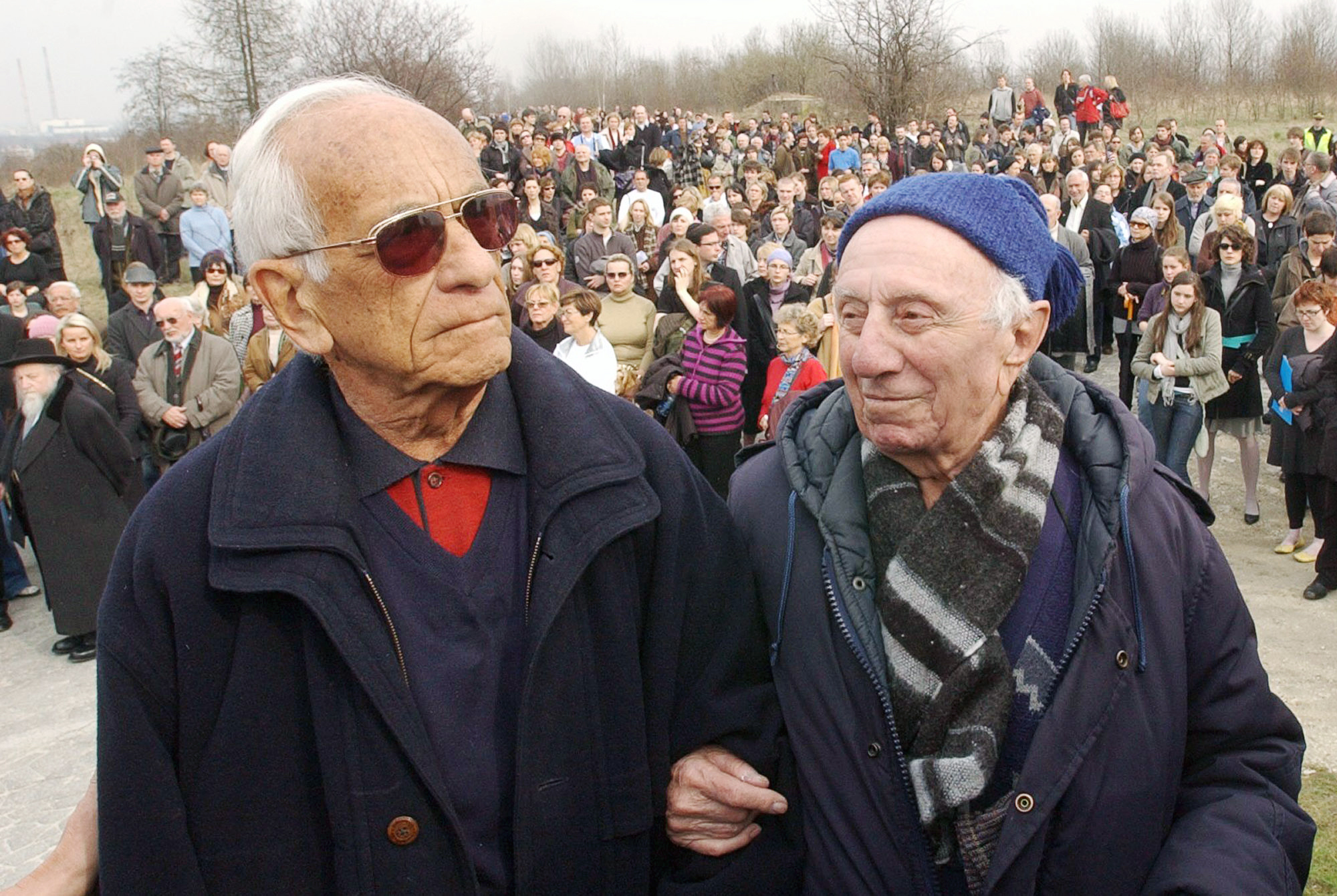
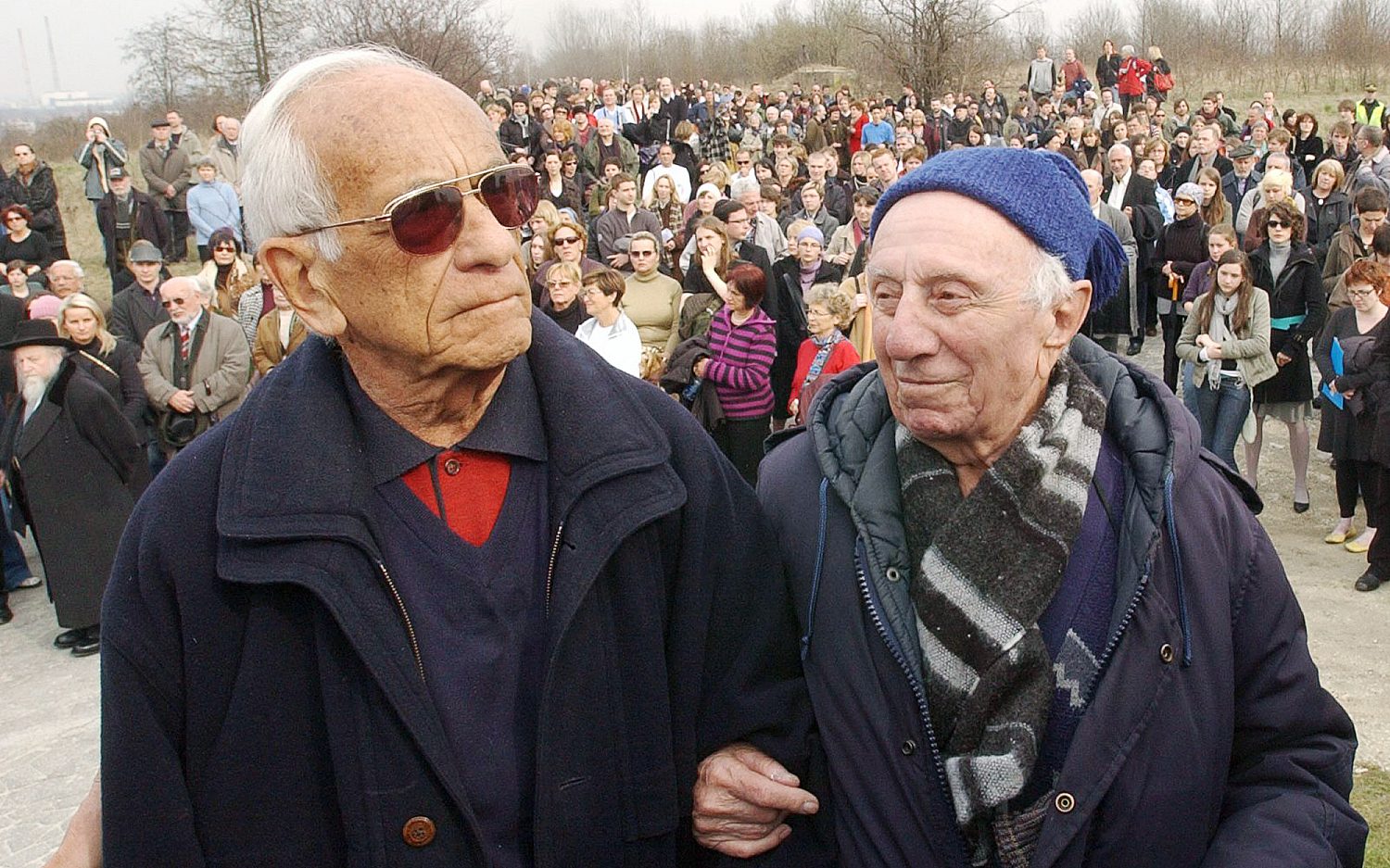
Thirteen-year-old Rena Finder was the youngest on that list. Finder survived the Holocaust due to Schindler’s cunning efforts to convince the Nazis that he needed Jewish labor of all ages for the war effort. Finder died in 2023 at age 94. She called Schindler “proof that one person can make a difference.”
Why? Oskar Schindler stole from others to profit himself. But his God-given conscience drew the line at the cruelty he saw Nazis commit against other humans. “Whoever knows the right thing to do and fails to do it, for him it is sin.” (James 4:17)
Recommended Reading: For more about Oskar Schindler, read My Survival: A Girl on Schindler's List by Rena Finder.