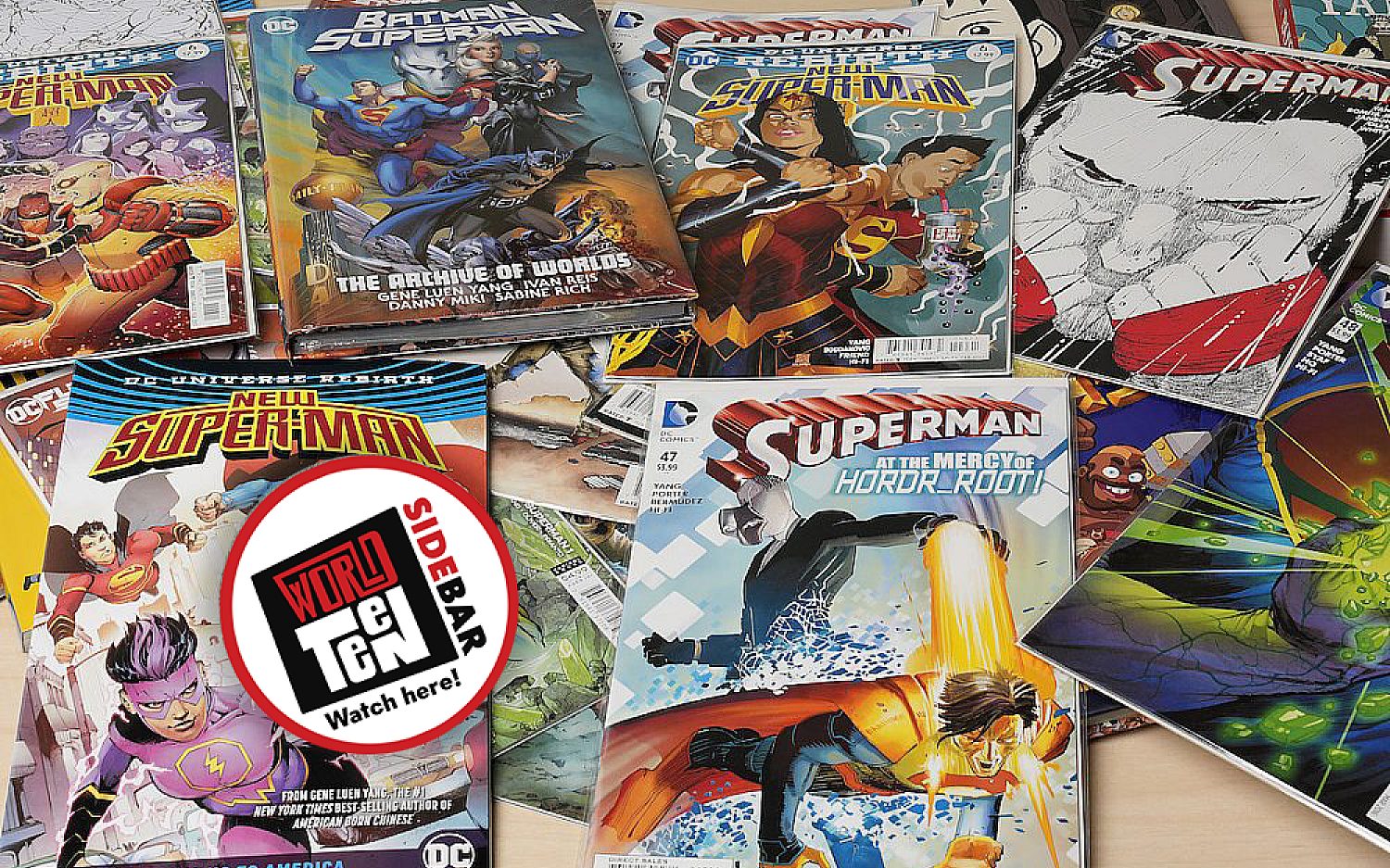
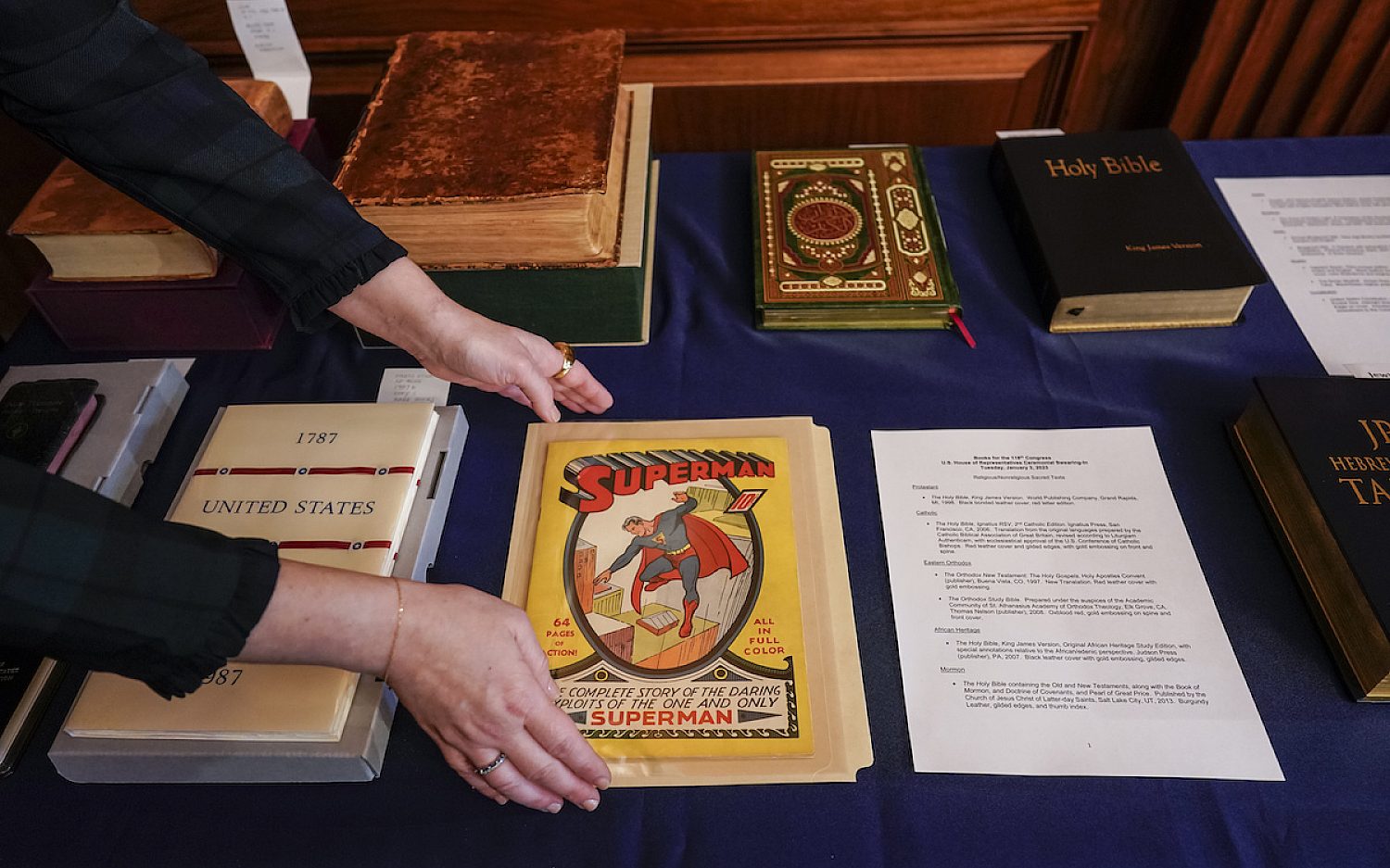


A bird? A plane? Nope—it’s an 87-year-old cultural icon. Superman flies back into theaters this summer, and fans have the Man of Steel on their minds. But what makes Superman such a lasting character? Some say the answer goes beyond the comic page or movie screen.
You might know the basics. Desperate parents place their baby boy in a spaceship to save him from the dying planet Krypton. The kid crash-lands in a Kansas cornfield. A Methodist farming couple—the Kents—name him Clark and raise him as their son. As a man, he combines his alien powers and small-town-American morals to become Superman.
But do you know the story behind the story? Writer Jerry Siegel and artist Joe Shuster invented Superman in the 1930s. They took inspiration from mythic heroes like Hercules. Both Jewish, they also drew inspiration from Old Testament figures like Samson.
Jewish influence infuses the Superman story. Many fans note how baby Superman’s escape from Krypton looks much like baby Moses’ escape via floating basket. The hero’s unbending morals could flow straight from the Ten Commandments.
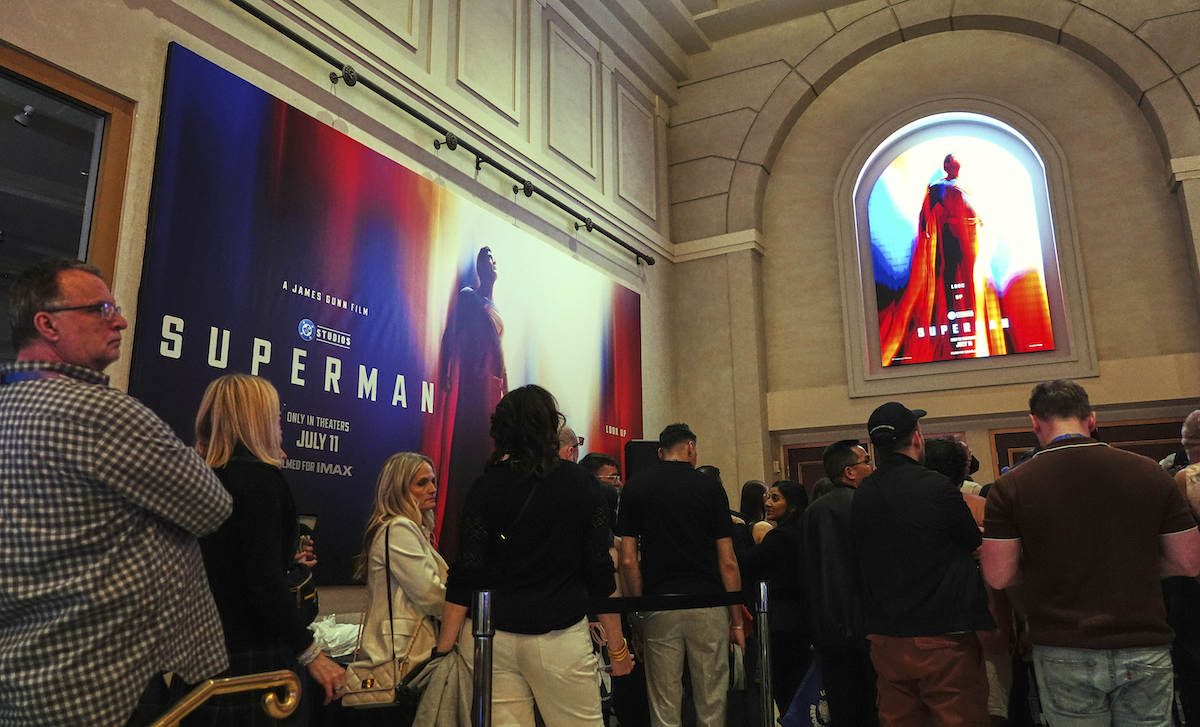
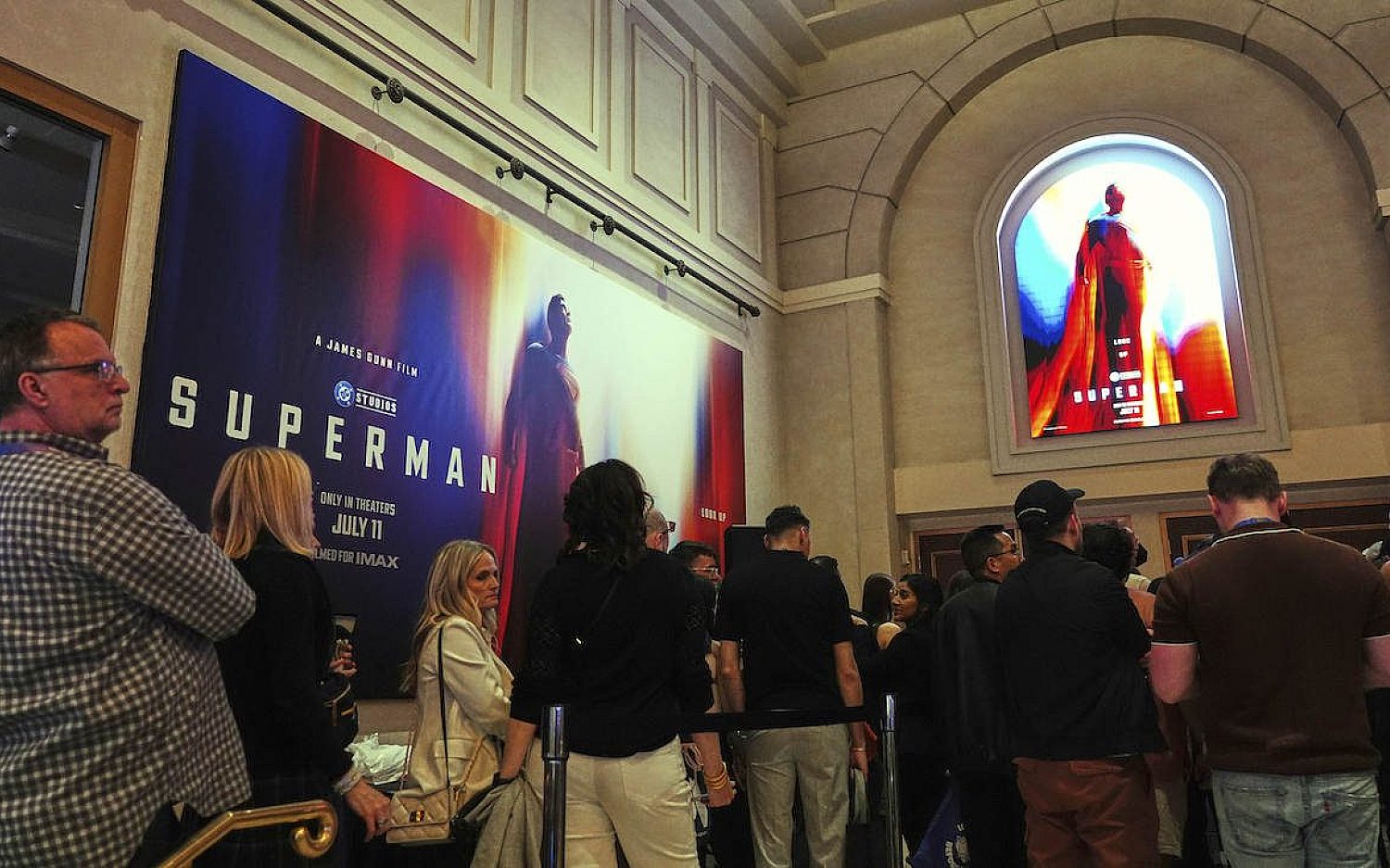
Superman “believes that the sanctity of life is of the utmost importance,” says James Gunn, director of this year’s new Superman flick.
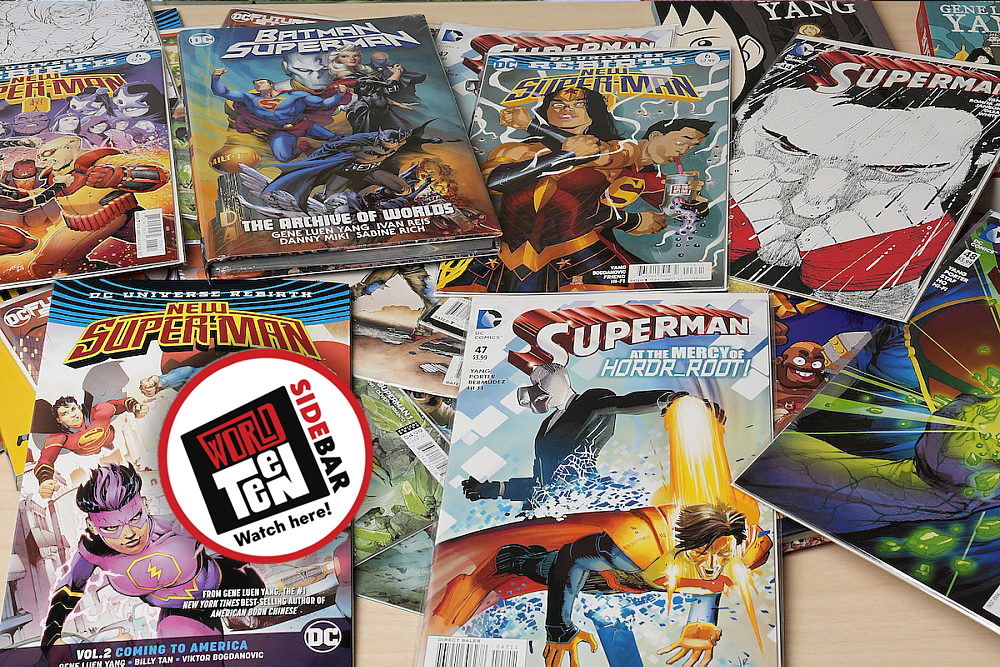
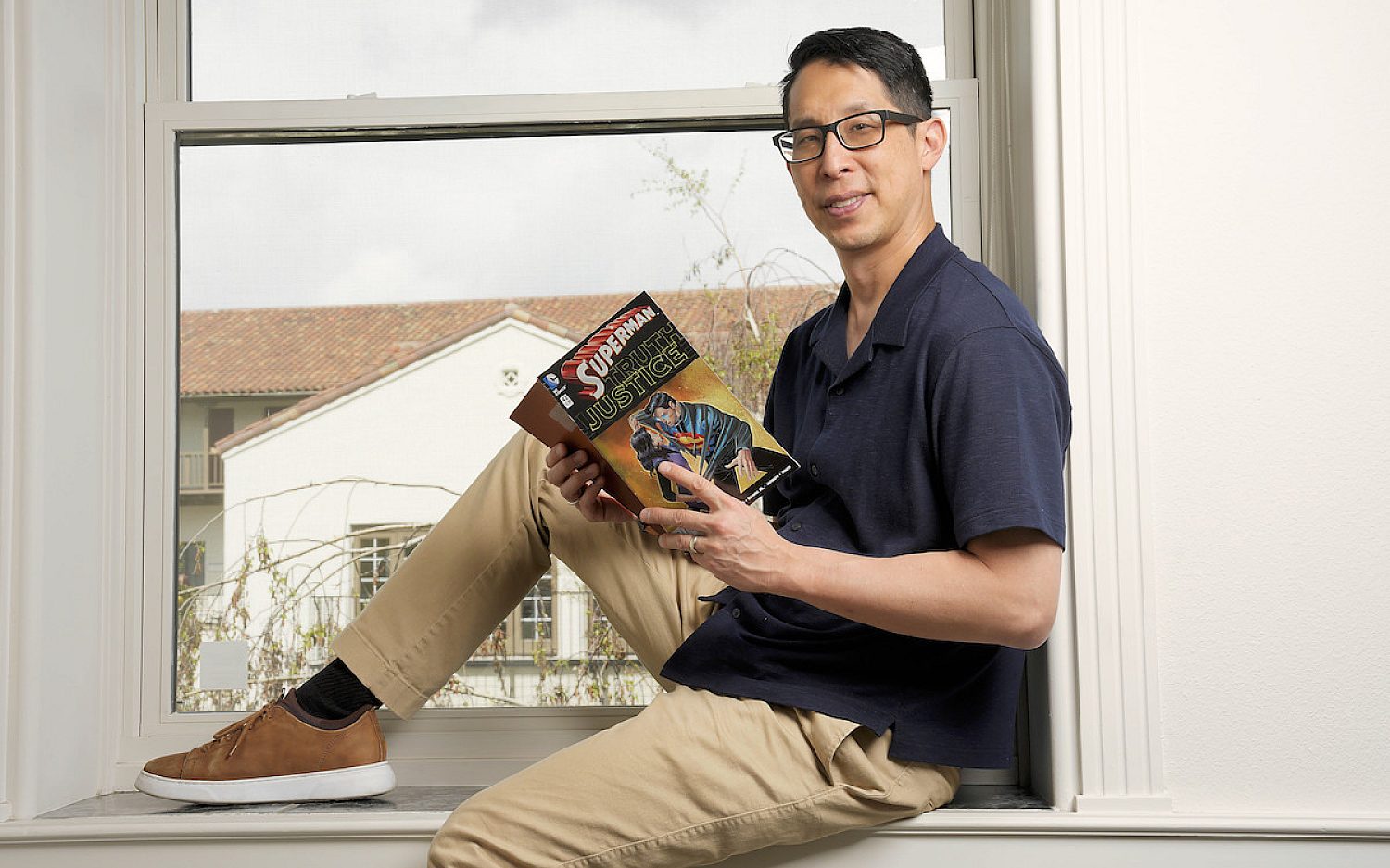
Writer Gene Luen Yang has written several Superman comics. As a Chinese American and a Catholic, he finds deeper meaning in the fantasy feats.
“Superman has two names—Kal-El, his Kryptonian name, and Clark Kent, his American name,” says Yang. “I had a Chinese name at home and an American name in school. So even though I’m a practicing Catholic, I was more drawn to his Jewish roots because that’s where I could relate more.”
He also sees biblical values in the Man of Steel. “The idea of self-sacrifice, the idea that you do good deeds without the desire to gain recognition. That’s the whole point of secret identities,” says Yang. In the comics Yang pens, he includes his own “lived experience of faith.”
C.S. Lewis, author of The Chronicles of Narnia, wrote about the power of story. He calls the story of Jesus a “true myth.” He says it’s “a myth working on us in the same way as the others, but with this tremendous difference that it really happened.”
Hero stories can remind us of our real-life need for a Savior—even in ways their creators never intended. People who don’t know God can read such stories and sense that need. But we know what truly fills that hunger. God came to Earth as a man. We couldn’t save ourselves. So He laid down His life to rescue us. He’s the hero we’re searching for.
Why? Fiction can point to real-life truth, sometimes even in ways the authors don’t realize. And all truly great stories have elements of God’s redemptive plan in them.
Recommended Reading: For more about heroes, read Polycarp of Smyrna by Sinclair Ferguson.
Click the “video” button at the top of the story to watch our WORLDteen Sidebar about comic books that tackle the real superpowers in nature!