The United Nations (UN) sways the direction of world politics. The UN Security Council sways the direction of the United Nations.
This group makes decisions about issues of global security, such as the war between Russia and Ukraine. It has permanent members from America, Europe, and Asia—but none from Africa. Some leaders want to change that.
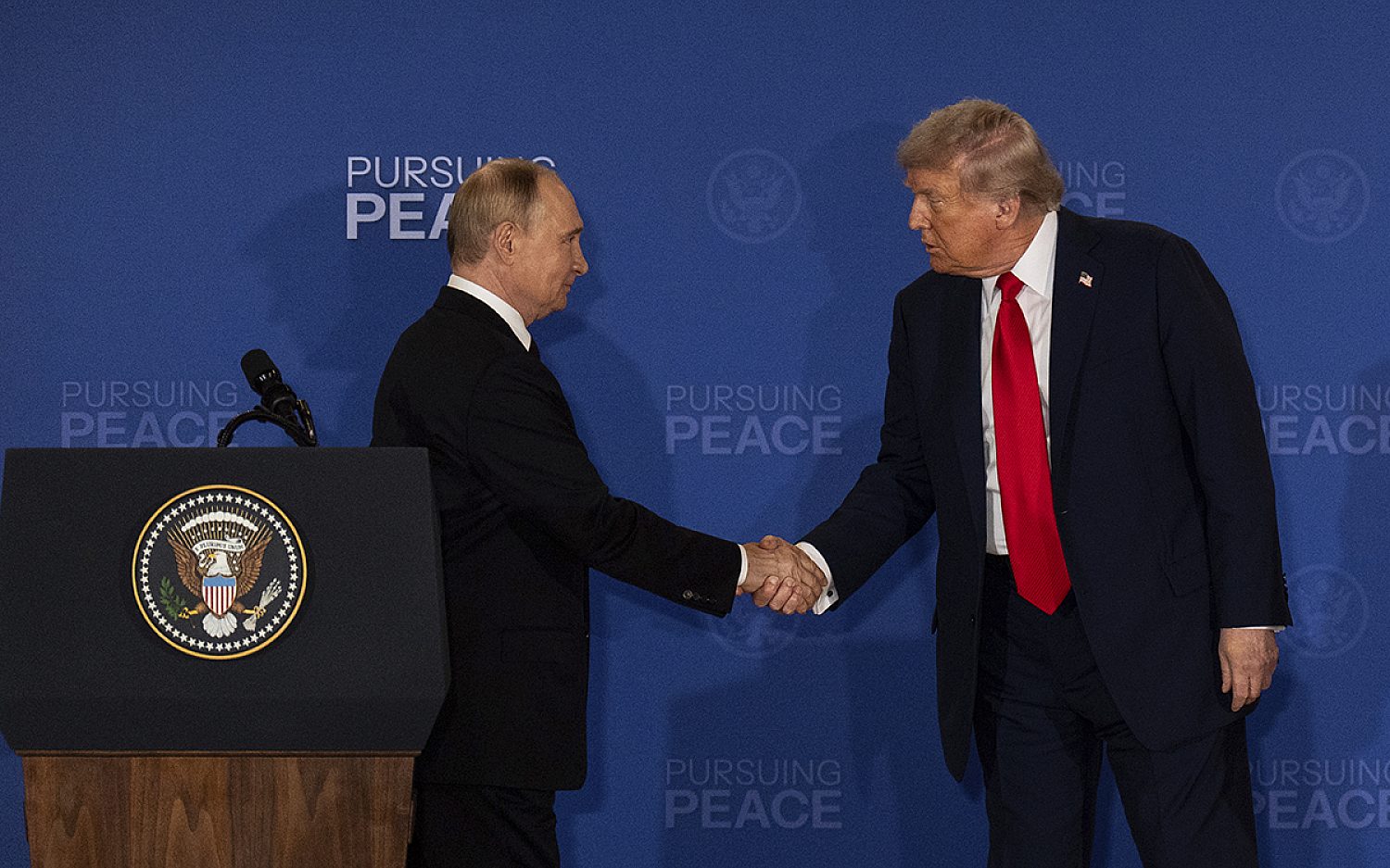
The UN Security Council has 15 members representing different nations. Only five hold permanent seats: France, Russia, China, the United Kingdom, and the United States. They have held these spots since the council’s founding in 1945. They represent the primary Allied nations of World War II.
Other UN Security Council members rotate in and out for two-year terms. African nations currently hold three of the 10 nonpermanent seats. But only permanent members have veto power. They can overturn decisions made by the larger group.
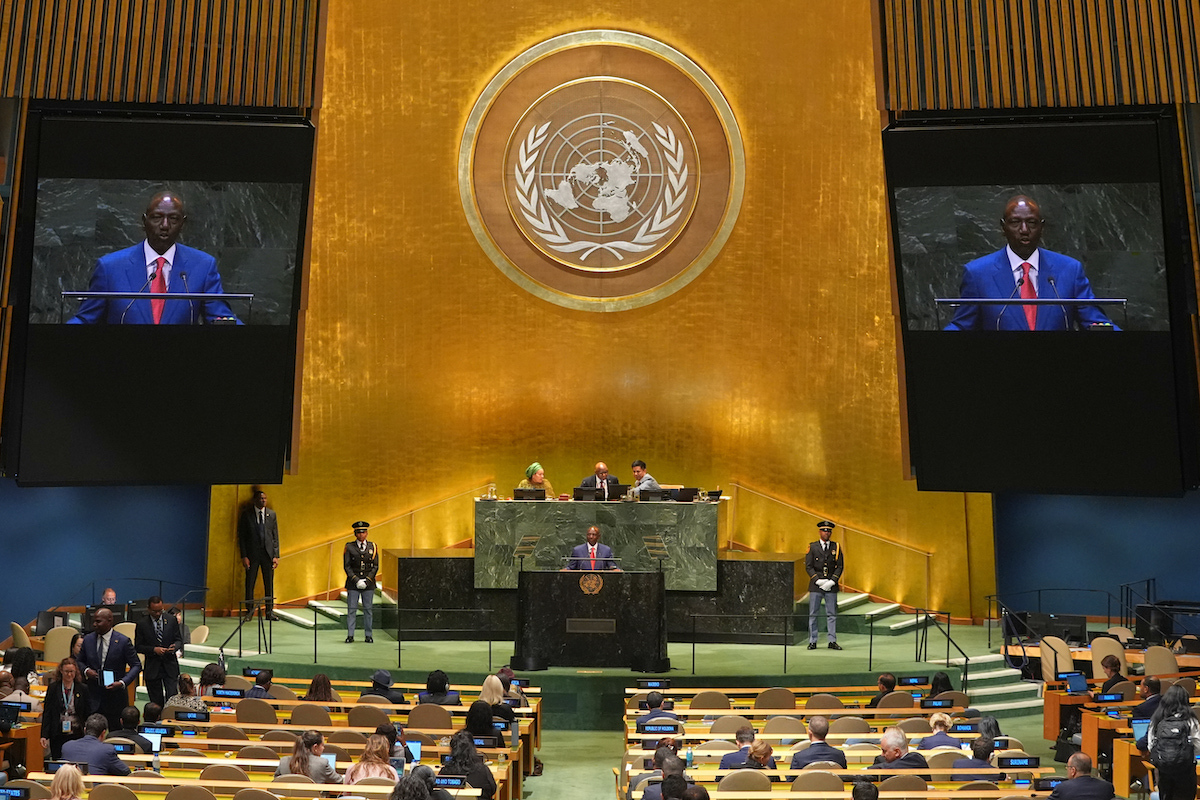
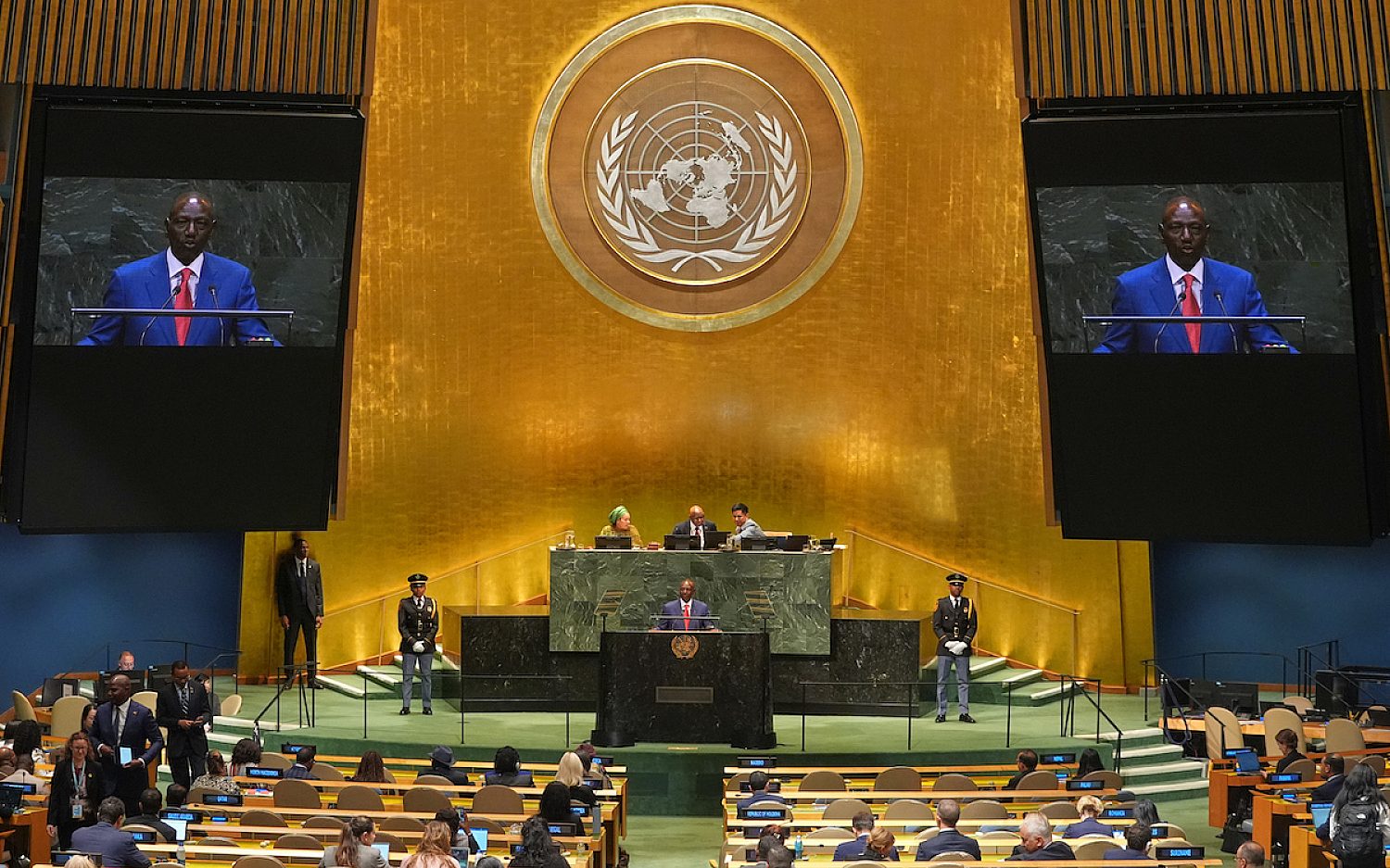
In a September meeting of the UN General Assembly in New York City, New York, African leaders spoke against their continent’s lack of permanent representation.
“Every nation is sovereign and equal under the [UN] charter. Yet, on the gravest question of war and peace, five nations possess a permanent power that the other 188 do not,” says Kenya’s President William Ruto. “The equality proclaimed in this assembly ends at the doors of the security council.”
Fifty-four African nations hold UN membership. It’s the second-most populated continent, behind Asia. Some African leaders say the lack of permanent representation casts doubt on the UN’s credibility.
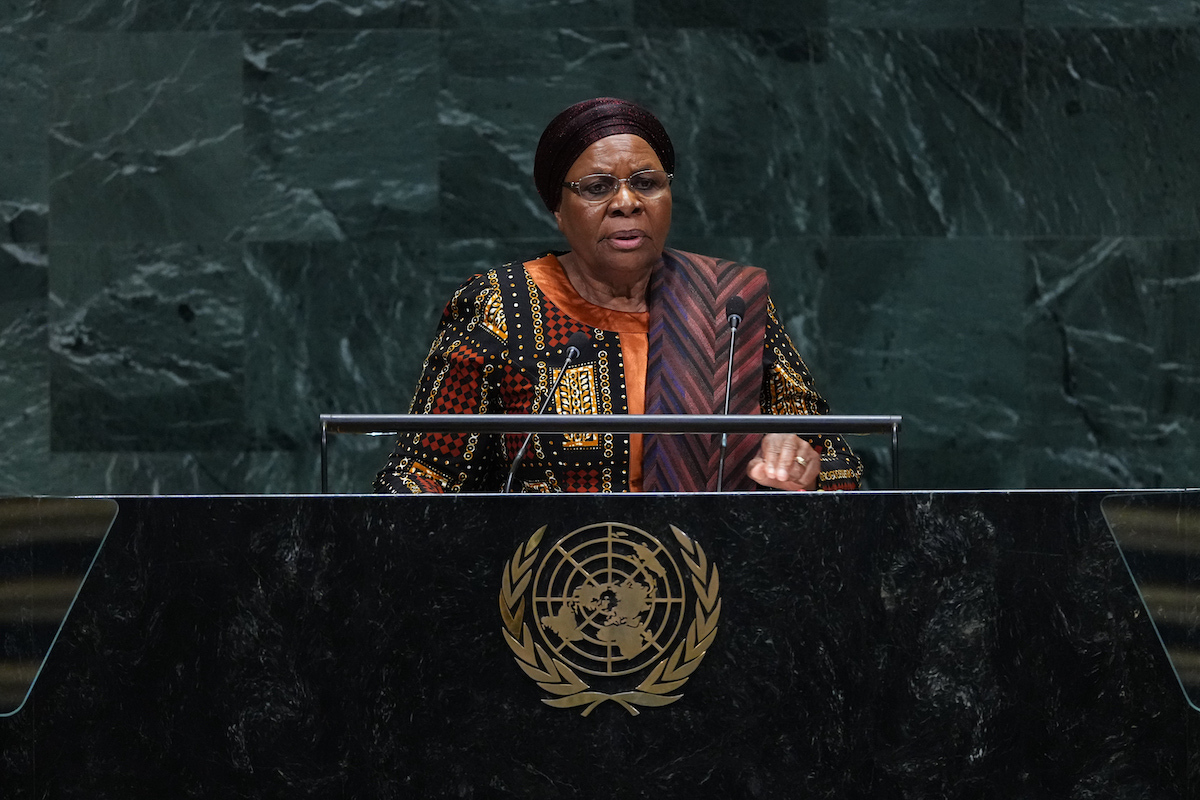
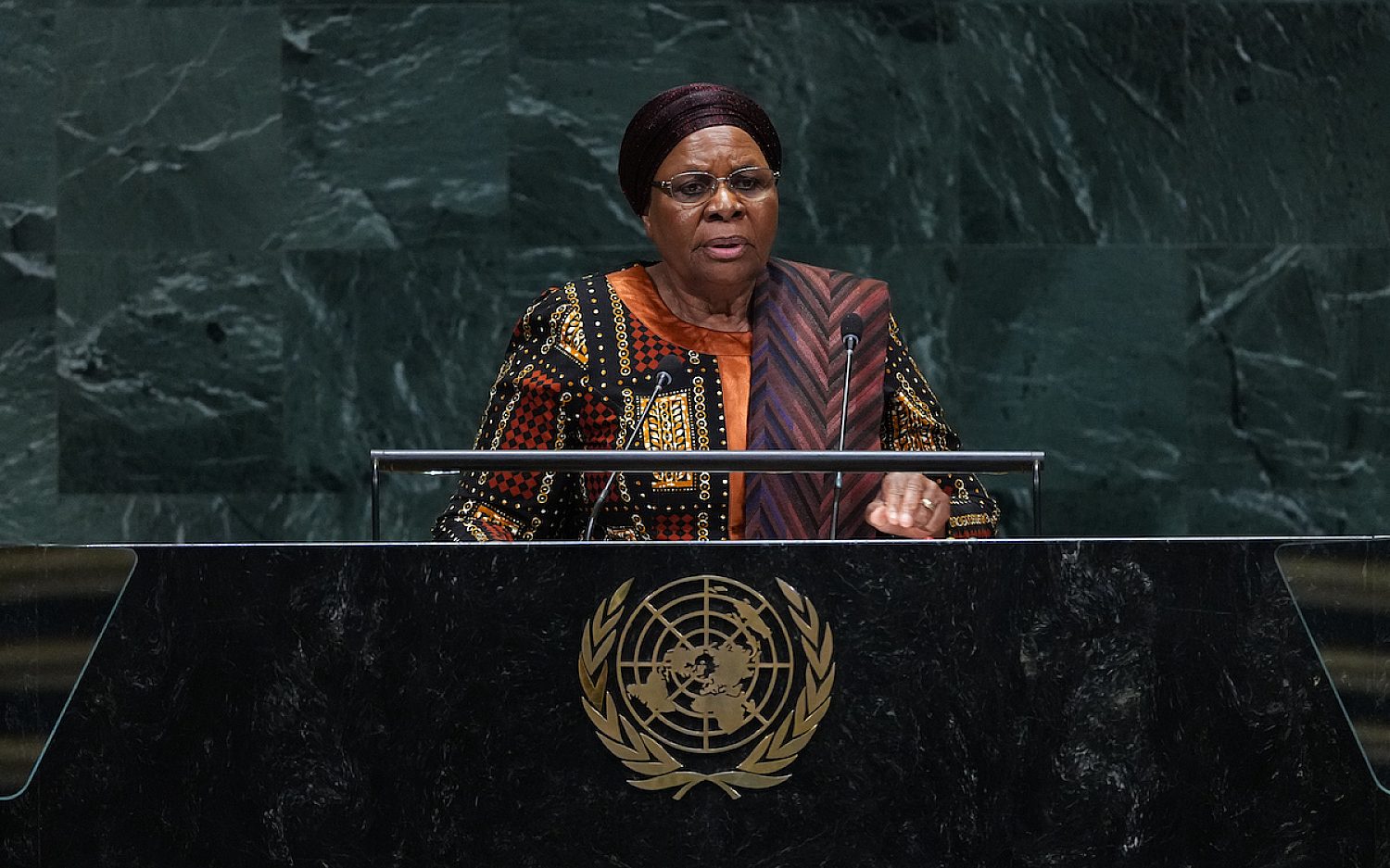
“How can a world led with a right conscience justify the denial of 1.6 billion Africans the right to equal representation?” asks Ethiopia’s President Taye Atske Selassie.
In 2024, the United States under former President Joe Biden supported the idea of creating two new permanent seats for African nations. It’s unclear whether the current Trump administration still supports this idea. Some argue that a larger Security Council would struggle to make decisions. A smaller group can act quickly and reach agreement with less argument. And if the council expanded to include Africa, would the expansion stop there? Would other nations and regions demand spots too?
African leaders point to the issue of artificial intelligence (AI) as a key example of why African representation matters. The UN Security Council holds meetings about AI. The members speak with AI industry leaders. They make key decisions about how nations will handle this growing technology. But many of the materials needed for that technology come from developing nations in Africa. As the council is set up currently, those nations may not be part of the council’s discussions.
World leaders face tough decisions. How can they ensure just representation in the midst of complex, globe-spanning conflicts? Who gets to call the shots when those actions can change the world? We can pray that God would give these leaders wisdom to act justly.
For kingship belongs to the Lord, and He rules over the nations. — Psalm 22:28