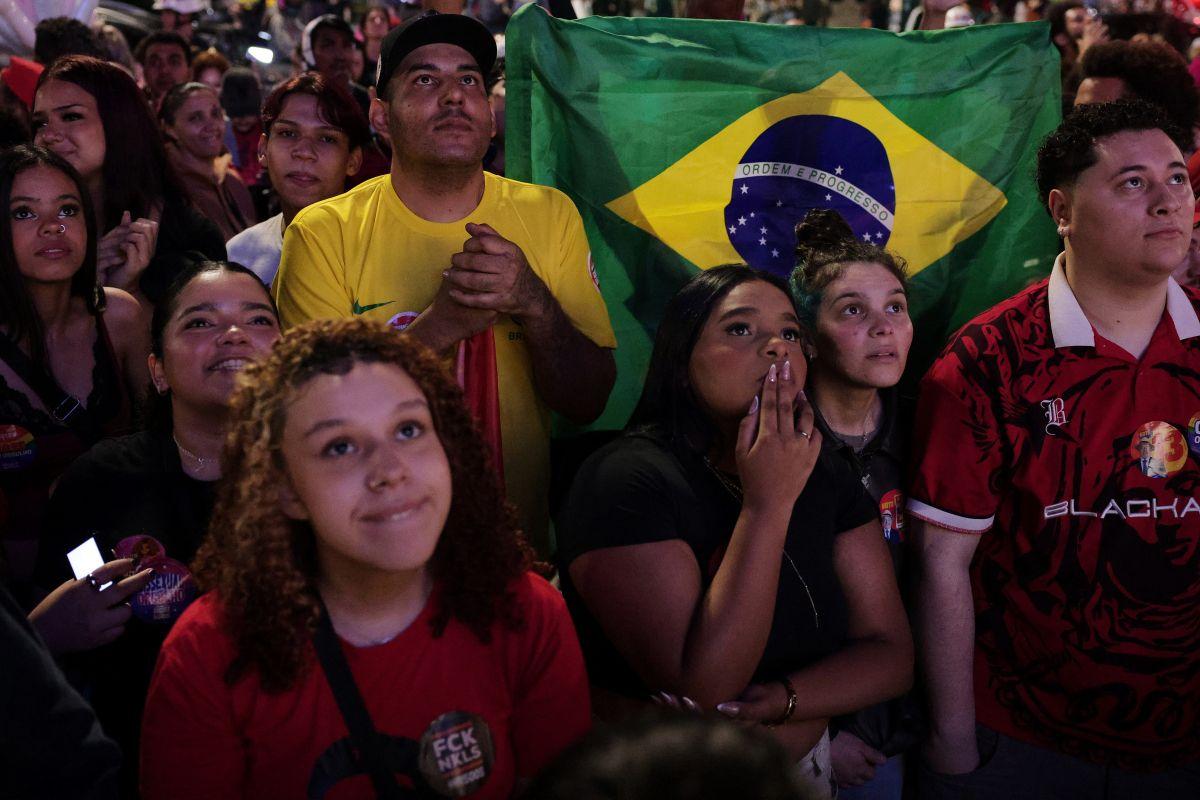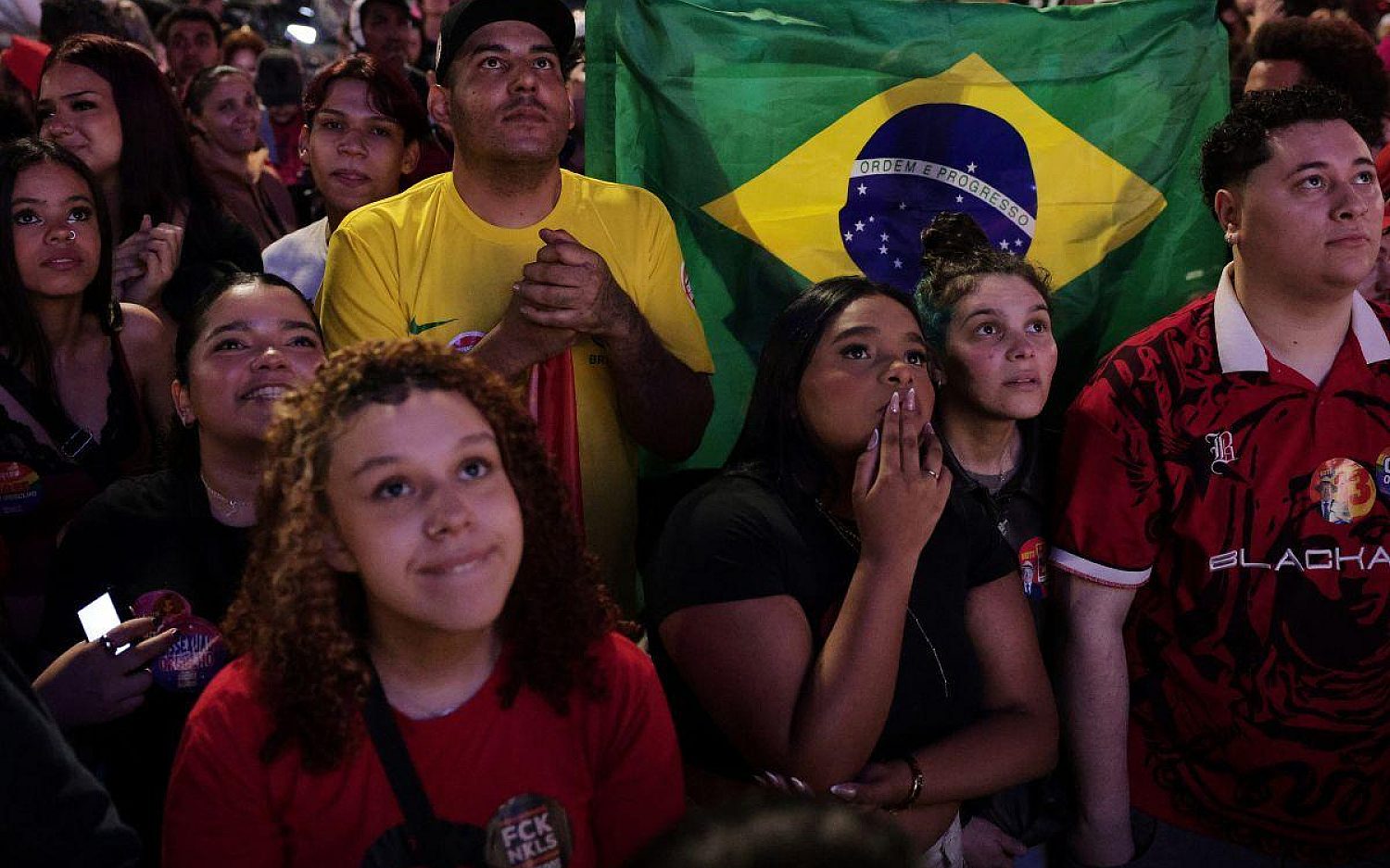

Brazilians voted in a presidential election on Sunday. The results were announced—but there still isn’t a winner. The two major candidates each received less than the 50% of votes needed for victory.
The candidates, incumbent President Lula and Senator Flávio Bolsonaro, must continue campaigning before a second round of voting, or a “runoff,” on October 25.
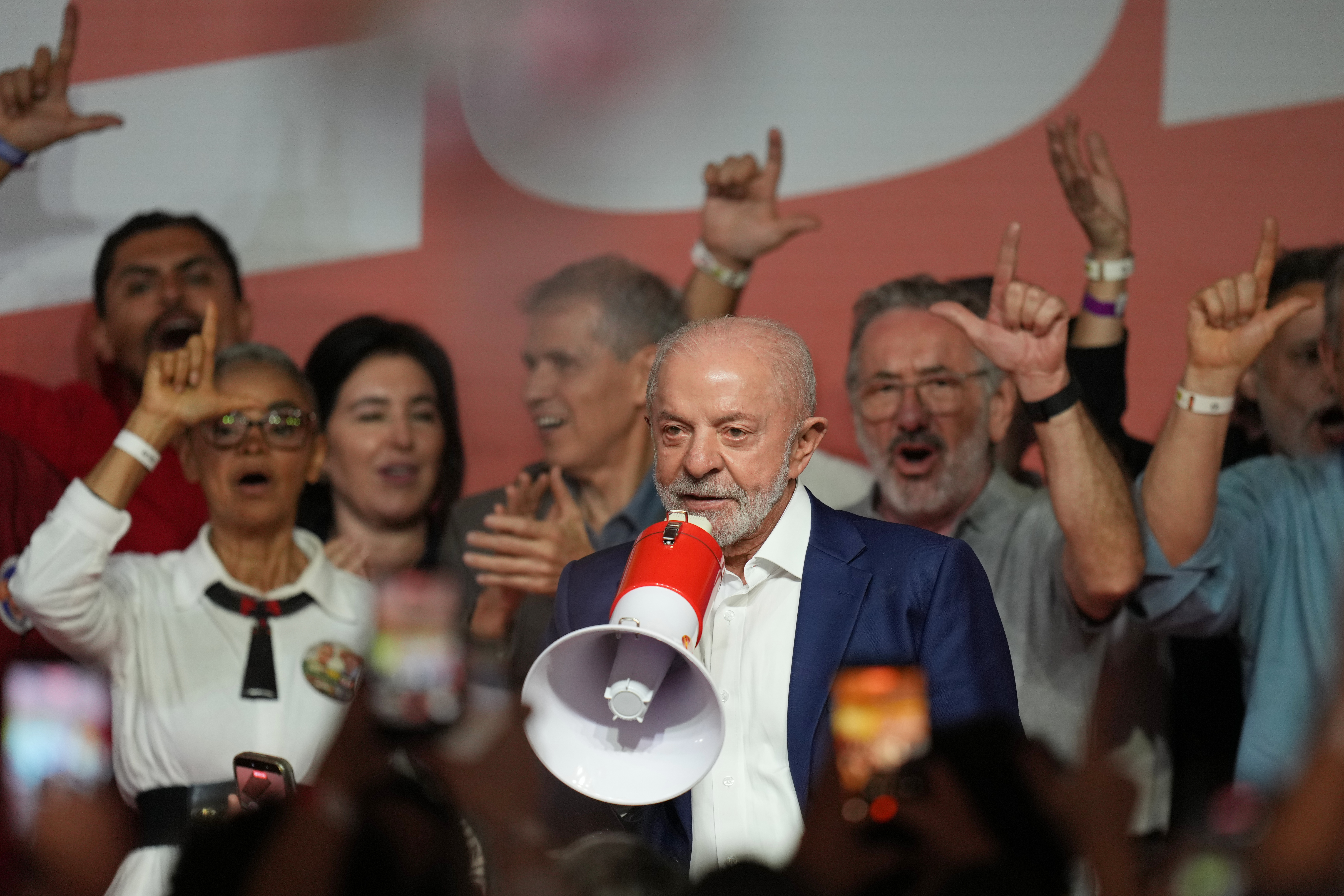
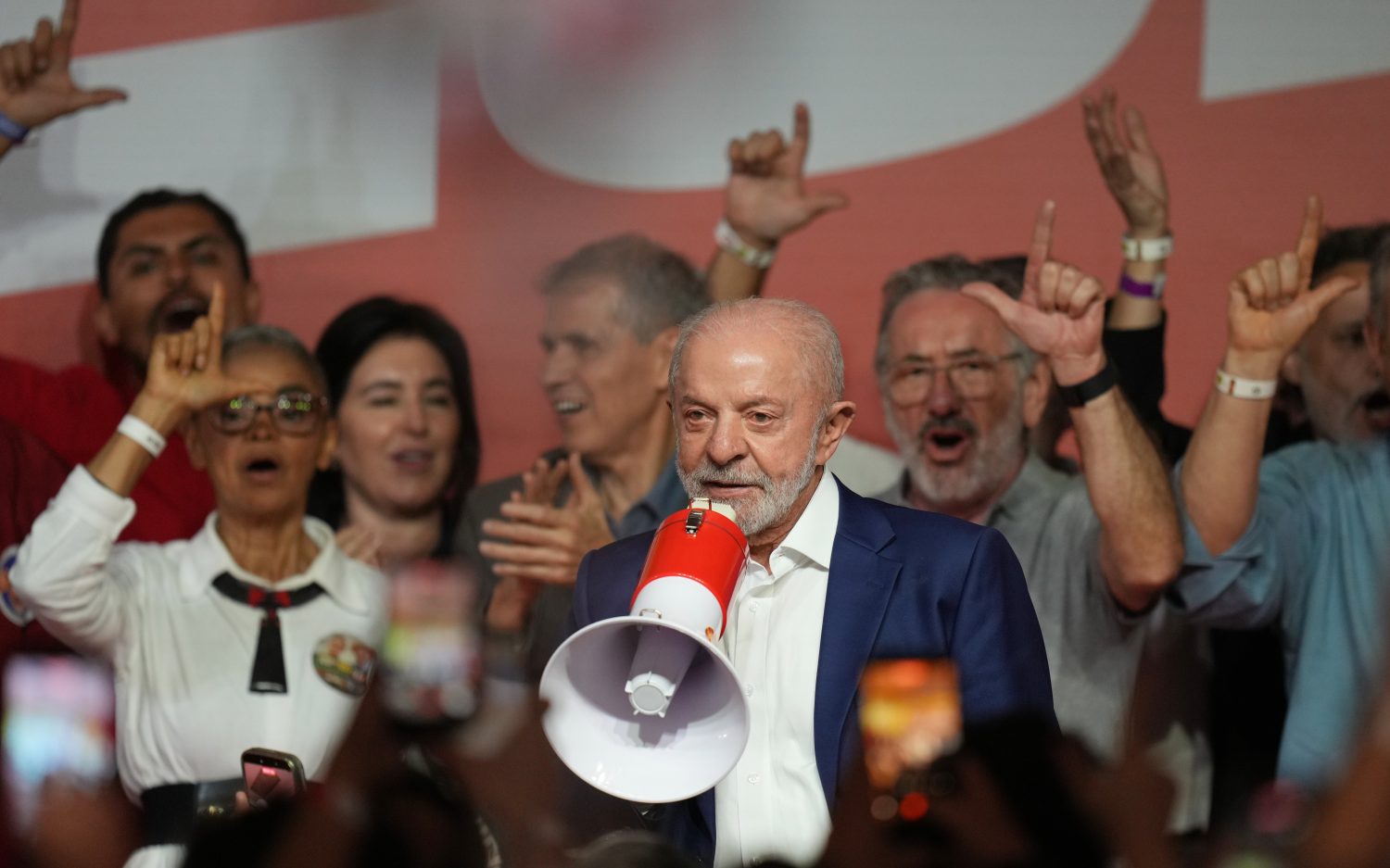
Eighty-year-old Luiz Inácio Lula da Silva, who goes by Lula, is hoping to add a fourth term to his presidential career. But Lula’s popularity decreased during his current term. In addition to being convicted for corruption, opponents criticize Lula for censoring the media and having a lax stance on crime. Some Brazilians also blame Lula for rising food prices.
But he maintains a loyal supporter base that appreciates his welfare programs and his firm stance against U.S. President Donald Trump’s involvement in Brazil.
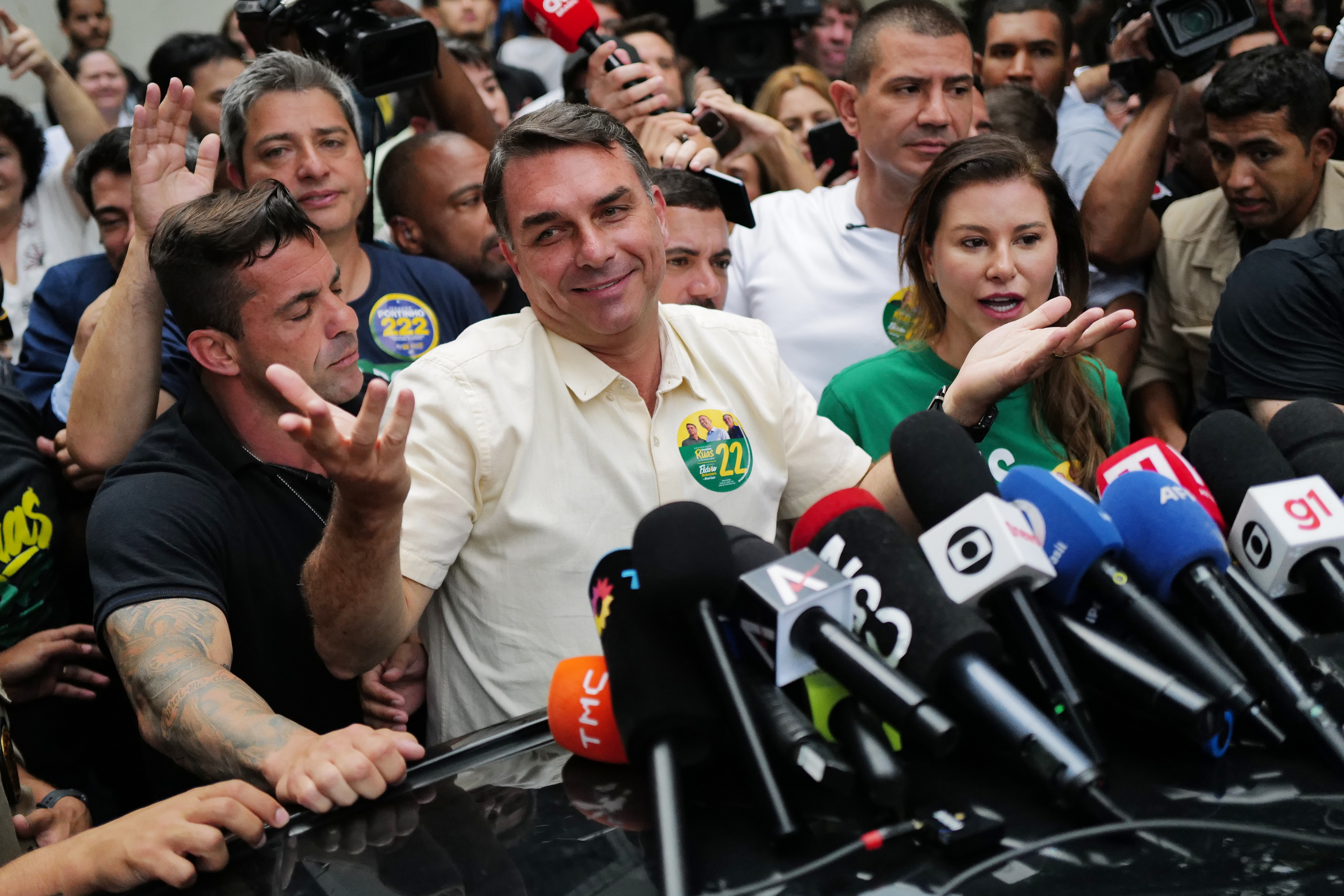
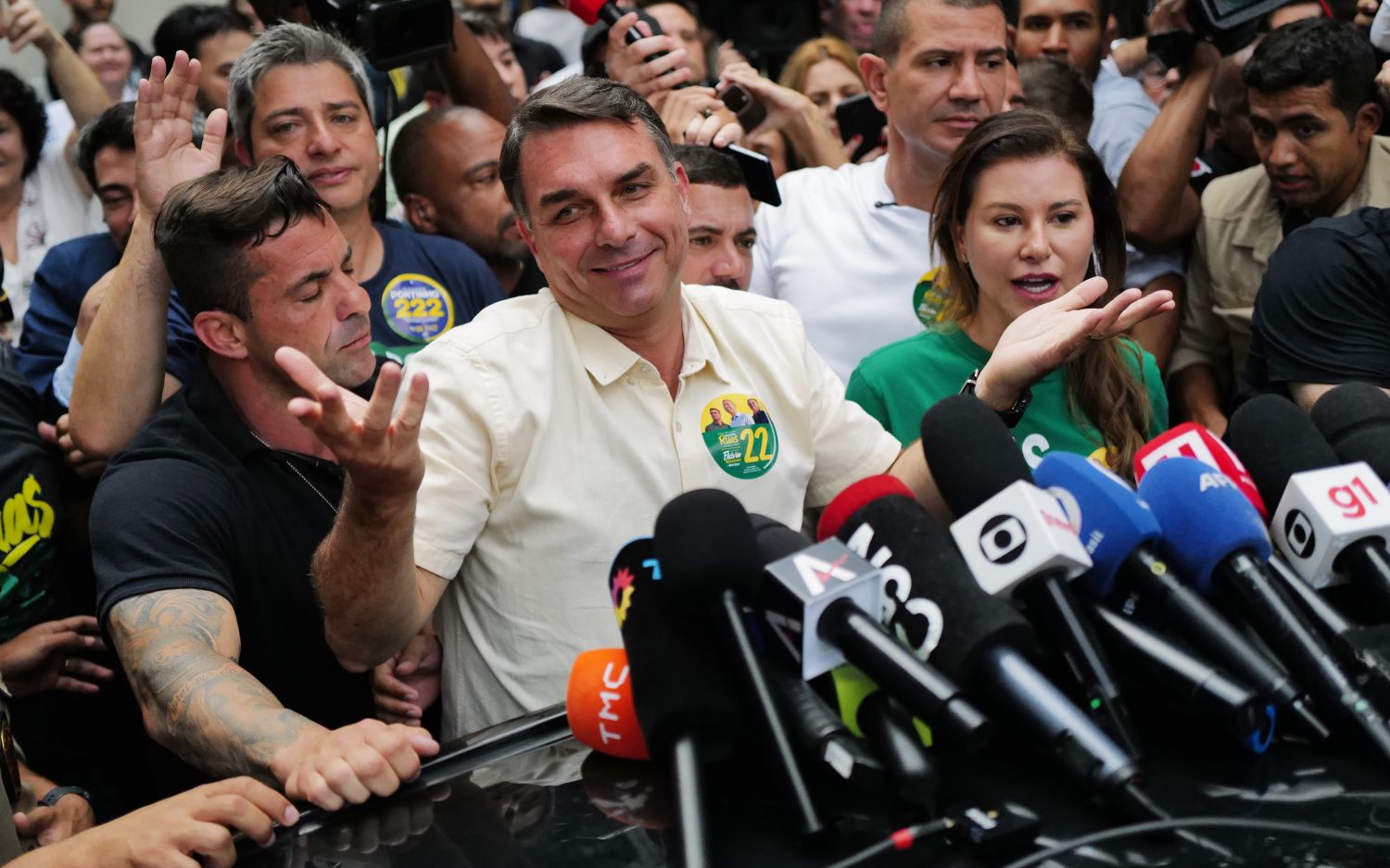
The other candidate, Flávio Bolsonaro, is the son of former President Jair Bolsonaro, who is currently in prison. The Supreme Court convicted Jair Bolsonaro of planning a coup after he lost the elections to Lula in 2023. The court sentenced him to 27 years and three months in prison.
Now his 45-year-old son Flávio is fighting Lula in the polls. The BBC reports that he launched his campaign with an AI-generated video of the elder Bolsonaro endorsing his son’s candidacy.
Flávio Bolsonaro promises to crack down on criminal groups. He insists that Brazil should make better deals with the Trump administration, especially regarding rare earth minerals. Brazil has large deposits—second only to China—of the minerals used to make electronic devices like smartphones.
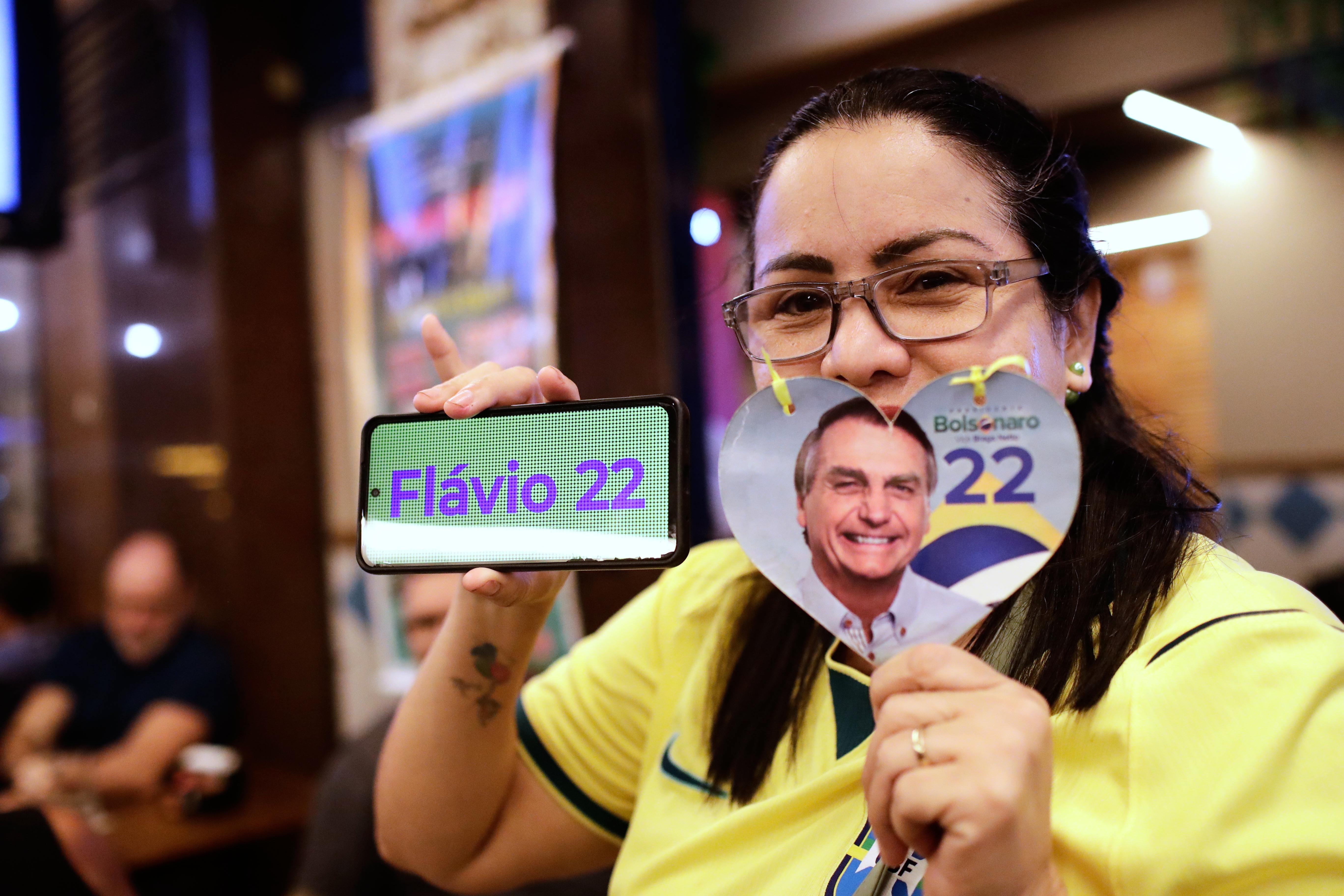
Maria Ribeiro is a 50-year-old cellphone vendor from Brasilia. She is also an evangelical Christian. She says that she voted for Bolsonaro because he will protect freedom of religious expression.
“I voted for his father, and I don’t regret it,” she says.
On Sunday, Bolsonaro won 47% of the votes. Lula took 45%.
“Brazil wants change; that’s the reading of what happened today,” Bolsonaro announced after the vote.
Lula said he was surprised at the results but undeterred. “I am very good in the knockout stage,” he commented. “We will see who has the best plan.”
The candidates have 20 days to win over uncertain voters. Brazilians can vote at age 16. Voting is mandatory for literate citizens between the ages of 18 and 70. Citizens risk fines if they do not register a ballot.