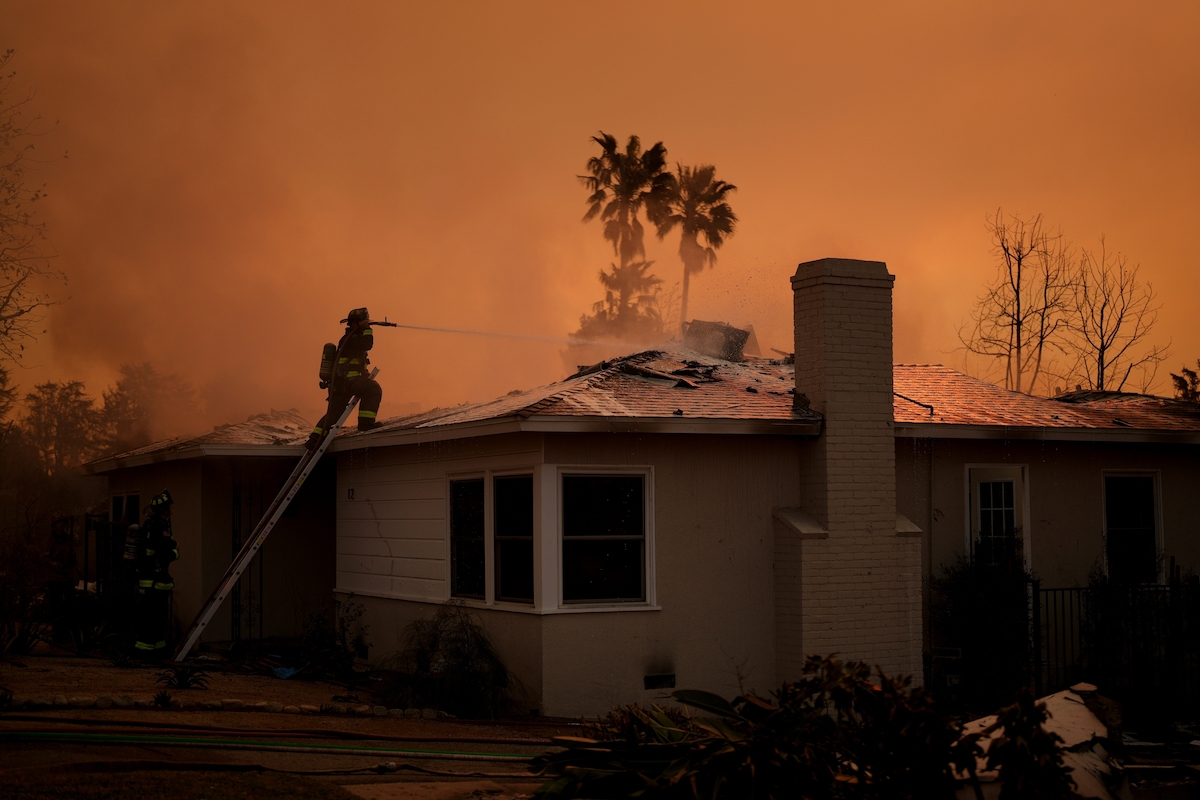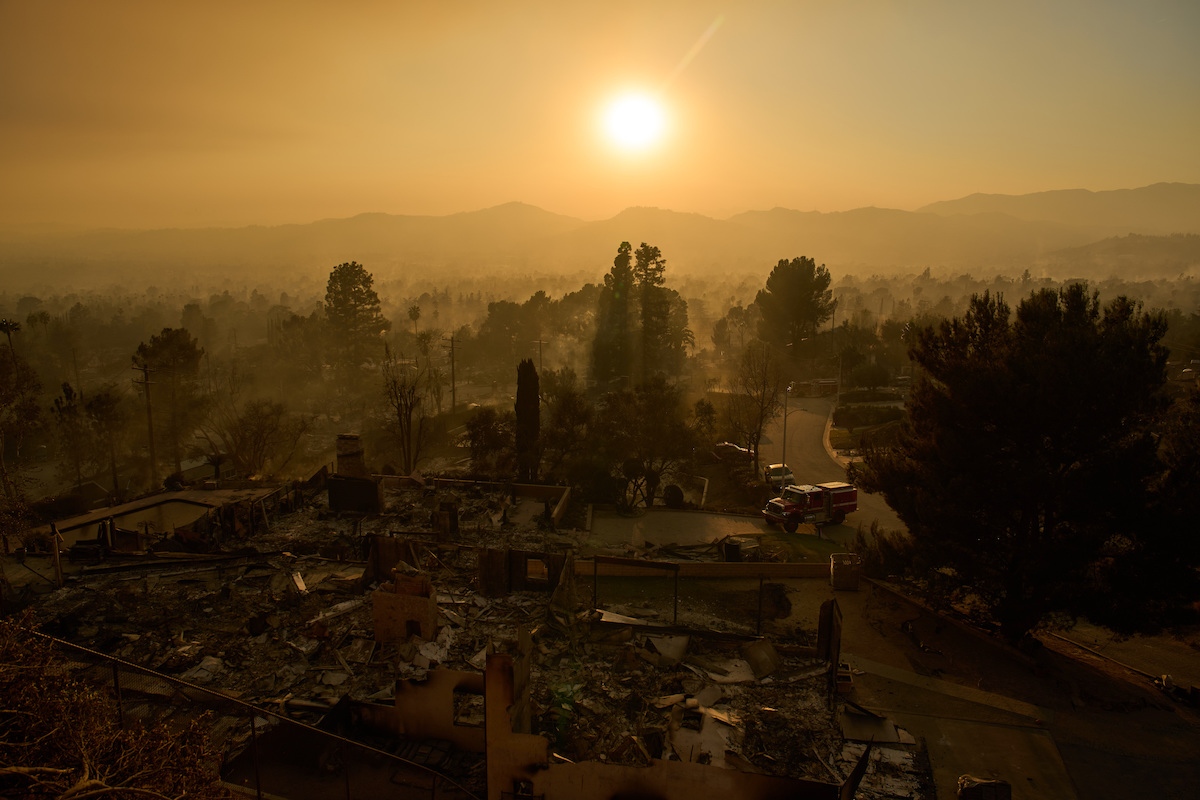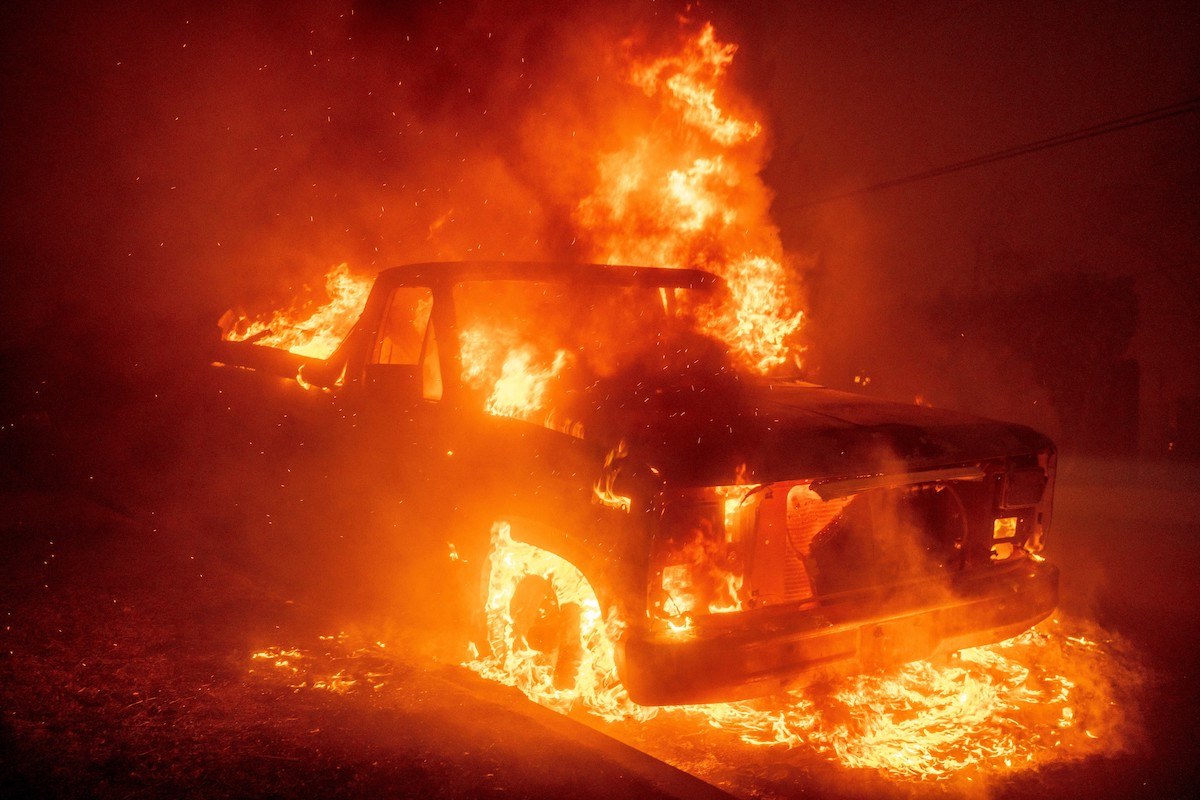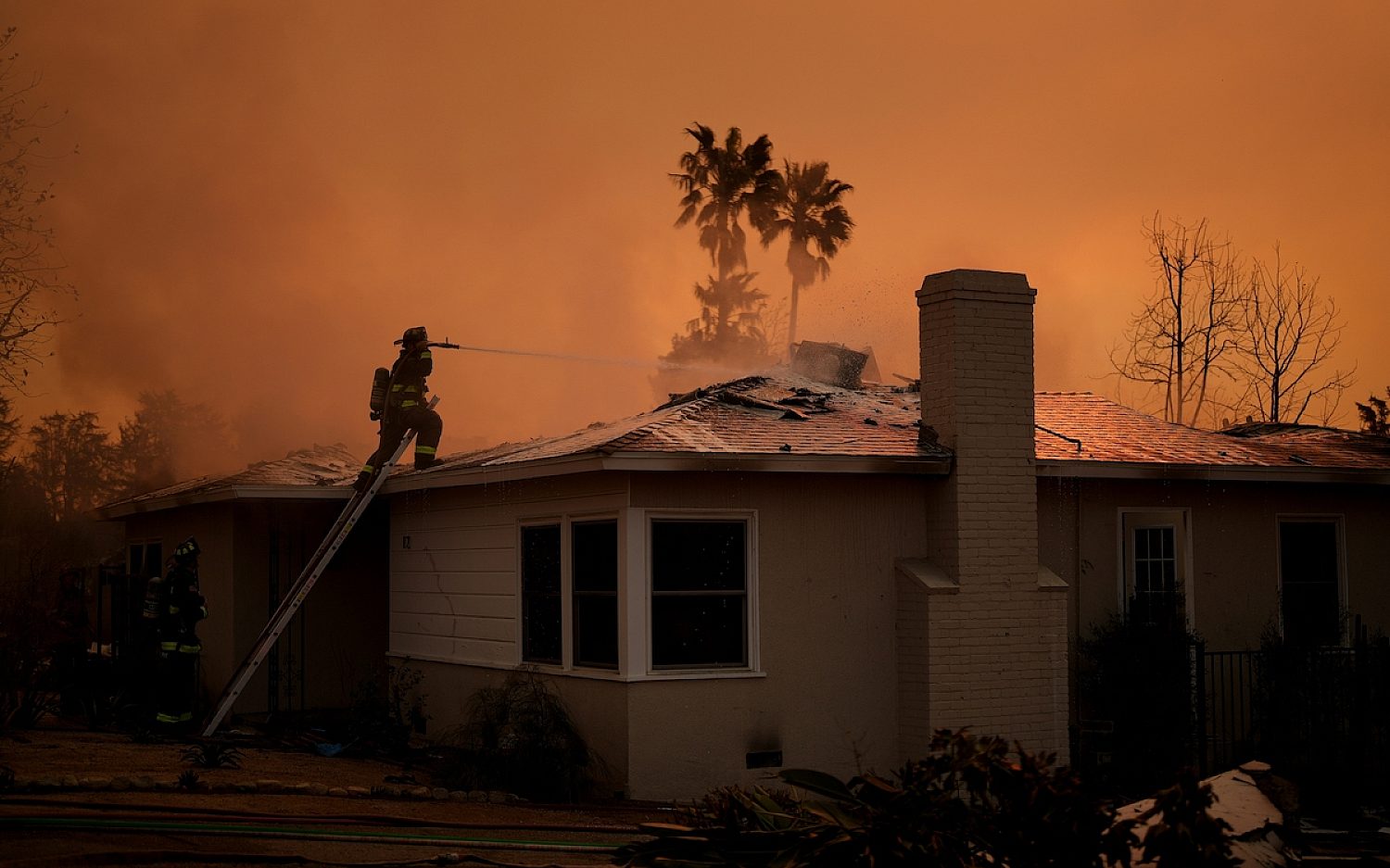
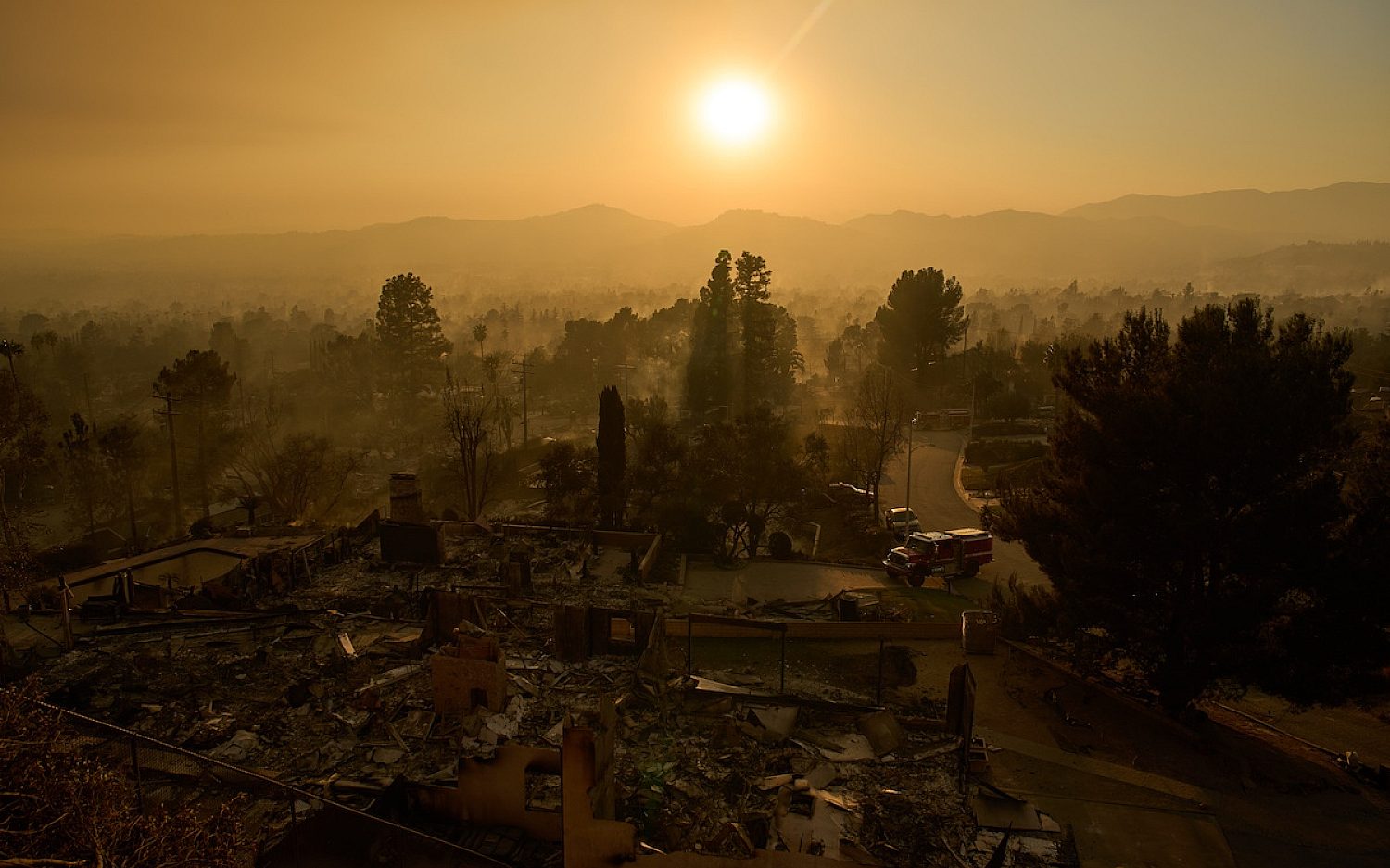
In 2025, deadly wildfires ravaged Los Angeles, California. The flames have gone out, but danger lingers. A new study reveals that urban smoke exposed millions of residents to toxic heavy metals.
The wildfires broke out on January 7, 2025. Wind whipped them into an inferno. At least 31 people died. The flames destroyed over 16,000 structures—mostly homes. Building materials burned along with vehicles and electronics—and chemicals inside went into the smoke.
During the fires, researchers studied the smoke every hour. Specifically, they measured fine particulate matter, or PM2.5. They searched for trace amounts of metals like lead and arsenic. The Atmospheric Science and Chemistry mEasurement NeTwork (ASCENT) reported the results.
What did ASCENT discover? Researchers compared the Los Angeles wildfire smoke to smoke from a non-urban wildfire in which mostly plants burned. The smoke from Los Angeles had 50 times more lead, three times more arsenic, and seven times more halogens. For a whole day, about seven million people were exposed to 80 times the typical level of lead.
Lead was once commonly used in paints and plumbing. This practice largely stopped when scientists discovered that lead is a neurotoxin. Lead exposure can stunt child development, lower IQ scores, and increase adult blood pressure. But many older homes still contain lead materials.
Arsenic exposure can lead to cancers. Halogens such as chlorine and bromine in burning materials can cause respiratory problems.
“The main, key finding is really that wildfire smoke is very different fundamentally from the urban smoke,” says Nga Lee “Sally” Ng, an author of the study.
Another study from the 2023 wildfire in Maui, Hawaii, revealed something similar. Lingering metal mixtures harmed lung health long after the blaze ended.
These discoveries are hard news for already struggling victims. But the findings might help better protect future victims of urban wildfire smoke. Air pollution researcher Ed Avol hopes governments will take stronger actions to protect public health during wildfires.
“It reminds us to be cautious and be concerned and, you know, think about what we can do to minimize this,” says Avol.
In the moment, tragedies and disasters draw widespread attention. The people who lived through them deal with the consequences long after the headlines have moved on. But God remembers those people. We can remember them too. We can pray for the health and safety of wildfire survivors. We can ask God to give governments wisdom to protect more people in the future.