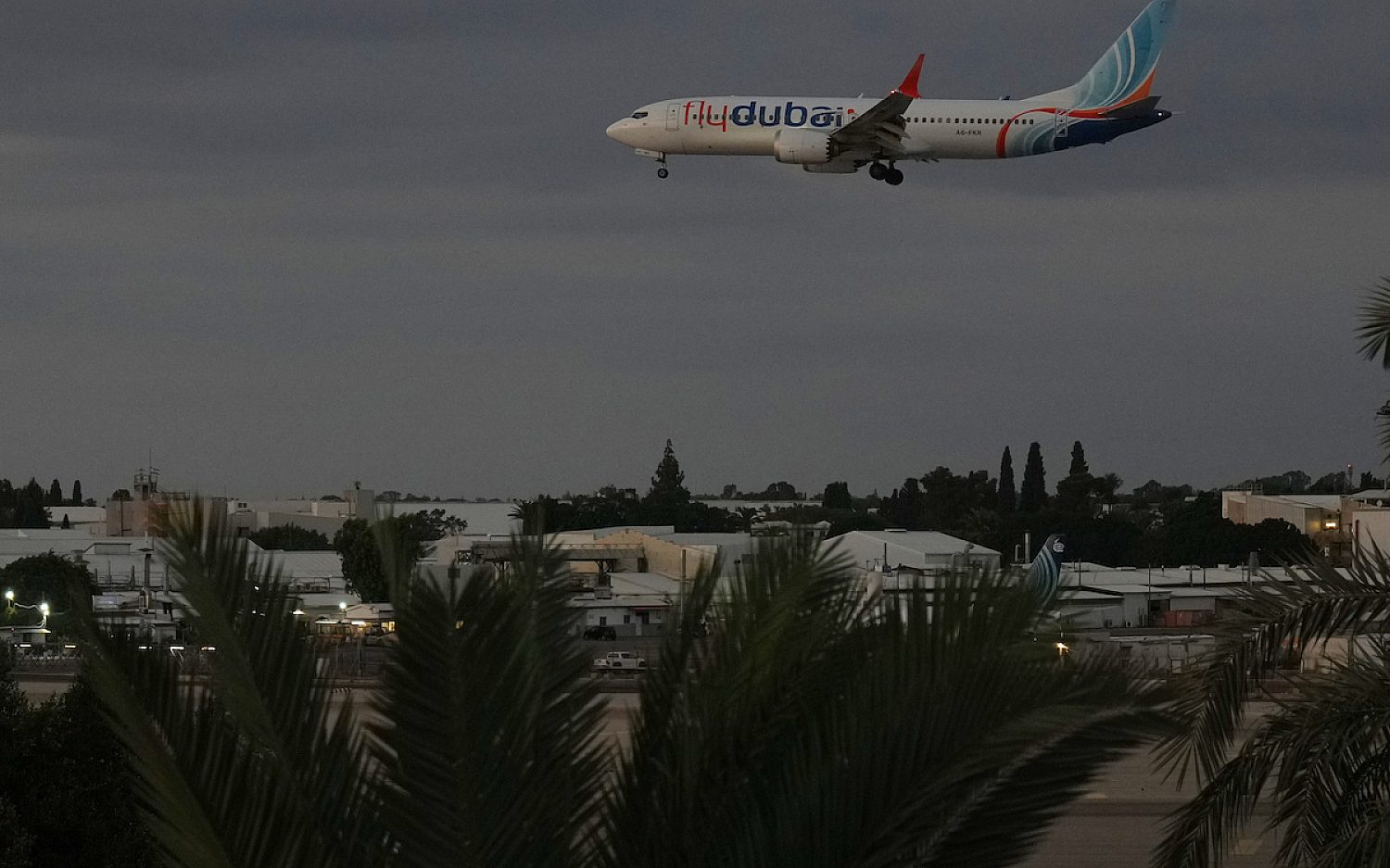
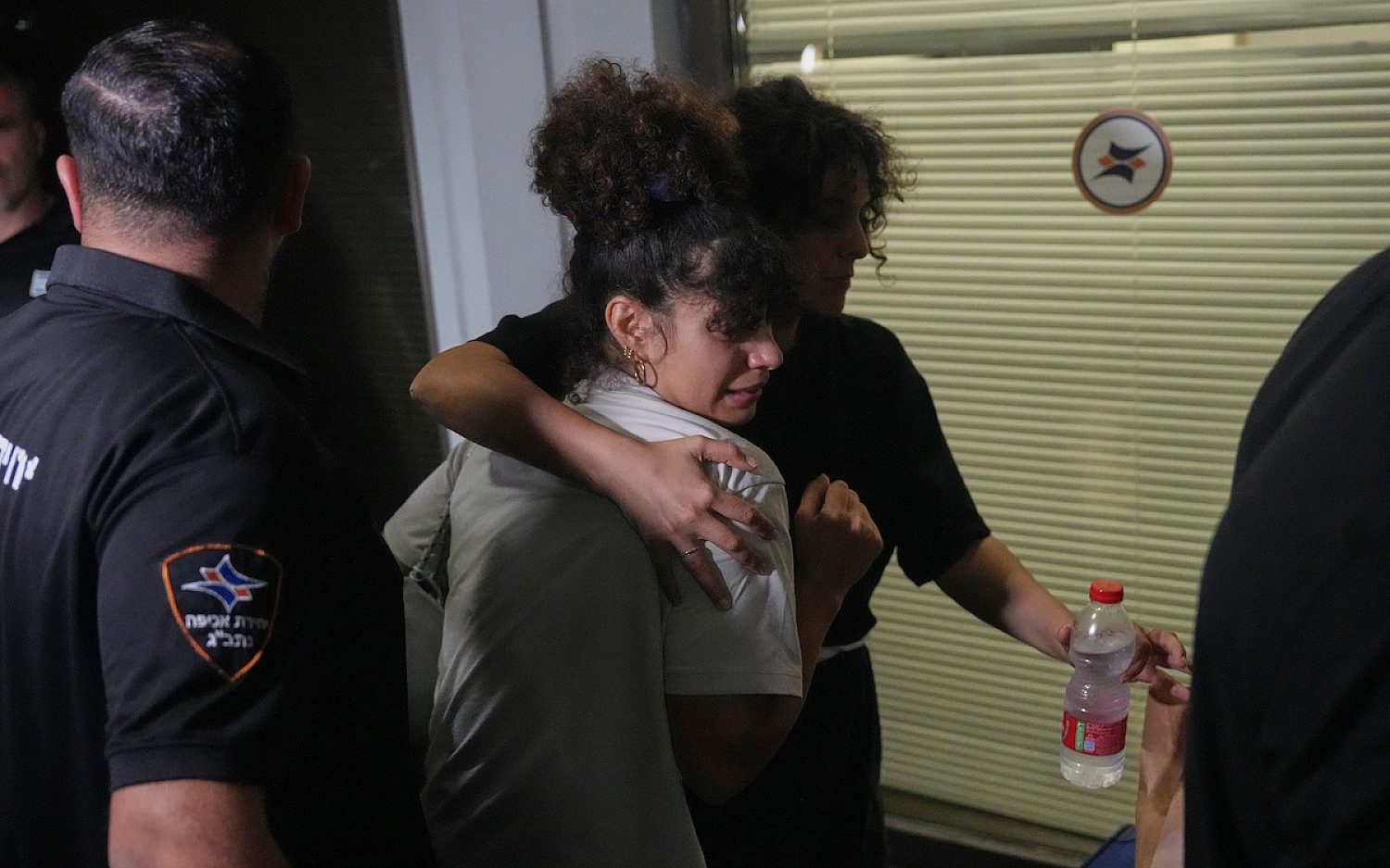
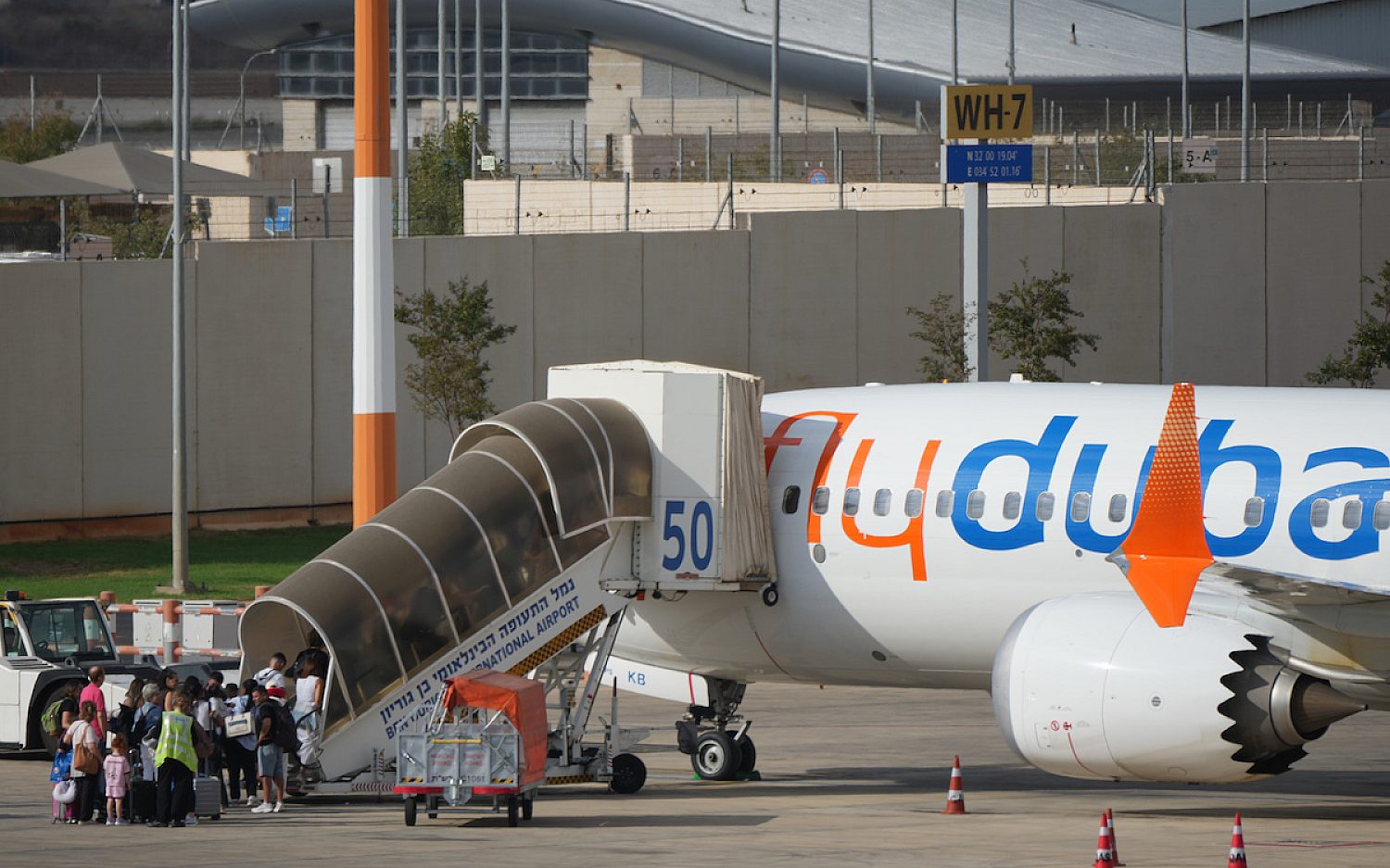
Passengers and crew saved the day when a FlyDubai co-pilot attacked his captain. The plane landed safely in Saudi Arabia. Now investigators work to figure out how the attack happened—and why.
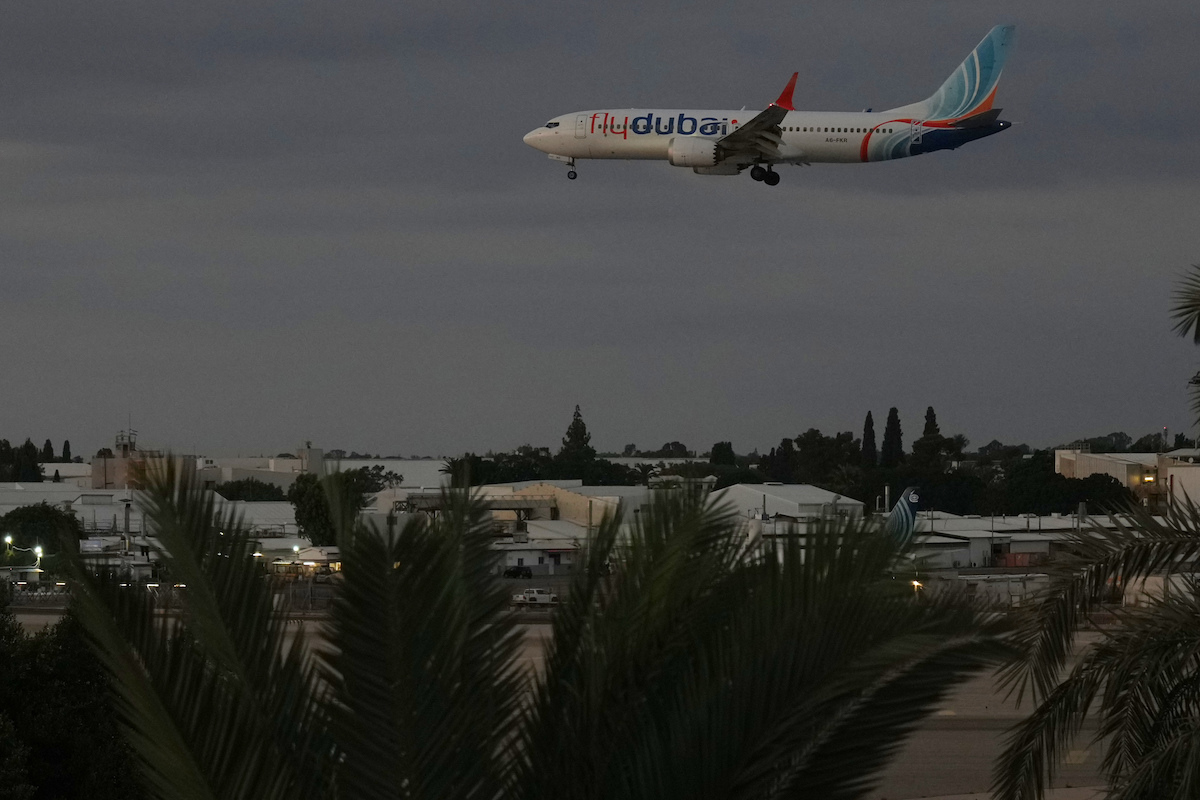
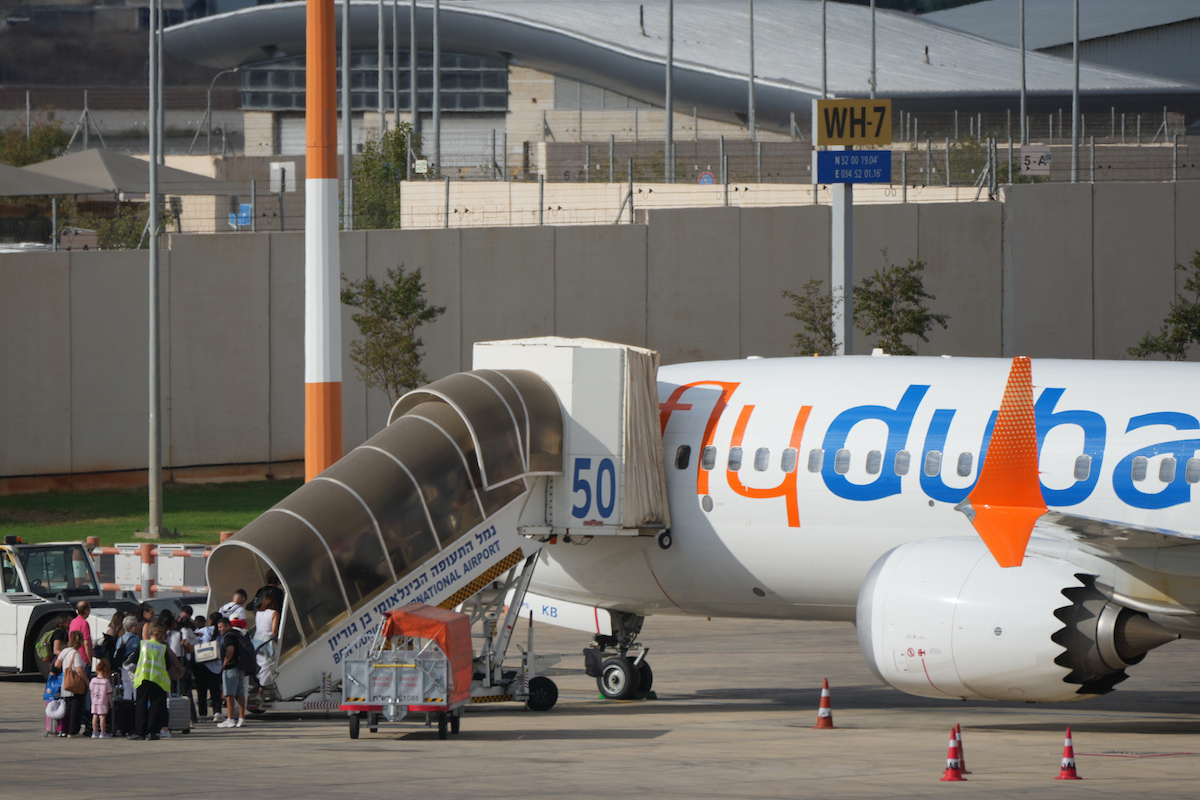
On Wednesday, a Boeing 737 departed from the United Arab Emirates. It headed toward Tel Aviv, Israel. The plane carried 174 people, most of them Israelis. Two hours after takeoff, a distress call went out.
The plane’s co-pilot, a man from Oman, attacked the captain, Smit Machchhar of India. Officials say the co-pilot stabbed him. It’s unclear what weapon he used or how he brought it aboard. The attacker tried to crash the plane. Within a minute, the plane plummeted from 33,000 feet to 17,000 feet.
For security, airplane cockpit doors stay locked during flights. In this case, that meant nobody could get in to help. Despite his injuries, the captain acted heroically—and quickly. He managed to unlock the door.
Several passengers and crew members rushed in to subdue the attacker. Other crew members took over the controls. The plane landed safely in Tabuk, Saudi Arabia, where authorities arrested the attacker. The passengers and crew survived. So did Captain Machchhar. He remains in stable condition.
World leaders praise Captain Machchhar for his courage in dire circumstances. Israeli Prime Minister Benjamin Netanyahu says the captain prevented “a catastrophic midair disaster.”
Indian Prime Minister Narendra Modi calls Machchhar a hero. “In the face of the gravest danger and despite being seriously injured, he showed immense courage and an unwavering resolve to protect the lives of others,” he writes.
Netanyahu also met with passenger Yaniv Hayun, who says he and three others managed to subdue the co-pilot before pulling up the jet’s steering control to right it. Israeli President Isaac Herzog said Thursday that he was nominating Hayun and several others for the Presidential Award for Civilian Heroism.
Officials don’t know what motivated the attack. Some suggest it was an act of terrorism against Israel. More investigation is needed. Investigators also don’t know how the co-pilot brought a weapon onto the plane. Airport security screens crew and staff before they board, just like passengers. Airline pilots also undergo rigorous background checks.
Aviation experts expressed surprise that the plane didn’t crash after such an extreme fall. Most of its rudder tore away from the tail. Philip Kean, head of the flight school where the captain trained, calls the landing “miraculous.”
“The airplane was never, ever . . . designed for that sort of dive and survive,” says Kean.
This incident displays God’s providence in the midst of potential disaster. Sometimes His providence appears miraculous—like holding together a plane that should have broken apart. Sometimes His providence comes through other people—as in the heroism of Captain Machchhar and others aboard the flight. We can praise God for both, and thank Him for the ways He protects us every day.