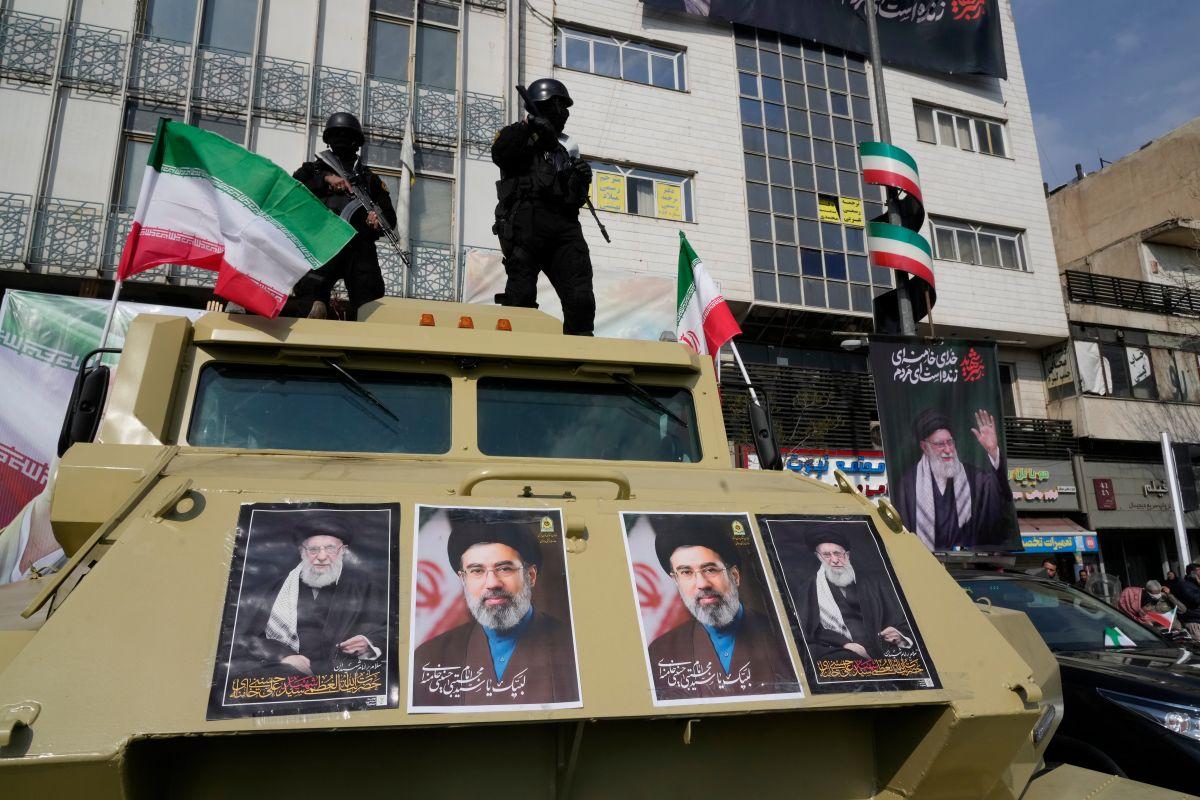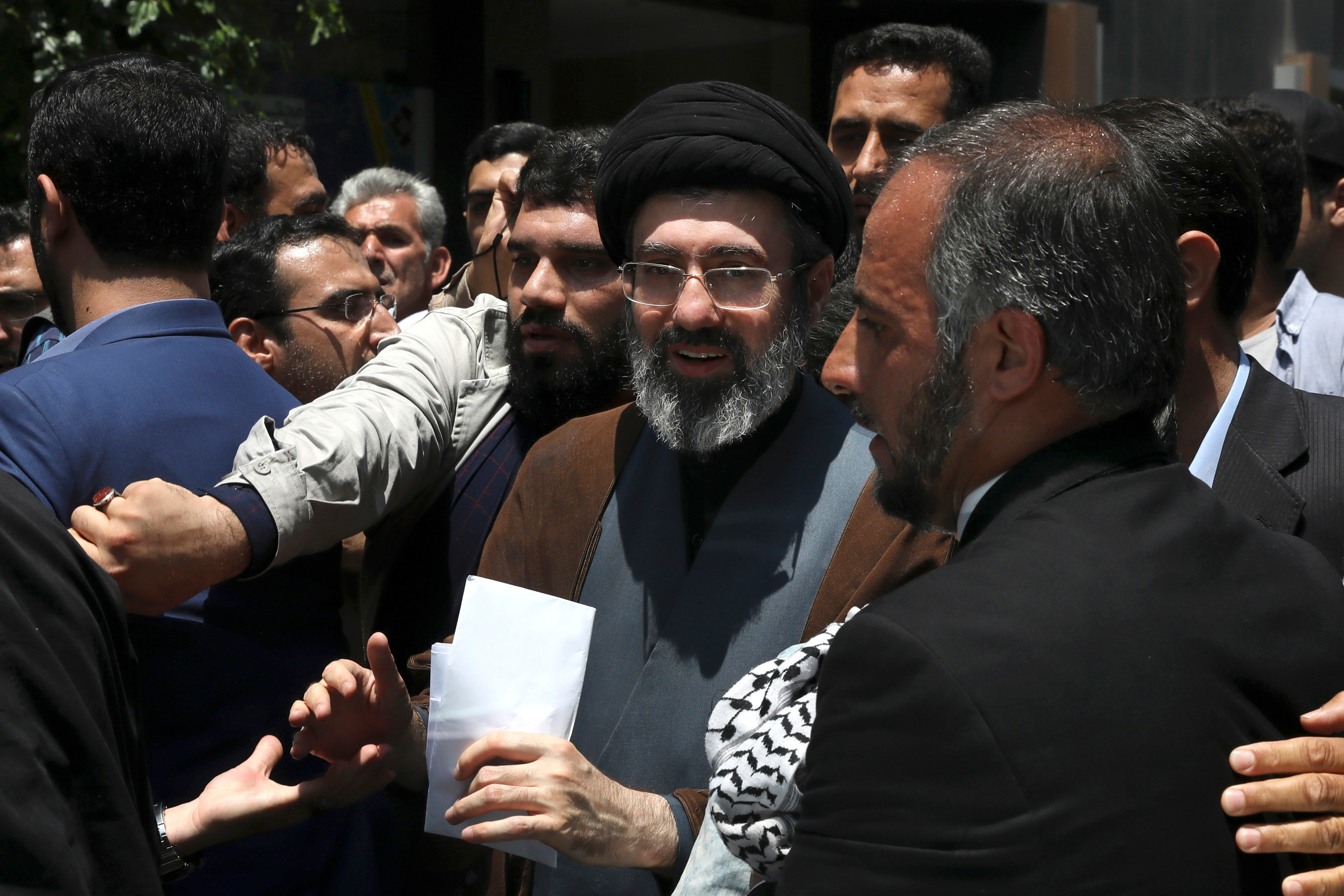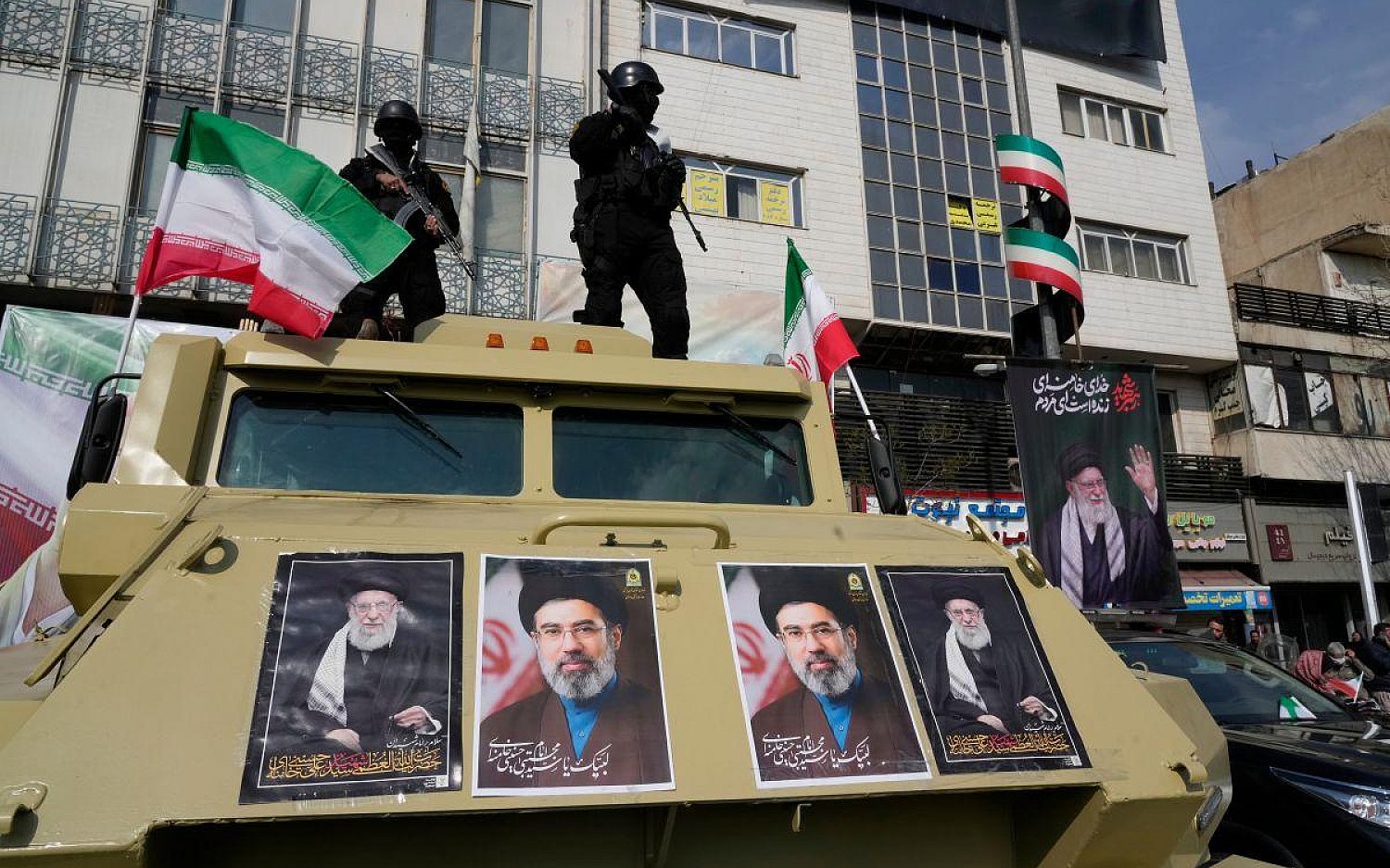
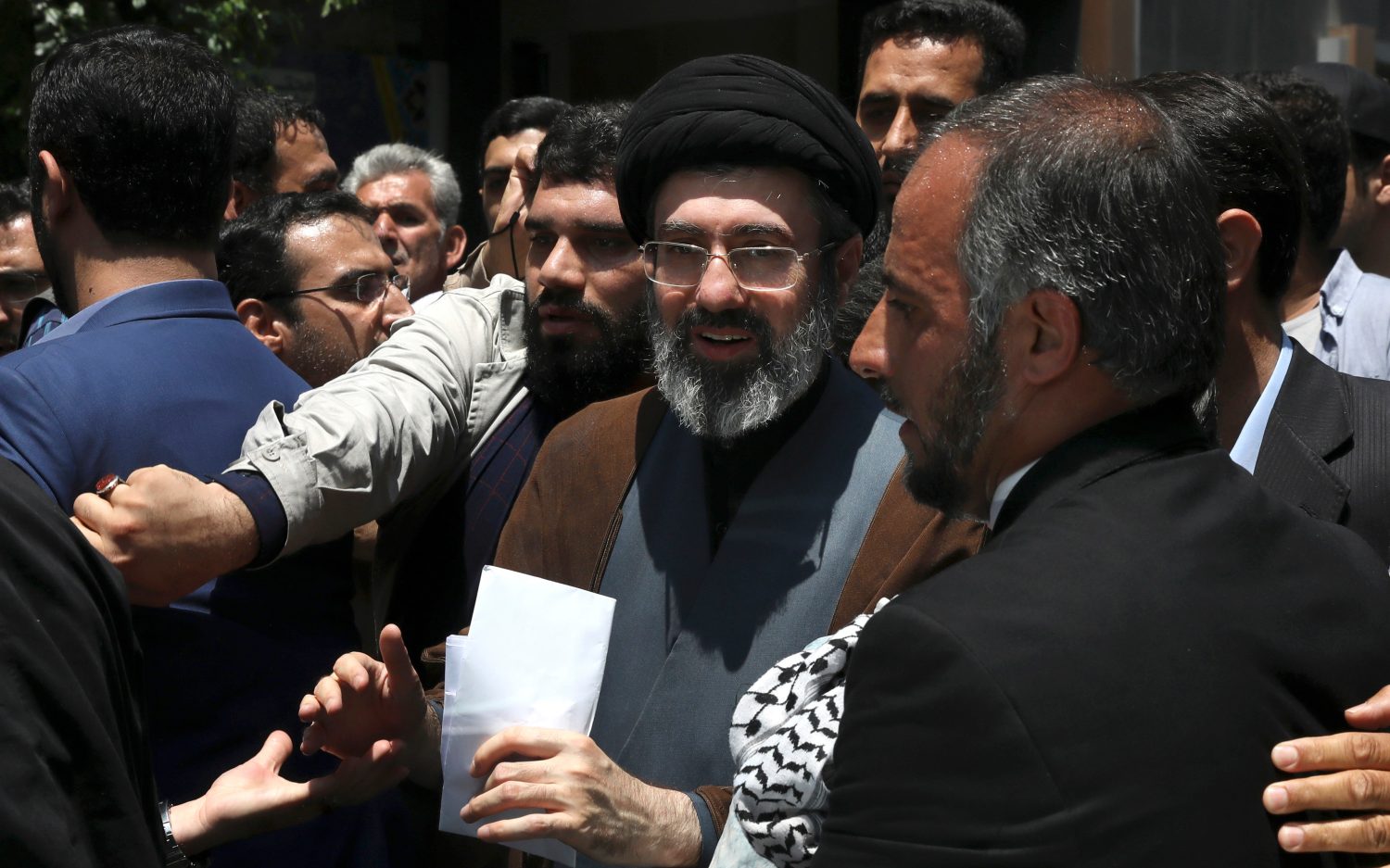
Iran announced a new Supreme Leader on Sunday. Religious leaders in the Assembly of Experts chose Mojtaba Khamenei, the son of the previous Supreme Leader Ali Khamenei.
The war between Iran, the United States, and Israel has continued since initial attacks on February 28. Ali Khamenei died in the strikes on that day. The new leader is unlikely to seek an end to the war. He is seen as even more religiously strict than his father.
Mojtaba Khamenei is 56 years old. He has never held a government position, although he has influence in politics and military groups. He has never made a public speech.
The same strike that killed his father also took the lives of Mojtaba Khamenei’s wife, daughter, and several other family members, according to Iranian state television.
Khamenei is now in charge of Iran’s military and its nuclear program. Iran has given him the designation of ayatollah, a high religious office in Islam. His father was also designated an ayatollah when he became Supreme Leader in 1989.
Russian President Vladimir Putin sent a telegram to Khamenei to congratulate him, promising Russia’s “unwavering support for Tehran.”
Israel has named Khamenei as a target. U.S. President Donald Trump previously called him an “unacceptable” choice. Last week, he wrote on social media that the United States should have a role in choosing Iran’s leader after an “unconditional surrender.”
Some Iranians think that Reza Pahlavi, an exiled Iranian prince living in Maryland, would be a good leader. He is the son of the late Mohammad Reza Pahlavi, the former Shah. The Shah was an Iranian monarch. He fled in 1979 when he was overthrown during the Islamic Revolution. During a TV interview in early March, Pahlavi explained that he wanted to oversee a temporary government in Iran until democratic elections could take place.
“I’m not seeking power. I’m not even interested in power,” he says.
Other Iranians are wary of any leader coming from the outside. They want the country’s transition to be led by Iranians in Iran.
Iranian Christians have an extra reason to hope for stability in Iran. The Christians who fled Iran may finally be able to return.
“By the grace of God, in about three months, we will be able to go back to our homeland and visit and work and share the gospel,” says Mohamad Faridi, president of Iranian Christians International. Faridi fled his homeland in 2012 after converting to Christianity and posting videos about his conversion. In Iran, converting to Christianity is punishable with a death sentence.
Nathan Rostampour is another Iranian Christian and a Persian Ministry director at a church near Raleigh, North Carolina. He explains that Iranians are “asking questions about Islam, so this is a great opportunity for the church. The most important thing that we need to do is pray, because this is a spiritual warfare.”
Pray that Iranians will hear and embrace the gospel of Jesus Christ. Pray for fighting to end and for wise and just leaders to govern Iran.