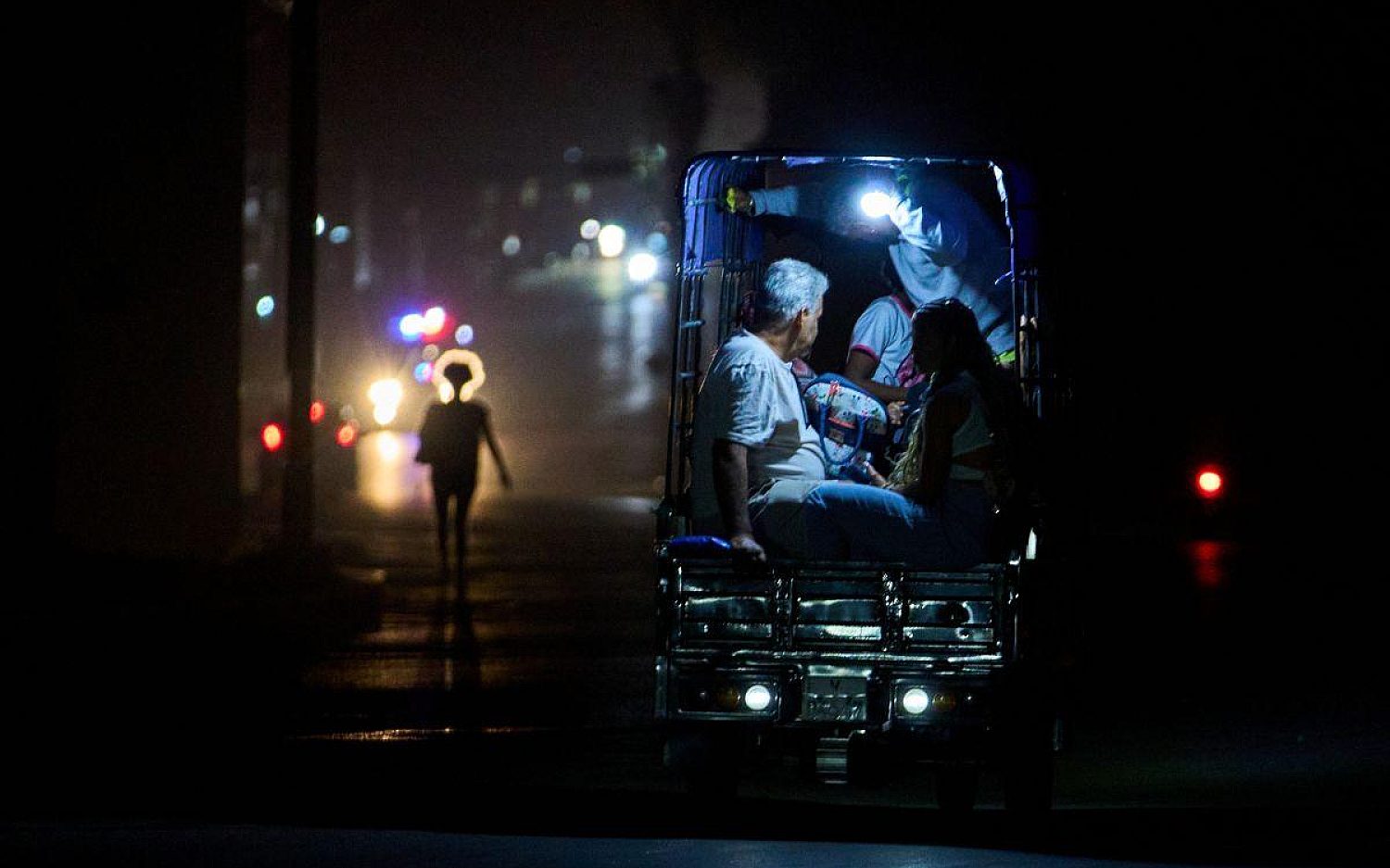
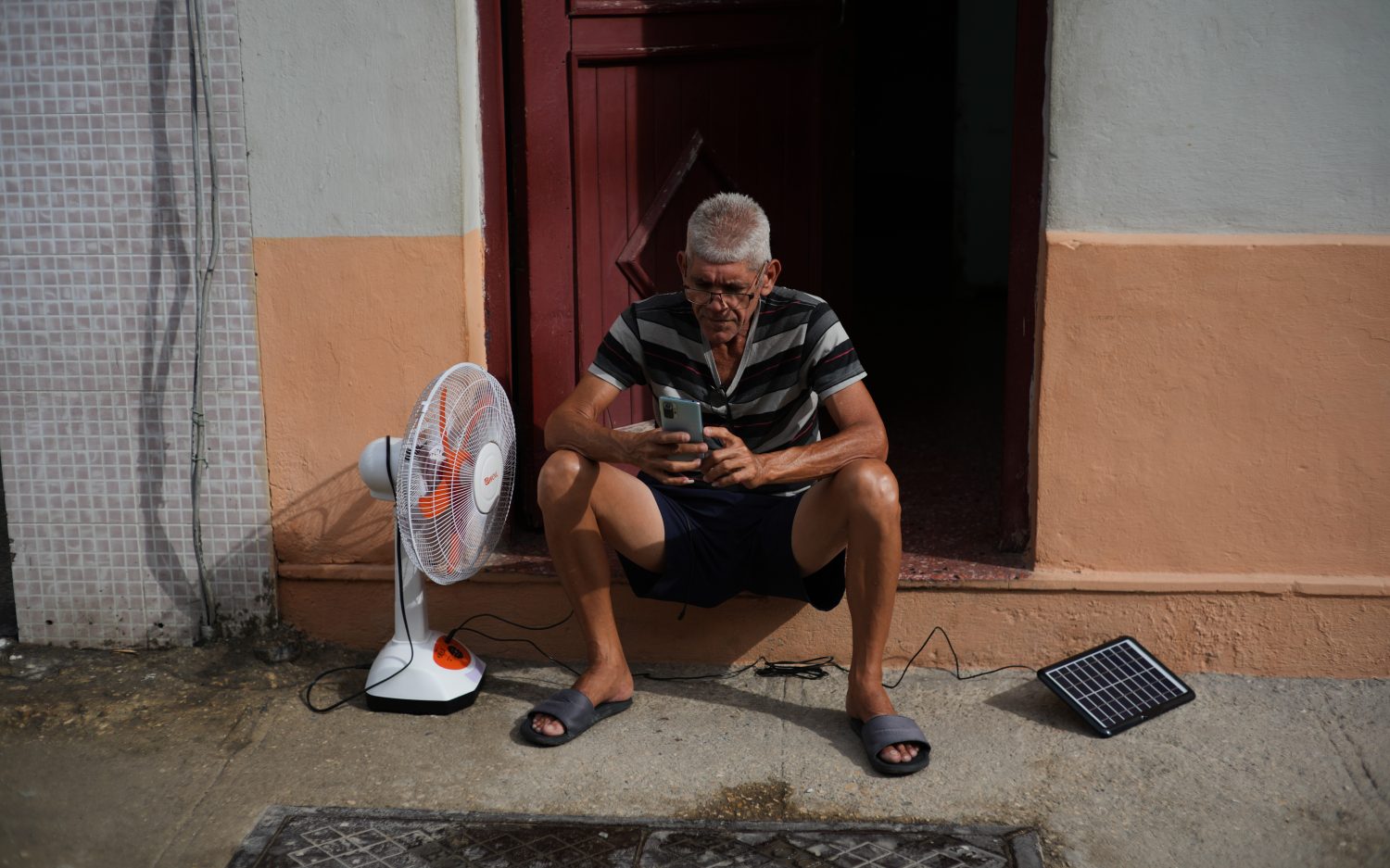

Cuba’s electricity grid collapsed on Saturday evening, leaving the entire island without power—for the second time in one week and the third time in March. Daytime power cuts have become a regular part of life in Cuba. But these major blackouts have brought a new level of intensity to Cuba’s energy crisis.
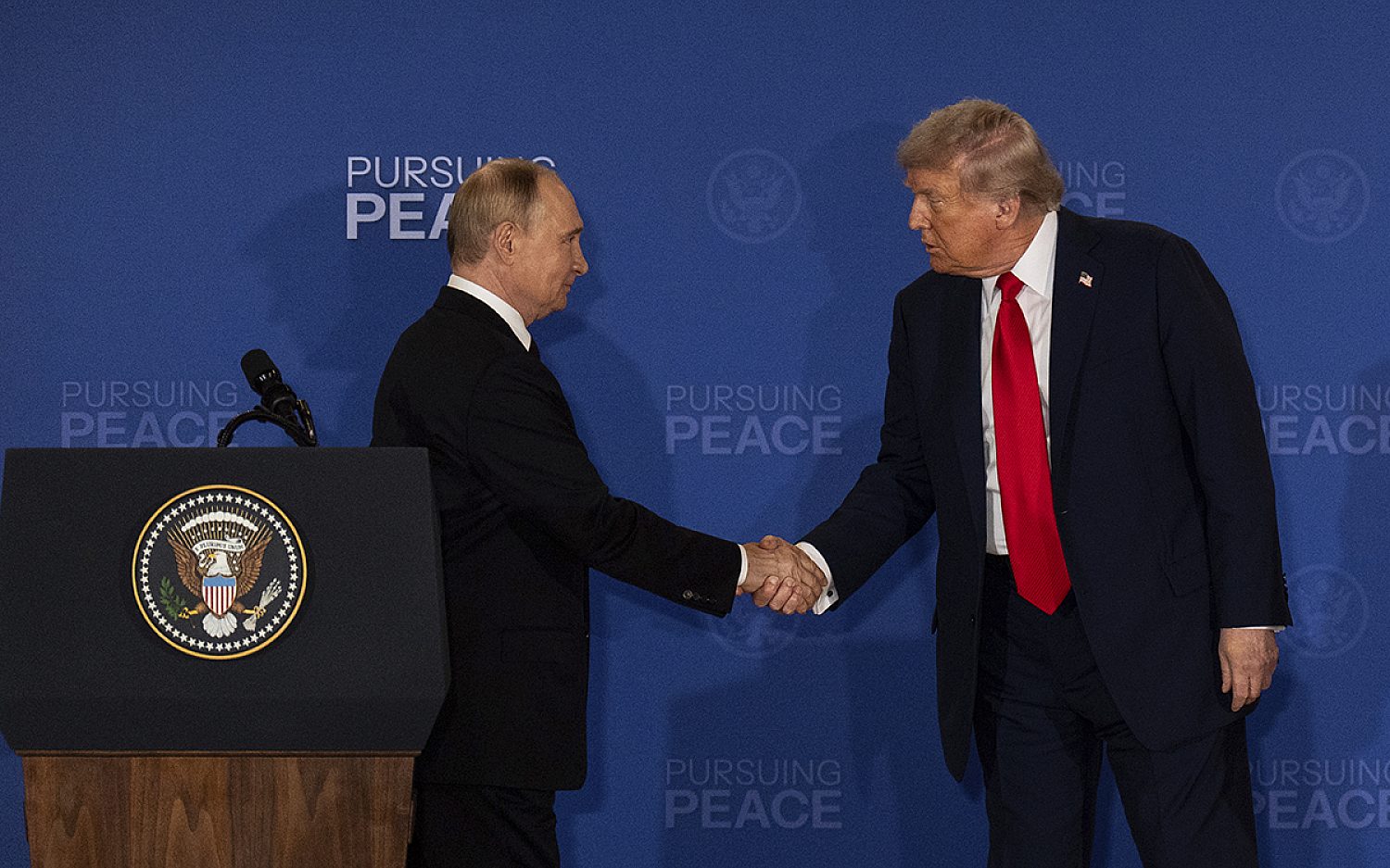
Cuba generates most of its power with thermoelectric plants, which burn oil to create electricity. In January, U.S. President Donald Trump threatened to put tariffs on countries selling oil to Cuba. His administration says that the Cuban government supports “hostile actors, terrorism, and regional instability that endanger American security and foreign policy.”
Since then, Cuba hasn’t been able to import enough oil to meet the demand for electricity.
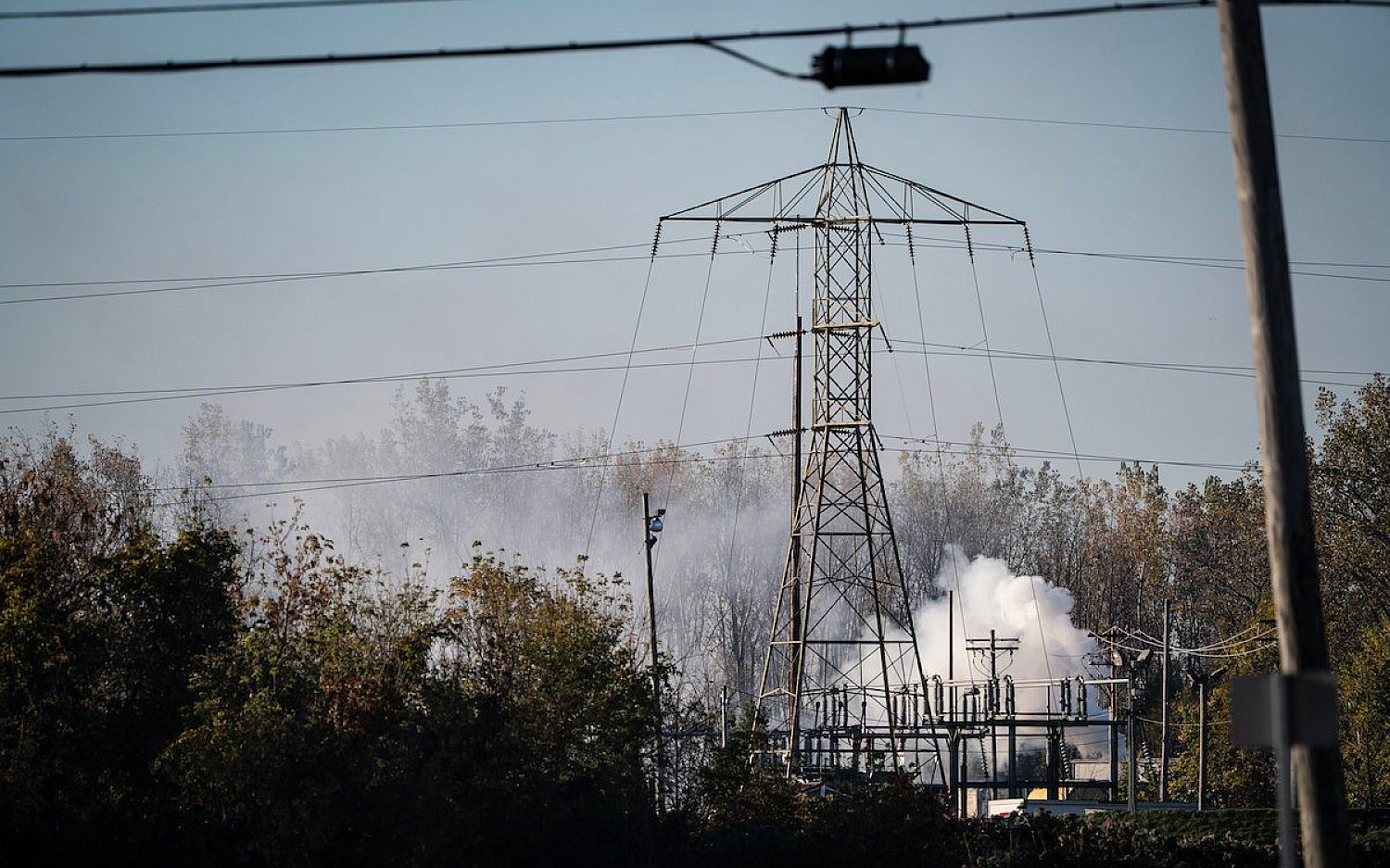
On top of that, the thermoelectric plants are old and run down. Saturday’s blackout was caused by the failure of a power generation unit in the east of Cuba. In early March, a boiler leak caused another blackout in a thermoelectric plant near Havana.
Officials have performed little maintenance on the thermoelectric plants during the 30 years they have been running, citing the cost. But the plants burn heavy oil, which contains sulfur that erodes equipment.
Cuban officials claim that U.S. sanctions are the reason they cannot buy new equipment for the thermoelectric plants.
Blackouts make life extra difficult for residents. They already face food shortages. Without refrigeration, food doesn’t last long in Cuba’s warm climate.
“What little we have to eat spoils,” says Tomás David Velázquez Felipe, a 61-year-old resident of Havana. He thinks that anyone who can leave Cuba should try to. “Our people are too old to keep suffering.”
Many residents cook with firewood or coal during power outages. They spend evenings outside to enjoy cooler temperatures.
Yordanis Lopez describes another result of the blackout: Internet and cell service connectivity is spotty at best. “When the power grid fails, social media networks go down as well,” he explains. “You have no idea what is happening.”
Domino games are popular during blackouts. “With the power outages, this is the only thing we young people have to distract ourselves,” says Jeferson Silvera.
For months, President Trump has described Cuba as being on the verge of collapse. Last week, he said he expected to have the “honor of taking Cuba in some form.”
Cuban President Miguel Díaz-Canel confirmed that his government is in talks with the United States. But he firmly disagrees that Cuba’s political structure is up for negotiation.
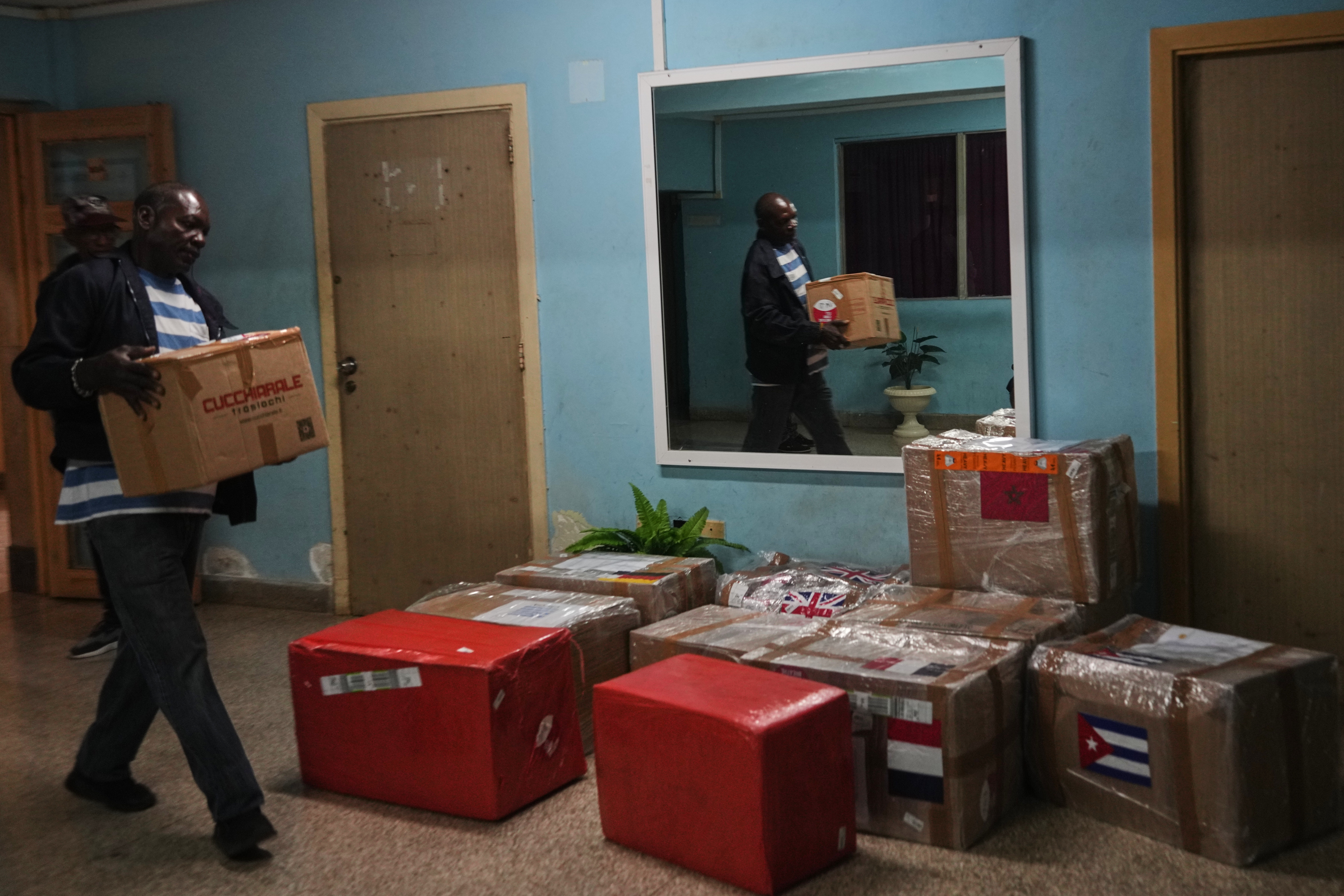
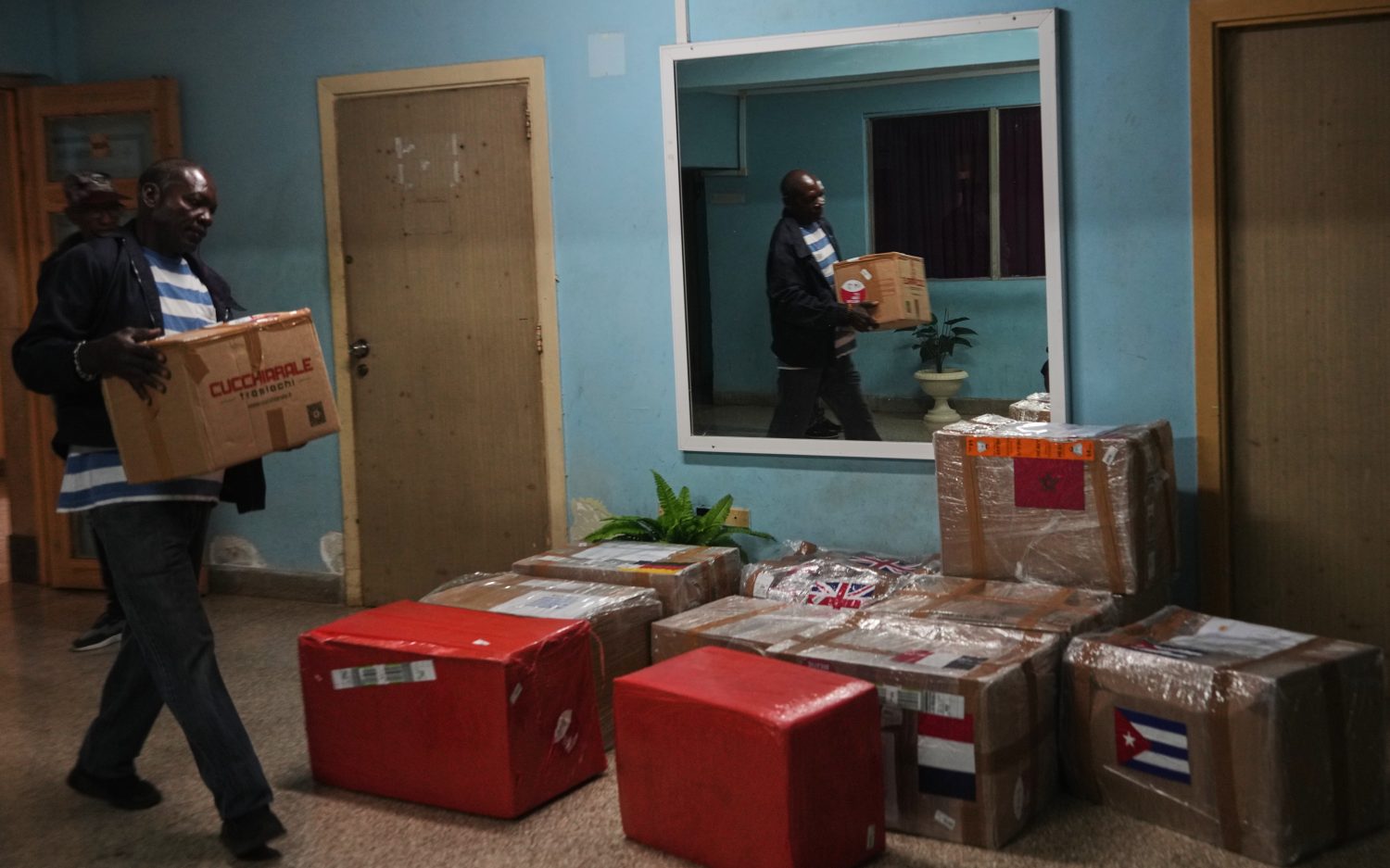
During the past month, organizations around the world have sent food and medical supplies to Cuba by plane and boat.