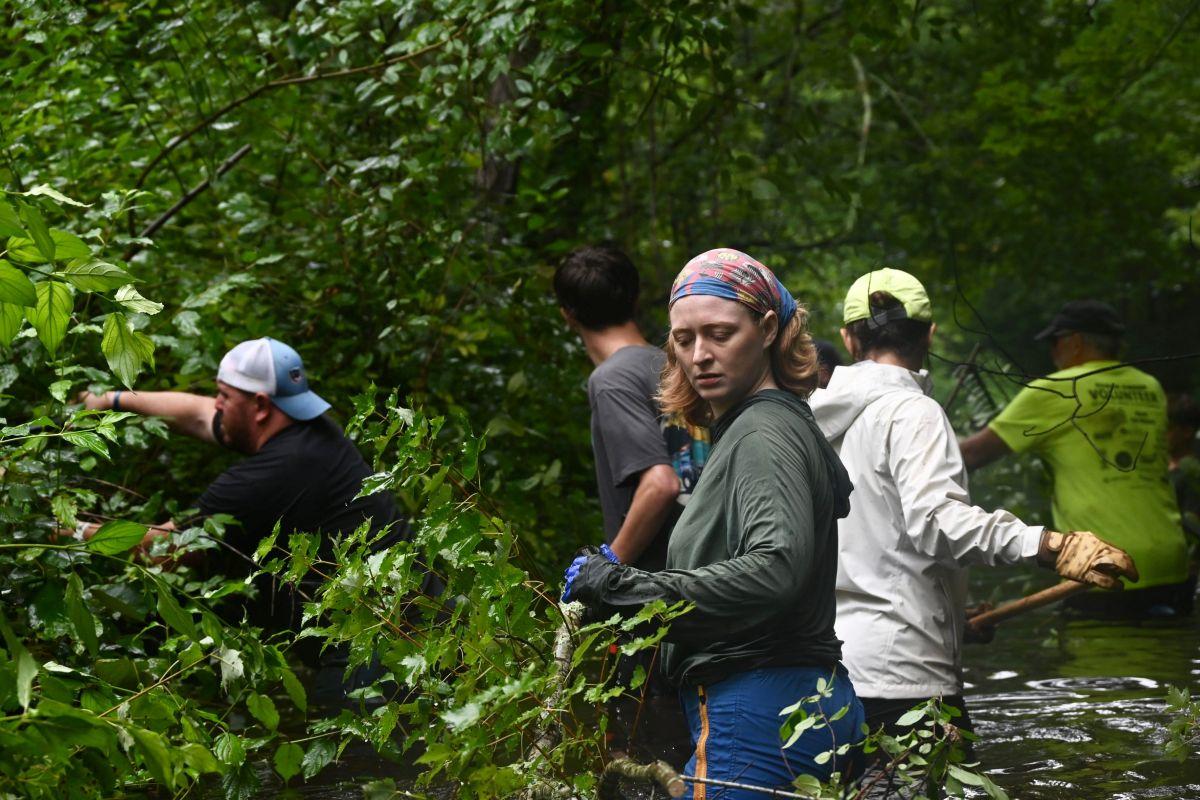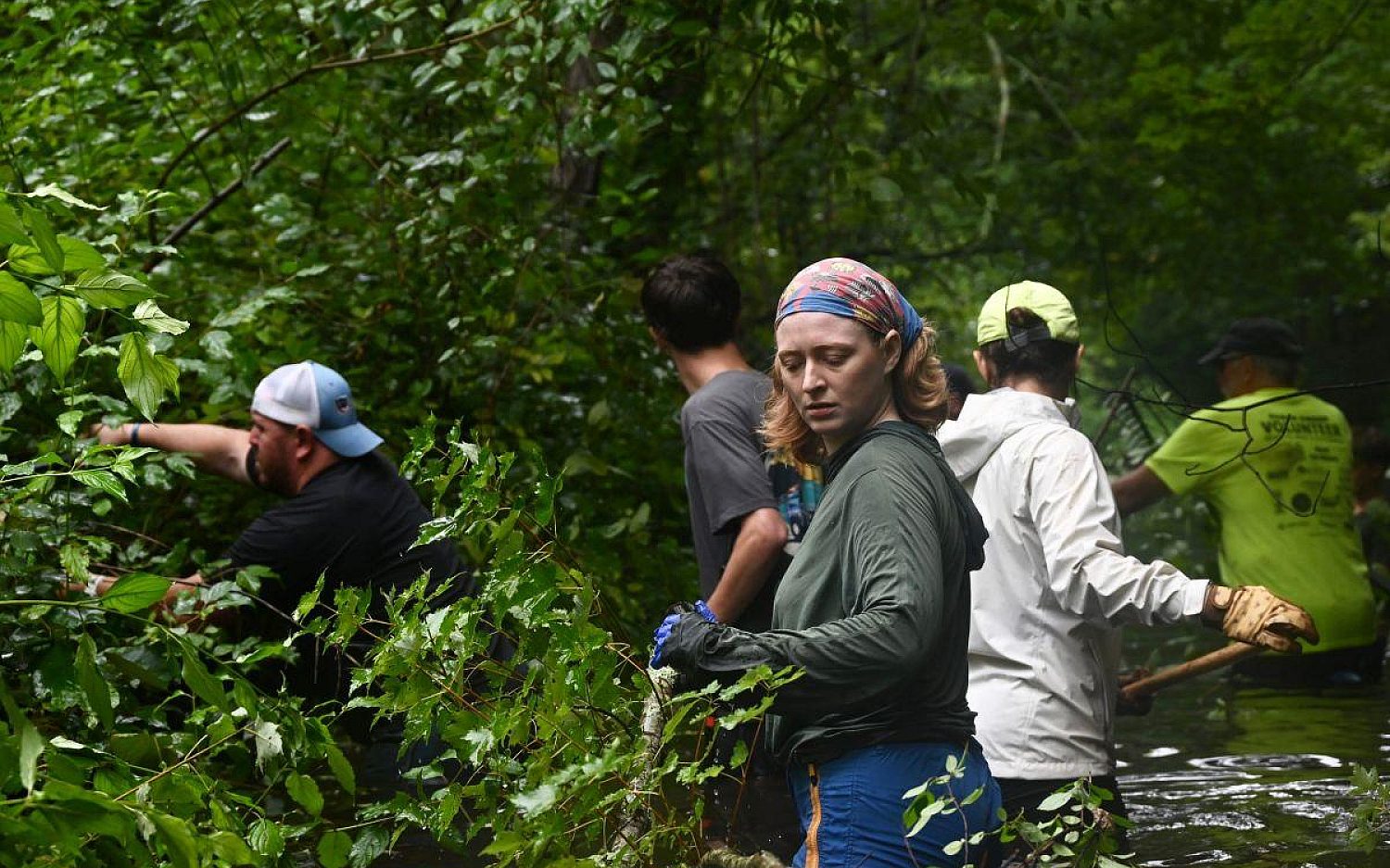

Marine biologist Jon Sheppard has a goal: He wants to see 200,000 herring spawning in the Acushnet River of Massachusetts. This summer, conservations organized volunteer workdays to clean up the herring habitat.
Atlantic herring are small silvery fish, around 14 inches long. They are a key food source for larger fish, sharks, and seabirds. Each spring, herring travel from the ocean to fresh water to spawn. Four hundred years ago, hundreds of thousands of herring came to the Acushnet River.
When Europeans settlers arrived, they built dams across the Acushnet to make farming and industrial activities easier. Over the years, manufacturers dumped chemicals into the river. The U.S. Environmental Protection Agency labeled it a “superfund site.” That is a location that incurs major cost to clean up pollution.
During the EPA’s cleanup in 2002, the Massachusetts Division of Marine Fisheries put a fish ladder over one dam and replaced two more with tunnel-like fishways. The number of herring jumped from just 2,000 to 14,000.
But since then, the herring population has declined again. Conservationists determined that fallen branches, overgrowth, and litter impede the herring migration.
In the past, beavers would have cleared fallen branches and overgrowth.
But reintroducing beavers isn’t a good solution for the Acushnet River. “They don’t care about property boundaries,” says conservation agent Chase Perks. “Even if we brought back the beaver, we’d have even bigger headaches, because beavers were not living in a landscape hemmed in by Mrs. Smith’s orchards and pipe culverts and so on.”
The clean-up task falls to humans. Every week this summer, land manager Marcus Hendricks led cleanups with 10 to 20 volunteers. They sawed through fallen trees. They removed branches and litter. On one Saturday in August, volunteers collected seven tires and 177 glass bottles from the water.
Hendricks says the work will be done once he can kayak the entire length of the river. A member of the native Wampanoag tribe, he explains that the Indigenous practice of following migration paths can help conservationists understand what animals need to flourish.
Perks says that conservation should be a hands-on practice to be effective. He says one can’t just “put up a fence around it and don’t touch it.”
“We need people getting in the river,” he says. “Getting muddy, destroying their shoes to get out there and cut back brush.”
God’s Spirit actively sustains His creation. (Psalm 104:27-30) Being good stewards of creation is an active practice too!