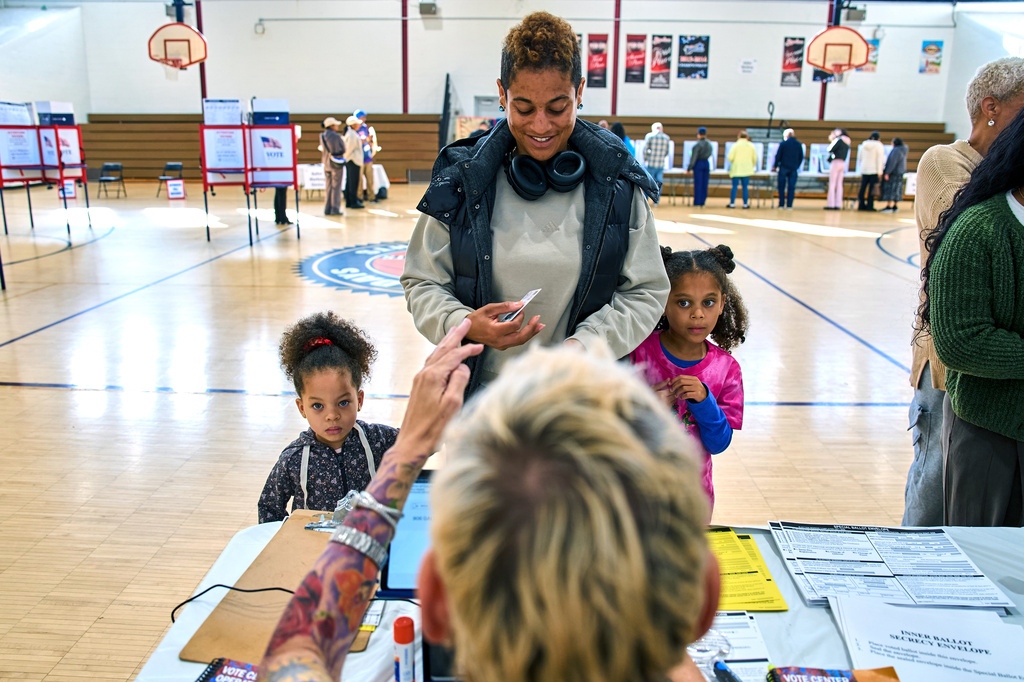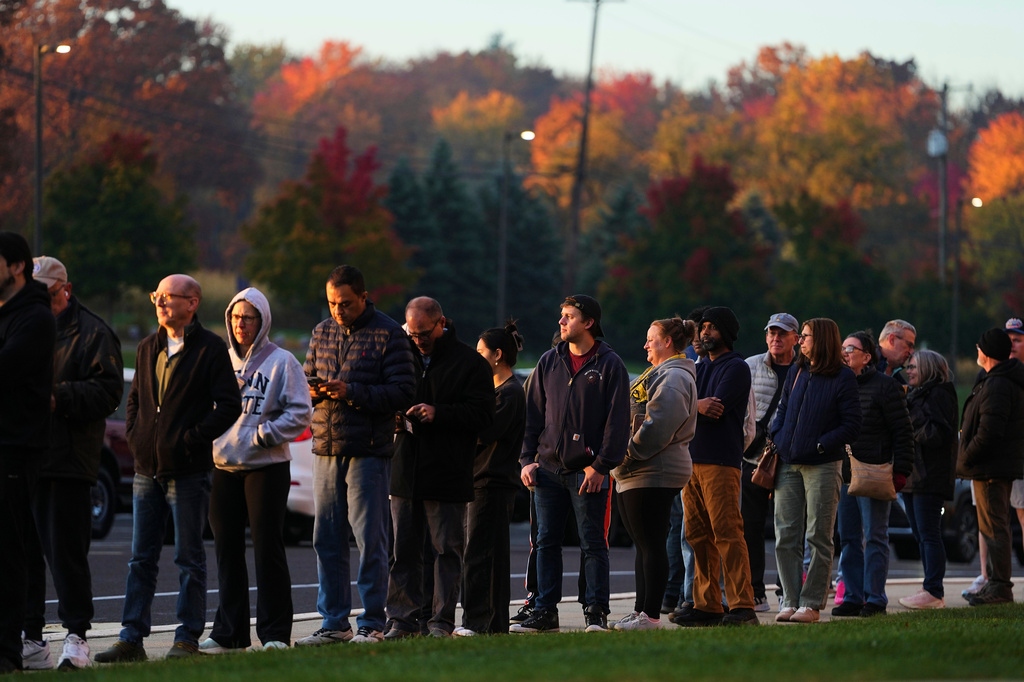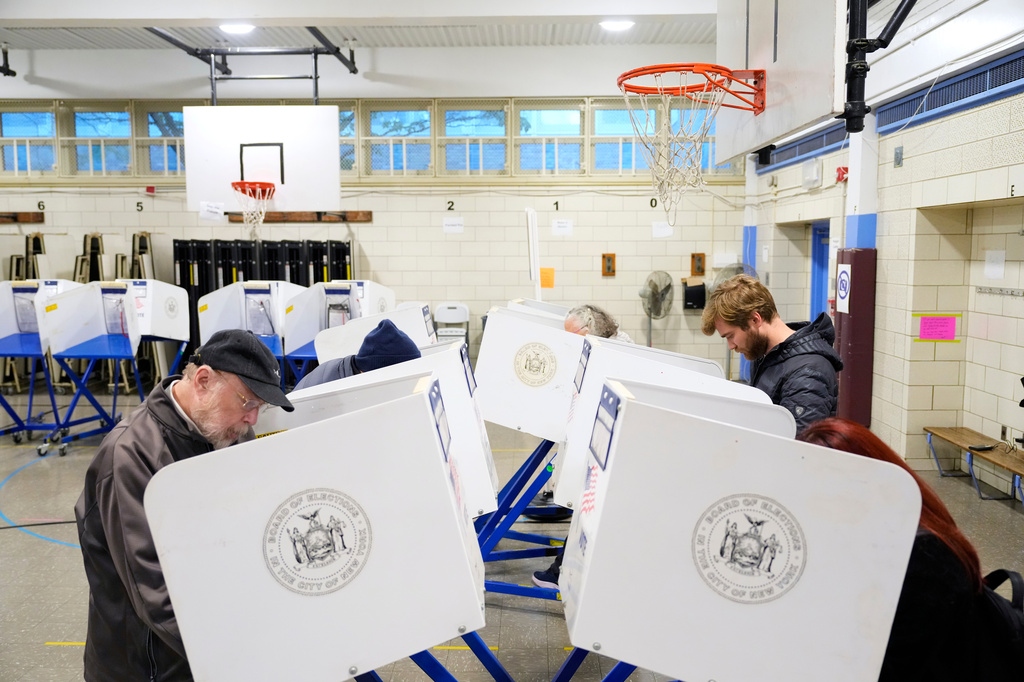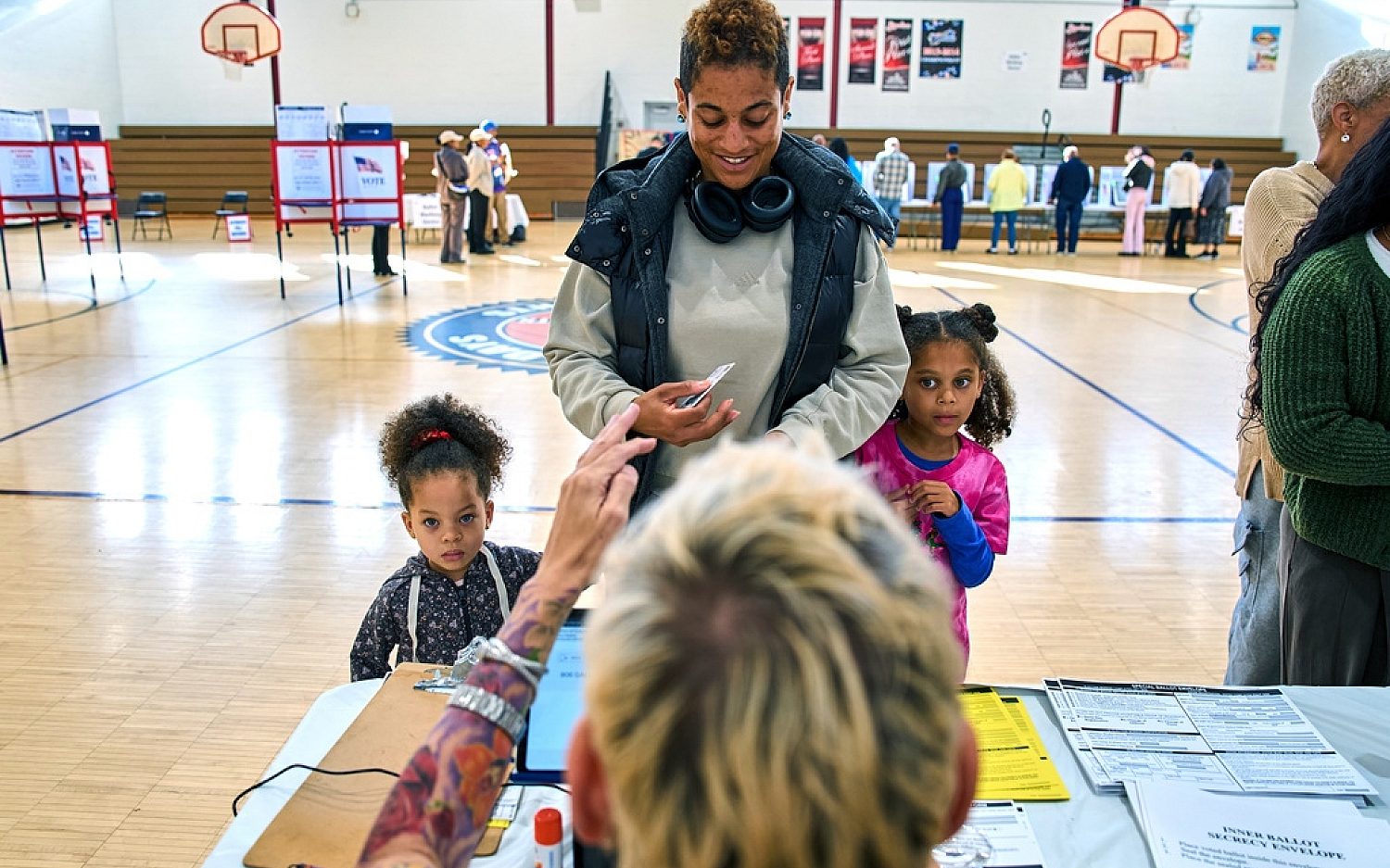
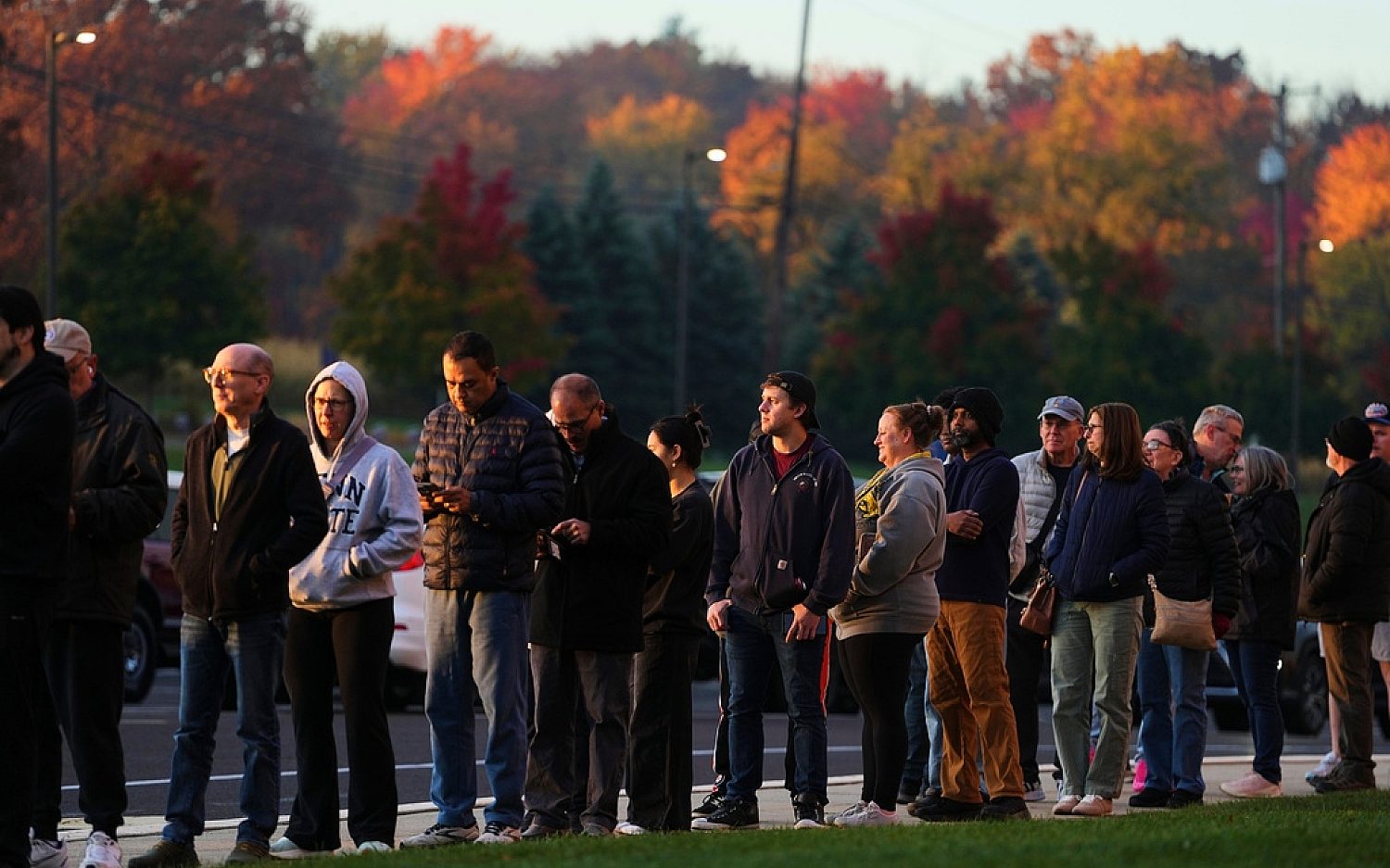
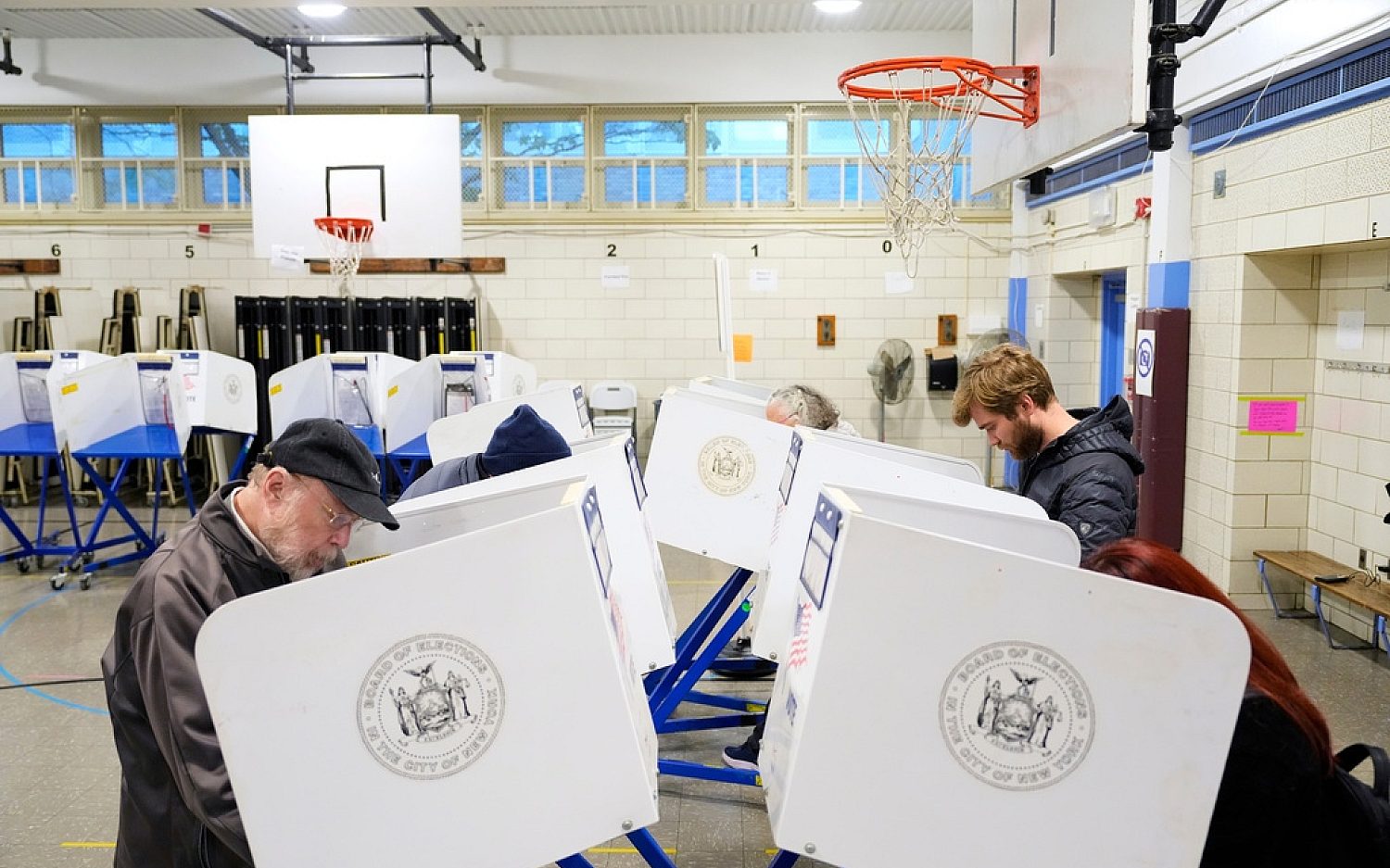
On Tuesday, November 3, Americans headed to the polls for midterm elections. At least, many of them did. About 57 million more had already cast votes during the “early voting” window in advance of the official Election Day. The highest office in the land—that of the President of the United States—is not open for election this time. But the midterms are still very important to the governing system in the United States.
Voters nationwide will decide control of the U.S. House and Senate—the two chambers of Congress. Congress is one of the three equal branches of the U.S. government. It is called the “legislative” branch. The presidency is the “executive” branch, and federal judges make up the “judicial” branch. The legislative and executive positions are elected by vote of registered American citizens age 18 and older. Federal judges and justices are appointed by those elected to the legislative and executive positions.
Going into the midterm election, both chambers of Congress had Republican majorities. That means that most of the time, Congress aligned in support of the policies and actions of Republican President Donald Trump. The question on many voters’ minds at midterm is whether those majorities will hold—or will the Democratic Party flip the slim majority in one or both houses? If Democrats take control of Congress, it will be more difficult for the president to continue moving forward the policies he has put in place so far in his term.
The most significant seats to be decided in the Senate are in Alaska, Iowa, Kansas, Maine, Michigan, Ohio, and Texas. Battlegrounds for House seats are scattered across the country.
Analysts and pollsters try to predict voter decisions. They point to public dissatisfaction with the war in Iran, the high cost of gasoline and food, dramatic increases in health insurance premiums, and mortgage interest rates that prevent many young adults from buying their first homes. But other issues are harder to pin down.
Immigration, for instance, gets a lot of attention, but voter opinions are not straightforward. Most American citizens agree that the country shouldn’t have “open borders.” Immigrants should enter by legal process. But under the previous administration, many immigrants crossed into the United States without the proper documentation and permissions. President Trump campaigned on a promise to secure the borders—and with the support of Congress, he has largely done so. But not all citizens agree with the practices he has established and condoned for removing undocumented but otherwise law-abiding immigrants. That tension—as well as the economy—is on many minds as folks turn out to vote.
The midterm voting results will chart the course for President Trump’s final two years in office. If Republicans lose majority in the Senate, confirming the president’s nominees for the judicial branch will become harder—potentially further tipping legislative processes away from single-party control.
Polls opened as early as 6:30 a.m. in some East Coast states. Hawaii, the farthest state to the west, will be the last to close its polls. That happens at 7:00 p.m. local time on Tuesday—or midnight on the East Coast.
Voting is an important right and responsibility for citizens of a nation. It should be approached with preparation and care. But no matter how the results come in, Christians know that our hope for our lives is not in our elected leaders. Psalm 146 focuses our eyes on our righteous Sovereign. “Put not your trust in princes,” says verse 3.
The Lord will reign forever. — Psalm 146:10