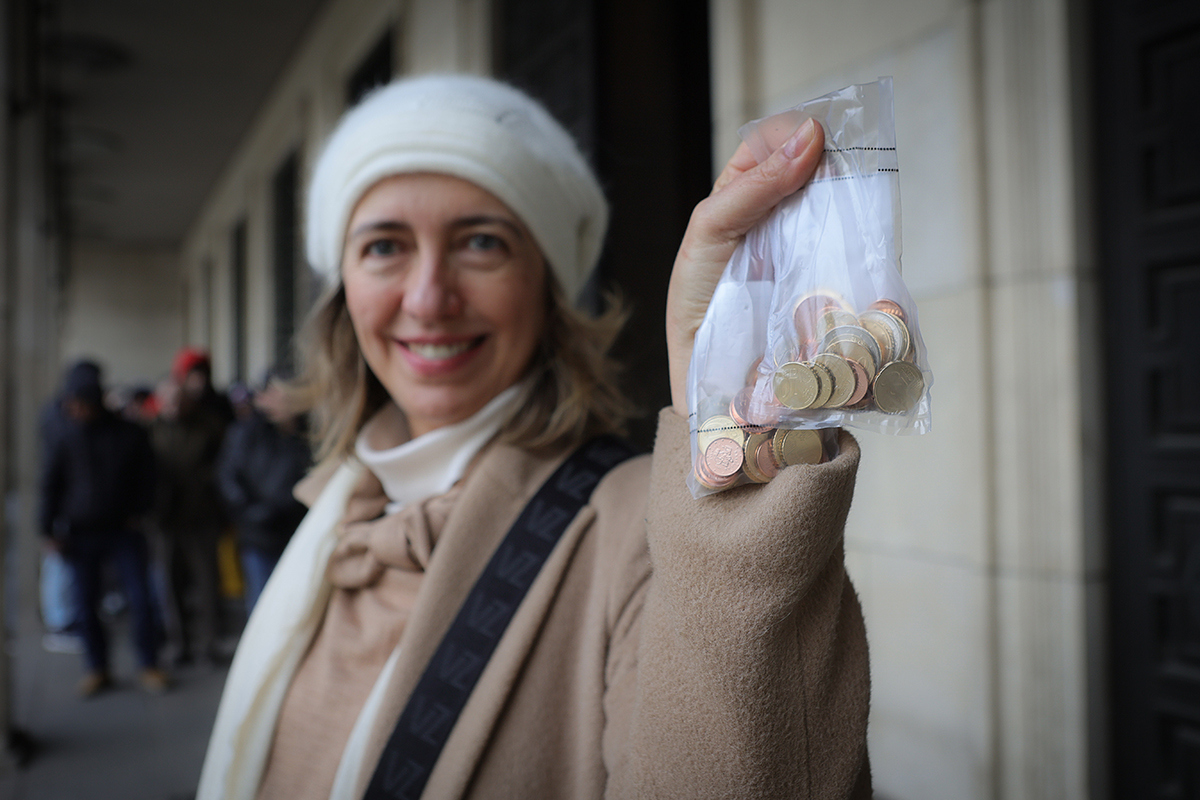
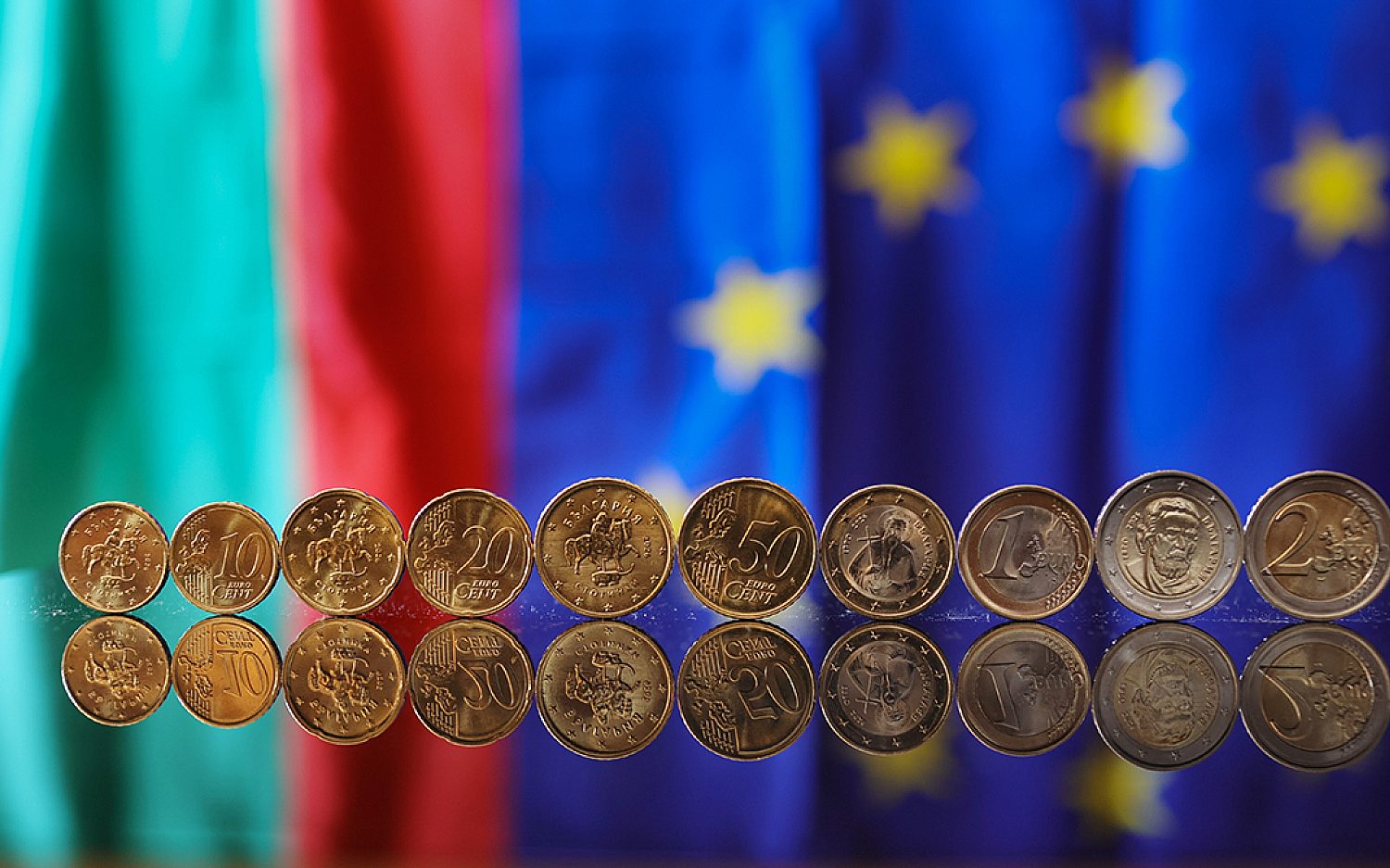
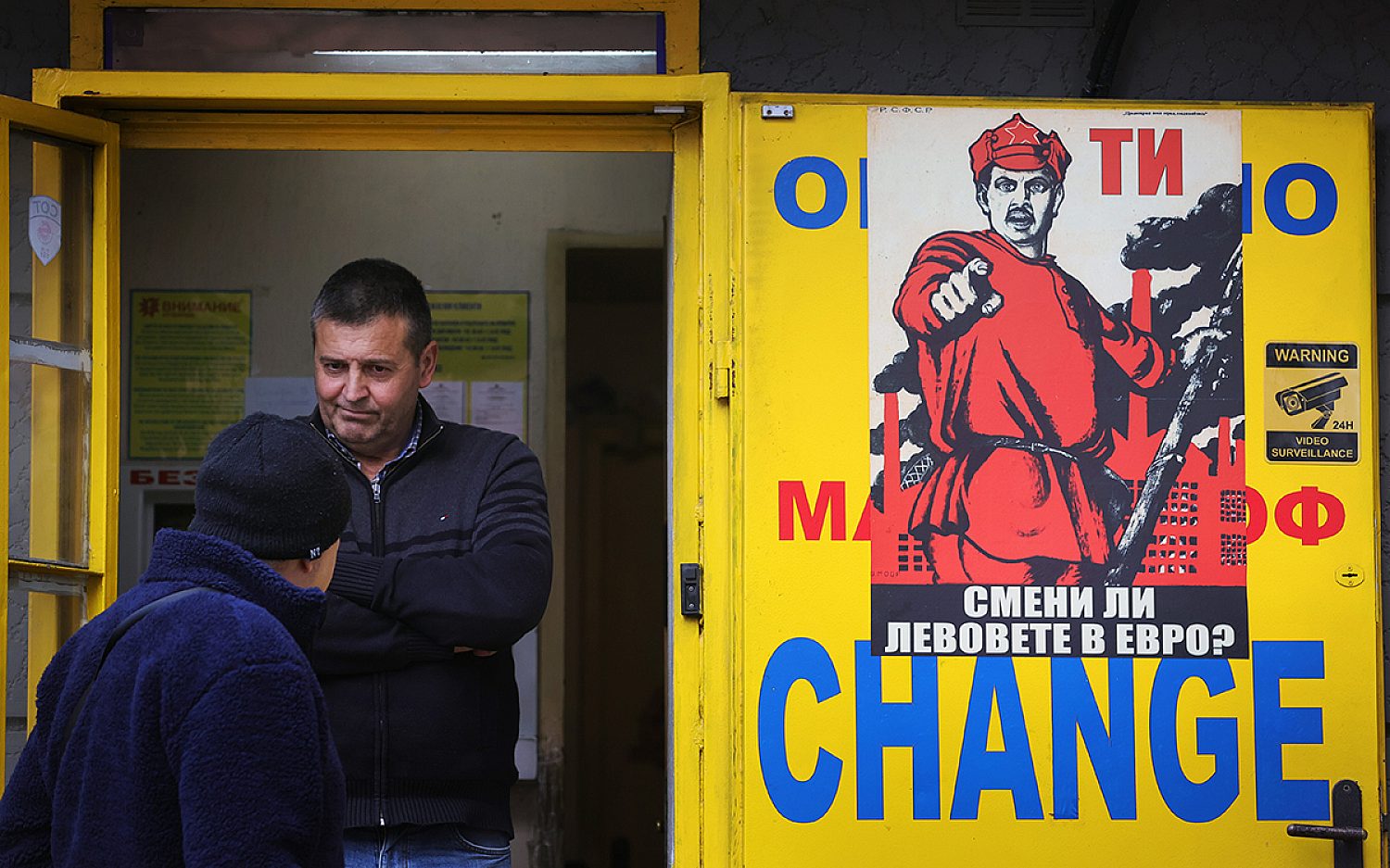
On New Year’s Day, Bulgaria’s cash machines began issuing euro banknotes and coins. The nation’s more than six million citizens previously went to market using the lev currency.
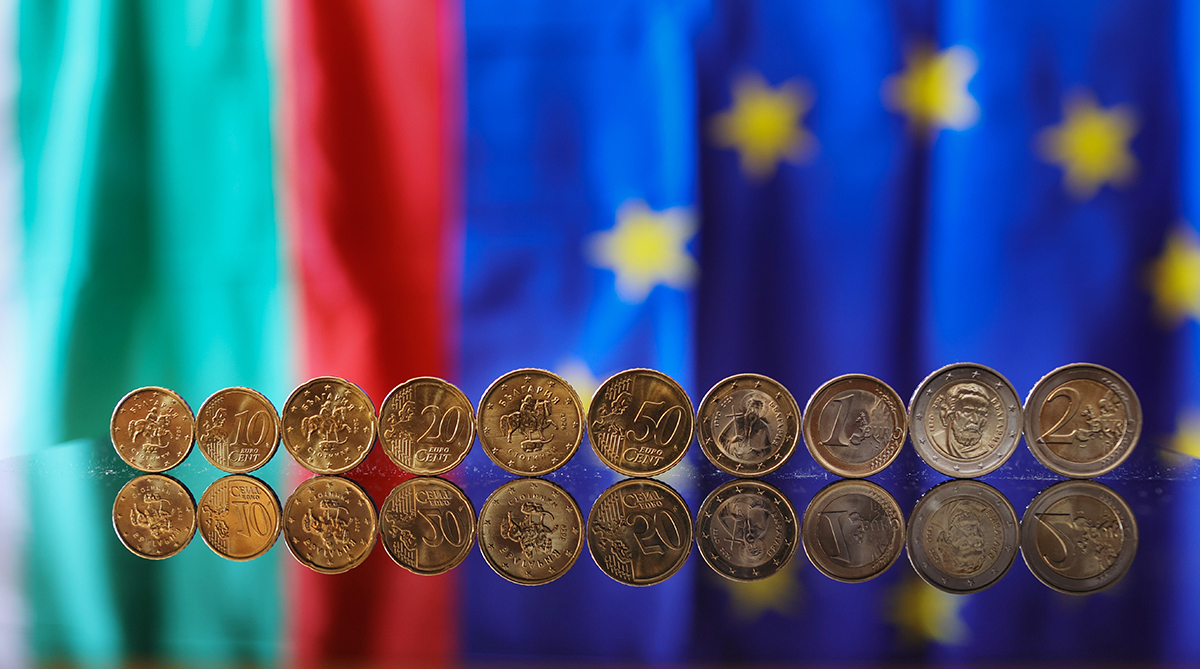
Twenty-one countries use the euro, including France, Germany, Greece, and Slovenia. The Eastern European nation of Bulgaria borders the Black Sea between Romania and Turkey. Its new coins feature Bulgarian symbols, but those, along with euro banknotes, can be spent anywhere in the “eurozone” of countries that make up the European Union (EU).
Supporters say the move will be good for tourism. Businesses can stop converting currency from the rest of the EU. Bulgarians may keep spending levs through January but will get euros back in change. Bulgaria joined the EU in 2007. It committed to changing its currency as part of rules for doing business in the eurozone. Other EU countries that have not yet switched their currency include Sweden, Romania, and the Czech Republic.
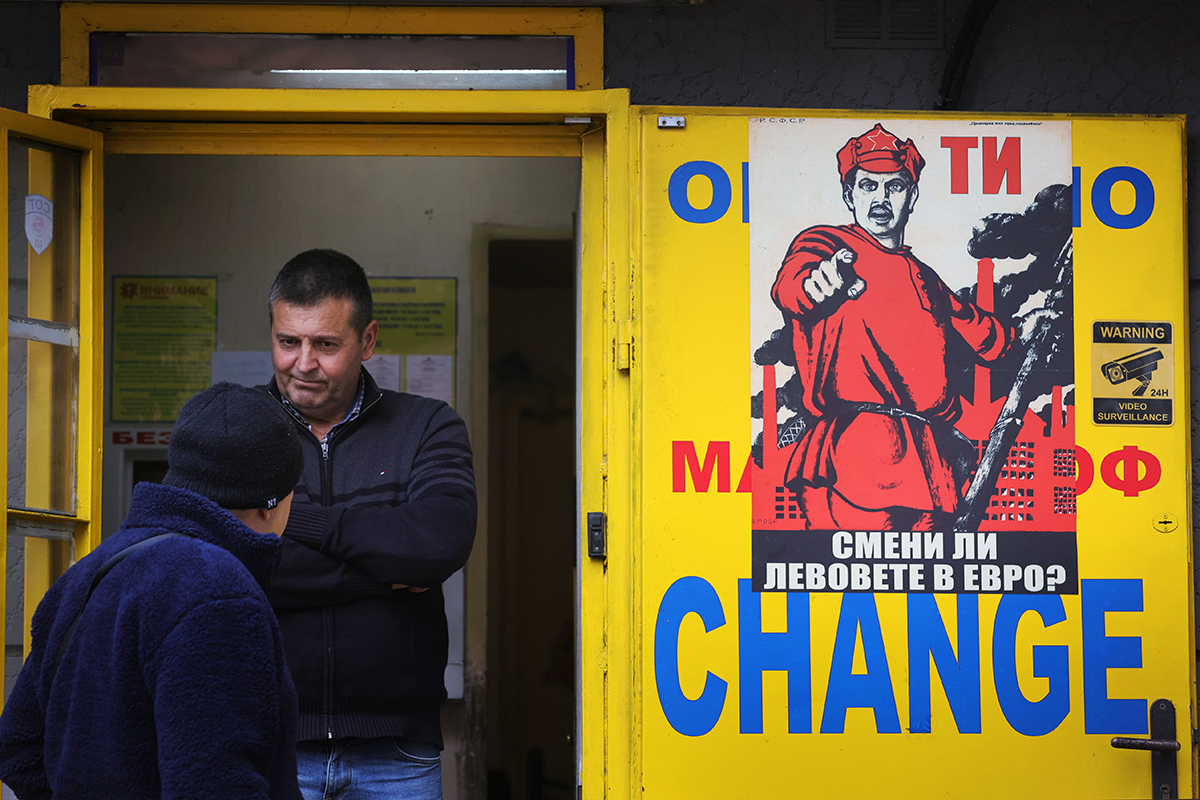
Some welcome the change as moving closer to Europe and away from Russia. During the Cold War, Bulgaria was aligned with the Soviet Union. But after the fall of Soviet communism in 1989, it adopted a capitalist economy and democratic government.
Since then, Bulgarian leaders have struggled to keep inflation under control and raise the standard of living in one of Europe’s poorest nations. Just last month, large protests against government corruption and rising taxes prompted the leaders to resign. That triggered the nation’s eighth election in five years.
Not everyone is happy about leaving the lev behind. Some fear losing economic independence. They worry businesses will raise prices during the currency change. Others are concerned about the timing of switching currencies when the government is unstable. But many say the move will help Bulgaria’s economy become more stable alongside other European nations.
Bulgarians can exchange old levs for no cost until June 30. Bank accounts will automatically switch over. With the lev worth about half of the euro, 100 levs become 51.13 euros.