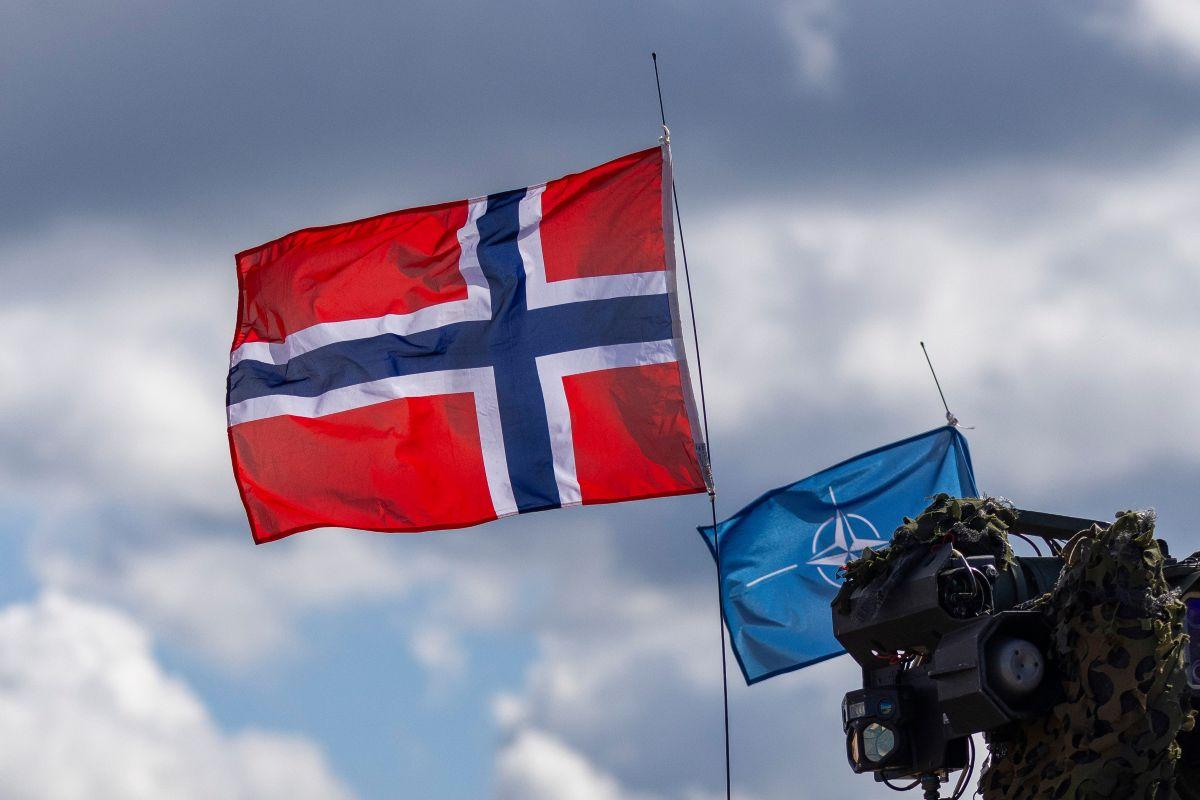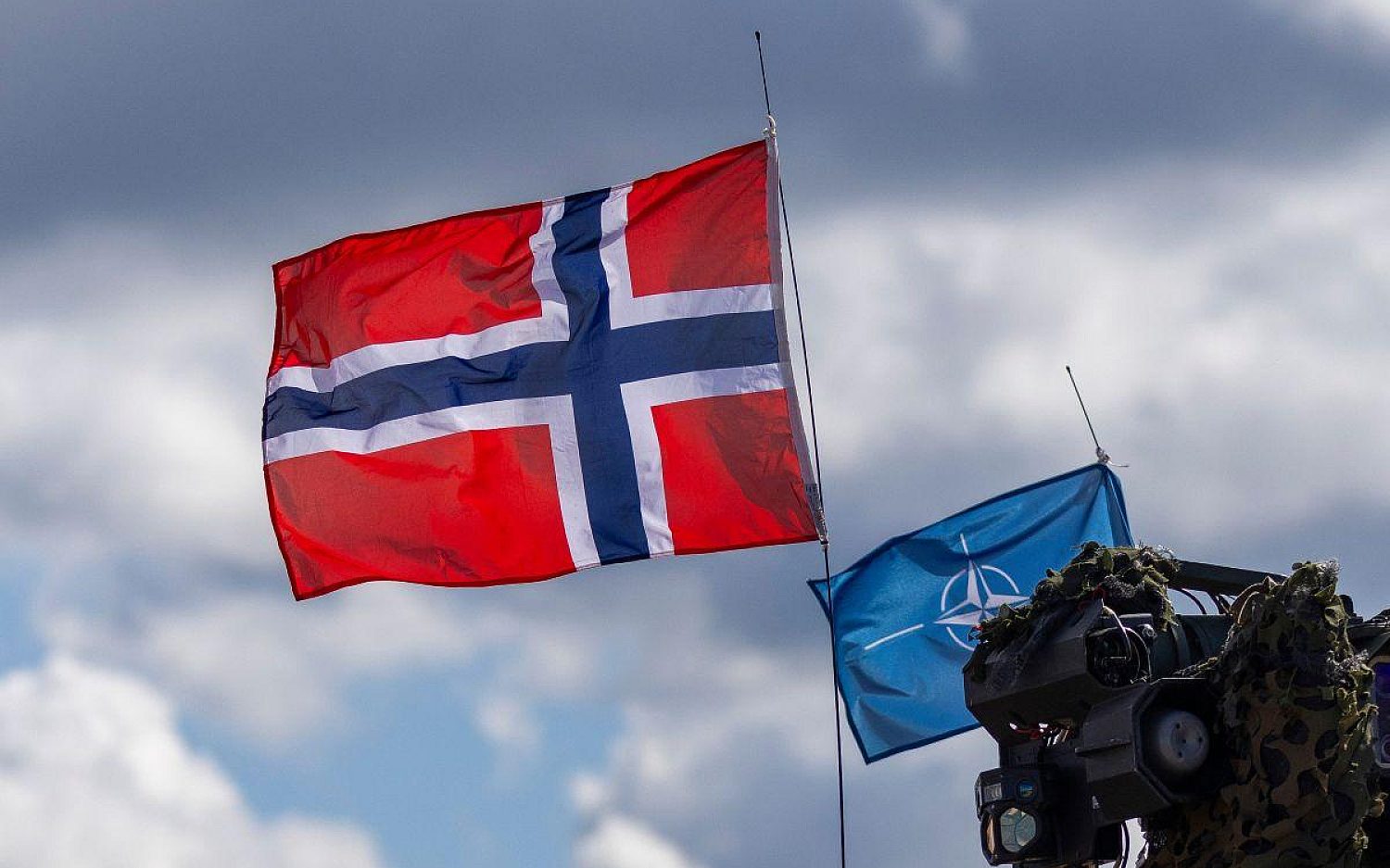


The Norwegian military seized a Russian ship on Wednesday. The vessel, a commercial expedition cruise ship, was sailing in the Svalbard archipelago in the Arctic Ocean.
Why did Norway take the ship? Norway isn’t at war with Russia, but it is an ally of Ukraine.
In 2014, Russia annexed Crimea. It seized gas fields and pipelines that belonged to a Ukraine energy company, Naftogaz. In 2023, an international arbitration court ruled that Russia should pay Naftogaz $4.22 billion as compensation for snatching its assets.
Russia refused to pay. So Ukraine asked its allies to confiscate commercial assets from Russia—such as the ship.
“Russia cannot evade responsibility simply by refusing to comply with an international arbitral award,” says Naftogaz CEO Sergii Fedorenko. “We will continue to pursue Russian assets around the world.”
Russian President Vladimir Putin says that Norway’s seizure of the commercial ship was an act of “state terrorism.”
The seizure comes after a hard summer for Russia. Since July, Ukraine’s military has changed tactics for long-range drone attacks in Russia. Instead of focusing on military bases, Ukraine is now targeting depots of an online retail service called Wildberries. (That company is similar to Amazon in the United States.) It’s also targeting civilian airports and oil refineries. Airlines are canceling flights. Gas prices climb.
Ukraine wants ordinary Russian citizens to feel negative effects from the war. So far, it seems to be working.
“People are grumbling more; they’re talking more,” says Chris Weafer. He’s CEO of a consultancy business in Moscow.
An independent polling center in Russia reports that Putin’s traditionally high approval rating has fallen from 87% to 76% this year.
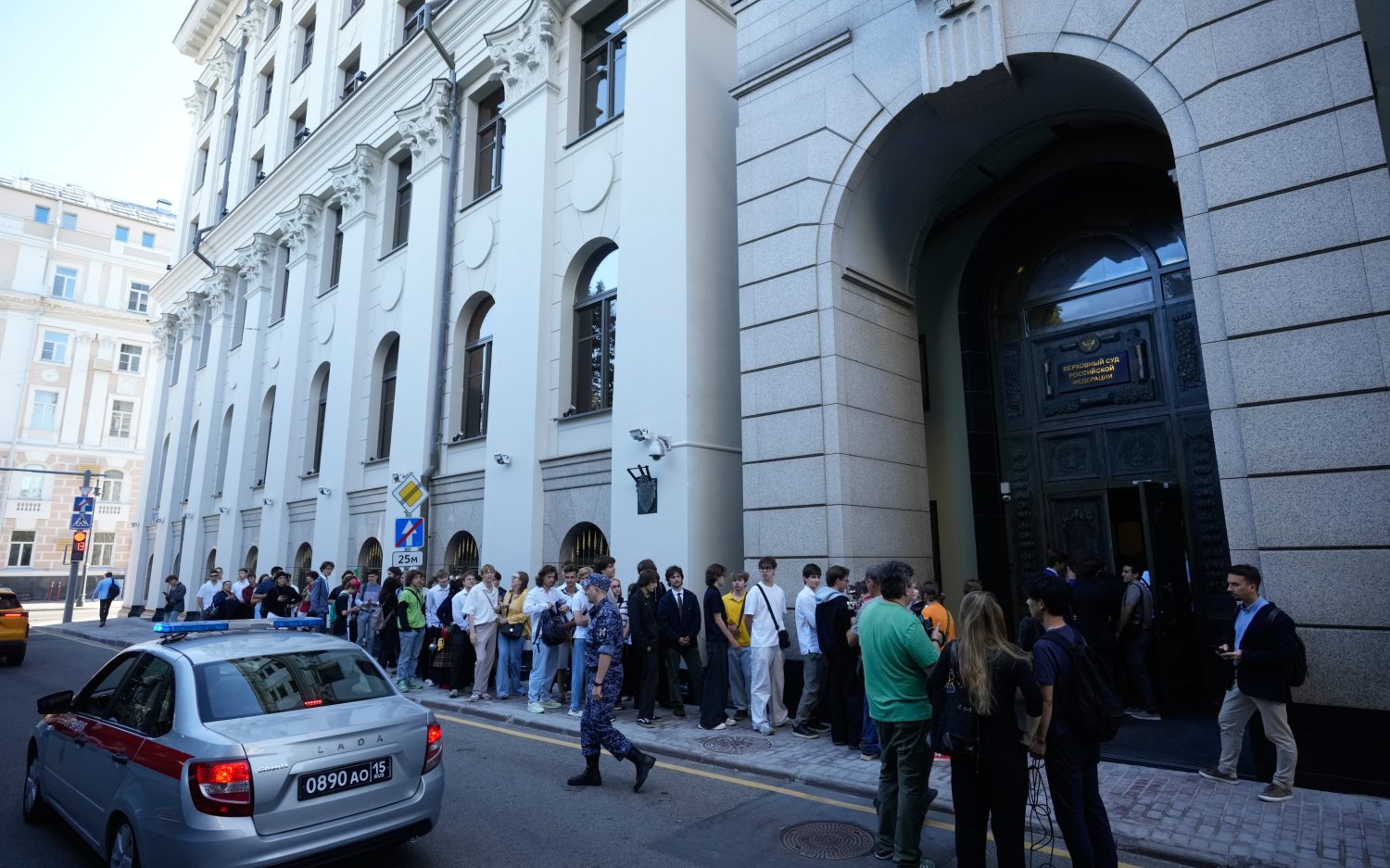
Russia has a parliamentary election coming up in late September. In August, the Supreme Court removed the Yabloko party from the ballot. That is the biggest political party that opposes Putin.
Most political experts assume Putin orchestrated the Supreme Court’s decision. Yabloko reports that it received thousands of new applications for membership over the summer.