
It started with an eviction on September 23.
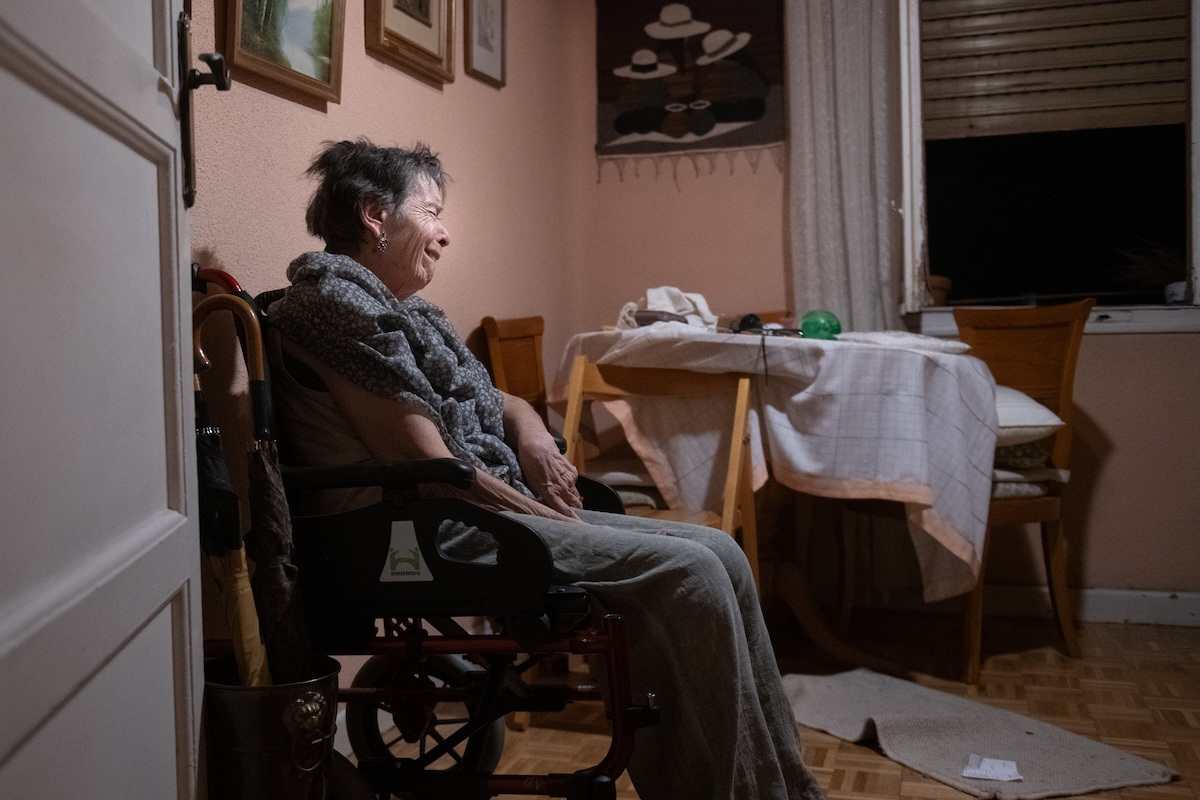
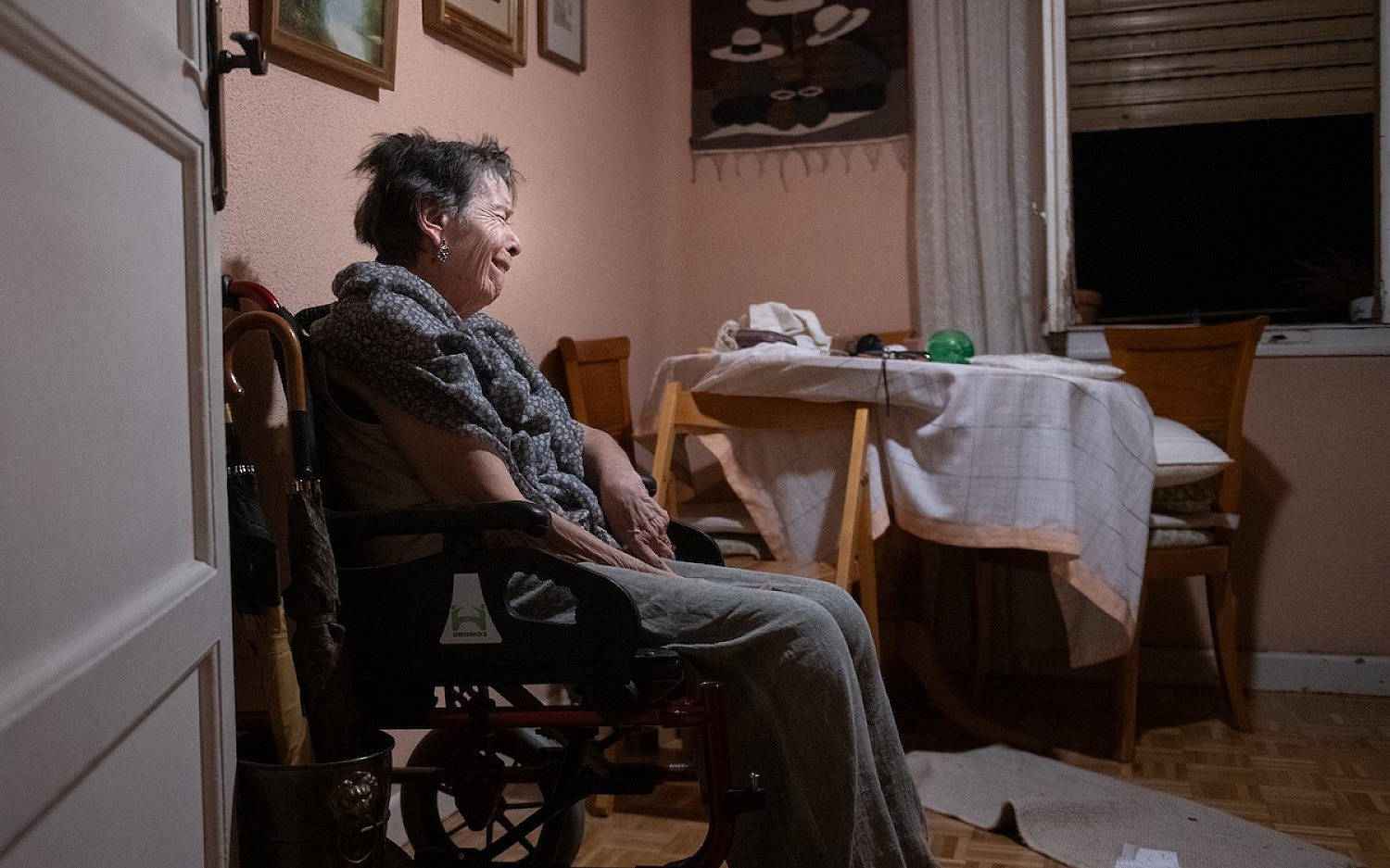
A real estate company in Spain insisted María del Carmen Abascal must leave her apartment in downtown Madrid. It sought to rent the place at a much higher price. The 87-year-old relied on a wheelchair and had called the space home for seven decades.
Police cordoned off the street. They carried her out on a stretcher from her apartment. In a fragile state, she ended up in the hospital.
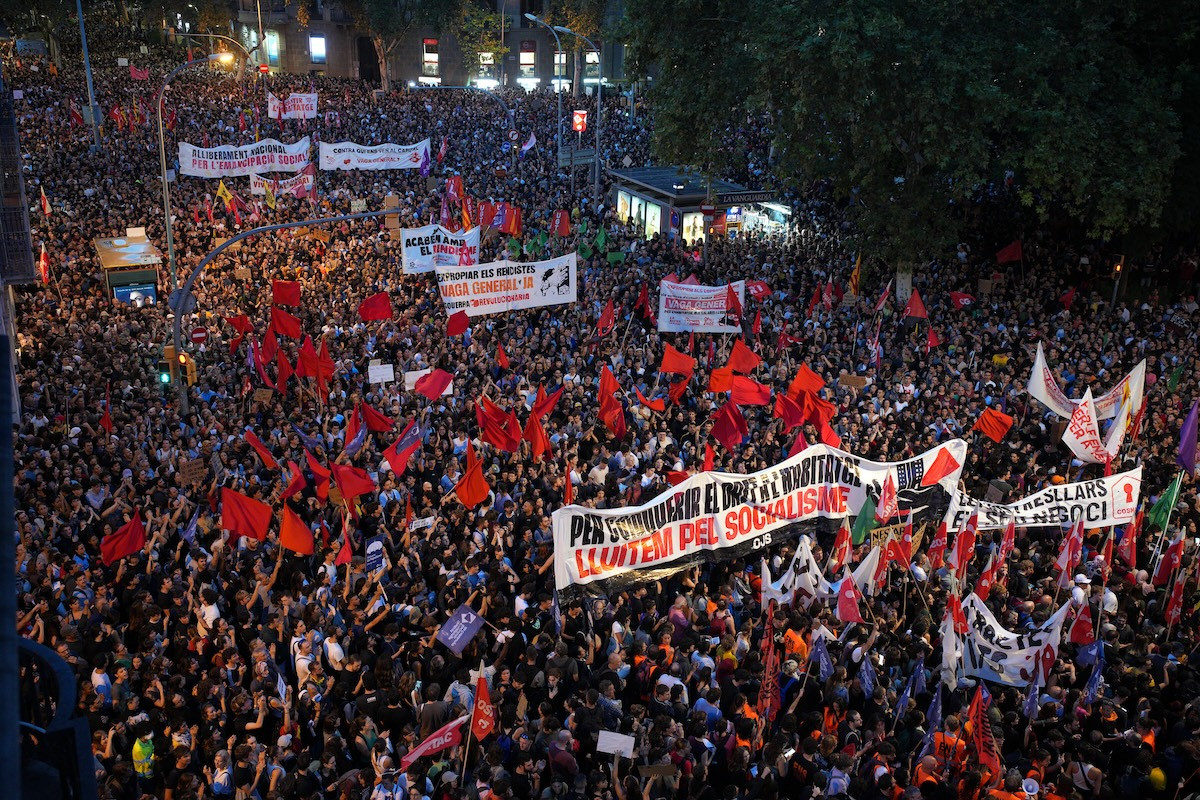
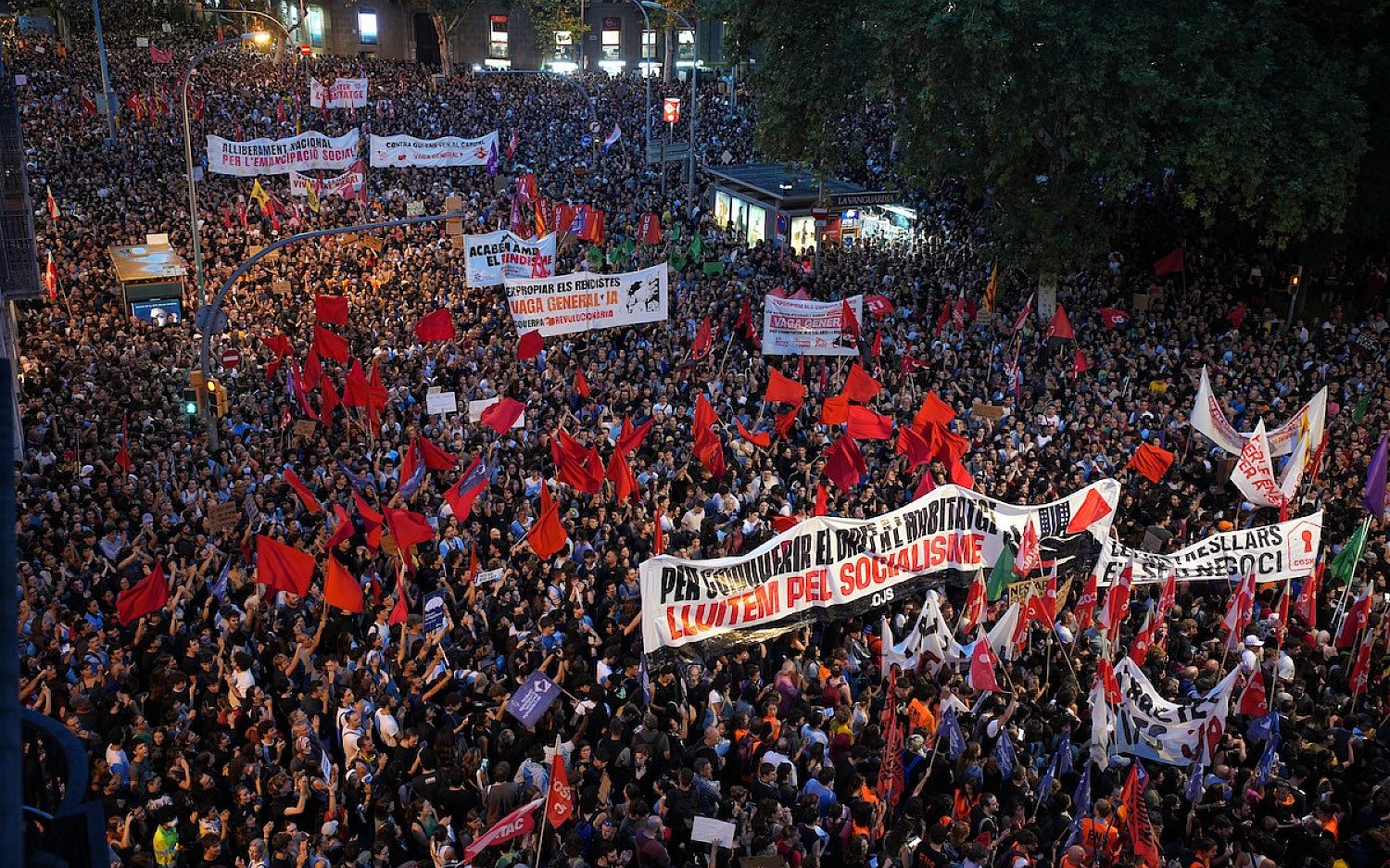
Televised images of her sparked a strong response. The public christened Abascal “Maricarmen.” Tens of thousands of people protested Spain’s housing crisis in Madrid and other cities.
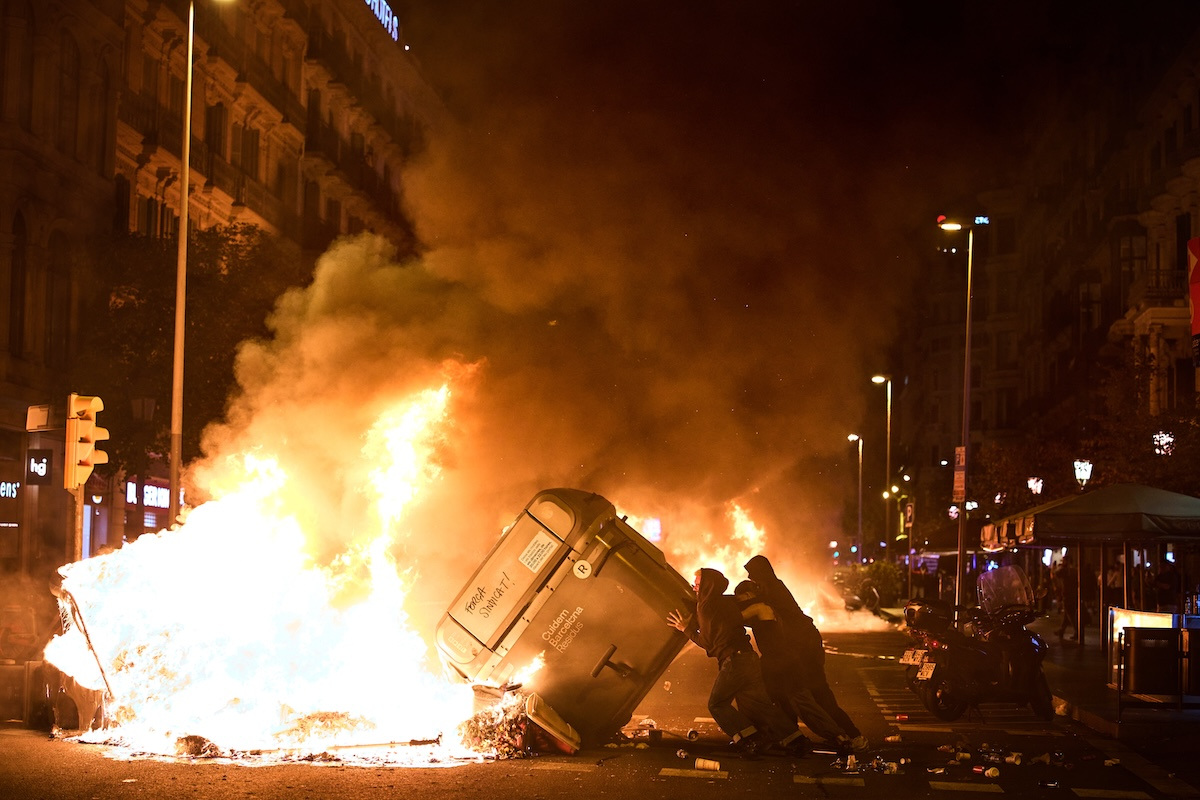
Violence erupted in Barcelona on October 5. That came just hours after Prime Minister Pedro Sánchez called for early elections. His government failed to get Parliament to pass emergency measures. They would have stopped evictions and curbed real estate speculation. Real estate speculation refers to investors buying property with the intention of selling it in a short period of time for a higher price. Critics say that this often increases prices in an area very quickly, which can price homebuyers out of the market.
The Madrid real estate company finally reached an agreement for Abascal to return to her home. But she died on Wednesday.
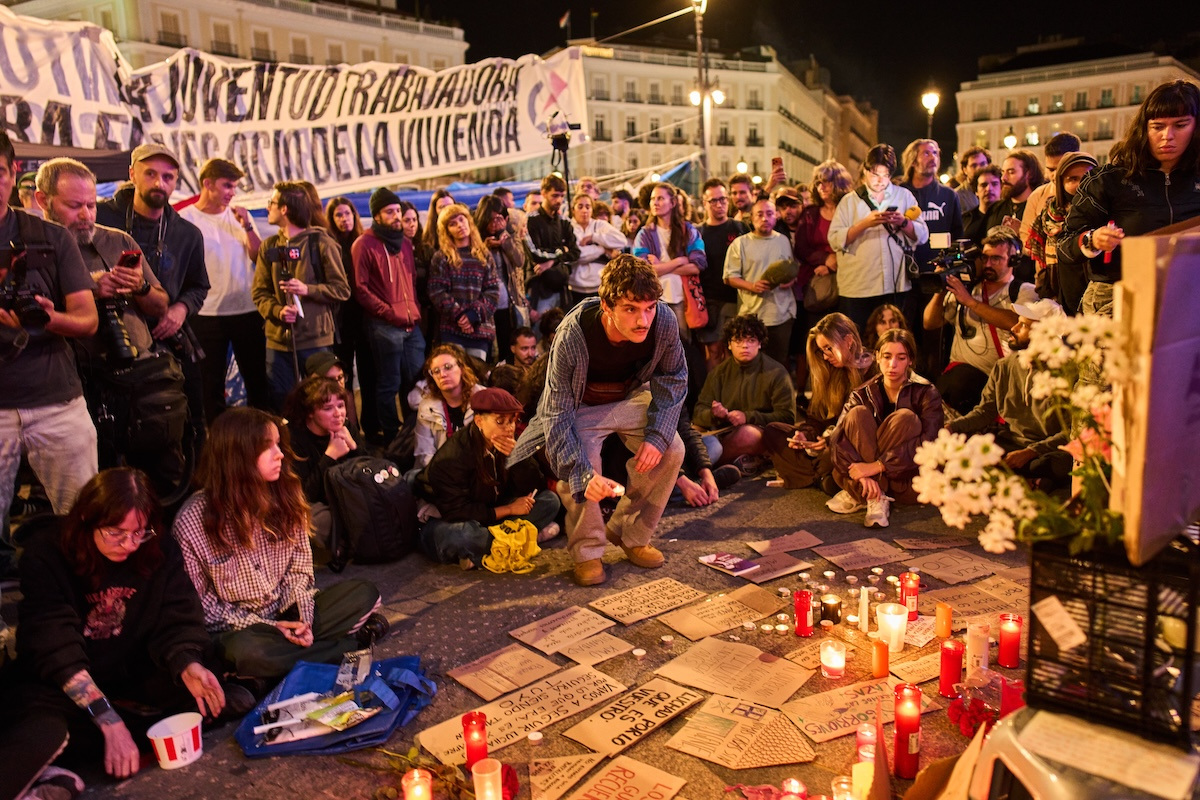
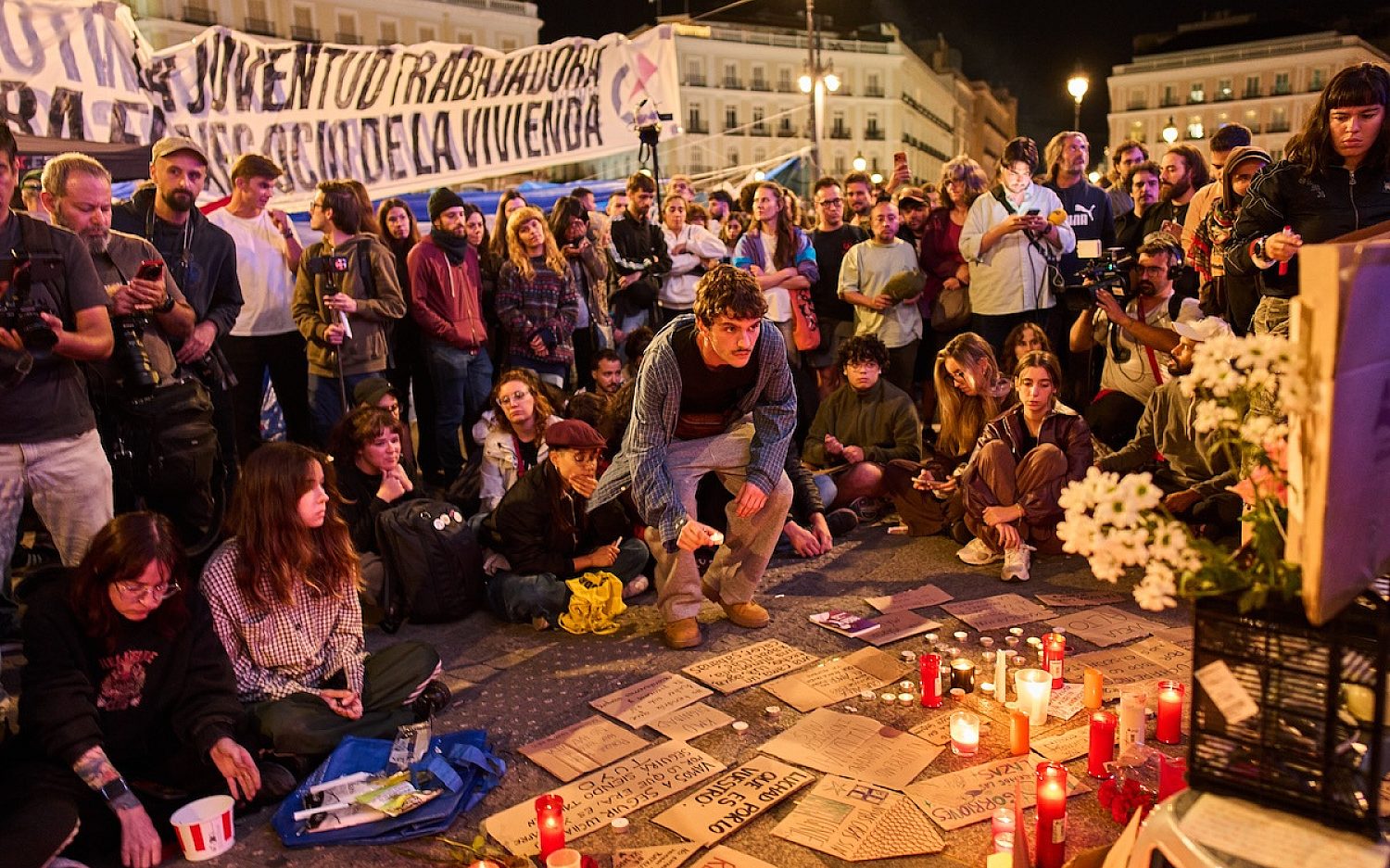
Now she is the face of a movement. Many believe the strain of losing her apartment caused Maricarmen’s death. Protesters carry signs with slogans such as “Not even one more Maricarmen!”
Over the past week, around 1,000 protesters have camped out in Madrid’s Puerta del Sol. It’s one of the capital’s most popular public spaces. Some politicians called on the government to have police break up the camp. The government has refused.
Spaniards blame real estate speculators and tourist apartment platforms like Airbnb for rising rents. According to real estate website Idealista, the average rent in Spain has almost doubled in the last 10 years.
While many countries have similar housing crunches, Spain’s poorest and its youth are acutely affected. Most can’t afford to purchase a home. And the country has a relatively small number of rental properties.
The government says that 26% of Spaniards who rent spend an average of 40% of their income on housing and utilities. The European Union average for renters is 18%.
Prime Minister Sánchez hopes to channel the fury over Maricarmen and the housing crunch into another term in office. However, many Spaniards are frustrated with him, saying he hasn’t done enough to alleviate housing problems.
Spain’s government on Tuesday approved urgent measures to tackle the crisis. The interim legislature must still vote on whether to ratify them. The 21 measures include prohibiting speculative real estate purchases. They also involve eviction protections for vulnerable residents.
Protesters plan a show of force in mid-November. Labor unions call for a general strike two weeks ahead of the November 29 election.
What should the government do to help its people—all its people, the poor as well as the property owners? Making just, wise, and practical decisions about such big problems is difficult. We can ask God to give Spanish lawmakers wisdom.
Woe to him who builds his house by unrighteousness and his upper rooms by injustice. — Jeremiah 22:13