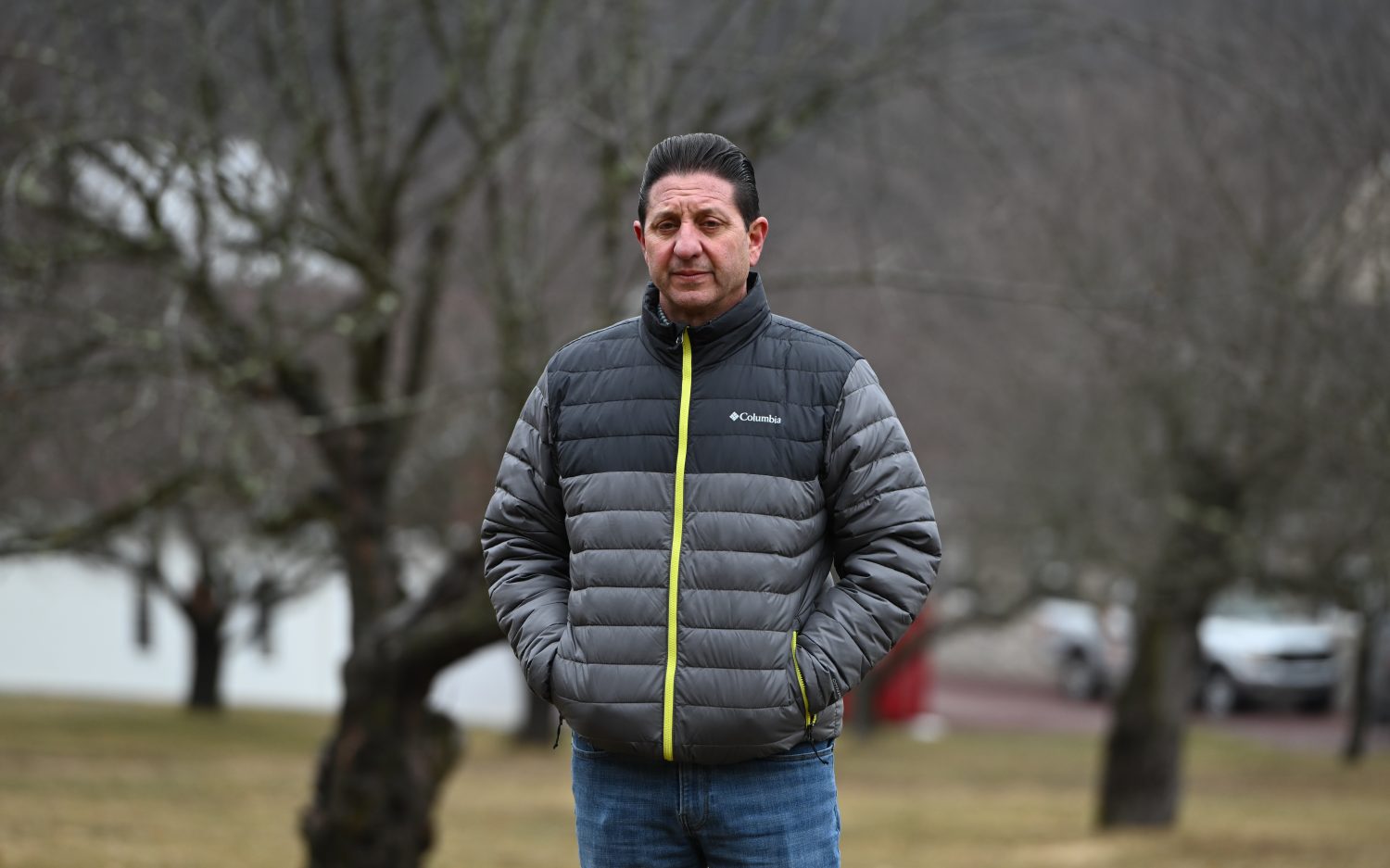
John Zola lives in the rolling hills of eastern Pennsylvania. He cherishes his 40 acres of meadows and apple orchards. In late 2024, a contractor from PPL, the local electric company, knocked on his door and announced a plan to build a 500-kilovolt line across Zola’s land.
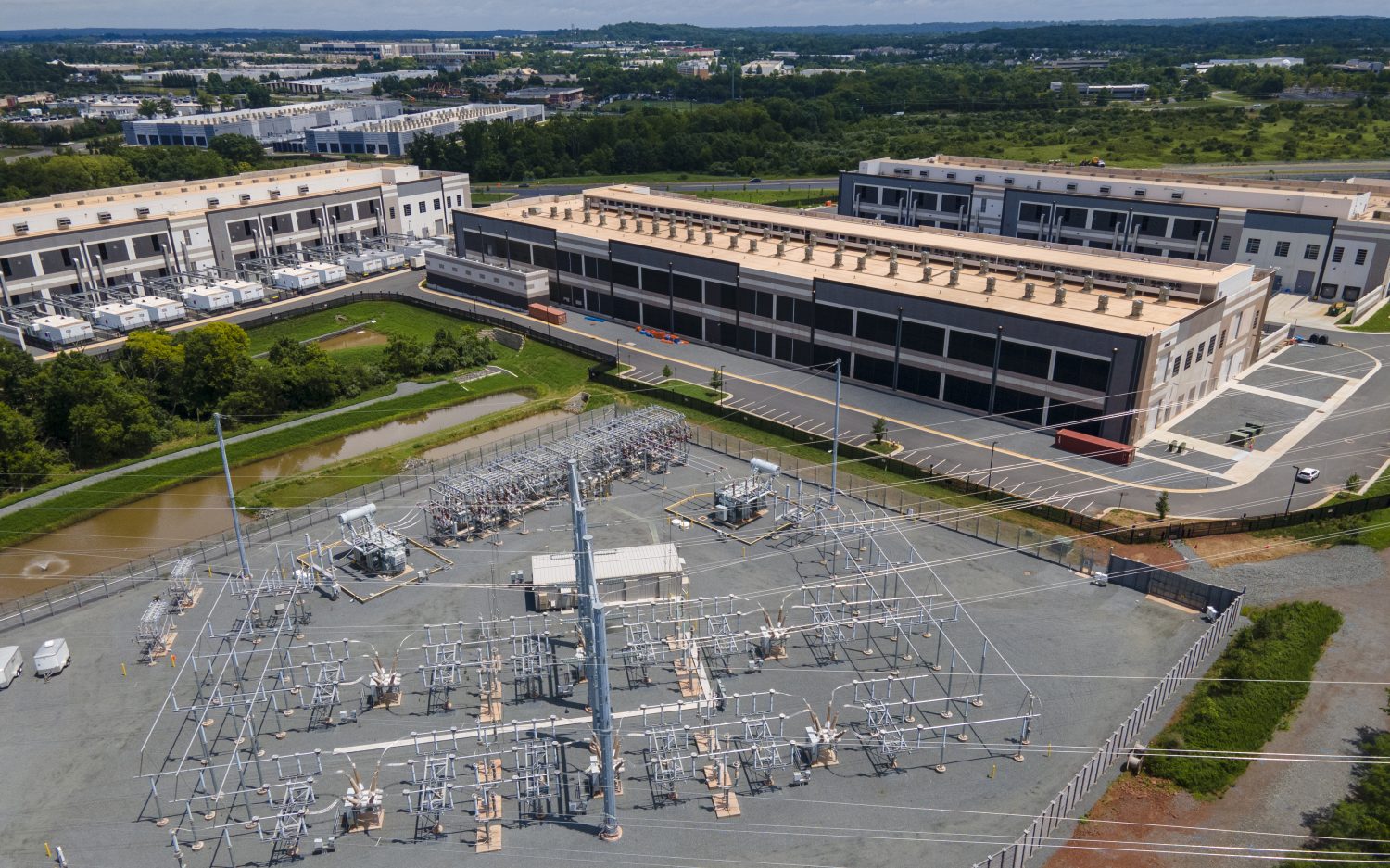
Electric companies say the United States needs more power lines than ever before. The expansion of artificial intelligence (AI) technology requires huge amounts of electricity. To transport that electricity, utilities need additional power lines. But where to put them? Few people want them in their backyards.
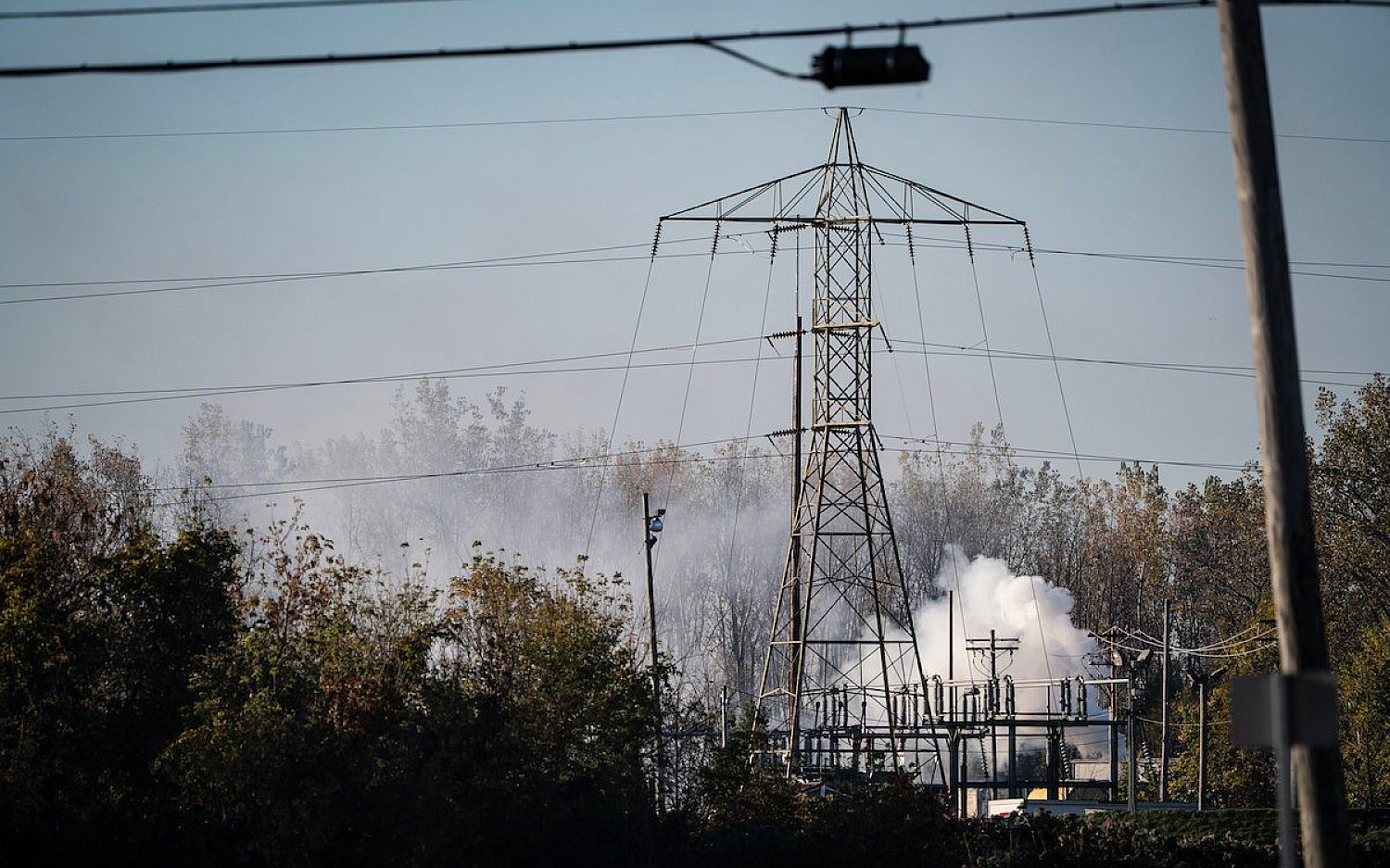
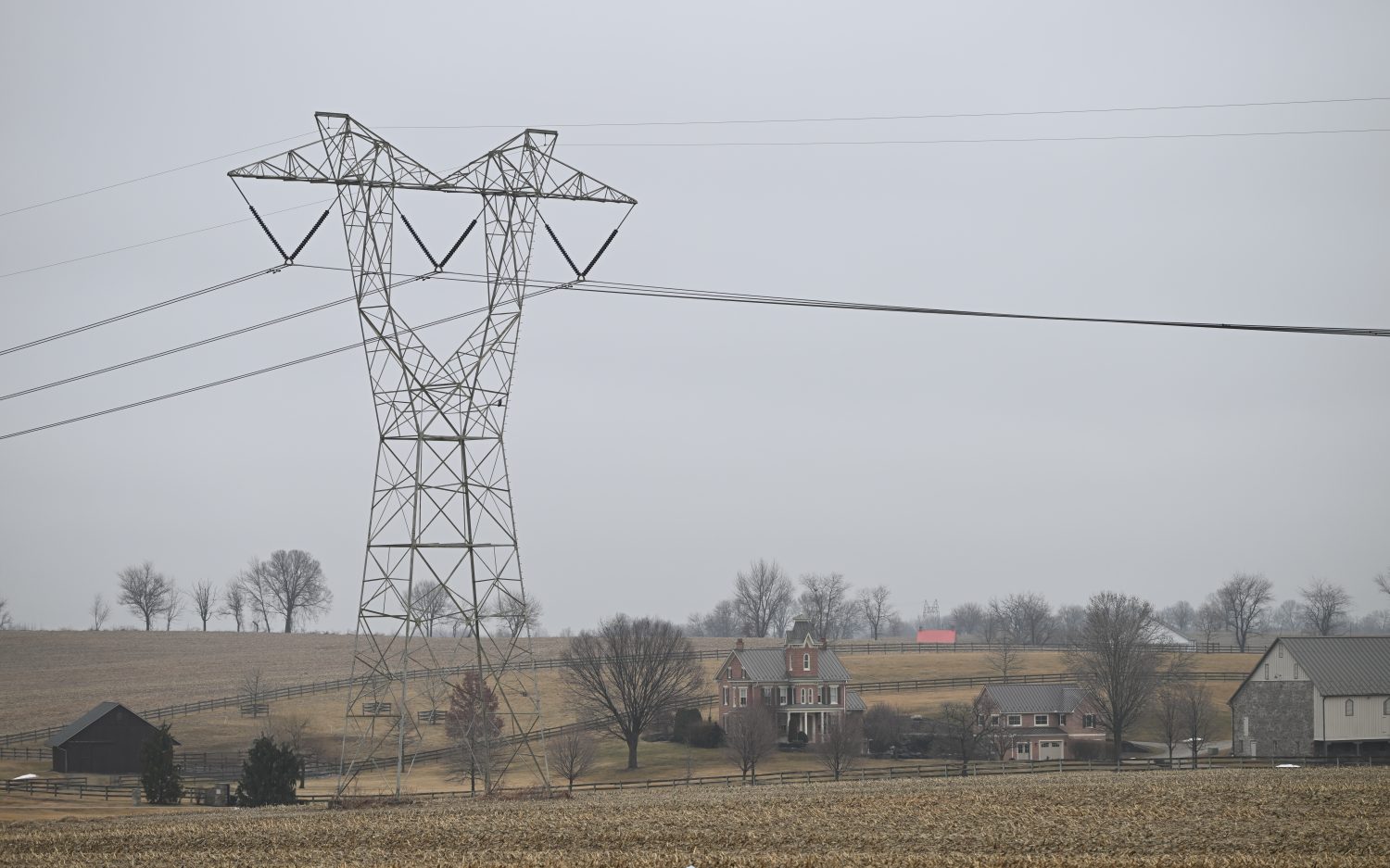
The towers supporting the 500-kilovolt power lines stand over 240 feet tall. They would dwarf Zola’s home. A power line also needs 100 feet of clear land on both sides, requiring wide corridors through forests or apple groves.
PPL first offered Zola $17,000 to access his property. He refused. Then PPL increased the offer to $85,000. He says he will accept “no amount of money.” But landowners worry that if they don’t consent, PPL will claim eminent domain—the power of the government to force a sale of private property for public use.
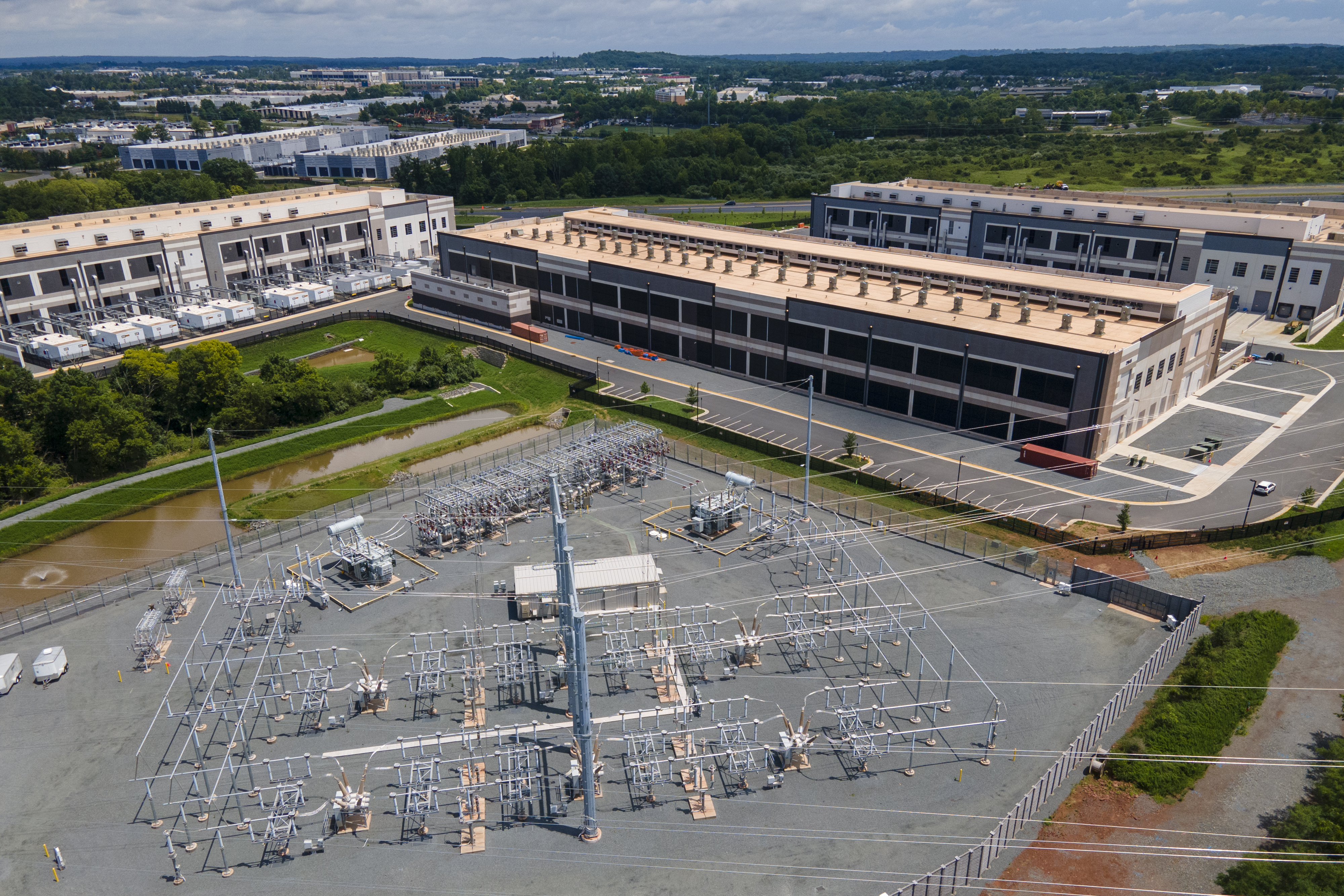
The utility predicts the demand for electricity in eastern Pennsylvania will triple by 2030. This is due to new data centers planned by Amazon and other tech companies. The power company argues that new power lines will benefit everyone. Newer lines are more efficient, decreasing the likelihood of blackouts.
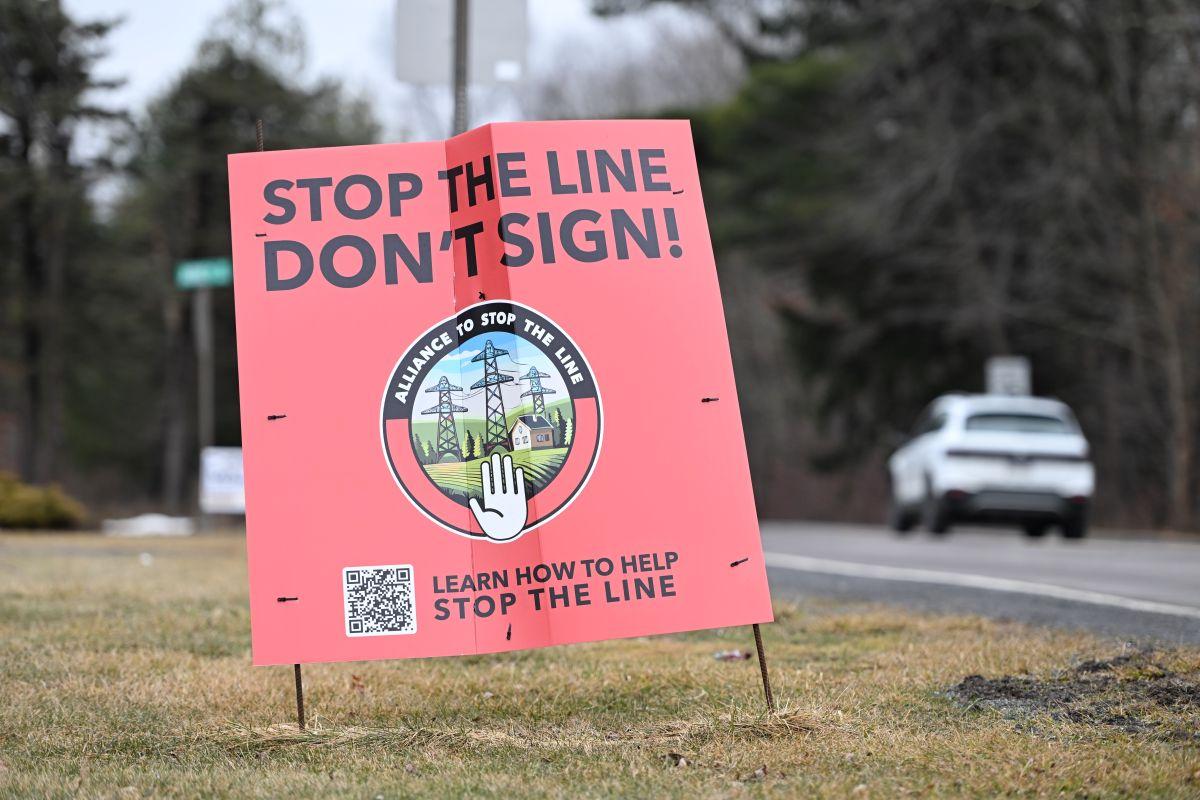
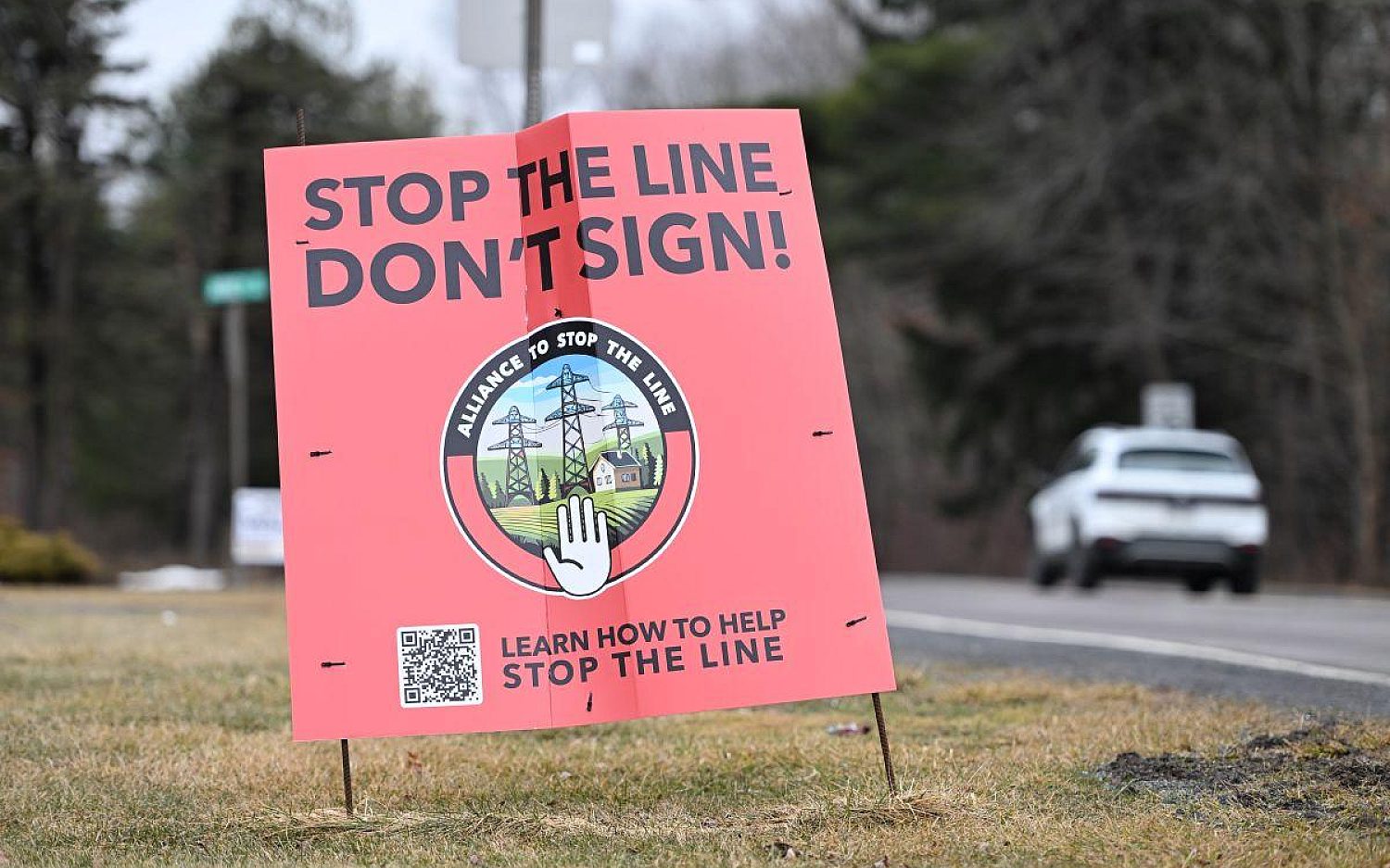
But Zola feels that officials at PPL care only about making money, not about “whose property they are destroying.” He formed the Alliance to Stop the Line with other landowners and environmental advocates. The group created a petition to ask PPL to choose a different route for the power line.
Similar movements are active elsewhere in the United States. In Texas, the Hill Country Preservation Coalition opposes the construction of a 765-kilovolt line—one of three electricity “superhighways” planned to cross the state east to west. The coalition suggests a longer path that follows existing highway corridors.
“Why would you choose a route that would potentially harm our most iconic rivers?” coalition founder Jada Jo Smith says.
West Virginians are fighting proposed power lines that would connect coal-fired power plants to northern Virginia, the “data center alley” of the United States.
An electric company in the Midwest has plans for new power line projects in 15 states. Some folks in North Dakota, Montana, Arkansas, Mississippi, and Louisiana oppose the projects. But the power company says the need for power lines “has never been greater.”
God calls humans to use the Earth’s resources wisely and to serve each other. But it can be hard to know how to protect private property, provide access to new technology, and care for the environment at the same time. Humans need all the wisdom, creativity, and compassion God has given us to find solutions.