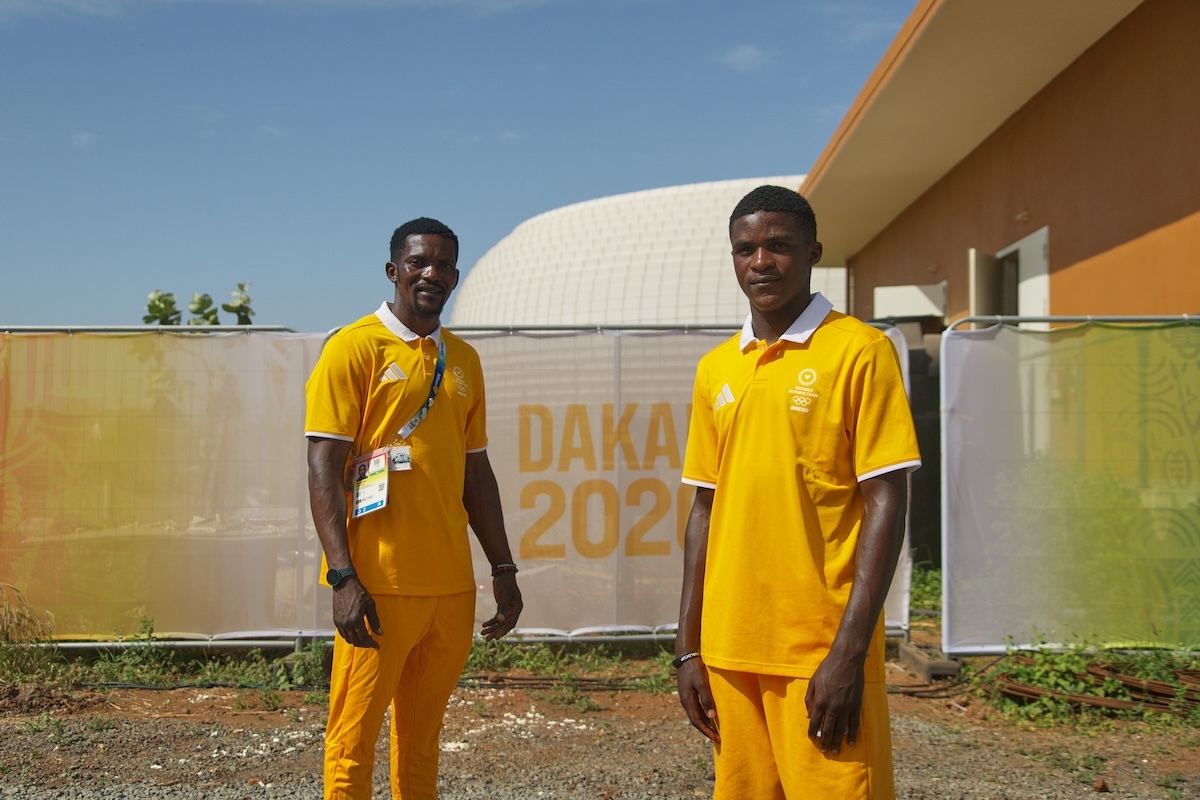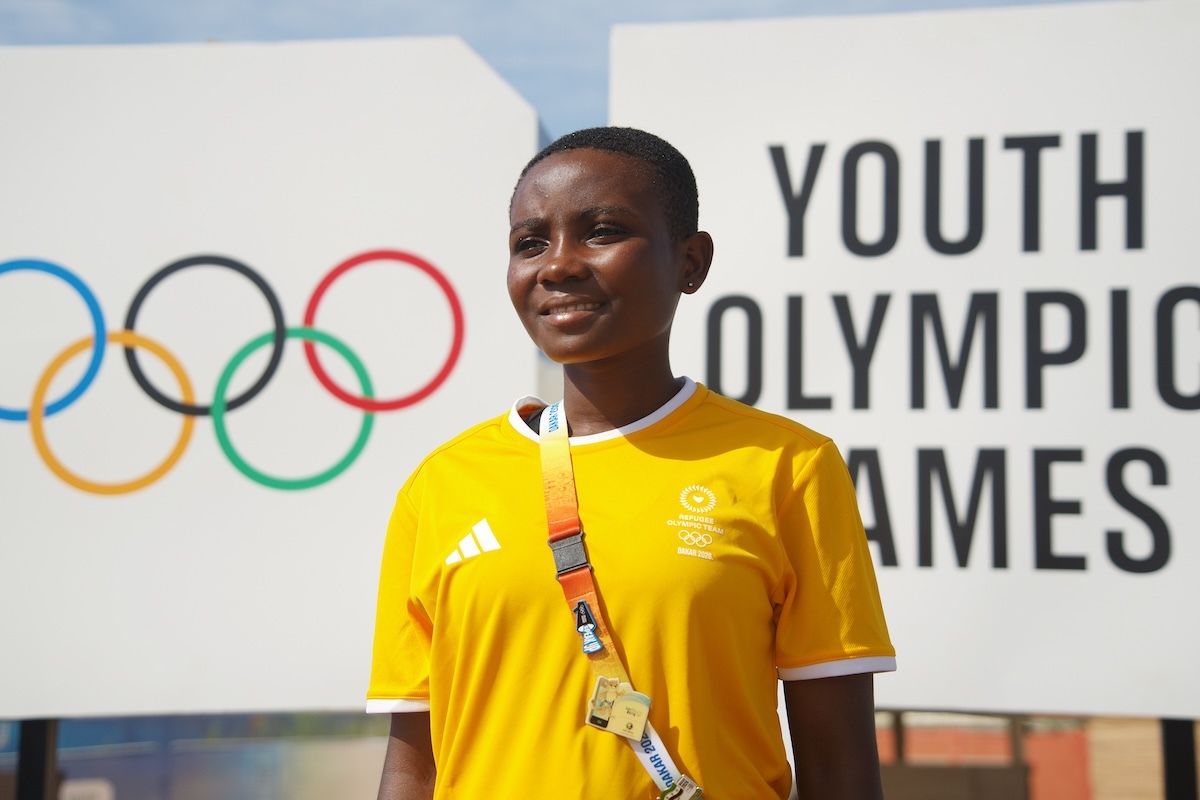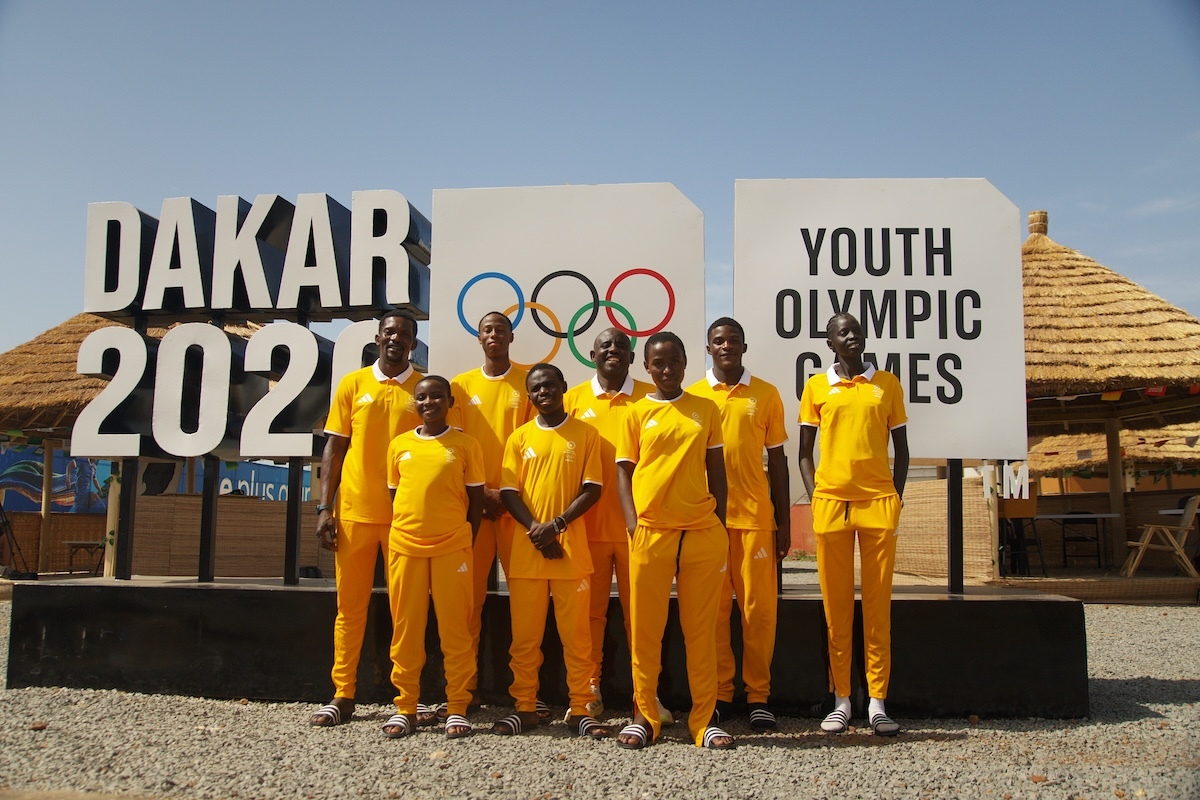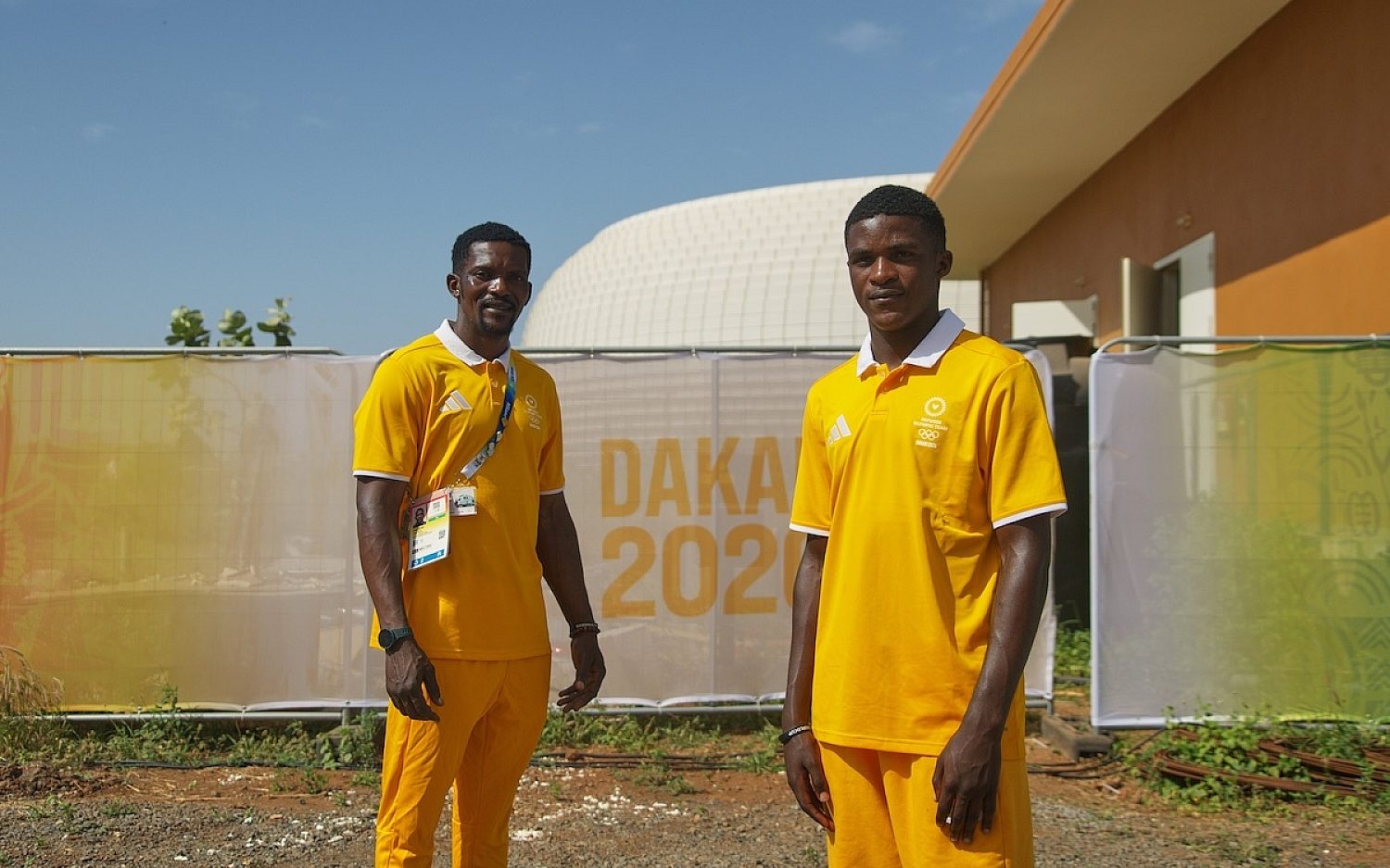
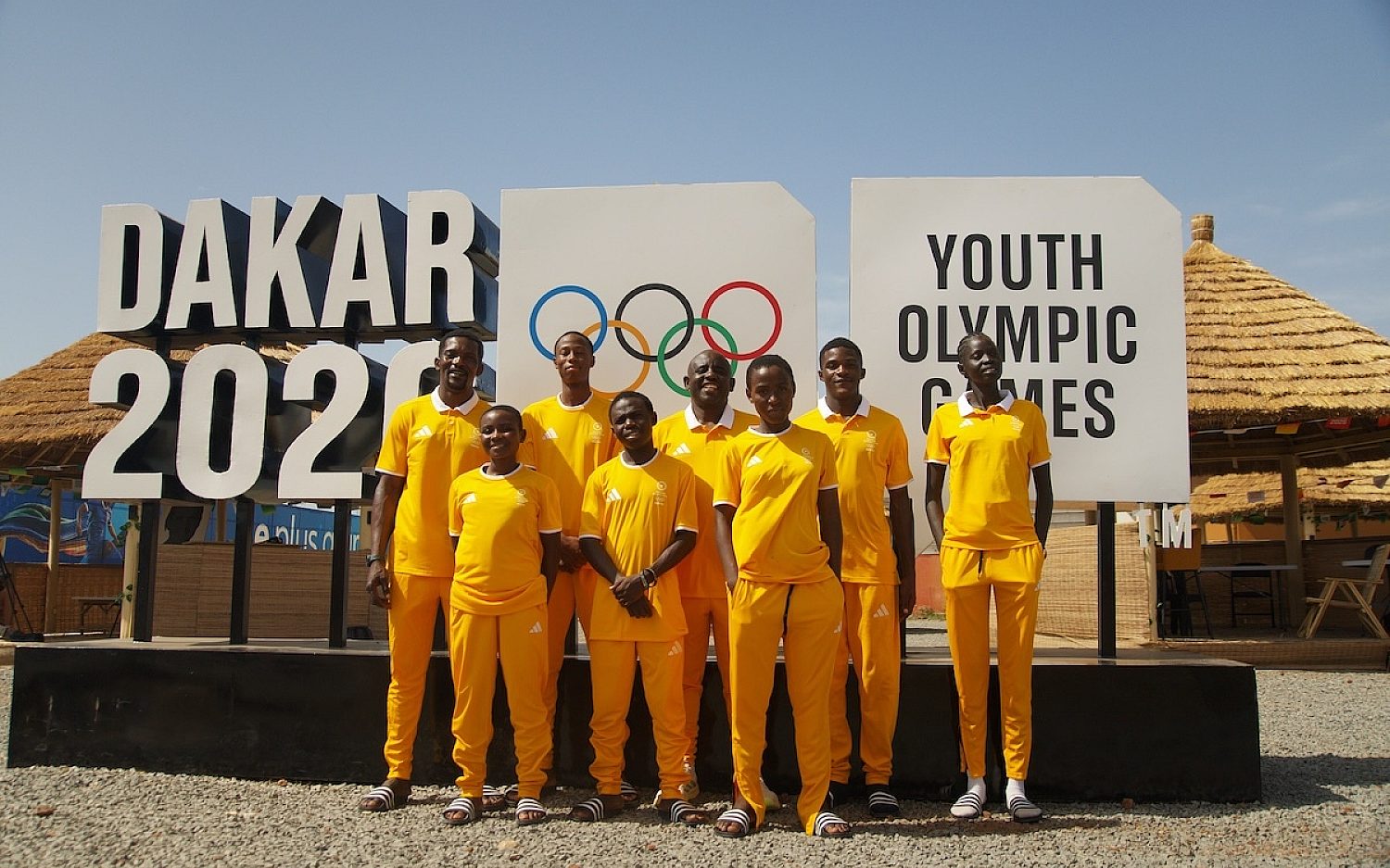
Arno Yafunga was six when his family fled fighting in eastern Congo. His father found a judo club in Kenya and coached Arno in martial arts. Now the 15-year-old judoka is one of six refugee athletes competing in the Youth Olympics in Dakar, Senegal.
The first Refugee Olympic Team competed at the 2016 Games in Rio, Brazil. Young adults are making history with the first refugee team at the Youth Olympics.
The Youth Olympics are a smaller version of the Games for athletes ages 14 to 17. The opening ceremony was on October 31, and events run through November 13. This is the first Olympic sporting event to be hosted in Africa. Senegal is on the continent’s northwest coast.
The International Olympic Committee created the team, and the Olympic Refuge Foundation manages it. They bring together athletes based in refugee camps in Kenya and Uganda competing in judo, taekwondo, and track and field.
Refugee participation comes against a backdrop of widespread displacement. More than 117 million people worldwide were forcibly displaced at the end of 2025. That includes 39 million in sub-Saharan Africa, according to the U.N. refugee agency.
In places like Congo, communities have been plagued for decades by fighting. Government forces and over 100 armed groups, including Rwanda-backed rebels, have engaged in bloody conflicts. The outcome has been one of the world’s most severe humanitarian crises. Millions have been displaced.
The refugee camp in Nairobi, Kenya, also has its challenges. “Where I stay, there are many bad gangs,” Arno says. “Judo keeps me away from those bad situations.”
One of Arno’s teammates, 16-year-old Florence Masumbe, also fled Congo. She grew up in a refugee settlement in western Uganda. The 200-meter runner was identified through Game Connect, an Olympic Refuge Foundation-supported program. It uses sports to improve mental health and bring refugees and host communities together.
“The message I want to send is that refugees can succeed and win too,” Florence says. “We have talent, and we can show it.”
Arno came just short of Olympic glory at the ongoing Games. He lost the bronze medal match in the boys’ 55-kilogram (121 pounds) division. His five teammates were there to cheer him on.
His father hopes Arno’s journey will continue to the 2028 Los Angeles Olympics. Arno has the opportunity to encourage other young refugees to take up judo.
“Being a refugee doesn’t mean it’s the end of things,” Mr. Yafunga says. “Being a refugee also allows you to dream of great things.”
Blessed is the man who remains steadfast under trial, for when he has stood the test he will receive the crown of life, which God has promised to those who love Him. — James 1:12