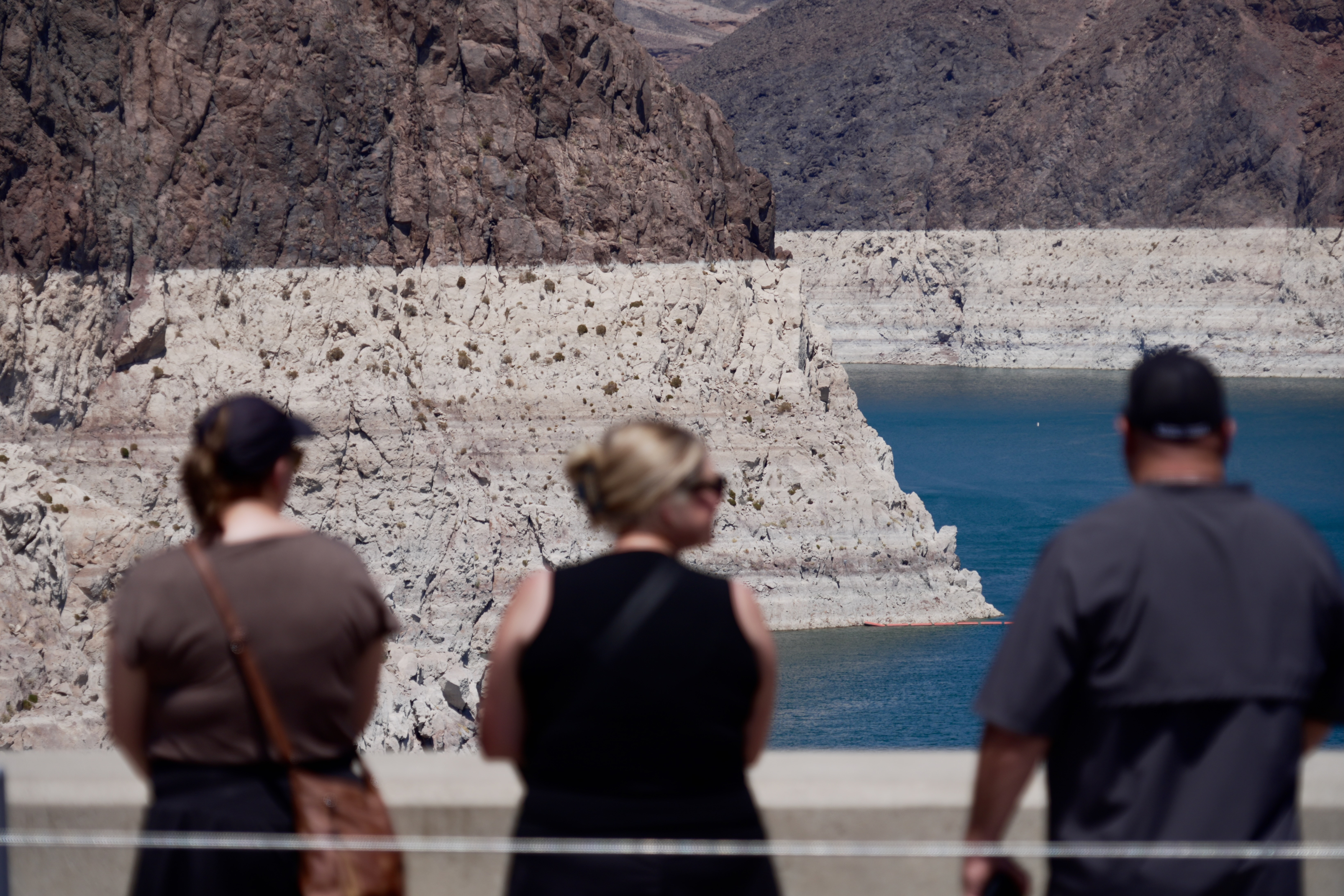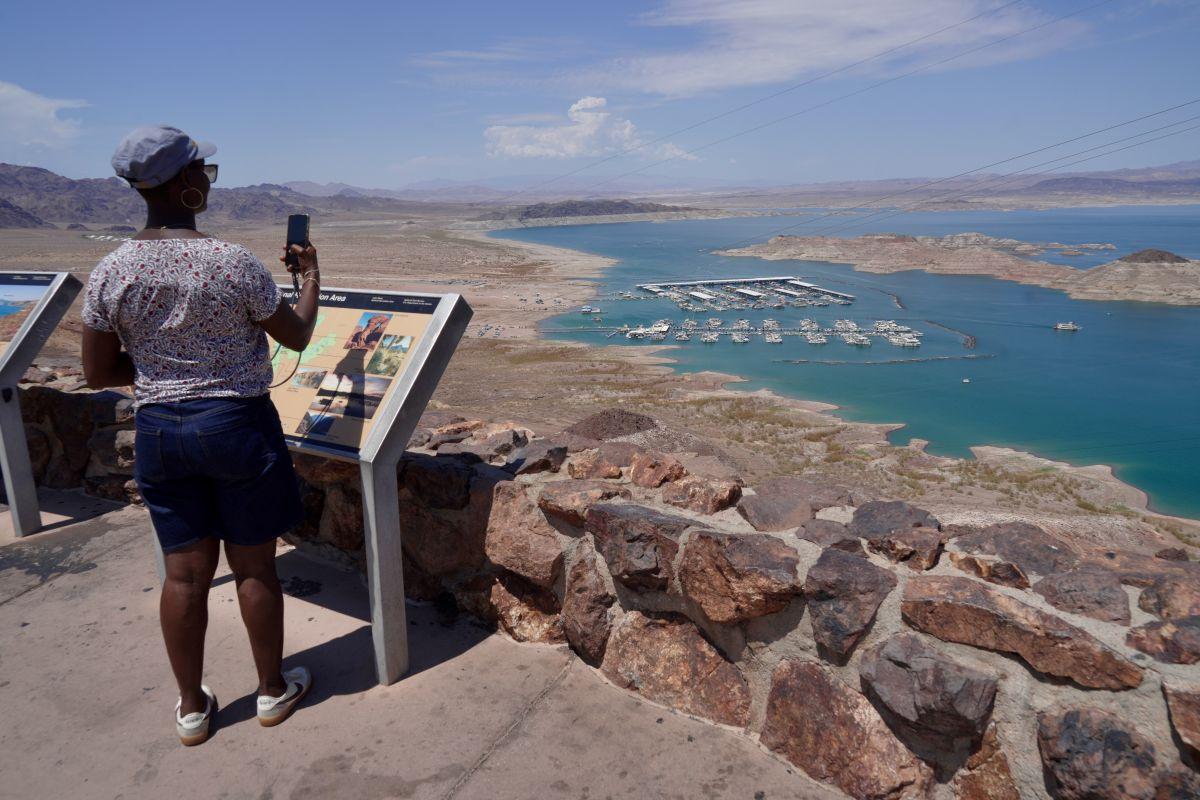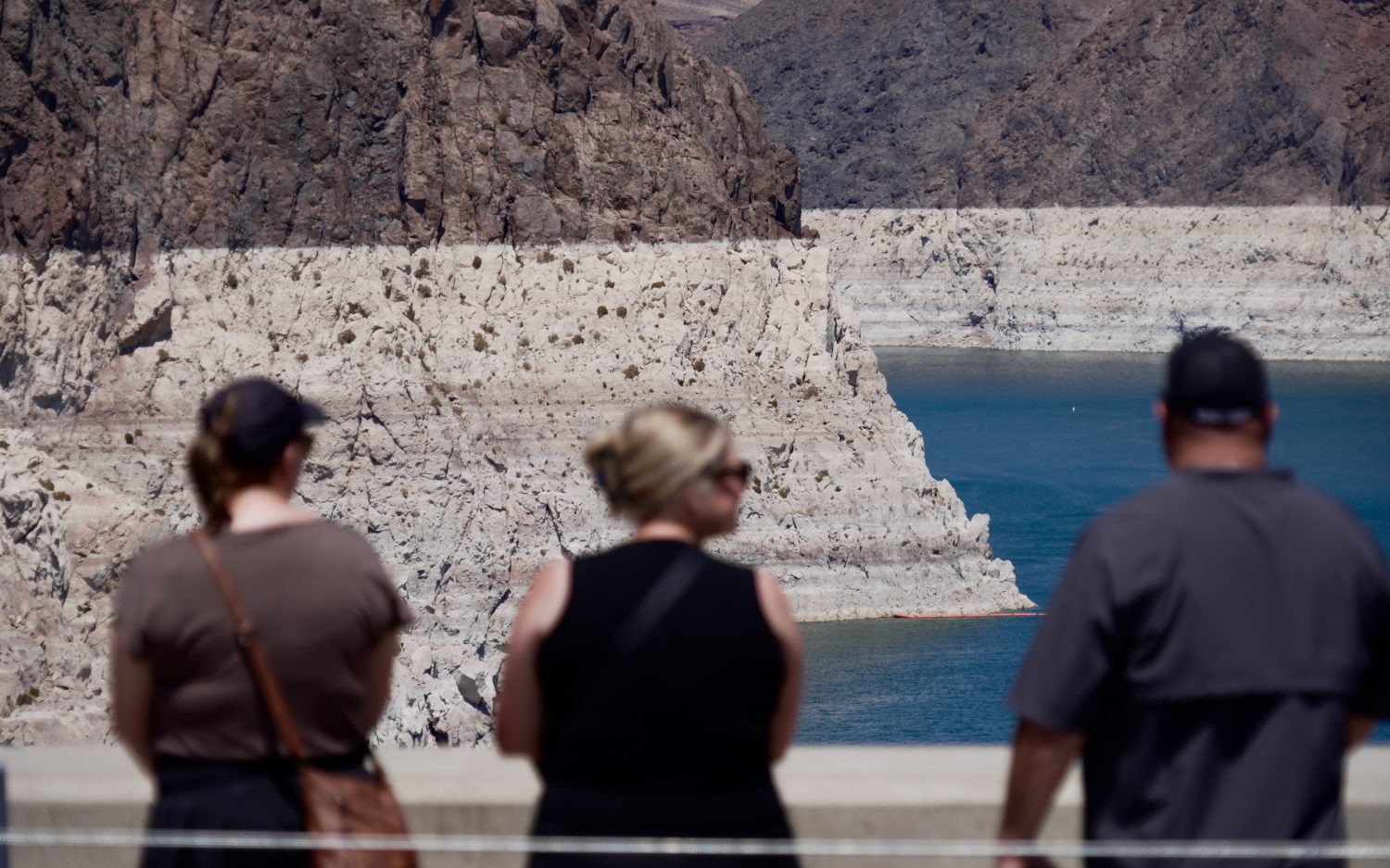
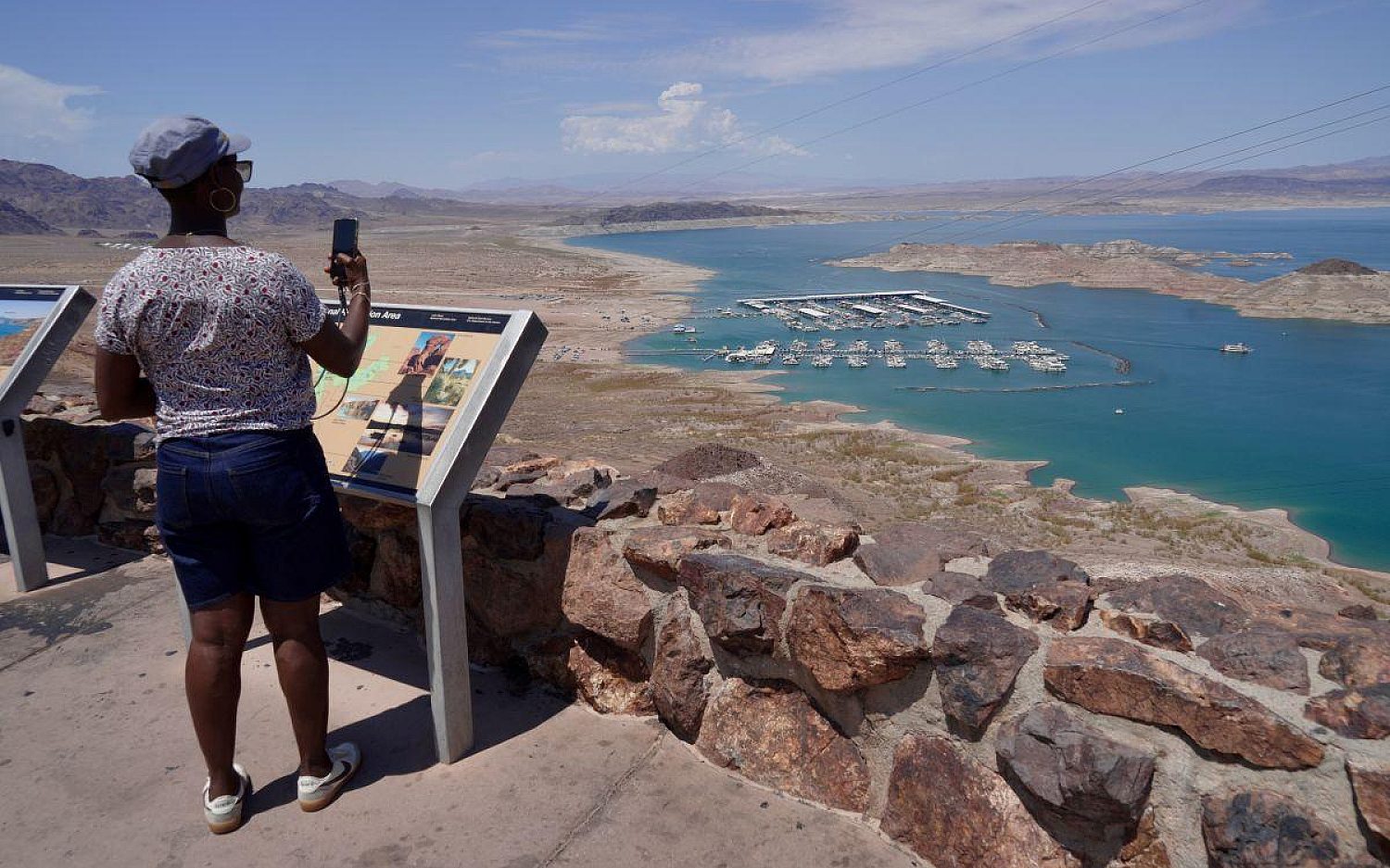
The largest water reservoir in the United States is emptier than ever before. Last week, the water level in Lake Mead dropped to its lowest level since its creation 90 years ago. The reservoir was formed in the 1930s when the U.S. government built the Hoover Dam on the Colorado River.
“It’s extremely significant and extremely concerning,” says J.B. Hamby, chairman of the Colorado River Board of California.
The Colorado River is nicknamed the “Lifeline of the Southwest.” It provides water for 40 million people across seven states. Its current powers several major hydroelectric plants.
The river usually flows 1,450 miles from its source in the Colorado Rocky Mountains to its mouth in northwestern Mexico.
But in recent decades, the river dries up before it reaches the sea. Droughts have depleted reservoirs like Lake Mead. The Rocky Mountains received a record low snowfall this past winter. Melting snow is an important water source for the river.
Officials expect water levels to continue dropping the rest of the year.
Hamby says it’s vital for states to reduce water use. The governments of the seven states involved—California, Colorado, Arizona, Nevada, New Mexico, Wyoming, and Utah—failed to come to an agreement on how to share the resource.
This year, the federal government stepped in. The U.S. Bureau of Reclamation plans to make water cuts mandatory for the three “lower basin states,” Arizona, California, and Nevada.
Humans aren’t the only creatures affected by low water levels. Federal officials announced last week that they were canceling measures to help humpback chub, a threatened native fish population.
In previous years, officials released cold water from Lake Powell, the second largest water reservoir in the United States, to help native humpback chub compete with smallmouth bass for habitat. That bass species was introduced in 1980s for sport fishing. The cold water helps keep the invasive fish from reproducing and displacing the native chub.
But Lake Powell’s water level is also at a record low. Officials want to save the water to power hydroelectric plants.
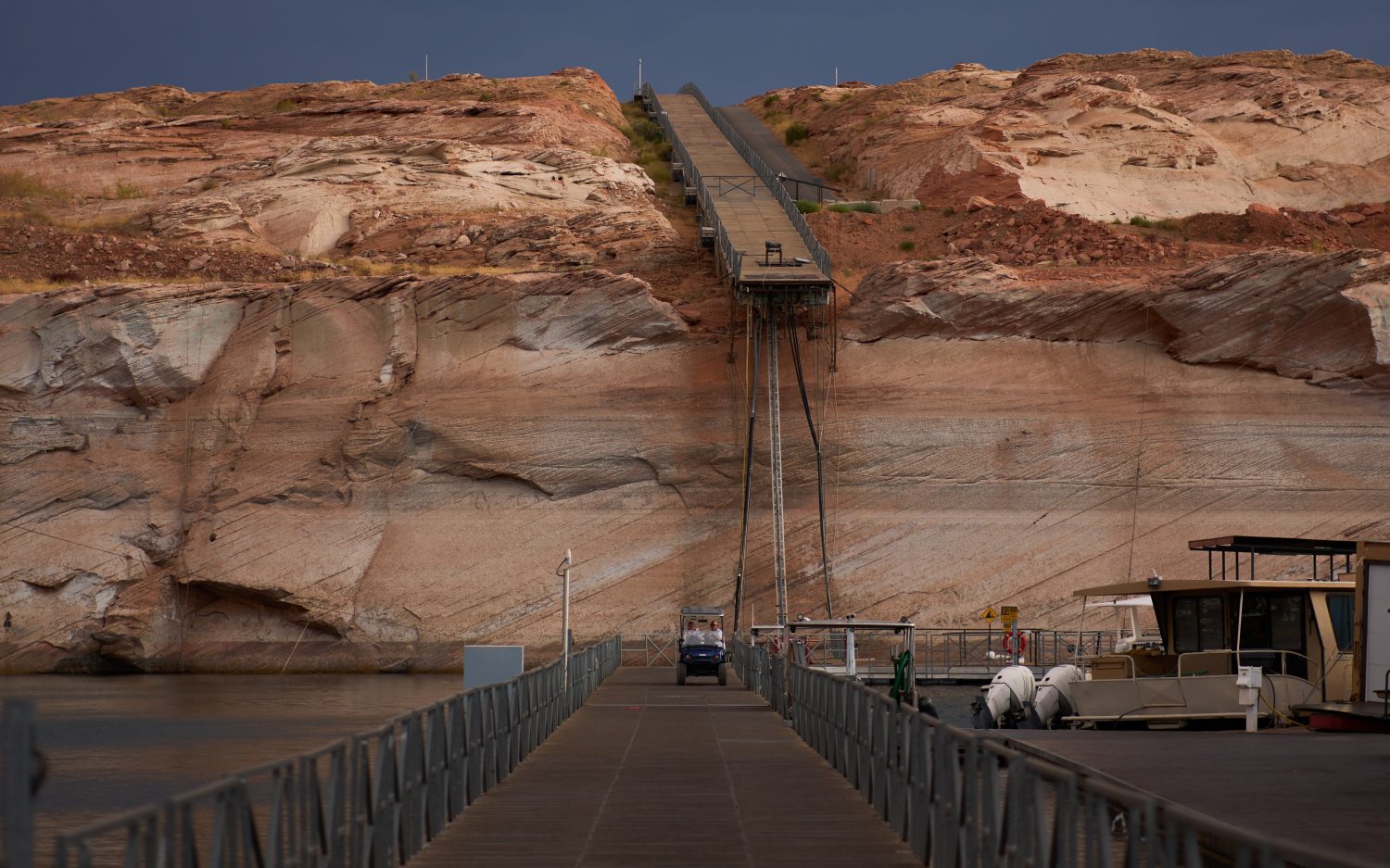
Boaters at the lake notice the low water line too.
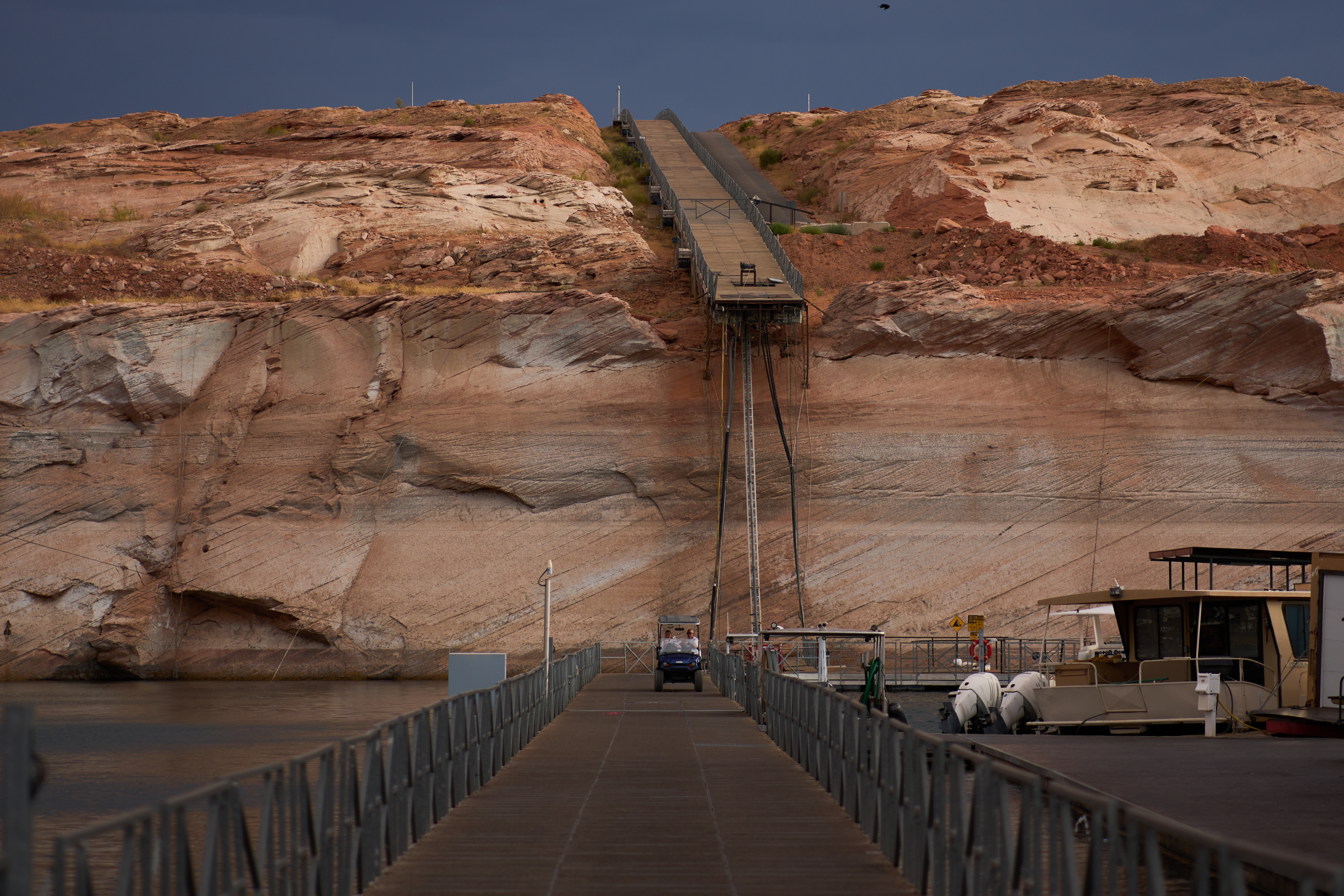
“There’s plenty of water to recreate,” says Kenneth Runnels, who works with Antelope Point Marina in northern Arizona. “The problem is the access, which is going to get fixed.”
Ramps to put boats in the water just don’t reach far enough these days. Antelope Point is spending $81 million to extend a boat ramp. Runnels says that next year “we’ll be able to launch no matter what.”