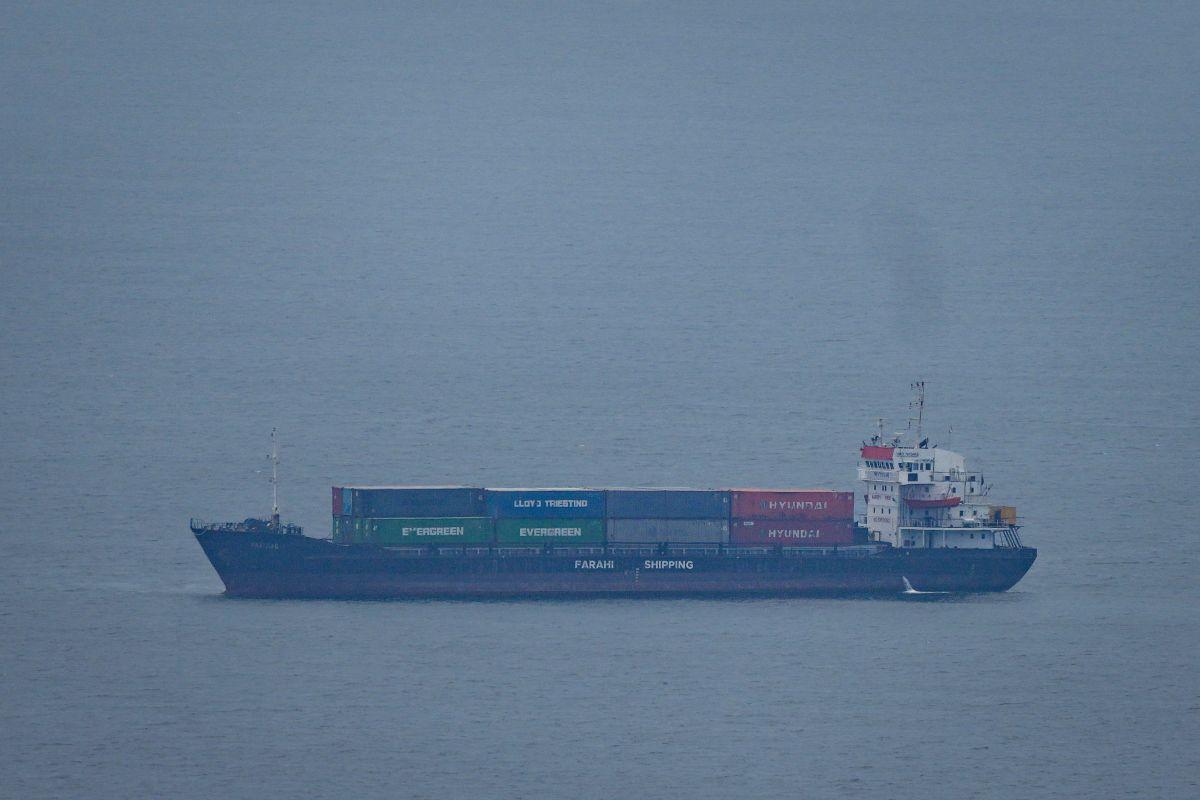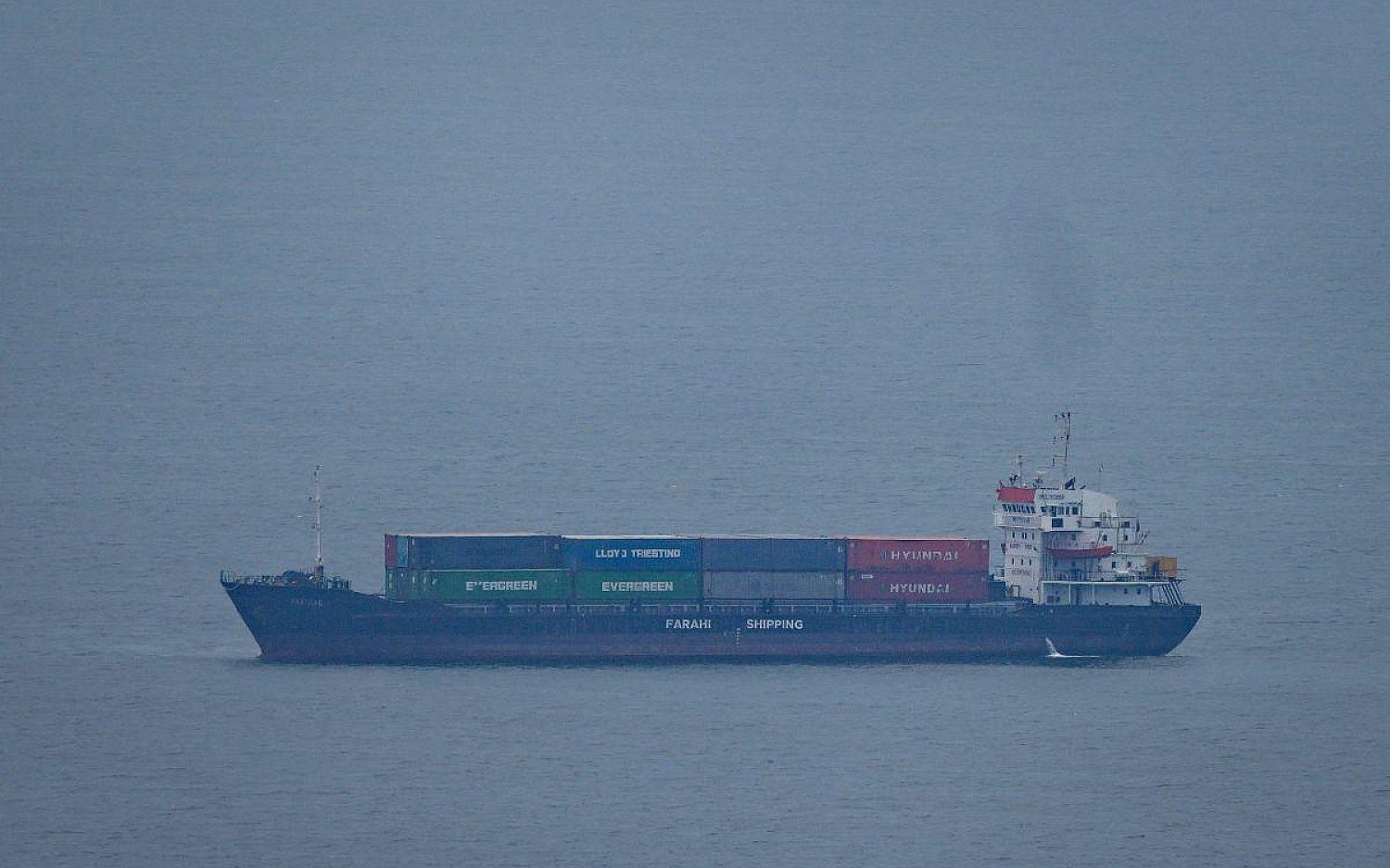
The U.S. military blocked access to all Iranian sea ports on Monday. President Donald Trump warned that if Iranian ships approached the blockade they would be “immediately eliminated.”
However, multiple news sources reported that several Iran-linked ships passed through the Strait of Hormuz Tuesday morning.
The blockade is a response to Iran keeping the Strait of Hormuz closed.
Last week, Iran agreed to reopen the Strait of Hormuz as part of a two-week ceasefire deal with the United States and Israel. But Israel continued attacking Lebanon, asserting that Lebanon was not included in the agreement. The day of the ceasefire, Israeli strikes killed over 300 people in Beirut and wounded 1,150.
Iran refused to open the Strait, citing Israel’s continued strikes in Lebanon as the reason. As before the ceasefire, Iran allows only a few ships to pass each day after paying hefty fines to Iranian authorities.
Over the weekend, Vice President J.D. Vance traveled to Islamabad, Pakistan. He had more ceasefire talks with Iranian officials. But negotiations ended without new agreements.
On Sunday, Trump announced the blockade against Iranian ports. The goal is to prevent countries from trading with Iran, furthering crippling the Iranian economy.
In response, Iran threatened that no port in the Gulf of Persia or the Gulf of Oman should be considered safe.
The International Committee of the Red Cross (ICRC) announced that it delivered five truckloads of aid to Iran on Monday, the first emergency aid shipment to Iran since the war began. Supplies included blankets, tarps, hygiene kits, and solar lamps. The ICRC plans to deliver nine more trucks later this week.
In Lebanon, an Israeli strike killed 31-year-old Hassan Badawi, a Red Cross volunteer on an emergency rescue mission on Sunday. He was riding in an ambulance marked with the Red Cross emblem.
A friend of Badawi says that he felt that “he had to stay [in Lebanon] because there were too many wounded people that needed his help.” The two friends met studying engineering at Lebanese University. According to the ICRC, Badawi began volunteering in 2012.
In a statement on Monday, the ICRC urged for protection of humanitarian workers. “They must be allowed to reach and help the wounded and return unharmed,” says Agnès Dhur, head of the Red Cross in Lebanon.