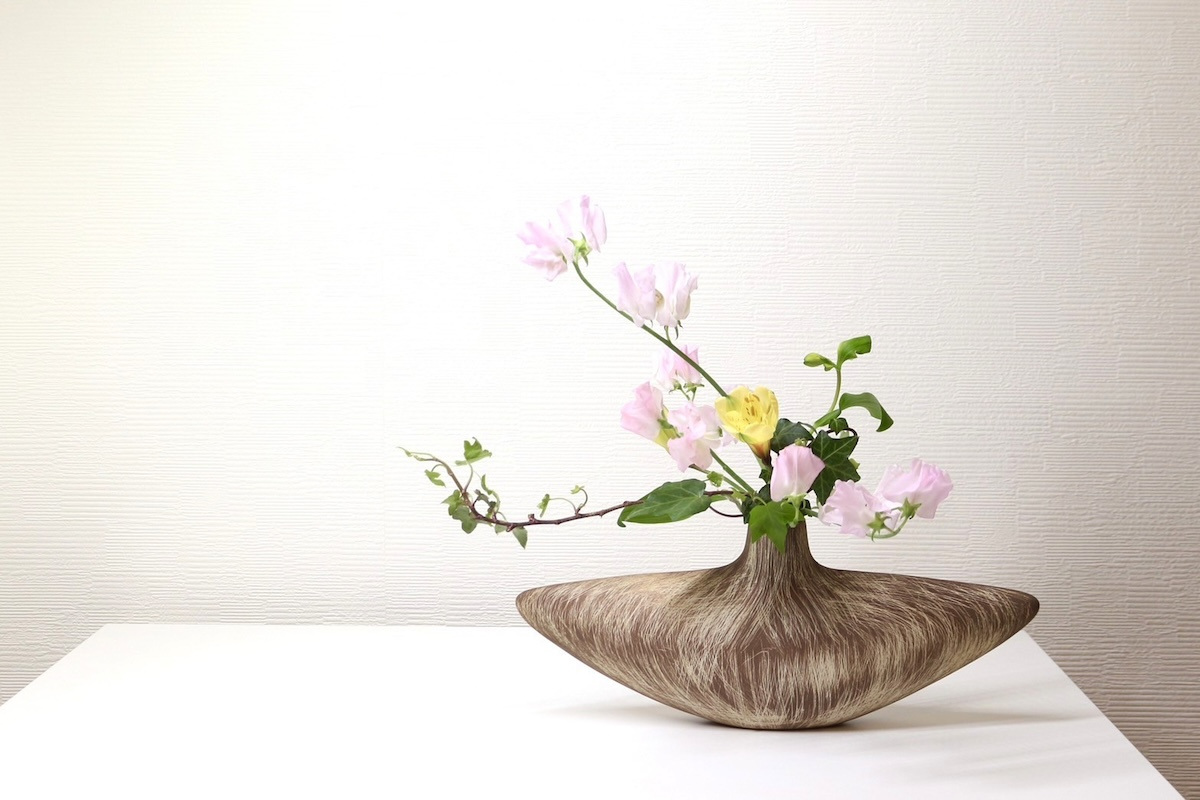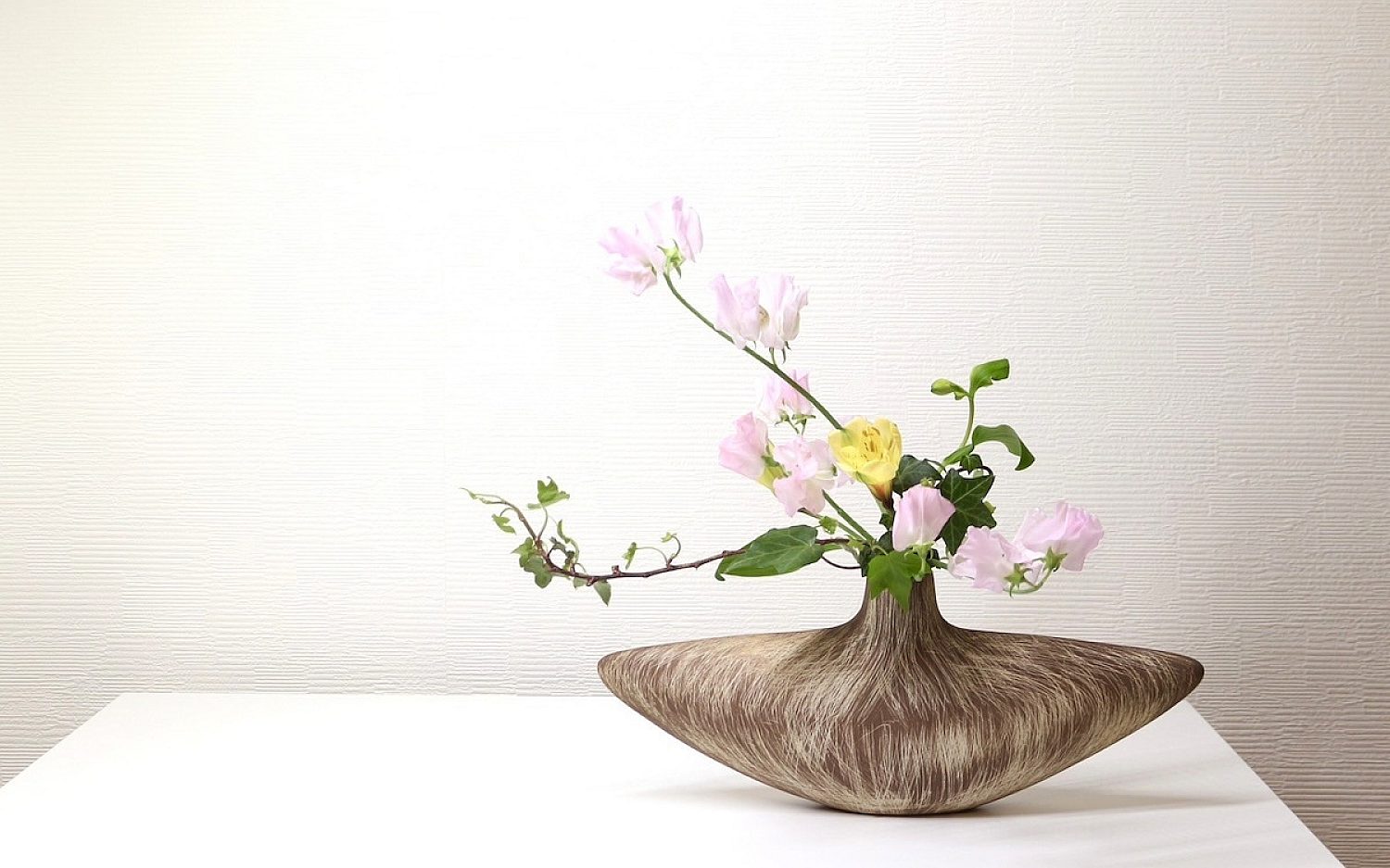
Looking for relief from the daily grind? Some folks try a more than 500-year-old Japanese pastime: ikebana (ih-kay-BAHN-ah). It’s the art of arranging flowers, and there’s a resurgence of interest in the process.
Chinese Buddhist missionaries introduced ikebana to Japan in the sixth century. The missionaries had a tradition of offering flowers to the Buddha. Japan started its first school of flower arranging in the seventh century. Different schools with varying artistic styles arose over the years.
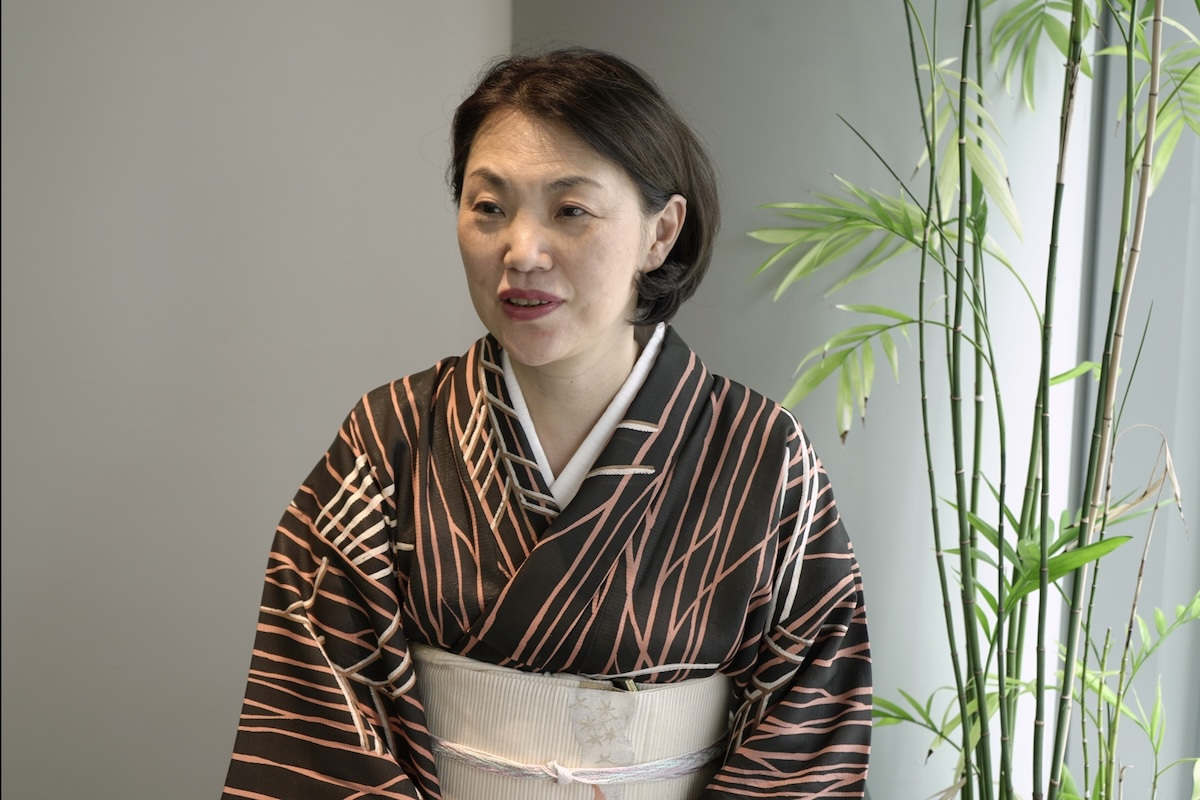
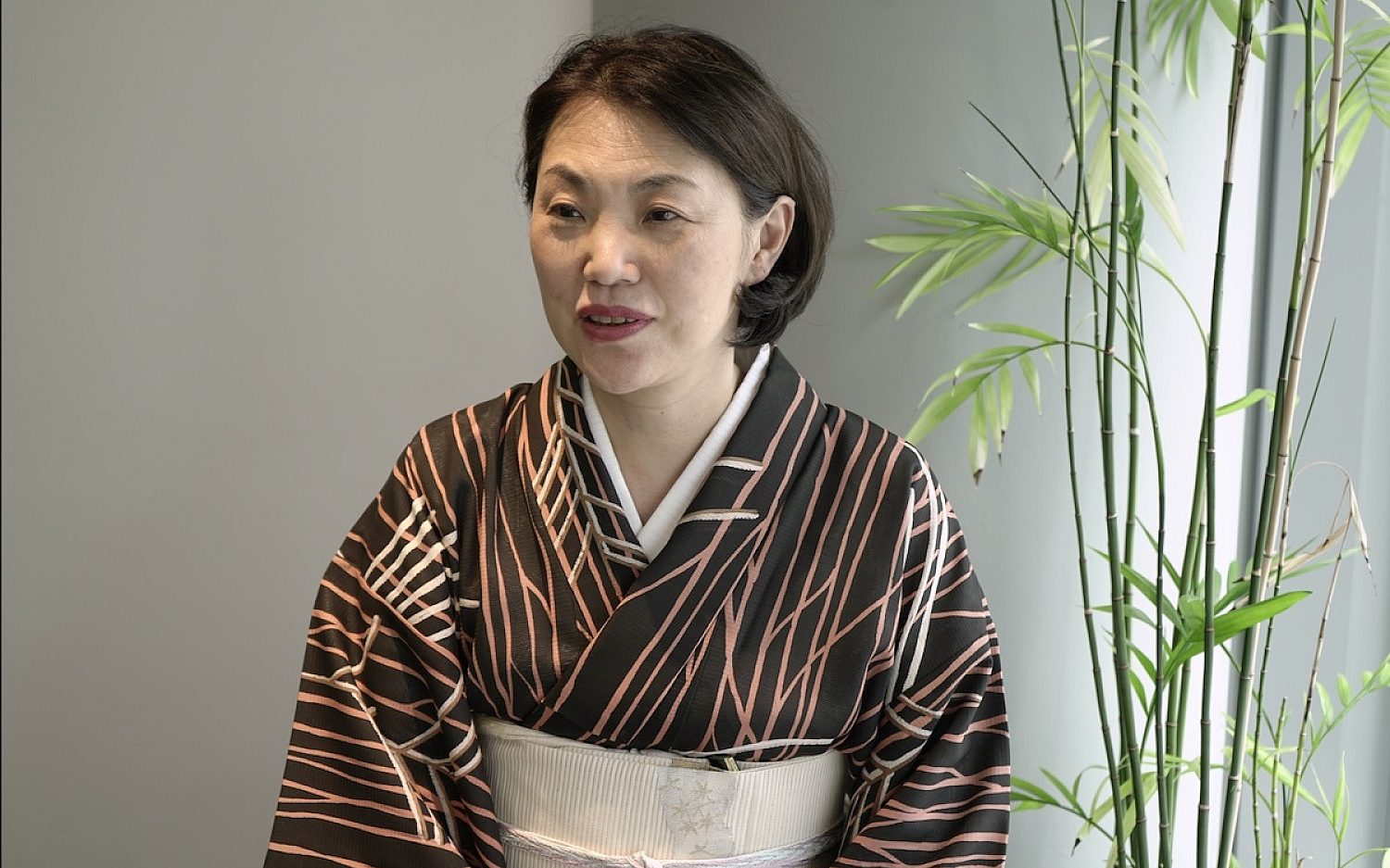
Hiroyuki Okada began taking lessons in ikebana about seven years ago. Now he teaches Ikenobo. It is the oldest of three major ikebana styles.
Okada considers himself typical of those drawn to ikebana. People are searching for joy, purpose, and solace in the hustle and bustle of life. Yet Christians know that while flowers and creative pursuits are indeed good gifts from God, He alone provides true and lasting comfort.
Most people have gathered a few wildflowers on a hike and placed them in a vase. There’s gratification in finding the most pleasing ways to arrange blooms. The process is a bit like a puzzle. How does each blossom, leaf, and branch best fit? The meaning of the word ikebana is “bringing life to flowers.”
Okada explains that ikebana isn’t just creative expression. It’s a sensory delight. Flowers have beauty and fragrance. He explains that touching petals and leaves can be a bit like petting a kitten or puppy.
Mayu Shimizu has been taking lessons from Okada for about three years. She says ikebana affects her like meditation or play. Focusing on the flowers in front of her helps clear her mind. “I feel more at peace and gentle,” she says.
A wide range of people indulge in ikebana. Young and old are devoted practitioners.
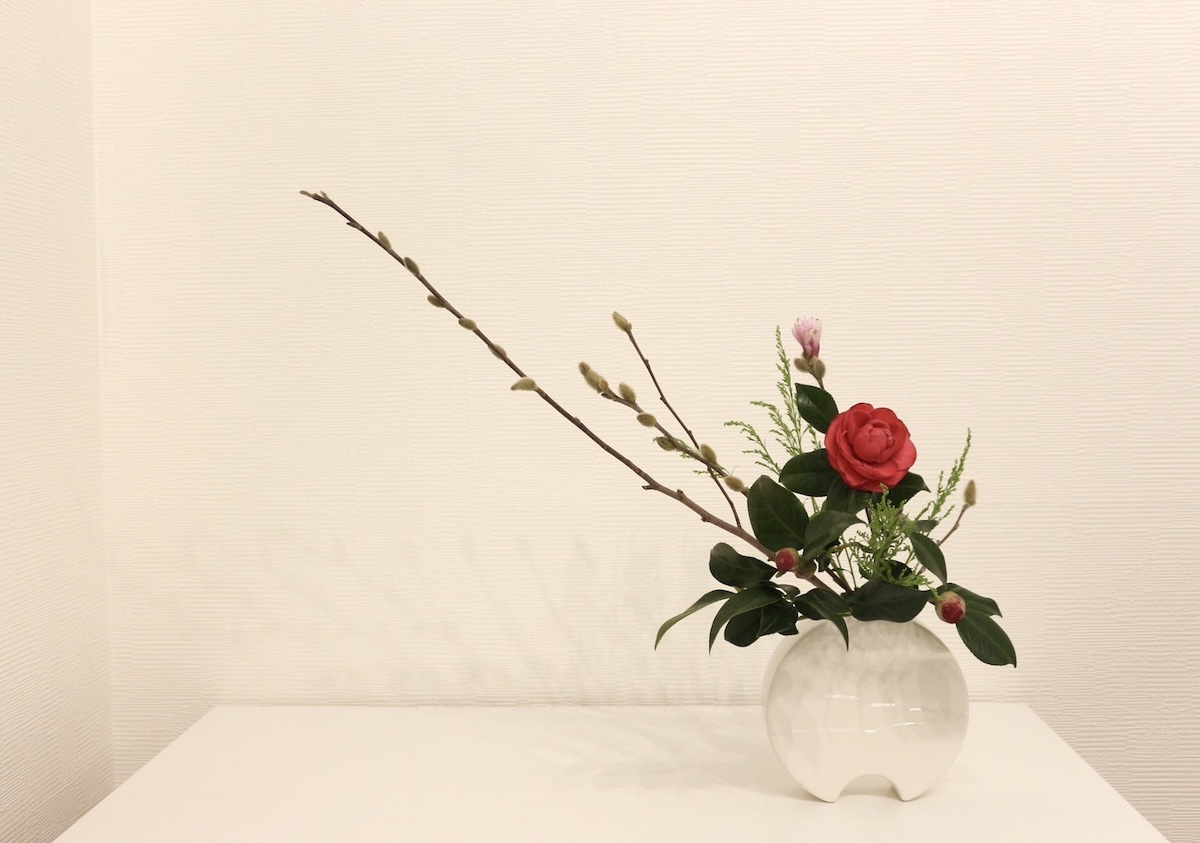
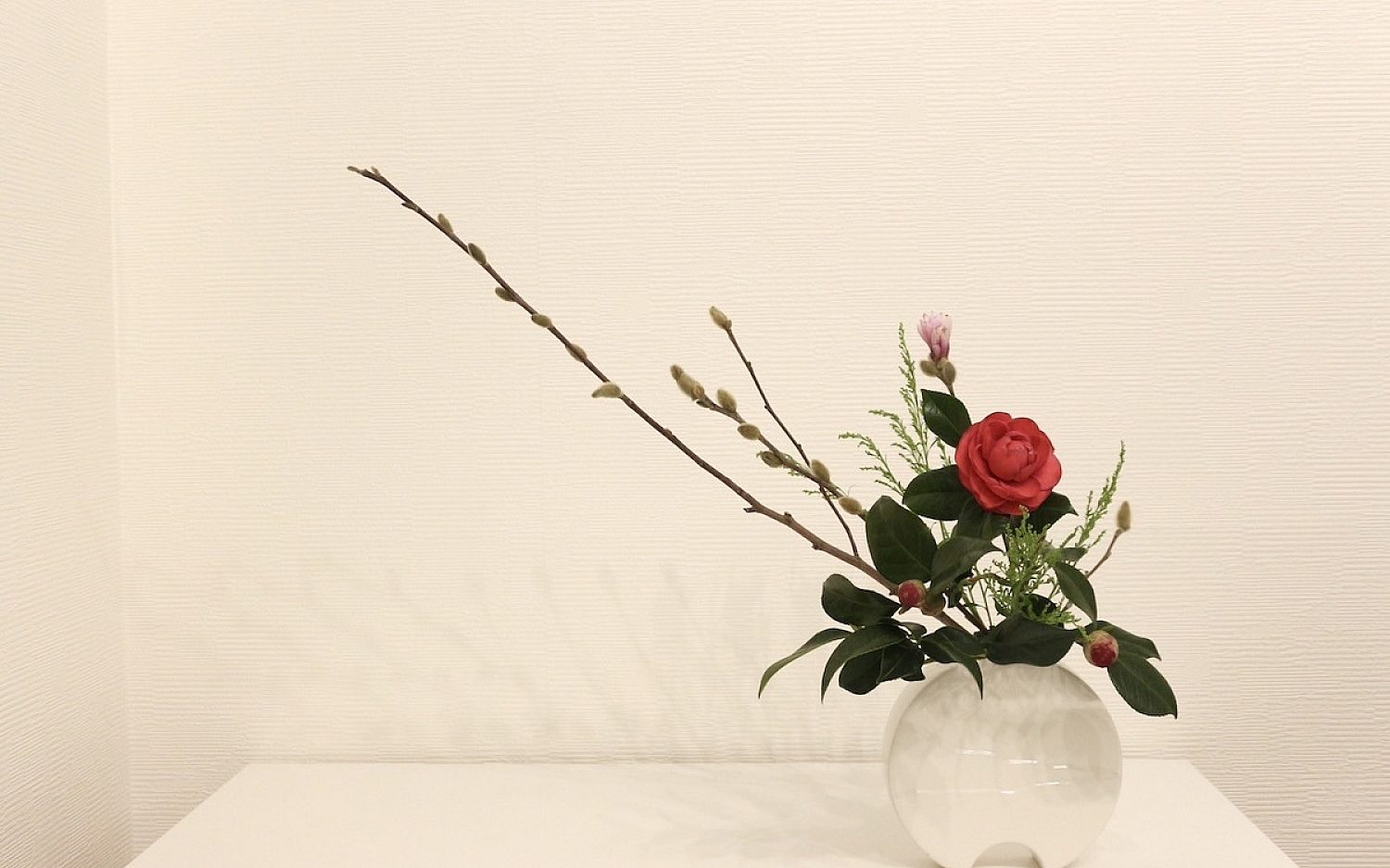
One traditional Ikenobo arrangement is shoka shofutai. It attempts to place flowers, leaves, and branches as they might appear in nature. They reach toward sunlight and bend in the wind. Vases, often crafted from wood or pottery, also become part of the final design.
The tallest element, usually a branch, is called shin. It is placed first. The second item, soe, is about two-thirds the height of the shin. It is positioned to the side. The third piece is tai, a blossom or fresh leaves that finish off the piece.
Beginners can start with a few simple supplies. Scissors trim branches and leaves. A kenzan is a flower holder with tiny, sharp pins. Branches fit into the kenzan securely and at different angles. Find an attractive vase. (It can even be a bowl.) Gather your favorite blooms and start arranging. And give thanks to the Creator, the maker of every flower and branch. He is the best designer of all!
Consider the lilies of the field, how they grow: They neither toil nor spin, yet I tell you, even Solomon in all his glory was not arrayed like one of these. — Matthew 6:28-29