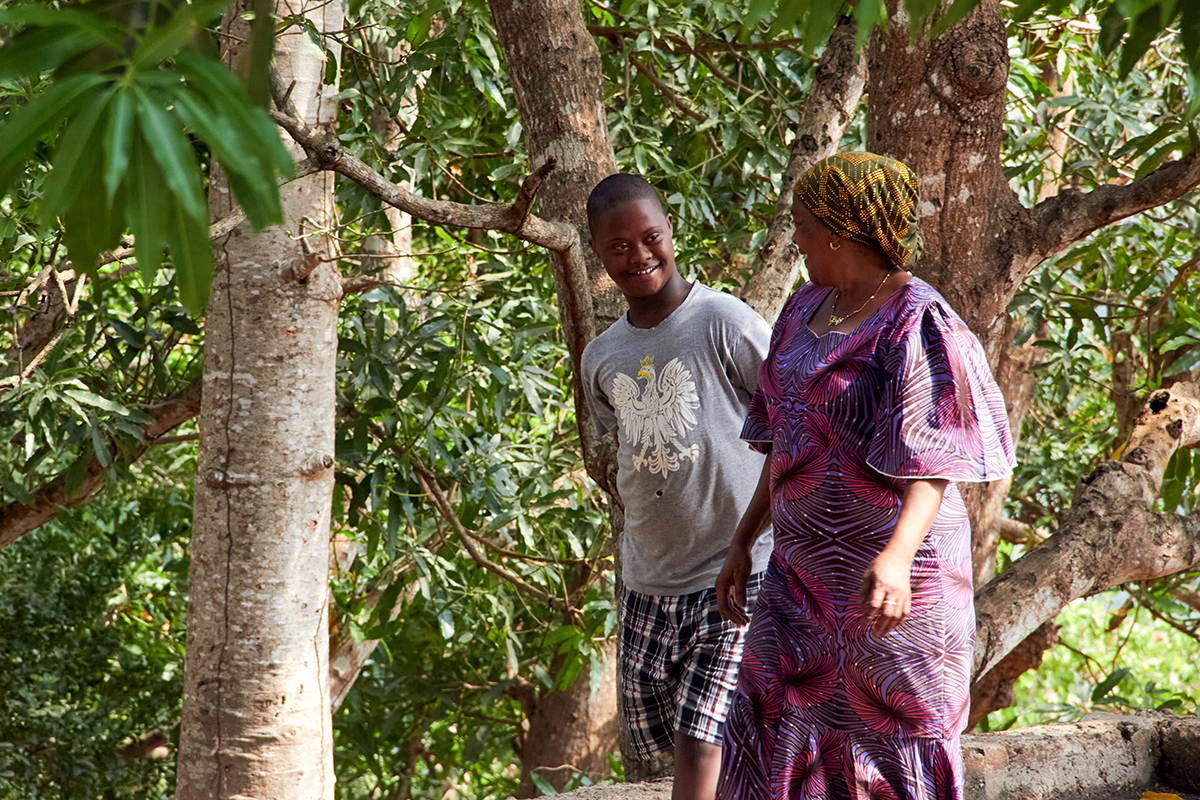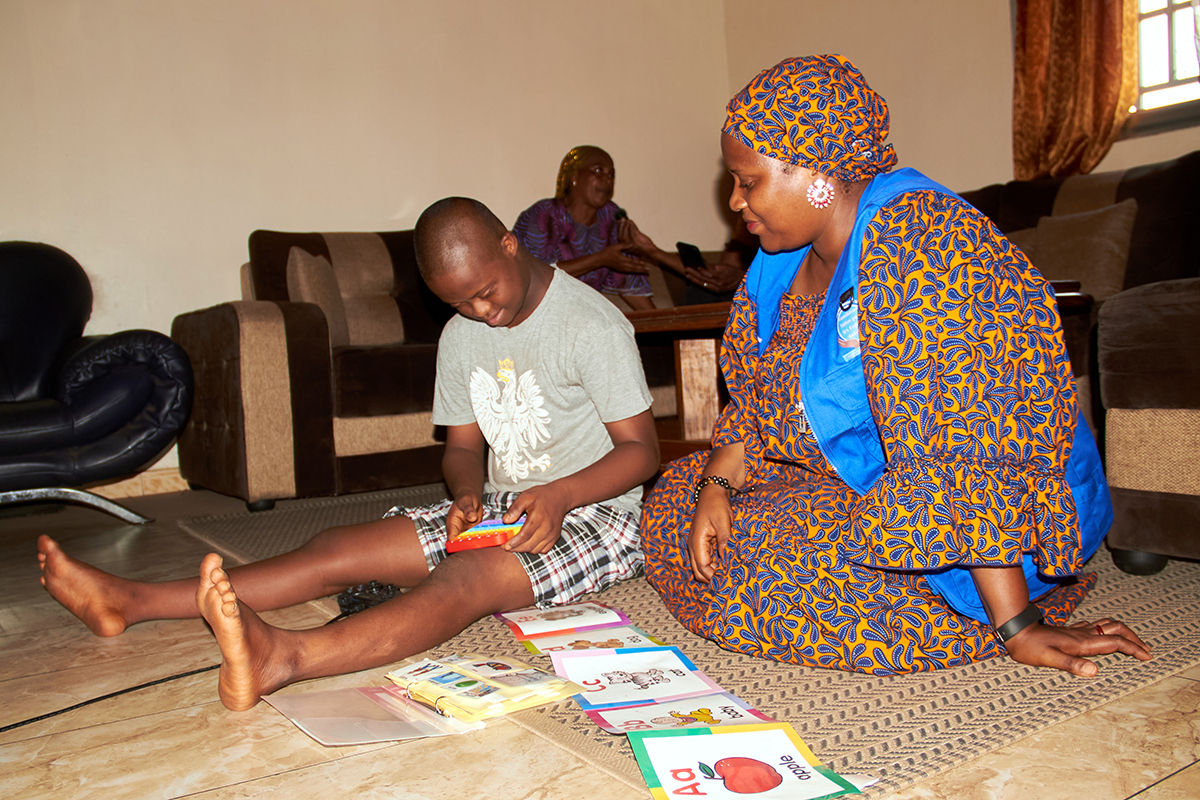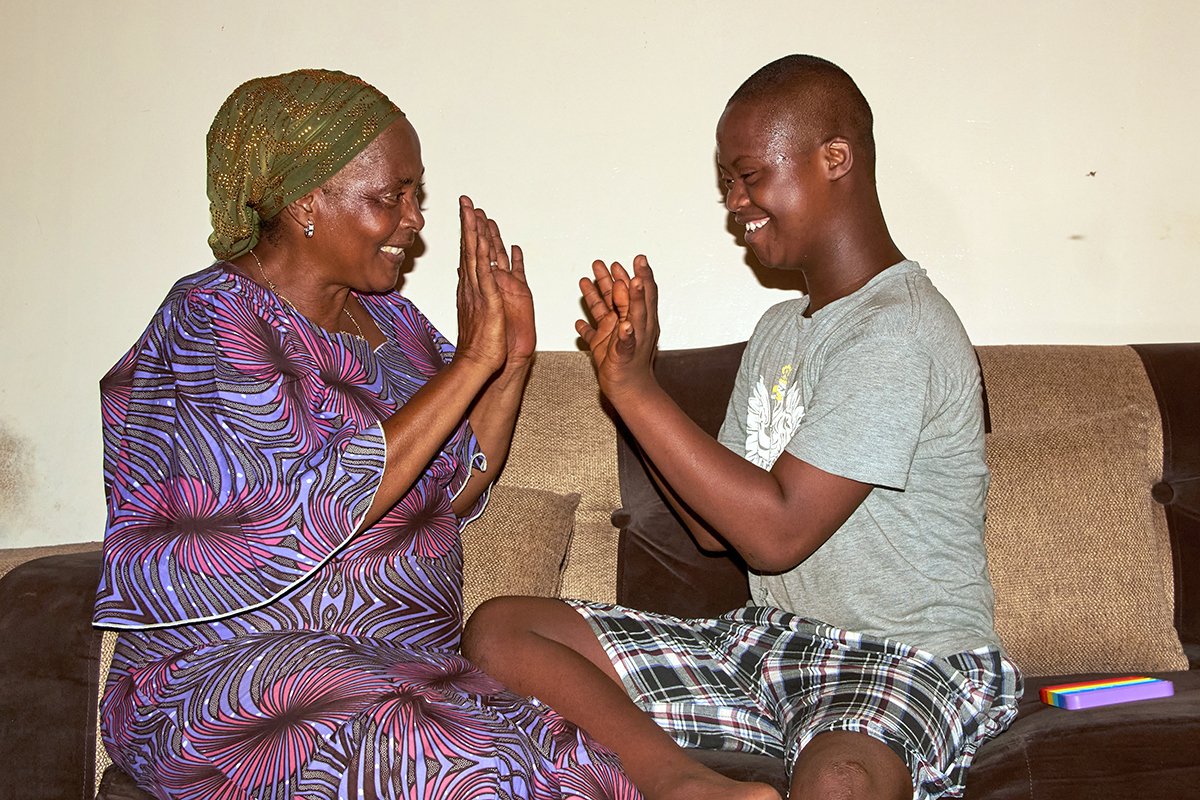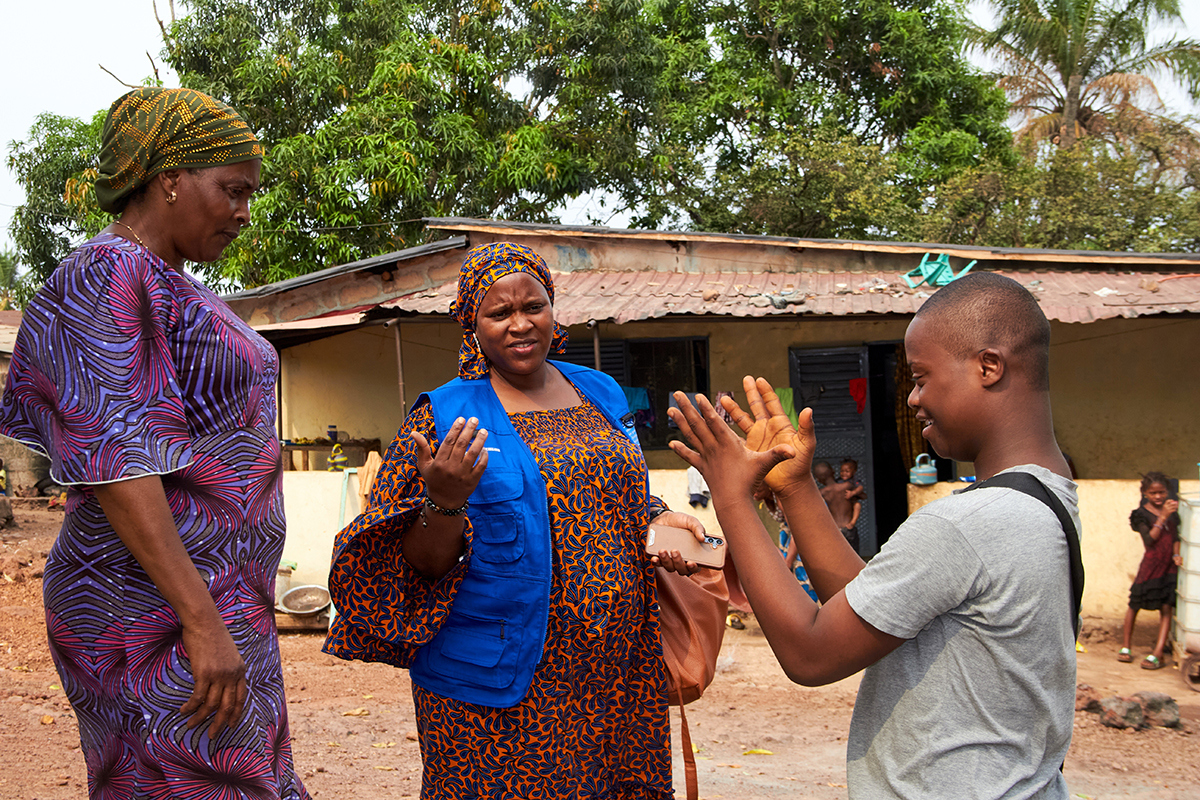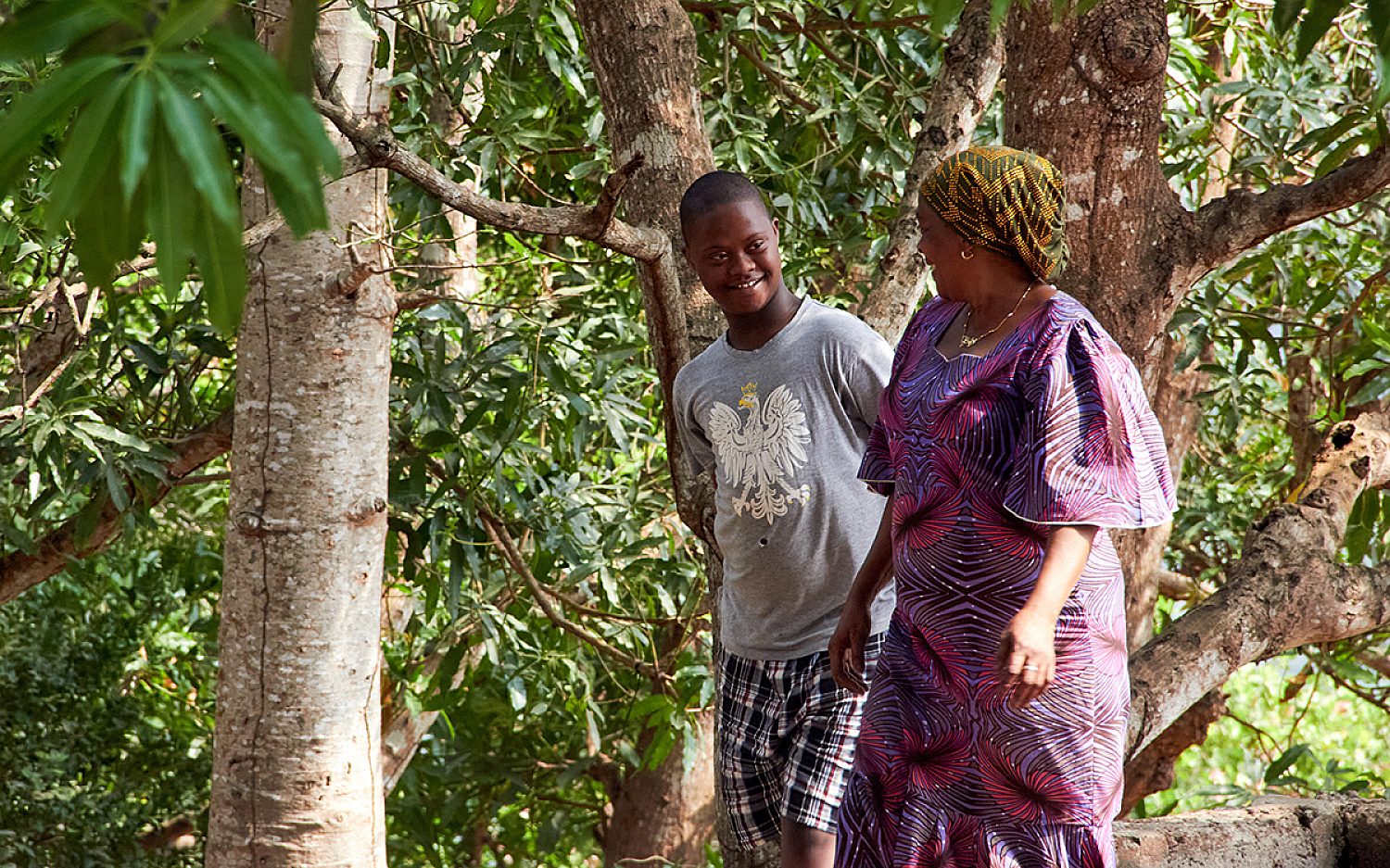
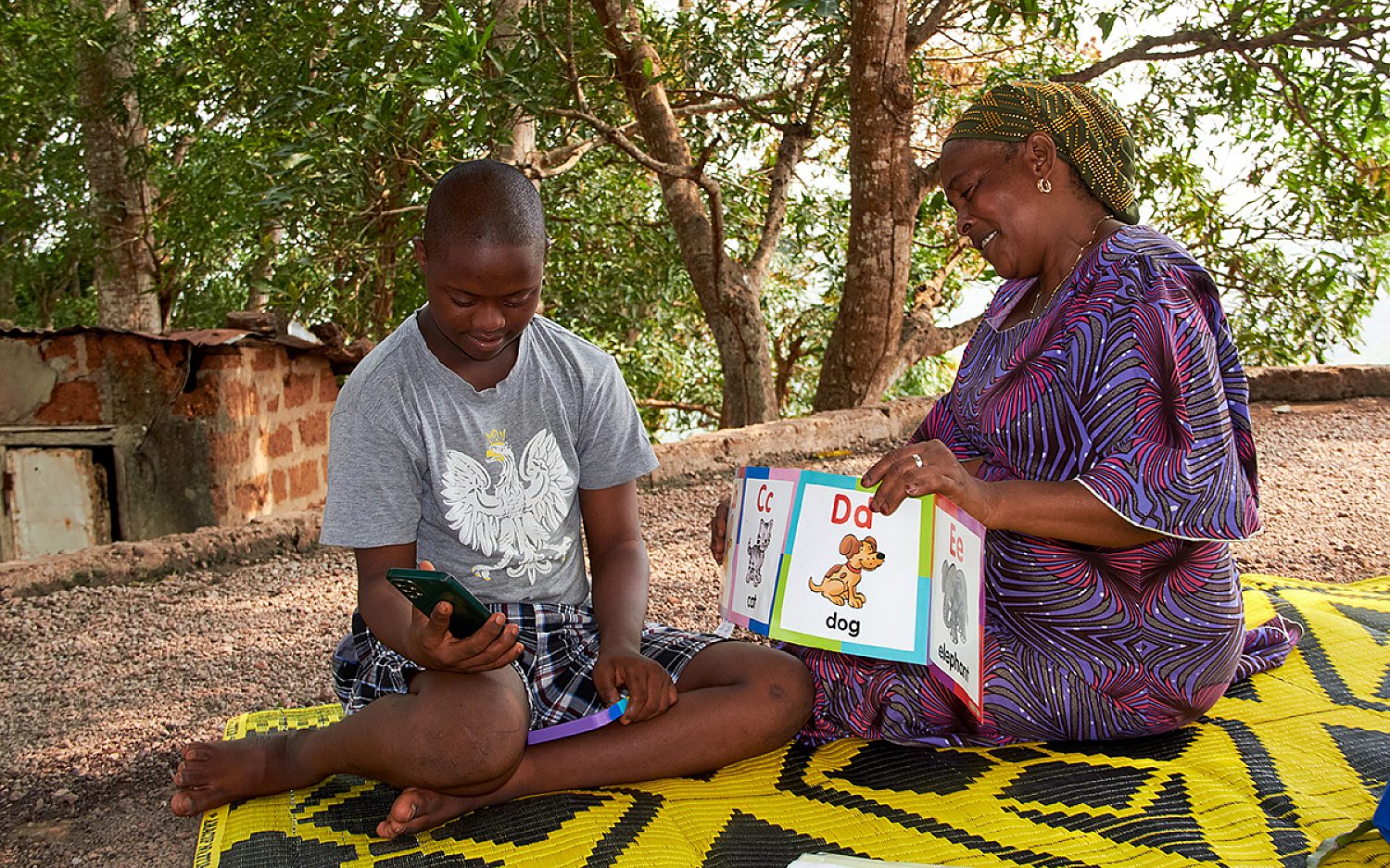
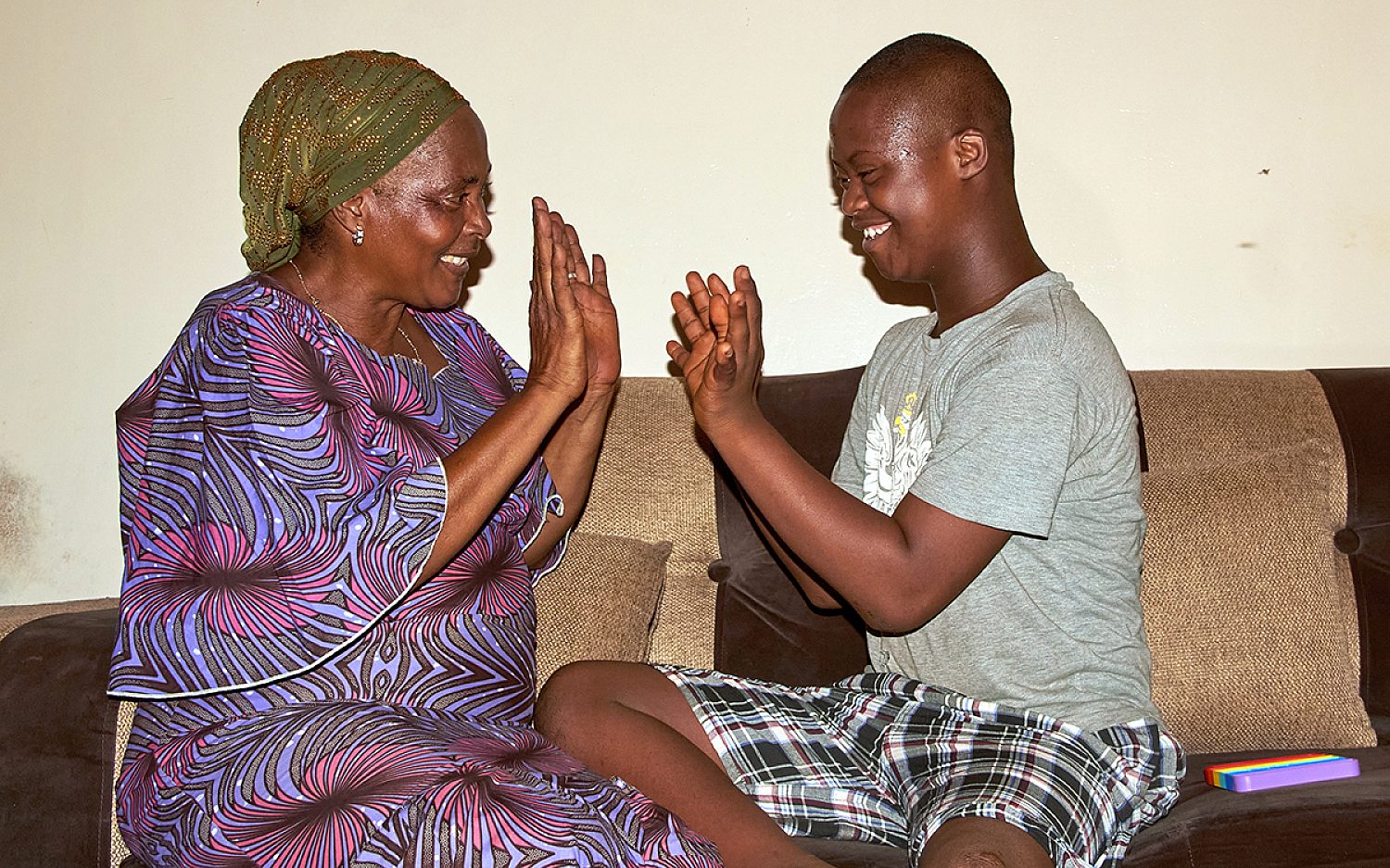

Kazaliou Balde’s parents felt concern when their little boy avoided eye contact and struggled to communicate. They turned to a traditional “healer,” who suggested amulets—small ornaments proposed to offer protection from evil spirits. Later, a doctor in a hospital diagnosed the boy with autism. His parents had never heard of autism.
Nor had their neighbors. “Some suggested that I take him to the bush and throw him away,” say his mother, Kadiatou Diallo.
But God doesn’t throw people away, ever.
Autism is a complex developmental condition. Because it affects different people in different ways, experts now call it “autism spectrum disorder.” Autistic people may learn language and social skills later than their peers. People with profound autism may remain nonverbal.
It’s an easy condition to misunderstand, particularly in parts of Africa that lack reliable data and where superstitions abound. This means shame for families. It also means kids wait longer for diagnoses. About one in 127 people worldwide has autism. In Guinea, a country of about 15 million, how many autistic people need help they never get?
Diallo decided her son wouldn’t be one of them. She looked for better care.
It wasn’t easy. The few Guinea schools that support autistic children cost up to $300 per month. But 43.7% of Guineans live below the poverty line. Someone earning minimum wage makes just $63 per month.
Balde attended both private and public schools. None fit him, and his teachers didn’t attempt to teach him to read and write. His mother says his father searched for a good school in “every corner of the country” before dying in a road accident.
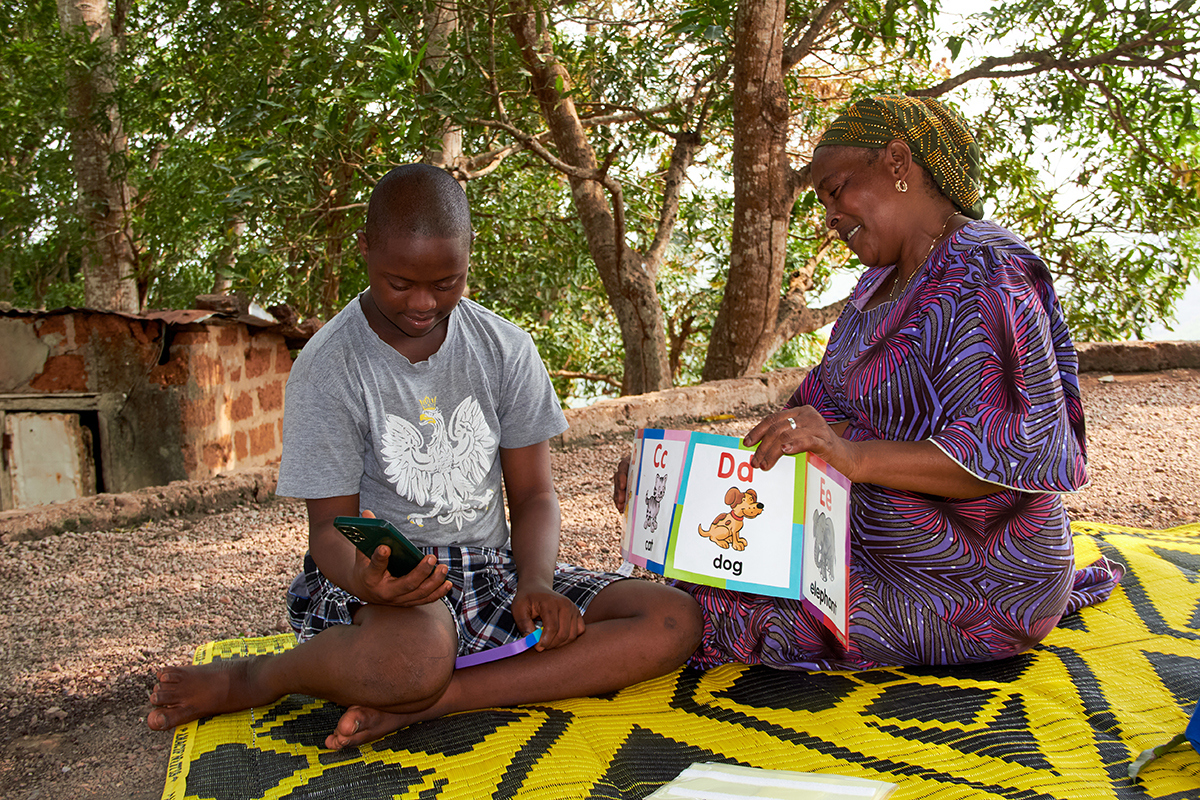
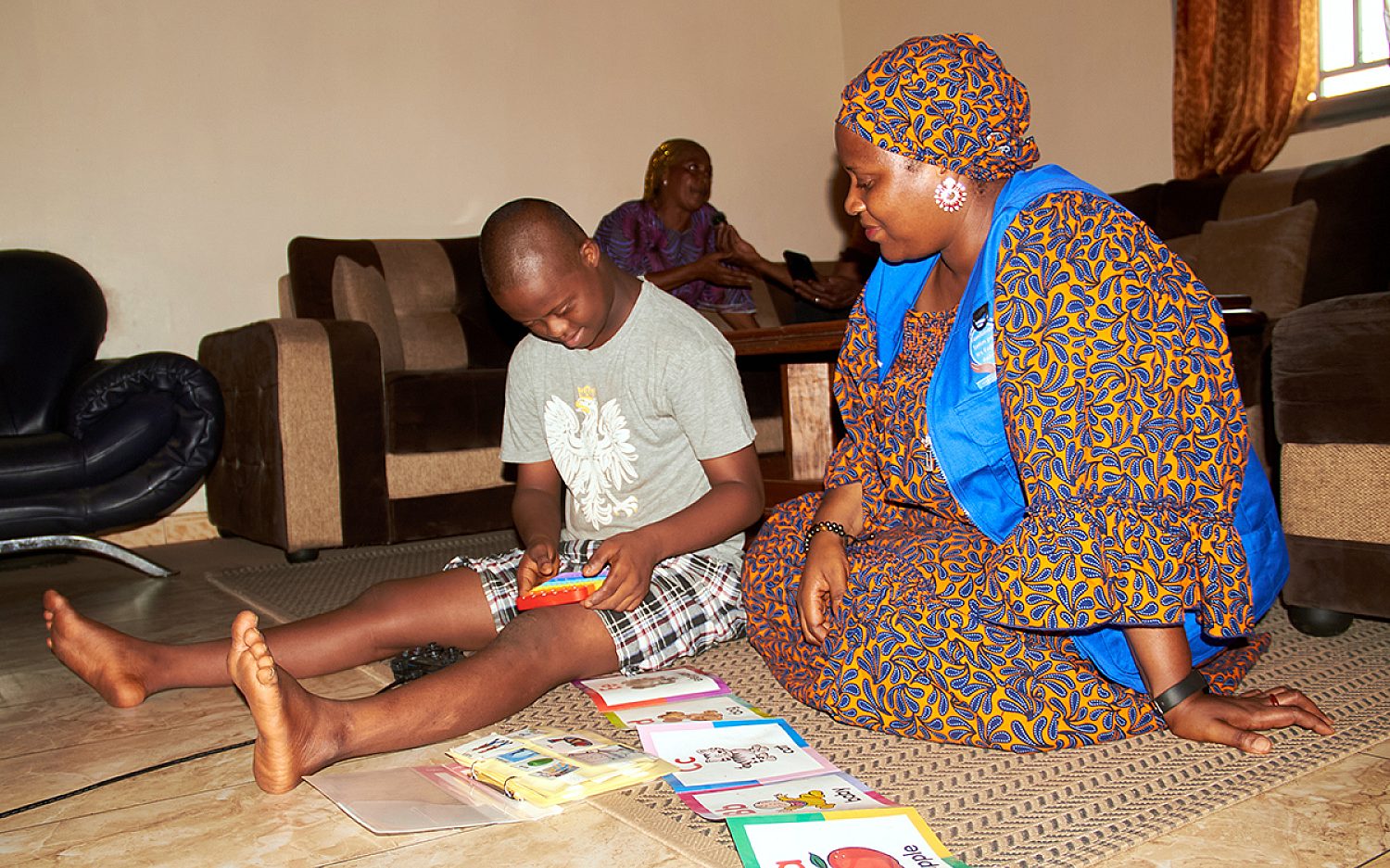
Ultimately, though, hope came to them. In 2023, Balde enrolled in the newly opened Salim Foundation for Children with Autism. The school is free. The school’s authorities sought out students. They learned of Balde and visited his family.
Now he and 14 other students learn in a large house with three teachers. Mariam Aisha Barry started the school. She’s another mom on a mission, inspired by her own autistic daughter. “Our mission is to break the stigma surrounding autism through awareness-raising,” she says.
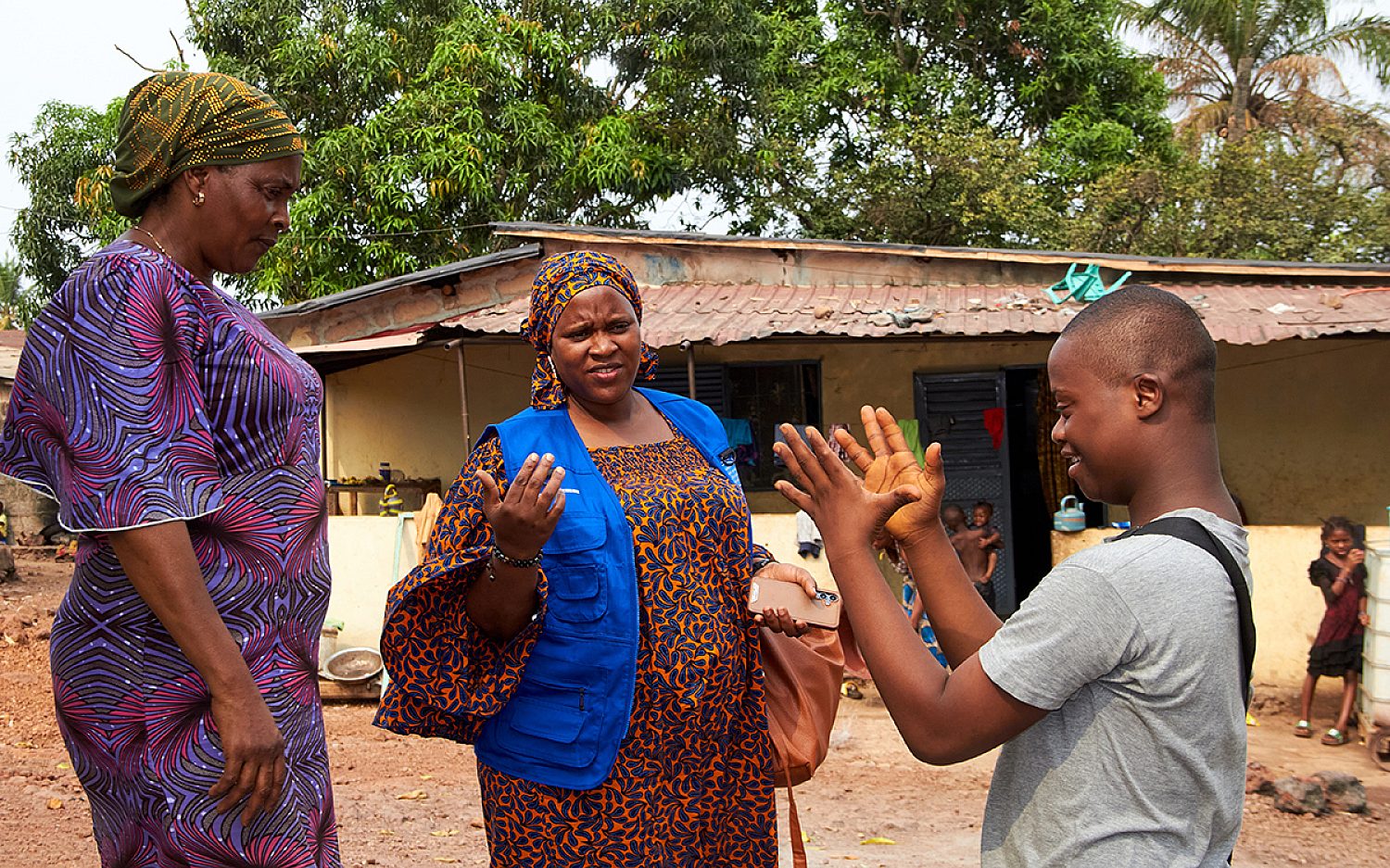
They have a long way to go. Balde is 15 now. He’s still ostracized from much of his community. Many still call his condition “evil.” A worker at his school says several hundred autistic children in his city need education. Some parents hide these autistic children at home.
But Balde’s mother doesn’t hide, and she doesn’t give up. She says, “My most ardent wish is that he knows how to read and write.”
Why? All human beings are deeply valued by God and made in His image. Wherever God’s people go, they must show love to those with disabilities.