You’ve heard of soccer—but have you heard of sport stacking? How about extreme pogo?
These unusual sports attract contestants from all around the country. They showcase their God-given creativity in unique and often unexpected ways.
Bounce
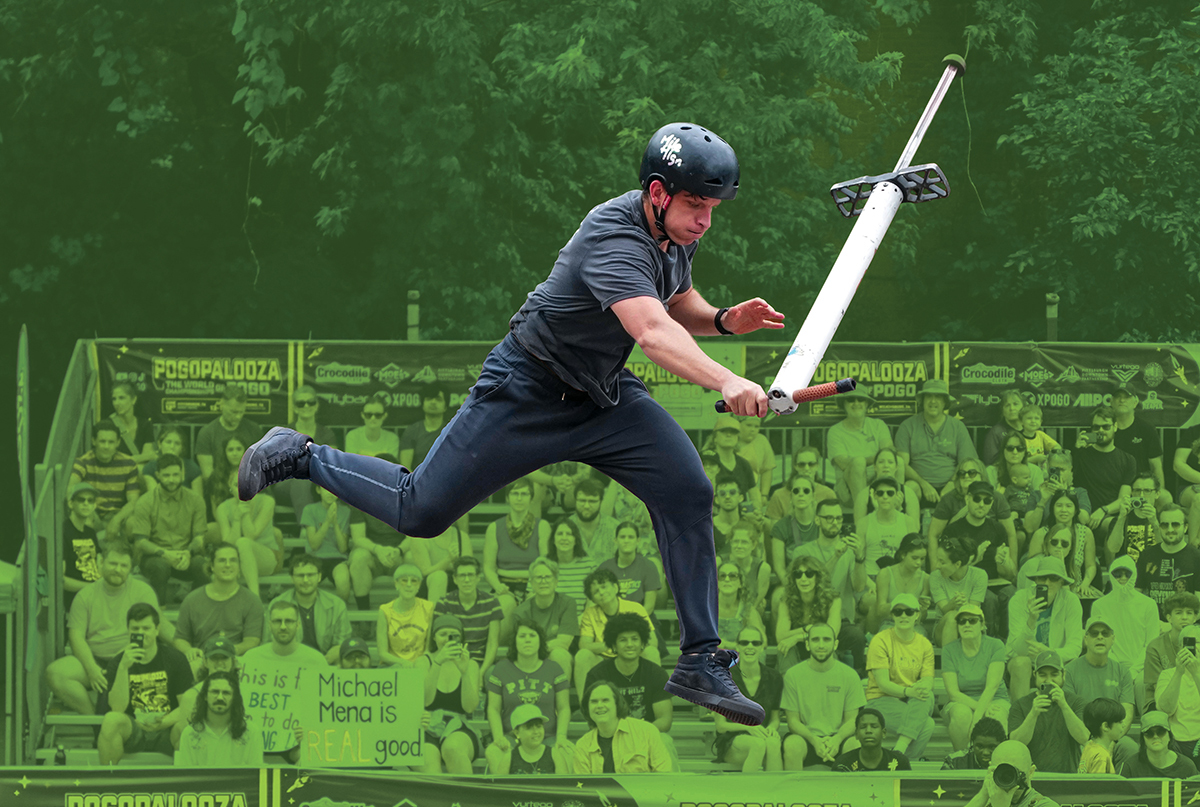
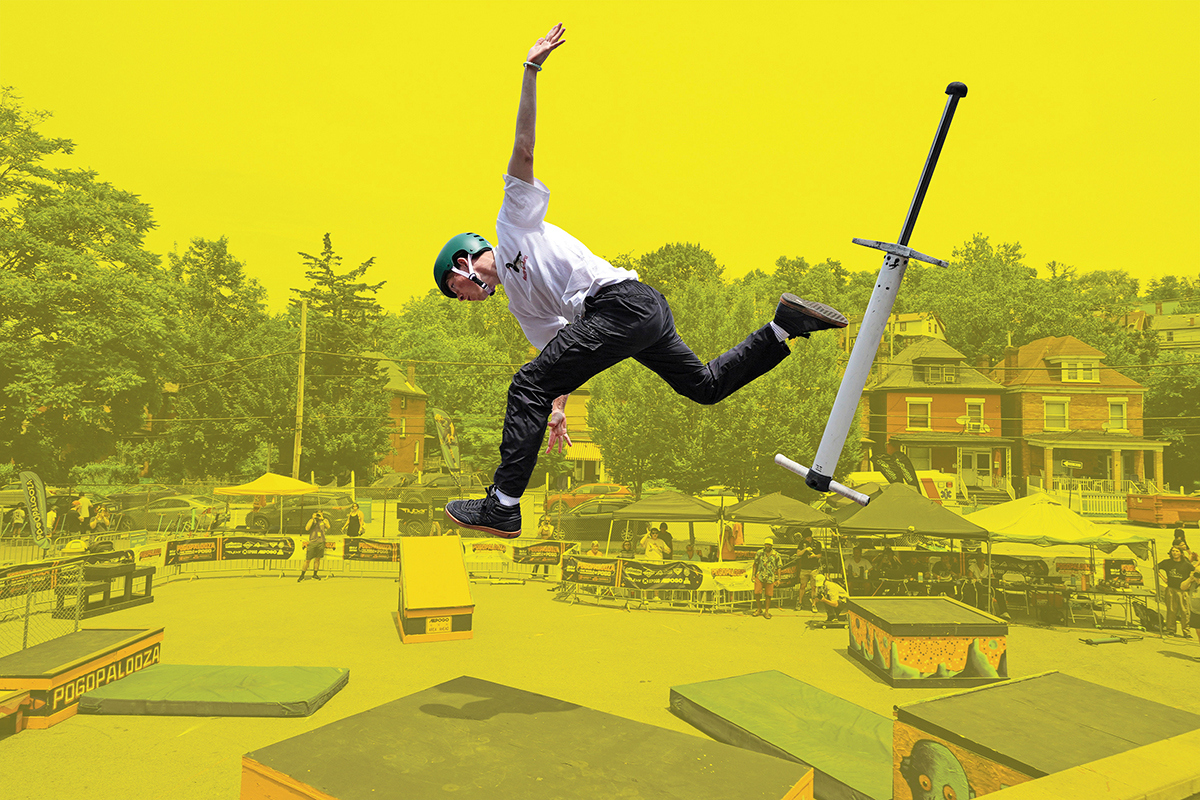
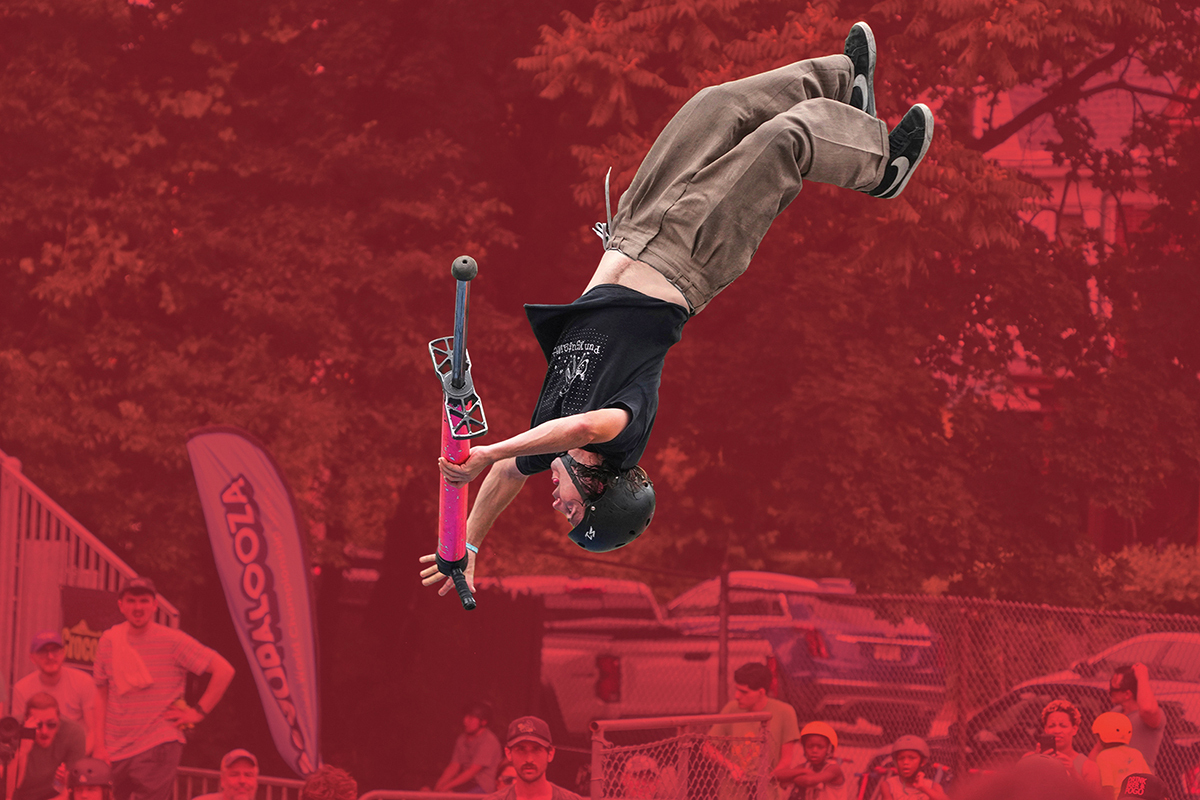
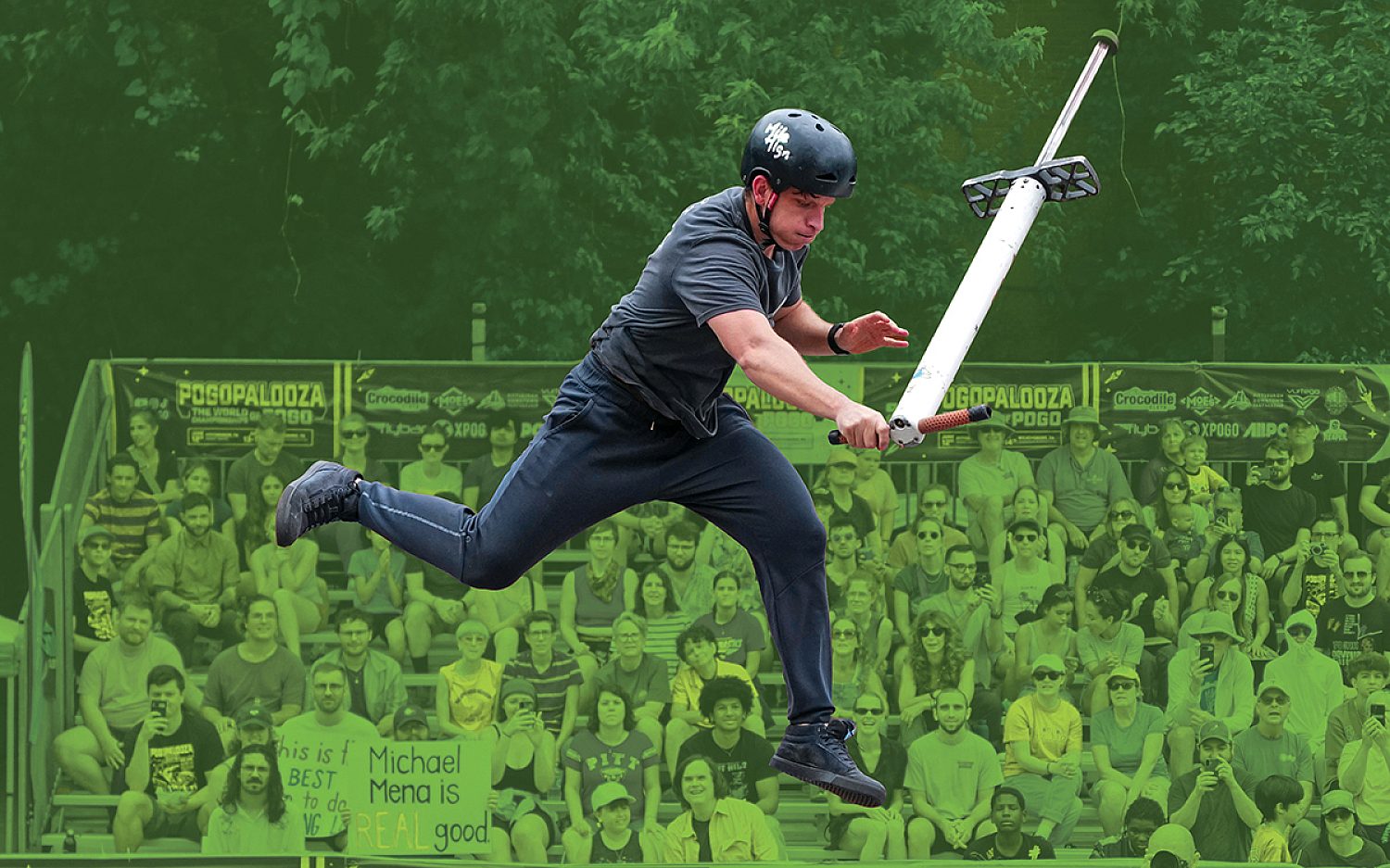
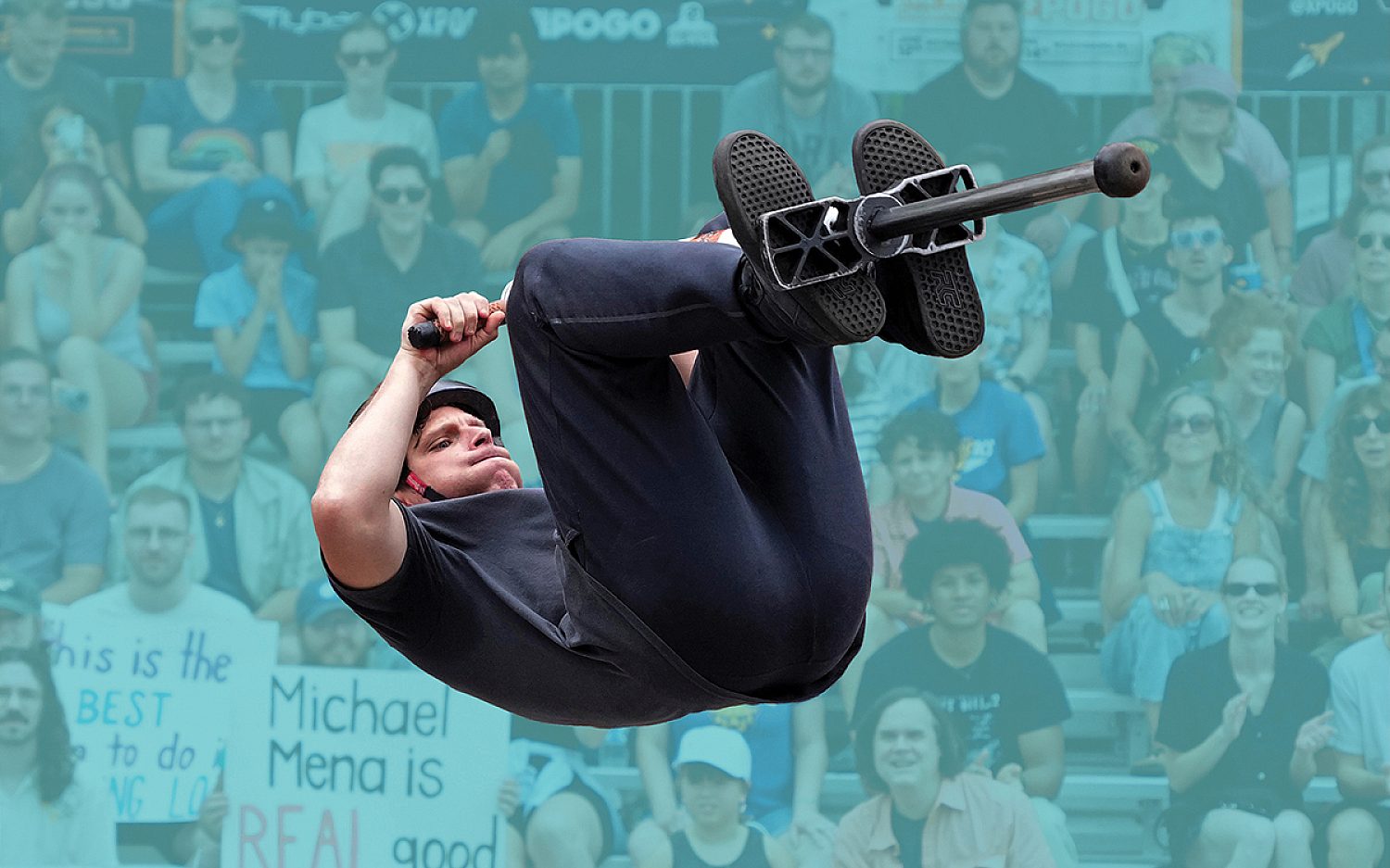
Michael Mena tried his first pogo-stick backflip when he was 13. He crashed down on an inflatable air mattress—on his head.
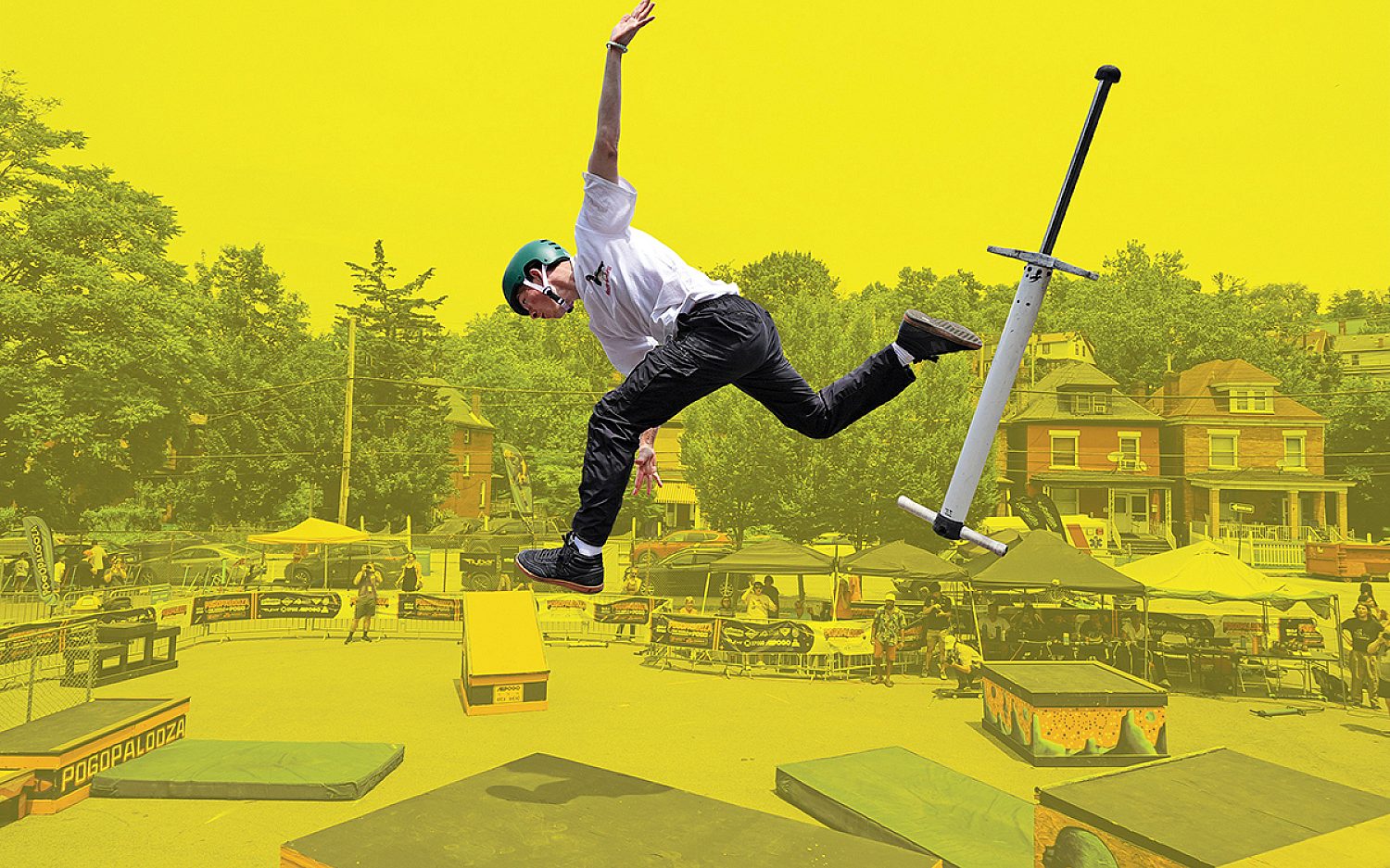
Twenty years later, Mena is now a world-champion pogoer. He earned the title at the annual Pogopalooza event in Pittsburgh, Pennsylvania.
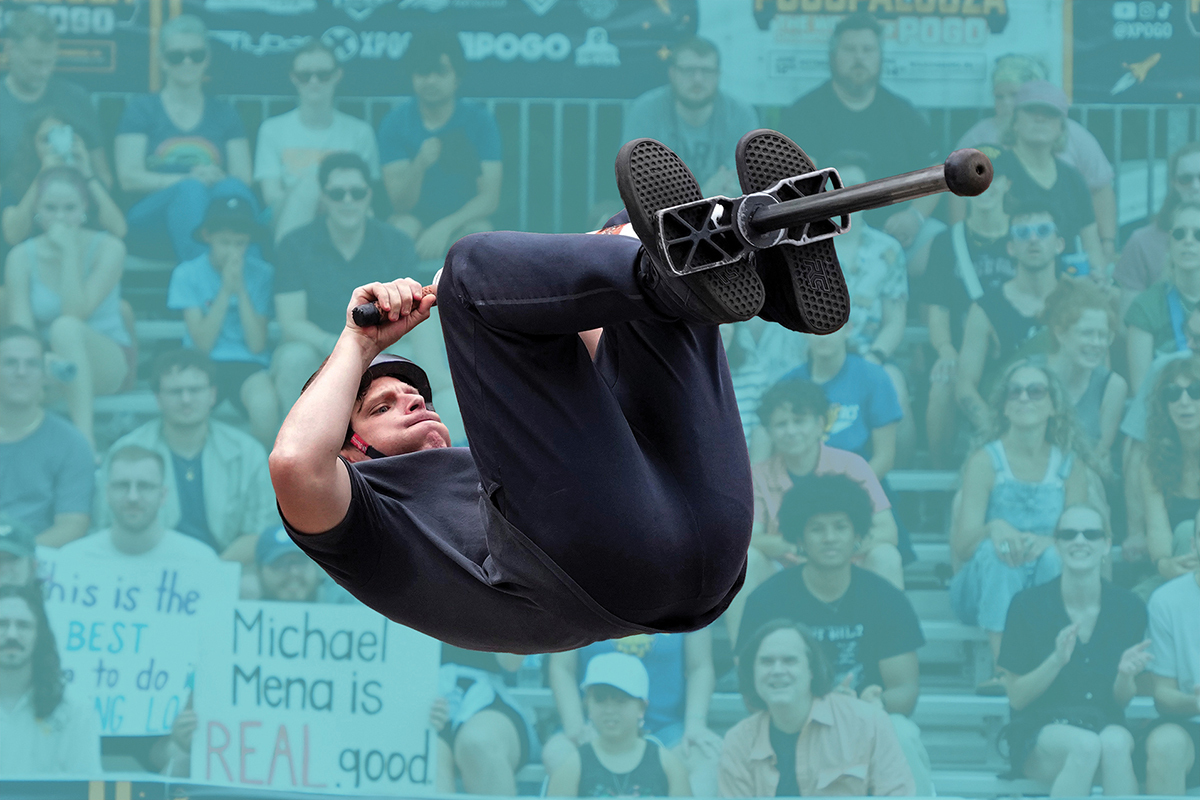
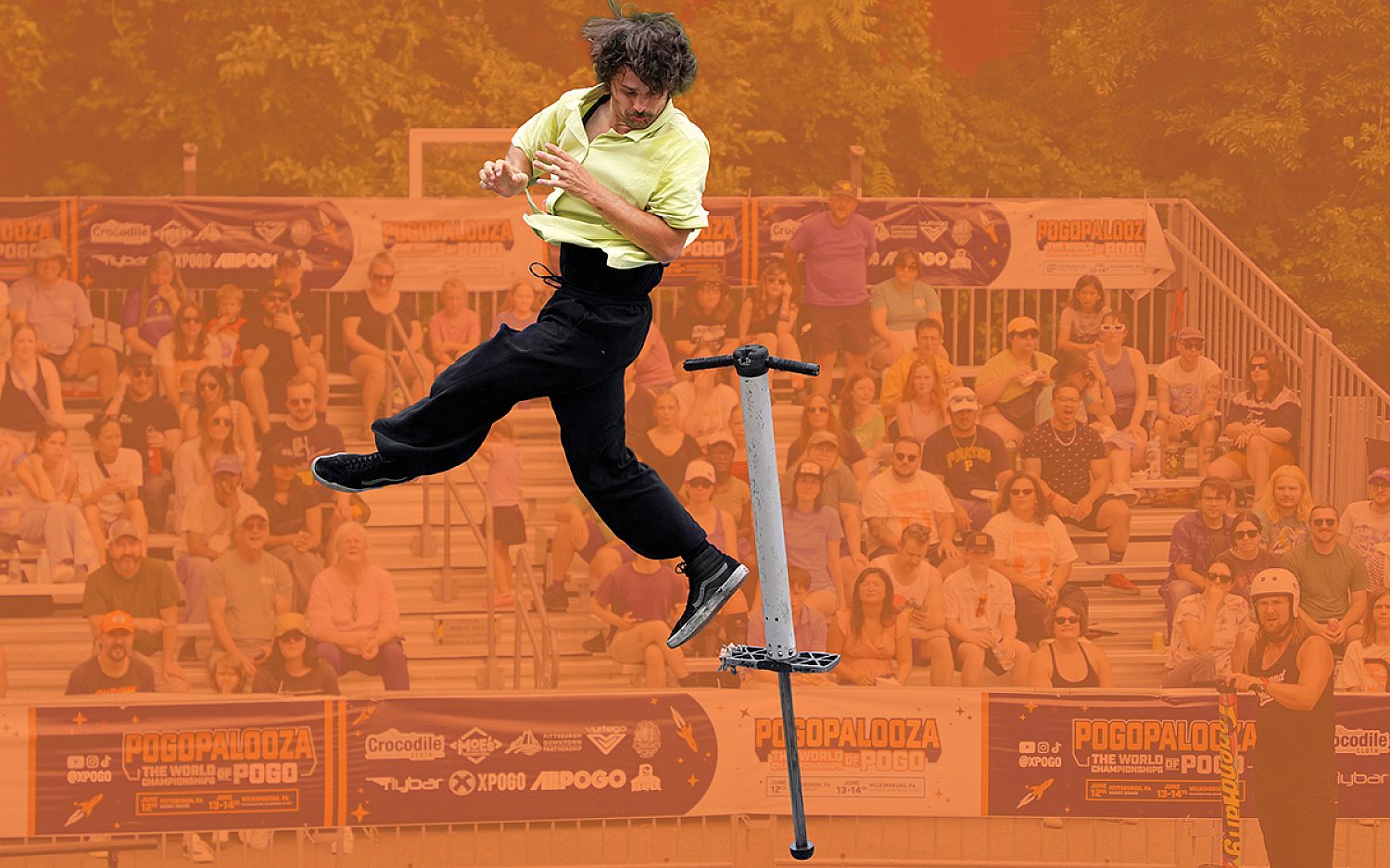
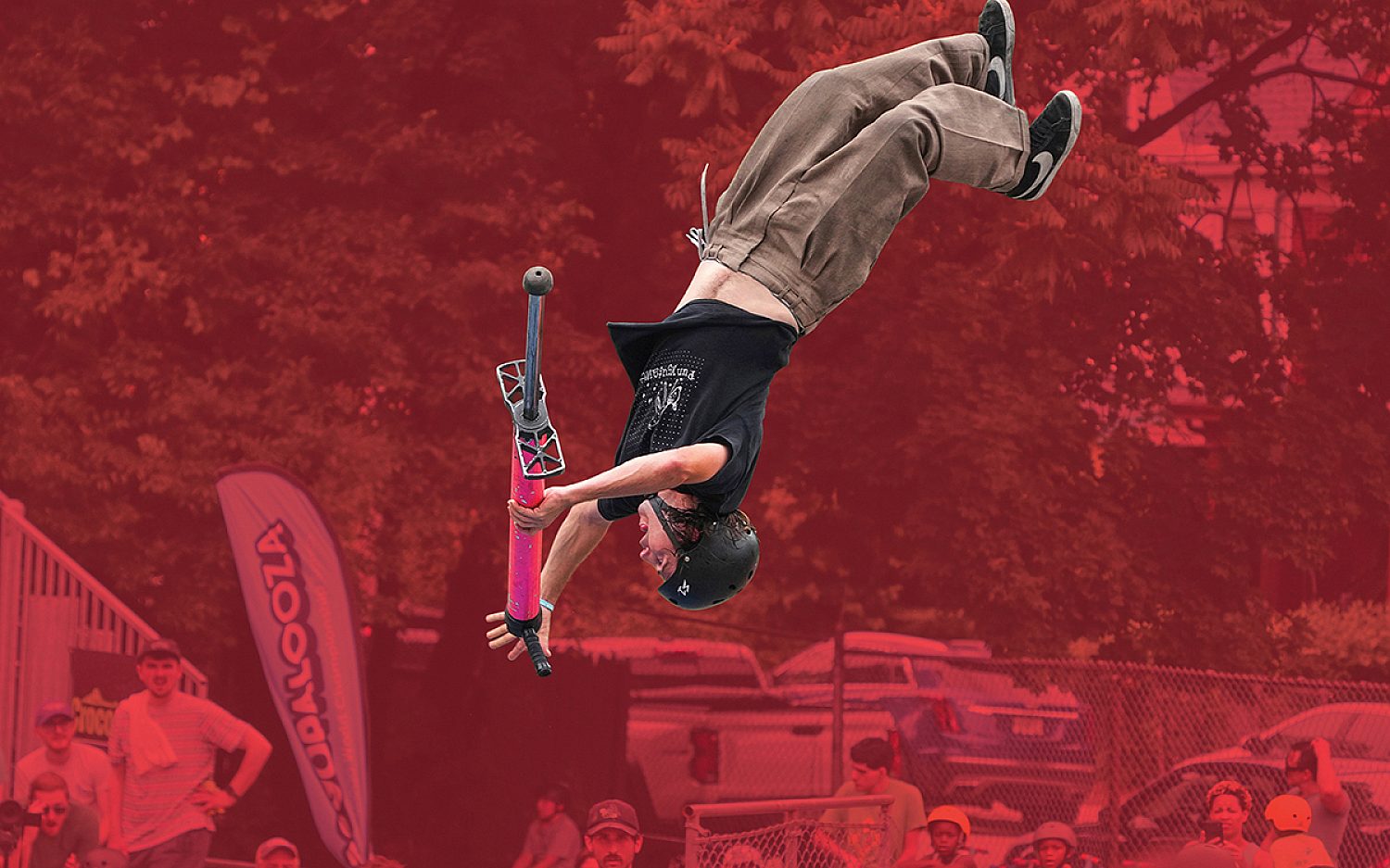
His pogo stick isn’t standard. It was designed for extremes. It can launch him 10 feet into the air. To win the competition, he had to perform his signature trick: Flip his stick underneath him; then catch it before he hit the ground.
“I tried that trick hundreds and hundreds of times, and I was just scared to put my feet on,” Mena says. “Then, once you’re in it and all the adrenaline’s going and everyone’s screaming, then you just kind of don’t care about getting hurt so much.”
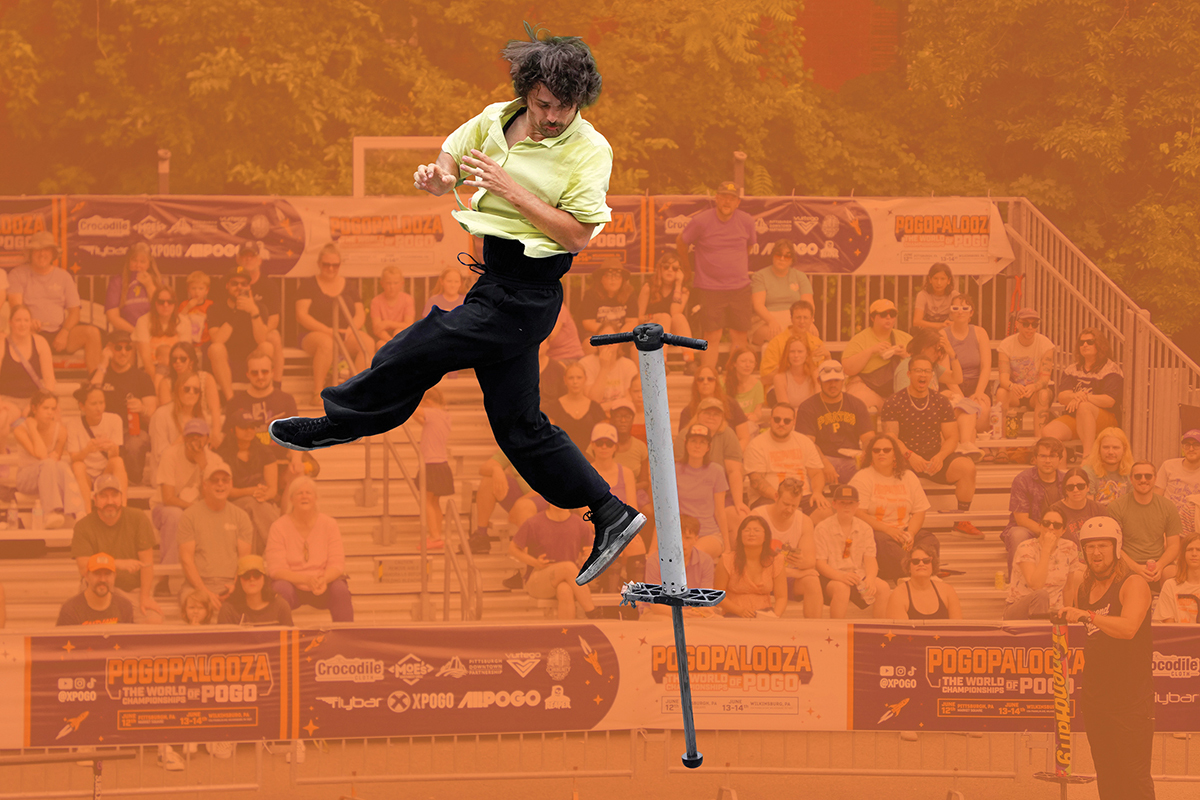
For Mena and his friends, competitions are a chance to celebrate their community of thrill-seekers. Extreme pogo is a relatively new sport. It dates back to the early 2000s, so it doesn’t always attract big crowds. But the fans are dedicated.
“We might not have 20,000 people here,” says Will Weiner, Mena’s friend and fellow pogoer. “But we can give you authentic, and we can give you cool.”
Stack
Not all unusual sports require high-flying risks.
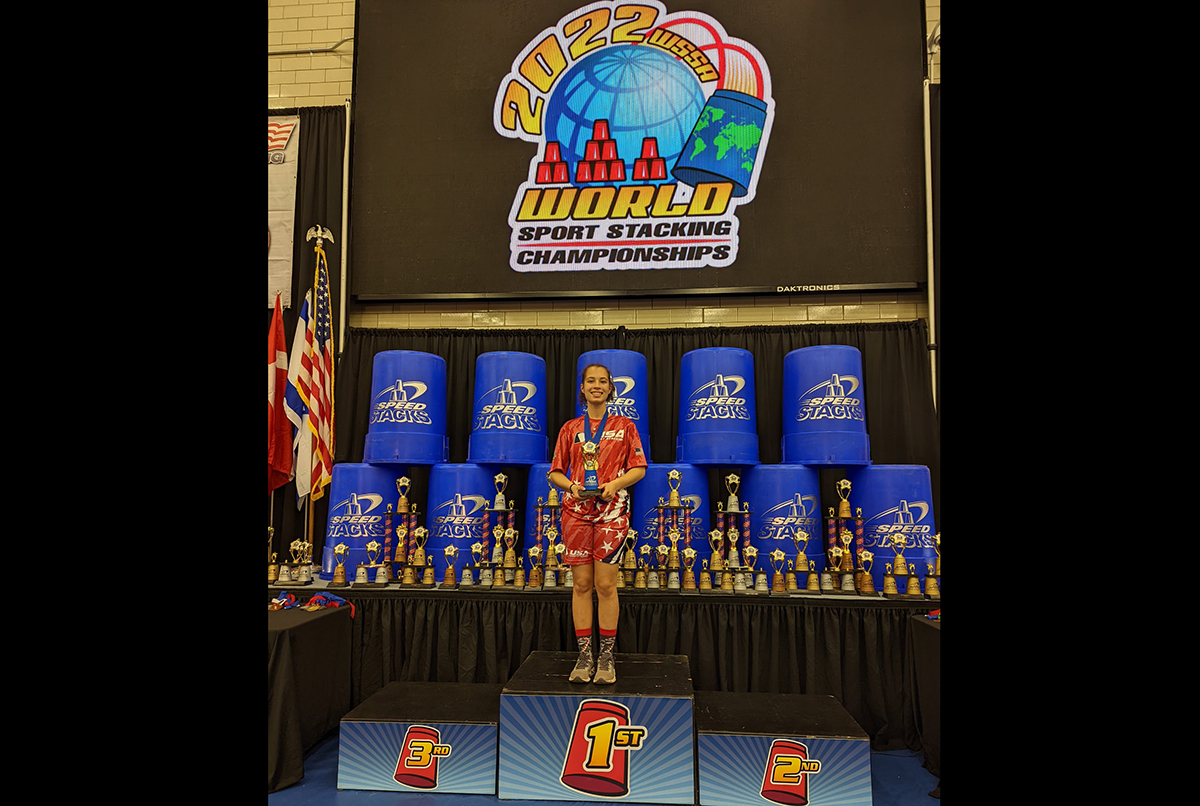
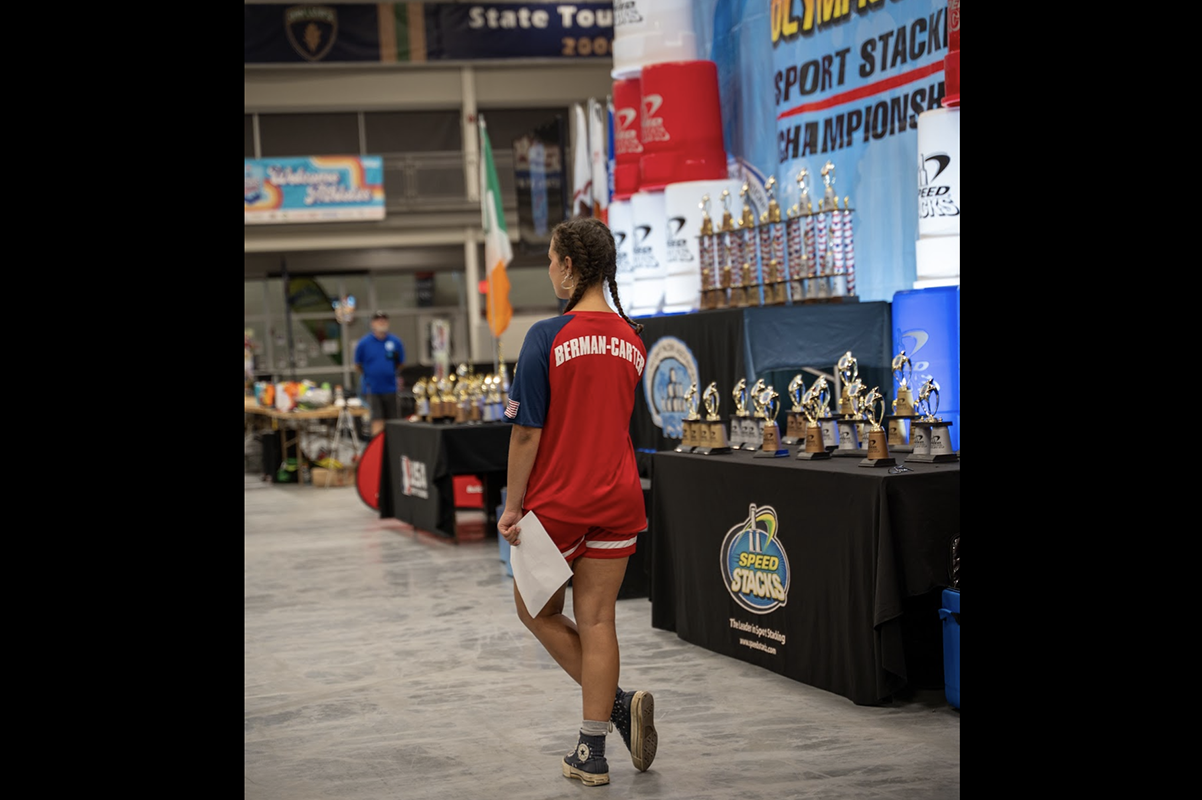
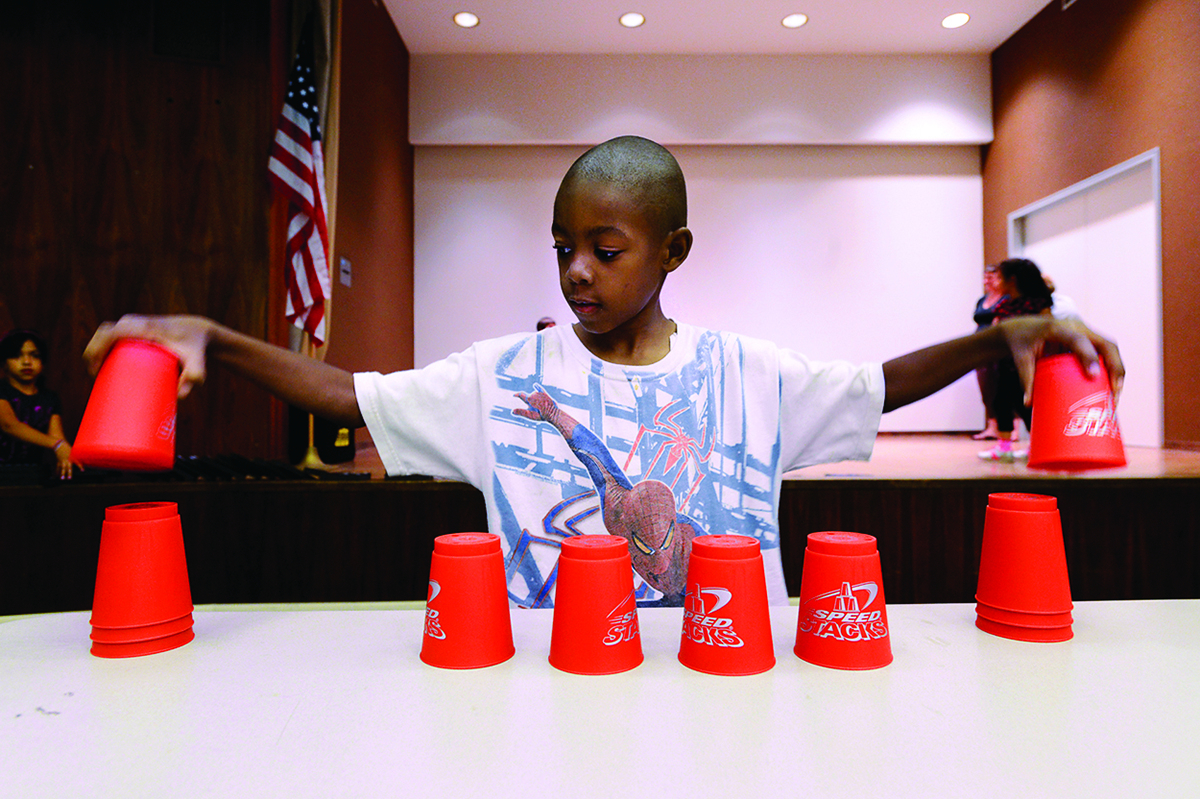
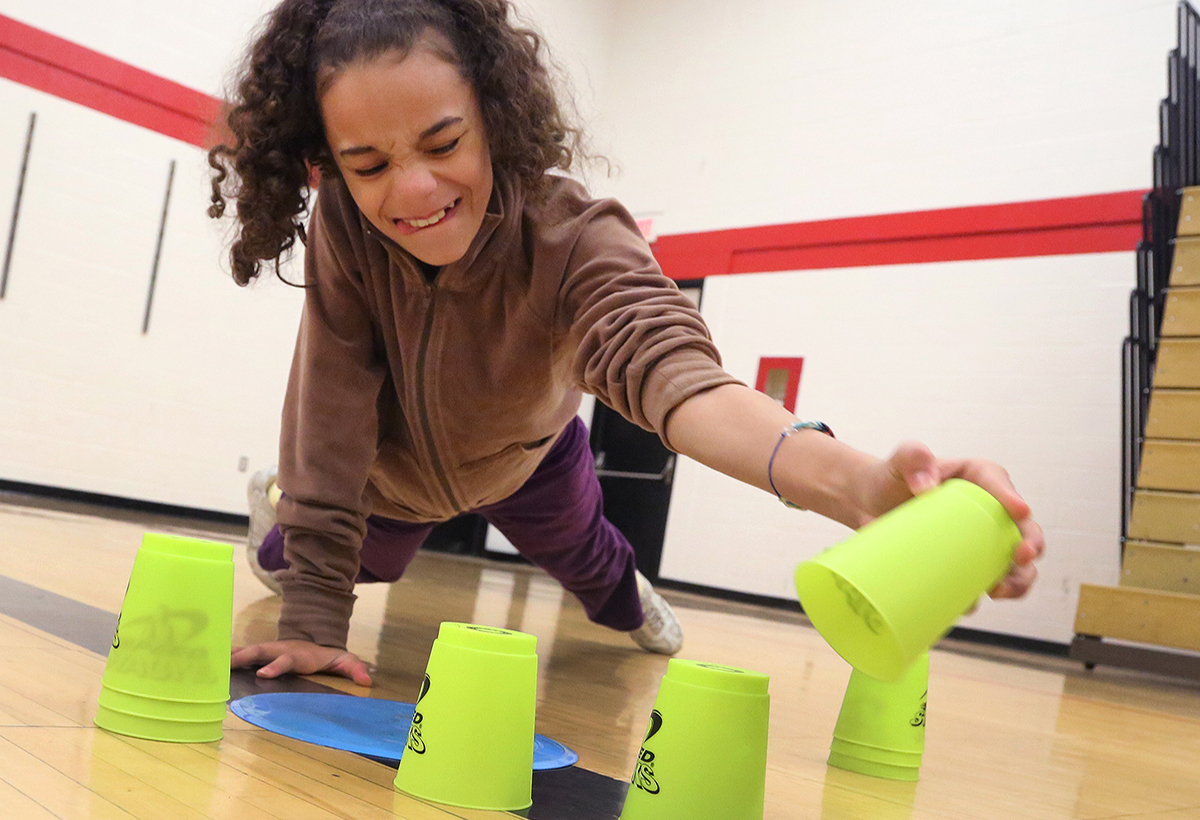
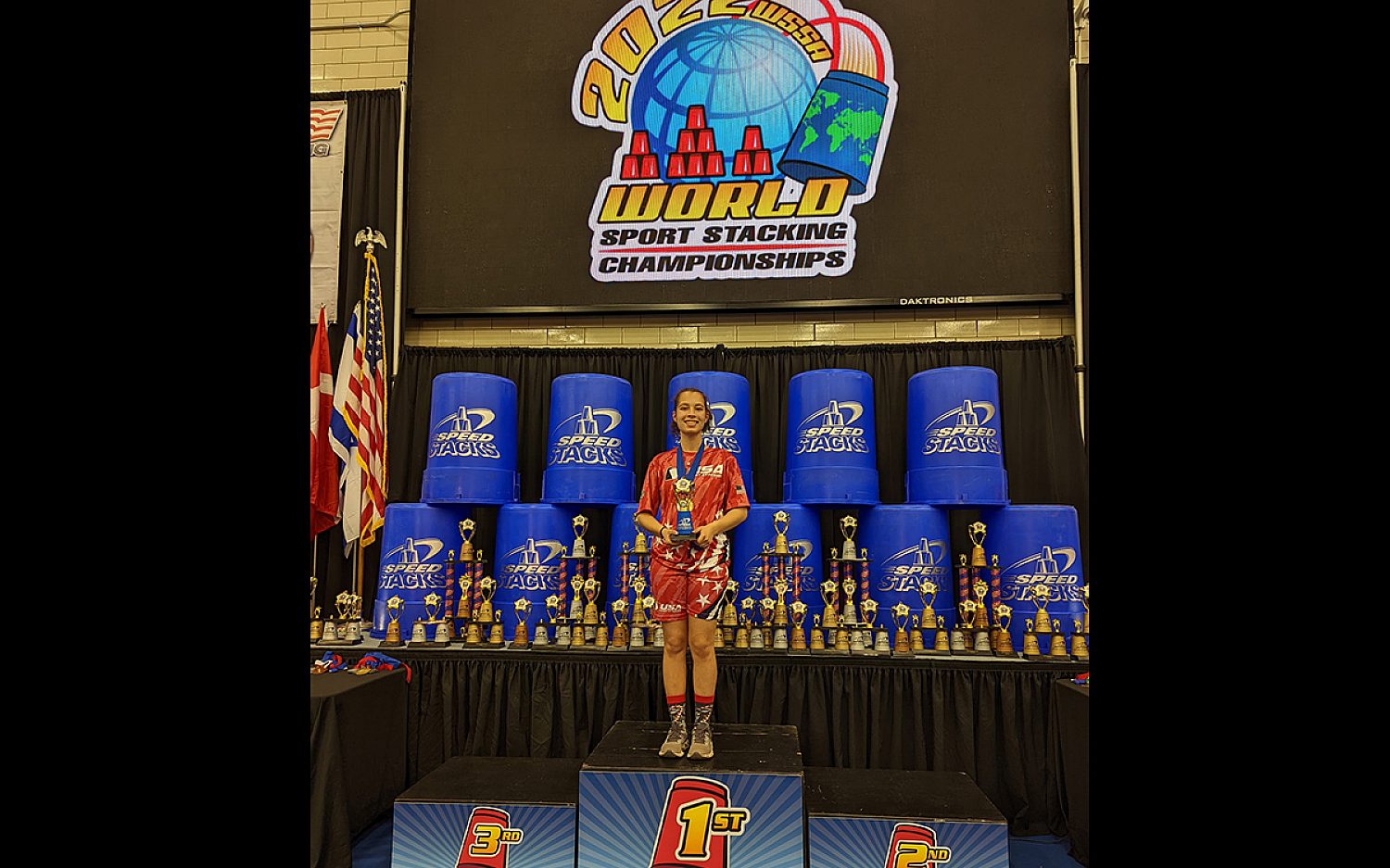
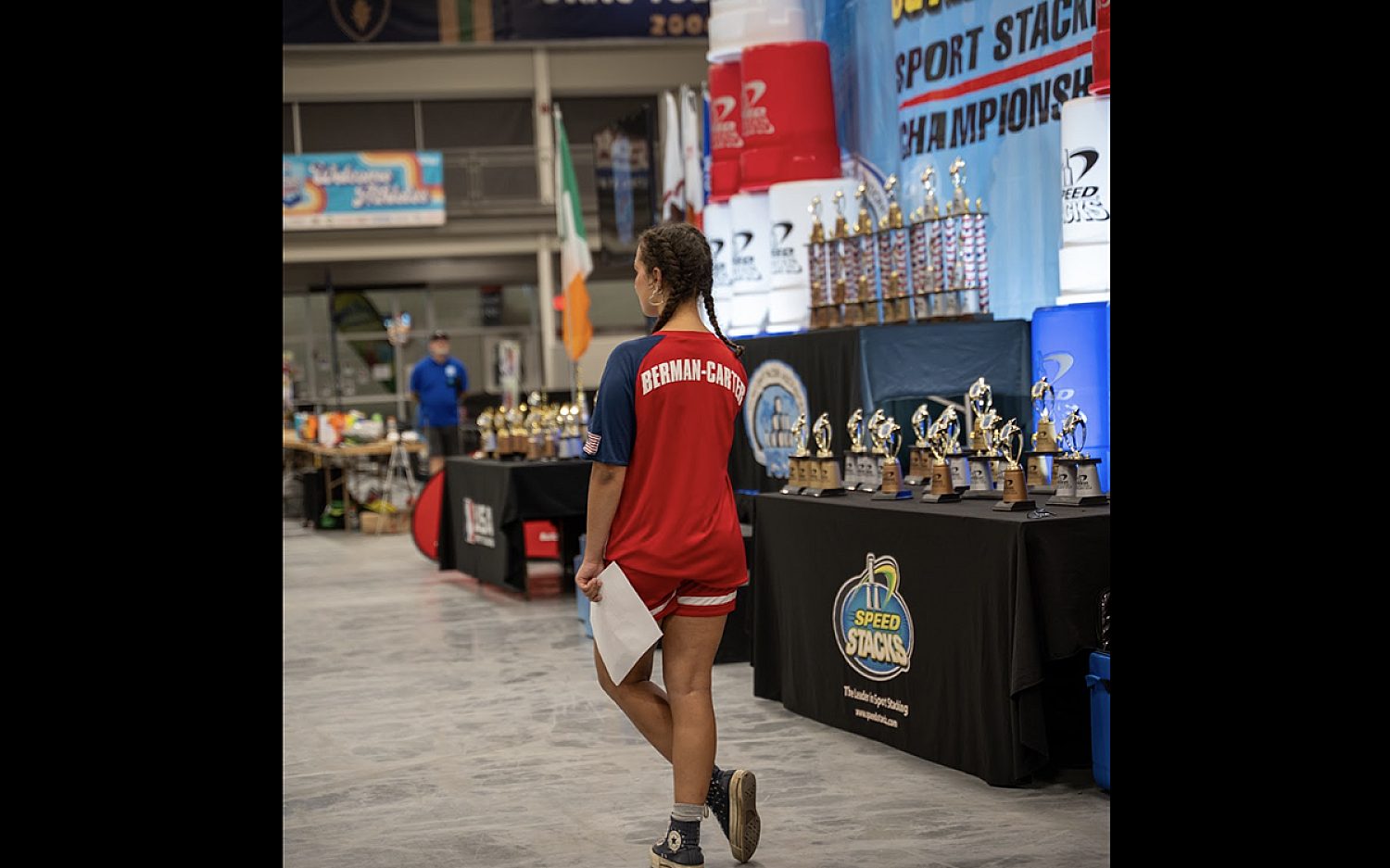
Holly Berman-Carter stacks cups faster than almost anyone in the country. In just a little over two seconds, she can build three stacks of three cups each. Then she dismantles them. That makes her a world-class sport stacker.
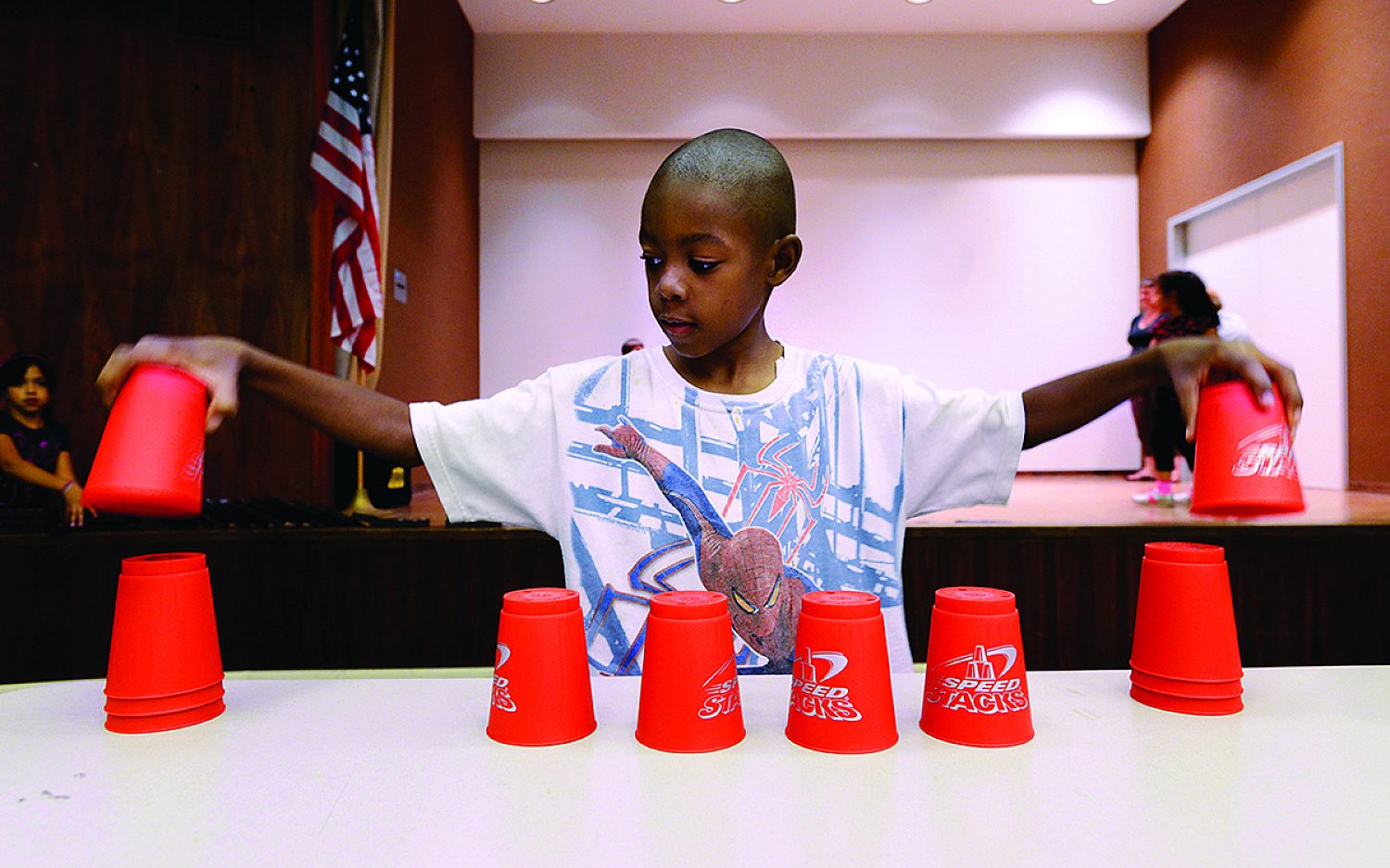
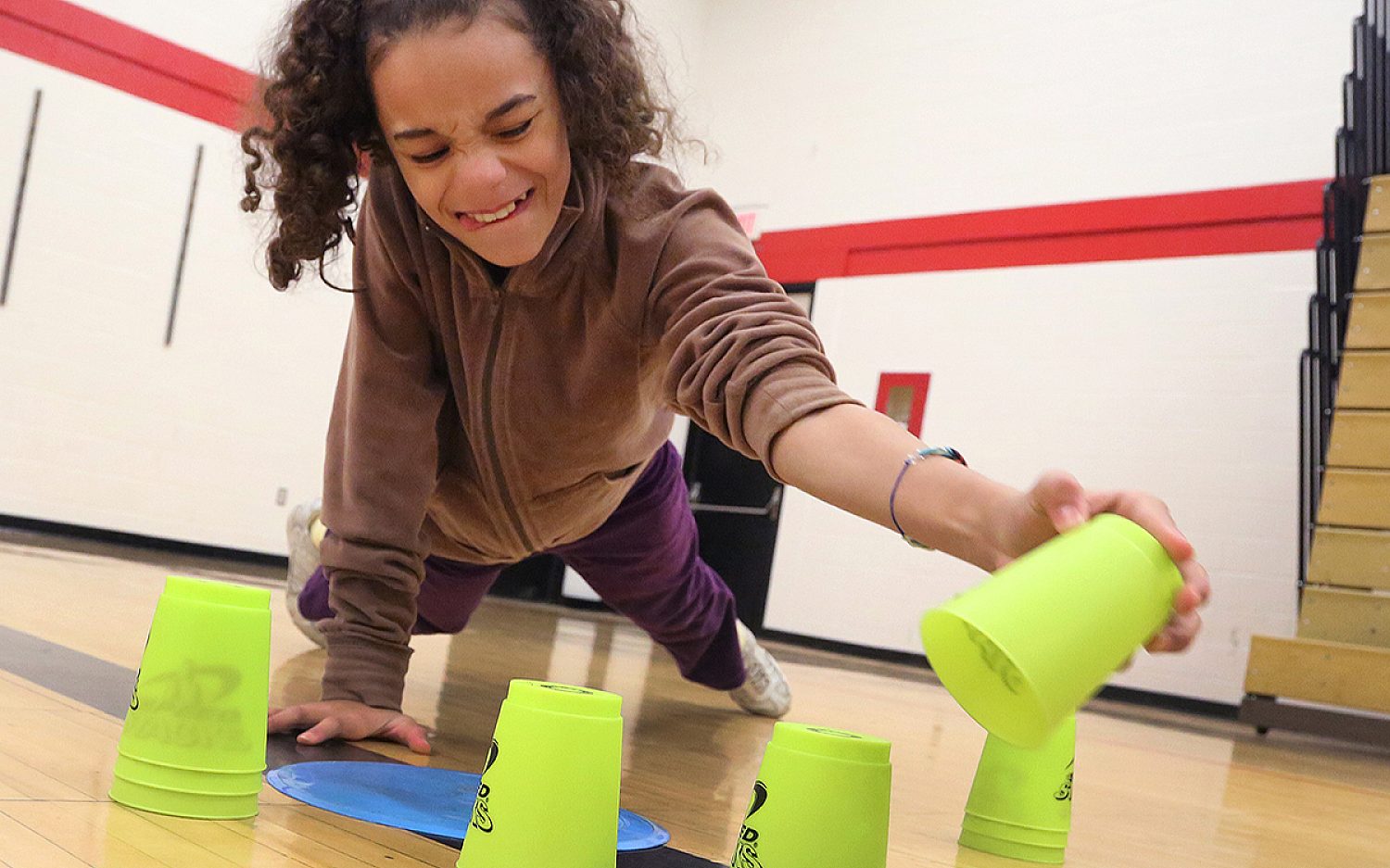
In sport stacking, contestants turn a small pile of cups into neat stacks. Then they tear down the stack without letting any of the cups roll away. The goal is to complete all the stacks as fast as possible—sometimes solo and sometimes on teams.
“It’s the sport with the most high-fives and fist bumps that I’ve ever been a part of,” Berman-Carter says. “There’s not really anything else like it out there.”
Berman-Carter began sport stacking when she was five years old. Her mom saw sport stacking on TV and bought the family’s first set of cups.
“One day, she looked at me, and she goes, ‘You know, Holly, people go and compete and do this in competitions,’” Berman-Carter recalls. “‘Would you want to do that?’”
Berman-Carter jumped at the opportunity to practice with friends.
“It ended up being a great day,” she says. “I had so much fun. I did surprisingly well. And as we were driving home, my mom was like, ‘Would you want to do that again?’”
Berman-Carter did want to do it again—and again, and again. Eventually, she was invited to join Team USA, representing her country in international competitions.
“We’ve been to countries like Singapore, Taiwan, Germany, Spain, Switzerland, all because of sport stacking,” Berman-Carter says. “So it has been really the biggest blessing—and also such a surprise.”
“Just make it fun.”
Christopher Netley is a chiropractor who helps athletes from many sports get stronger and recover from injury. He says exercise has major health benefits: better focus, less pain, and slower aging. But studies show that only about 30% of U.S. adults get enough exercise.
Netley has a solution: “Just make it fun.” He says people won’t stick to a workout routine they don’t enjoy. For some, that means choosing an unconventional activity, like pogo or sport stacking.
Netley also believes that sports can be a calling from the Lord. People should use their God-given talents, even if doing so leads them down unusual paths.
For those who are called to uncommon sports, “you should go out there and do it,” Netley encourages. “But wear a helmet.”
Why? Perseverance and practice allow these athletes to reflect their Creator’s creativity.
—by Lauren Smyth, Joel Belz Journalism Fellow