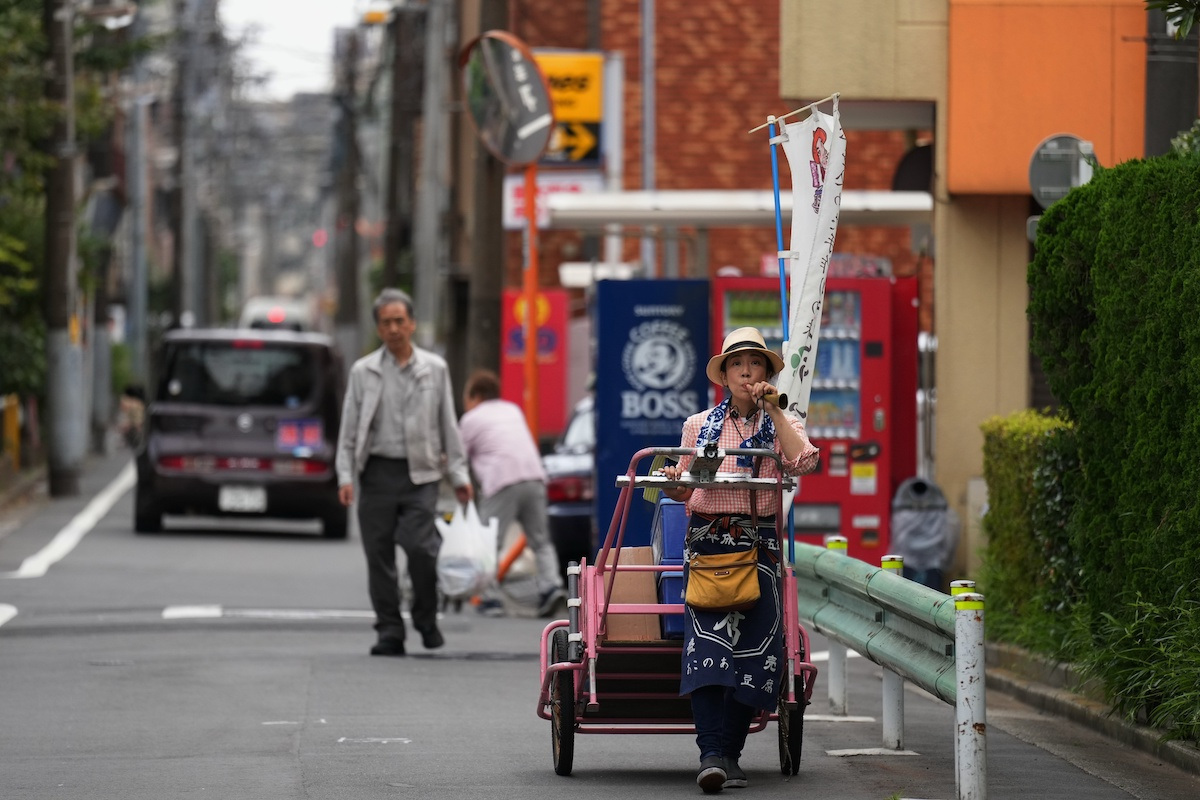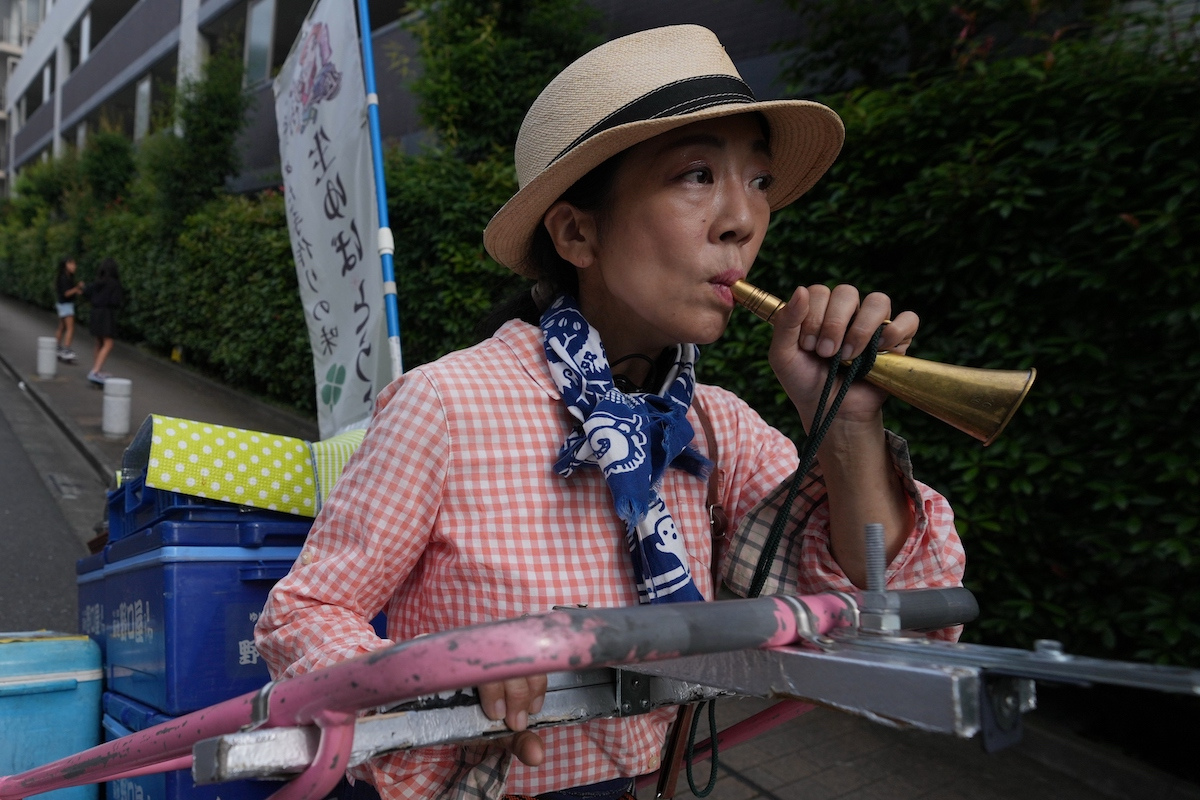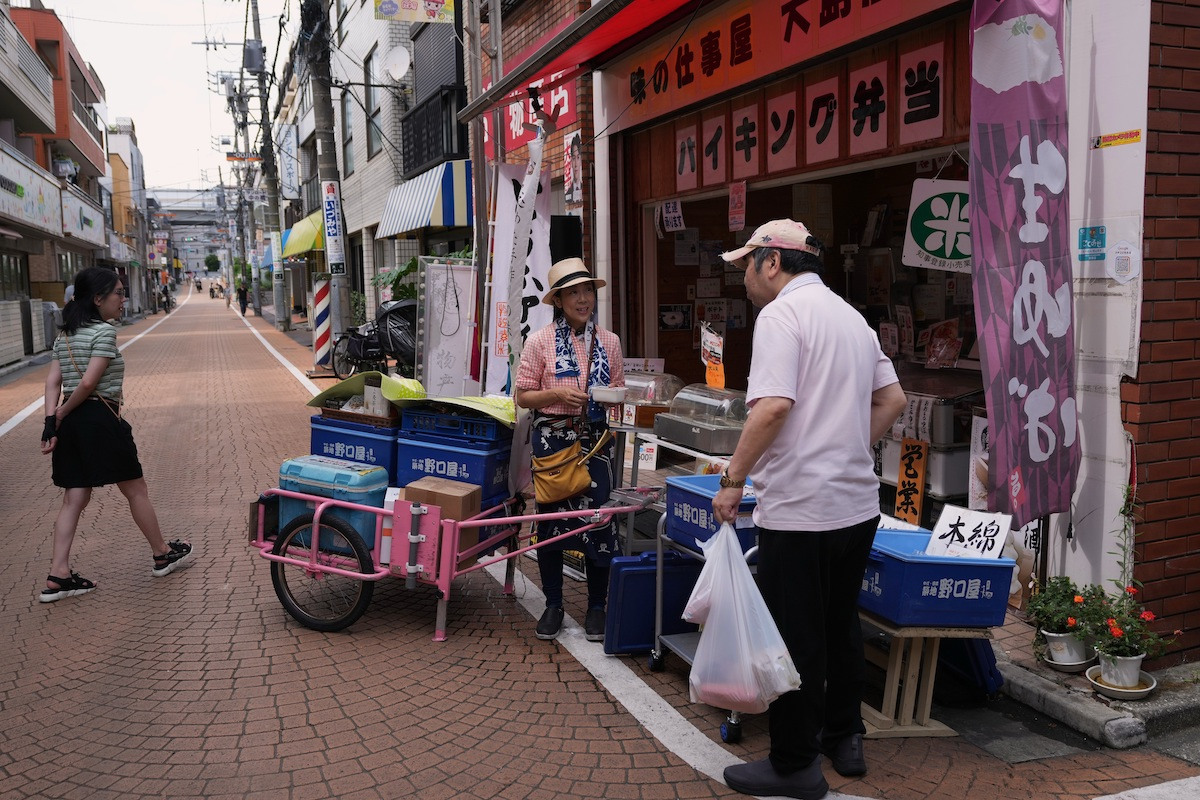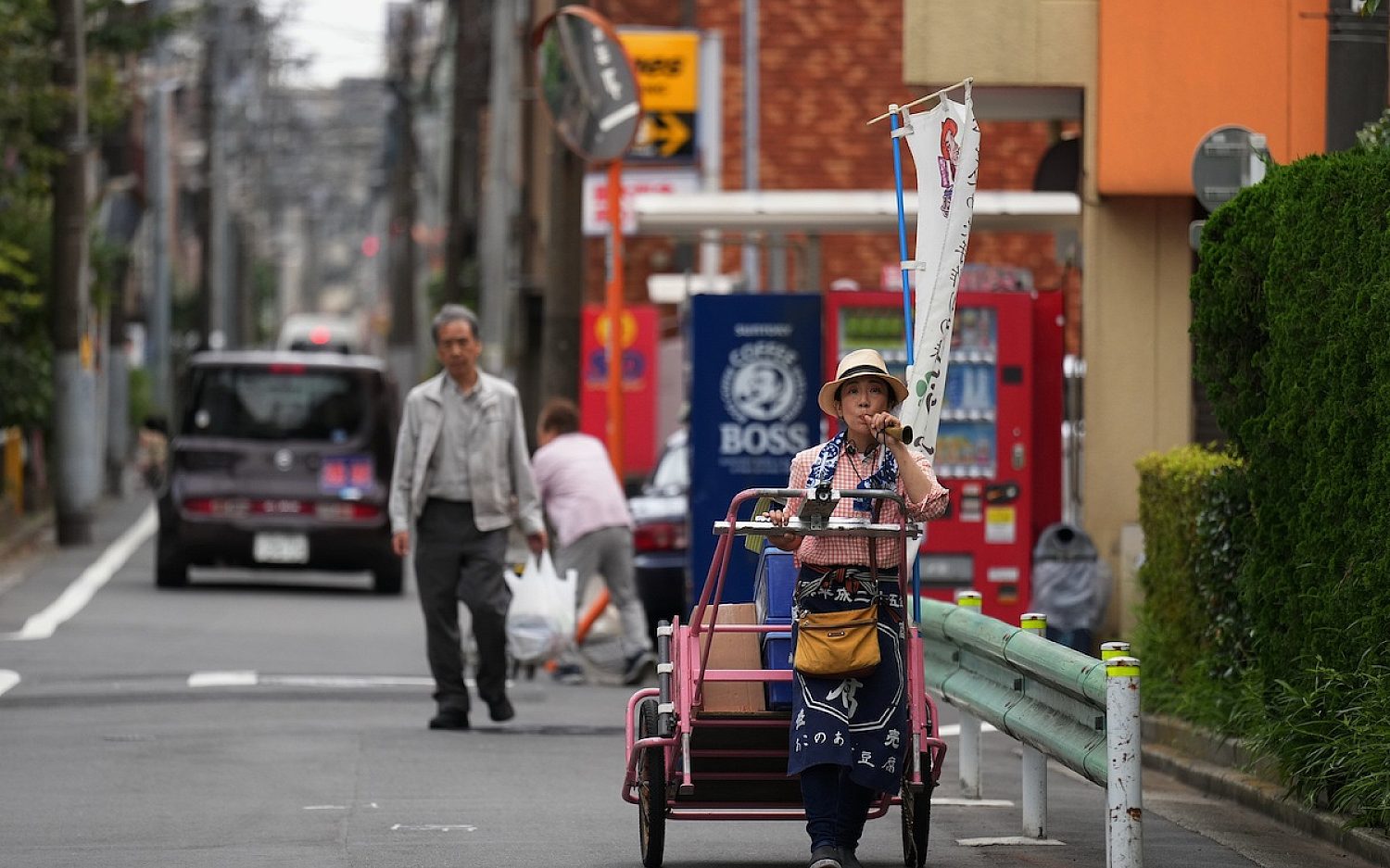
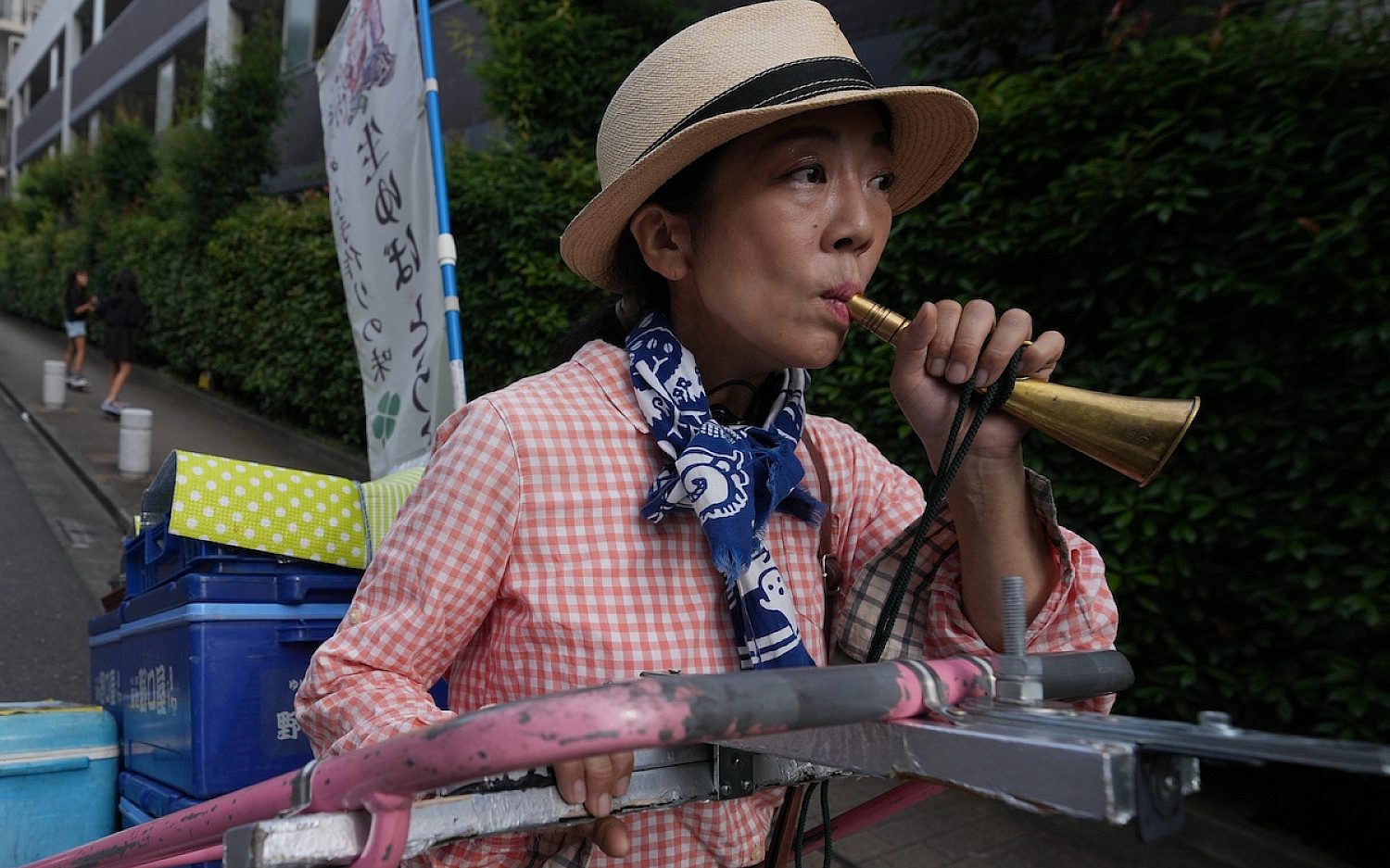
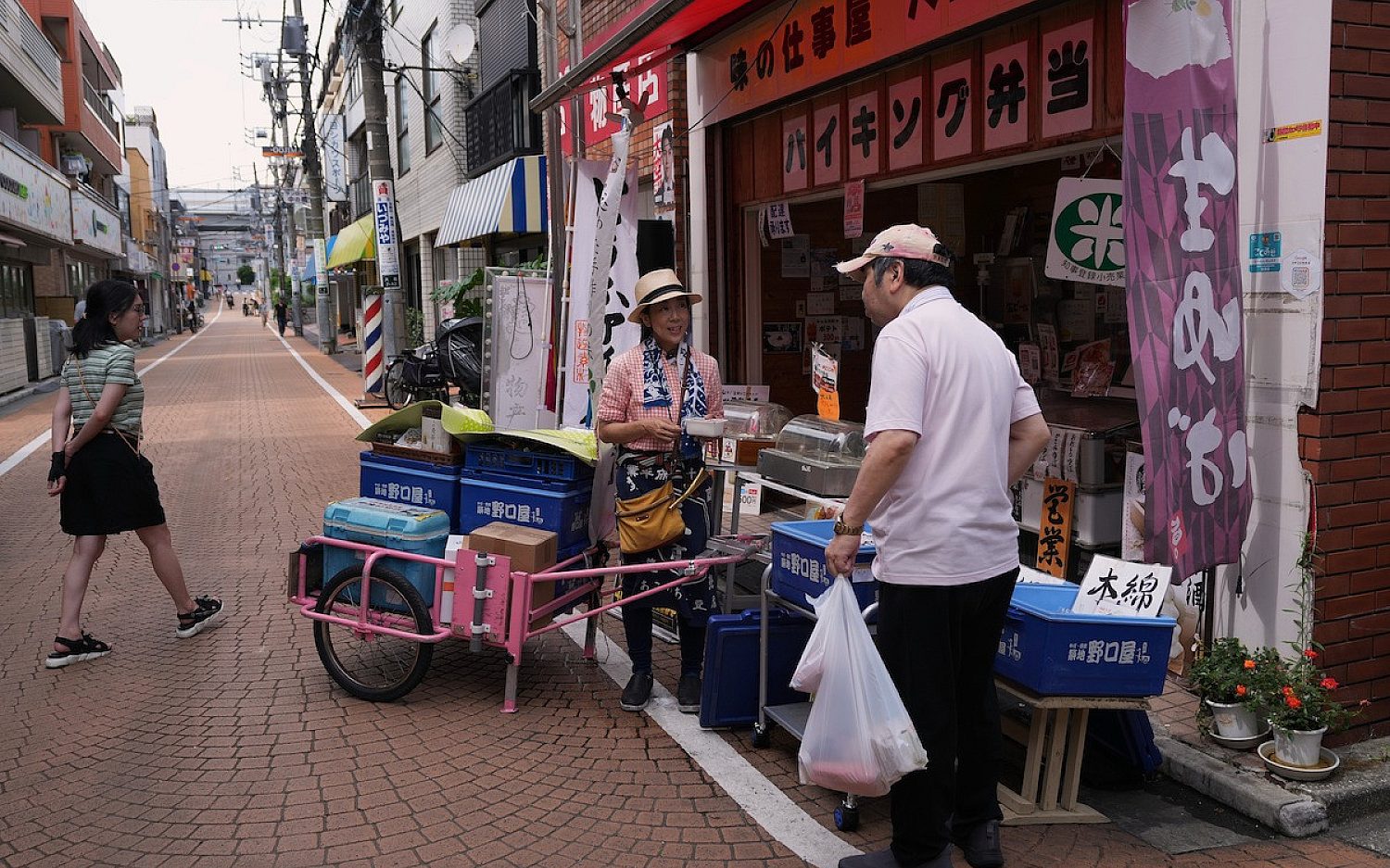
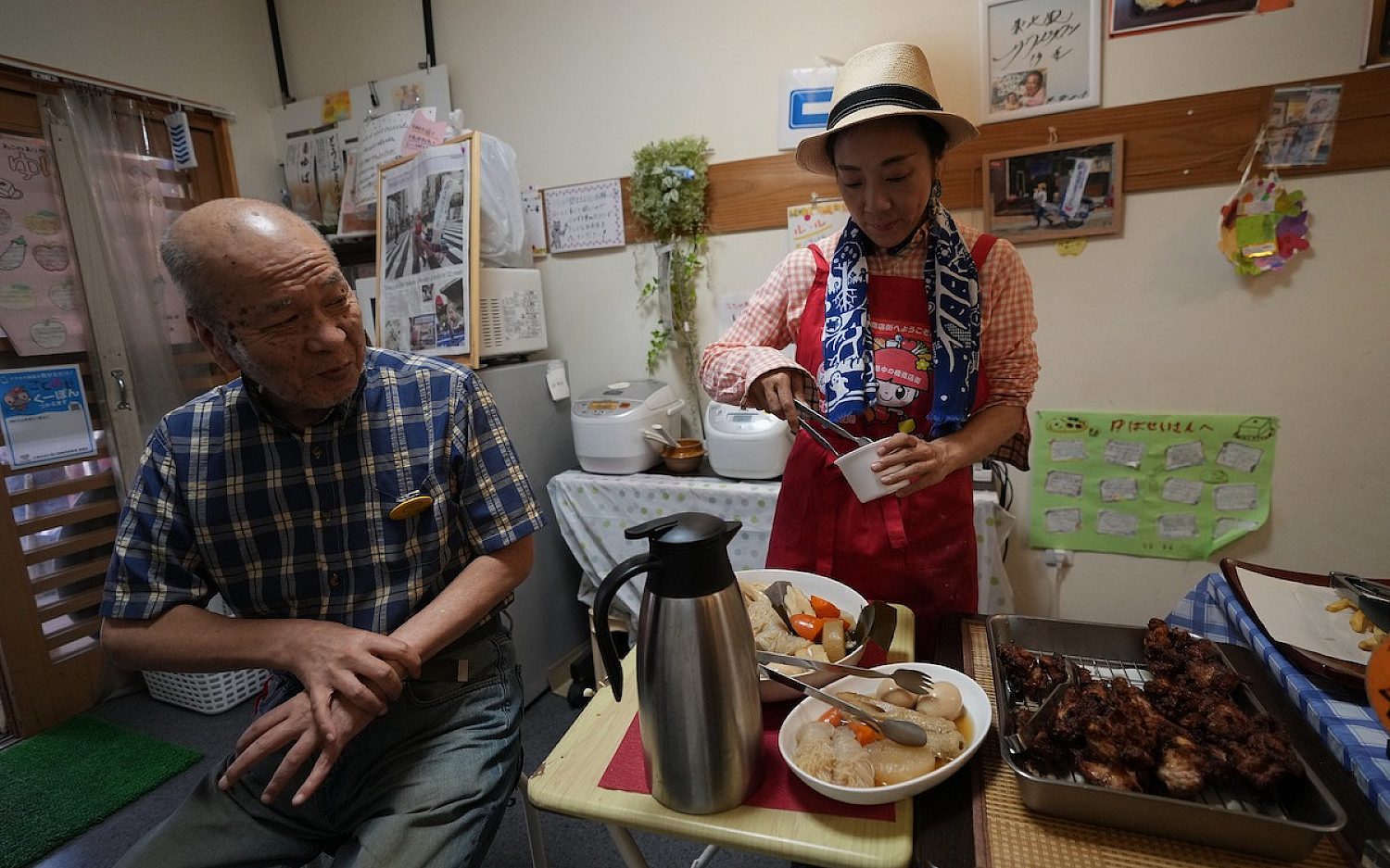

A bugle toots. A pink cart rolls along the narrow streets of eastern Tokyo, Japan. Akiko Sugaya dons her straw hat and sells tofu. She offers the protein-rich soybean curd in a variety of shapes and textures. She also sells prepared food and drinks.
But that’s not all she does. She connects with people whom others often forget.
Japan has one of the world’s oldest populations. Many elderly people live on Sugaya’s route. They often live alone. Sugaya might be the only person many of them speak to in a day. Her route passes small houses and apartments. She doesn’t always sell a lot of tofu—but she always checks in on her neighbors.
“Delivery of newspapers or tofu, what used to be part of our daily lives, [has] been replaced by delivery apps or smart phones,” says Sugaya. “One can easily spend a day without having any verbal conversation with others.”
In the past, many vendors walked the neighborhood. They peddled ramen, sweet potatoes, vegetables, and more. But those vendors have faded away. Even many convenience stores use screens and buttons instead of human employees.
Over the years, some of her older customers have died alone.
“More than once I was the first one to find their bodies,” she says.
Sugaya knows that when newspapers or laundry stack up outside a door, it might mean trouble. In those cases, she can often enter through unlocked doors or ask a landlord for help. It’s a hard reality—but because of Sugaya, those who pass get a final recognition.
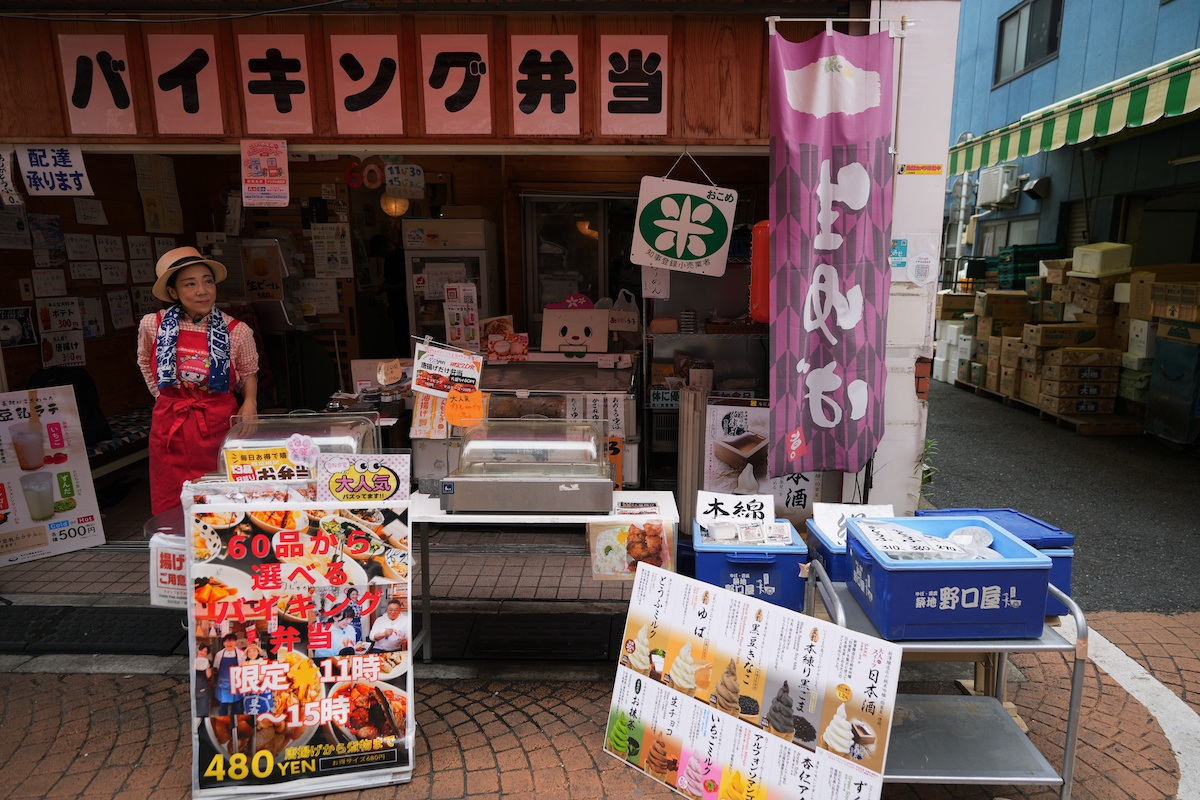
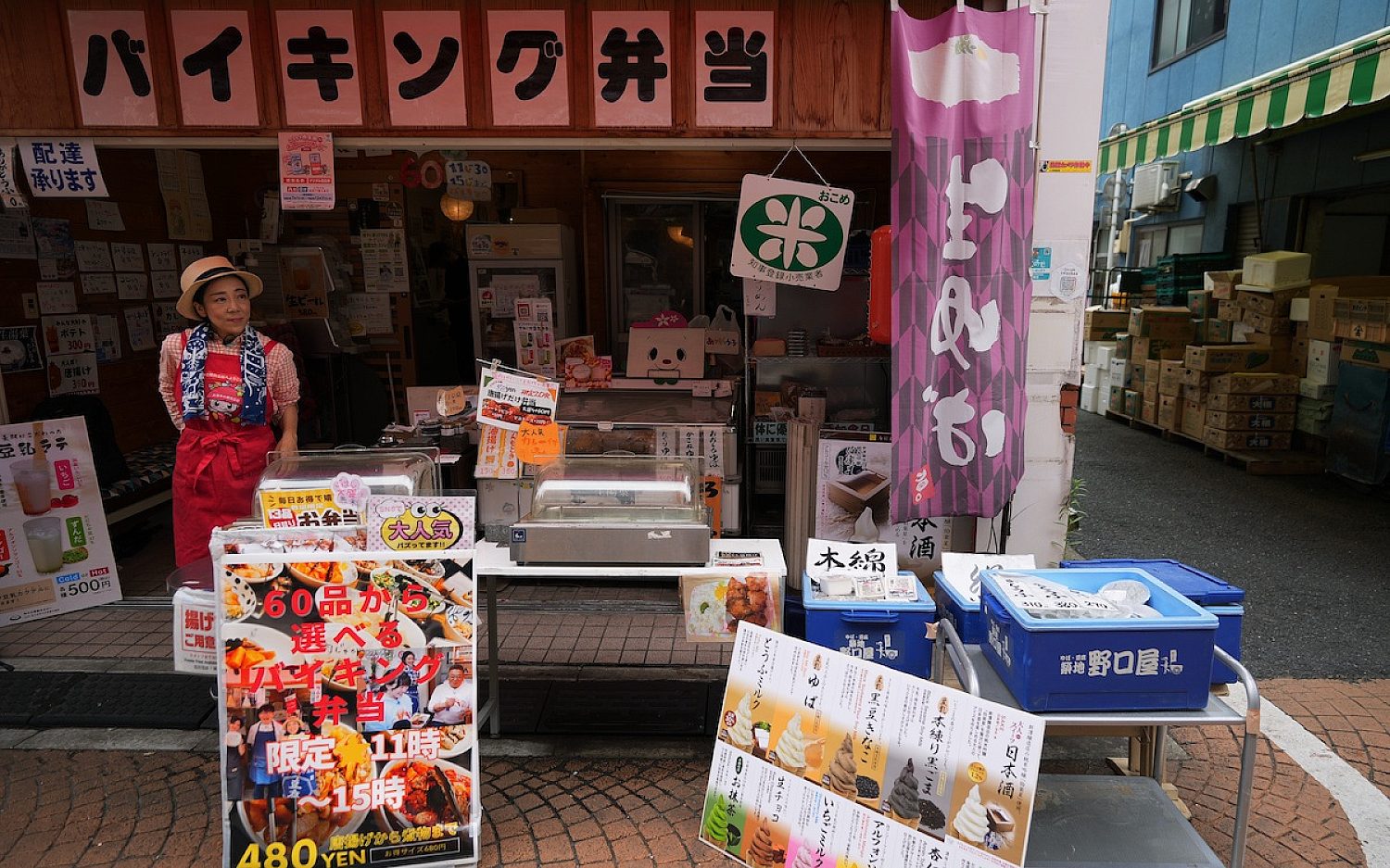
When she was a schoolgirl, Sugaya faced bullying. Later in life, she struggled to keep a job. The tofu cart gave her purpose. She could serve others. Her elderly customers helped her feel welcomed. Now she’s been selling tofu for 23 years. She also runs a takeout lunch shop that becomes a dine-in restaurant at dinnertime.
“Selling tofu on a cart made me think I am OK to be myself,” says Sugaya.
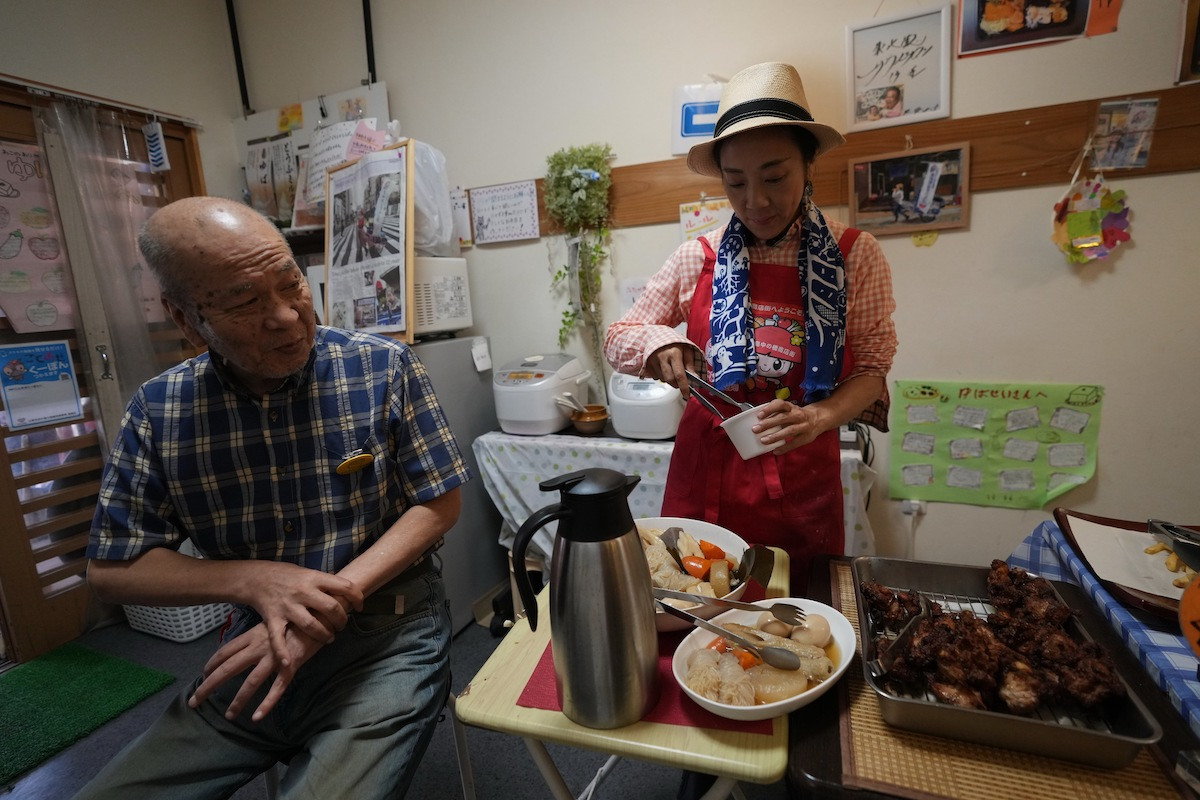
Shinji Saito has epilepsy. He comes to Sugaya’s shop daily. He calls her personality “magical.” Customers chat about their cats and their gardens. Some call Sugaya by her nickname, “Ako-chan.”
“Even when I’m in need of tofu, I tell myself I’d better wait for Ako-chan,” says customer Toshi Niiyama.
Unlike vendors of the past, Sugaya plans to stay.
“I go even if it’s raining because my customers expect to see me—or just because they want to have a talk,” she says.
Food like tofu can nourish the body. But making real connections with other people? That nourishes the soul.
Why? God says it’s not good for man to be alone. You can love your neighbors wherever He has put you.