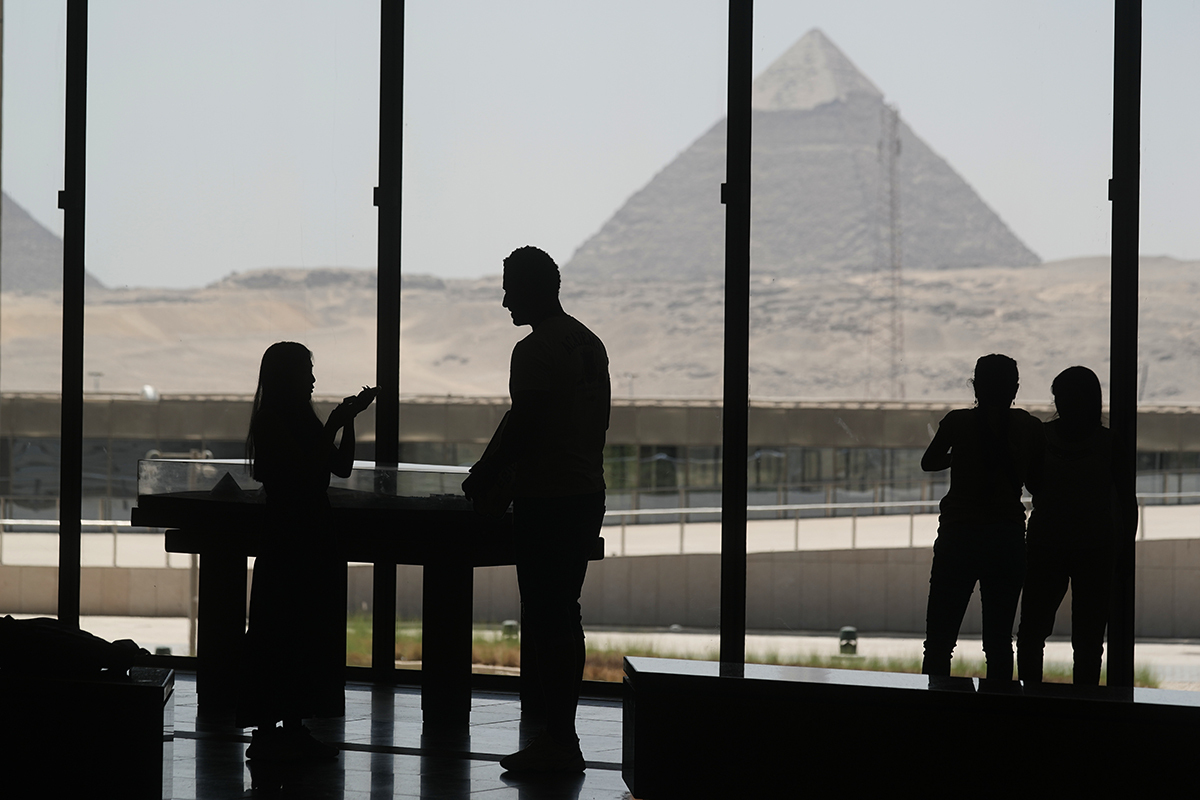
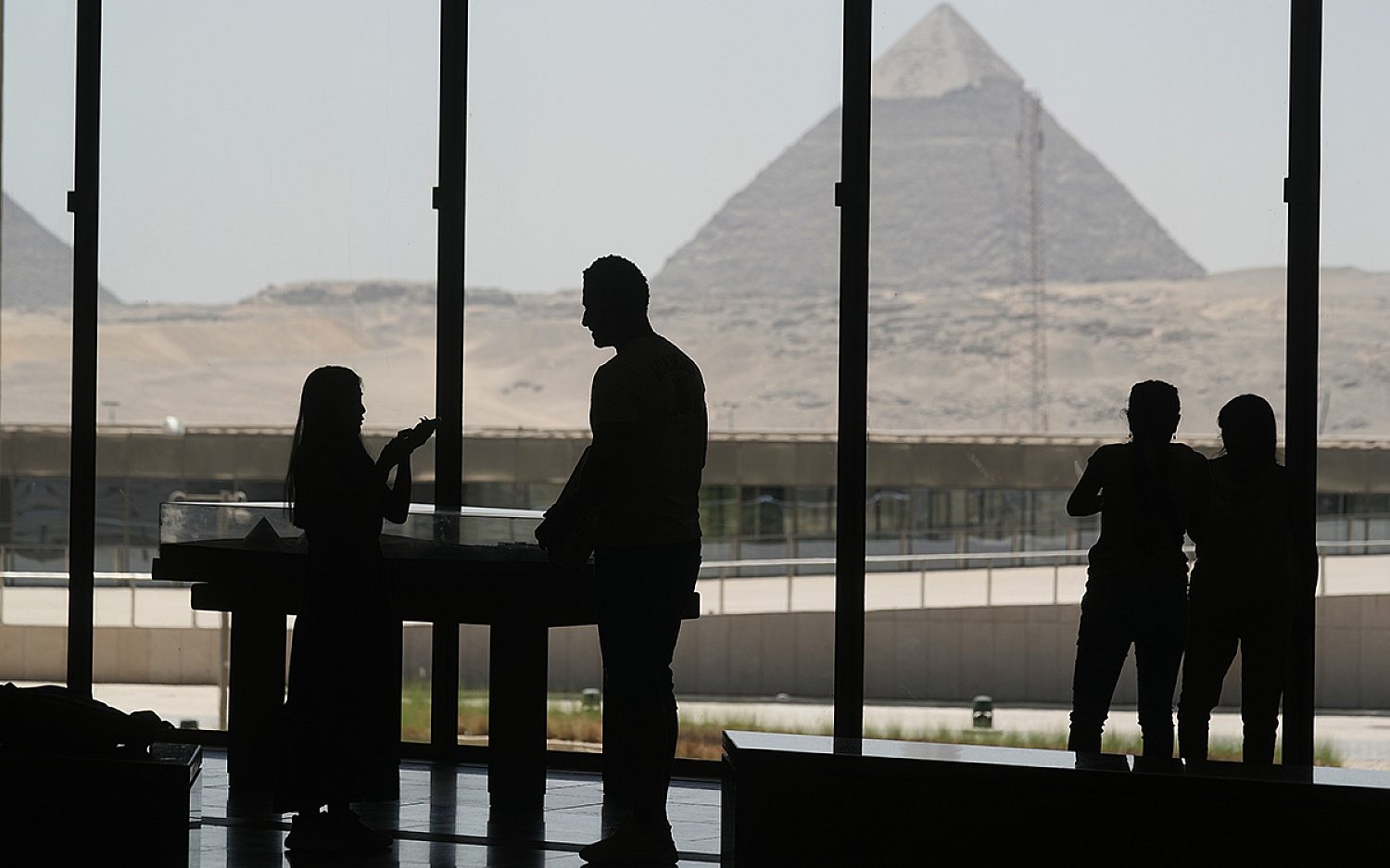


Crowds watched as drones buzzed the Pyramids of Giza and the nearby Great Sphinx. The high-tech show celebrated the opening of a modern museum for Egypt’s ancient heritage. Will the new museum infuse the country’s economy with much-needed cash?
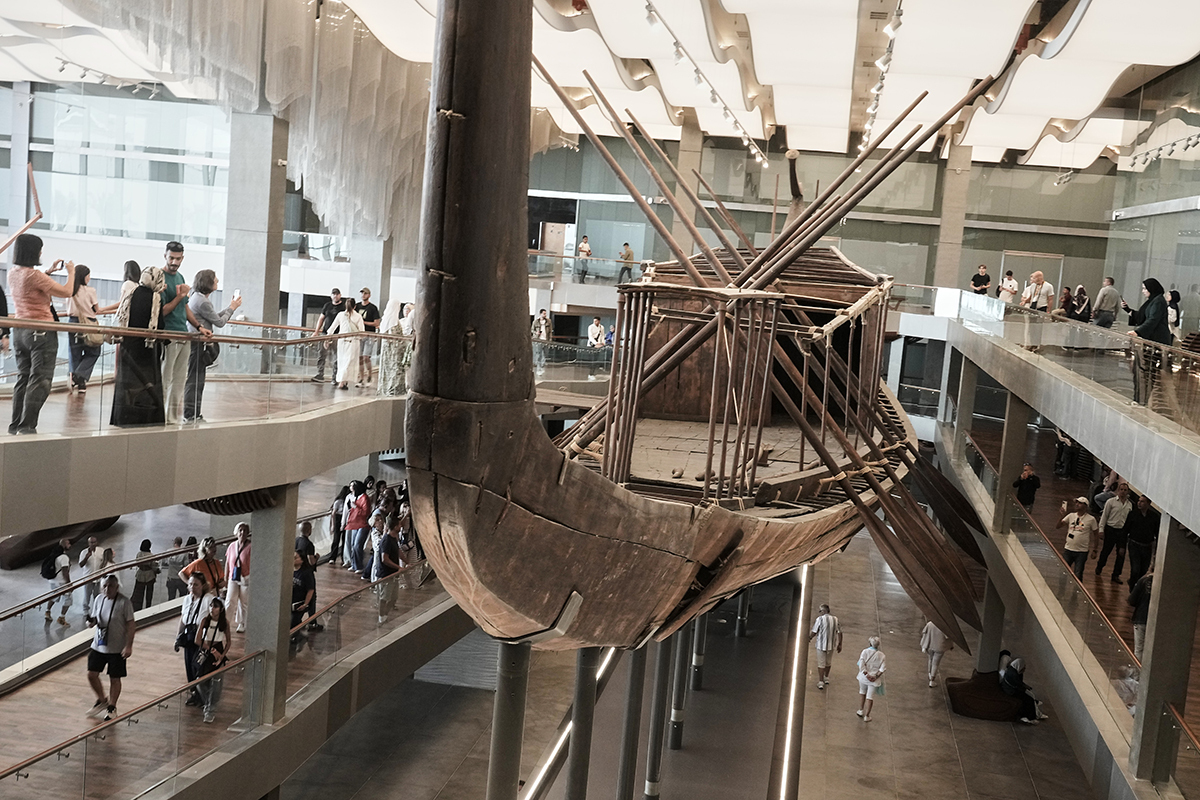
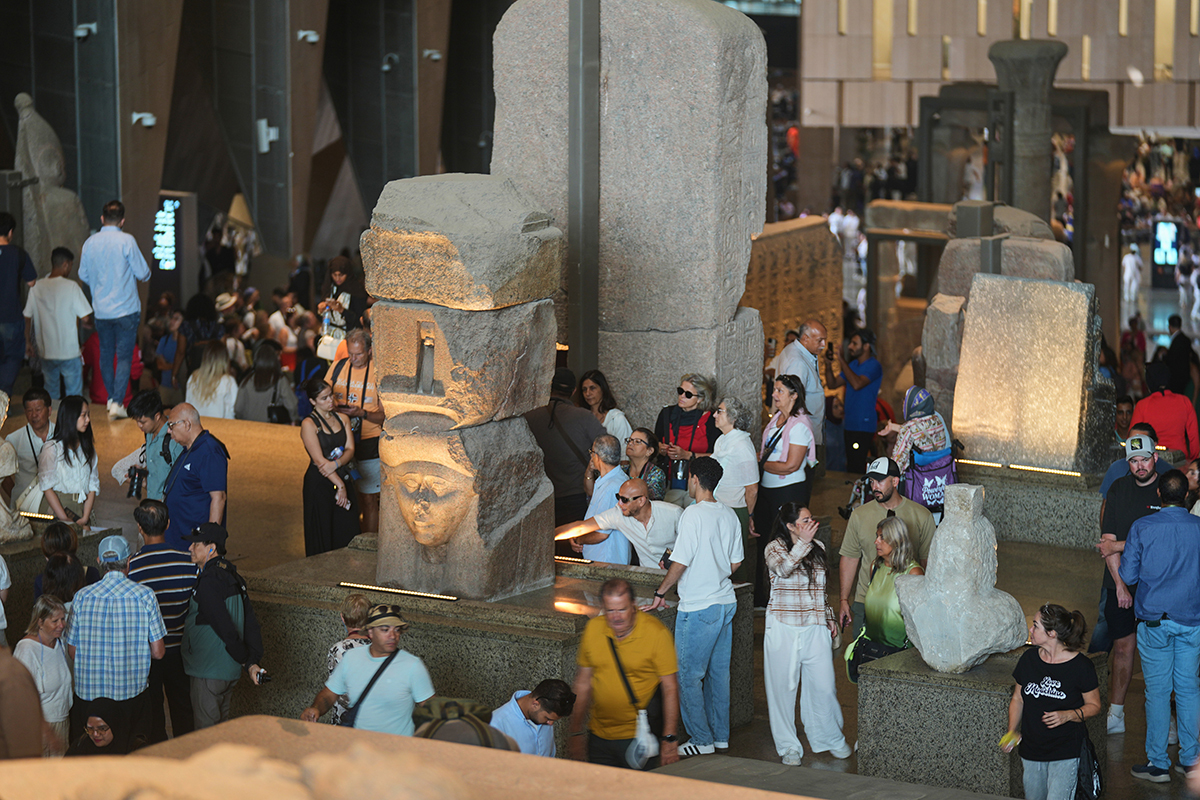
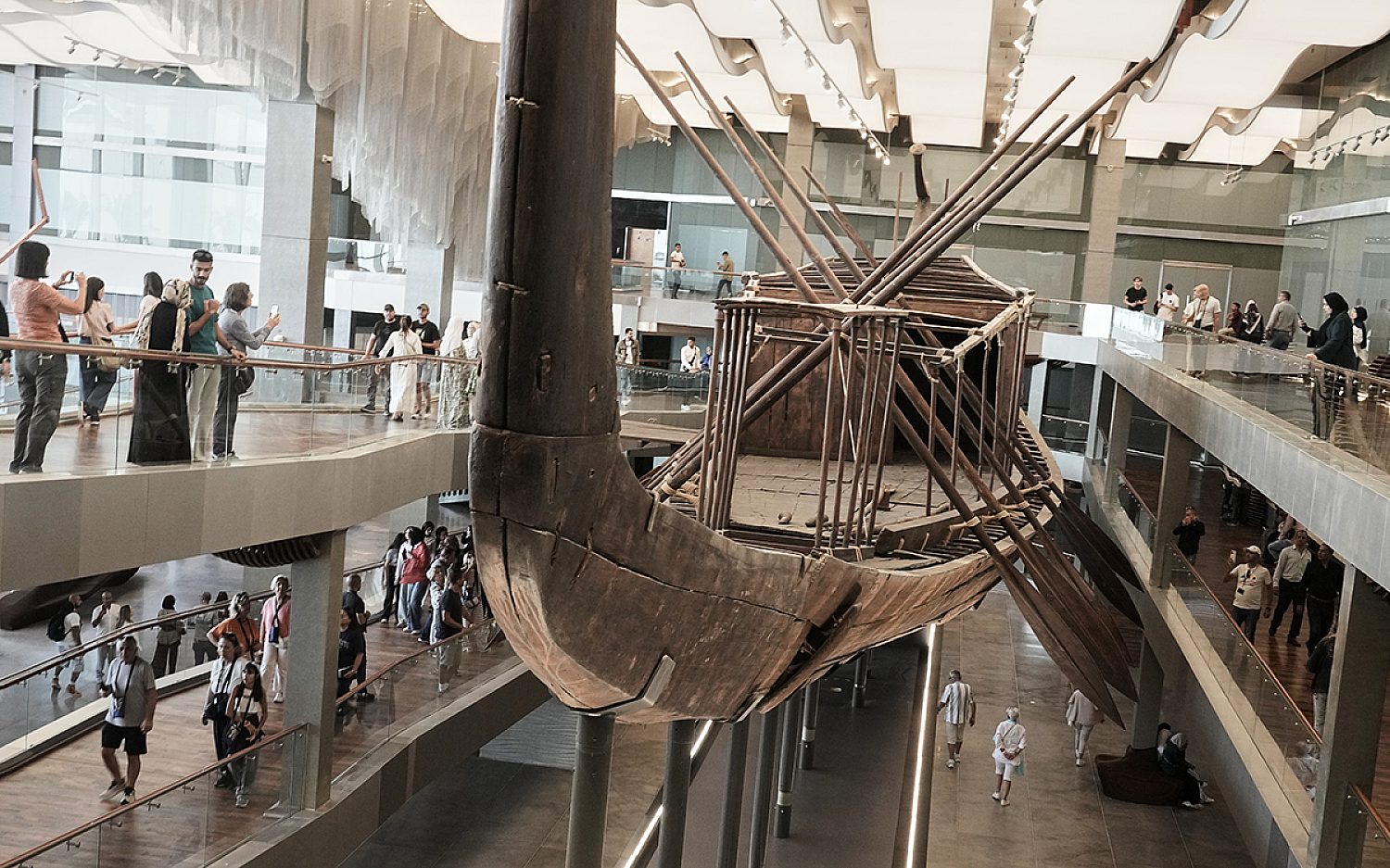
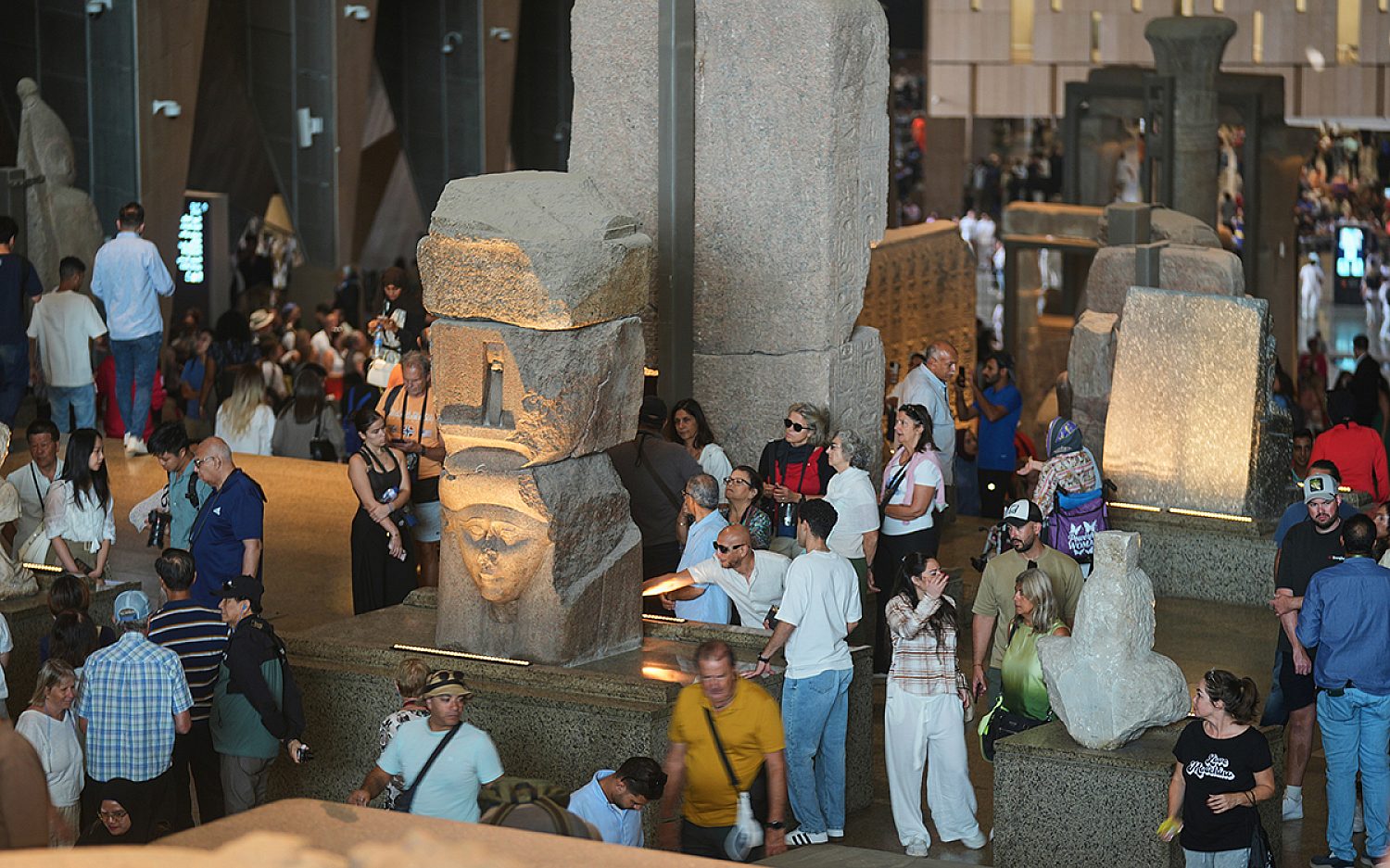
Museum curators have long struggled to display Egypt’s myriad artifacts. The sheer number of objects is mind-boggling. They include everything from tiny pieces of jewelry to gigantic pharaoh statues. And researchers regularly unearth more treasures.
Egypt’s storied history has been a magnet for over a century. Bejeweled tombs, pyramids, and mummies attract tourists. Humans are drawn to relics. The objects prompt us to consider how quickly time passes, how temporal material items are—and our own mortality.
Construction began on the Grand Egyptian Museum, or GEM, in 2005. But turmoil surrounding the 2011 pro-democracy Arab Spring uprising stymied the project. Regional disputes and restrictions in 2020 related to the coronavirus pandemic caused delays too. Museum officials postponed a grand opening last summer because of fighting between Israel and Iran.
Egypt’s President Abdel Fattah el-Sissi has championed GEM since 2014. He hopes it will boost his country’s economy.
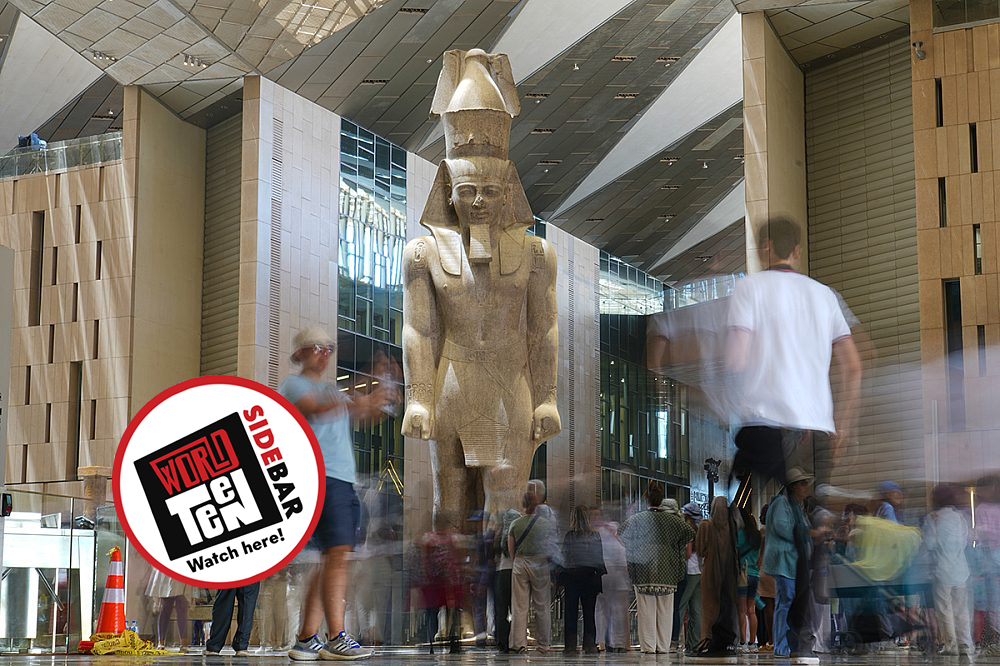
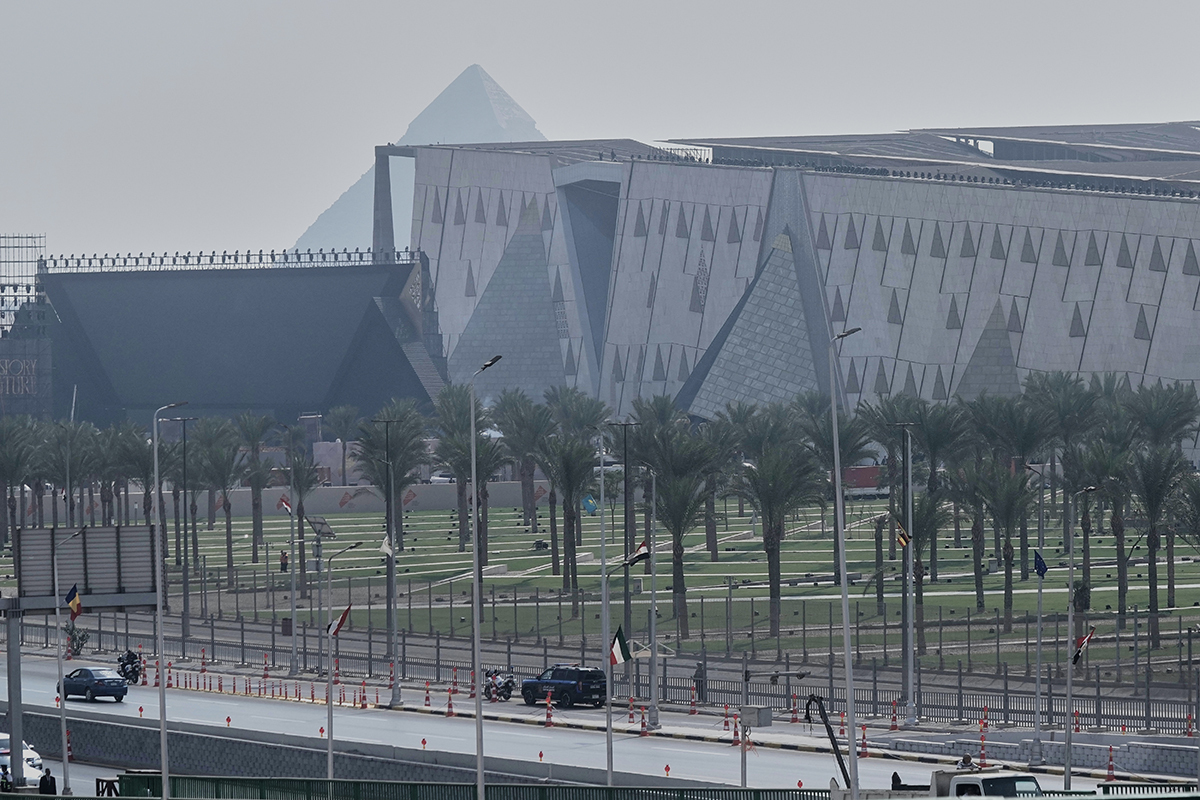
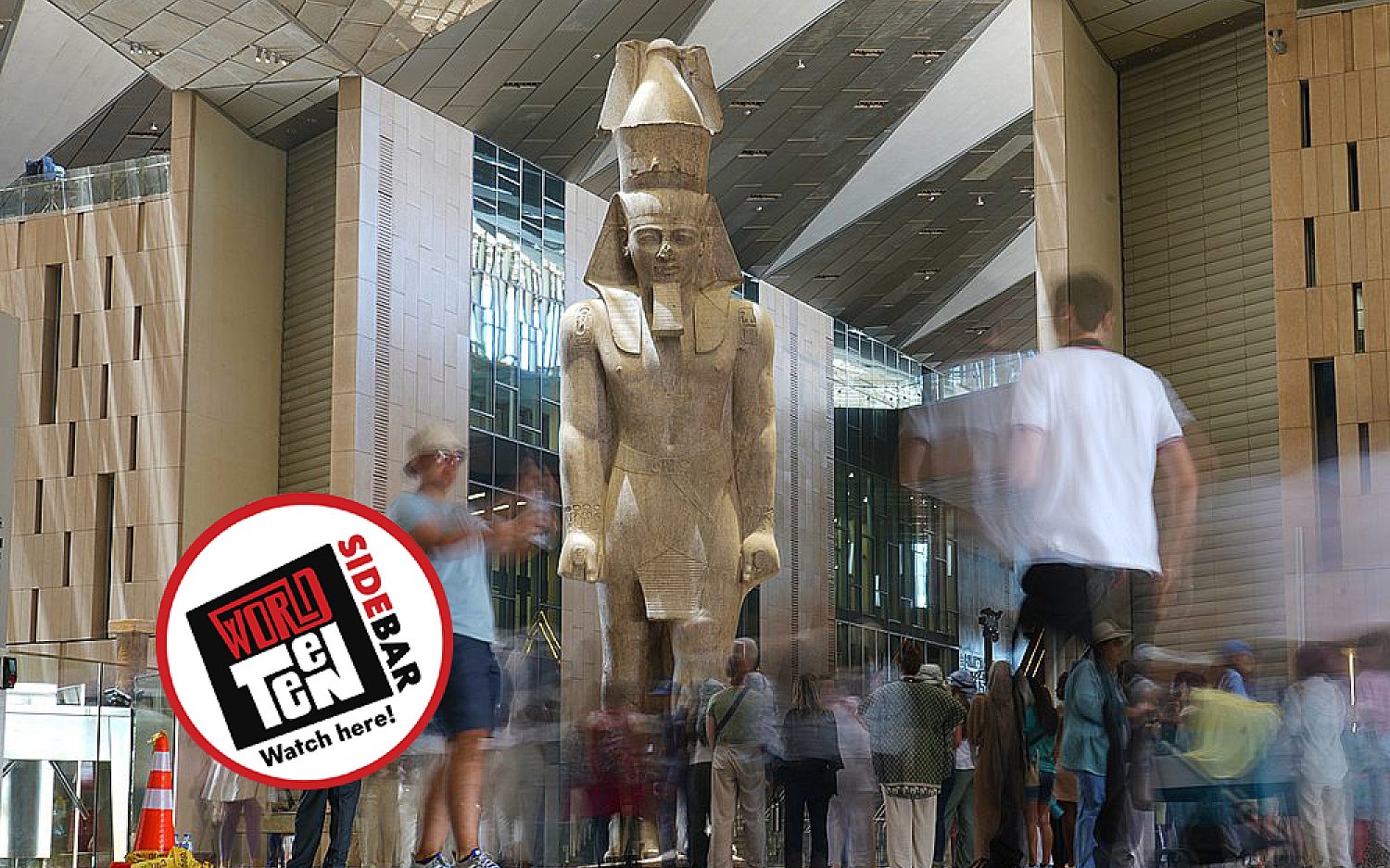
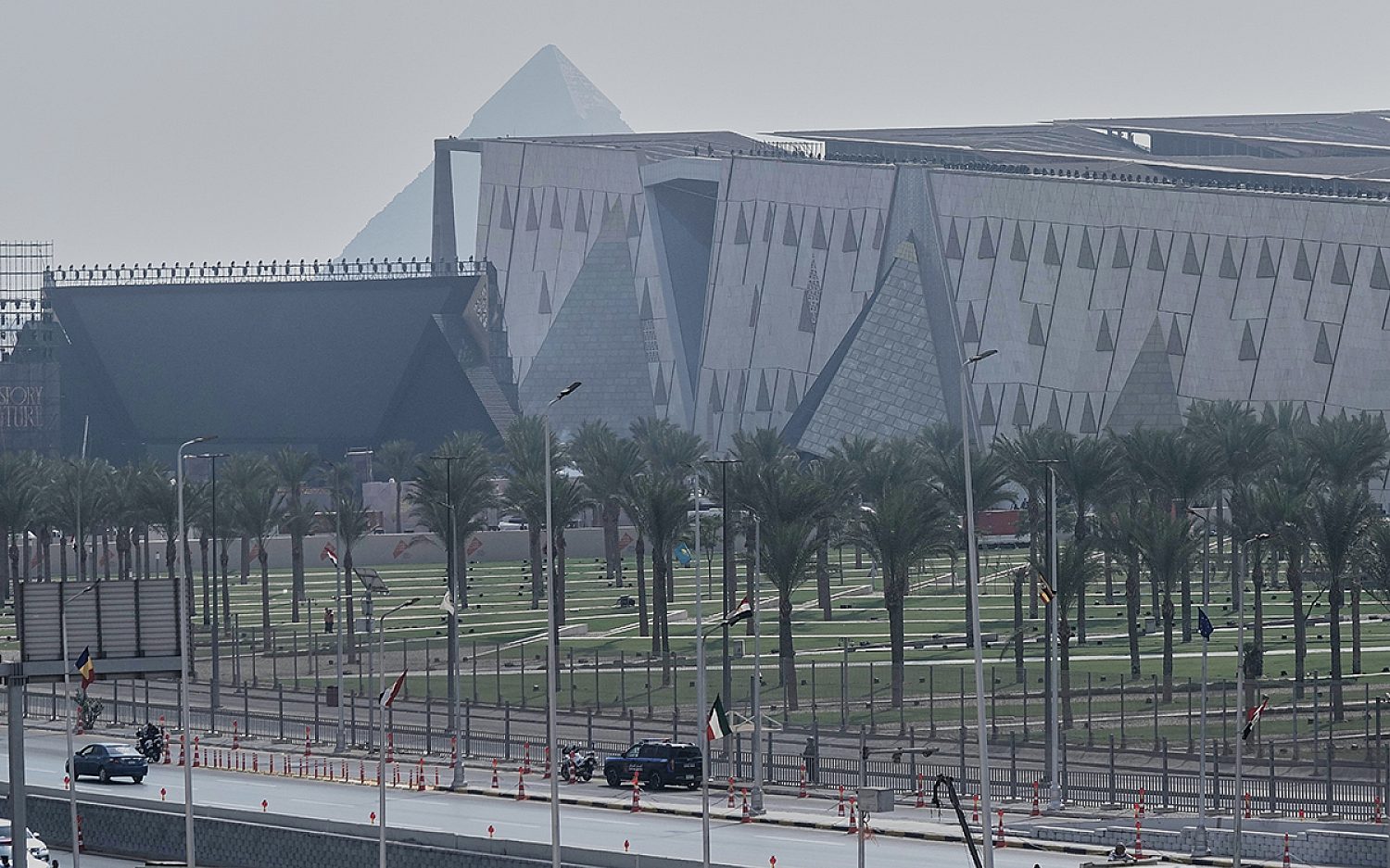
The newly opened GEM boasts a towering, triangular glass façade. The shape imitates the nearby pyramids. A granite statue of Ramses the Great, one of ancient Egypt’s most powerful pharaohs, greets visitors inside.
Twelve galleries opened last year. They exhibit relics from prehistoric times to the Roman era, organized by eras and themes.
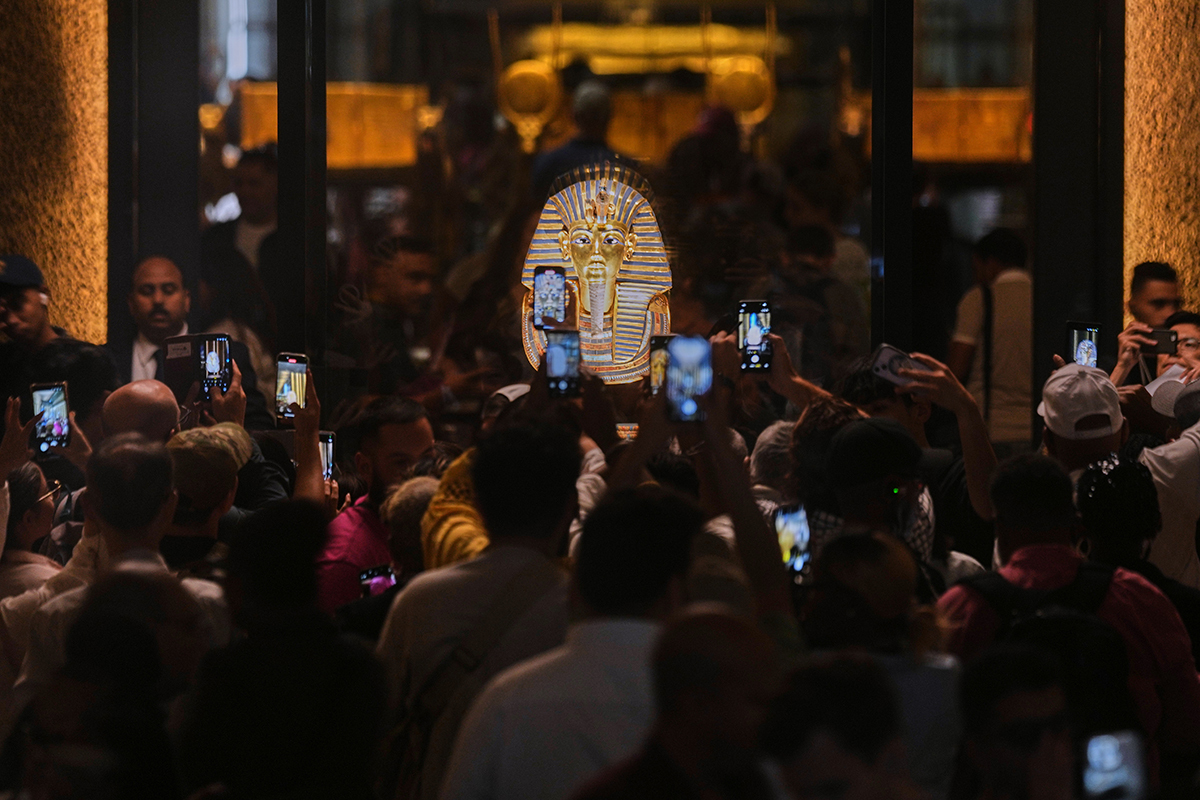
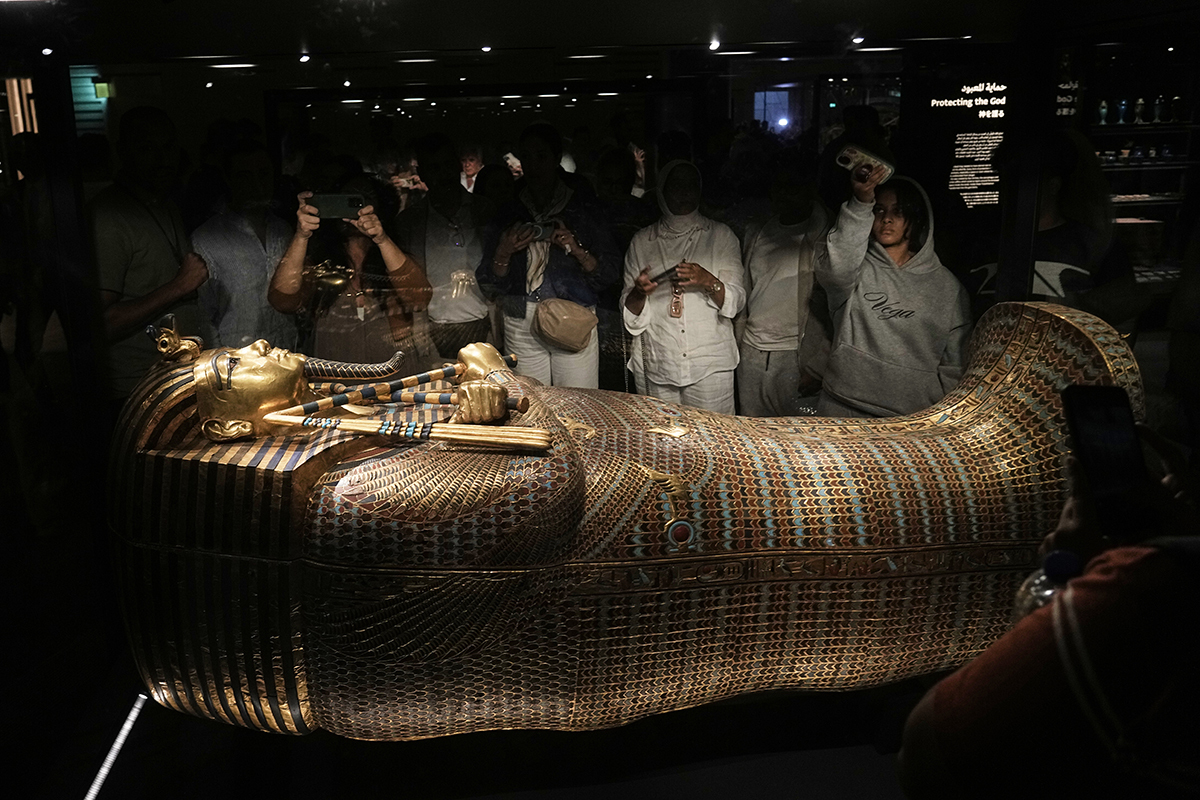
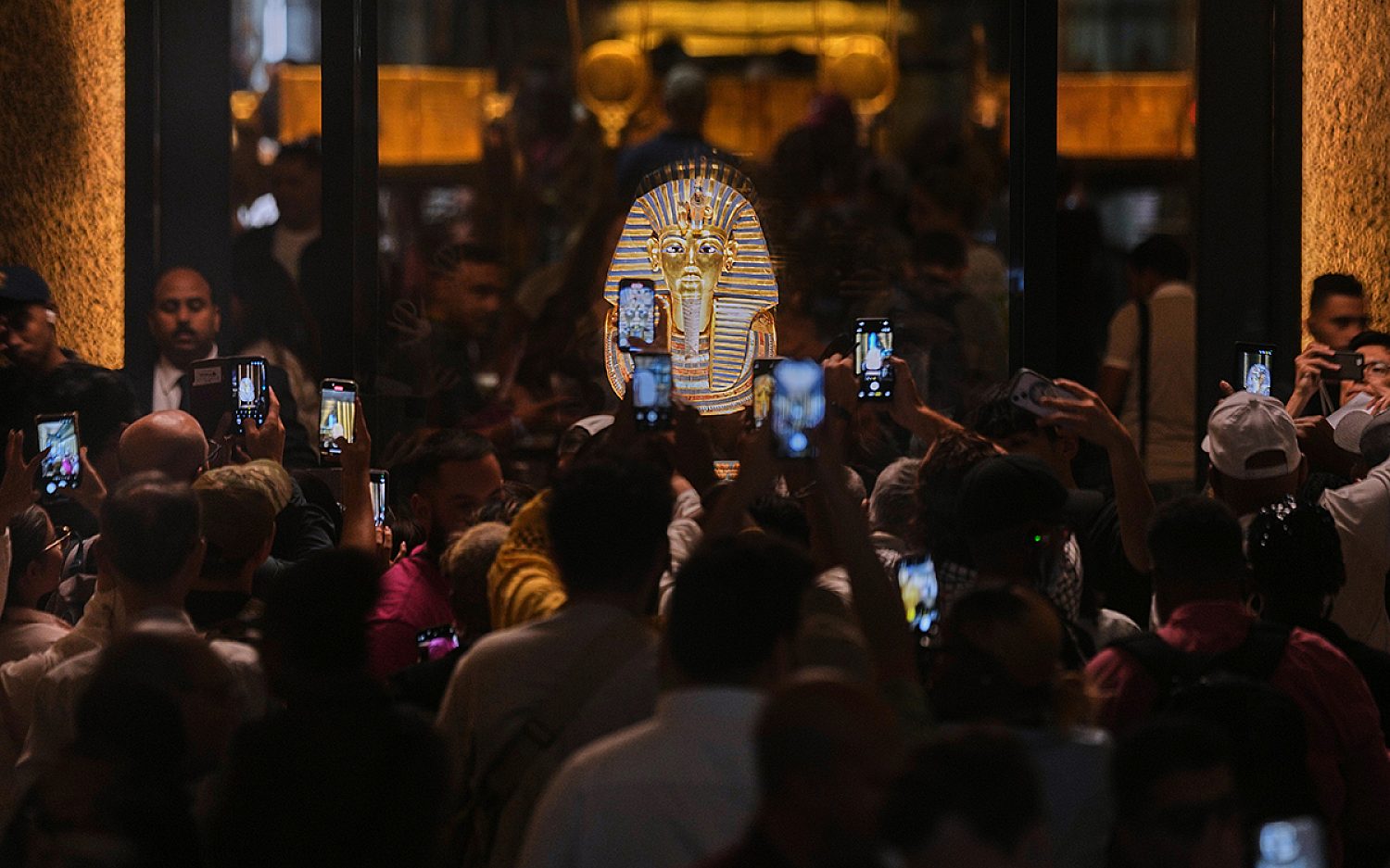
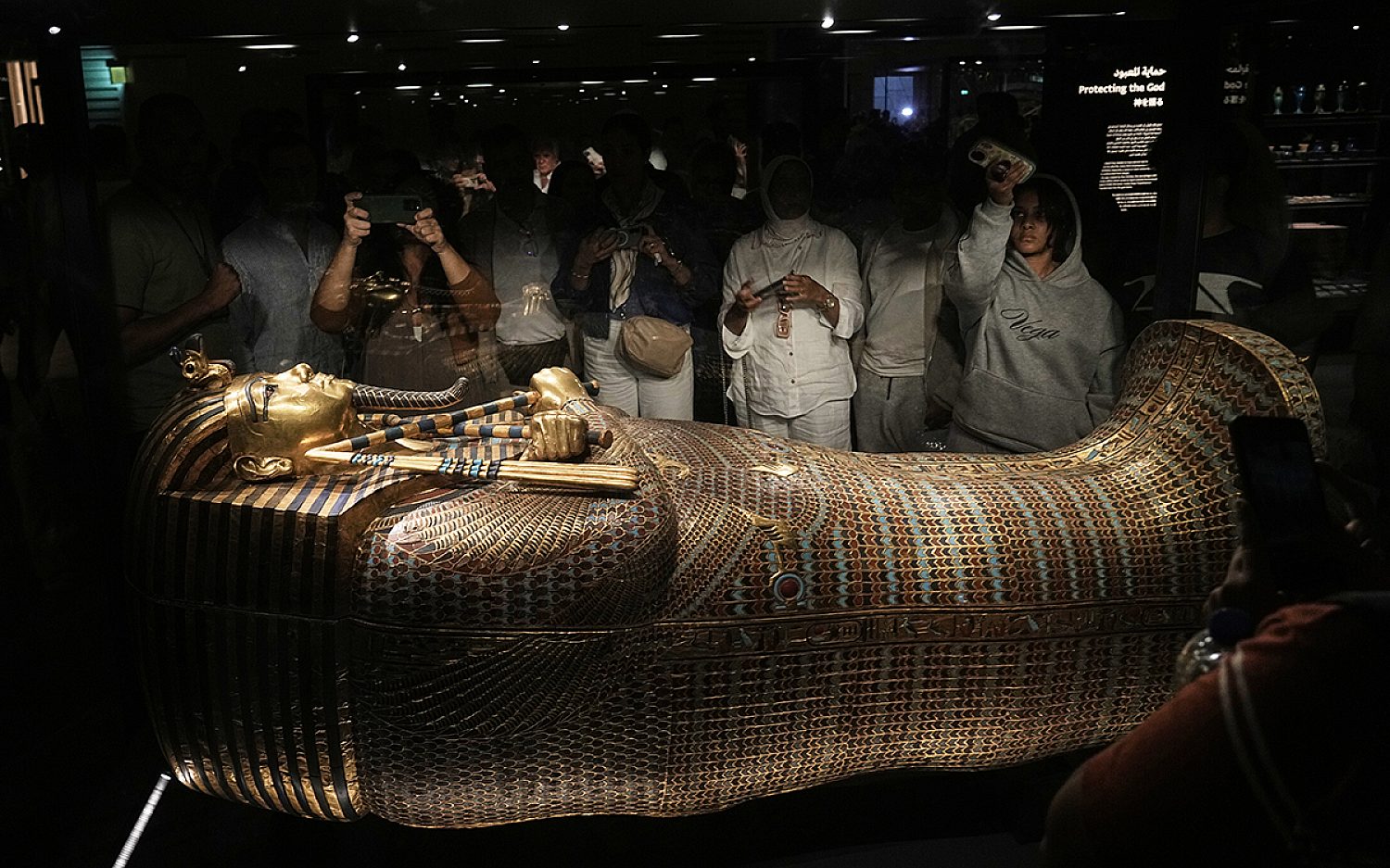
This year, the main attraction opened. For the first time since its 1922 discovery, the entire collection of relics from King Tutankhamun’s tomb is on display. The previous museum in downtown Cairo didn’t have the capacity to show all 5,000 items.
The exhibit includes the boy pharaoh’s three funeral beds and six chariots, golden throne, and gold-covered sarcophagus. It also displays his burial mask made of gold, quartzite, lapis lazuli, and colored glass.
Former minister of antiquities Zahi Hawass is Egypt’s most renowned archaeologist. He calls the Tutankhamun collection the museum’s masterpiece.
“Why this museum is so important? Because of Tutankhamun,” he declares.
With as many as five million visitors annually, GEM—and the 3,300-year-old boy king—could deliver at least some economic relief for Egypt.
The world is passing away along with its desires, but whoever does the will of God abides forever. — 1 John 2:17
Why? Artifacts, monuments, and mummies can prompt us to ponder the fleeting nature of time—and our own mortality.
Click the “video” button at the top of the story to watch our WORLDteen Sidebar report on King Tutankhamun and his treasures!
Recommended Reading: For more on King Tutankhamun, read King Tut: The Journey through the Underworld by photographer Sandro Vannini.