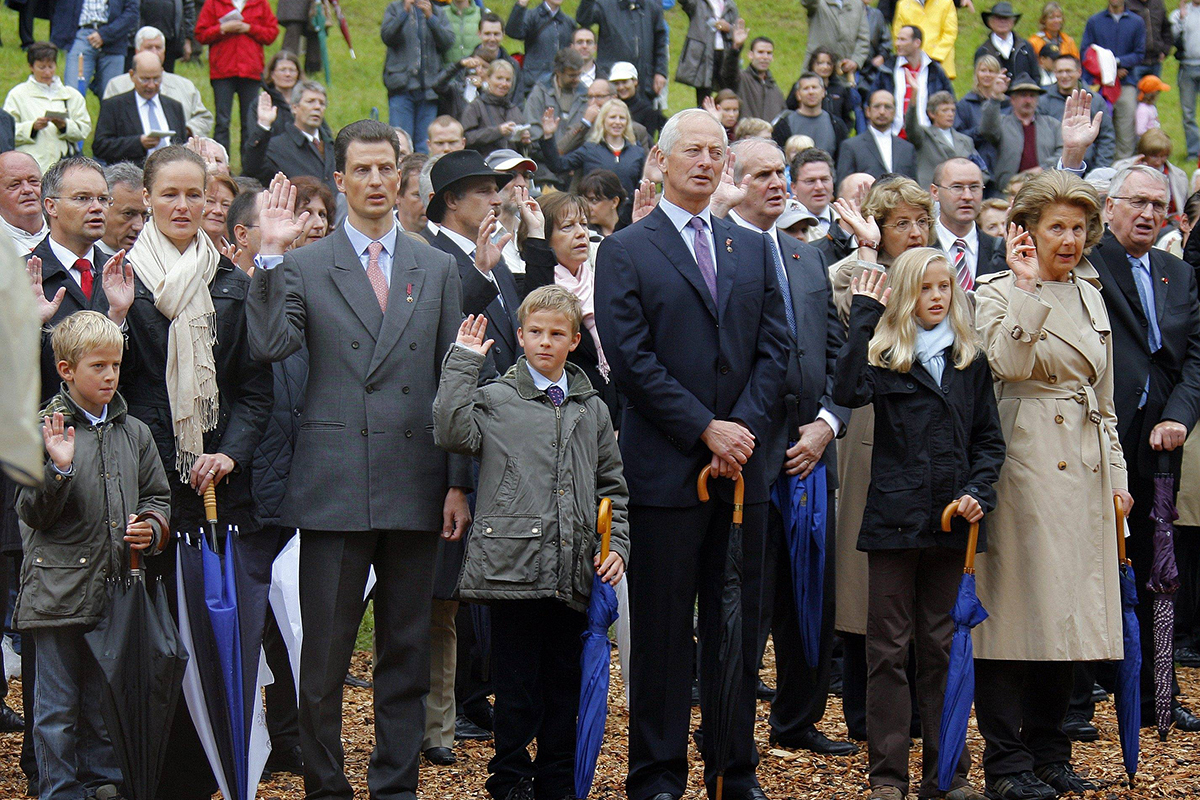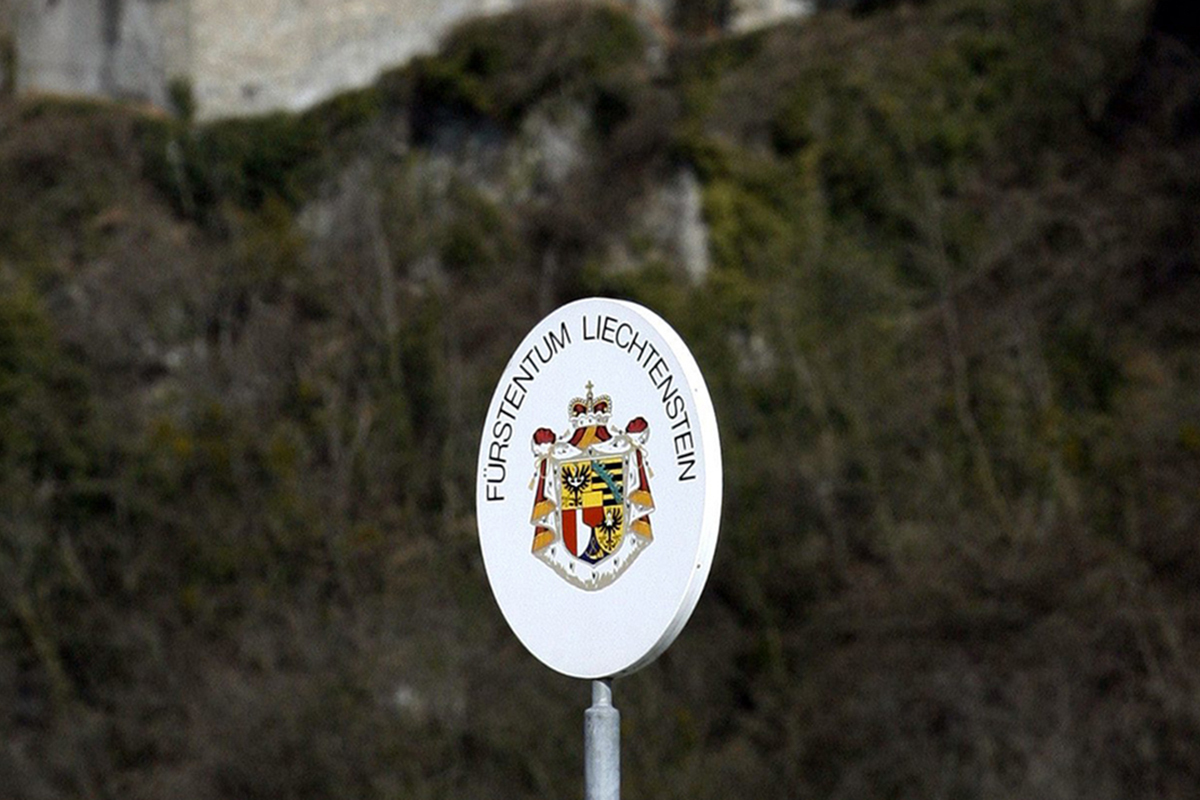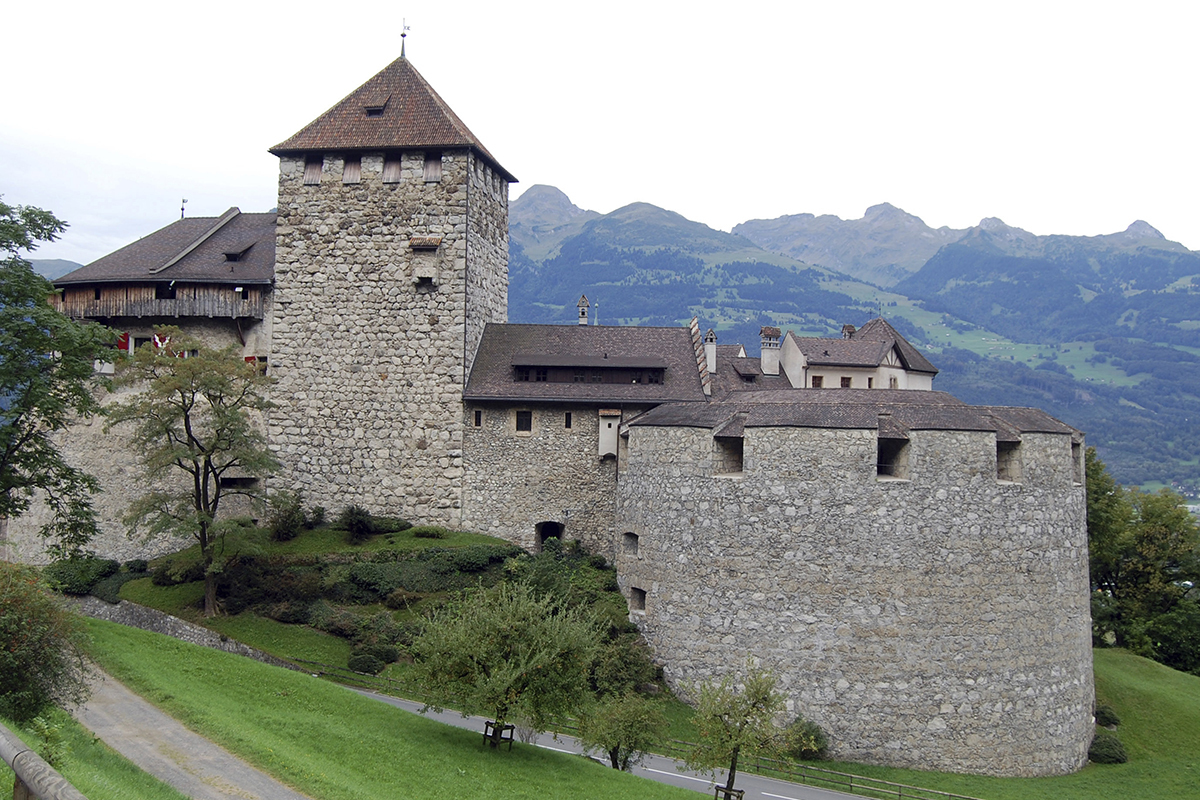
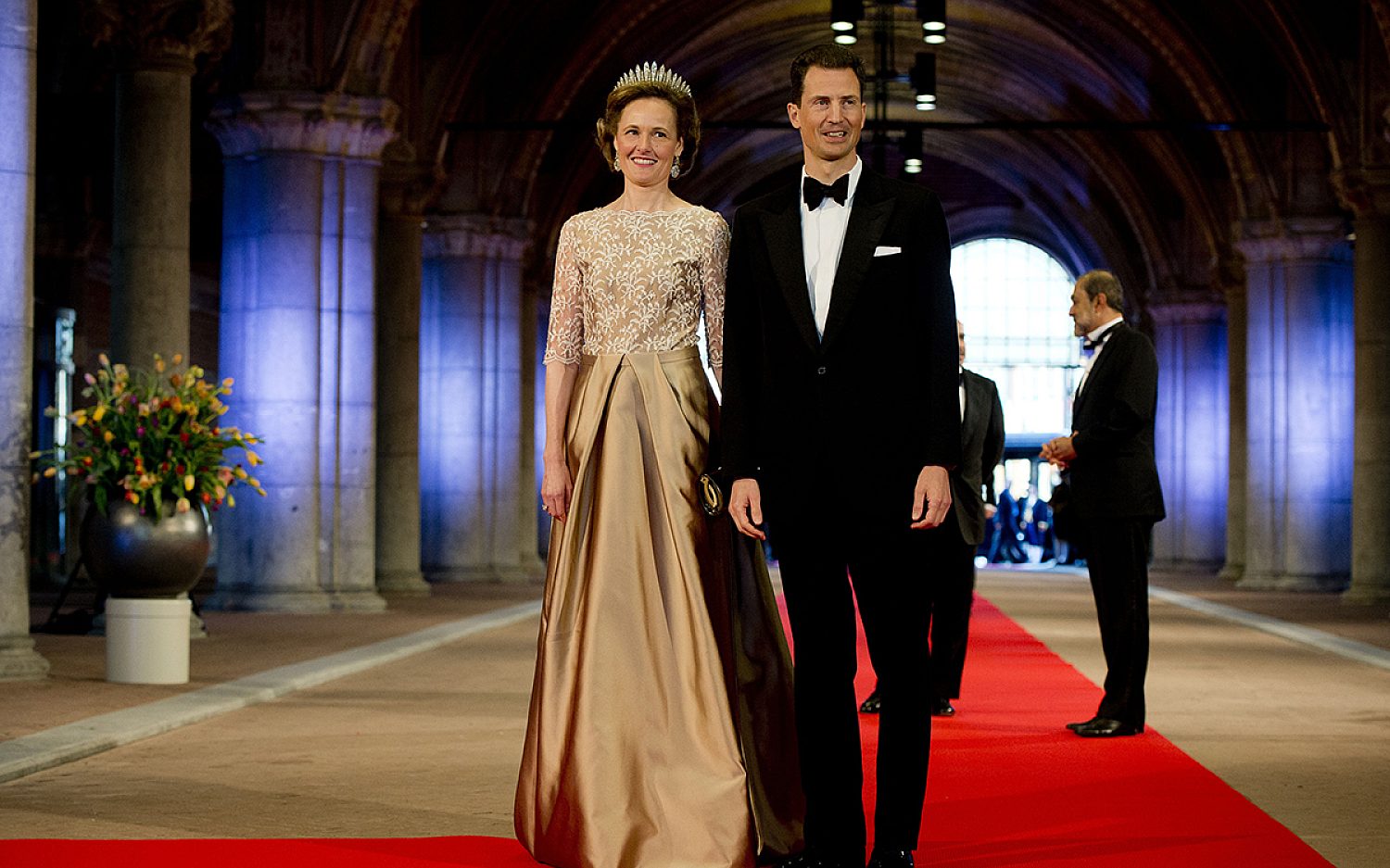
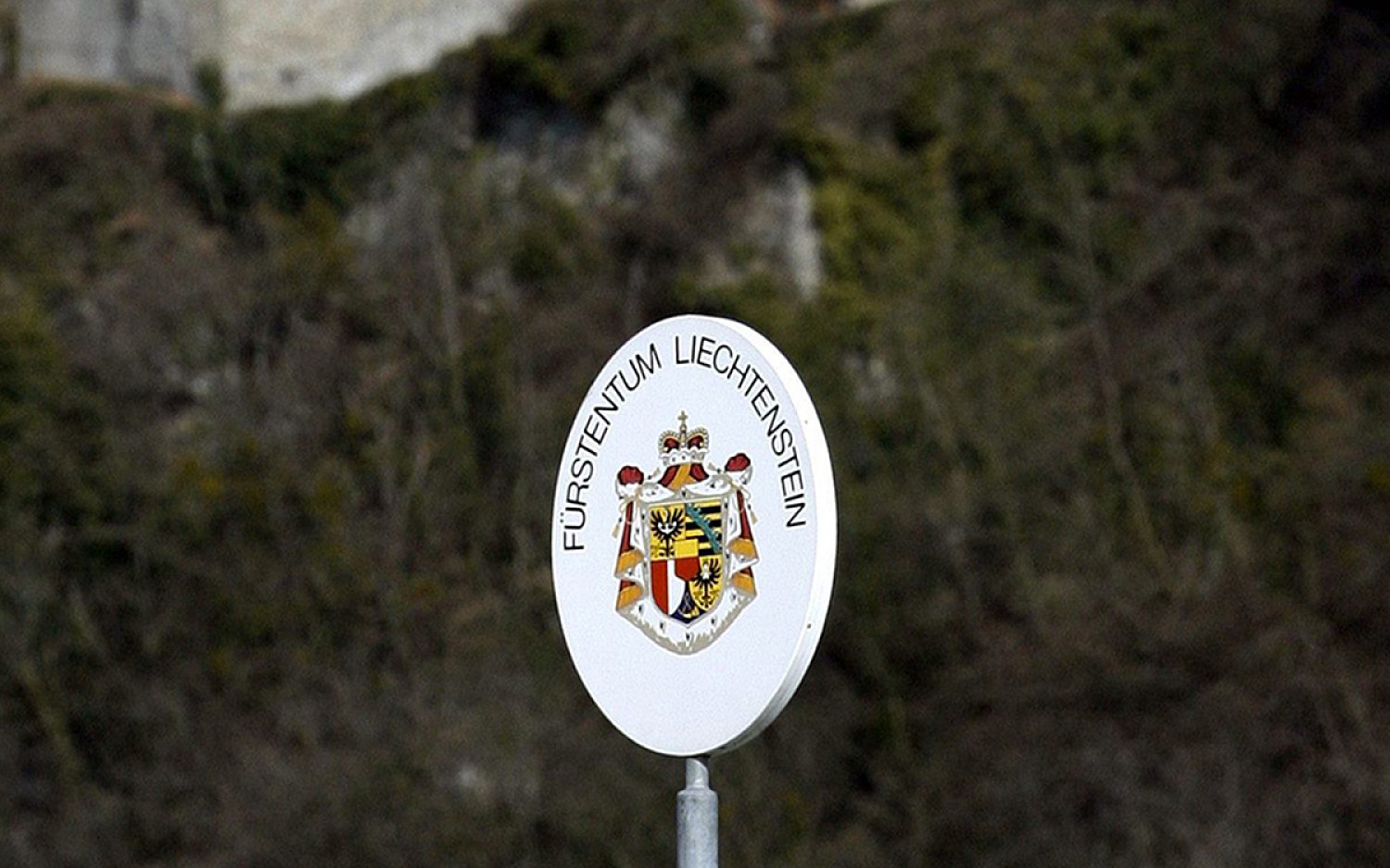

A royal change is coming to Liechtenstein, the tiny but rich country of 40,000 nestled between Switzerland and Austria. Once, the nation’s leaders were chosen by male primogeniture, meaning only princes ruled. Now Prince Alois announces that princesses will be eligible to take the throne as well.
At least two-thirds of Alois’ family members had to agree before the law could be altered. The new norm reflects both history and novelty. On one hand, the land will still have royal rulers carrying an unusual amount of power in the modern world. Before now, though, the crown would skip daughters in the royal lineup. The system which allows women to rule is called absolute primogeniture.
Unlike royals in other European countries, Liechtenstein’s royal isn’t merely ceremonial. A prince (and now a princess) can appoint judges and even fire the government.
“In the future,” Alois said in the announcement, “the first-born child will, regardless of sex, become the heir to the throne and later the princess or prince of Liechtenstein.”
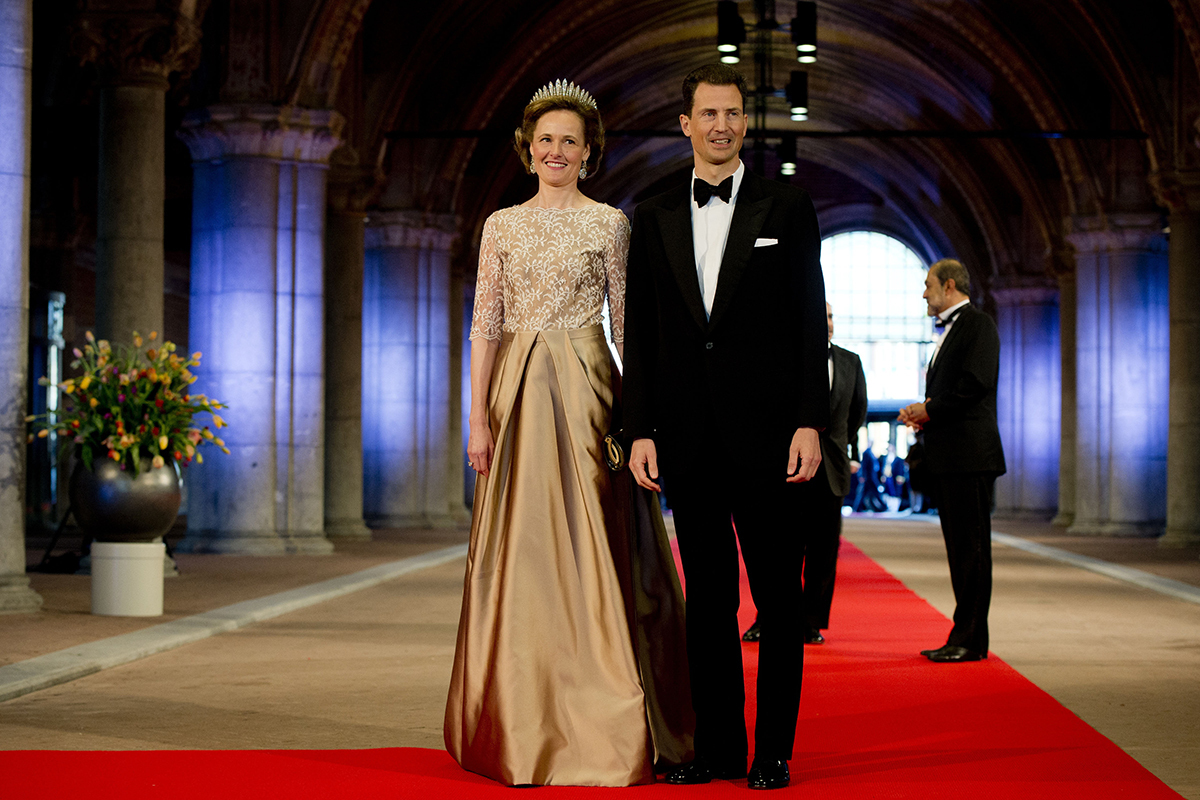
Liechtenstein makes cultural shifts slowly. Women there didn’t get the right to vote until 1984—after women everywhere else in Europe could vote. (Women in the United States secured that right in 1920.) Another slow change: The world’s first female prime minister (PM) took her place in Sri Lanka in 1960. Liechtenstein got its first female PM, Brigitte Haas, in 2025. In keeping with this trend, absolute primogeniture won’t apply until a grandchild of Prince Alois and his wife, Princess Sophie, comes to power.
For now, Prince Hans-Adam II remains head of state. In 2004, he handed over most of his power to Alois, his oldest son. Of Alois’ four children, Prince Joseph Wenzel, age 31, is oldest. Next in line comes Princess Marie Caroline, 29.
Some kinds of government work much better than others, but none are flawless. In communist governments, power belongs to a group that claims people should share goods and wealth equally. This vision is never achieved. Without private property incentivizing work, citizens usually grow poorer and poorer. In authoritarian governments, power resides with just one person or a very small group of people. Commoners often lack freedoms and basic human rights. Theocracies, nations controlled by religious leaders, often end up abusing power in God’s (or a false god’s) name. Democracies allow the people to vote on nearly everything. Majority rules—even when that majority is in error. In a democratic republic (like the United States), people elect leaders who set policy on their behalf.
Liechtenstein’s constitutional hereditary monarchy combines parts of monarchism (power resides with a royal ruler) and democracy (power resides with the people). Princes—and now princesses—rule alongside the Landtag (parliament) and abide by the nation’s constitution.
Your throne, O God, is forever and ever. The scepter of your kingdom is a scepter of uprightness. — Psalm 45:6
Why? God places rulers over us for our good, but fallen humans don’t always rule well. Only God’s kingdom has the perfect ruler: Jesus!