
In 2019, DreamWorks Animation released Abominable. The story of a girl and a yeti charmed families around the world—but not in Vietnam. Vietnam’s government banned the film.
Why? Because of nine dashes on a map in the background of a scene.
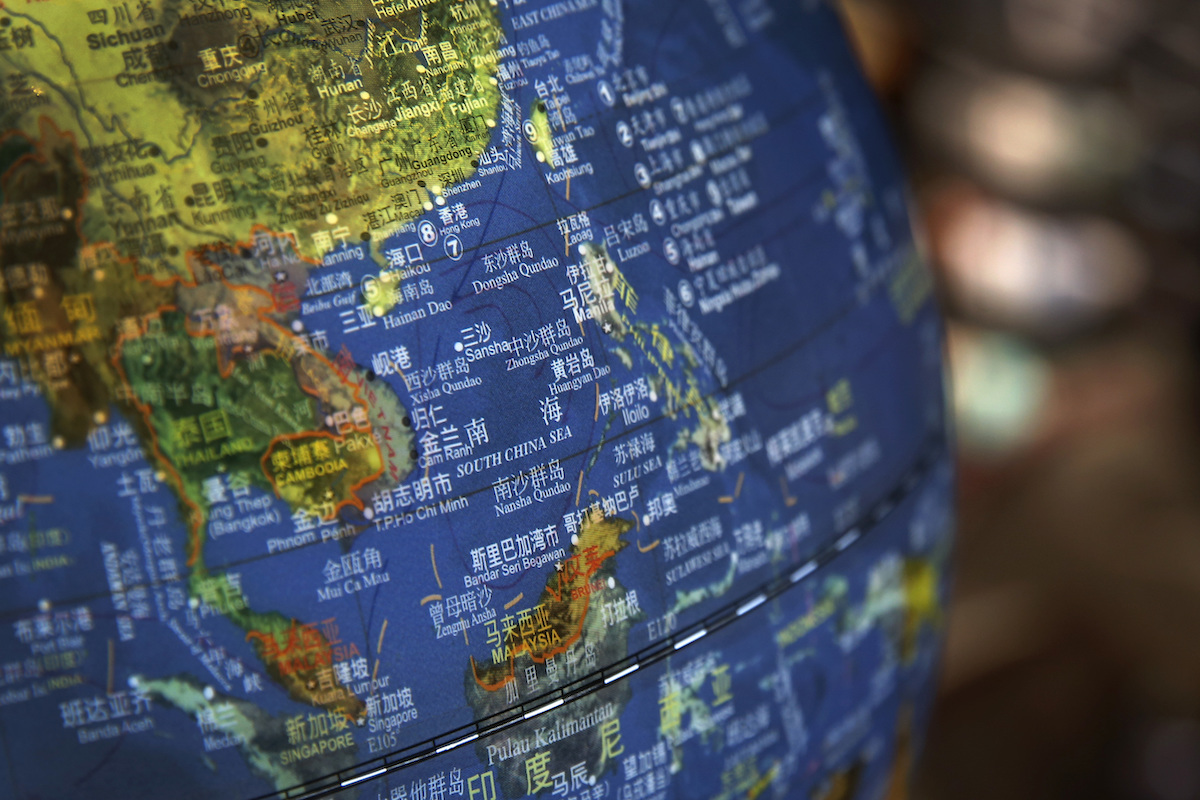
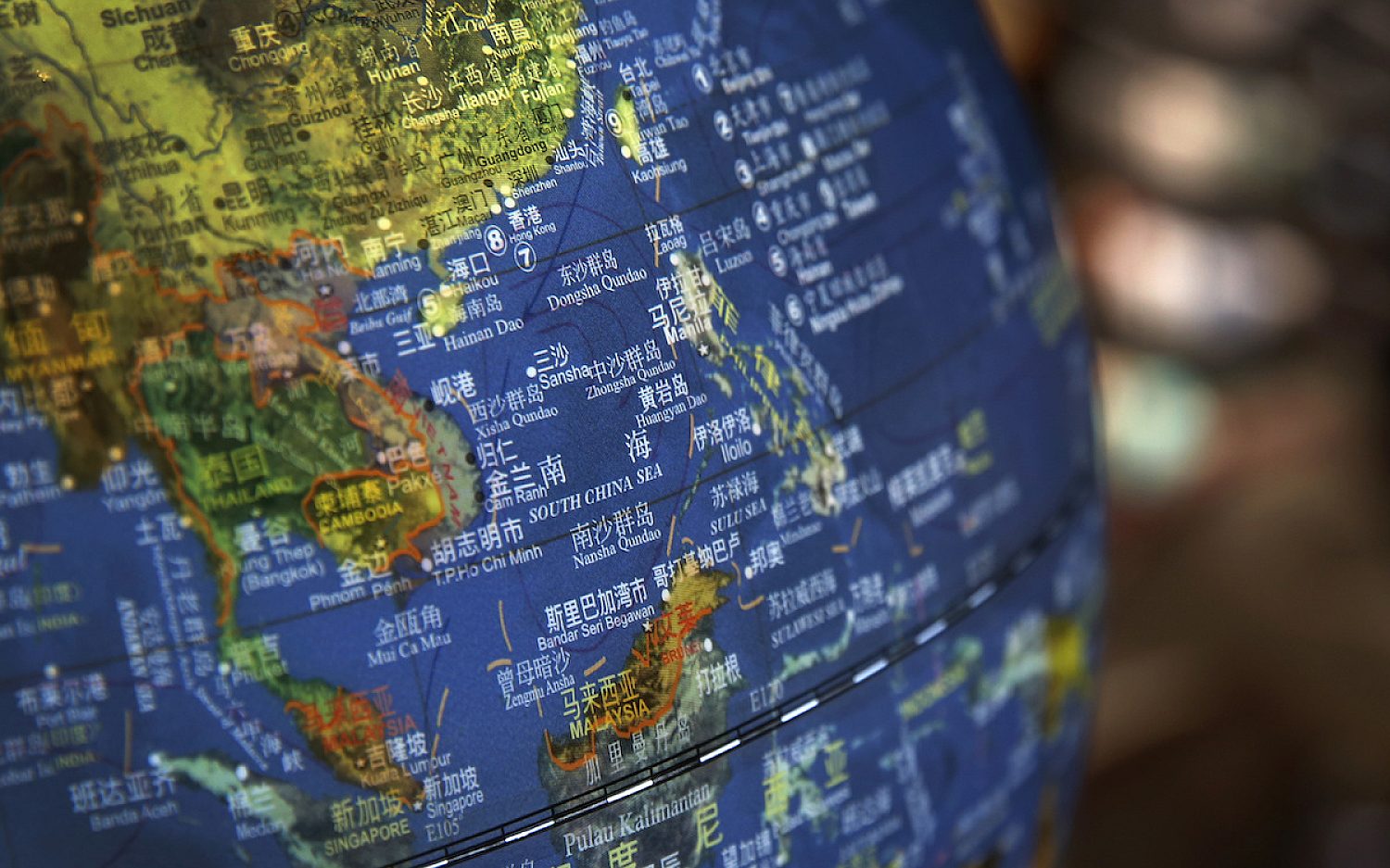
Those nine dashes mark a disputed territory in the South China Sea. This line appears on Chinese maps. The Chinese animators of Abominable may have thought nothing of including it. But to China’s international neighbors, it’s far from nothing.
China’s leaders first used this marking around the 1940s. The “nine-dash line” identifies China’s supposed territory in the South China Sea. It overlaps with waters claimed by the Philippines.
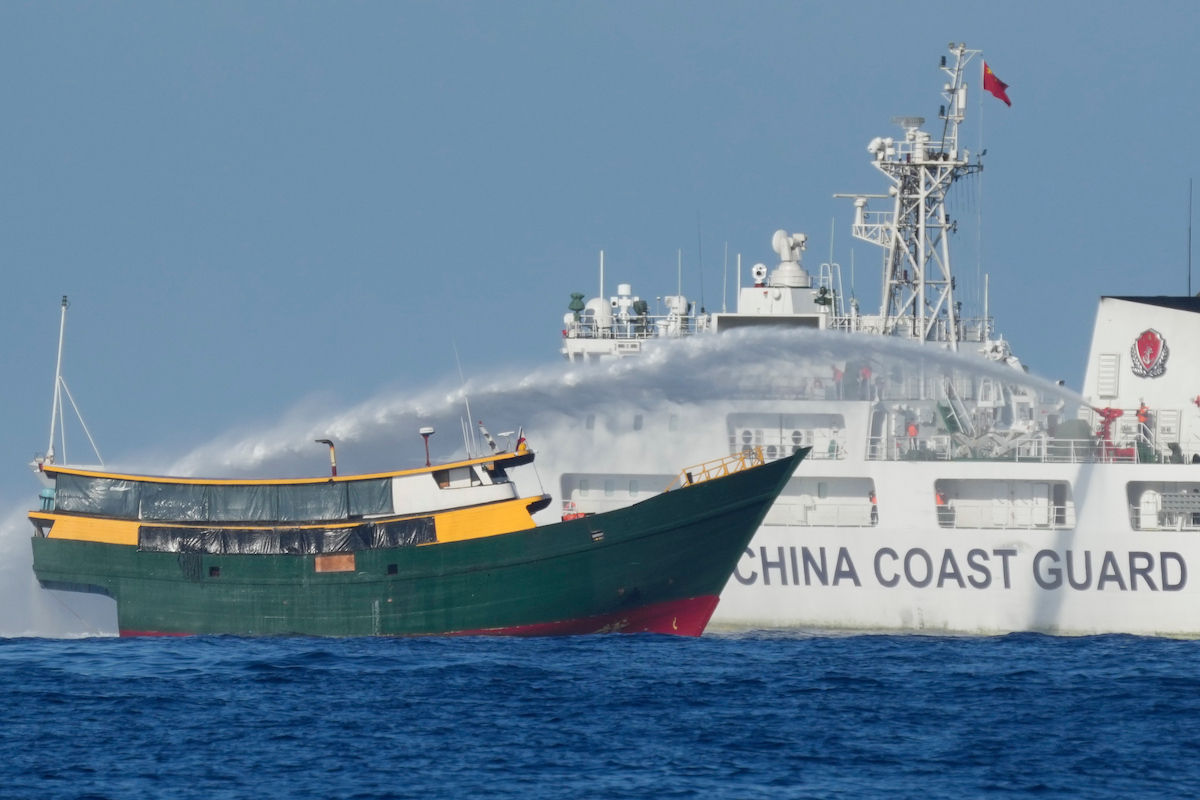
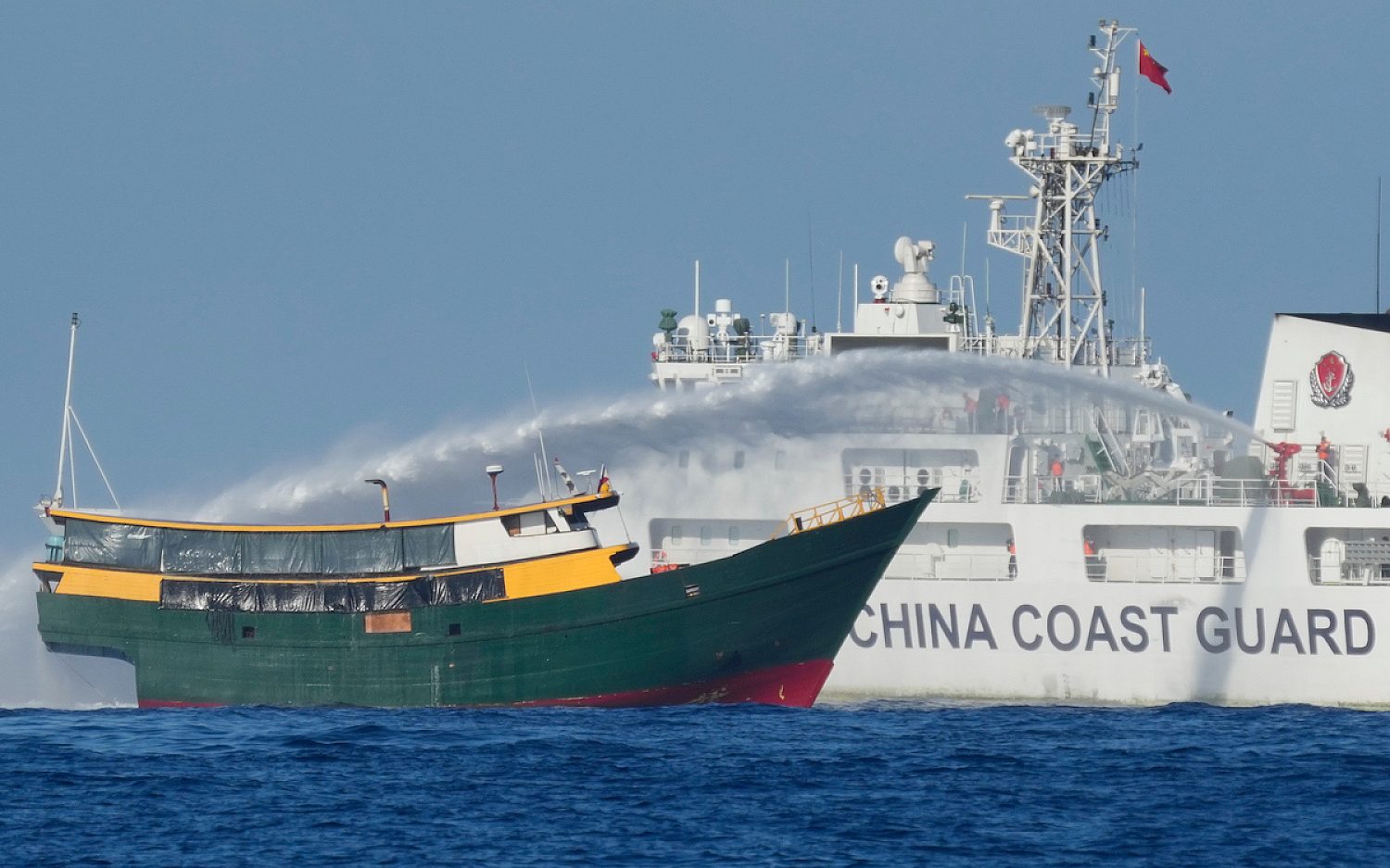
Many of China’s neighbors, such as Vietnam and the Philippines, reject China’s nine-dash line. The United States rejects it too, and so did a United Nations (UN) convention in 2016. China’s leaders refused to accept the UN decision. International naval forces and fishing fleets often clash in the contested waters.
China’s key to maritime control might lie in another disputed territory: Taiwan.
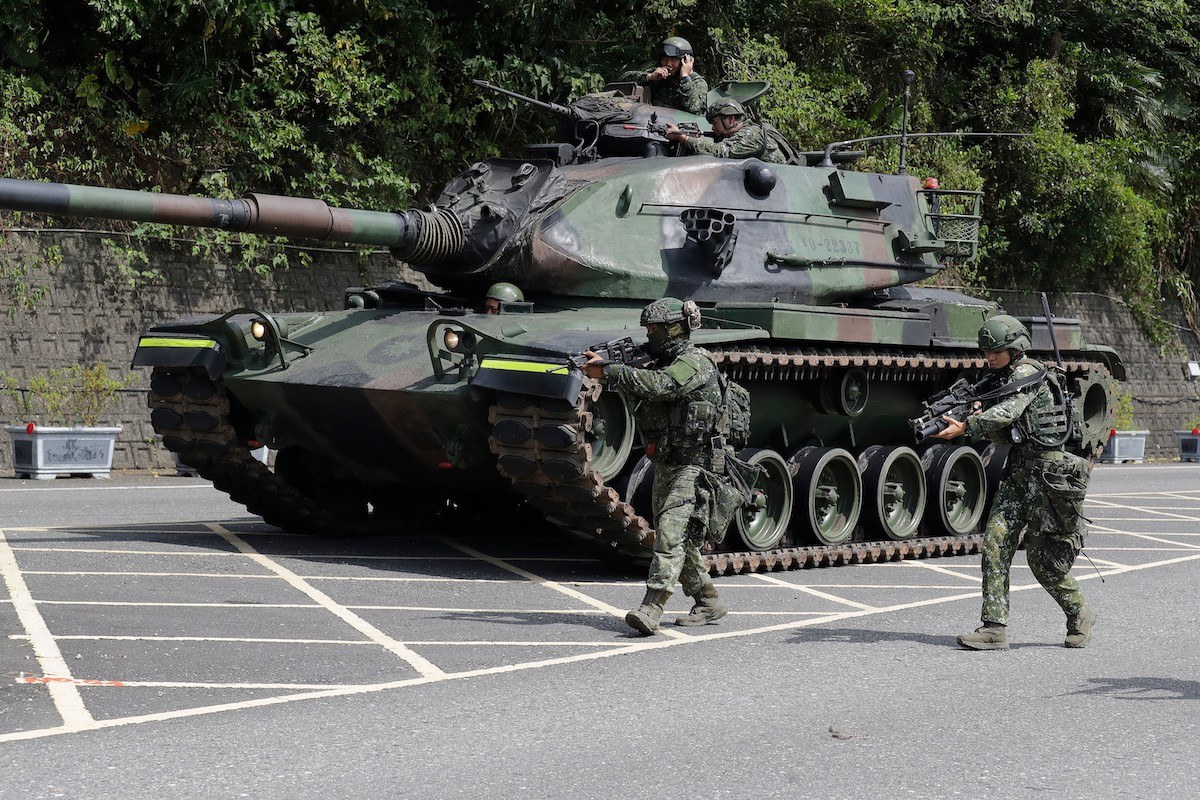
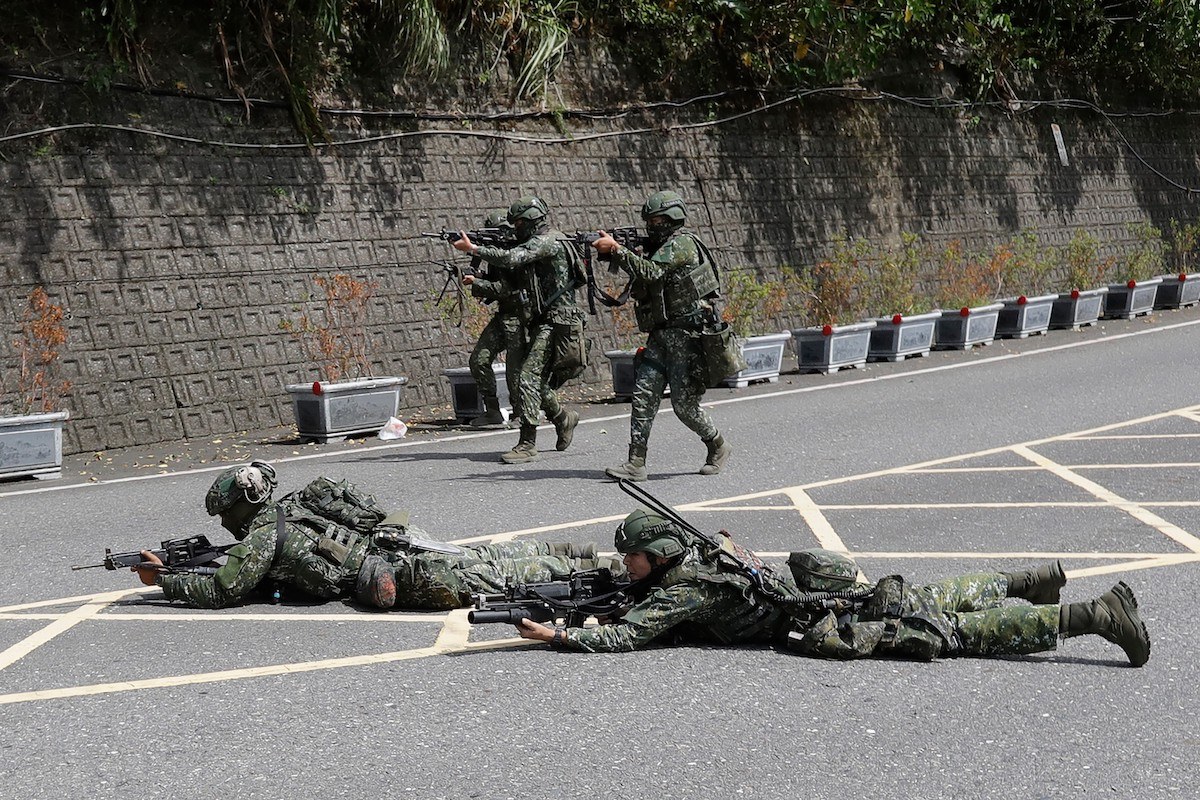
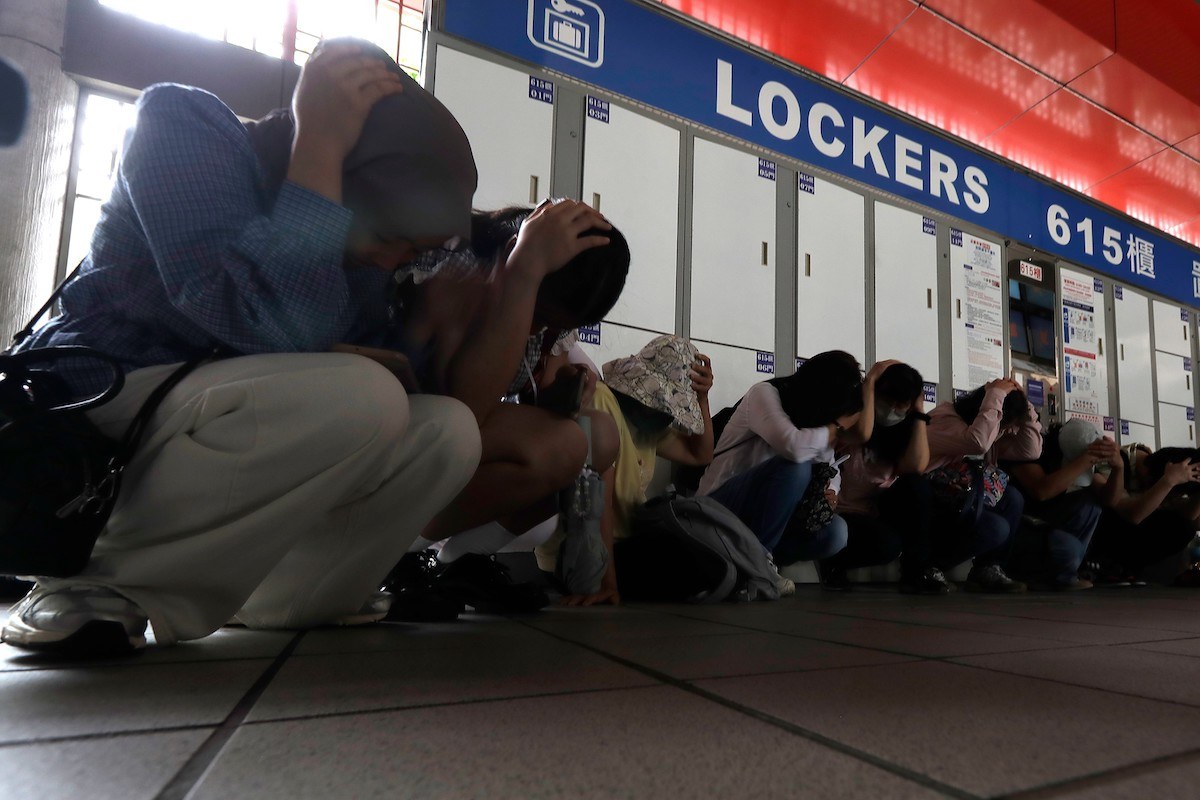
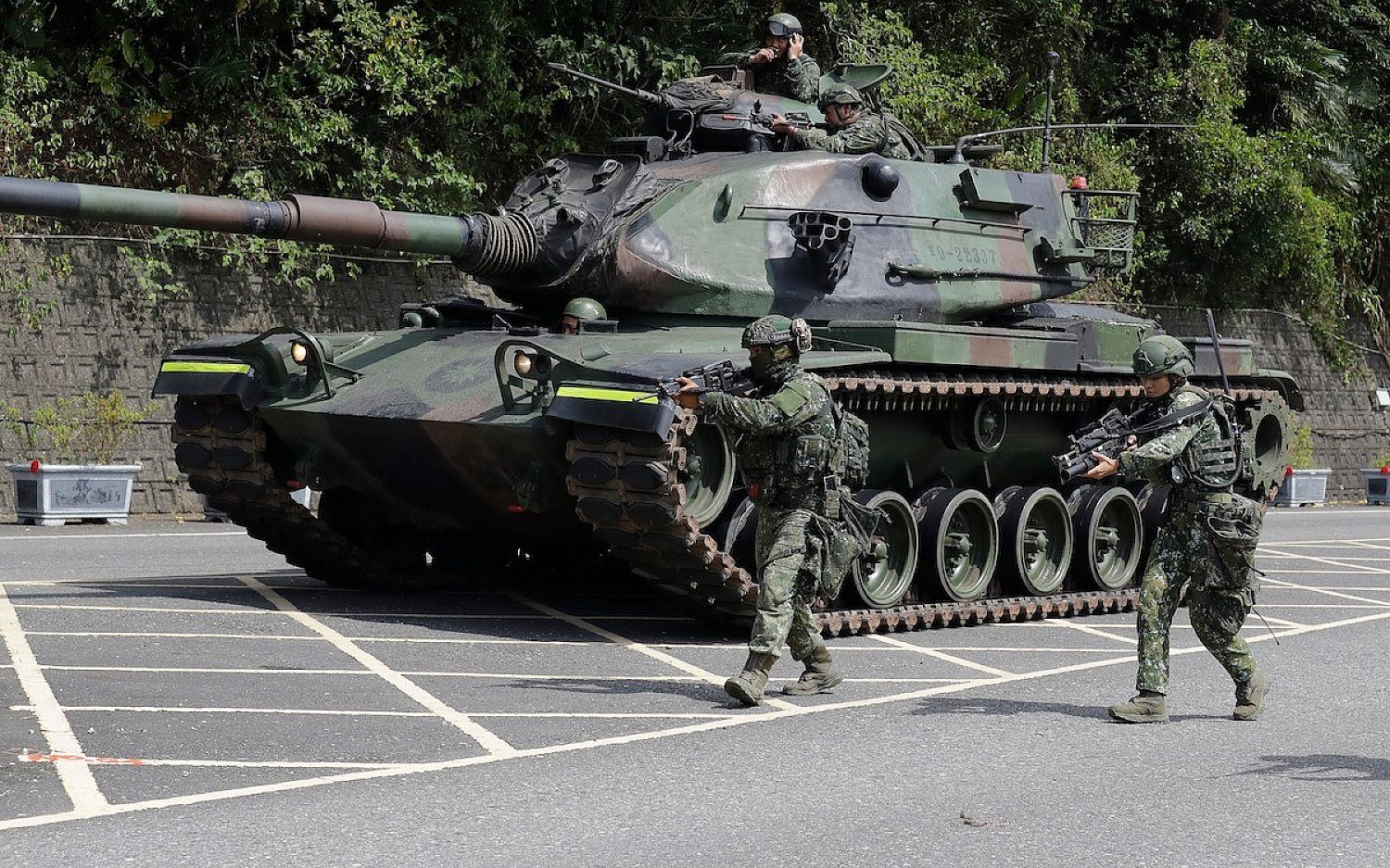
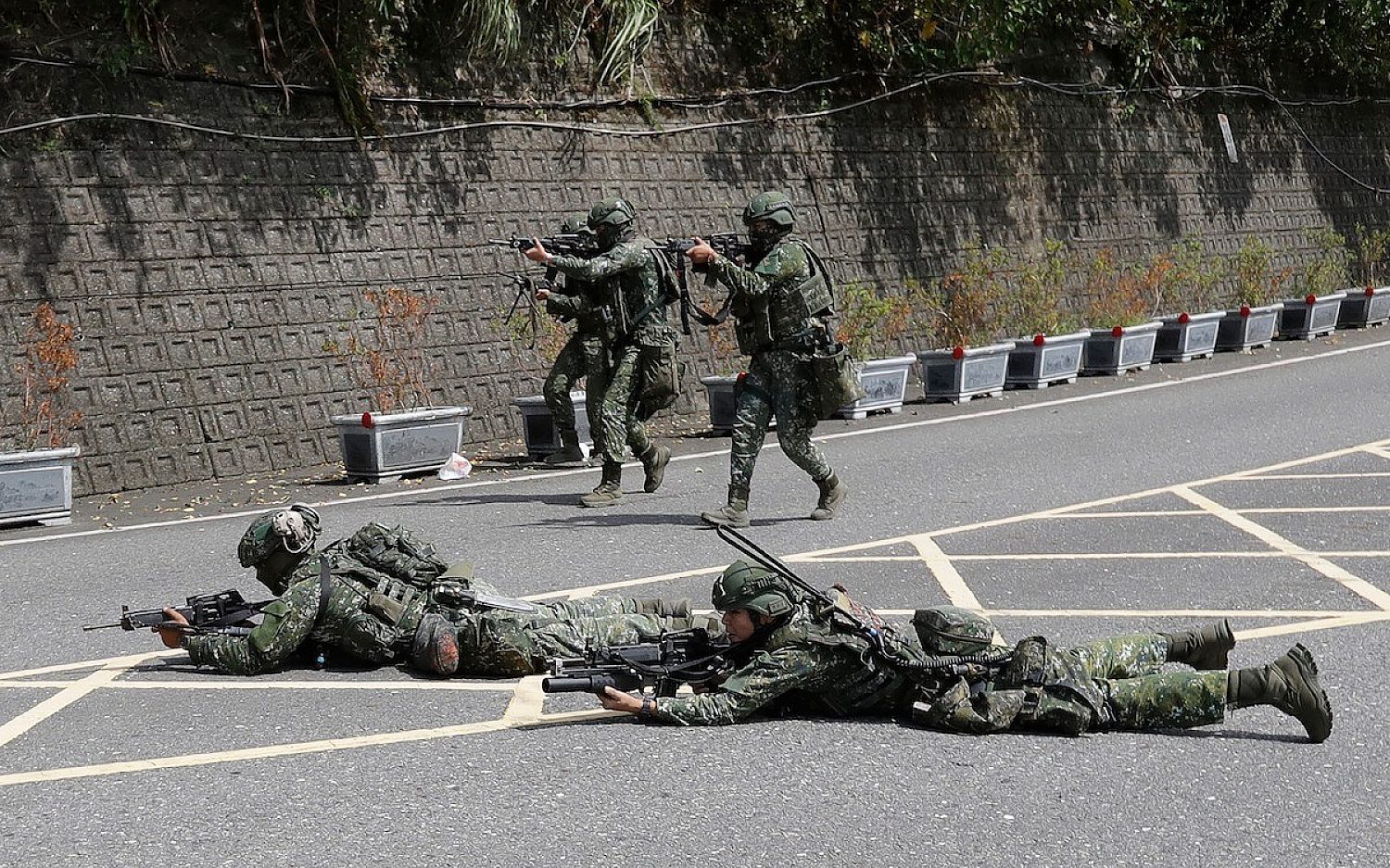
On a map, you’ll find Taiwan between China and the Philippines. It split from China after a civil war in 1949. Now Taiwan rules itself, but China’s government still claims it. Many Taiwanese people fear a Chinese invasion. China often sends military planes and ships on patrol near Taiwan. Control of Taiwan would give China a major foothold in the South China Sea. From there, experts say, the communist superpower could push farther into the Pacific.
These regional disputes affect global trade. The South China Sea is one of the world’s key trade routes. Taiwan produces most of the world’s advanced semiconductors. These components help power artificial intelligence—an increasingly key industry in the global market.
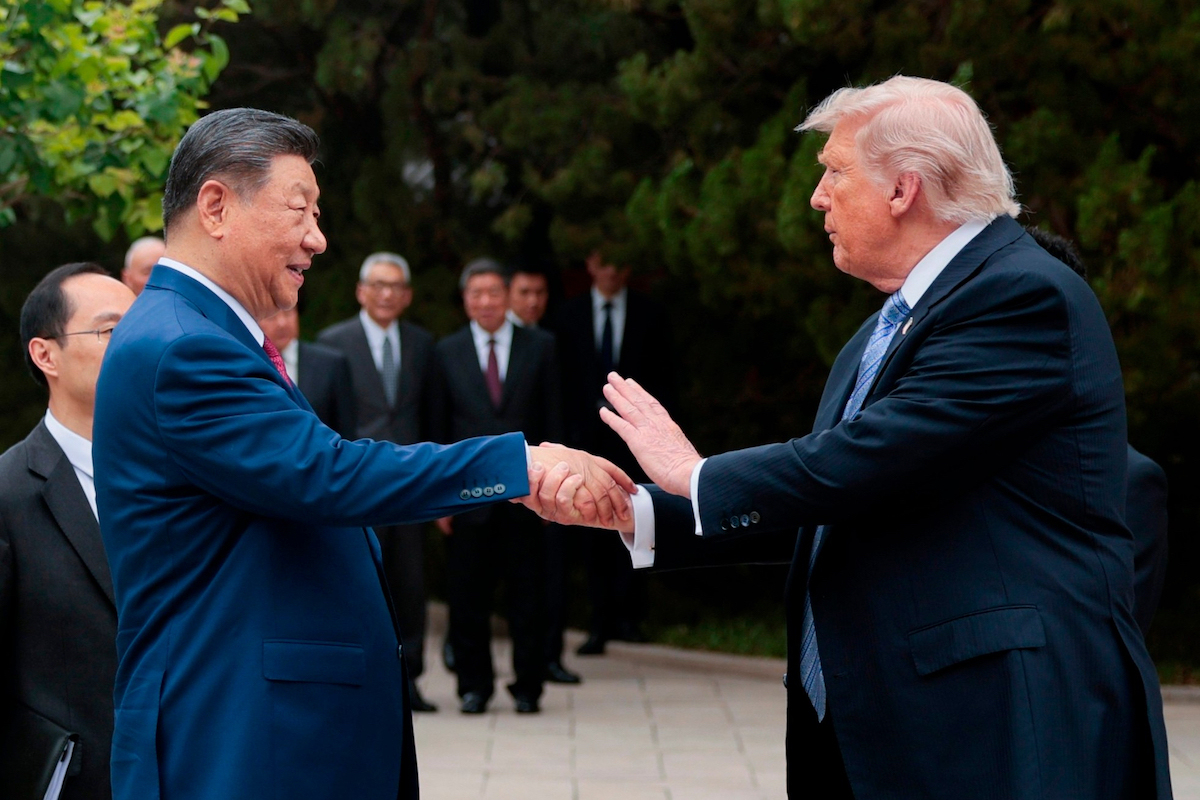
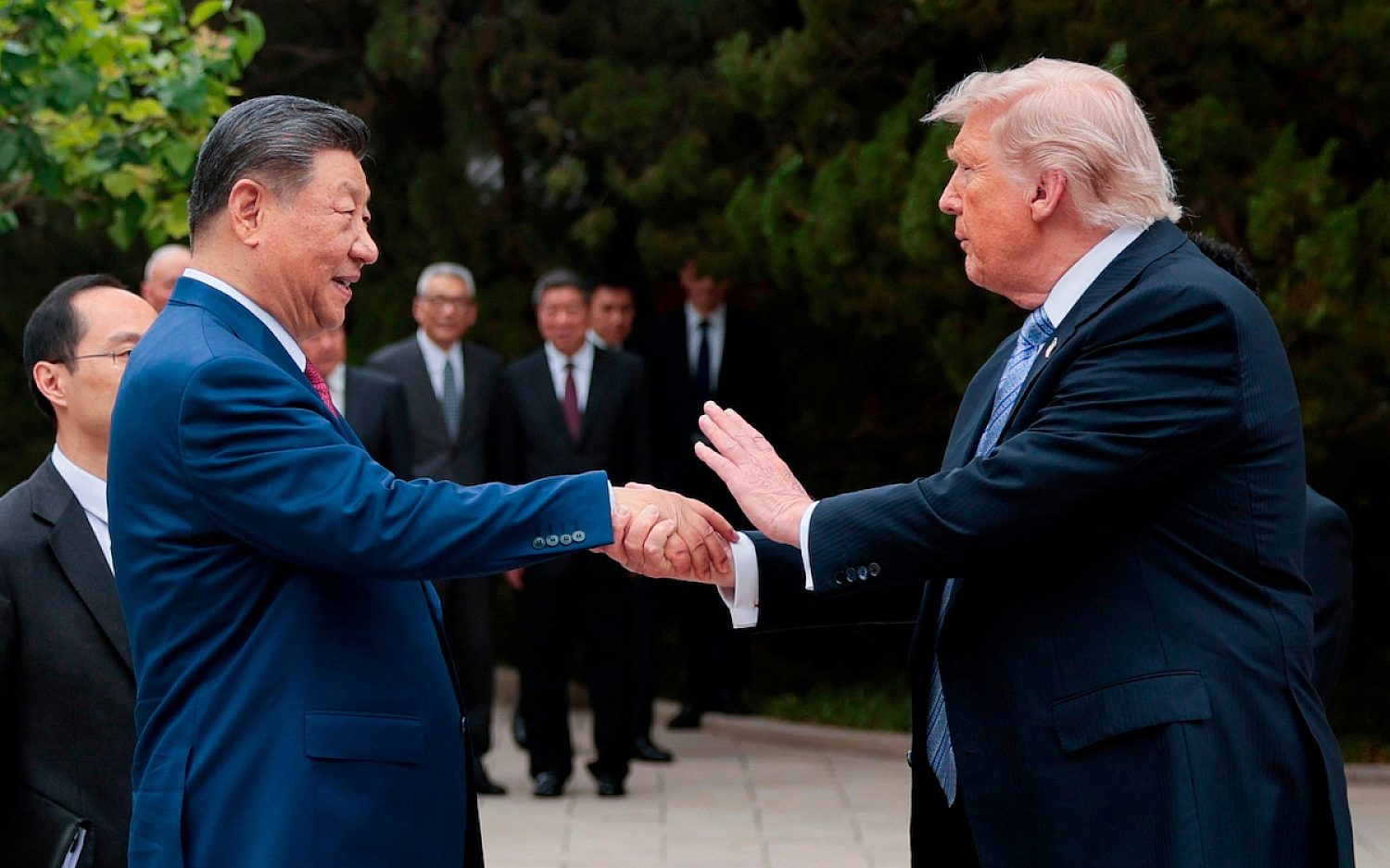
Talk of Taiwan dominates U.S.-China relations. The United States has no official diplomatic ties with Taiwan. If China attacked Taiwan, the United States wouldn’t have to defend it. But the 1979 Taiwan Relations Act does require the United States to help Taiwan defend itself. The U.S. government provides arms and other equipment to Taiwan. This helps the U.S. government defend its interests in the region without going directly head-to-head with China.
Even in the age of airplanes and internet, many goods travel by water. That’s why closures in the Strait of Hormuz near Iran create oil shortages worldwide. It’s why a stuck cargo ship blocking the Suez Canal caused global shipping delays in 2021. It’s why the United States oversaw the completion of the Panama Canal, creating a faster route between oceans.
Nations still battle for control of the seas—sometimes with ships, sometimes with politics.
Why? There’s nothing new under the Sun. Nations change and technology evolves, but people still fight over the same things, for the same reasons.