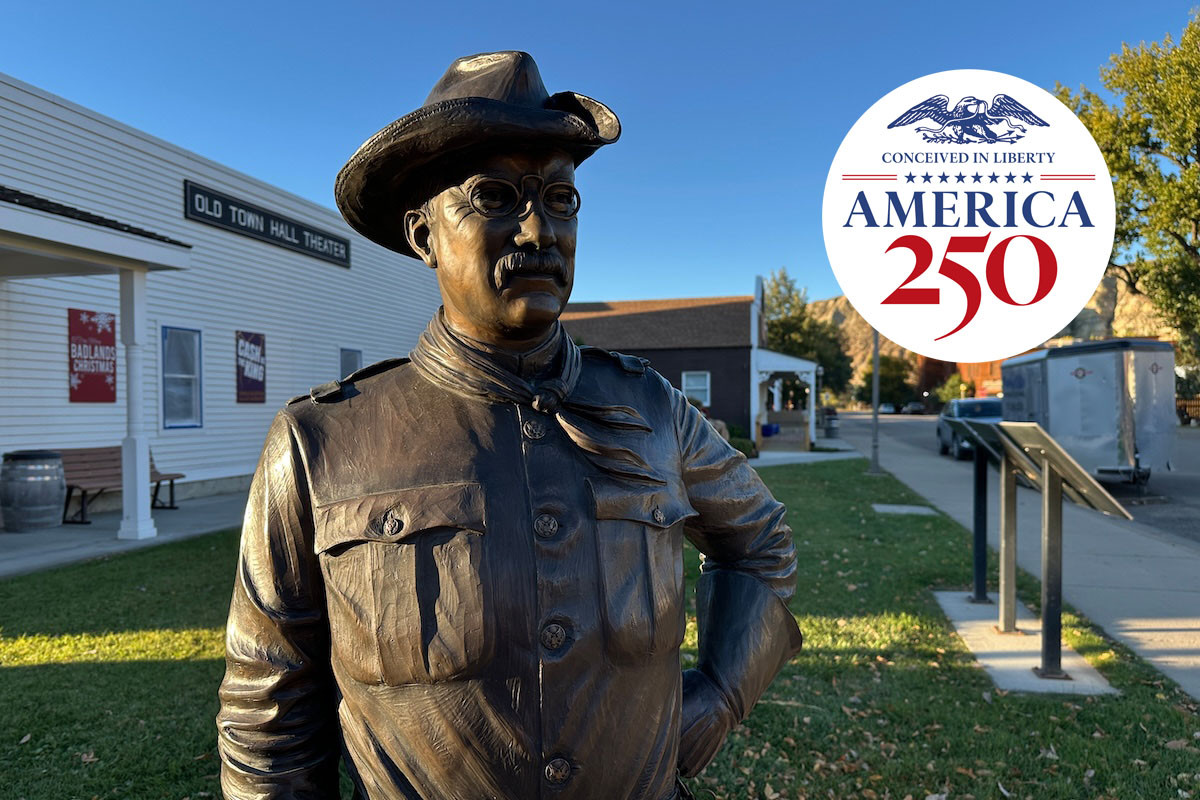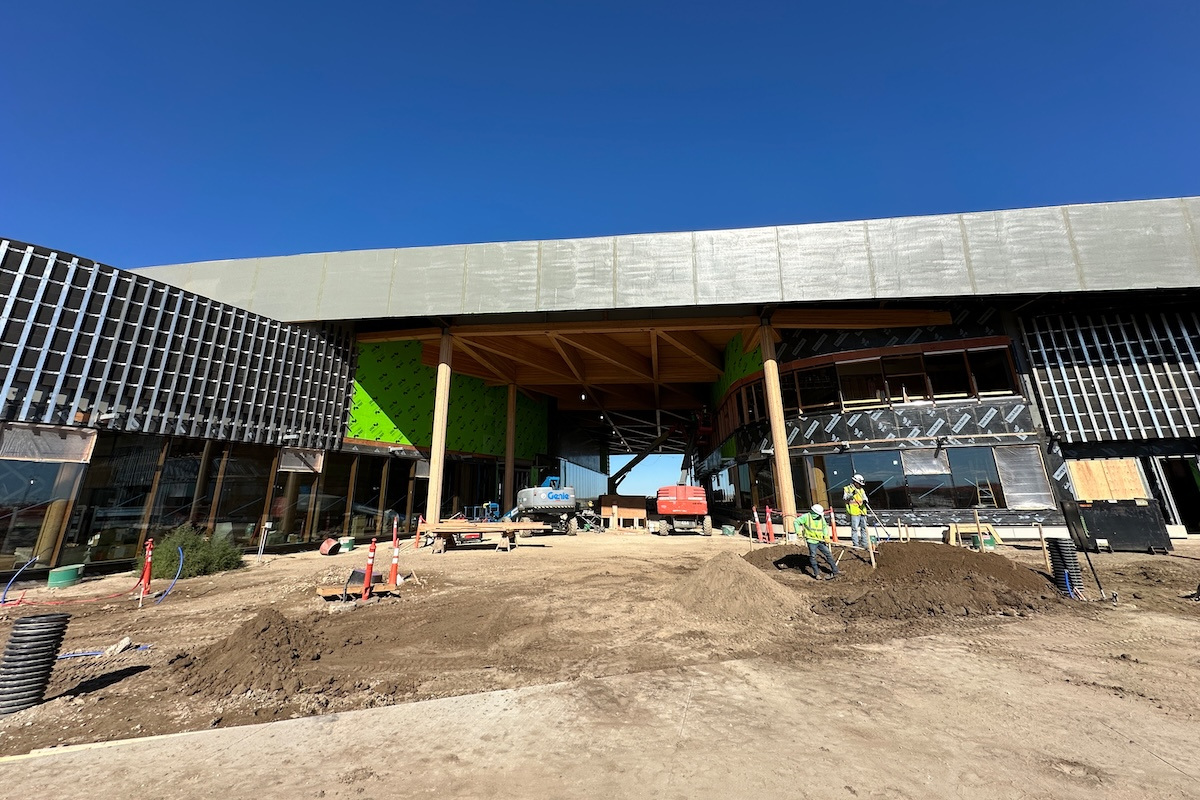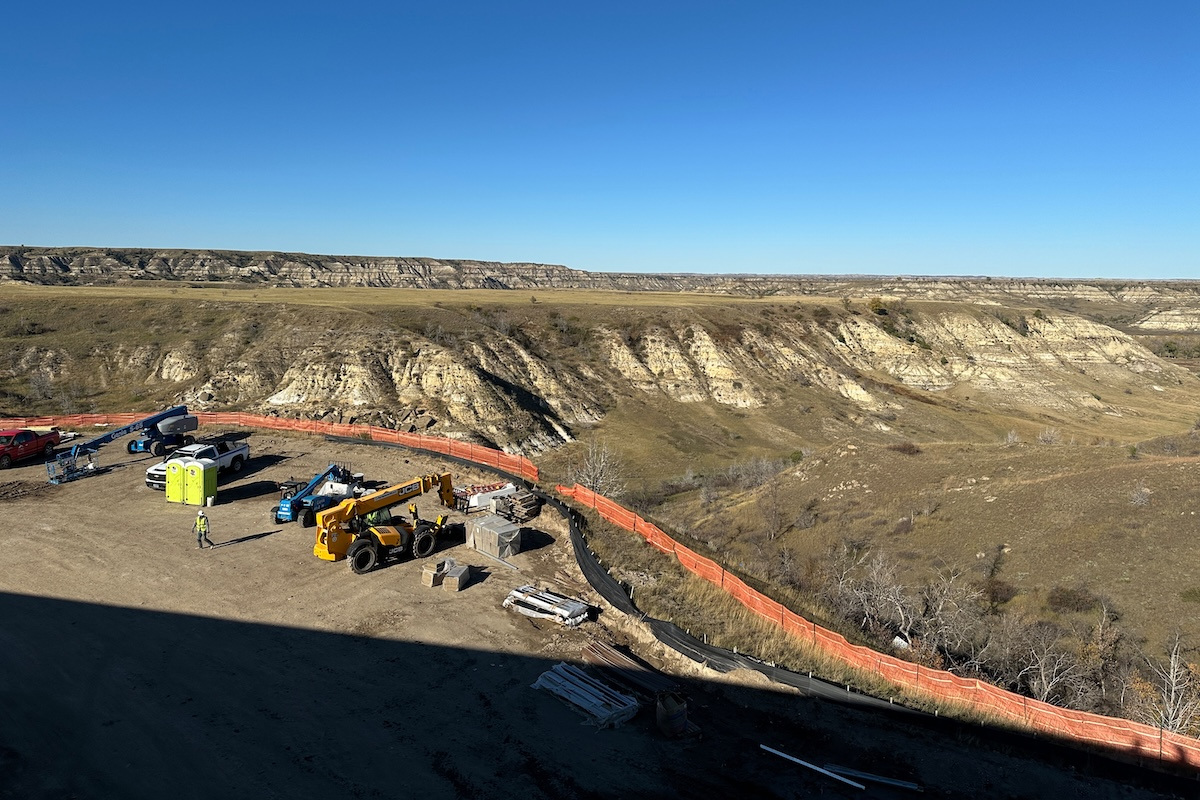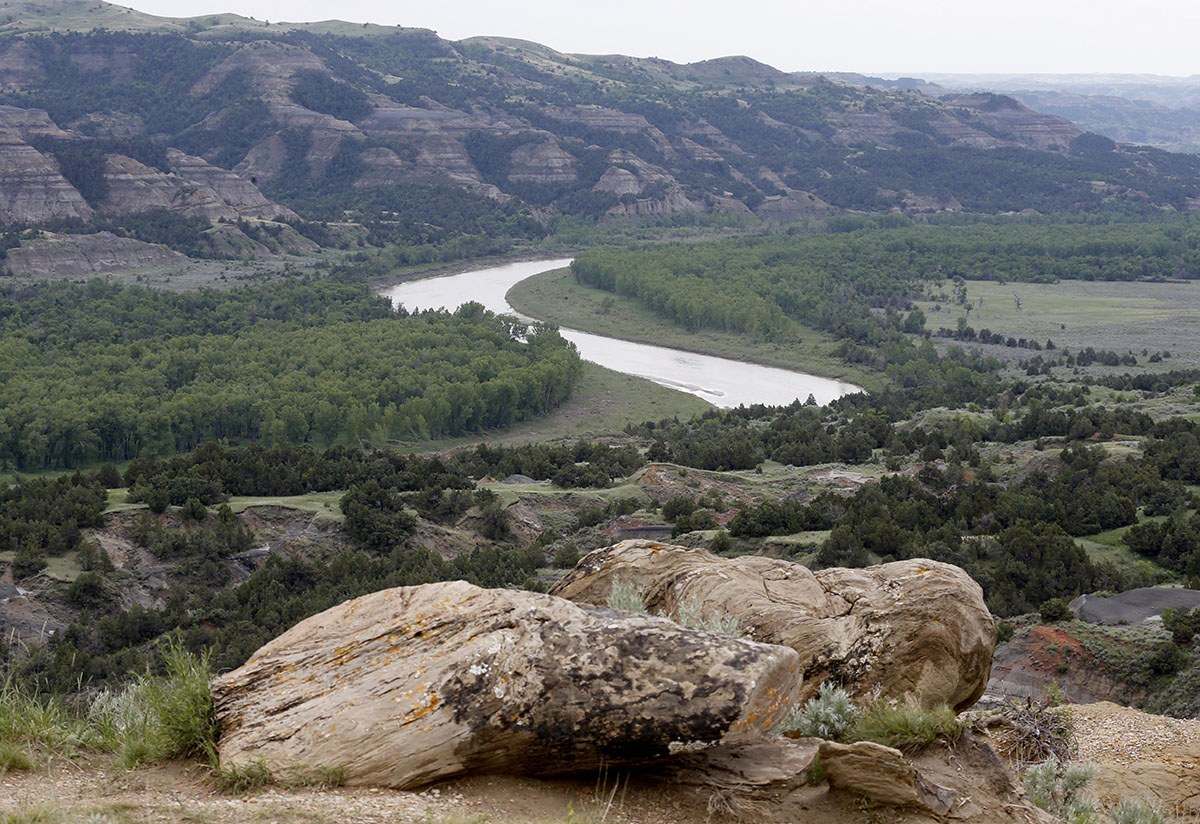
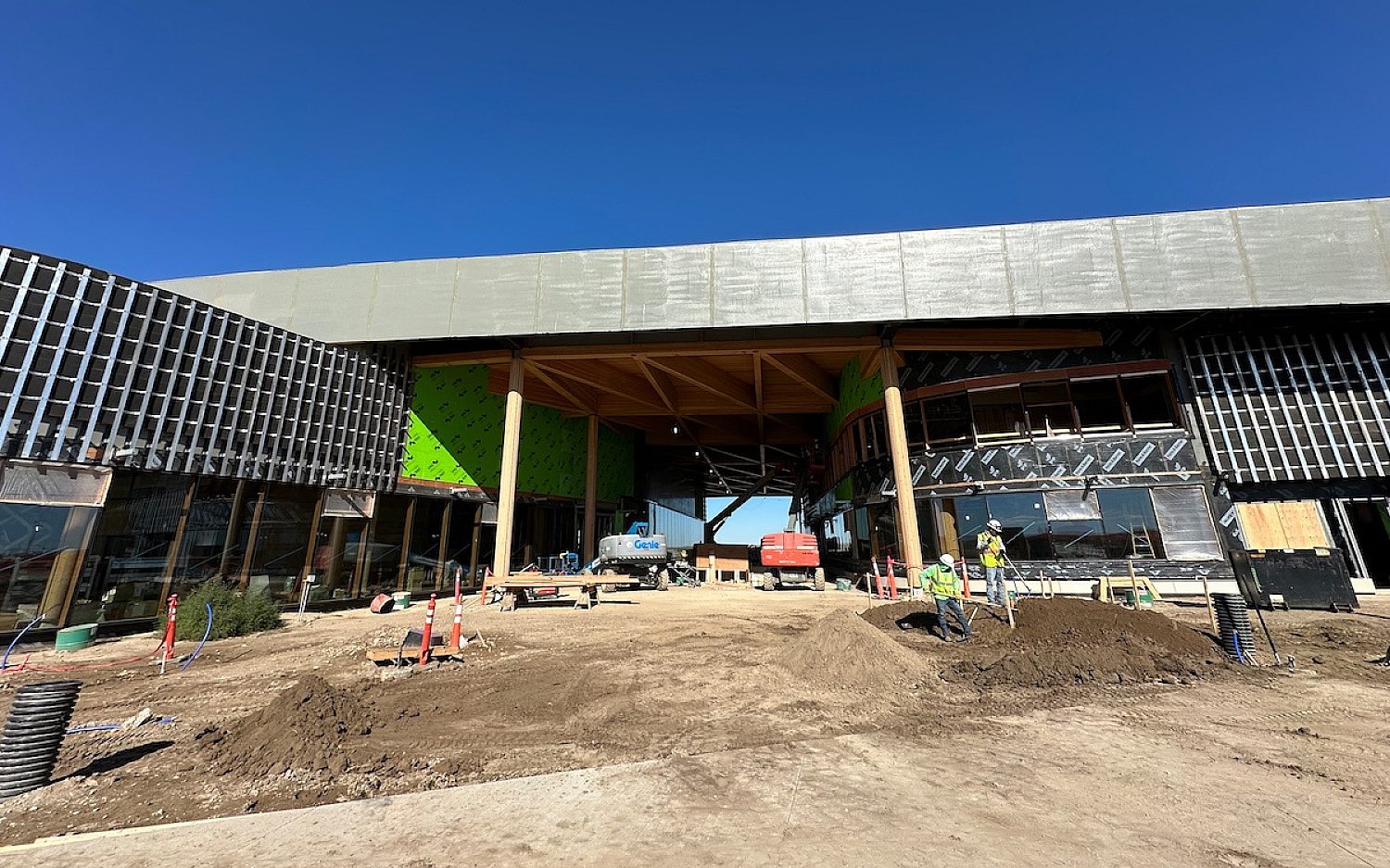

Remote, rugged, breathtaking. On July 4, a library commemorating Theodore Roosevelt’s life and presidency opens, nestled in the clay hills and grassy bluffs of North Dakota. The landscape hasn’t changed much since the 1880s. Can such an out-of-the-way museum succeed?
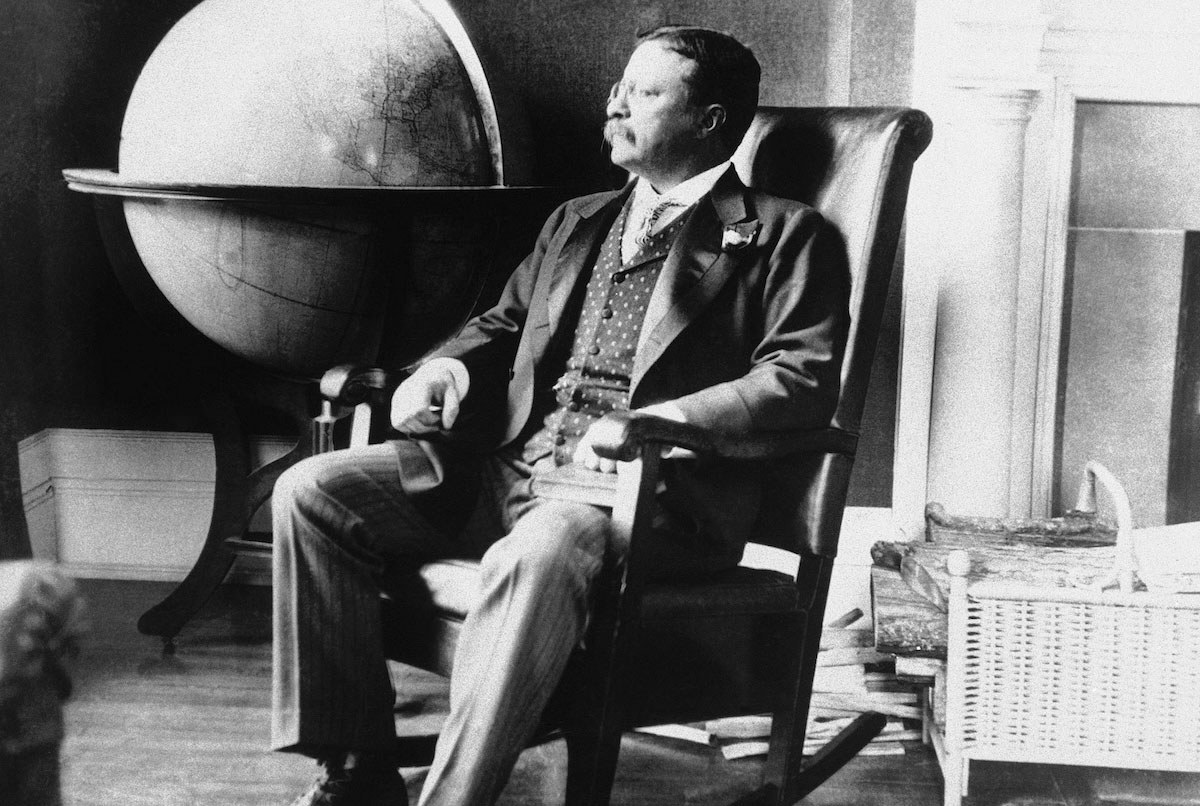
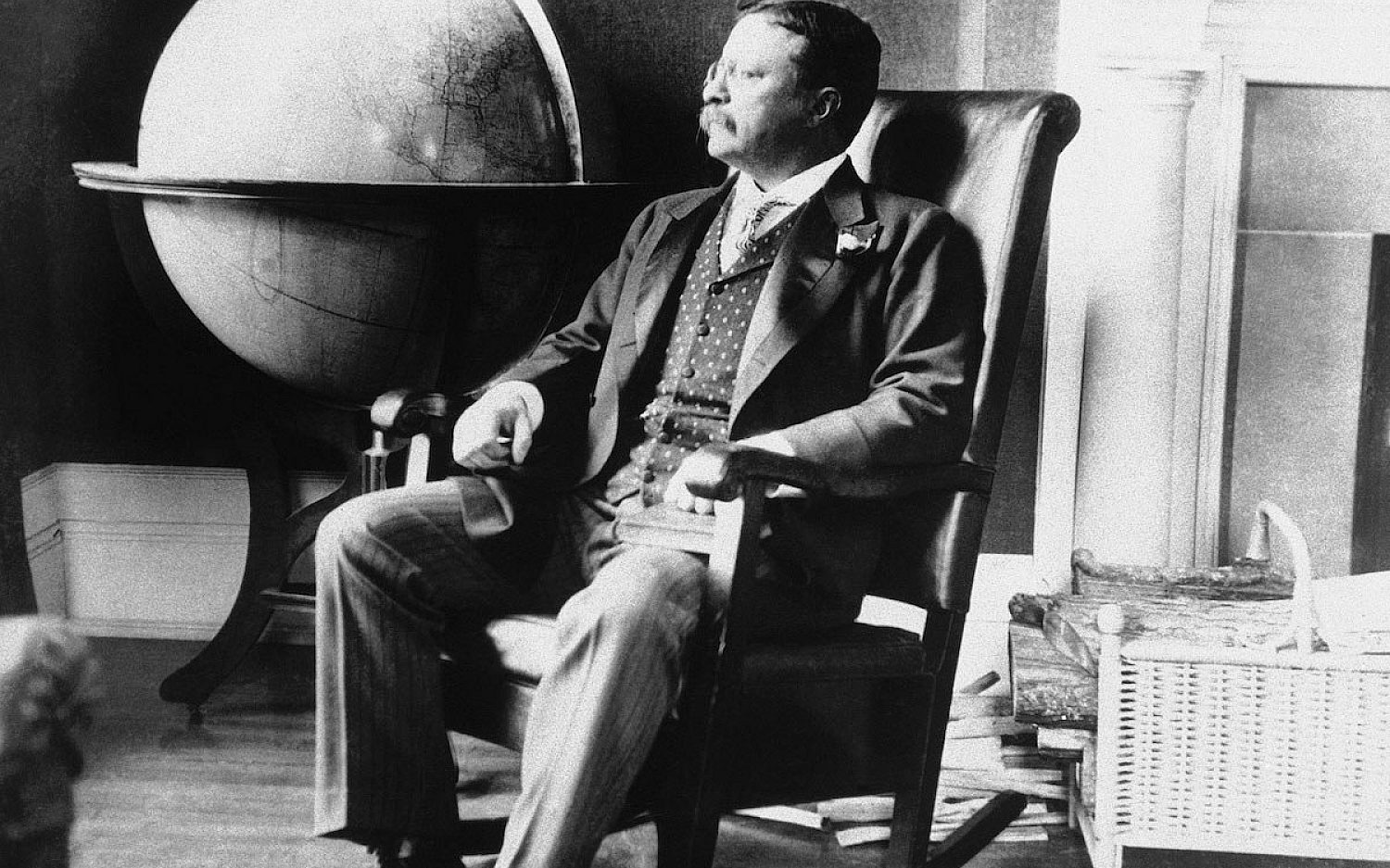
Theodore “Teddy” Roosevelt served as the 26th U.S. president. An outdoorsman, writer, and conservationist, he’s a favorite among folks from many political backgrounds. His use of executive power—to conserve public lands and build the Panama Canal, as examples—helped change how modern presidents function.
“Roosevelt will frequently do things that he believes are morally and legally right, and let Congress debate it later,” observes historian William Hansard.
Born to a wealthy New York City family, Roosevelt overcame a sickly childhood to become a respected city assemblyman.
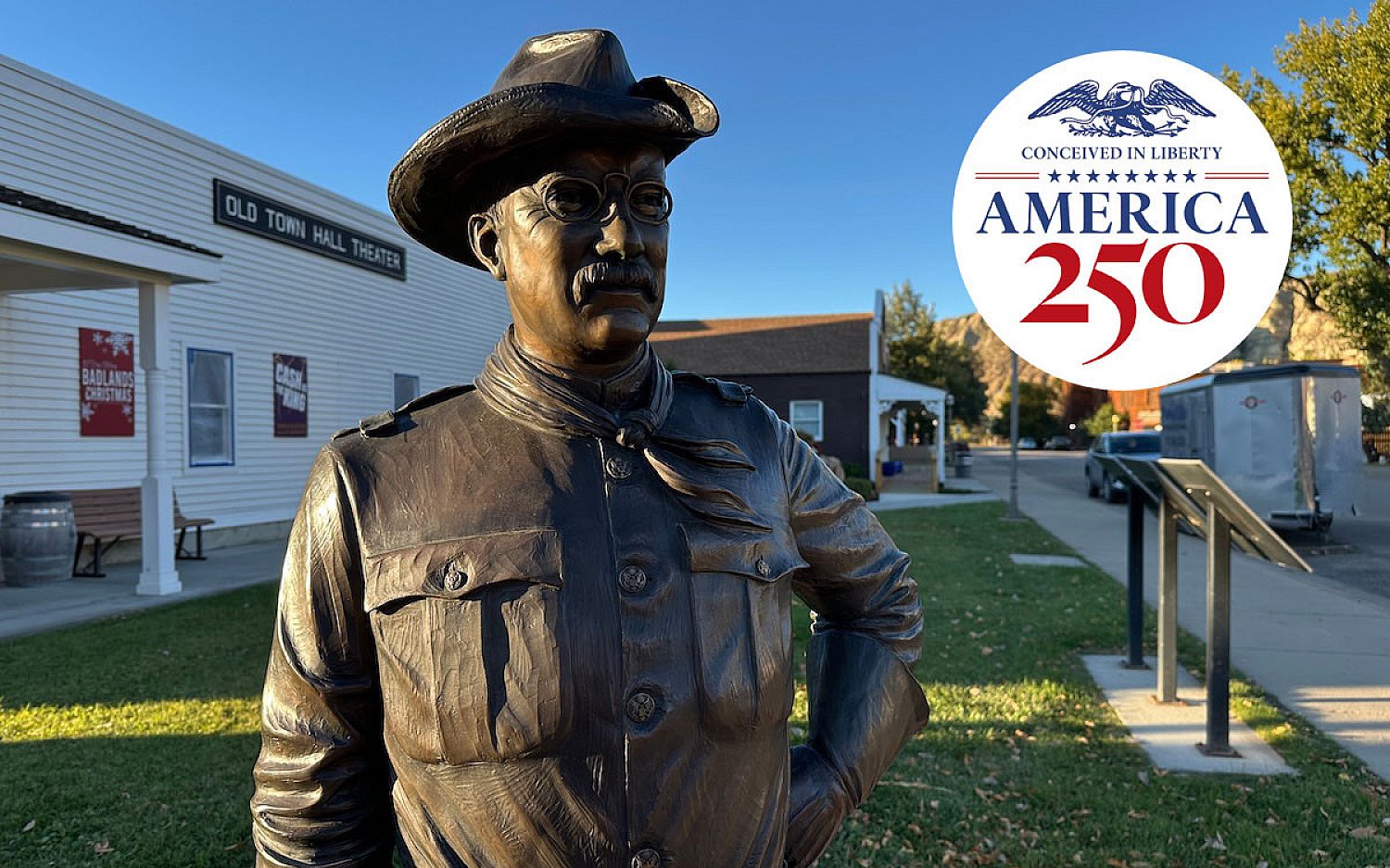
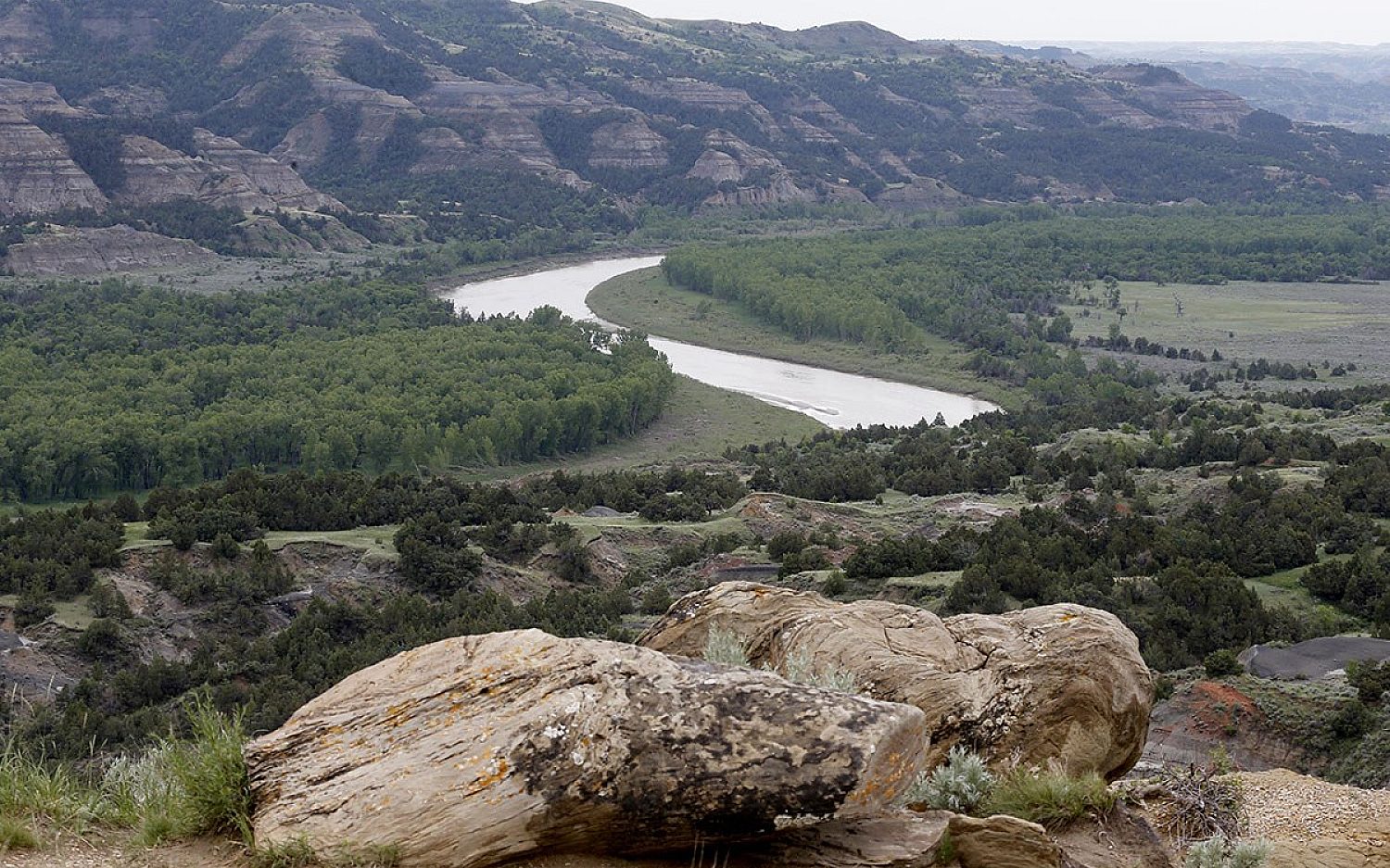
In 1883, the future president took a bison hunting trip to the Dakota Badlands. He experienced a landscape far from city lights and surrounded by jagged hills beneath a vast sky.
After both his wife and mother died in 1884, Roosevelt returned to Dakota Territory and bought land and ranches there. In the Badlands, Roosevelt said, “the romance of my life began.” Ranch life would prove a kind of “test run” for his future career as a tough, conservation-minded president.
Clay Jenkinson is a Roosevelt scholar. He admits Roosevelt had faults. The president, Jenkinson says, was at times a bully, an imperialist, and perhaps a warmonger.
He had other flaws too.
Native Americans served among Roosevelt’s famed Rough Riders during the Spanish-American War. But Jenkinson says Roosevelt “believed that Anglo-Saxon white America had a right and even a duty to dispossess Native peoples and install what he took to be a superior civilization.”
Like every human, Roosevelt was imperfect. His view of Native Americans is anti-biblical, for all humans are made in God’s image. (Genesis 1:26-27)
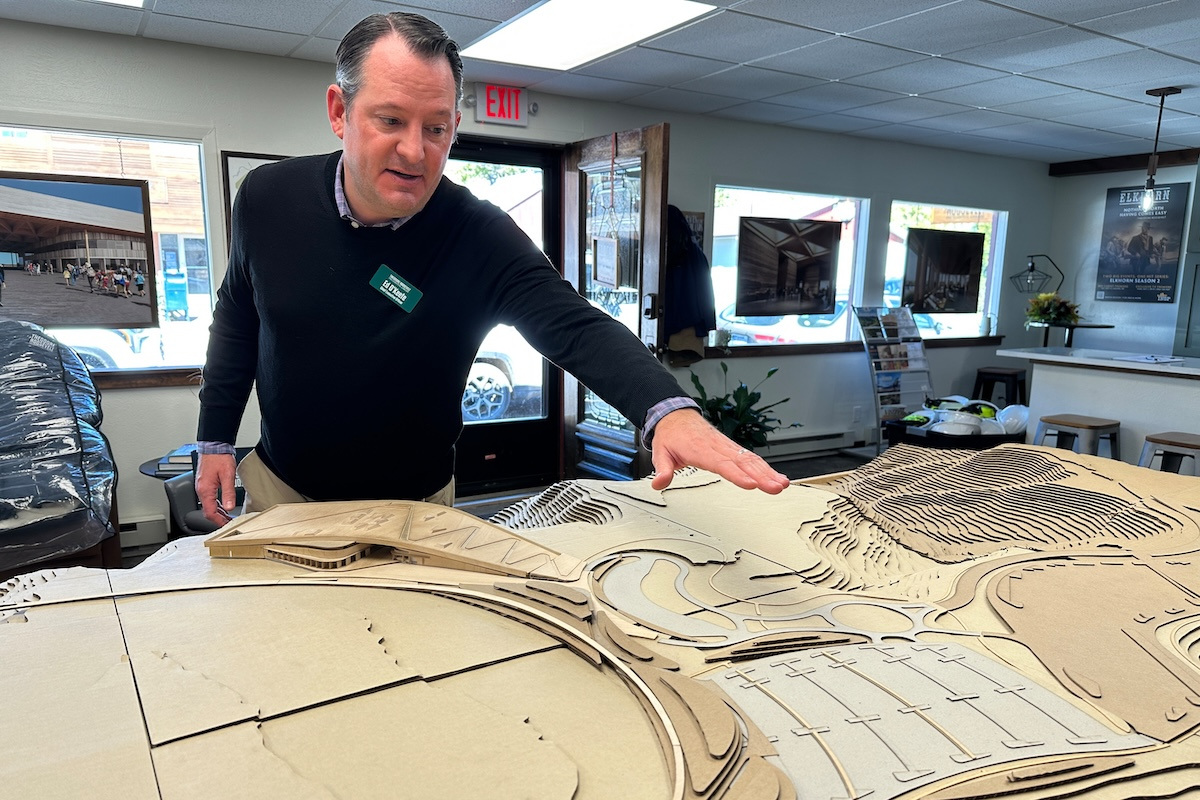
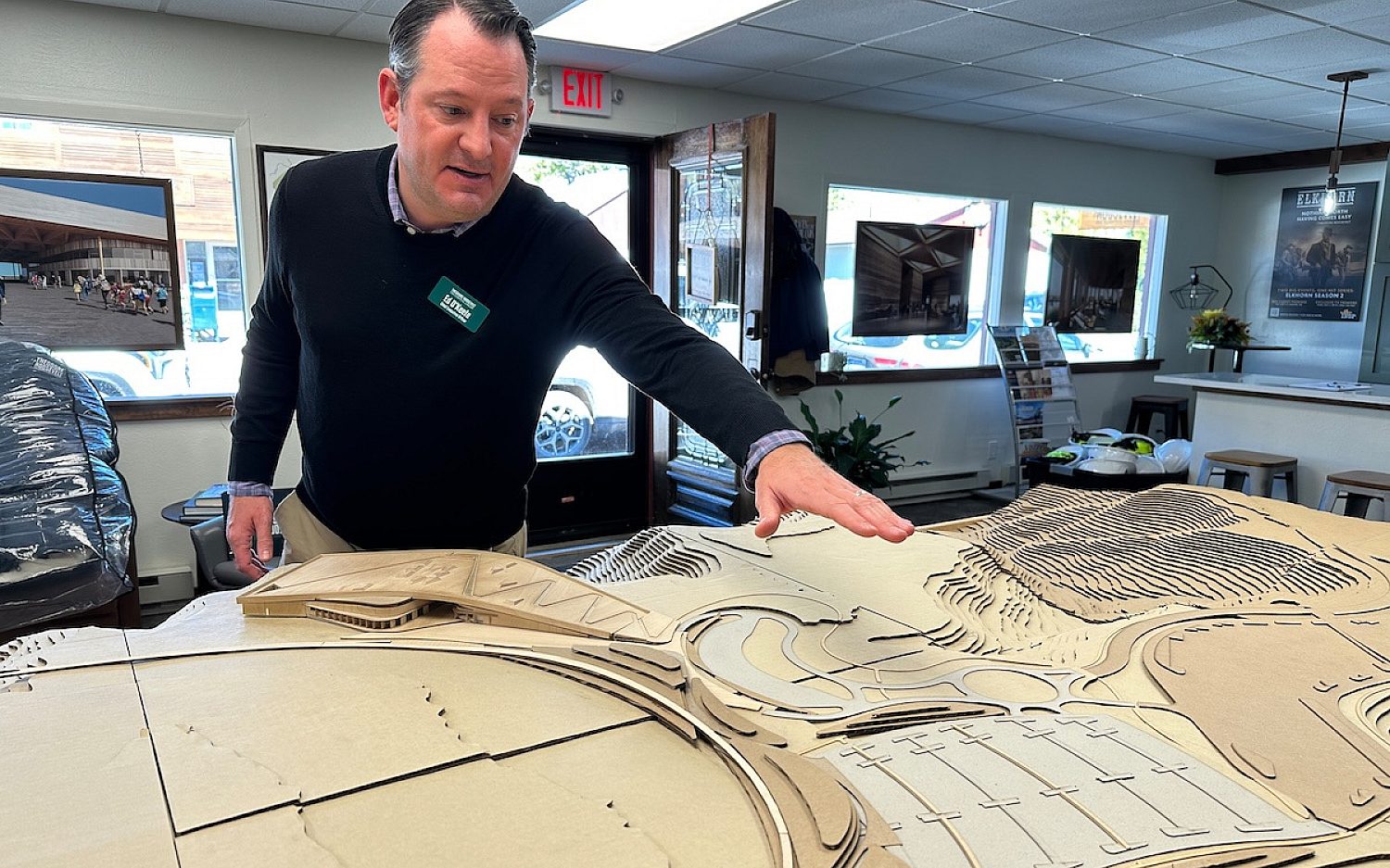
Library Foundation CEO Ed O’Keefe says the new center doesn’t avoid debate surrounding Roosevelt. It seeks to “humanize, not lionize” him. (To lionize something is to treat is as if it holds superior importance.)
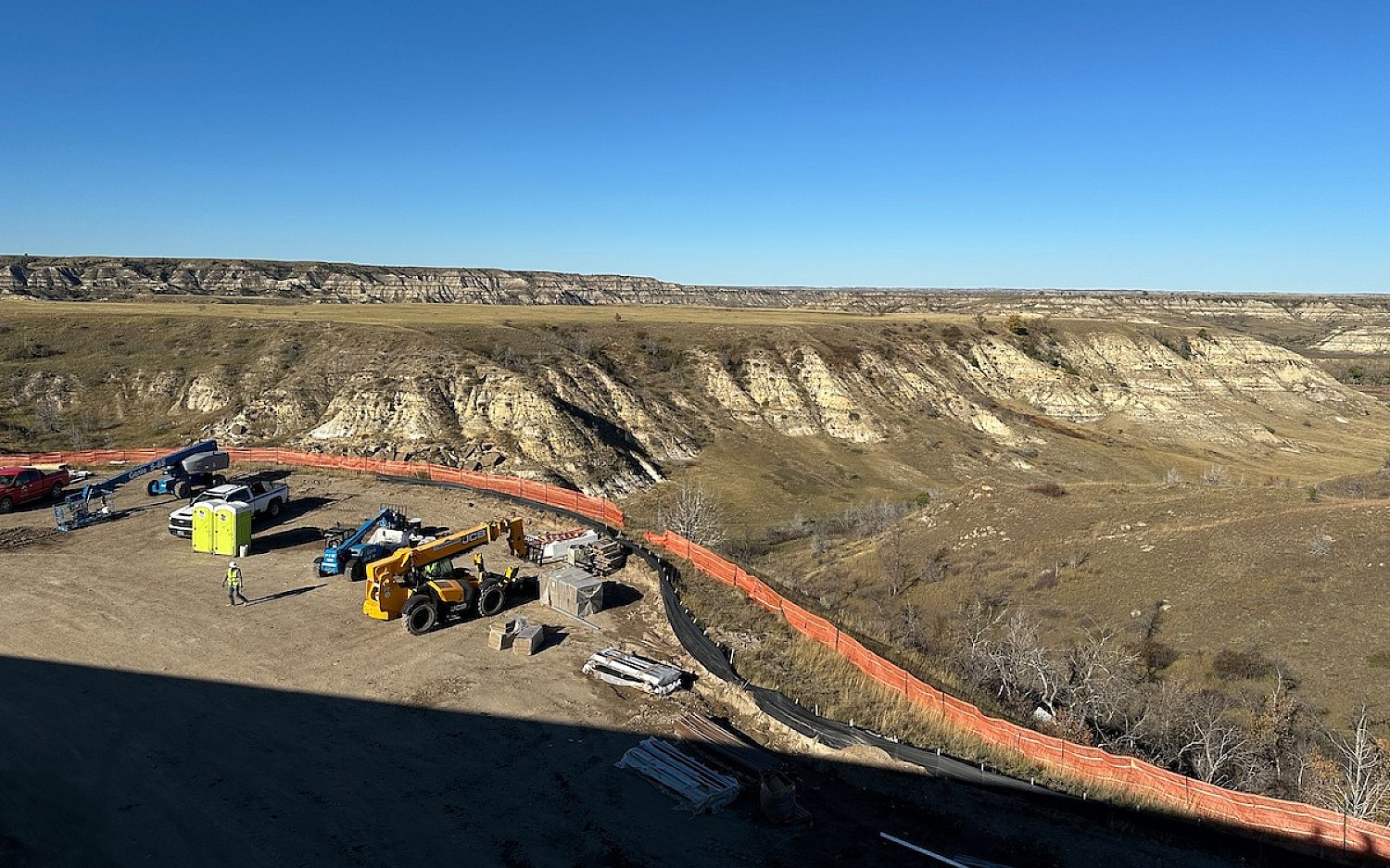
Across the highway from Theodore Roosevelt National Park, the sprawling library rises from the flat, grassy top of a butte. The building’s sloping roof is planted with local grasses and flowers. Enormous rammed-earth walls define the interior. Their layered colors parallel the banded Badlands.
The Roosevelt library will be among the loveliest presidential centers in America. It might also be the loneliest. Nearby Medora has only about 160 residents.
Still, it’s fitting his library be there. “I never would have been president if it had not been for my experience in North Dakota,” Roosevelt once said.
Why? Humans, even well-meaning and honorable ones, are flawed. (Romans 3:23) When seeking examples to follow, learn from others but look primarily to Jesus.
Recommended Reading: For more about Theodore Roosevelt, read Mornings on Horseback by David McCullough.