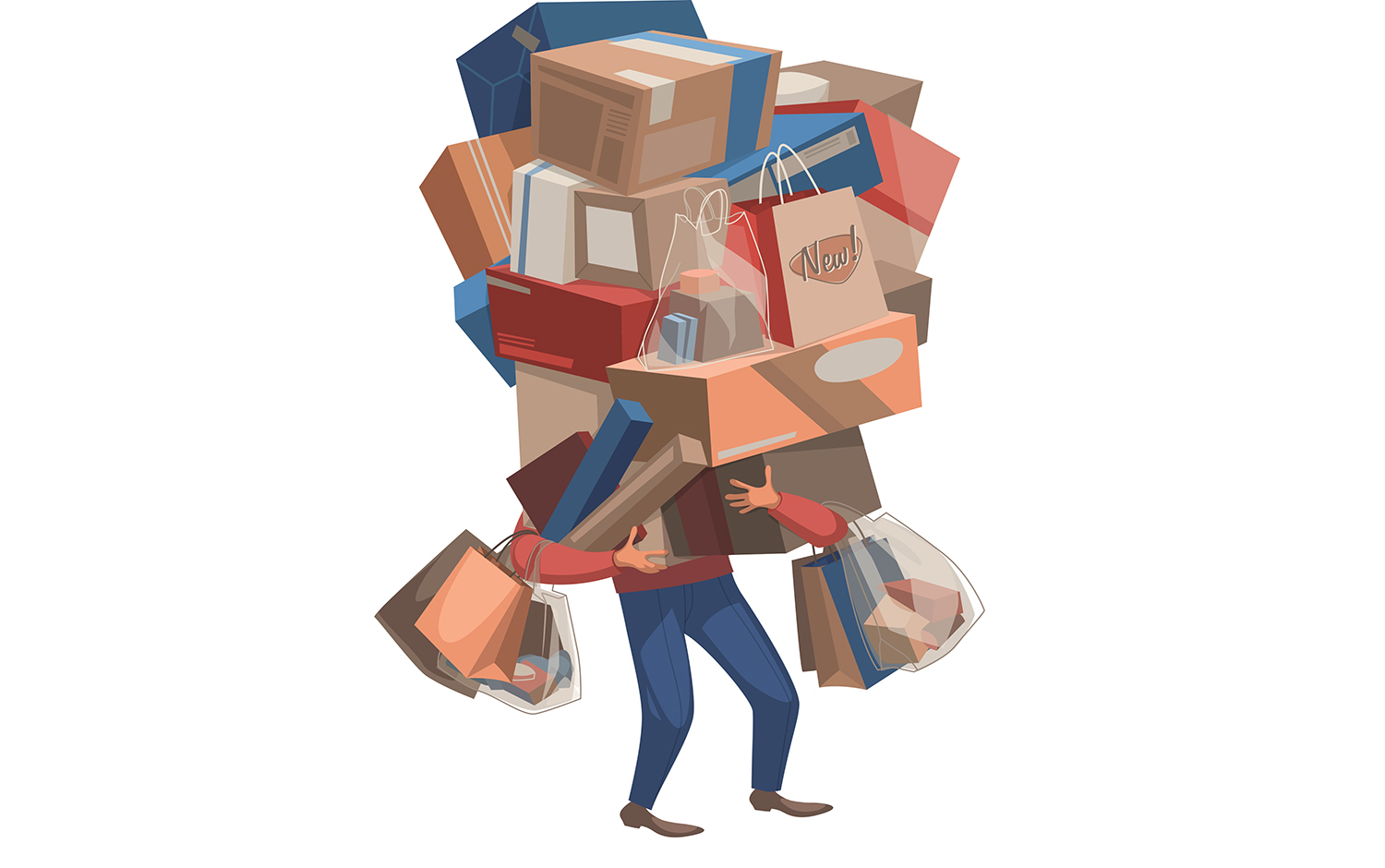
Deferred payments have been around for decades. But the modern version of “buy now, pay later” has changed. Some people even use the plan to overspend and under—or never!—pay for their purchases.
“Buy now, pay later” (BNPL) sounds like a good idea: Take home the goods, and then pay gradually. Shoppers could leverage good credit scores into tangible merchandise. The plan also helped some people build credit with financial institutions. Good credit scores allowed them to finance big-ticket items like cars or houses. (See more at gwnews.com/bnpl.)
When the concept of BNPL began, people warned of the temptation to spend more than a person could pay back.
According to short-term lender Klarna, that’s exactly what’s happened. The company’s findings show BNPL borrowers keep falling behind on payments—even as they take out more loans for groceries, clothing, tech, and home décor (the top BNPL purchases).
Reports by Bankrate and LendingTree reveal the same issue: An increasing number of BNPL users are late with payments. But they keep buying.
Many of Jesus’ parables address money. They stress the dangers of greed and emphasize spiritual values over material ones. Most importantly, they encourage wise use of money for God’s glory.
Authors of a December 2024 Federal Reserve report say young people are among the most likely to defer payments. The analysis also reveals, “Those . . . with fewer financial resources were more likely to use BNPL.” It also says those already struggling are the ones who “may be overextending themselves.”
Aside from buying beyond one’s means, there are other dangers of BNPL. These include high overdraft fees and credit card interest payments. These can raise costs and make payback more difficult.
The popularity of BNPL plans and the growing ways customers can use them have sparked public attention. These days, most online purchases—even small ones—give buyers the option to defer part or all of a payment. Even pizza delivery expenses can be delayed.
The Biden administration put some rules in place to deal with fees, interest rates, and return policies for BNPL services. But the Trump administration has opted not to enforce those rules, choosing instead to focus on other issues. Consumer advocates say that without federal oversight, BNPL customers may have less legal recourse in the case of problems.
In an ironic twist, LendingTree’s website offers sound advice to BNPL users: “Just because you can borrow the money doesn’t mean you should.”
The plans of the diligent lead surely to abundance, but everyone who is hasty comes only to poverty. — Proverbs 21:5
Why? Services like BNPL can help buyers learn wise money handling. But they also may tempt people to greedy, reckless, or careless spending.
Recommended Reading: For more wise financial stewardship, read Beating the College Debt Trap by Alex Chediak.