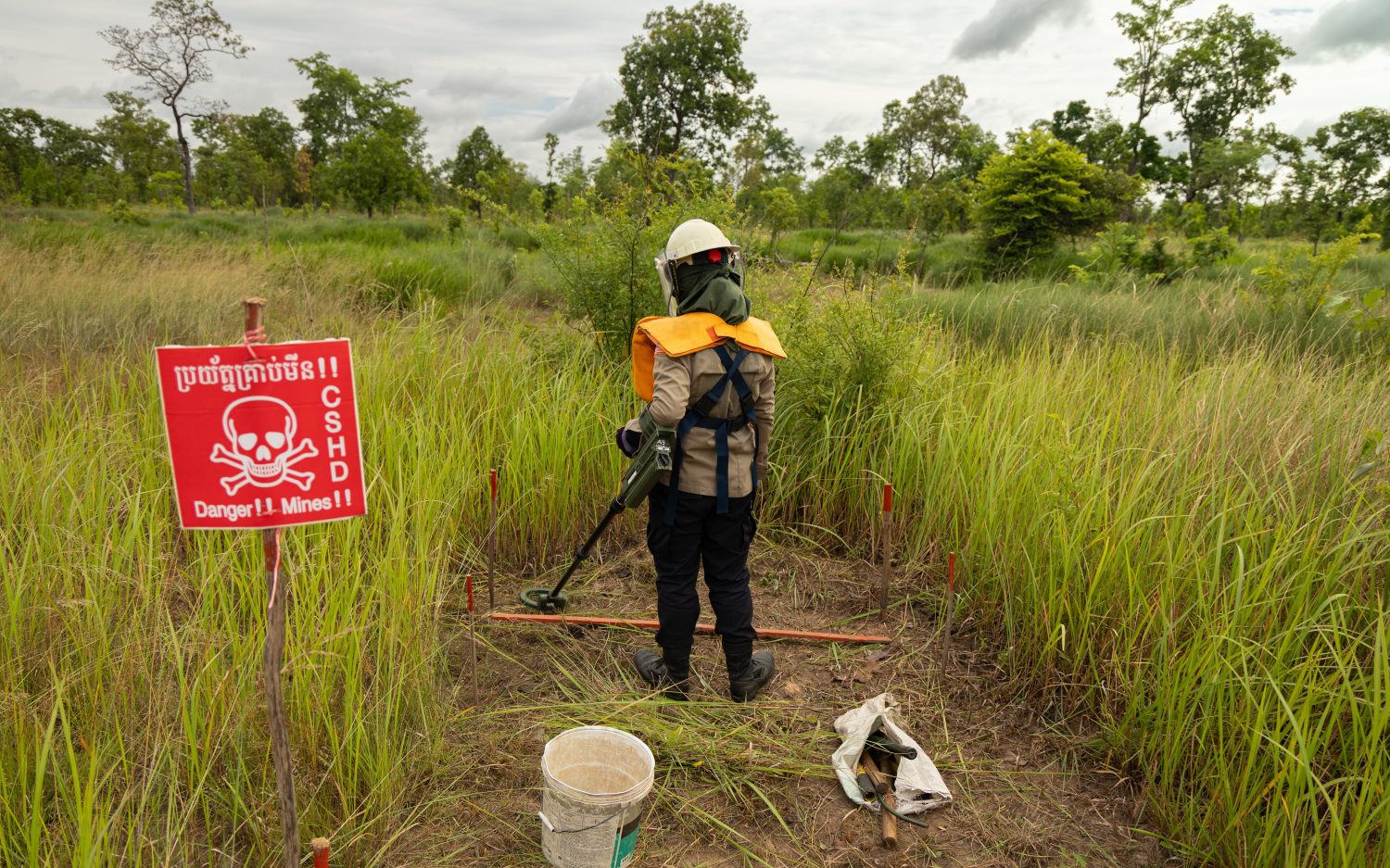


Southeast Asia lies littered with the life-threatening remnants of decades of wars. Land mines and unexploded ordnance (UXO) lurk just underground in Cambodia, Laos, and Vietnam. But as active conflicts elsewhere persist, funds to support demining efforts shift.
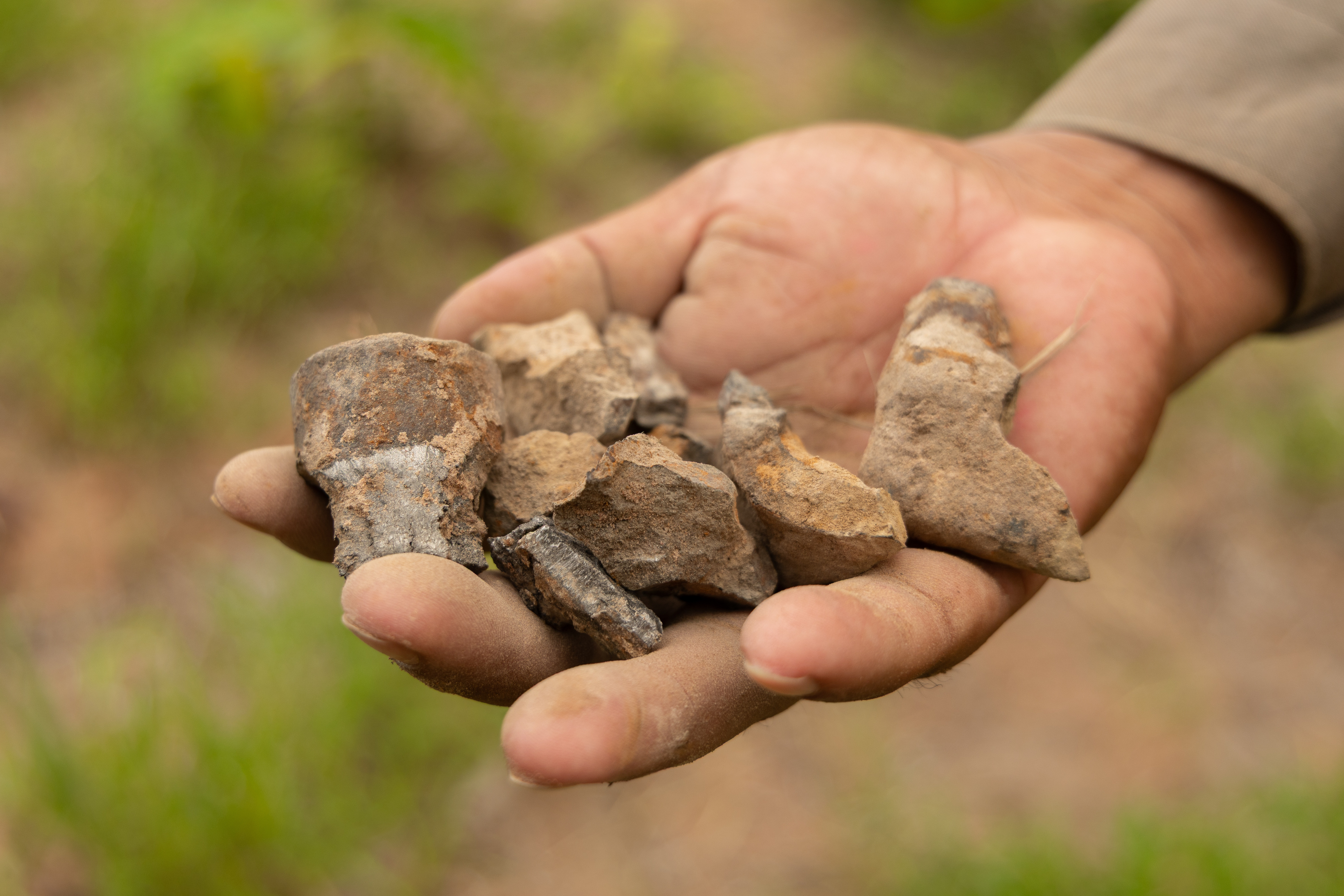
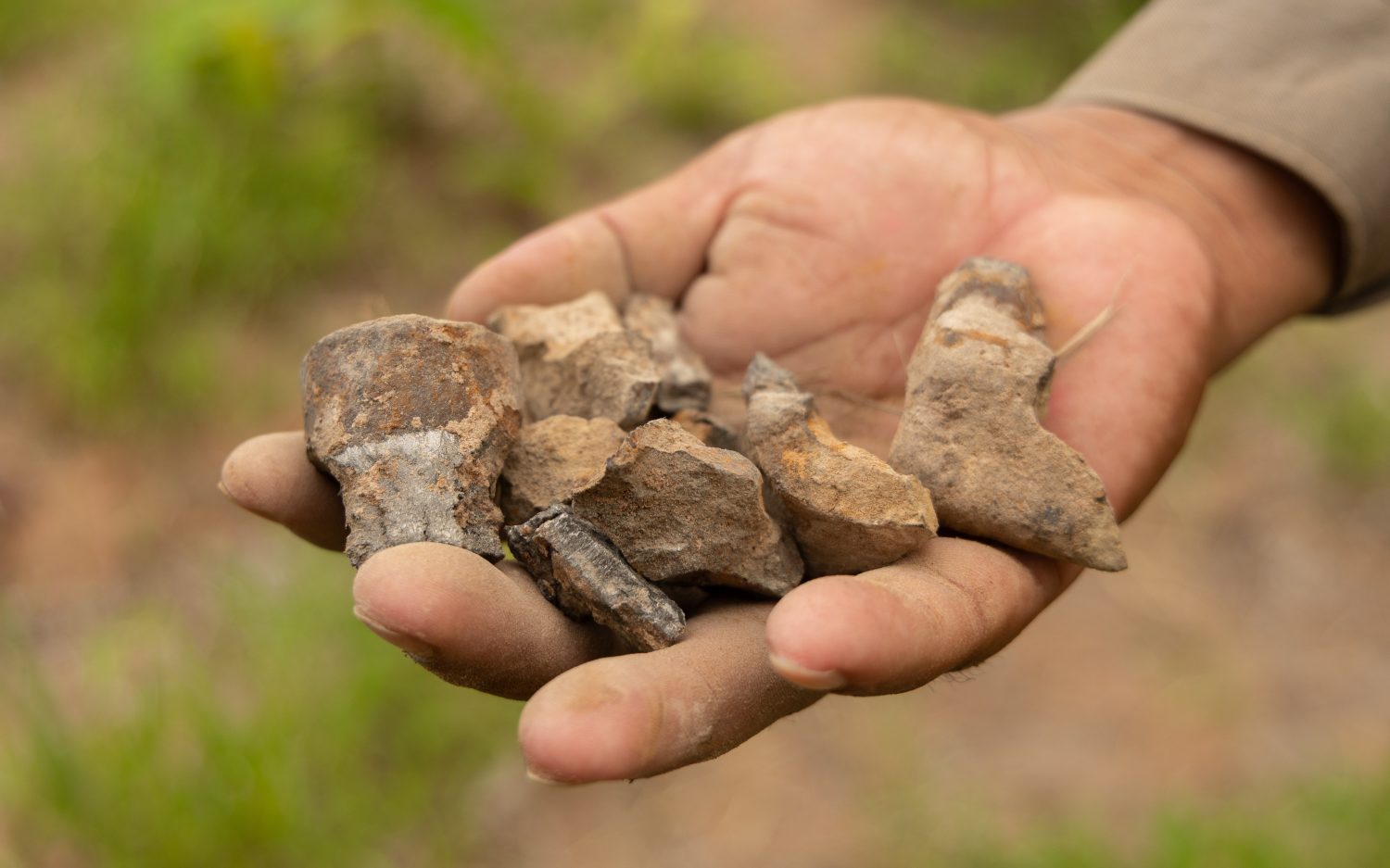
Civil war in Cambodia and the brutal Khmer Rouge regime that followed caused over a decade of unrest. Millions in Cambodia died. Today, Cambodia remains one of the world’s most land-mined countries. Millions of UXO have been found. Countless more remain.
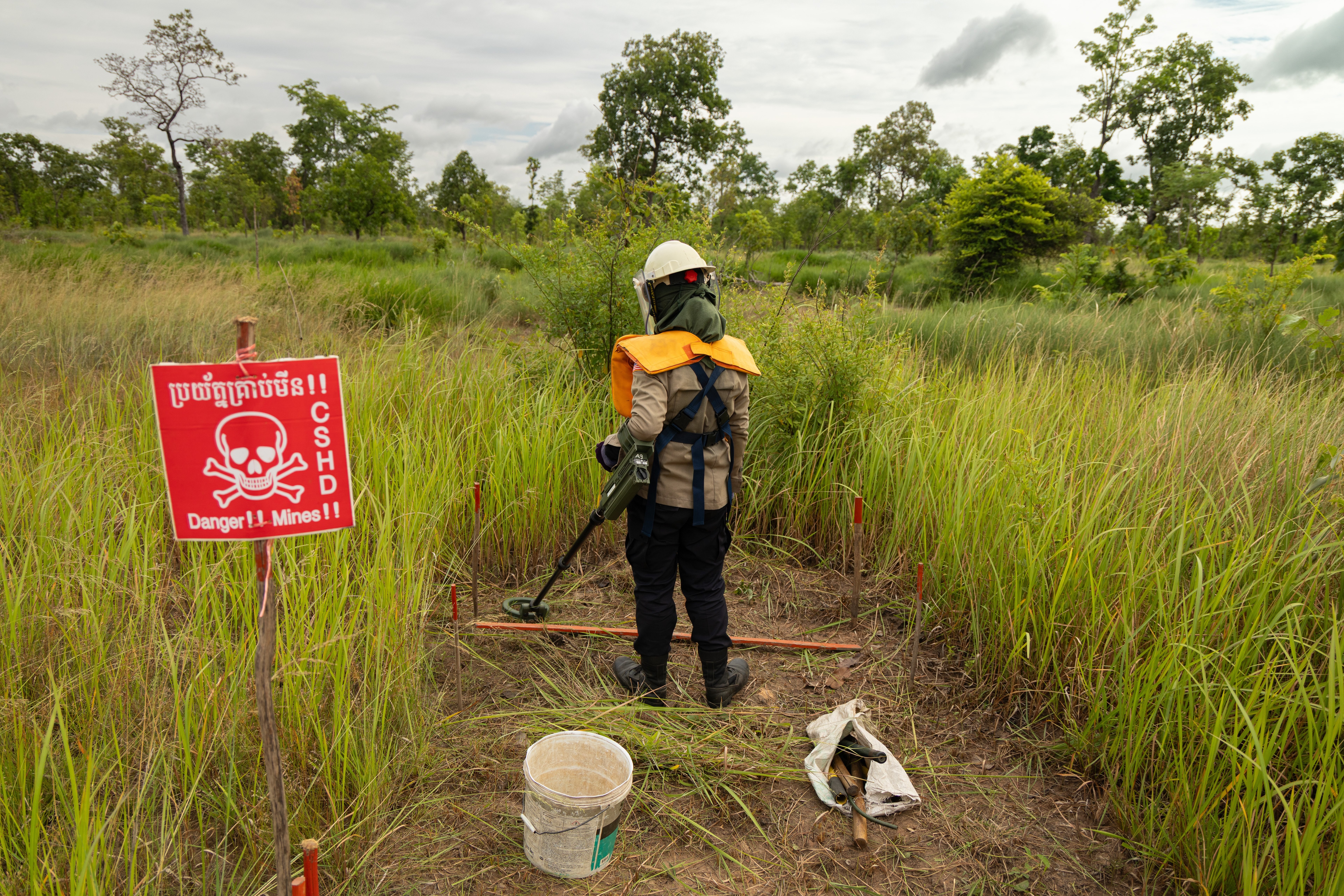
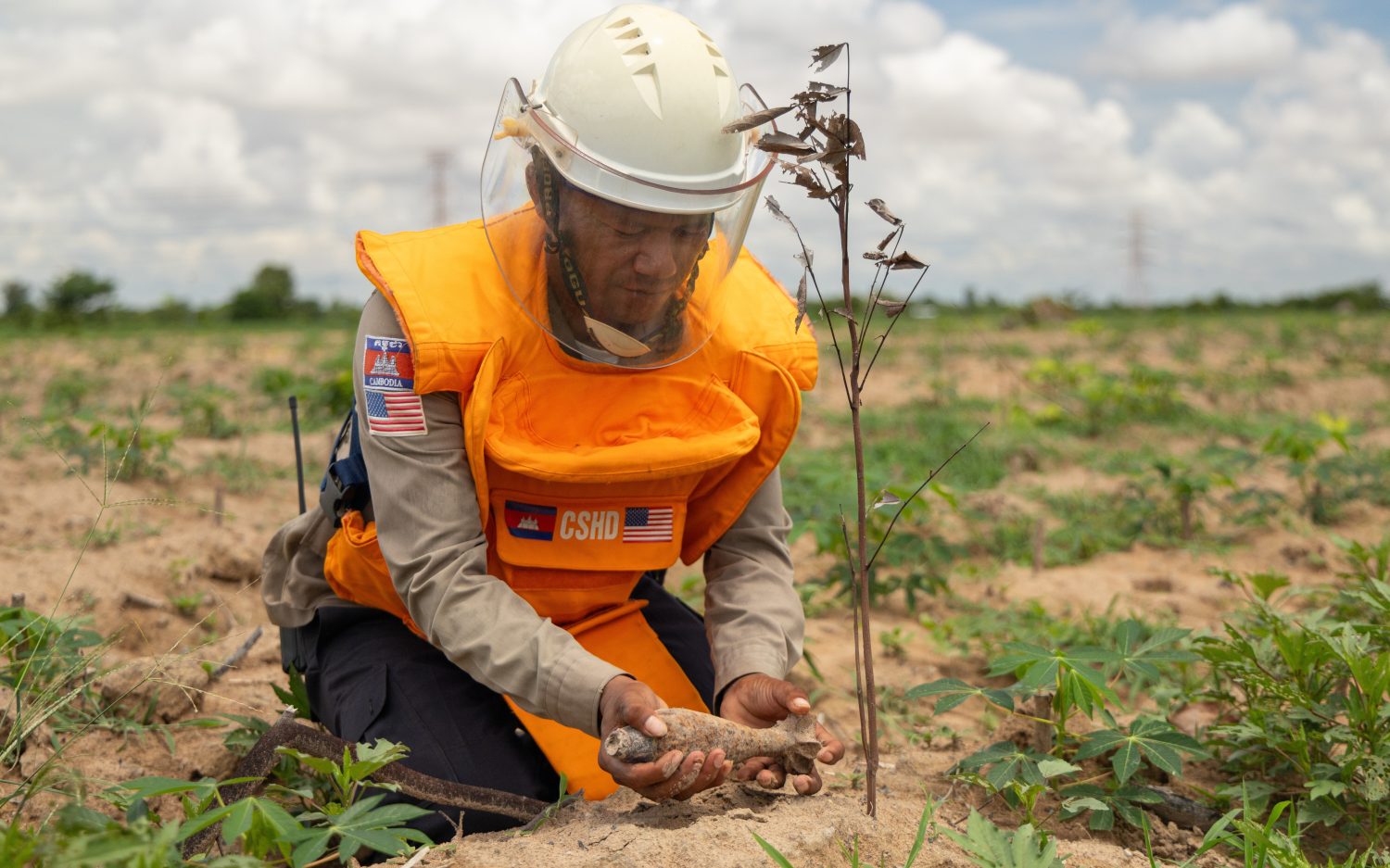
Demining is a slow, precise, and dangerous process. Between Cambodia and Vietnam alone, contaminated land spans more than 24,000 square miles.
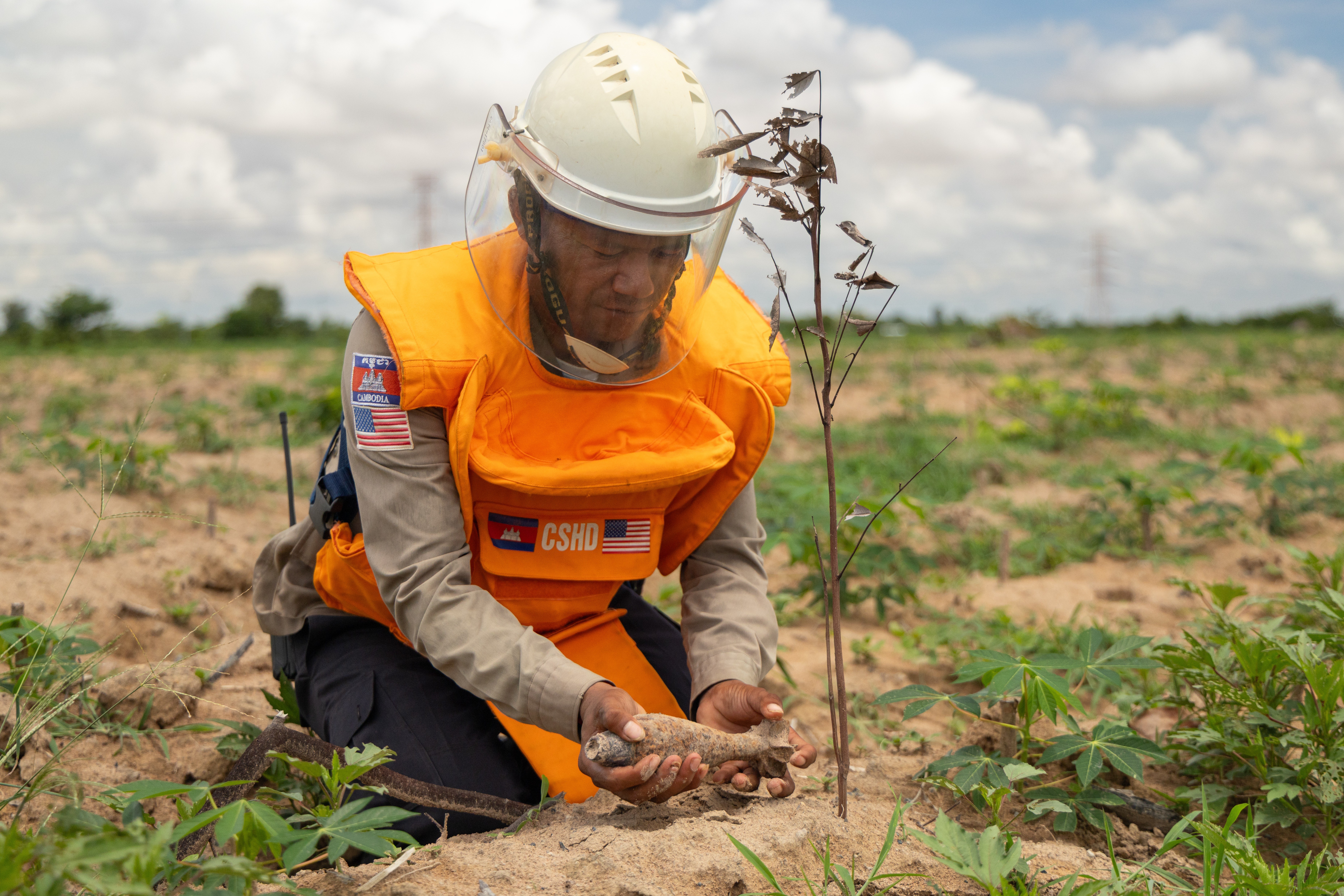
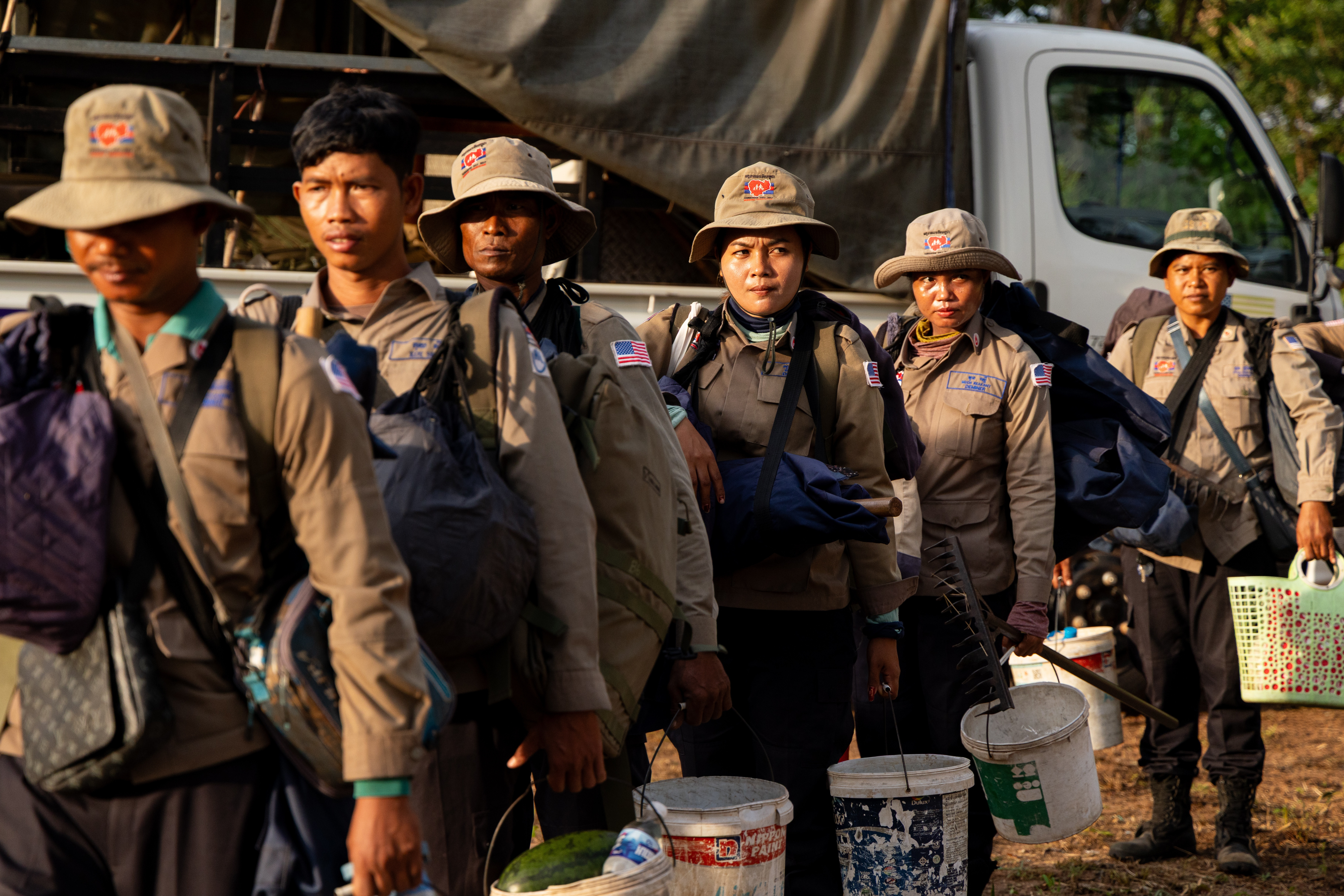
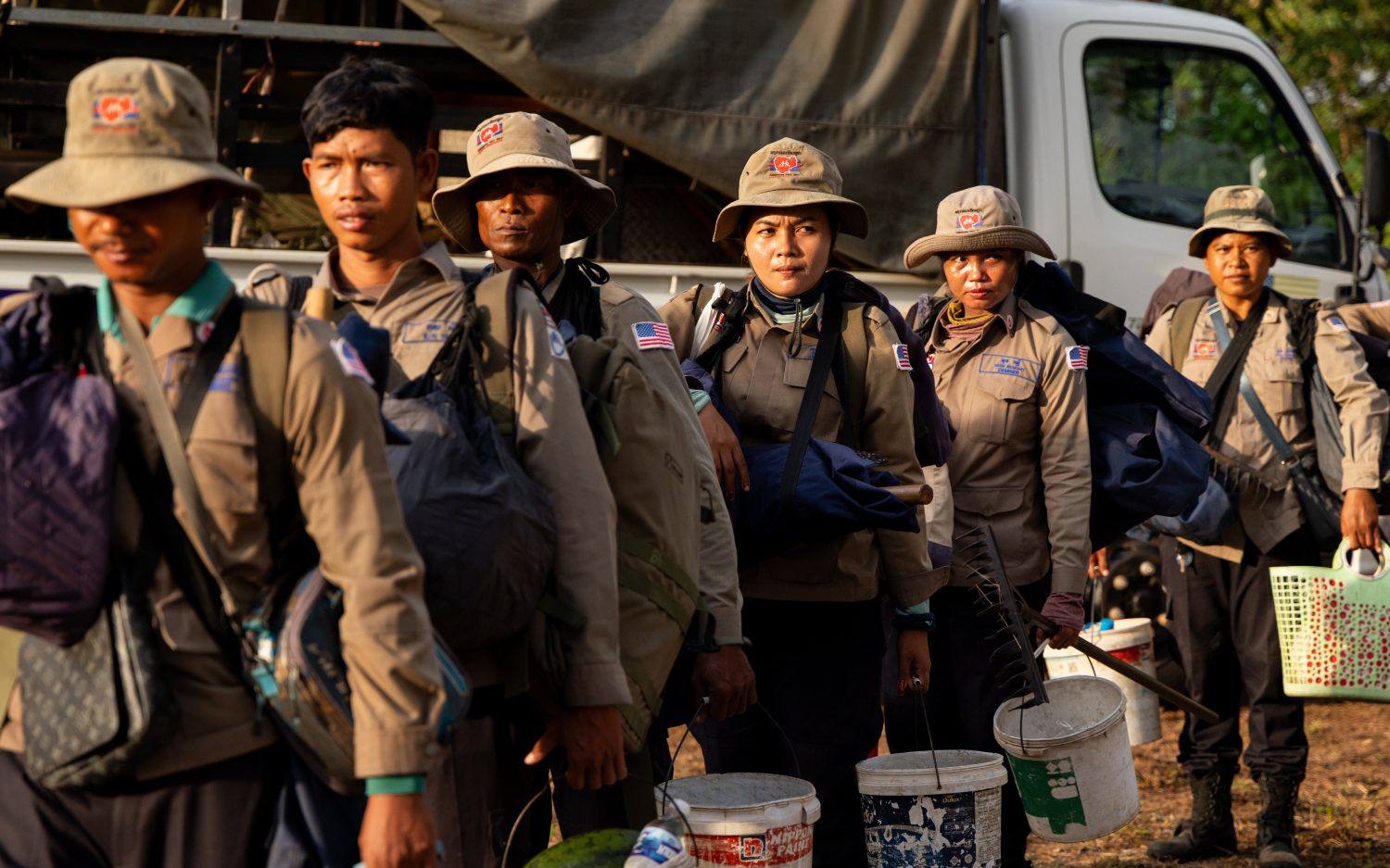
En Poy was only 12 when he triggered his first land mine while tending cattle. He lost an arm and an eye. His experience made him want to help others. He later joined the nonprofit Cambodian Self Help Demining.
The group and others like it rely on foreign aid to fund their mission. But as contributors redirect resources to other conflicts and defense programs, these organizations fear they cannot finish their work.
From 2020 to 2024, contributions to humanitarian demining totaled around $4.3 billion. The affected countries contributed about a fifth. The rest came through foreign aid from the United States, the European Union, Norway, and Switzerland.
In 2024, Ukraine received a third of the demining funding. Other areas in heavy conflict, like Yemen, Gaza, and Syria, also benefited. Less aid went to Southeast Asia.
Poy recently survived a second land-mine incident. It sent shrapnel into his face and body. Now he educates fellow Cambodians about how to avoid such dangers.
But his work might not continue.
The Landmine Relief Fund supports Poy’s group. President Bill Morse says the group might soon pause efforts due to fewer donors. Morse recognizes that people may decide to stop funding these projects.
“But when they do, people will die here,” he says.
Getting discouraged when a crisis seems to have no end is understandable. After years of giving, donors may wonder if their support makes a difference. When new conflicts arise, it can feel impossible to give to every cause.
Donor fatigue is real, and no one person can meet every need. But we can ask God how He wants us to respond—and trust Him with the results.
And let us not grow weary of doing good, for in due season we will reap, if we do not give up. — Galatians 6:9
Why? The list of causes to give to never seems to end. But remembering God’s generosity frees us to help others.