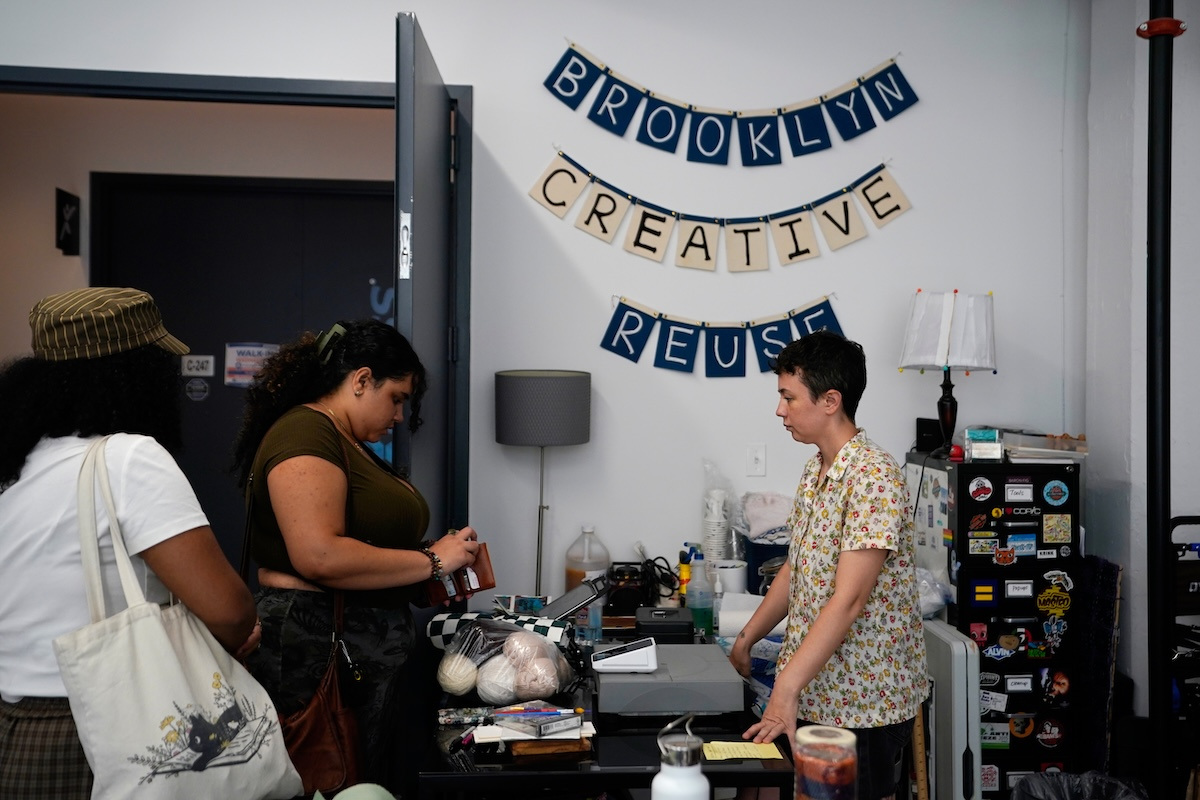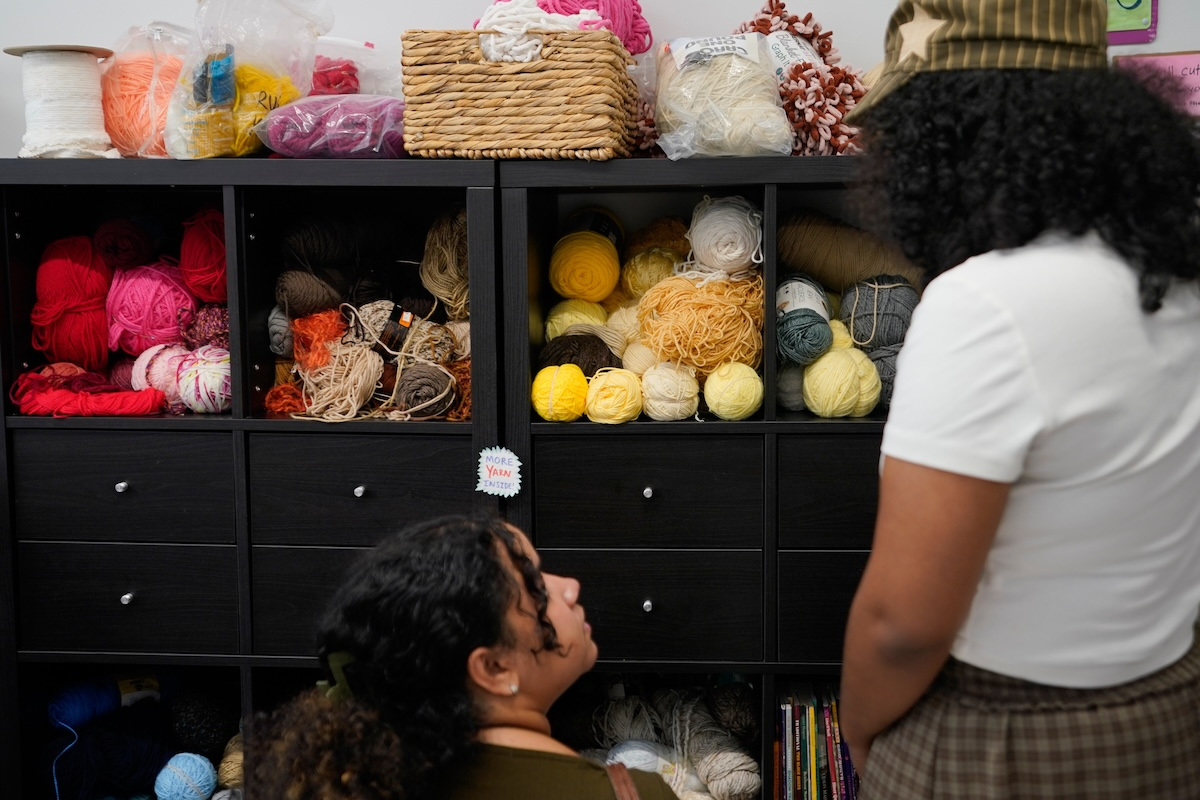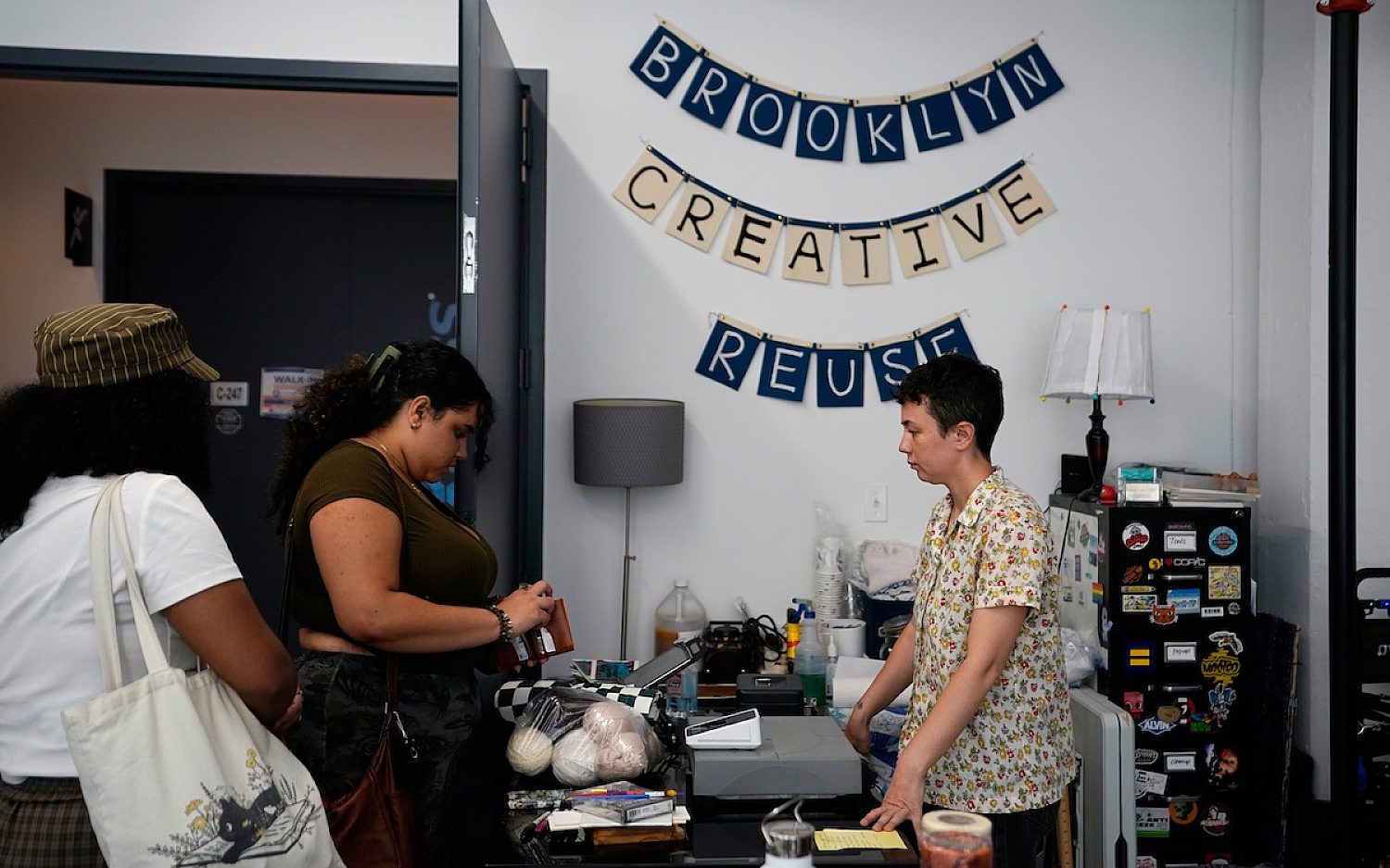
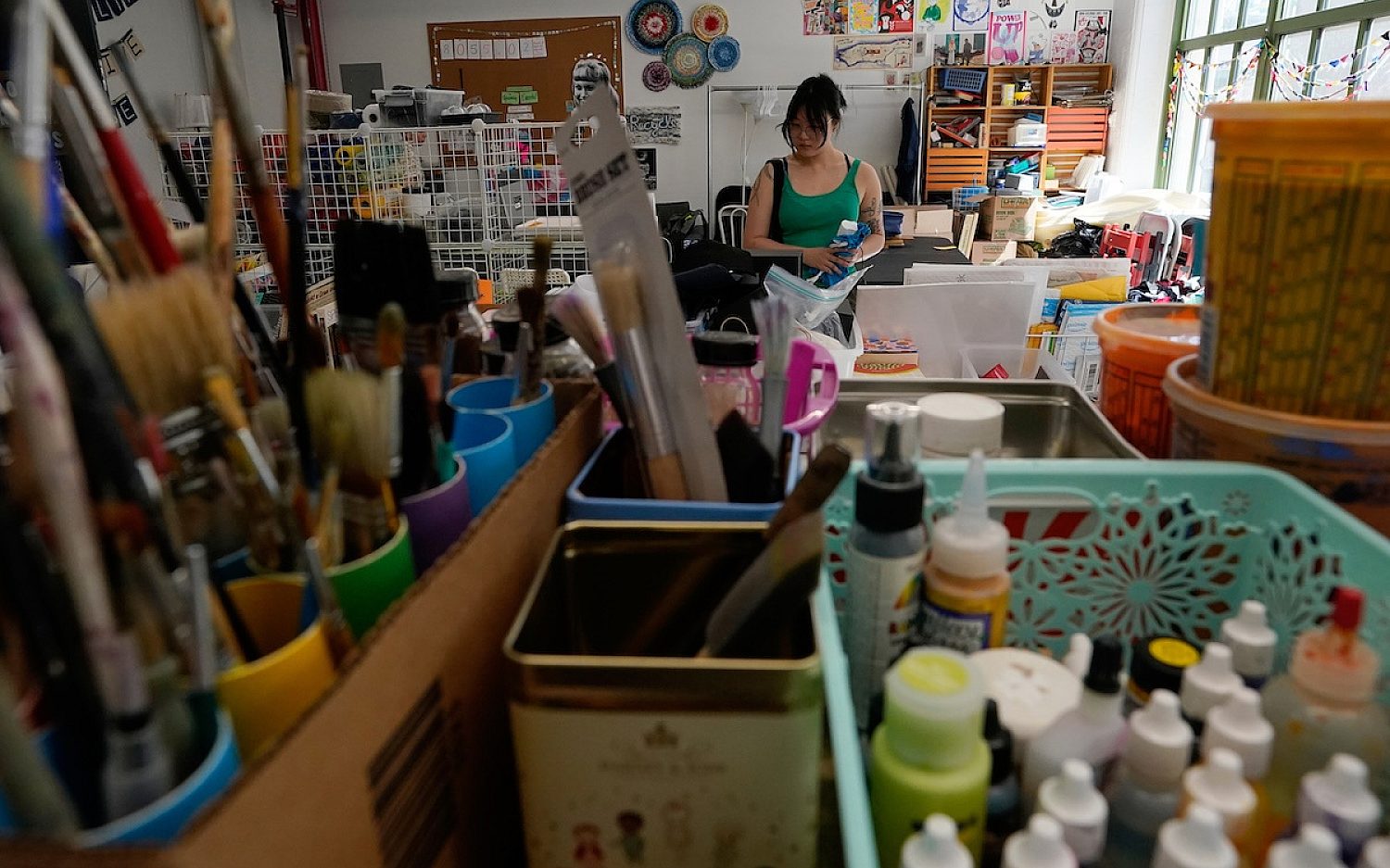
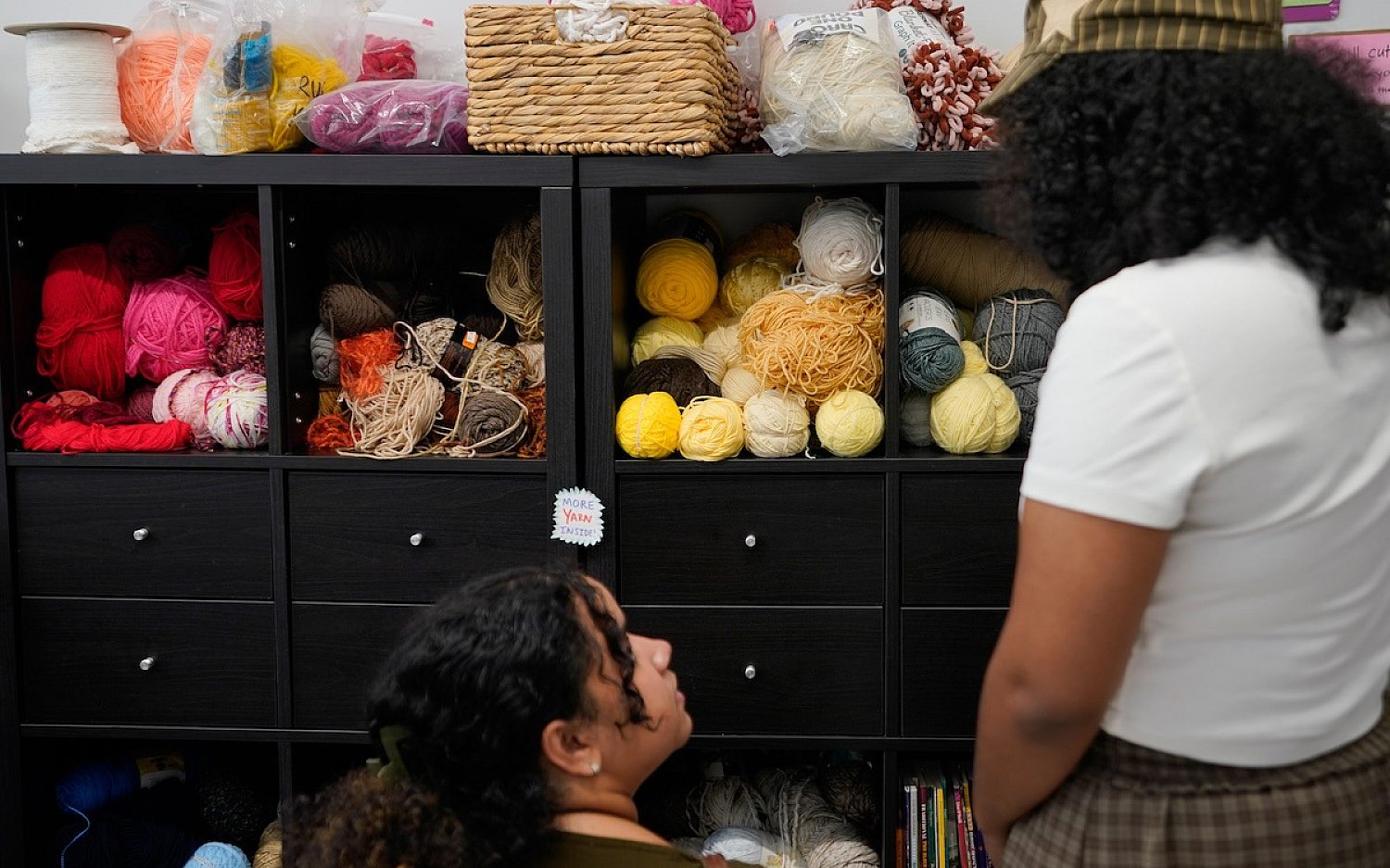

Charlene Catalano needed a ball of green-and-white yarn. She planned to crochet a winter scarf. Instead of going to a big retail store, she headed for Brooklyn Creative Reuse in New York. There she found yarn, crochet kits, hooks, labels, and more. She got everything she needed for $6.
Art supplies—like many other goods—have become more expensive. Catalano says of the reuse center, “It has the perfect amount of what I need.”
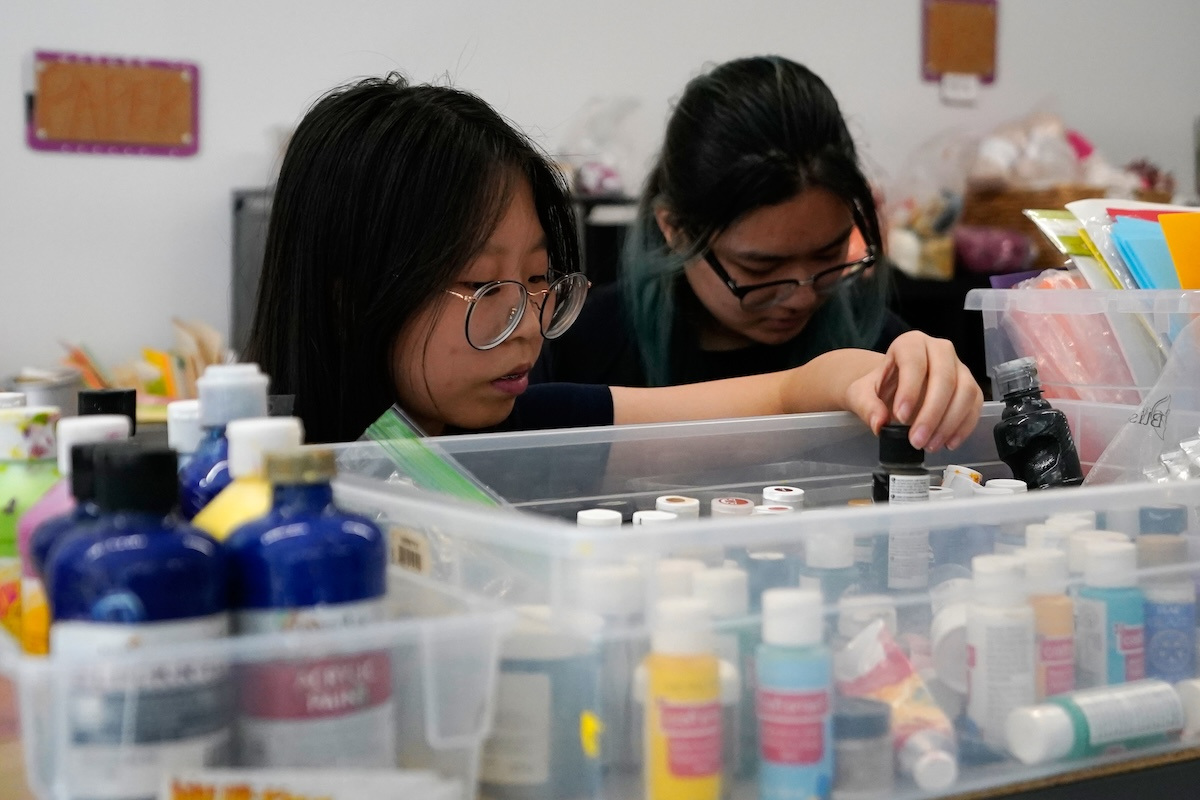
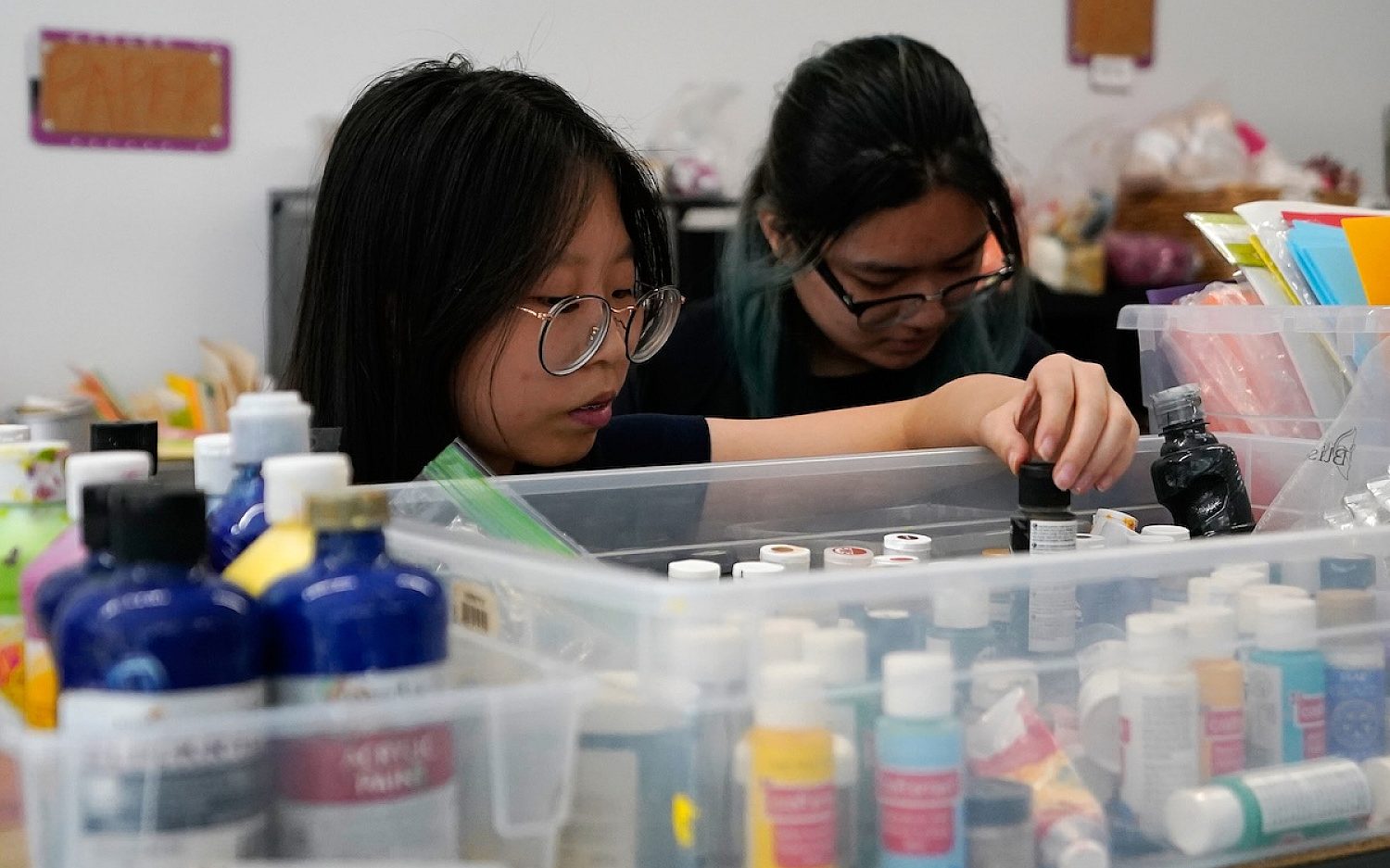
Art products often come in bulk. You’ve probably bought a box of markers, a packet of bottled paints, or a ream of construction paper. Many times a project requires only a portion of those types of items. The remaining supplies can end up cluttering shelves—or going into the trash.
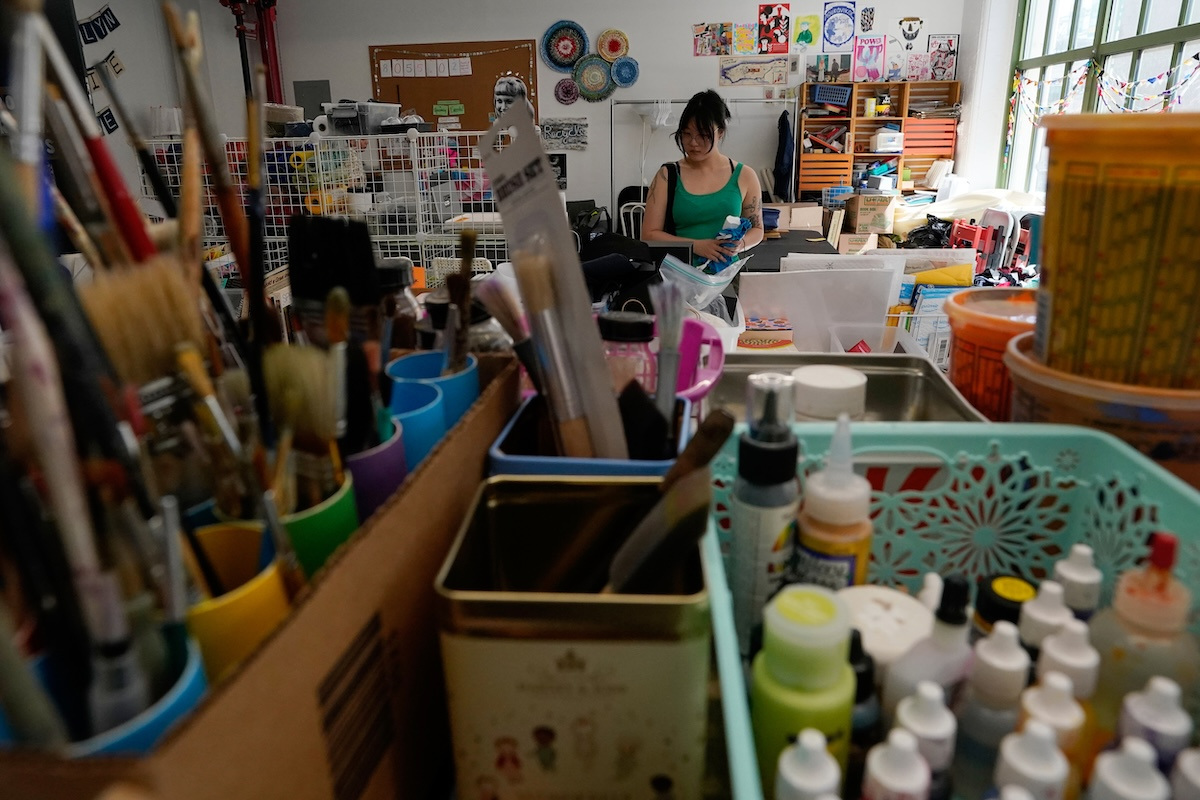
Julian Silverman is a materials scientist at New York’s Fashion Institute of Technology. He observes that reuse centers don’t just reduce waste. They also inspire ideas. “You can be more creative when you’re in a large warehouse and looking at things that you could not source yourself,” he says.
When people toss partially used art supplies, those things can end up in landfills. Synthetic bristles on paintbrushes can take hundreds of years to degrade. Silverman says their plastic handles take up to a thousand years. When paints break down, they can release microplastics and heavy metals like cadmium and cobalt.
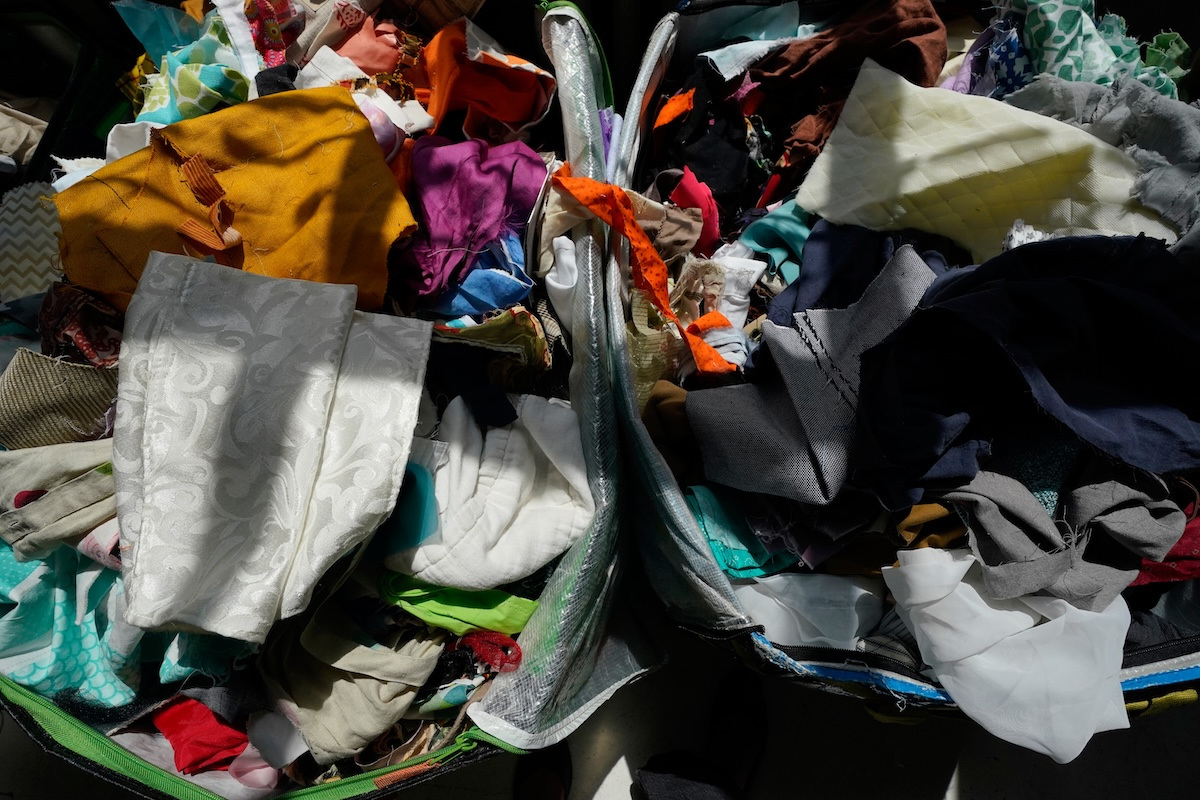
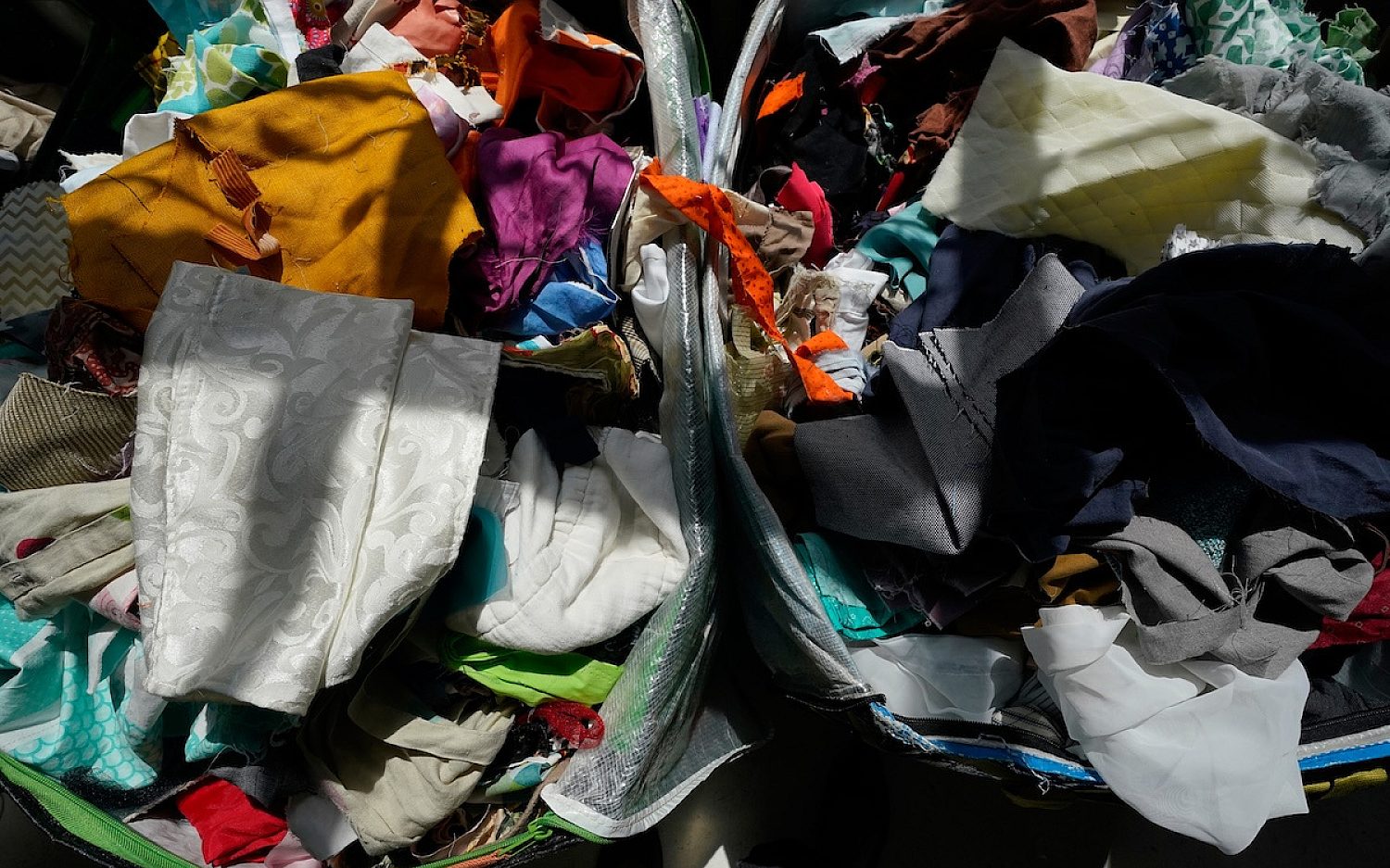
Creative reuse centers to the rescue! The Brooklyn store is one of hundreds of reuse centers across the United States. The stores typically sell donated arts and crafts materials at steep discounts. Brooklyn Creative Reuse offers most supplies for $3 per pound.
Scraplanta Creative Reuse is a network of two reuse centers and a pop-up shop in Atlanta, Georgia. Organizers collect nearly 7,000 pounds of supplies every month. They sell them to teachers, parents, teenagers in sewing circles, and college professors.
“We see the value in that half bottle of paint or glue because if it’s still usable, there’s someone who just needs that for their project,” says Jonelle Dawkins, executive director of Scraplanta.
Creative crafters can go even further in repurposing household materials for art projects. Silverman boils onion skins and beets to create colorful inks. He uses the ink for tie-dye projects. He also recommends upcycling old makeup into paints and inks.
Rosina Morelli is an artist and teacher. She gives leftover craft supplies to Brooklyn Creative Reuse. She says of each donation, “I can give it to other people that are going to be excited and use it, instead of me just throwing it out.”
Why? It’s good stewardship to buy only what you need and to donate what you don’t use. Christians bless many when they reduce waste and offer their surplus at reduced prices.