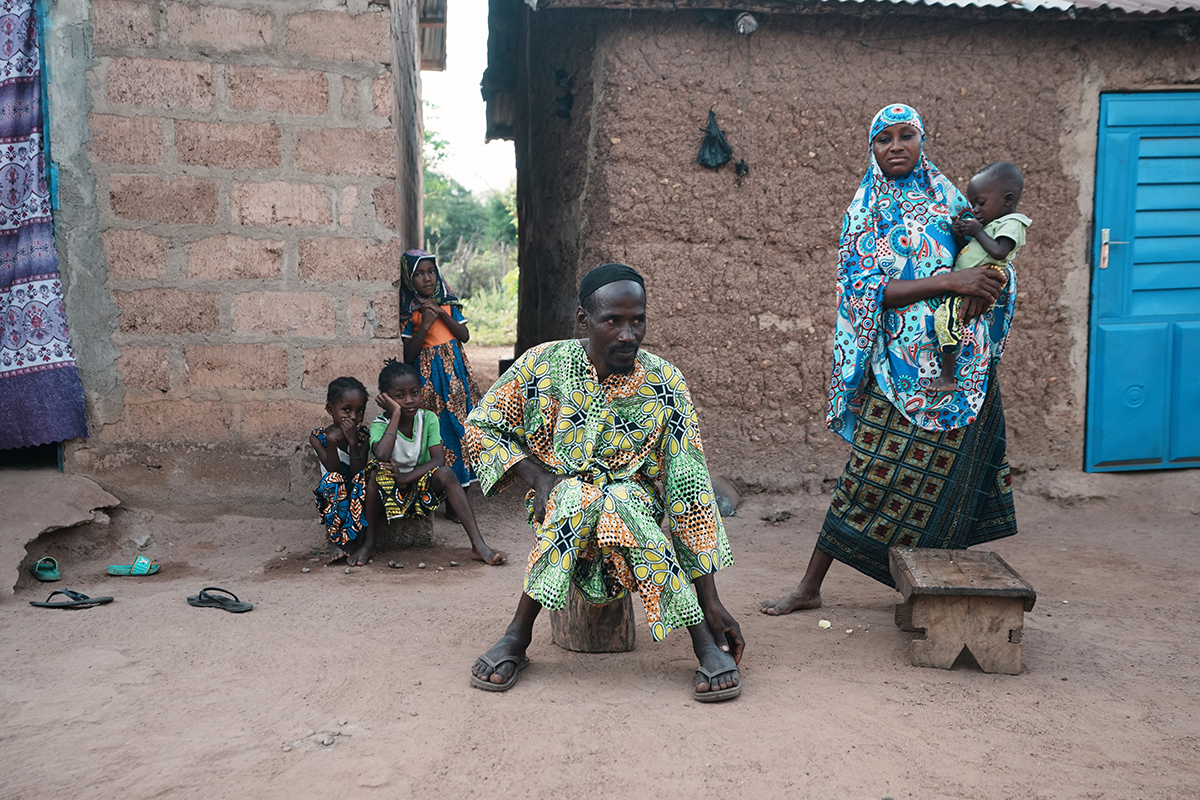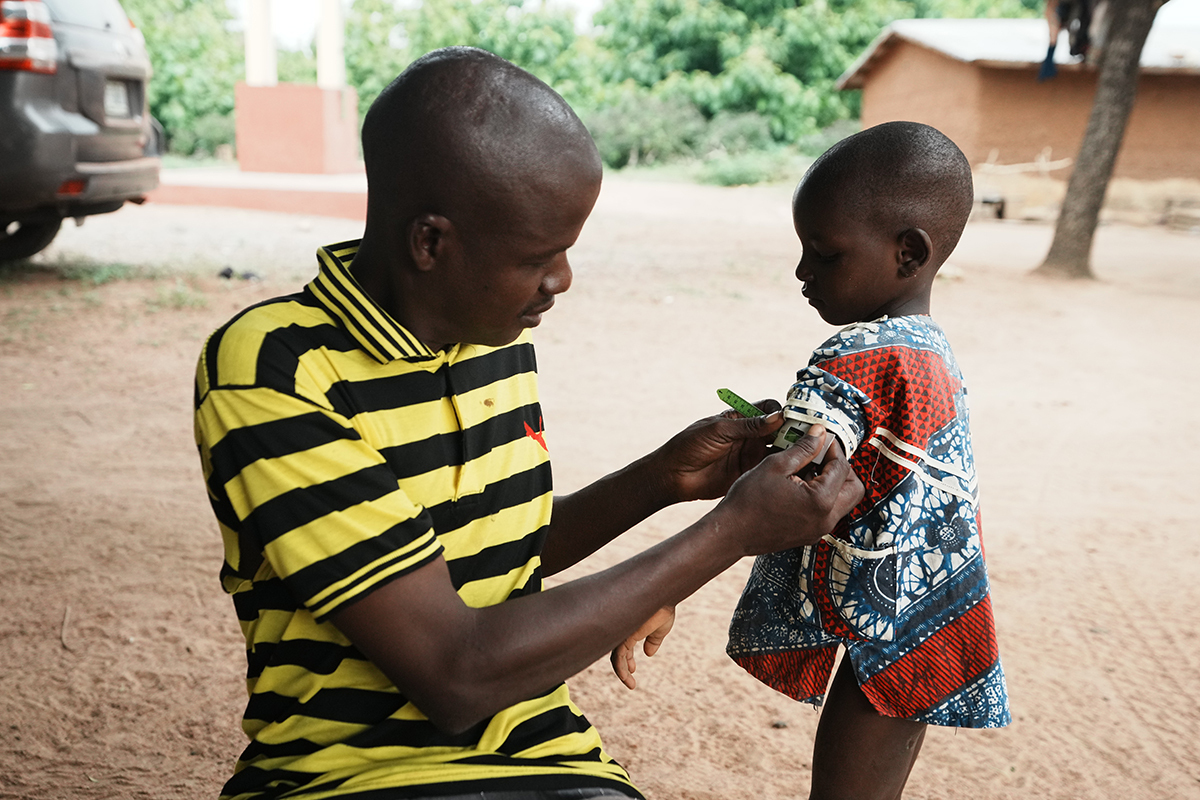

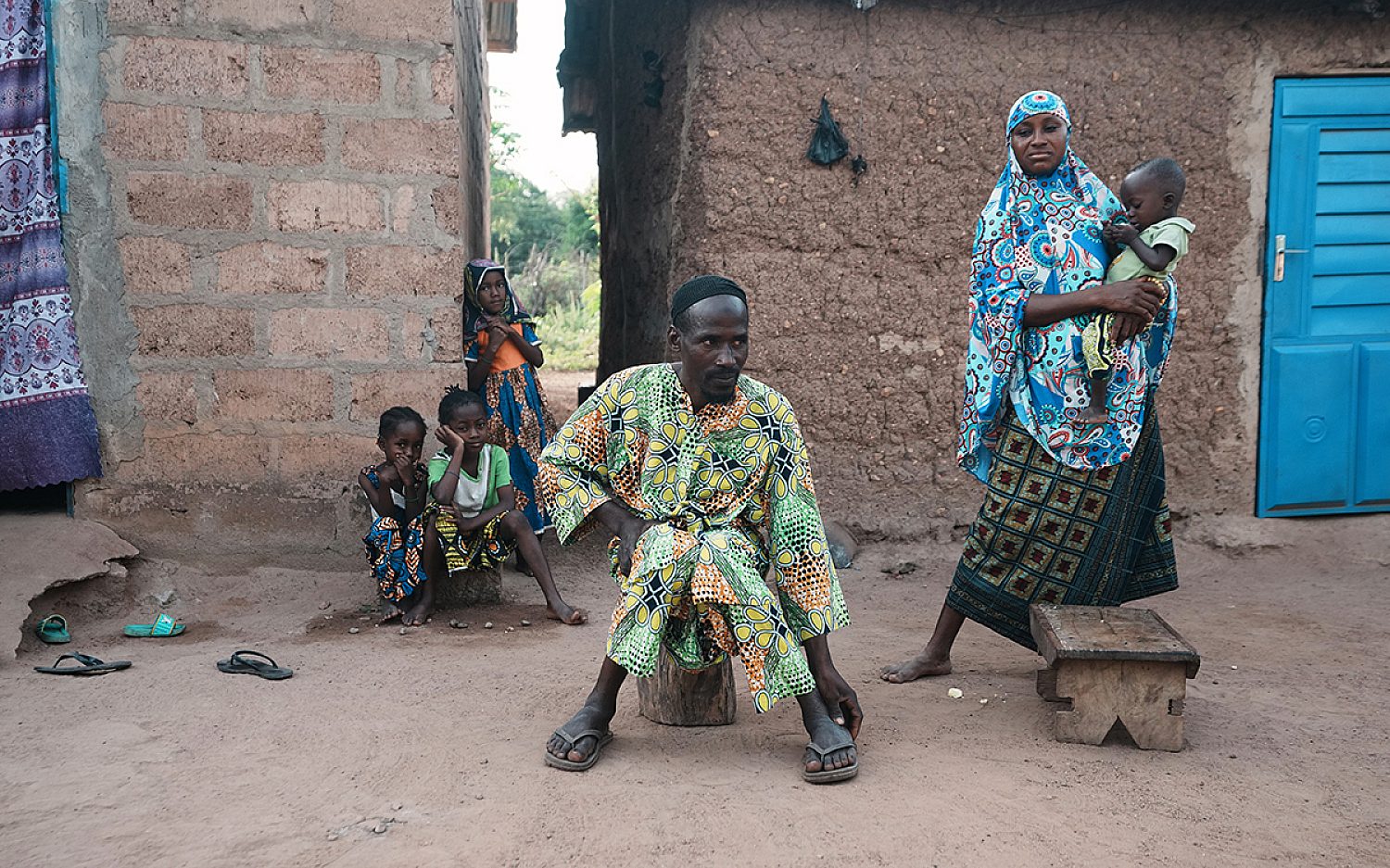
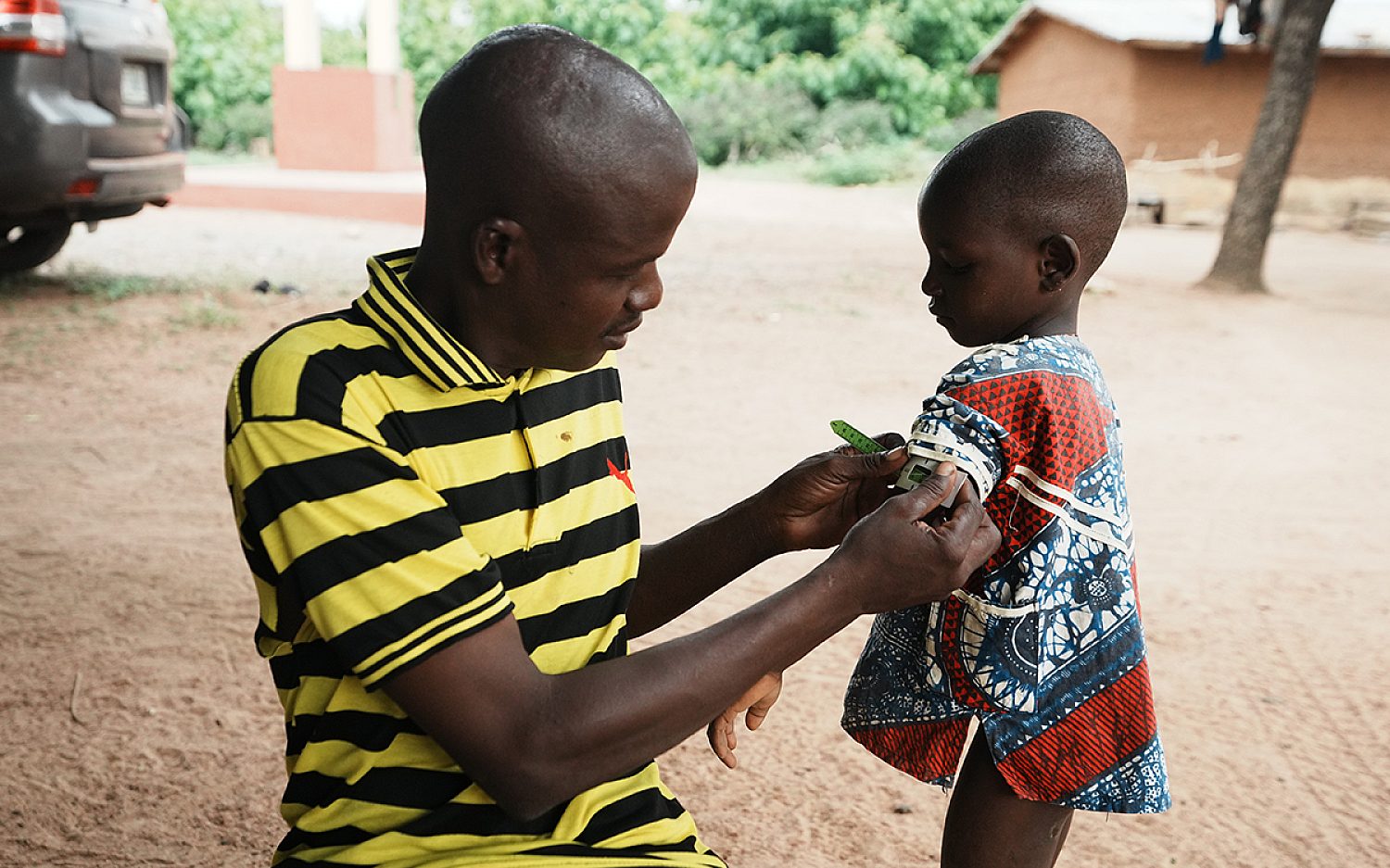

Benin is Africa’s largest cotton producer. Farmers grew 1.15 million bales of cotton between 2025 and 2026. Yet many families struggle to feed their children. The nation has a tragic problem with malnourishment and stunted growth. People are stuck in a cycle of poverty.
Fati Aboubacar, a mother of five who lives in Benin, says some people in her community are too busy or poor to properly provide for their children.
Parents struggle to afford food because imported products are expensive. They must rely on imports because local farmers often choose to grow cotton instead of food crops.
Cotton brings in money. But when food is scarce, hungry people steal edible crops like corn. This makes farmers even less willing to grow the necessities for sustenance.
And the cycle continues.
Benin’s government saw another problem too. The country was buying more goods from other countries than it was selling. Therefore, more money was leaving the country than coming in and debt was growing.
Officials looked for a solution. What could ease Benin’s debt and feed the children? The answer to their problems was more . . . cotton?
If people need food, why not focus on growing more food crops? Officials discovered the problem was not simply what Benin grew. It was how the country sold its produce.
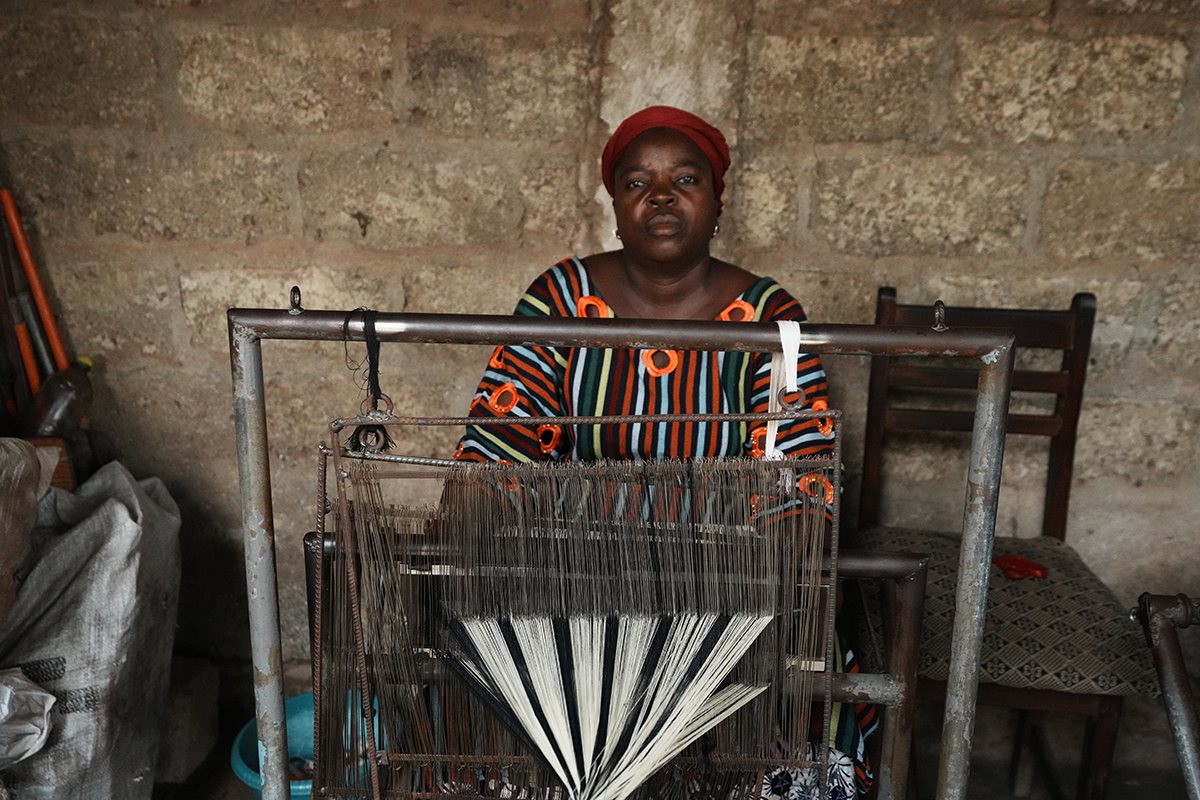
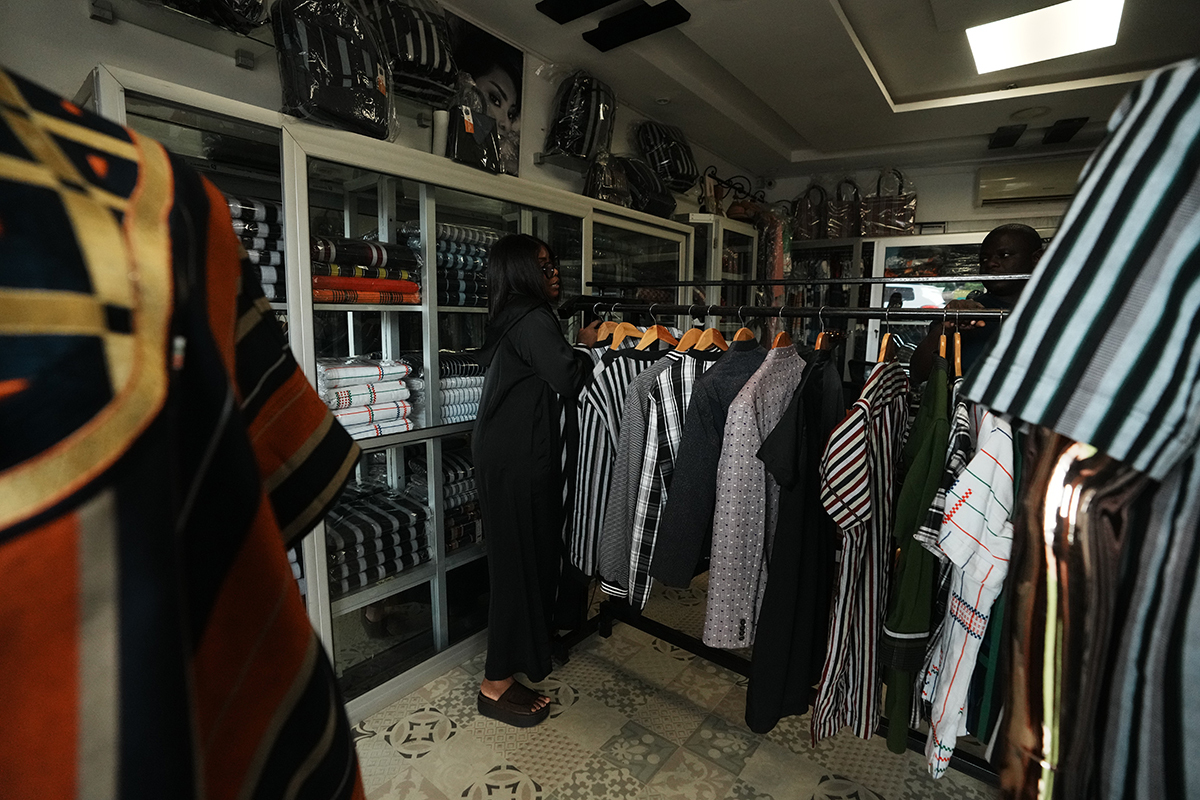
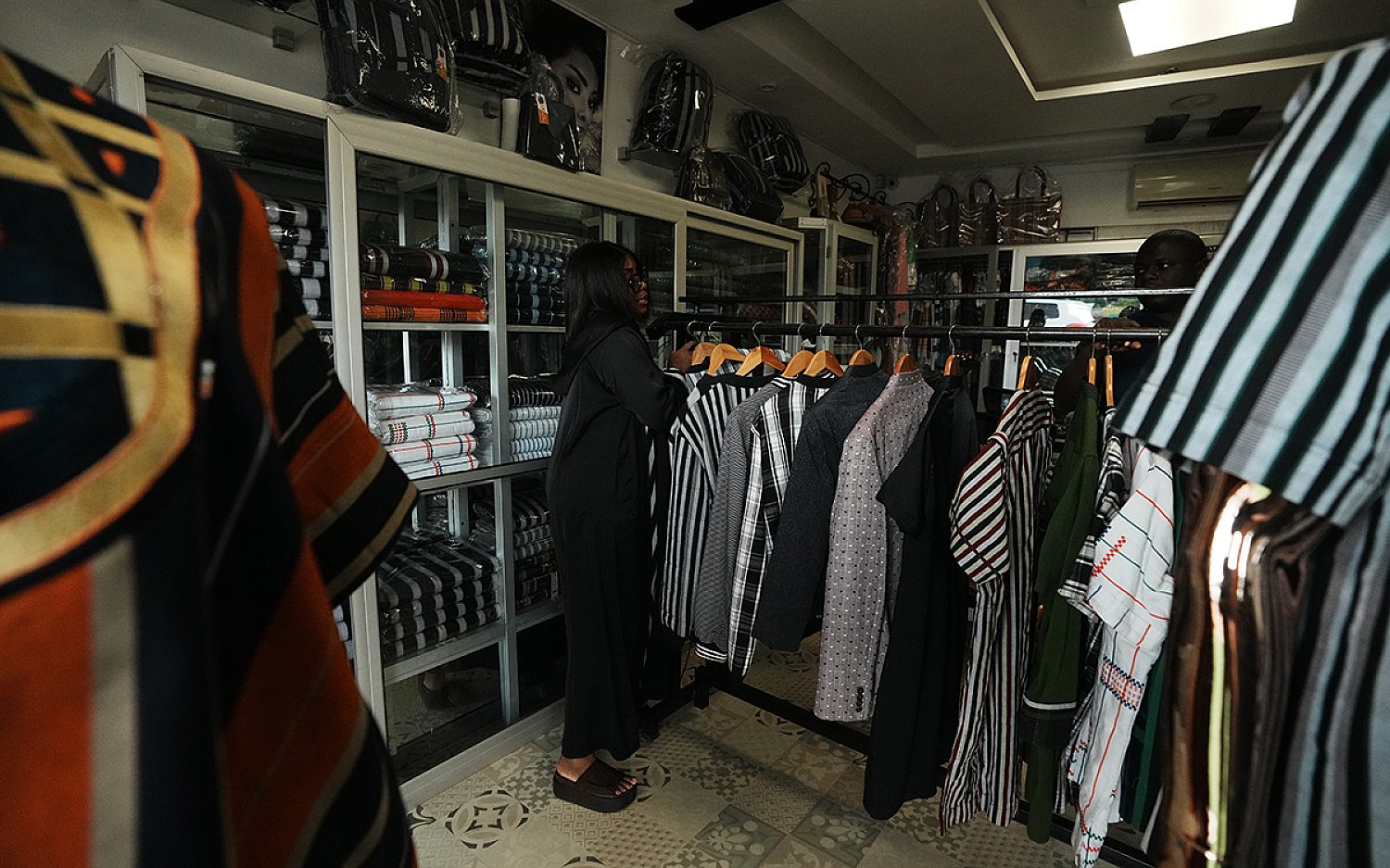
Last year, government officials began discouraging the export of raw materials—like cotton. They wanted the country to turn more cotton into finished products, such as clothing and blankets, before selling it to other countries. Finished products bring more revenue into the nation. That makes Benin’s top resource more valuable.
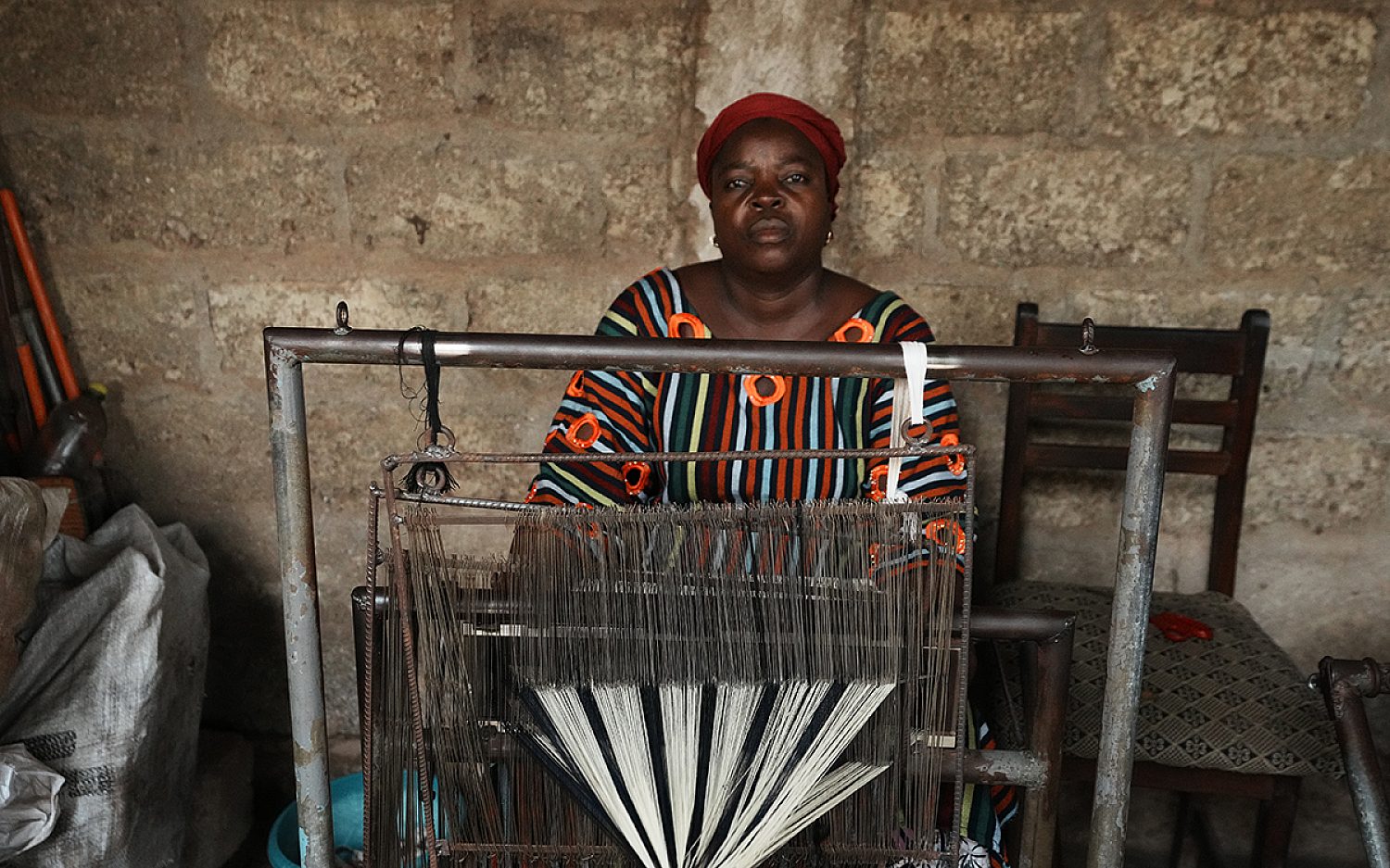
Shifting exports toward those finished products creates more jobs. Both workers and farmers earn better pay.
When that money stays in the country, families have more money to spend on food. Less hunger also means less crop theft, and that means farmers have more reason to grow food. With less loss per acre sown, food also becomes less expensive.
Chabi Baké, a mother of five, says that she now makes enough money at her new job in the cotton industry to start building a house for her family.
His divine power has granted to us all things that pertain to life and godliness, through the knowledge of Him who called us to His own glory and excellence. — 2 Peter 1:3
Why? God provides us with everything we need, even when we can’t see it.