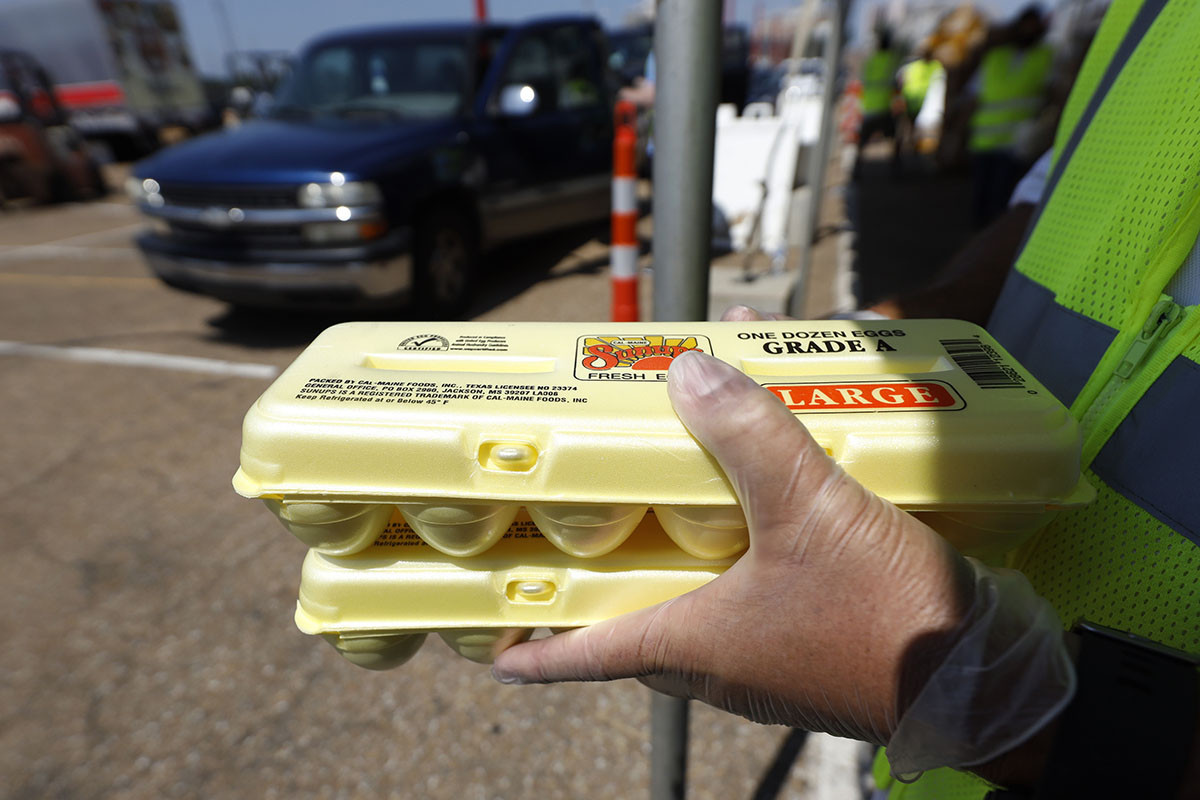
The egg industry seems to have some, well, bad eggs. The U.S. Justice Department and 17 states announced settlement agreements with three major egg producers on June 30. The settlements are meant to resolve allegations that the companies illegally colluded to raise prices.
The states and federal government accused Cal-Maine Foods, Versova, and Hickman’s Egg Ranch of an arrangement to “artificially inflate the daily price quotations for eggs” between June 2022 and March 2025. Their investigation found that the companies hatched a plan to coordinate bids they submitted to an index key. The key determines how much grocery stores, restaurants, and others pay for billions of eggs each year. This is price fixing. That term refers to companies agreeing with each other on prices rather than allowing free market forces such as “supply and demand” to set them. This typically forces buyers to pay higher amounts.
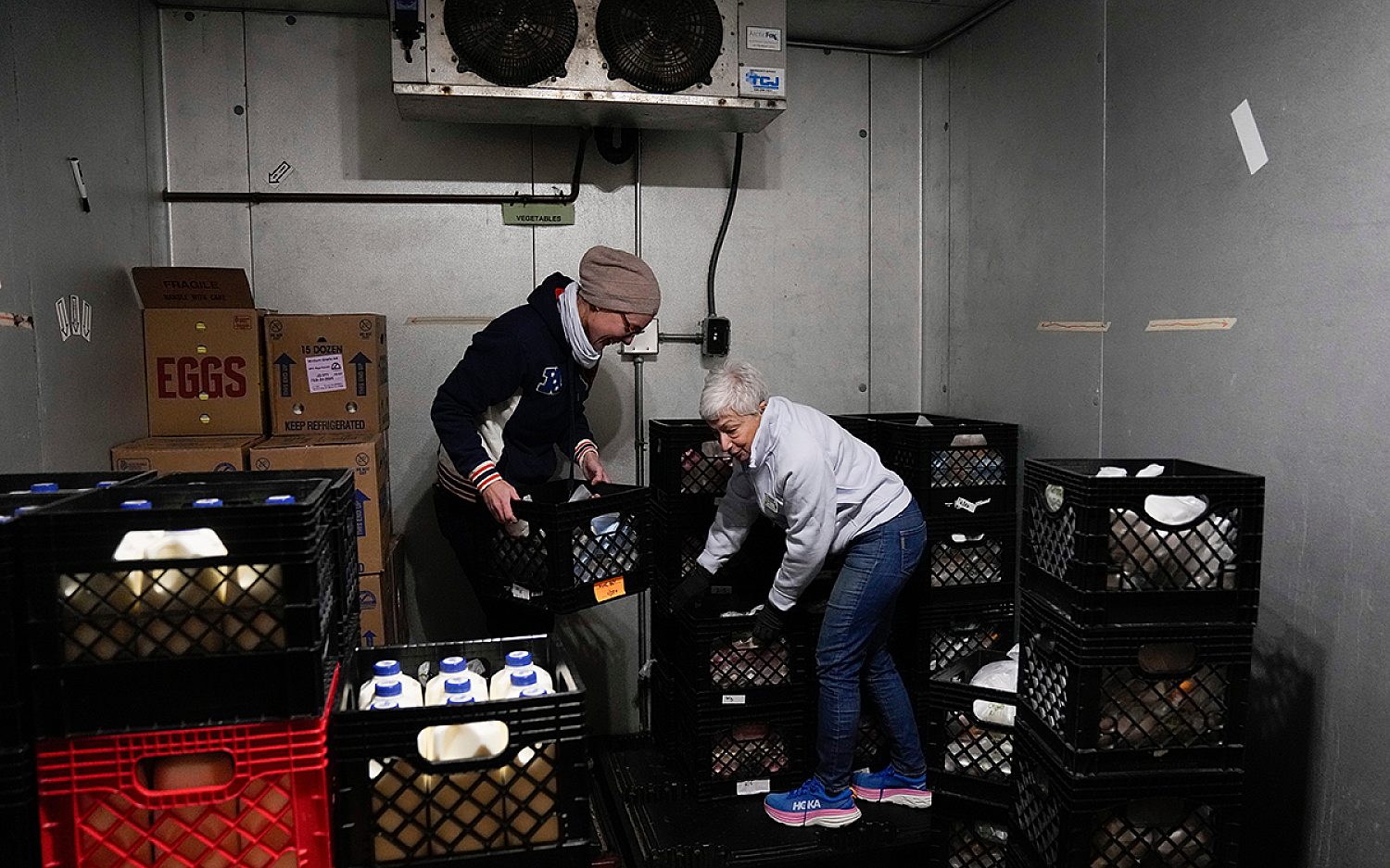
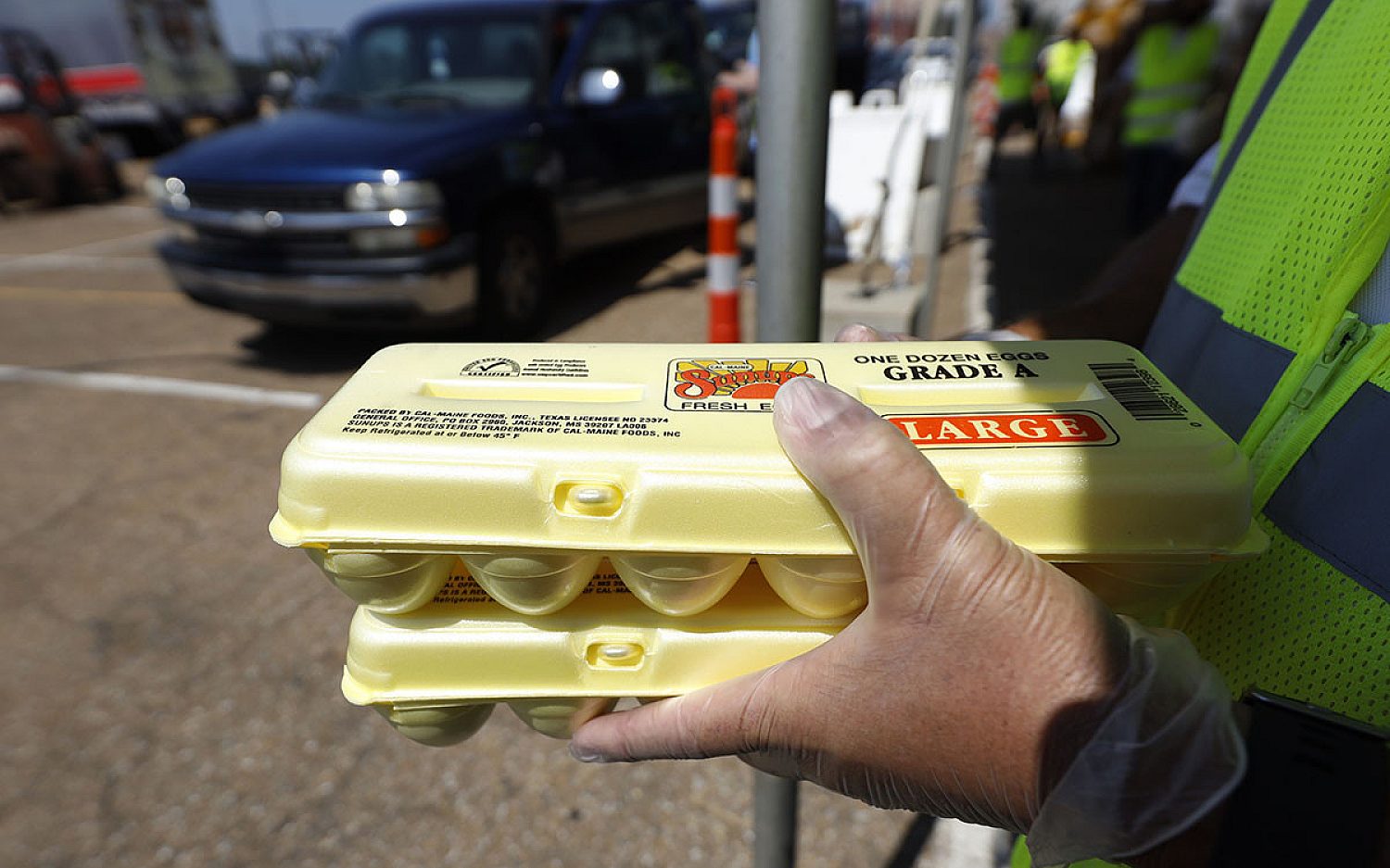
To settle the states’ claims, Cal-Maine, Versova, and Hickman’s are on the hook for $3.3 million and 53 million eggs. The eggs will go to food banks and nonprofits. The money goes to the states.
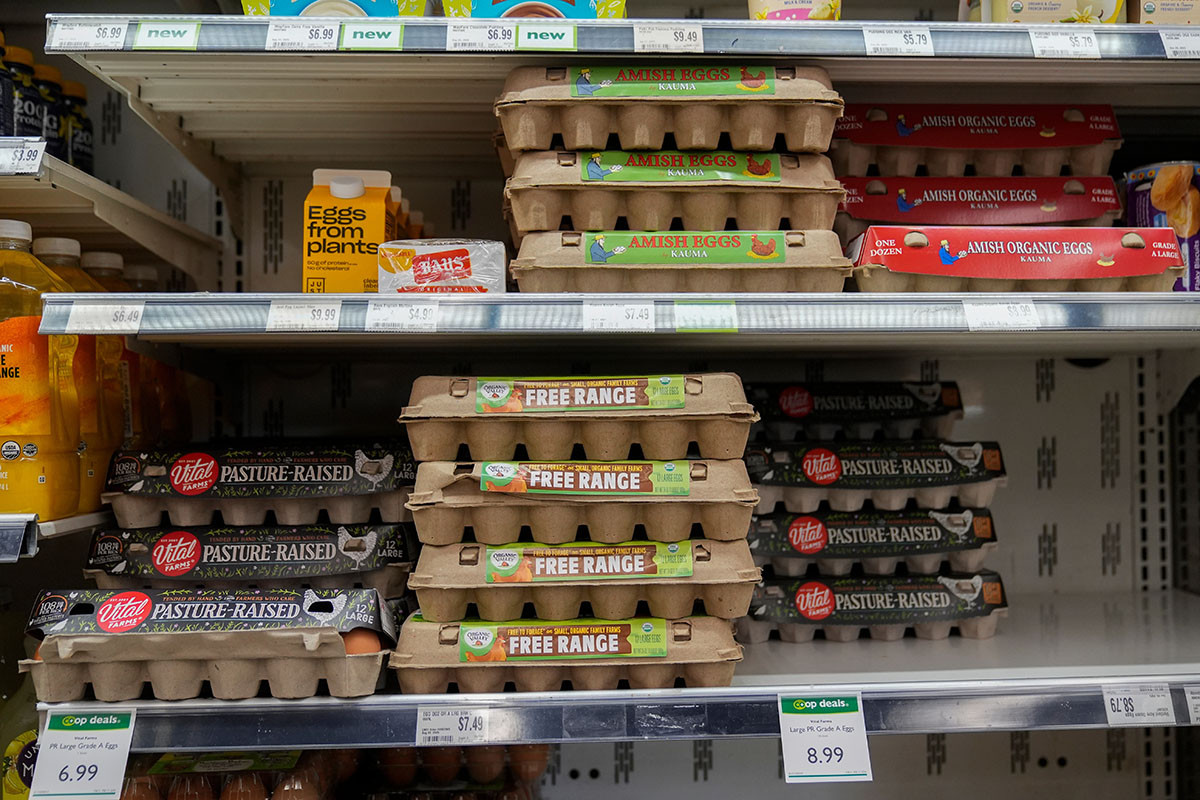
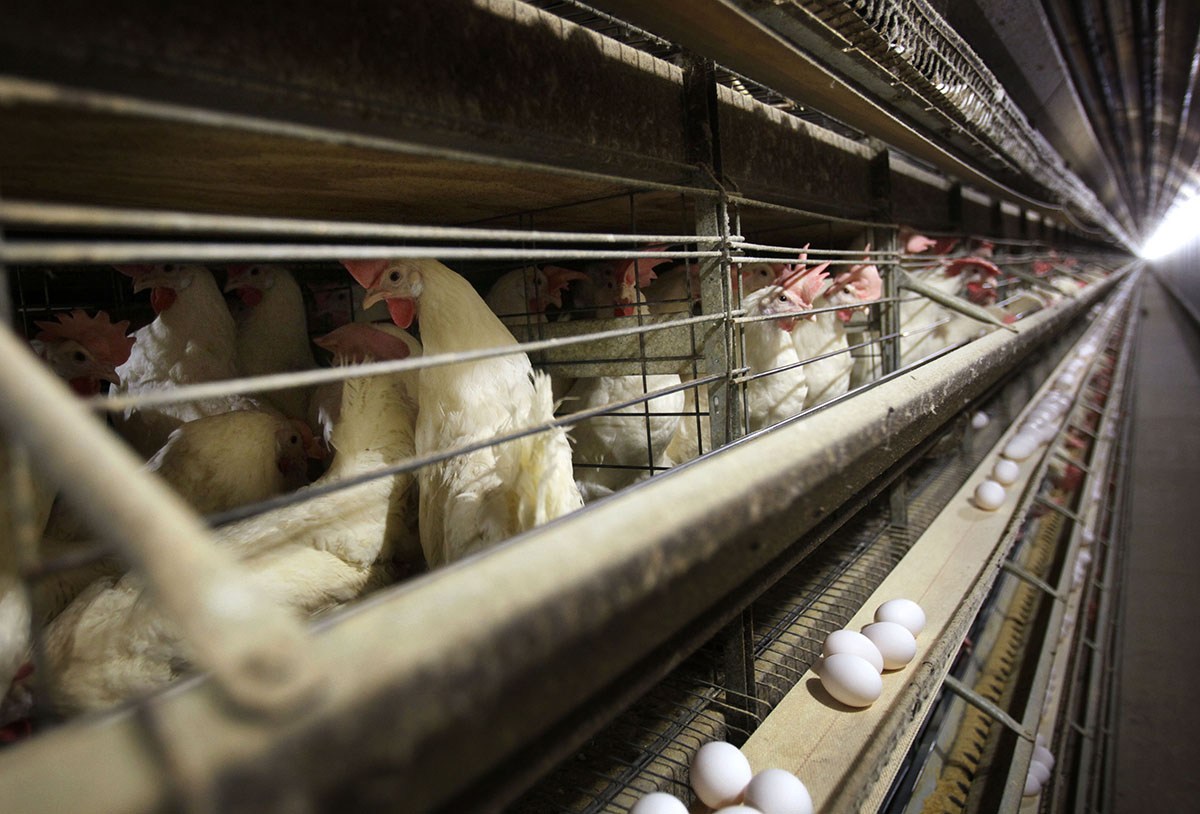
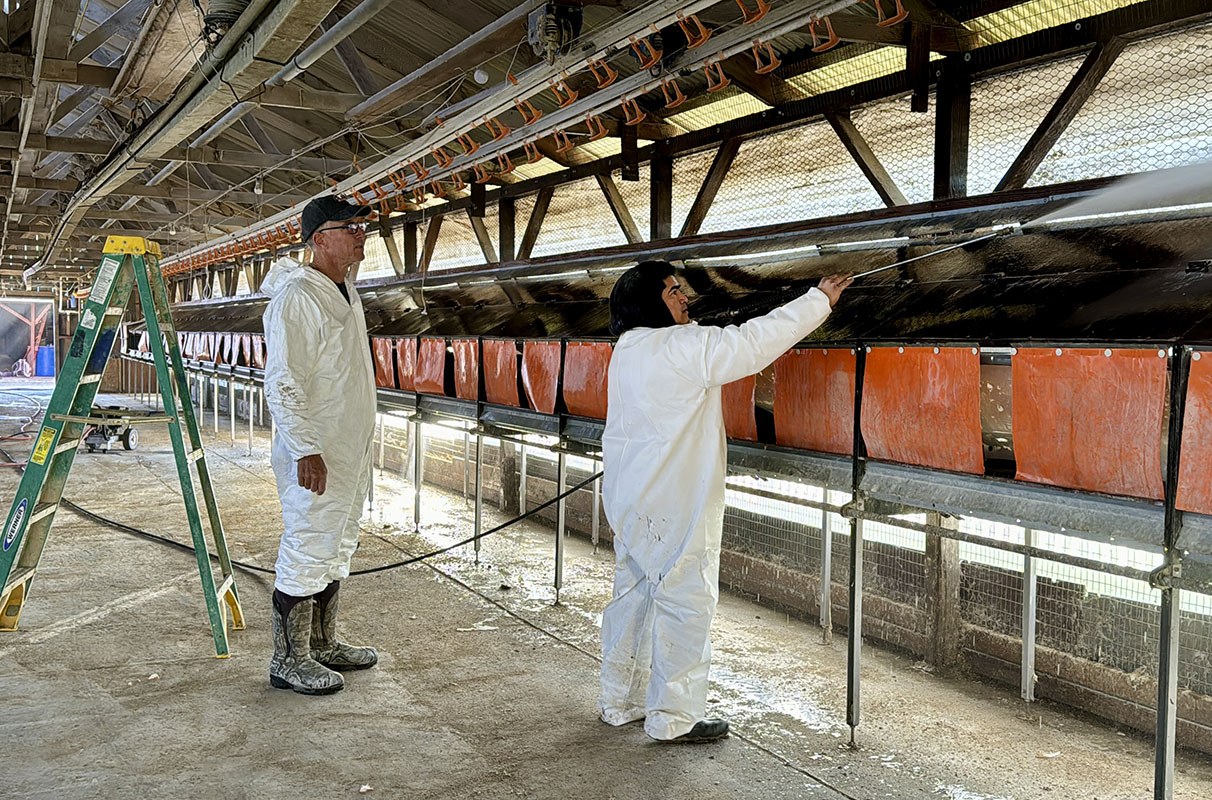
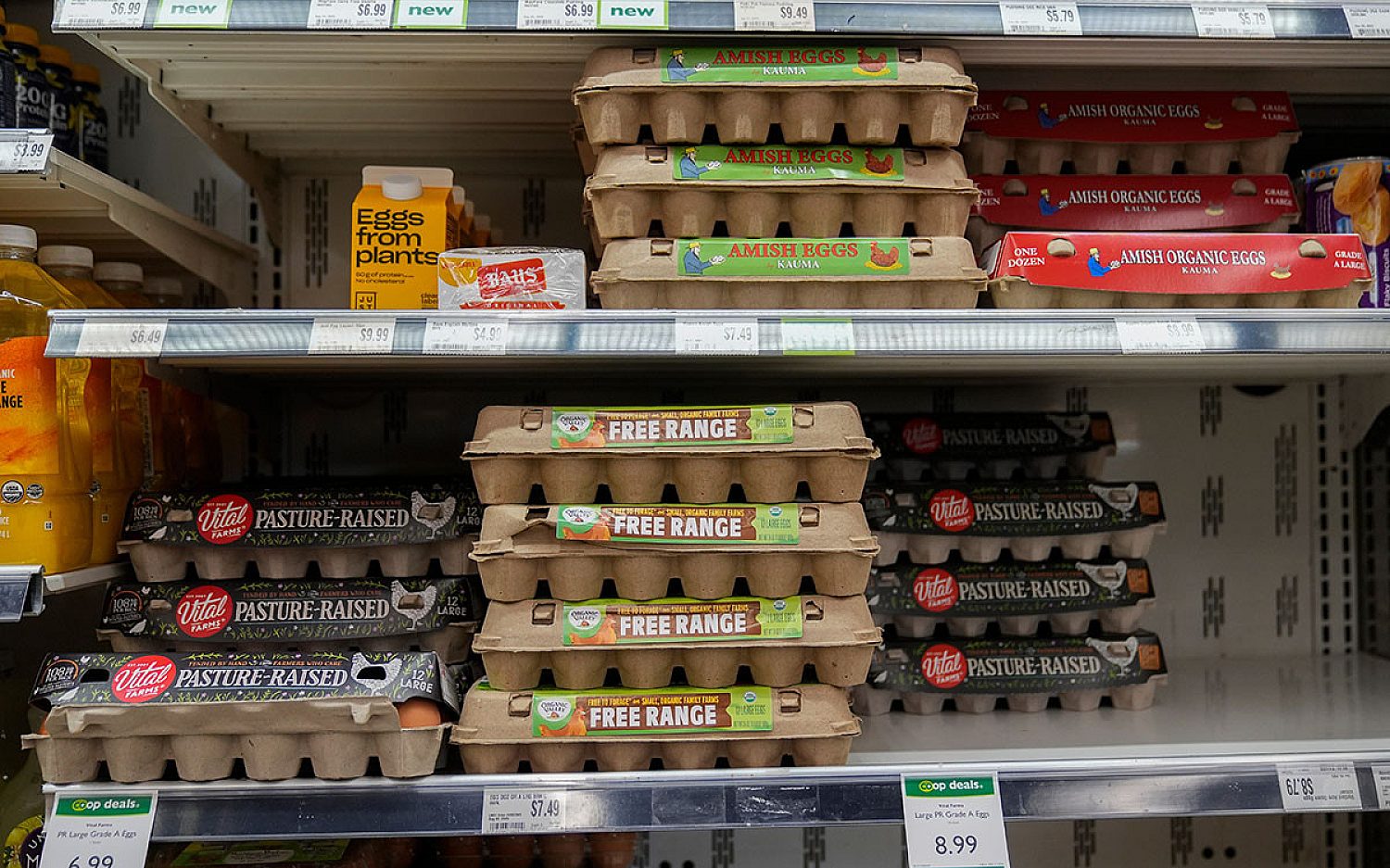
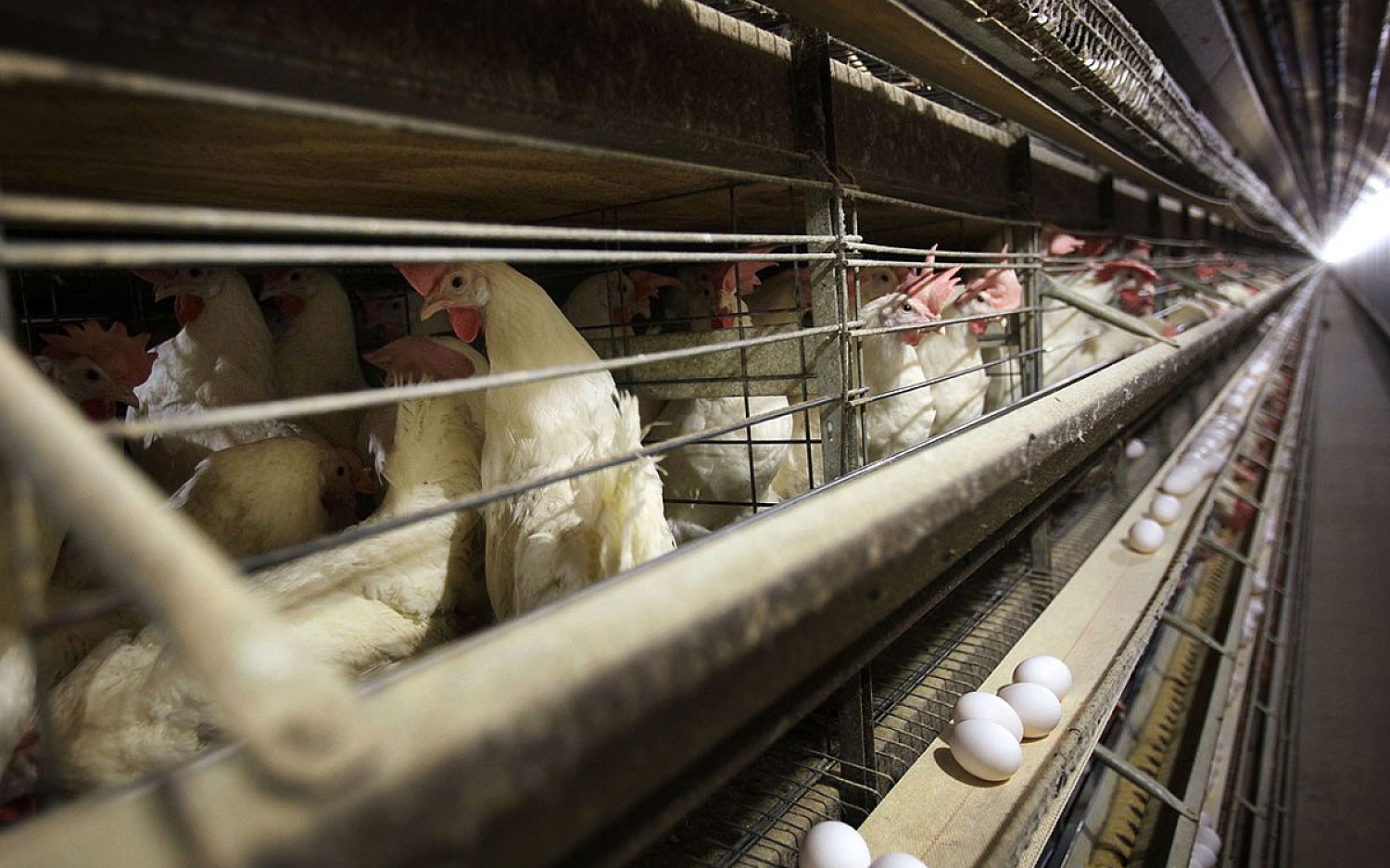
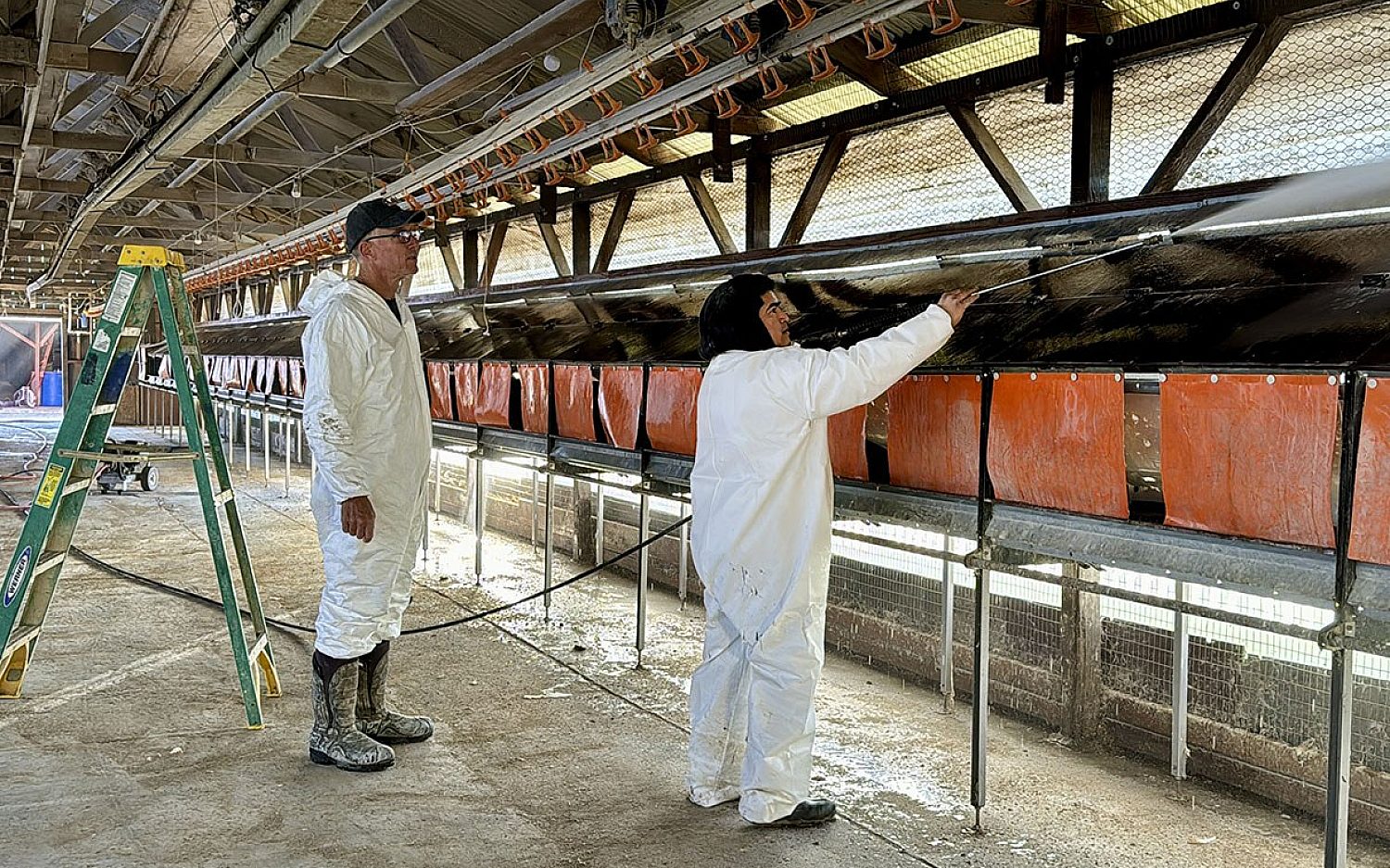
Average U.S. egg prices soared to a record high of about $6.23 per dozen in March 2025. That was during a bird flu epidemic that forced farmers to slaughter millions of chickens. Egg producers blamed the price spike on the outbreak. But critics also accused big companies of foul play. The government began to look into whether something rotten was going on.
The complaint notes that price quotations “dropped significantly” after the companies learned of the Justice Department’s investigation. Consumer egg prices also later tumbled as replenished flocks caught up on egg production despite the ongoing outbreak.
All three companies deny illegal actions. Still, Cal-Maine CEO Sherman Miller says the settlement “enables us to move forward.”
Miller adds that the Justice Department reviewed a “particularly challenging” time period. He notes that the coronavirus pandemic at that time, weather anomalies, and other market conditions also scrambled supply and raised prices.
Some critics argue the settlements aren’t enough.
“Consumers paid record prices while dominant egg producers reported extraordinary profits,” says Angela Huffman, president of Farm Action. “Yet the result is another settlement that corporations can treat as the cost of doing business rather than meaningful accountability.”
Cal-Maine reported a profit of $1.22 billion for the 2025 fiscal year. Under the settlement, the company will pay $1.5 million and donate 30 million eggs.
Versova will provide 20 million eggs and $800,000. Hickman’s will add 3.25 million eggs and $1 million.
Why? Greed can tempt people to practices that take advantage of others, such as price-fixing. This disrupts natural economic patterns and can harm consumers.