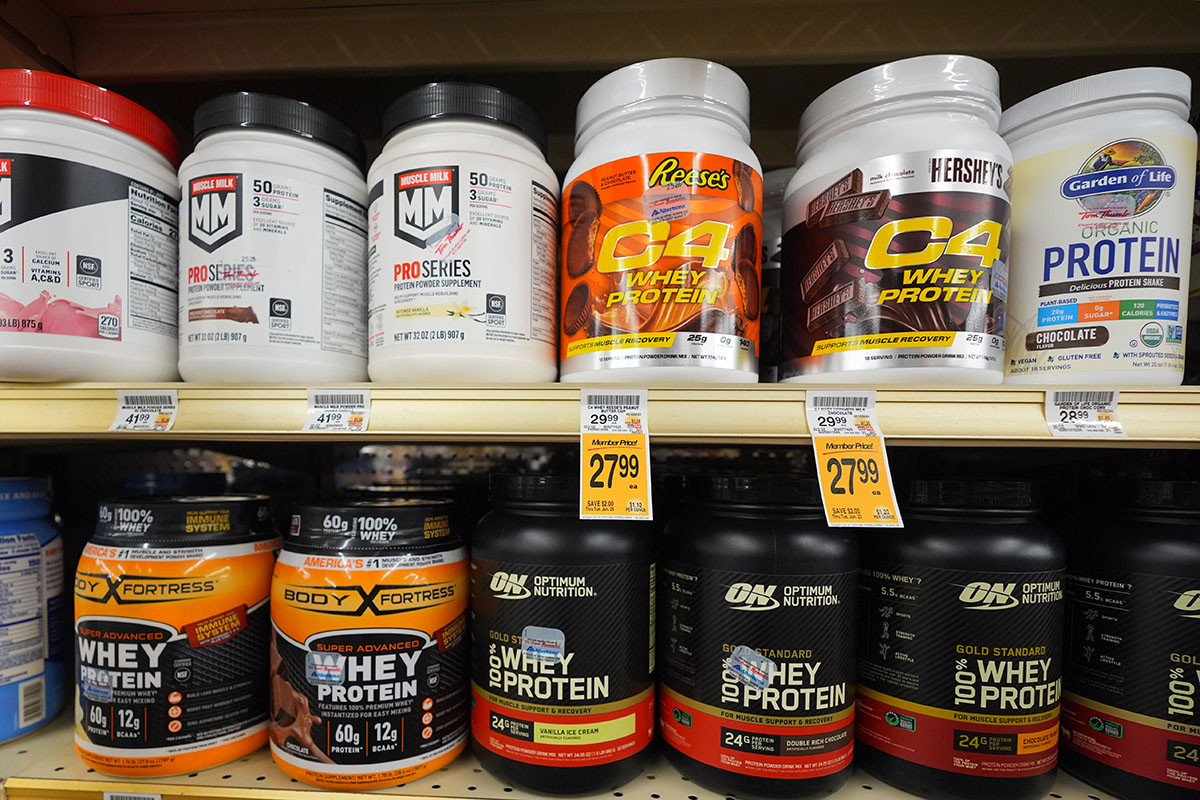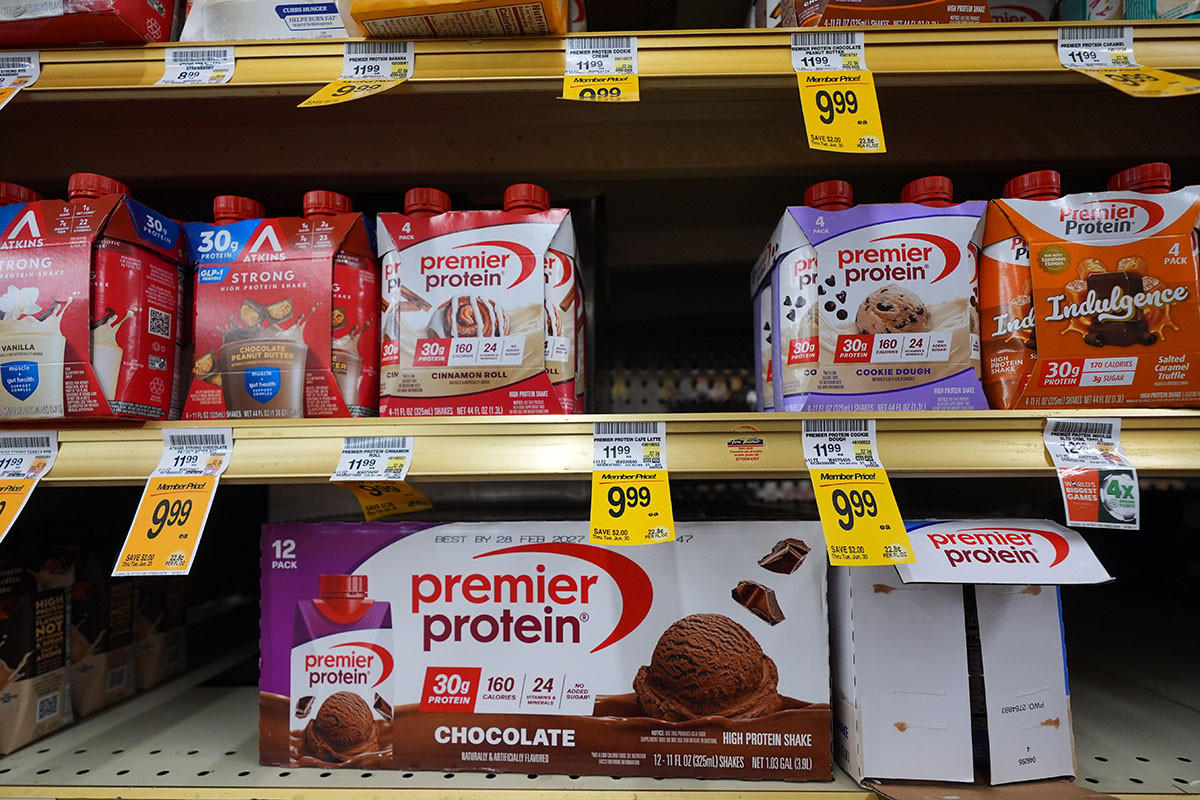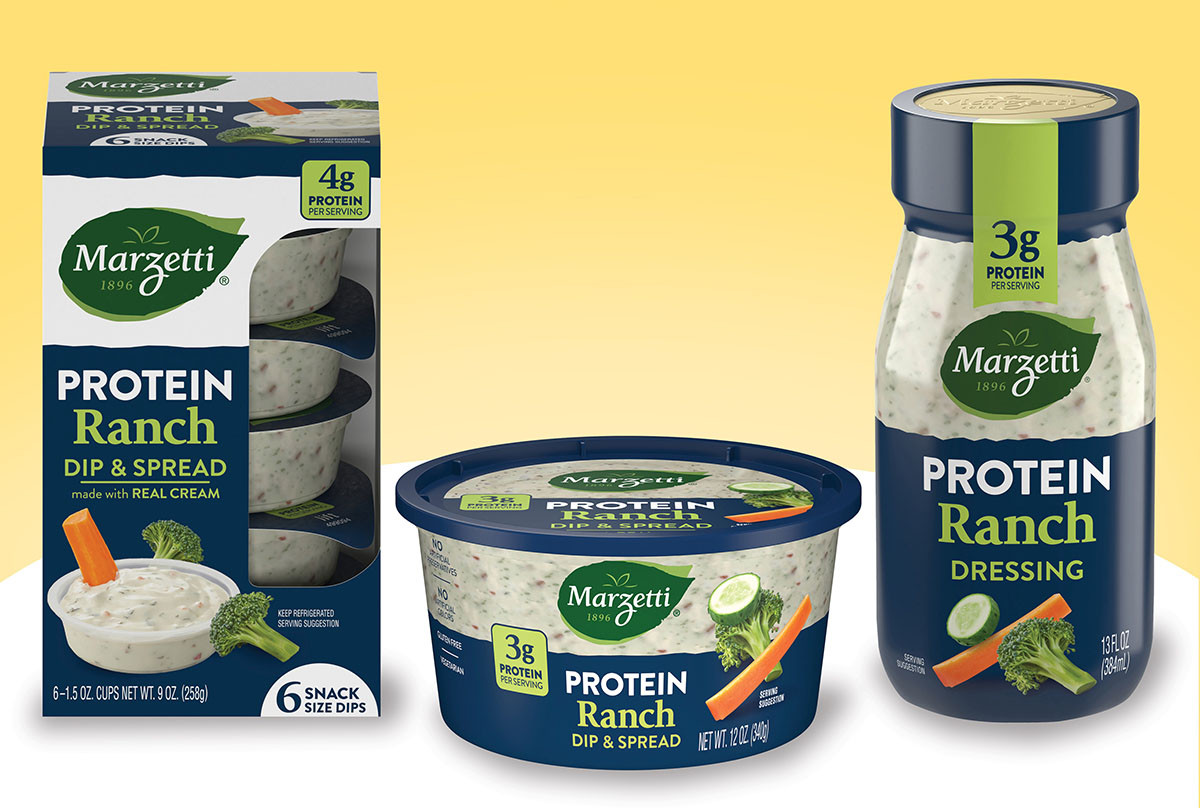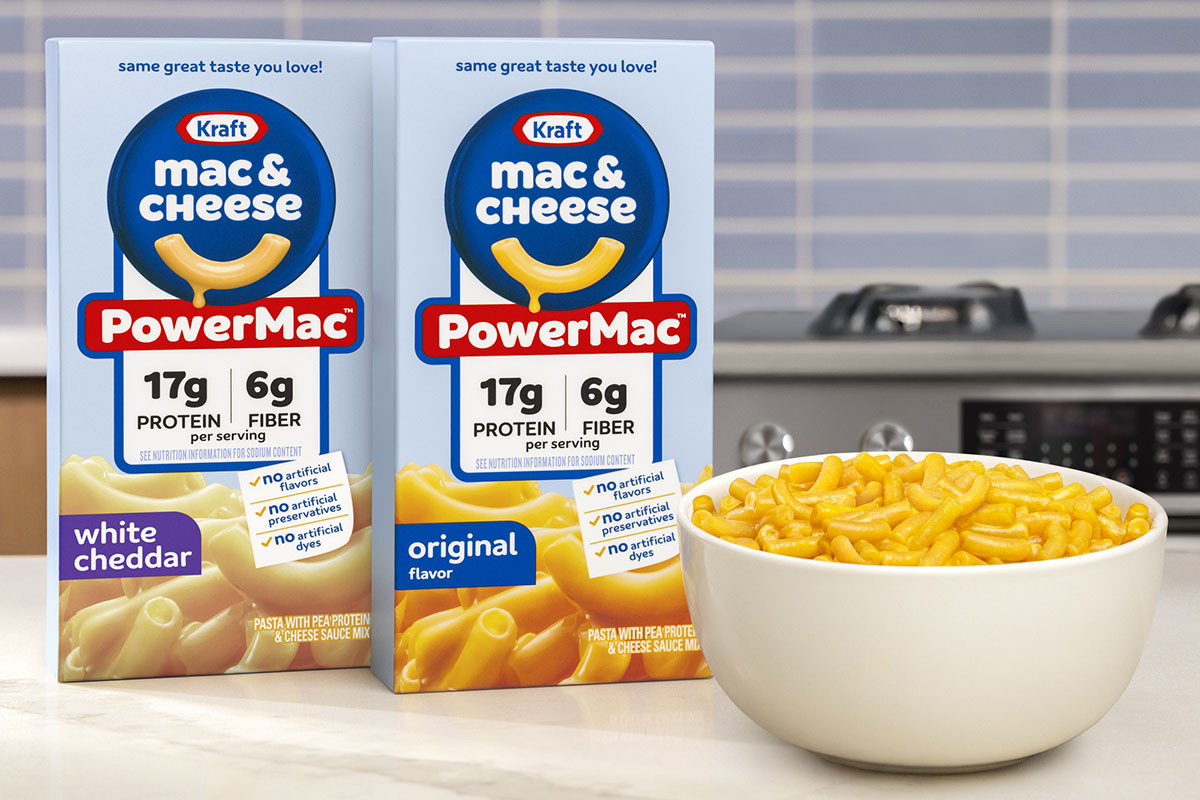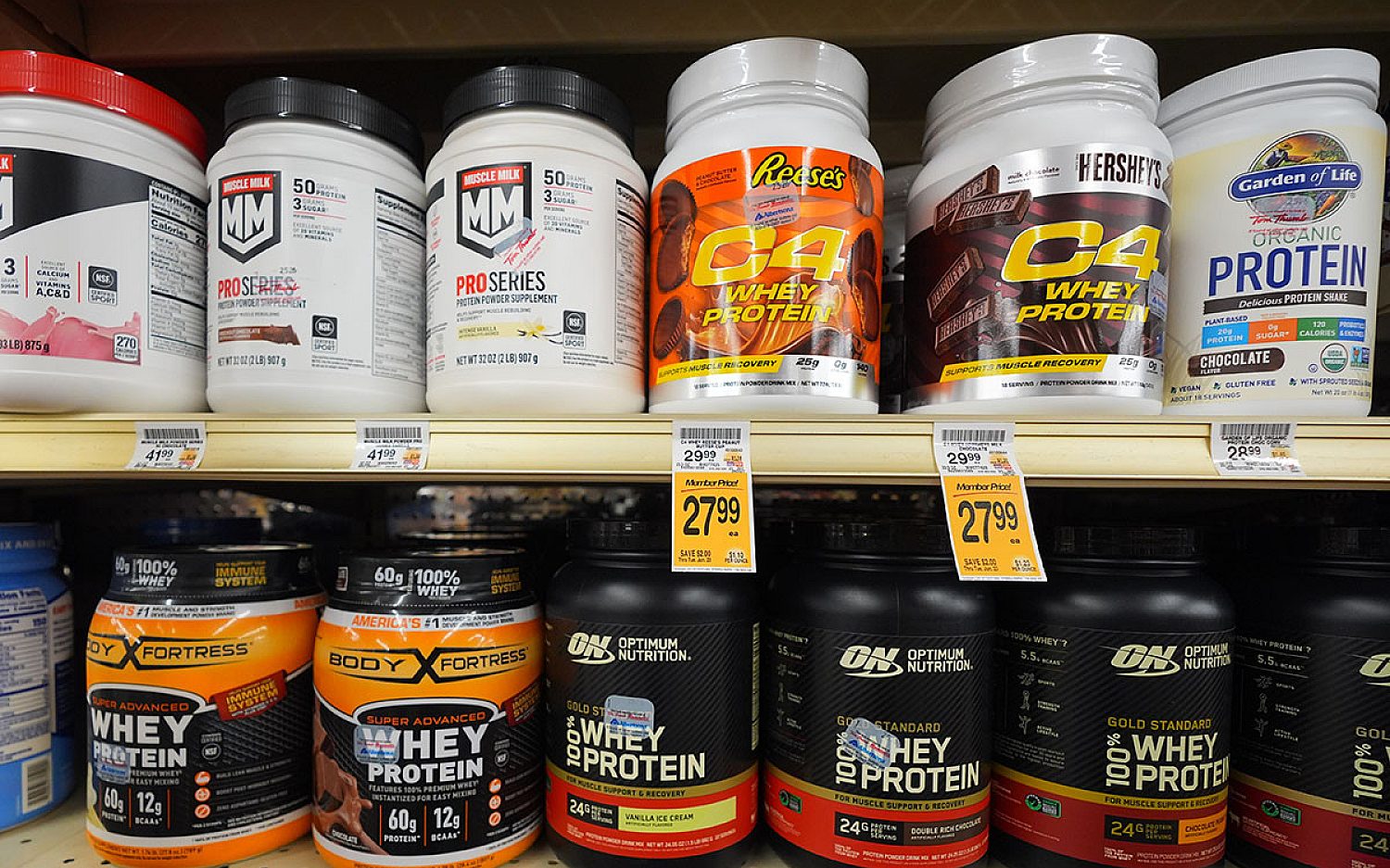
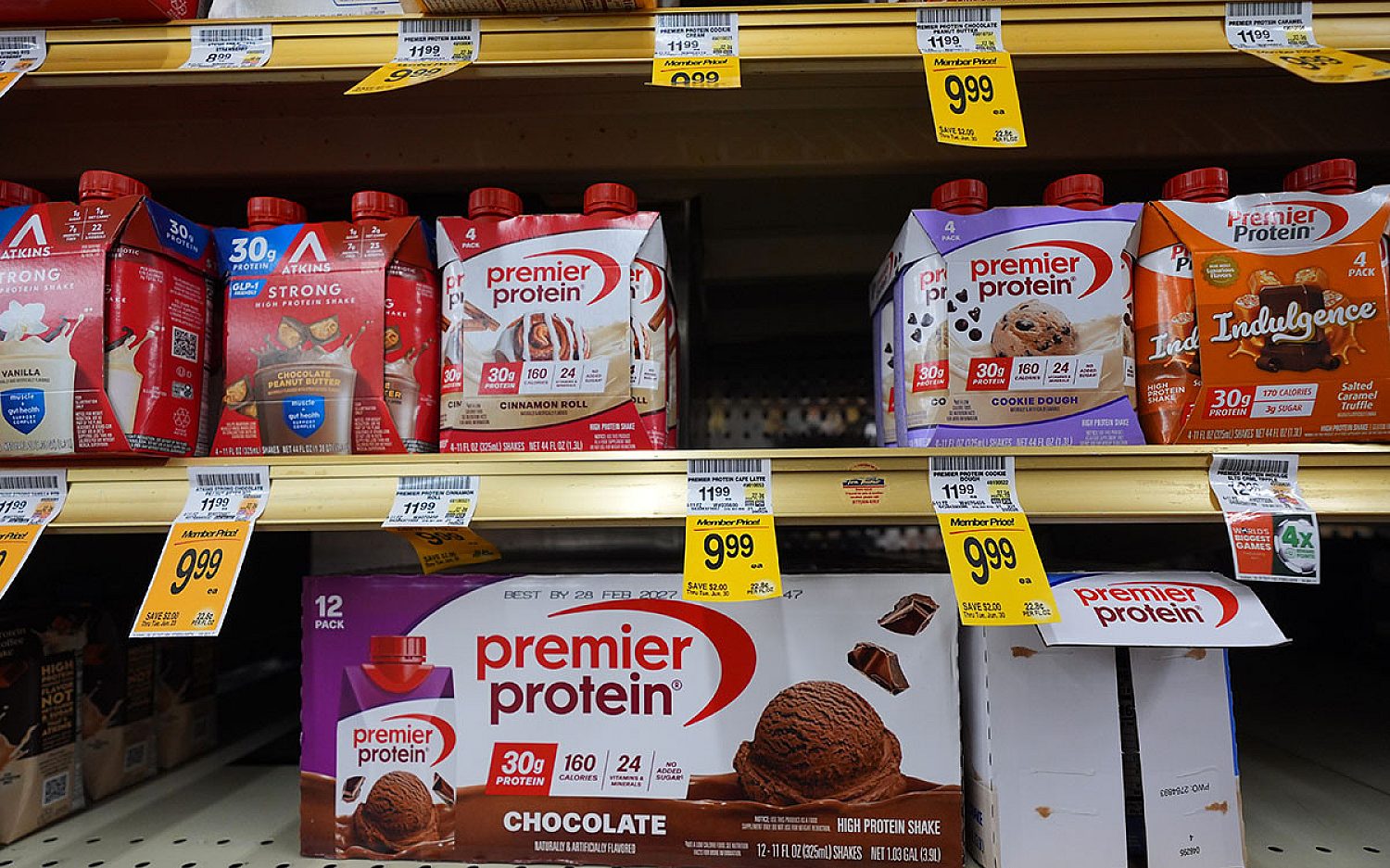

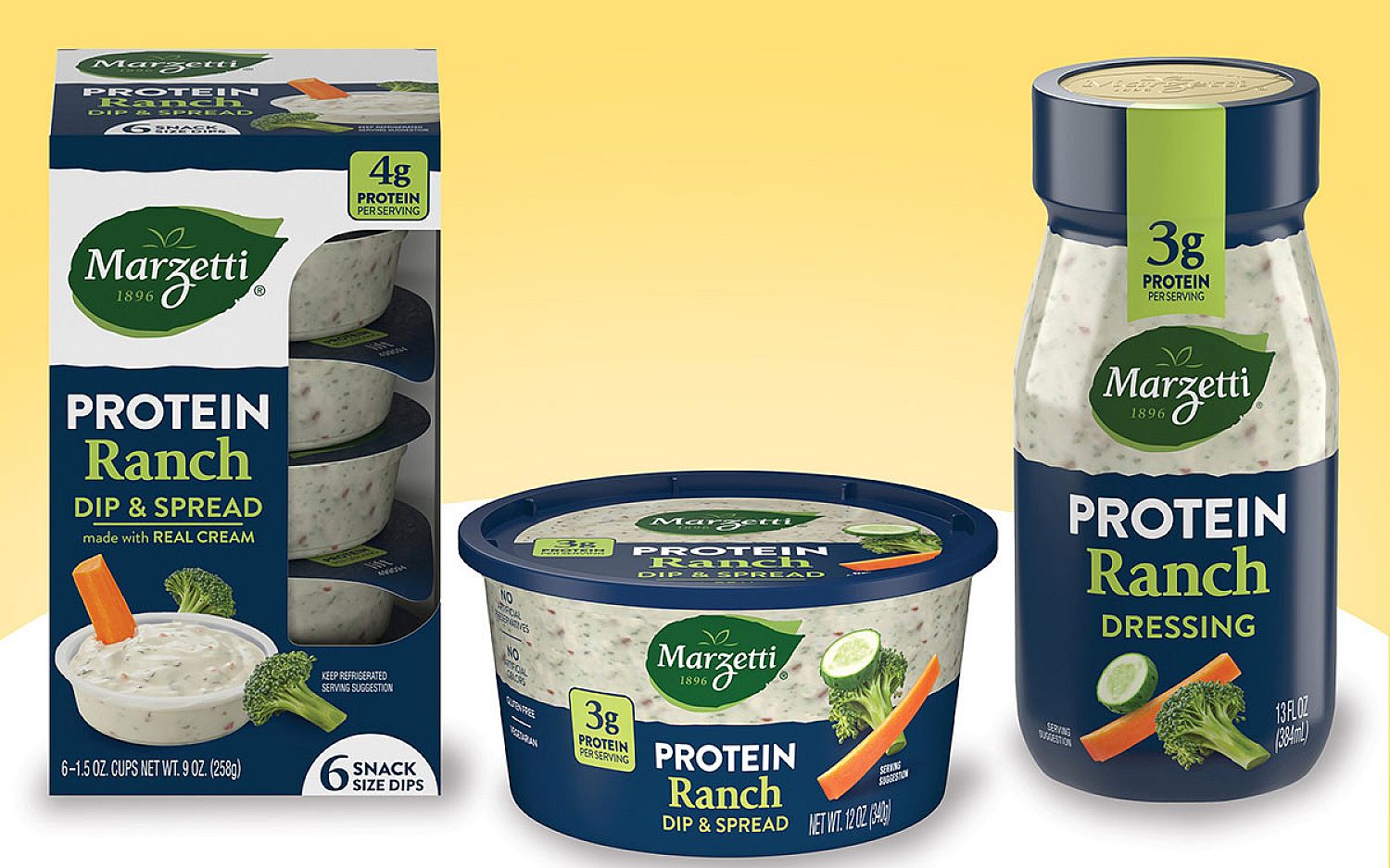
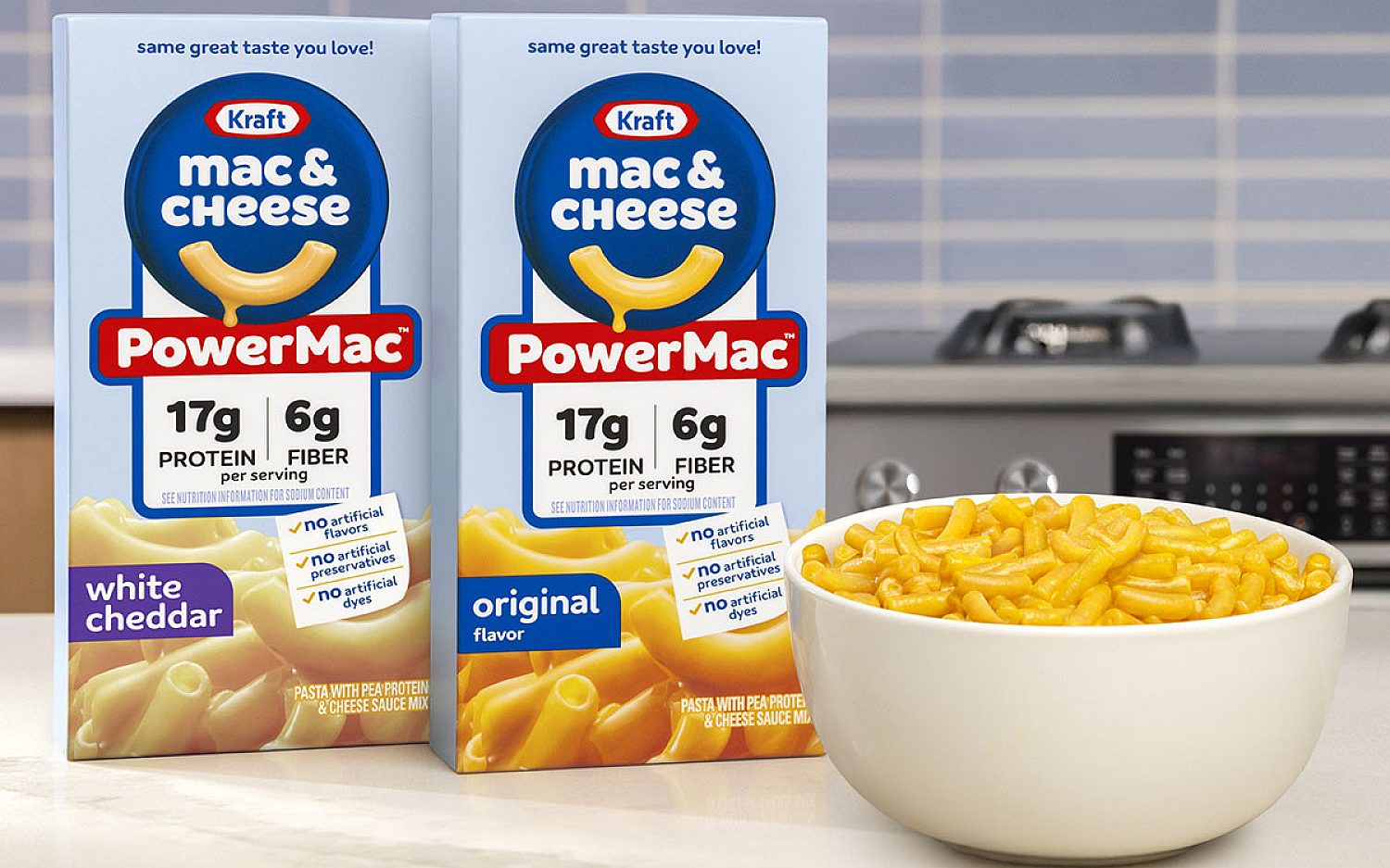
Athletes and adults have long used smoothies and shakes blended with whey protein concentrate—a powdered byproduct of cheese-making—to help build or maintain muscle. More recently, food companies sprinkle it into everything from breakfast cereals and Pop-Tarts to bagels, tortillas, and Starbucks drinks.
The eagerness to appeal to ingredient-focused shoppers—and cash in on the protein trend—led to shortages of food-grade whey protein. Prices push to new records.
“Demand is very firm and seemingly outpacing supply for right now,” says Kathleen Wolfley. She’s vice president of Ever.Ag Insights, an agriculture data provider and consulting company.
Food makers often use whey protein concentrate to boost the amount of protein in a product. It’s now trading on the dairy commodities market at more than $13 per pound in the United States, up 250% from a year ago. Whey protein isolate, a more refined version, is 150% more expensive than last year.
That also raises prices for consumers. Most U.S. customers are paying about 15% more for their whey protein powder than last year.
Where does all the whey come from?
Milk contains two proteins: casein and whey. During cheesemaking, the casein—which forms solid curds—is separated from the liquid whey. The whey, when dried, forms a powder.
God made our bodies to require protein, among other nutrients. While protein powders can be a helpful supplement, most people without specific health or diet needs get plenty of protein from a balanced diet, dietitian Joan Salge Blake told BU Today.
U.S. milk consumption has fallen for decades. But the nation of cheese-eaters generates a lot of whey protein. China and other countries once imported some of the excess.
The domestic hunger for high-protein food now keeps more whey protein in the United States. U.S. exports of popular whey protein products to China fell by almost half from January through April compared to the same period a year ago, according to Vesper. That company tracks commodity prices.
Wolfley says several manufacturers plan to increase whey protein production. But it will take up to three years to ramp up capacity.
In the meantime, higher prices may mean that some consumers choose to stop buying whey protein powders—or use it more sparingly. Reduced retail demand might reduce shortages.
“The supply-demand dynamics could start to improve, but I don’t know if that’s a tomorrow dynamic or within a year,” Wolfley says. “Some of these things are going to take time.”
Why? The increased popularity of high protein foods illustrates the law of supply and demand.