
You’ve probably heard “bookstores are dying.” Indeed, the decline of brick-and-mortar shops is a popular narrative. However, the latest numbers show independent stores expanding. How do small bookshops survive—and thrive?
In the 1990s, behemoths like Barnes & Noble and Borders, and online giant Amazon offered readers bigger selections than small shops. They often sold volumes at discounted prices too.
Mega-booksellers’ success often meant financial failure for little stores. Barnes & Noble was seen as the leading cause for perhaps thousands of indie store closings.
“All the ingredients were there for the independent sector to see the end of its days,” organizational behavior professor Ryan Raffaelli says in a 2020 paper for Harvard Business School.
The seemingly relentless downward trend for indies changed in 2009. Instead of closing, indies began opening. Eclipsed by Amazon, the mighty Barnes & Noble was shuttering some of its own stores by the 2010s.
Raffaelli identifies three reasons for the resurgence of independent booksellers: community, curation, and convening.
First, he says indies began pushing the idea of shopping local. He notes that’s when many consumers started saying, “I will pay extra because I know that this is actually an investment in my community.”
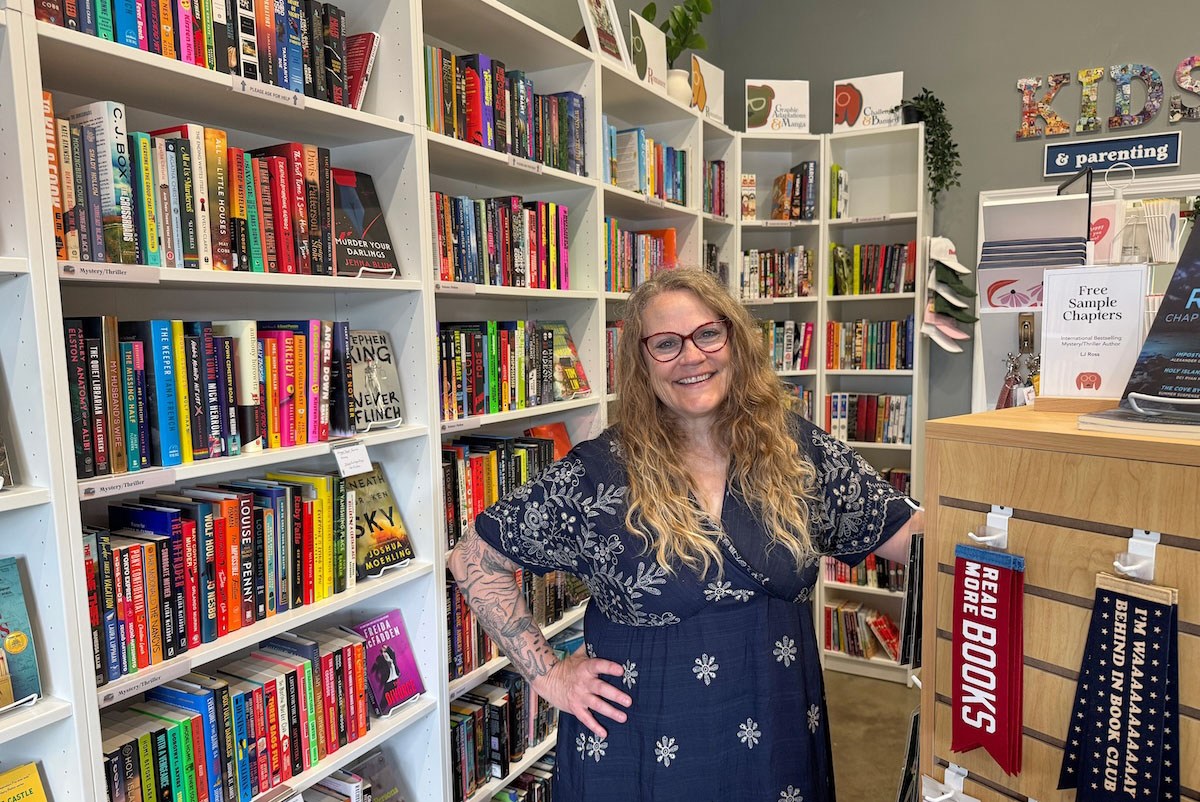
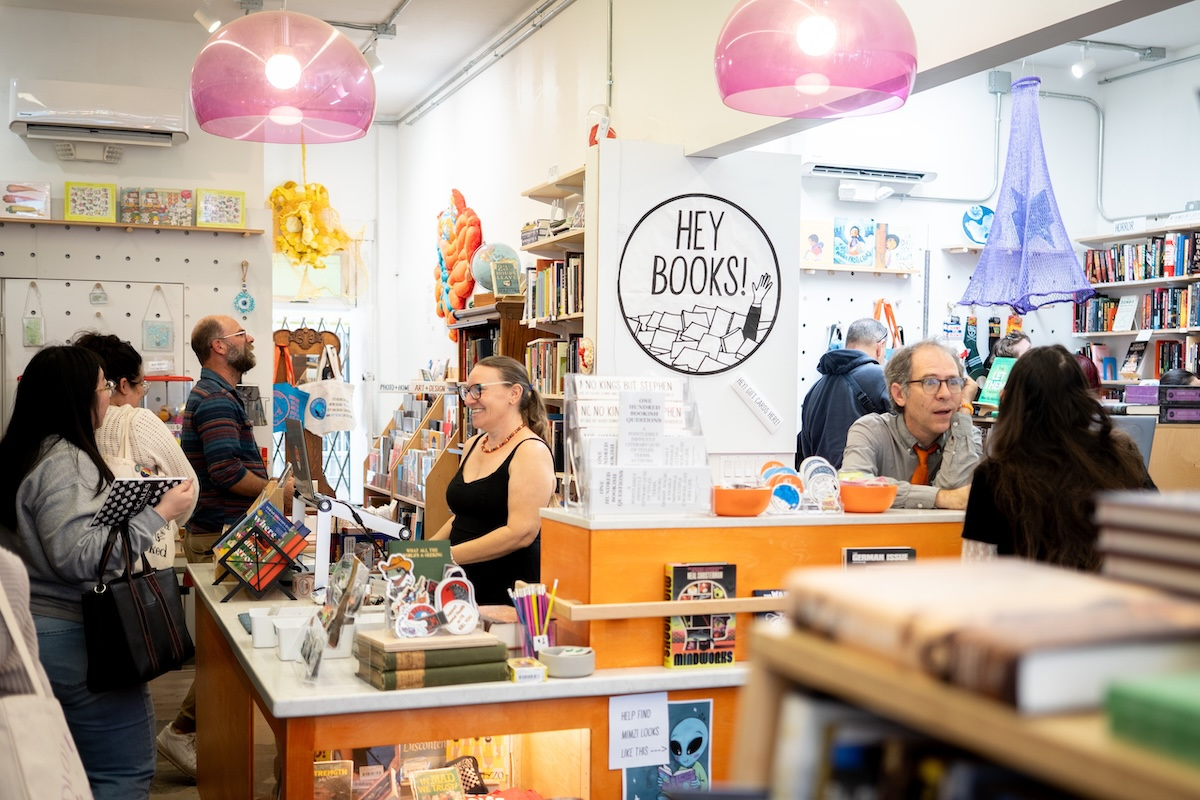
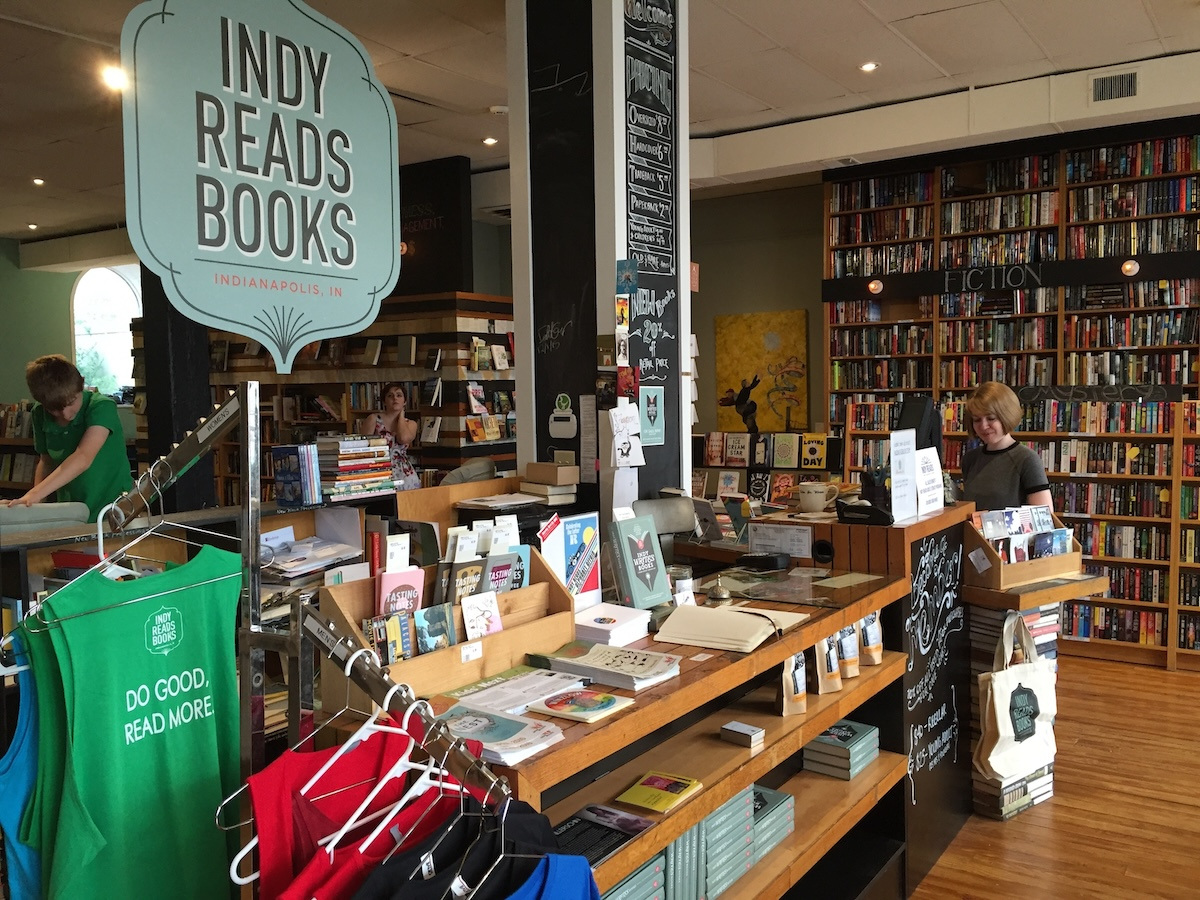
Raffaelli says small bookstores also employ real-life book lovers. These employees hand-select experiences and products for customers. They provide gathering places for knitting groups, coffee clubs, author talks, and more.
“I think people want to realign their lives with their values,” posits American Booksellers Association (ABA) CEO Allison Hill.
Hill’s point reflects the need of all image-bearers for fellowship and mutual support. Some Christians find that kind of environment in their local churches—but not everyone does. As people stray from gathering at church, many gravitate toward other types of community.
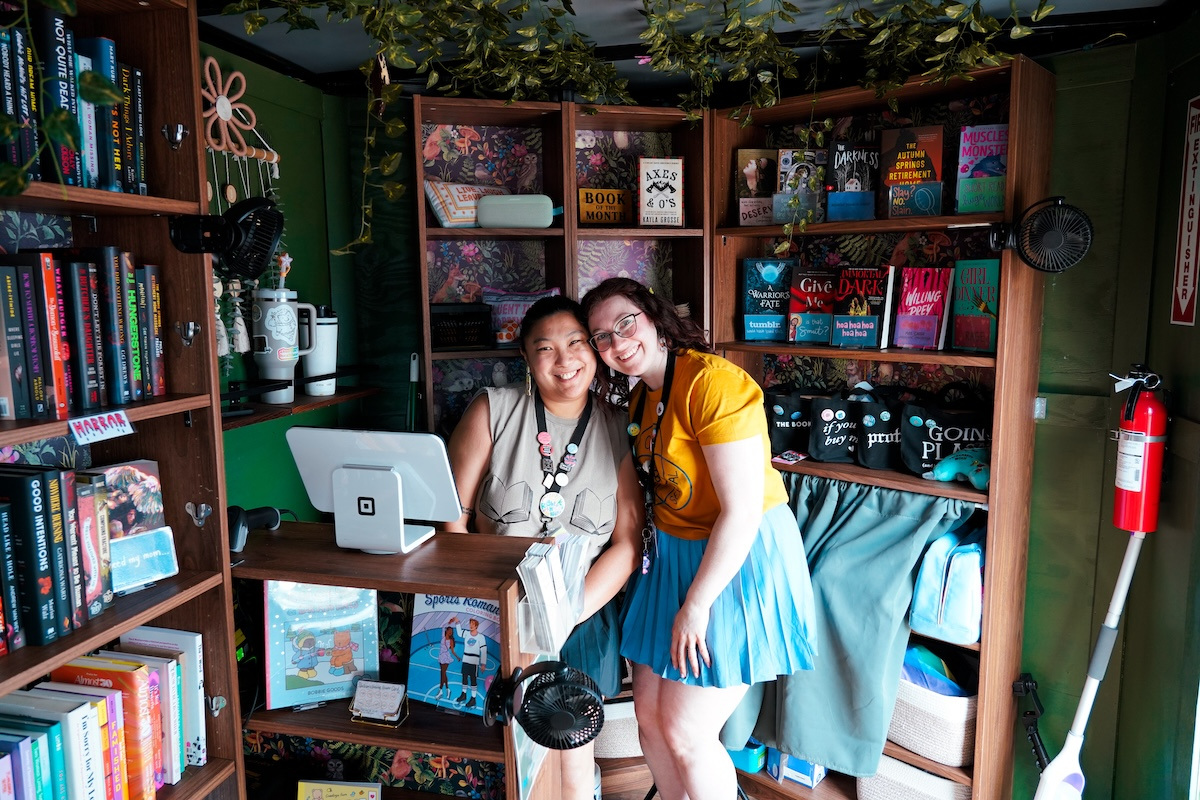
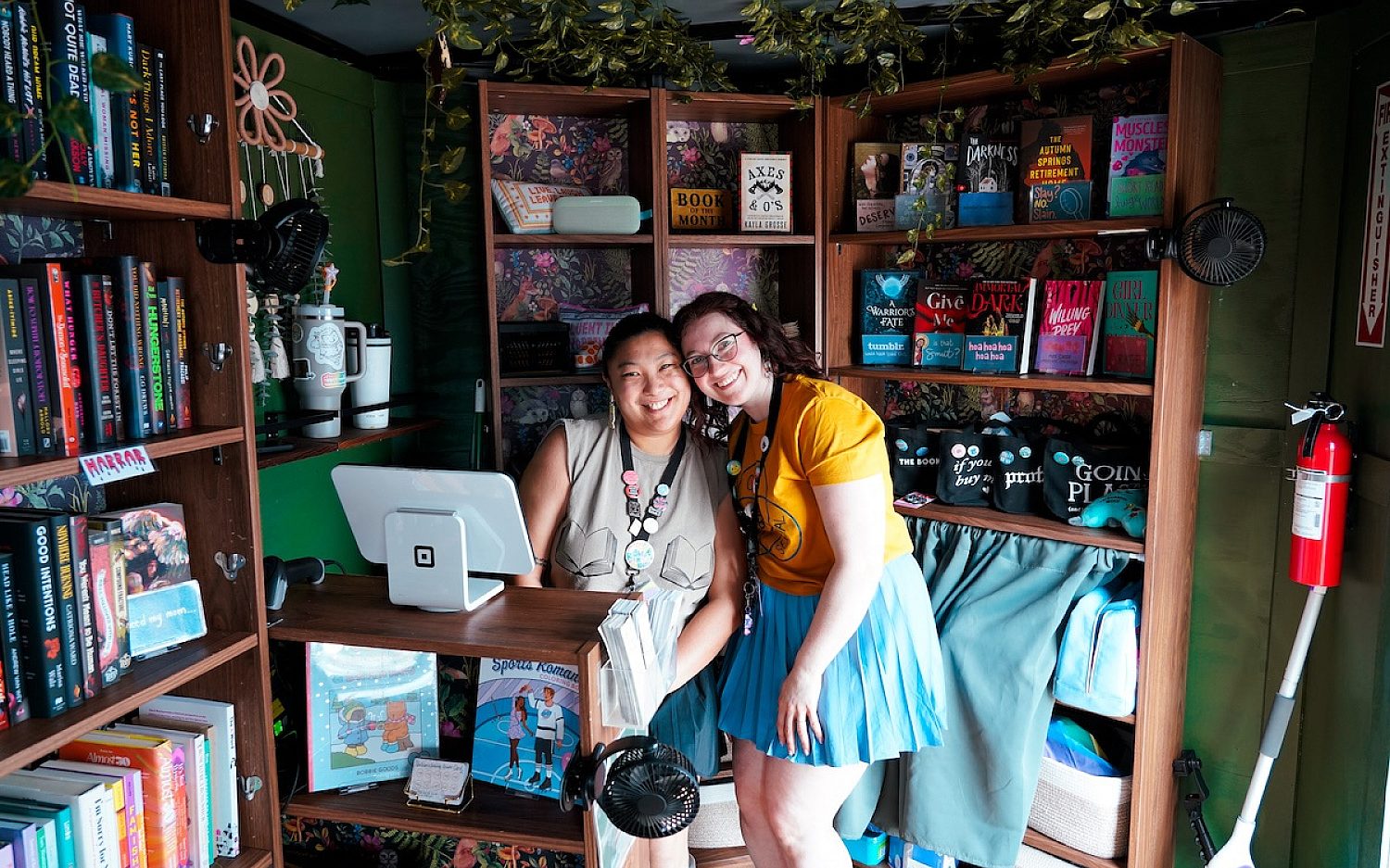
Today, ABA membership has rebounded. Last year, the group nearly tripled its numbers of a decade ago. The surge includes general interest shops, mobile stores, and pop-ups.
Kelley Hartnett opened Missouri’s Double Dog Bookshop in 2025. She traveled in a converted trailer with two Australian cattle dogs.
Her store is “50% books and 50% community,” Hartnett says. She also claims people are tired of online interactions: “They’re not the same as having a human-to-human connection.” She’s since opened a storefront.
Still, Hill knows indie bookstores don’t have it easy. Costs are high, and schools and libraries face budget cuts that limit local purchases. Plus, a newly revived Barnes & Noble looms large.
Intended pun or not, Hill suggests, “Even a small decrease in sales can make or break a bookstore’s year in an industry with paper-thin margins.”
Why? People seek face-to-face community through even commercial settings when options are limited.
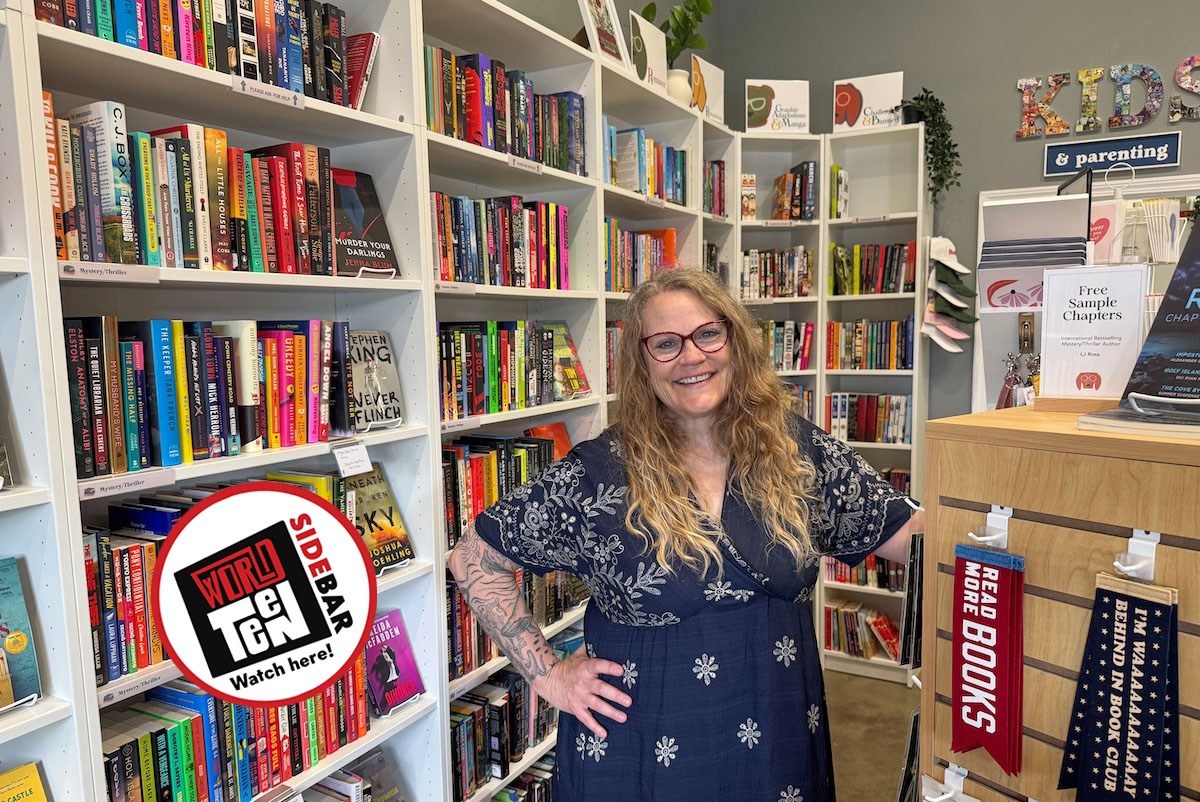
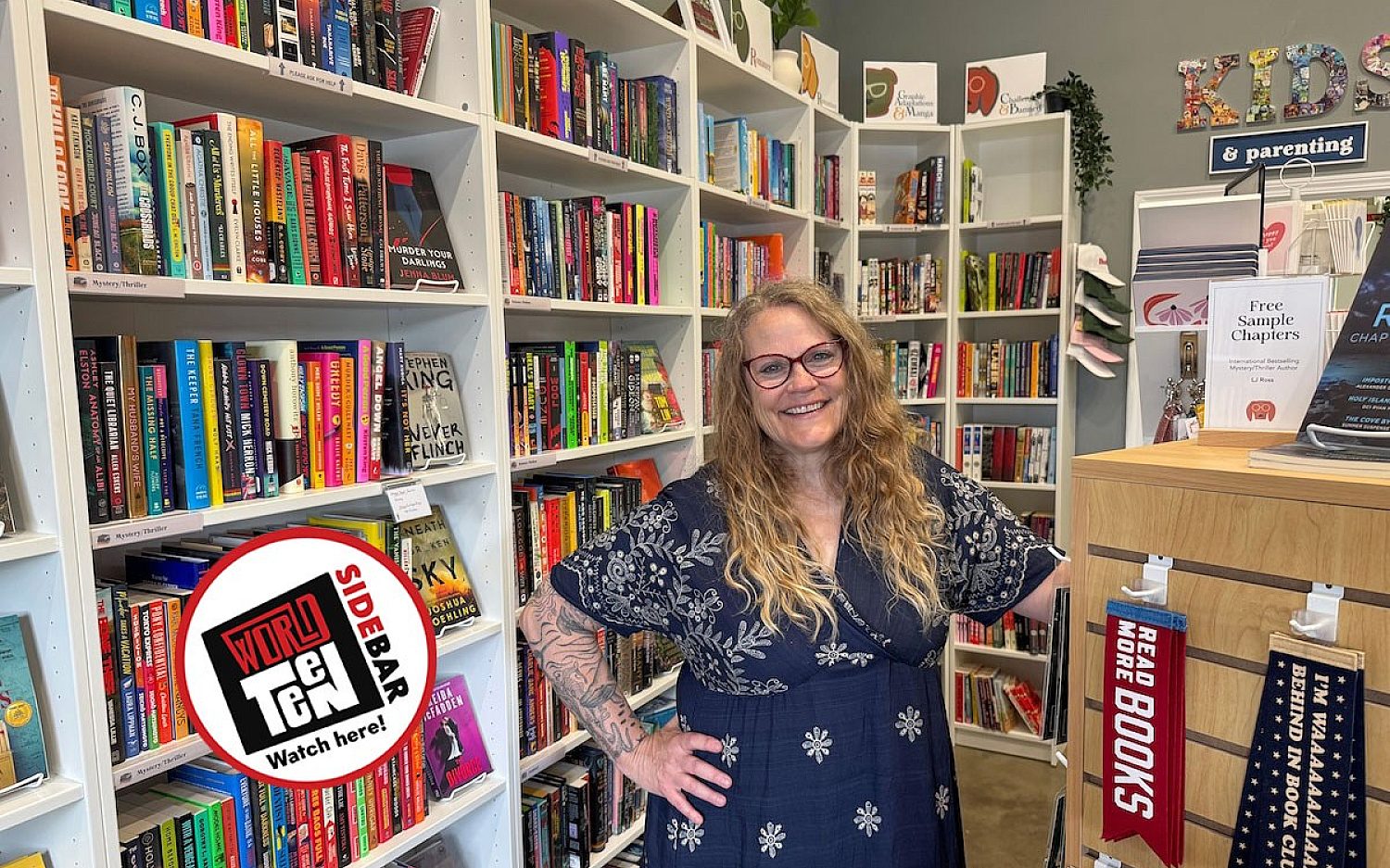
Click the “video” button at the top of the story to watch a WORLDteen Sidebar video about a bookseller keeping books available in war-torn Gaza.